Category: Topical Remedies

Fu Medicinals Topical Liniments

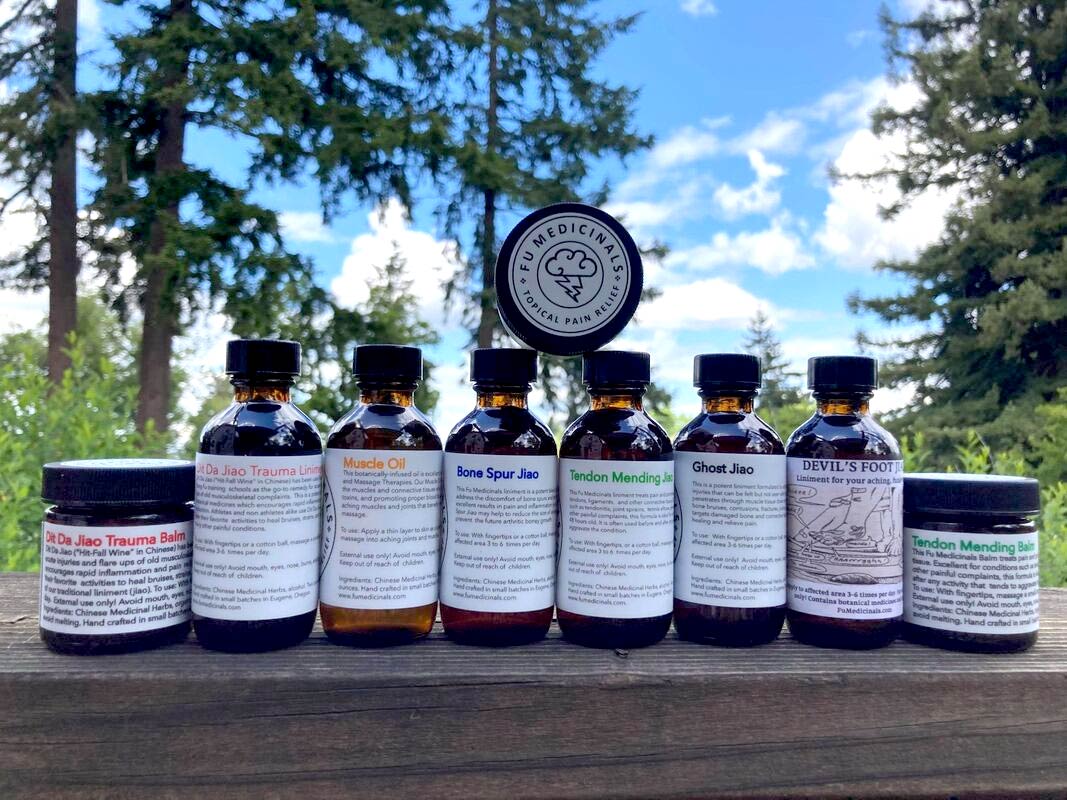
Fu Medicine Formulas Herbal Line up

Fu Medicinals

Fu Medicinals brings the power of ancient Chinese Kung Fu healing traditions to the modern world with their range of topical liniments designed to provide effective pain relief for a variety of injuries and pain-based conditions.

Hand-crafted in small batches in Oregon, these liniments are made using organic and locally-produced ingredients whenever possible, ensuring the highest quality.

What sets Fu Medicinals apart is their commitment to specific ailment targeting, following the principles of Chinese Medicine to address the root causes of pain.

Quick Links to the Sections Below

 We’ll explore their product offerings, from the PNW Dit Da Jiao Trauma Liniment to the Tendon Mending Jiao,and  Bone Spur Jiao,.  Additionally, we’ll delve FAQ, Ingredients that make Fu Medicinals’ liniments stand out, Learn about the maker and share some remarkable customer testimonials that attest to their effectiveness.

What is Fu Medicine

The Fu (pronounced foo) Medicinals topical liniments provide pain relief for a wide range of injuries and pain-based conditions.

These liniments are rooted in ancient recipes of the Chinese Kung Fu Martial Arts lineages. Each medicine is hand-crafted in small batches in Oregon, using organic and locally-produced ingredients whenever the option is there. We choose to use the highest-quality Chinese Medicinal Herbs which are crushed by hand with mortar and pestle prior to starting an infusion process. The herbs we utilize are sourced through importers and farmers in Oregon, the alcohol we use for jiao infusions is distilled by the base of Mount Hood,

What are Fu Medicinals Good For?

All of Fu Medicinal products are designed for specific ailments as opposed to a One-All topical that claims address all of your various pains. At Fu Medicinals, our goal is to follow the theories of Chinese Medicine according to the levels of damage to the body and bodily systems. When choosing a topical medicine for your own condition, it’s important to understand what is going on that is causing your pain in the first place. If your doctor has given you a diagnosis, then you’re already off to a good start. If not, read the descriptions of our products below and perhaps your complaints will match up with a solid choice.
PNW Dit Da Jiao Trauma Liniment

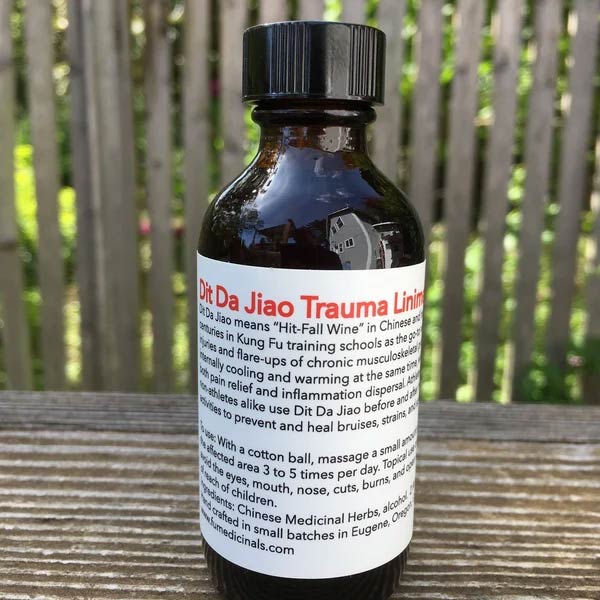
PNW Dit Da Jiao Trauma Liniment and Balm Dit Da Jiao (dit-dah-jow) is translated from Chinese as “Hit-Fall Wine” and has been a classic remedy in Kung Fu schools for centuries. The liniment is made from medicinal herbs that reduce inflammation and eliminate pain very quickly. This formula is called a “Pacific North West” Dit Da Jiao and is perfect for acute injuries, as well as flare-ups from older injuries. It removes swelling, moves stagnant blood, and relaxes tense tissues to aid in healing.

Red Blood Muscle Level

The significance of the Red Label on PNW Dit Da Jiao Trauma Liniment lies in its ability to target Acute Bruising at the Blood Muscle Level. It serving as a substitute for ice and is both warming and cooling at the same time. Think of a medicine that helps pump and flush old blood and toxins out while bringing in new and fresh blood and nutrients. Hong Hua is important as a blood mover. If it is an old injury, the go-to formula is Tendon mending

In the “Pacific North West” It is very cold and wet Dit Da Jiao uses Mugwart (Ai Ye) to help injuries that are aggravated by the cold and dampness. According to the principles of traditional Chinese medicine, Mugwort typically grows near water, along streams or river banks in large patches.

You can often smell the sage-mint-like scent before you realize what it is. Mugwarts association with water and its strong smell. Help cut through and dispel dampness. Mugwort leaf has bitter, pungent and warm properties, and is associated with the Liver, Spleen and Kidney meridians. Its main functions are to warm the meridians and stop bleeding and to dispel cold and stop the pain.
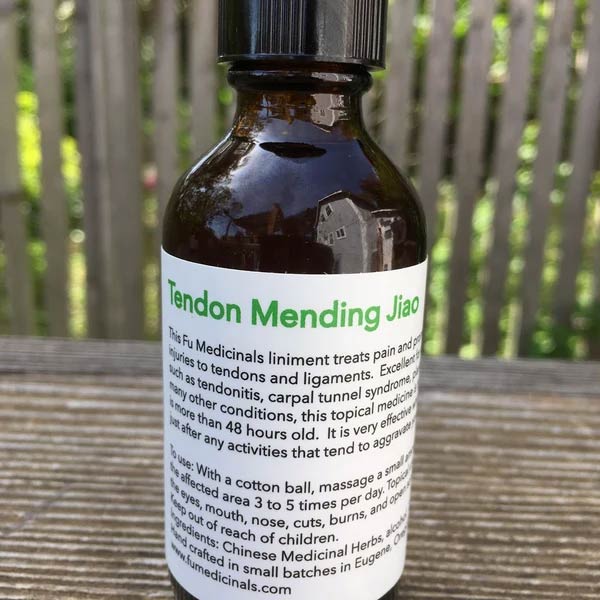
Tendon Mending Jiao

Tendon Mending Jiao This formula, is made to treat chronic tendon and ligament injury, such as tendonitis and ligament (joint) sprains. This formula has a reputation for relieving stubborn cases of tendonitis and it is best when applied to the problem area before and after activity. However, because this is a warming formula, it is recommended that you avoid use during the first 24-48 hours of a new injury.

Green Tendon Level

The Tendon Meding formula are represented in Green for the Wood. According to the Huang Di Nei Jing Su Wen (Yellow Emperor’s Internal Medicine Classic) Chapter 5, spring is related to the Wood Element, which has a resonance with the Liver, Gallbladder, the sinews, and tendons, If tendonitis or a ligament sprain is the diagnosis, then the Tendon Mending Jiao are both recommended

The key herb in Tendon Mending Jiao is Gu Sui Bu, which plays a crucial role in healing connective tissues. It possesses warming properties that promote improved blood circulation in the sinews, making it an essential component of this formula.

In traditional Chinese medicine, Drynaria is highly regarded as a pivotal herb for repairing damaged bones and ligaments. In fact, its Chinese name, Gu Sui Bu, translates to ‘mender of shattered bones.’

According to traditional Chinese medicine, Gu-Sui-Bu (Drynaria fortunei) has a well-documented reputation for enhancing bone healing. Some of its effects on bone cells may be attributed to its influence on osteoclast activities, as suggested by research.

It’s important to note that this formula is not suitable for acute conditions; it is most effective when used during the recovery phase, particularly for tendonitis or ligamentous sprains.

Bone Spur Jiao

Bone Spur Jiao has the reputation for working wonders with those suffering with boney growths which are sometimes called spurs. The premise behind this formula is that it works to dissipate the pain and inflammation caused by bone spurs, while providing medicinal herbs to the bone and surrounding tissues. Inflammation here is often the cause of further boney growth, so the idea is to reduce that inflammation of both the soft tissue and the bone itself, so the body can do its work preventing continued growth or perhaps dissolve some of the spur. This is a fantastic choice for reducing the pain and advancement of arthritis! This is a great formula for chronic joint pain due to the above mentioned complaints.

Blue Bone Level

Bone Spur Jiao is printed in blue ink because it is the color that represents the Water Element in Chinese Medical Theory, and the Water Element is responsible for complaints of the bony tissues.
If someone has a complaint of boney growth that is typically seen with osteoarthritis or bone spurs, I recommend the Bone Spur formulas.

the Bone spur formula is straight up for boney growths and the inflammation that usually precedes it, as seen with heel spurs. Gu Sui Bu is also a key ingrediant i. It is cooling and heating, for inflammation fighting and pain.

E Zhu (Curcumae Rhizoma) is strong, sharp and penetrating. It is a warrior on a search and destroy mission to root out and break up serious, chronic Blood and Qi stasis, palpable masses and hardnenings. Its pungent and bitter warmth reaches deep into the blood level to disperse, unblock and drain while its aroma promotes the flow of Qi.

Curcumae Rhizoma is good at treating the syndrome of food retention and accumulation of extravasated blood . It is effective in promoting blood circulation for alleviating pain and activating qi to resolve stagnation,

Most recent pharmacological researches on Curcumae Rhizoma laid emphasis on the anticancer effect particularly. Curcumae Rhizoma has been developed into a variety of formulations and used in clinical treatment.

Freqently Asked Questions

Liniments vs Salves which is best?

Are you unsure about which product to select?

Salves are solid combinations of oils and wax. They have a slower absorption rate and provide greater skin hydration. Liniments, on the other hand, have a lighter and more liquid texture, resulting in faster absorption and quicker action.

For Liniments, also known as Jiaos, the recommended application method involves gently massaging a small amount into the affected area, using either your fingertips or a cotton ball. Alternatively, some individuals prefer saturating a cotton ball or cotton wipe with the liniment and securing it over the injured area using medical or first aid tape. This approach ensures a continuous and deep absorption of the liniment into the skin, allowing for multiple applications throughout the day. Each application acts as a dose and is designed to penetrate quickly and deeply upon skin massage.

Our Balms offer user-friendly applications while maintaining the potency of the original liniments. If you enjoy massaging your injured areas, the balms might be an ideal choice for topical use. All balm formulas are crafted with organic, unrefined virgin coconut oil. In warmer climates, the balms may transform into an oil state, which is typically not an issue for most users.

However, when planning to carry the balms in your car or during travel, it’s worth considering. Additionally, the balms spread smoothly and don’t leave a greasy residue on the skin. Please note that occasional surface cracking may occur in the balms due to the coconut oil and wax combination at specific cooling temperatures, which is entirely normal.

Tips

Please note that these products may stain light-colored clothing. Also with all of these products, a little goes a long way!! All Fu Medicinals topicals carry a mild and pleasant scent but nothing that would bother most people, and in fact, most users of our products say that any scent dissolves within moments.

Fu Medicinals Allergens

If you have any concerns about severe allergens to specific medicinal herbs, we’d like to provide our customers with a full list of all of the different Chinese Herbs that we use in our “lab.

Our formulas share space and production equipment, so if you do have any known allergies to the following botanicals, we suggest refraining from using our products. Although we have never seen any adverse reactions from our products, such things are always possible with substances we may have never encountered before.

Ingredient List

We do not list our ingredients on our bottles, partly because they are proprietary blends, and also because many of our customers cannot read the directions on so many products in stores due to the print being so small! That said, if you need to know what herbs are in our bottles, it’s easiest to refer to the following,

John Ditmar Fu medicinals

About John Ditmars the Maker

Why did you start Fu Medicinals?

I started making the topicals for not only my own aches and pains, which as an athlete I tend to accumulate but also for my patients in my acupuncture practice, where I specialize in pain-based conditions.

How are Fu Medicinals Different?

Other products are out there, but I didn’t want to use any chemicals in my own formulas, and I wanted to stick within the realm of Chinese Medicinal Theory. I had tried a few brands that were in the clinics at my acupuncture schools and some that I could find on store shelves, but they weren’t what I was after. One thing I didn’t want is a super strong odor, which most topicals have. I also wasn’t seeking out the “tingling” or “burning” that many other topical medicines kick off. That sensation doesn’t necessarily mean that the product is working, but people are familiar with those tingles via products they’ve previously tried and as such might often expect it to be a sign that the topical is working. While some of the herbal constituents in Fu Medicinals may provide a tingle or burning sensation, we tend to use only the needed amount for the medicine to work on people’s conditions internally, since that is where the medicine needs to do its thing. That said, while camphor may be an important component to two of our formulas, by no means does its action dominate the recipes.

What results can I expect with Fu Medicinals?

In regards to specific results seen in my clinic and via feedback of Fu Medicinals customers who haven’t been my patient, the compliments have been massively positive. My private patients have come in with pains due to tendon, ligament, and boney growth issues and have found great relief with a combination of acupuncture and topicals. In my clinic, it’s often the case where a patient is “prescribed” a topical to use at home as part of her or his Treatment Plan in my clinic. Sometimes they get herbs to utilize internally, but the topicals are effective and easy for patients to comply by regularly using them on their own. Obviously, the Etsy retail store isn’t offering treatments nor medical advice, but the Etsy shop has thousands of happy customers and our large list of positive testimonials on our Etsy page speaks for itself!

I’m often surprised at the results that the topicals get. Never in my mind would I have expected them to work so well for so many people! I get emails and messages all the time, expressing gratitude for the products, which is the biggest reward of all.

How are Fu Medicinals better?

Fu Medicinals products stand out from others on the shelves for a few reasons. The first and main one is that our formulas are geared toward specific ailments. We don’t see brand options out there that do this unless we really do our research. Our Bone Spur Jiao and Balm are a fine examples of condition-specific targeting for this topical. If someone complains of boney growth that is typically seen with osteoarthritis or bone spurs, I recommend the Bone Spur formulas. If tendonitis or a ligament sprain is the diagnosis, then the Tendon Mending Jiao and Balm are both recommended.

One thing that I like to point out is that when you look at our topicals, we adhere to the theories of Chinese Medicine when offering the ideal product to someone for their pains. Each product’s label is color-coordinated to align with the level of injury according to the theories. For example, “Bone Spur Jiao” is printed in blue ink because it is the color that represents the Water Element in Chinese Medical Theory, and the Water Element is responsible for complaints of the bony tissues. The Tendon Meding formulas are represented in Green for the Wood, and so on. I wanted it like this to confirm that each recipe has its specific use- I prefer to avoid a “shotgun” approach to treating my clients’ conditions, where we could offer one topical for all pains.

That’s another place where Fu Medicinals might stand out above other topical options. We hear about how this or that product helps fight inflammation and pain, and that’s great. But what do these products do aside from reducing pain and inflammation? Do they help to heal the tissues that are unique to the painful complaint? That’s where we want to do a more focused job. So Fu Medicinals uses herb combinations that turn a shotgun-quality topical into specialized topicals.

Who should use Fu Medicinals?

I would recommend Fu Medicinals products to anyone who experiences painful conditions regardless of etiology, and the injuries may be acute or chronic. Our products have been used nationwide by professional healthcare providers, including Doctors and even the bodyworkers/acupuncturists for the New England Patriots and Portland Trailblazers.

Customer Reviews

About the Author

Author Willard Sheppy Exporing the Coast

Willard Sheppy is a writer and healthcare practitioner who seamlessly melds scientific knowledge with practical applications in engaging and authoritative articles. He holds a Bachelor of Science in Environmental Science from Oregon State University and a Master’s in Acupuncture and Oriental Medicine from the distinguished Oregon College of Oriental Medicine.

In his work, Willard skillfully combines his extensive educational background in scientific research with his practical experience as a healthcare practitioner. Willard balances his life with martial arts and cherished family adventures. As a father of three, he often leads his family on camping and hiking trips along the breathtaking Oregon coast.

Connect with Willard on LinkedIn at linkedin.com/in/valleyhealthclinic or learn more about his services at valleyhealthclinic.com. Embark on this journey towards holistic health with Willard!

How To Use Red Emperor’s Immortal Flame

Red Emperor's Immortal Flame

Ever wondered about the best way to apply topical treatments like Red Emperor’s Immortal Flame? The secret lies in understanding the skin’s surface. 

How The Skin Work?

Our skin has an outer layer called the Stratum Corneum. Think of it as a protective drawbridge that decides what gets absorbed and what doesn’t.

The Stratum Corneum is more than just a barrier. Comprising about 15 layers of dead cells, it’s divided into two parts: the disjunction and the compactum.


  • The outer section, called the “disjunctum”, consists of 2-5 layers that easily shed.


  • The inner section, known as the “compactum”, holds cells that adhere tightly within a gel-like substance. 

For effective topical applications, the aim is to gently open the skin for a short time to allow products like Red Emperor’s Immortal Flame to be absorbed.

Stratum Disjunctum

This is the skin’s outer subsection and consists of the top 2-5 layers. These corneocytes are loosely packed, allowing them to shed or desquamate naturally and regularly. This shedding process is vital as it removes damaged or aged cells and makes way for newer ones, keeping the skin’s surface smooth and refreshed.

 Stratum Compactum

Delving deeper, the underlying layers form the compactum. These corneocytes adhere more tightly to each other, forming a robust and resilient barrier. Their adherence is attributed to a lipid matrix—a gel-like substance rich in ceramides, cholesterol, and fatty acids. This matrix acts like mortar, binding the corneocytes (akin to bricks) together, ensuring the skin’s integrity and minimizing water loss.

Topical Applications

For products to penetrate the skin effectively, they must navigate the challenges posed by the Stratum Corneum. The Stratum Corneum’s dense structure ensures harmful entities like pathogens and allergens remain out.

However, this also means beneficial substances, such as the active ingredients in topical treatments, face resistance.

Given this protective nature, the key to effective topical application lies in temporarily making the Stratum Corneum more permeable. Techniques to achieve this include physical methods (like micro-needling or exfoliation) and chemical methods (using ingredients that disrupt the lipid matrix or enhance permeability).

Heat and Moisture

Two key methods can be used to enhance permeability are heat and moisture.

 The Power of Heat

Heating the skin makes it more receptive. For every 12°F increase in skin temperature, the permeability of this layer nearly doubles. This change happens because heat transforms the gel-state substances in the SC to a liquid form. In simple terms, heat makes it easier for products to penetrate the skin.

The Power of Moisture


Hydrating the skin aids absorption. When water is introduced, it loosens the tightly packed cells of this layer. Furthermore, elements like oleic acid, found in the organic olive oil of Red Emperor’s Immortal Flame, disrupt these cells, making absorption smoother. This is why the oil-based liniment version penetrates faster than the salve. The salve, on the other hand, has a time-release effect due to beeswax, which locks in moisture

For fast-acting quick-release heat, we recommend using the liniment.
For less intense heat and slow release, we recommend using the salve.

For Best Results

Exfoliation is Key

Before applying, exfoliate the area using a dry loofah sponge or paper towel to shed off the outermost skin cells.

Warmth Works Wonders

Shower or bathe with hot water. This not only cleanses the skin but also makes it receptive to Red Emperor’s Immortal Flame.
Knowledge is power. By understanding the basics of skin absorption and harnessing the potency of products like Red Emperor’s Immortal Flame, you can ensure effective results. So, the next time you reach for your favorite topical remedy, remember these insights and make every application count!

About the Author

Author Willard Sheppy Exporing the Coast

Willard Sheppy is a writer and healthcare practitioner who seamlessly melds scientific knowledge with practical applications in engaging and authoritative articles. He holds a Bachelor of Science in Environmental Science from Oregon State University and a Master’s in Acupuncture and Oriental Medicine from the distinguished Oregon College of Oriental Medicine.

In his work, Willard skillfully combines his extensive educational background in scientific research with his practical experience as a healthcare practitioner. Willard balances his life with martial arts and cherished family adventures. As a father of three, he often leads his family on camping and hiking trips along the breathtaking Oregon coast.

Connect with Willard on LinkedIn at linkedin.com/in/valleyhealthclinic or learn more about his services at valleyhealthclinic.com. Embark on this journey towards holistic health with Willard!
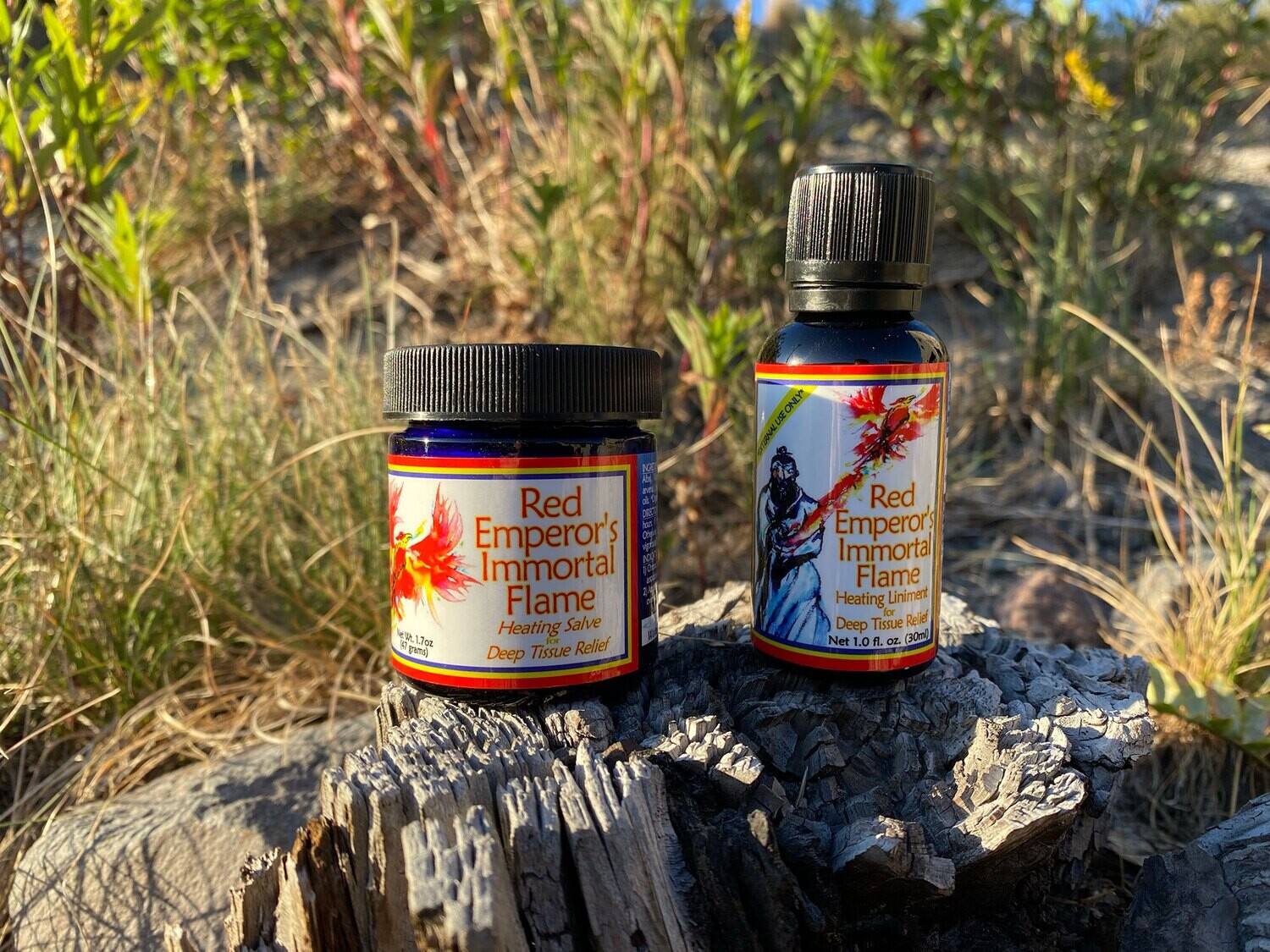
How Long Does A Bottle of Red Emperor’s Immortal Flame Last?

Red Emperor's Immortal Flame Liniment and Slave outside

In the realm of natural remedies, few have got as much attention as the Red Emperor’s Immortal Flame (REIF). But just how long does a bottle of this wonder product last?

Hugh Turcotte, the dedicated creator behind REIF, recently revealed the answer to this burning question. In this video, he counts out the number of drops in a one-ounce dropper bottle of REIF. Impressively, he found more than 1000 drops!

Let's break this down

A single application is about 5-7 drops. So, if you’re doing the math, that’s a whopping 140-200 applications from just one small bottle!

Wondering about the real-world application? In our household, a single bottle of REIF liniment stood strong for over a year, while its salve counterpart lasted roughly the same duration.

For those suffering from acute injuries or pain. Even with regular application across multiple body parts, most patients only require one or two bottles throughout the entire course of treatment.

Tips

To maximize its effects, there’s a trick I always share. Cleanse the application area with a warm, damp cloth or apply REIF after a shower. This allows the solution to penetrate the skin more effectively, providing a robust and swift impact. While the sensation might feel warm and intense for about 5-10 minutes, it’s a testament to its potency.

About the Author

Author Willard Sheppy Exporing the Coast

Willard Sheppy is a writer and healthcare practitioner who seamlessly melds scientific knowledge with practical applications in engaging and authoritative articles. He holds a Bachelor of Science in Environmental Science from Oregon State University and a Master’s in Acupuncture and Oriental Medicine from the distinguished Oregon College of Oriental Medicine.

In his work, Willard skillfully combines his extensive educational background in scientific research with his practical experience as a healthcare practitioner. Willard balances his life with martial arts and cherished family adventures. As a father of three, he often leads his family on camping and hiking trips along the breathtaking Oregon coast.

Connect with Willard on LinkedIn at linkedin.com/in/valleyhealthclinic or learn more about his services at valleyhealthclinic.com. Embark on this journey towards holistic health with Willard!

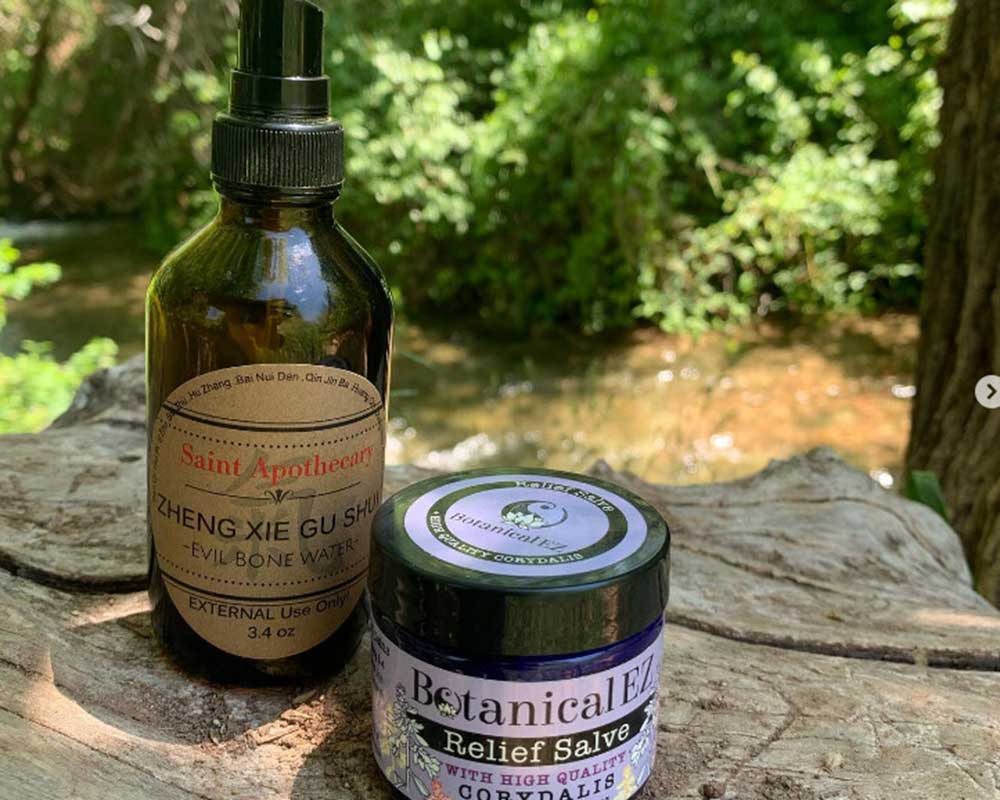
Saint Apothecary Evil Bone Water

Saint Apothecary Evil Bone Water Label

Pain-Free Living

Saint Apothecary provides a straightforward and potent topical linament for persistent aches and pains? Learn more about what Evil Bone Water does.

Fast Acting Relief

Natural camphor and menthol within Evil Bone Water provide cooling relief within seconds. Sourced responsibly from 30 to 50-year-old trees, providing unattainable benefits with synthetic alternatives. 

Evil Bone WAter Zheng Gu Shui ingredient Zhang Nao on Table
Evil Bone WAter Zheng Gu Shui ingredient on Table layed out

Time-Tested Results

Saint Apothecary Evil Bone Water breathes new life into the 500-year-old herbal liniment, Zheng Gu Shui tradition, by reintroducing four crucial herbs to the formula. This rejuvenated and fortified blend honors ancient wisdom and maximizes its efficacy.

Quality Ingredients

Herbs that are 2-5 grades above those commonly used in other products, this liniment offers a level of quality that stands unmatched.

Evil Bone WAter Zheng Gu Shui ingredient in Bowls

Quality of Saint Apothecary

Discover the unrivaled quality of Saint Apothecary Evil Bone Water, a liniment where superiority and commitment to excellence are evident in every drop. With a formula that boasts select herbs that are 2-5 grades above those commonly used in other products, this liniment offers a level of quality that stands unmatched. The intensive double extraction process is meticulously applied to ensure maximum medicinal extraction, delivering a solution that’s not only effective but remarkably potent.

This commitment to quality extends to the sourcing of natural Menthol and Camphor, derived responsibly from 30 to 50-year-old trees, providing benefits that are unattainable with synthetic alternatives. Coupled with the undeniable purity of 190 proof Everclear, Saint Apothecary Evil Bone Water is created for individuals who demand nothing but the best in their journey to a pain-free life.

Furthermore, unlike competitors who dilute their offerings with low-grade ingredients, Saint Apothecary Evil Bone Water proudly incorporates the highest-quality herbs, along with additional components often omitted by others. An added four extra ingredients amplify the liniment’s potency, making it an unparalleled choice for those seeking effective and swift relief from their aches and pains. Through a meticulous approach in crafting this liniment, every bottle promises astonishing effectiveness, providing a dependable solution for pain relief.

Pain-Free Life Today

Why wait when pain-free living is within your reach?

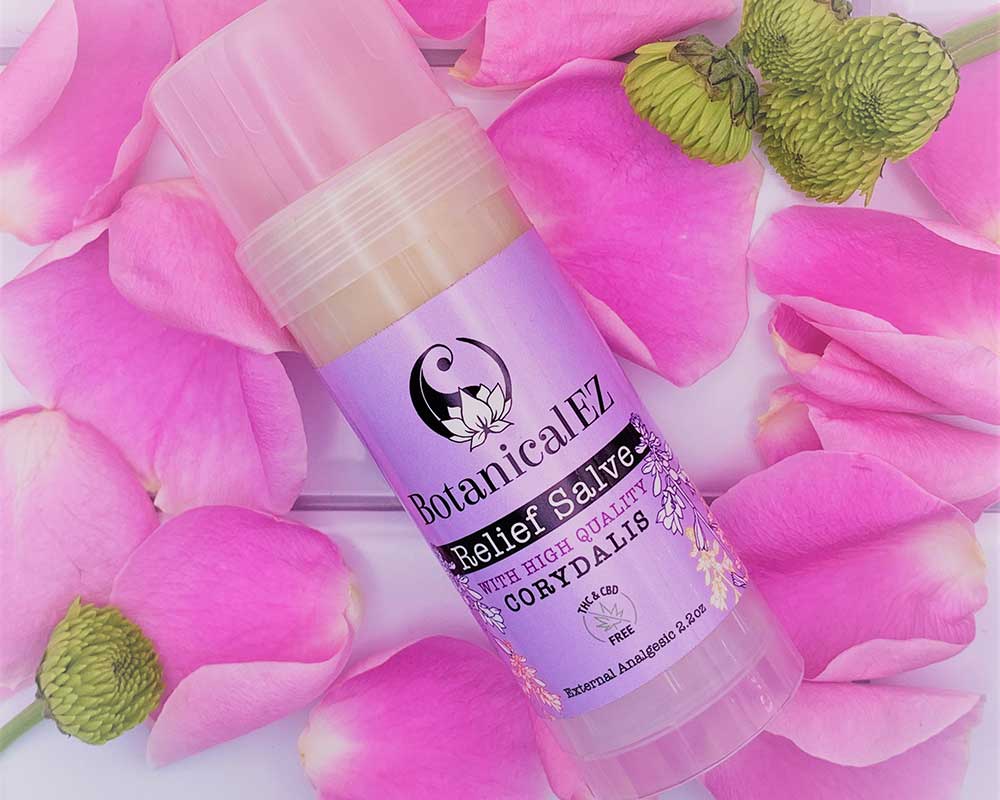
Pain Power Combo: Corydalis and Evil Bone Water

Save with our Pain Power Combo of Evil Bone Water and Corydalis Relief Stick

Searching for a holistic solution to manage persistent pain? Look no further than our revolutionary Pain Relief Power Combo featuring Corydalis Relief Salve and Evil Bone Water. Acting as the perfect Yin and Yang for pain management, these two products offer fast-acting relief followed by prolonged comfort. Whether you’re grappling with acute or chronic pain, these two potent ointments work synergistically to deliver ultimate relief. Read on to learn how to apply them effectively, their unique benefits, and why they are your go-to options for combating discomfort.

Why Choose the Pain Power Combo?

You’ve likely heard the phrase “two heads are better than one.” Well, the same logic applies here. Corydalis Relief Salve and Evil Bone Water work like the Yin and Yang of pain relief, each offering unique benefits that complement each other perfectly.

Evil Bone Water

It acts quickly to open up your pores for rapid absorption, giving you immediate relief. The natural menthol and camphor stimulate your skin, and its natural compounds accelerate blood flow to speed up healing and decrease inflammation.

Learn more about what Evil Bone Water does

Corydalis Relief Salve

This salve takes the baton from Evil Bone Water and runs with it, offering longer-lasting relief. It soothes the skin, allowing the salve’s natural pain-relieving compounds to kick in gradually, thanks to its coconut oil, Shea Butter, and beeswax base.

The result? A powerful, comprehensive approach to pain relief that targets different aspects of your discomfort and helps you feel better for longer.

How to Apply Them Together for Maximum Effect

The magic lies in the sequence. First, apply Evil Bone Water to the affected area. Its alcohol base makes your skin more permeable, allowing for quick absorption. Wait a few minutes for the skin to absorb it fully. Next, layer on Corydalis Relief Salve. The salve penetrates deep into the skin, providing extended relief for up to 2-3 hours longer than using either product alone.

By combining the two, you unlock the full potential of each product, reaping all their individual benefits in one powerful, long-lasting treatment. 

What Makes Them So Effective? The Science Explained

Let’s break down the science behind these two incredible products:

Sensory Neurons and Pain Perception

Our skin contains specialized nerve cells that help us perceive pain. These cells have “gates” that control our pain signals, which can be influenced by substances like histamine, produced within the skin, and by signals from the brain and brain stem.

The Role of Ginsenosides in Evil Bone Water

Evil Bone Water contains “San Qi,” a key ingredient derived from Panax notoginseng that has been used safely in traditional medicine for centuries. It contains ginsenosides, which are compounds known to block specific pain receptors and reduce inflammation, providing quick relief.

The Alkaloids in Corydalis Salve

Yan Huo Sui (often referred to as Corydalis ) contains powerful compounds like Dehydrocorydaline that interact with Dopamine and Opiate receptors in our nervous system. This interaction relieves pain without causing addiction, thanks to its targeted approach to specific Dopamine receptors. Plus, Corydalis is rich in berberine, another compound that helps reduce inflammation.

Why Wait? Get Relief Now!

Pain shouldn’t dictate your life. With the Pain Power Combo of Corydalis Salve and Evil Bone Water, you can seize control and experience relief like never before. Don’t miss out on the chance to revolutionize your approach to pain management. 

Remember, the power to change your life is just a click away!

Get a fast acting liniment with the long lasting salve. Combine the synergistic effect of our two best-selling topicals

We make available natural products that have been observed to make a difference in the lives of our patients, friends and family. You’re in good hands shopping with us.

About the Author

Author Willard Sheppy Exporing the Coast

Willard Sheppy is a writer and healthcare practitioner who seamlessly melds scientific knowledge with practical applications in engaging and authoritative articles. He holds a Bachelor of Science in Environmental Science from Oregon State University and a Master’s in Acupuncture and Oriental Medicine from the distinguished Oregon College of Oriental Medicine.

In his work, Willard skillfully combines his extensive educational background in scientific research with his practical experience as a healthcare practitioner. Willard balances his life with martial arts and cherished family adventures. As a father of three, he often leads his family on camping and hiking trips along the breathtaking Oregon coast.

Connect with Willard on LinkedIn at linkedin.com/in/valleyhealthclinic or learn more about his services at valleyhealthclinic.com. Embark on this journey towards holistic health with Willard!

The Corydalis Plant: Yanhusuo

Yan Hu Suo Corydallis Herb Drawing

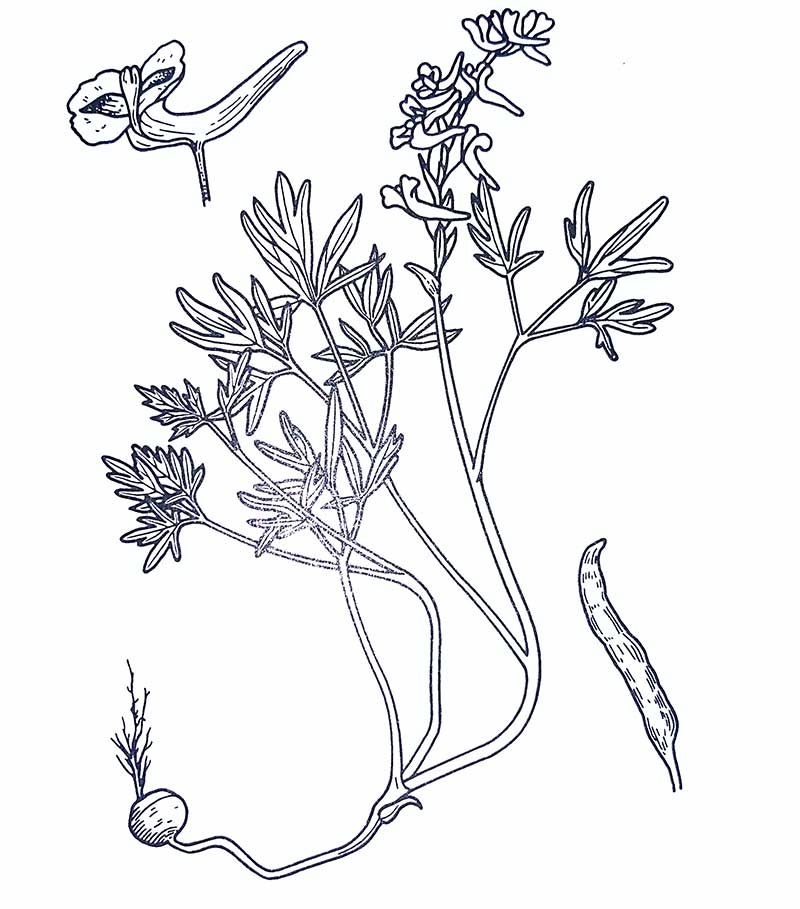
The Corydalis plant (Yanhusuo) is a revered plant in Traditional Chinese Medicine (TCM), and has been a cornerstone for pain alleviation for centuries. Its roots, rich in the potent compound Berberine, provide natural pain relief and a host of other therapeutic benefits. The unique process of vinegar-treatment further amplifies the efficacy of Corydalis, making it an even more potent remedy in the world of natural healing. Dive into the ancient wisdom and modern applications of this remarkable plant.

Corydalis Plant

The Corydalis Plant

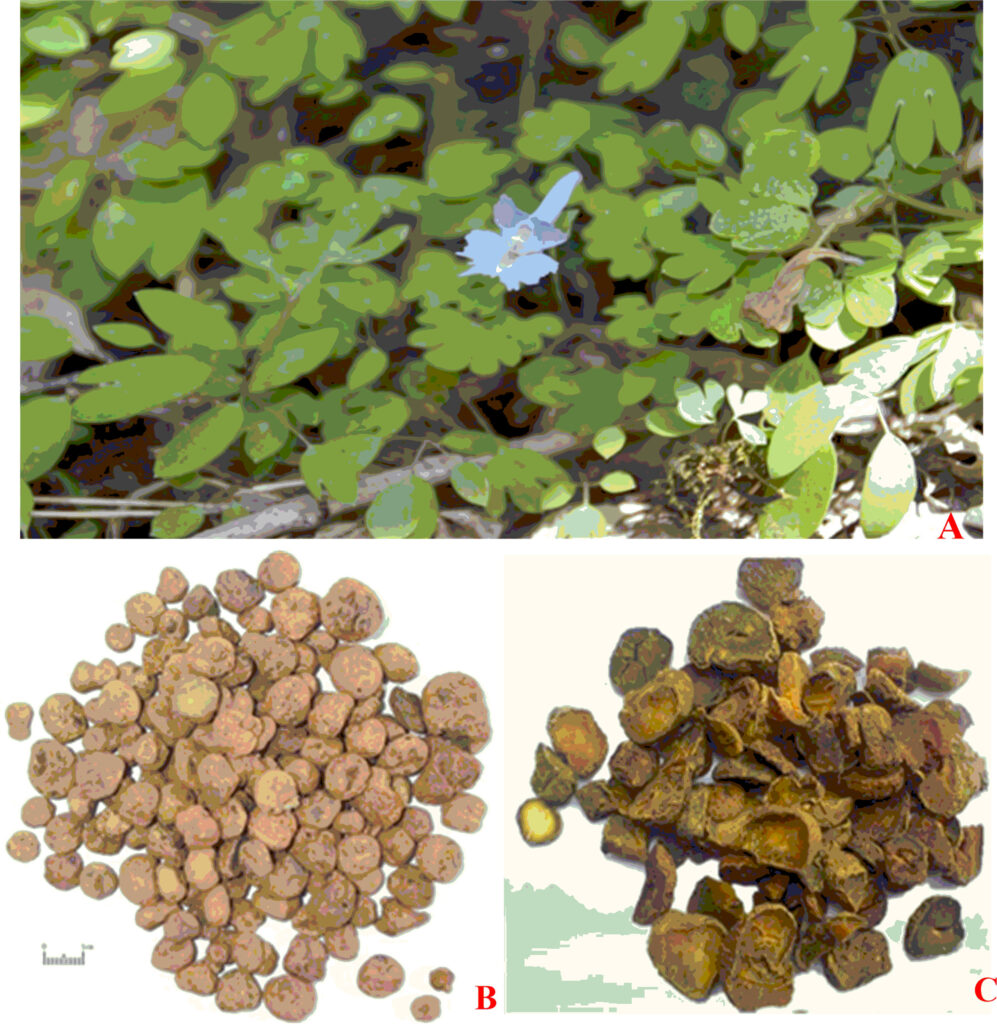
Corydalis stands out for its beauty and medicinal potency because it is from the Papaveraceae family, commonly recognized for poppies. Native to China, its delicate tubular flowers come in delightful shades of red and purple. However, it’s not the flowers that have garnered the most attention – it’s the tuberous roots. These roots are packed with medicinal properties, long revered by practitioners of Traditional Chinese Medicine (TCM). And where does Corydalis thrive the most? Look to the cool, high-altitude regions of China’s northern provinces.

Corydalis in Traditional Chinese Medicine

In the realm of TCM, Corydalis serves multiple purposes:
Blood Invigoration: Encourages movement of the fluids in the body
Qi Movement: Aids in the movement of Qi or gases in the body
Pain Alleviation:It’s a sought-after remedy for a range of pains including menstrual discomfort, abdominal pain, and injury-related aches. Acting as a natural analgesic, it helps to promote blood flow while reducing pain.

Its warm and aromatic scent aids the movement of Qi. The plant’s heavy and firm stems and its beautiful red and purple flowers signal its role in the heart and liver’s blood level. It’s believed that its bitterness helps drain stasis, while its acrid nature disperses stagnation.

Properties: Acrid, Bitter, Warm
Channels: Heart, Liver, Stomach
Significance: Strongly invigorates blood and alleviates pain.

Benefits of Corydalis

Modern science has thrown its weight behind Corydalis, too. It’s found to help reduce pain perception by acting on dopamine receptors and stimulating opiate receptors. Two major players in pain management and relief are these cell receptor sites. The key compound behind this is dehydrocorybulbine. Additionally, the high concentrations of Berberine, which gives it its yellow color in the root, lend it anti-inflammatory properties and offer protection to nerve cells

Processing Corydalis for Potency

Interestingly, vinegar plays a pivotal role in enhancing the properties of Corydalis. Corydalis is even more effective when processed with vinegar, which regulates blood and reduces pain. The vinegar aids in releasing the primary active ingredients but also addresses the inherent solubility challenges posed by the alkaloids present.

Vinegar-soaked Corydalis enters the liver channel more directly and is better at regulating blood and stopping pain, the sour constricting effect of vinegar helps stop bleeding without affecting the stagnation-removing action of the herb. Modern research has shown that vinegar-soaked Coriolis has much increased alkaline solubility, which means that this method of preparation promotes the availability of primary active ingredients.

Vinegar-soaked Corydalis products are, therefore, becoming a preferred choice in clinical settings.

Quality Matters

Quality can be a spectrum when it comes to medicinal herbs like Corydalis. Not every sample, even if marked “medical grade,” packs the same medicinal punch.

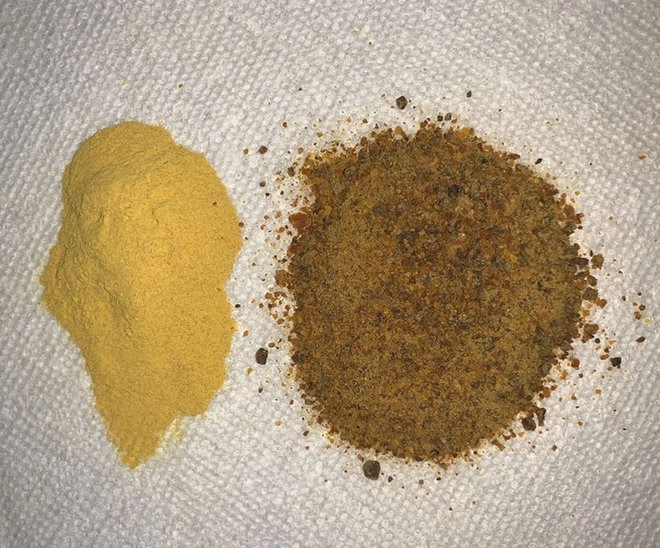
In the early days of crafting Corydalis Relief Salve, sourcing small quantities of Yan Hu Suo and processing it with vinegar was an adventure. It caused persistent yellow stains on the countertops. A sign of the herb’s power, thanks to the berberine concentration.

Here is a Challenge

Given two piles of Yan Hu Suo, pick out the top-quality one.

Corydalis Grade

While both would stain equally, a deeper brown hints at superior quality and optimal processing.

In wrapping up, the Botanical Ez Corydalis Relief Salve isn’t just a product; it’s a blend of ancient wisdom and modern science, promising genuine relief.

If you don’t like strong medicinal smells or menthol and camphor cooling sensations, then this is the product for you. I have found this product to work exceptionally well for diabetics or cancer-induced peripheral neuropathy.

Combine the synergistic effect of our two best-selling topicals. They work together in separate but complementary ways to quickly eliminate your pain.

About the Author

Author Willard Sheppy Exporing the Coast

Willard Sheppy is a writer and healthcare practitioner who seamlessly melds scientific knowledge with practical applications in engaging and authoritative articles. He holds a Bachelor of Science in Environmental Science from Oregon State University and a Master’s in Acupuncture and Oriental Medicine from the distinguished Oregon College of Oriental Medicine.

In his work, Willard skillfully combines his extensive educational background in scientific research with his practical experience as a healthcare practitioner. Willard balances his life with martial arts and cherished family adventures. As a father of three, he often leads his family on camping and hiking trips along the breathtaking Oregon coast.

Connect with Willard on LinkedIn at linkedin.com/in/valleyhealthclinic or learn more about his services at valleyhealthclinic.com. Embark on this journey towards holistic health with Willard!

FAQ About Tibetan Herbal Foot Soaks

Tibetan Herbal Foot Soaks

Explanation of the origins and traditional uses

Tibetan Foot Soaks are specially packed tea bags containing a herbal mixture of Chinese herbs and minerals that have been shown to be particularly effective at alleviating chronic pain and improving circulation. Commonly used by practitioners of Chinese medicine, these natural soaks have become increasingly popular in Western medicine as well due to their effectiveness.

The Tibetan herbal foot soak is designed to get rid of blood stasis, wind, cold, and phlegm from the channels. (Traditional Chinese Medicine) Modern-day living, along with a culture that influences us to eat more than we need, particularly foods that we really shouldn’t, creates phlegm.

Unlike our ancestors, many people live relatively sedimentary lifestyles, which creates less blood flow throughout the body, but add phlegm on top of that, and now you’ve got chronic blood stasis.

Additionally, this lack of movement and chronic stress (without a proper outlet) leads to increased muscle stiffness as we age, especially in our feet.

Ingredients and their benefits

8 Sacred Herbs & Minerals Used in Tibetan Foot Soaks

Herba Lamiophlomis Rotata/ Du Yi Wei
One of the first herbs in this formula is called Du Yi Wei, which stops
hemorrhaging. If you have internal bleeding from an injury or inflammation
that’s causing dilation of the blood vessels, this stops it. Du Yi Wei is an
antioxidant that promotes red blood cell production and kills pain. Most of
these herbs are blood thinning in nature which helps prevent blood clotting.
It has a positive effect on cytokines (cellular communicators), promotes the
production of red blood cells, and has a positive effect on arterial stenosis.

Rhodiola Tebetica/Hong Jing Tian
Tibetan Rhodiola has become a commonly known remedy for altitude
sickness for its ability to oxygenate the blood. It improves metabolic
functioning, has antioxidant effects, improves immune function, and has
some anti-cancer effects. Hong Jing Tian increases oxygen in the blood
and improves immune function and helps people fight fatigue. It is
incredibly good for chronic long-term fatigue disorder or people who have
been in a state of chronic inflammation.

Stigma Croci/ Zang Hong Hua
This is Tibetan saffron. It is considered stronger (and much more
expensive) than traditional saffron. It has anti-inflammatory and
pain-relieving effects. It has been used to improve emotional well-being,
treat cough, increase blood flow, and lower blood pressure. It has notable
antioxidant properties, and some reports indicate it may serve as an
aphrodisiac.
Most of the blood clots that cause people to have a heart attack or stroke
are found in the legs, so the increase in circulation at the same time using
herbs to reduce these clots, it can drastically help to improve longevity. By
doing these foot soaks as a regular part of health maintenance, it’s possible
to fend off heart attacks and strokes. This is something that’s very
commonly used throughout Tibet and China.

Notopterygii Rhizoma ET Radix/ Qiang Huo
Qiang Huo grown at high altitudes like what is used in our foot soaks was
at one point reserved for the elite of Beijing. It has anti-inflammatory and
antifungal properties and is widely used for its analgesic effects. Research
shows it improves blood flow to the coronary arteries and is useful in the
treatment of arrhythmia. Here’s more.
We have sourced high-quality Qiang Huo, which is very important as this
herb is traditionally used for arthritis pain, is an anti-inflammatory and
inhibits fungus. Fungi in the body can have direct effects on pain signaling
and this helps to kill it. This herb also does wonders to help regulate the
timing of the heart. Incredibly this herb helps with irregular heart rate.
People have a heart rate that’s too slow or too fast or have an irregular
rhythm. We use this extensively with our cardiology patients and just using
this foot soak it’s been able to help restore their normal heart rhythm. This
herb works very well in conjunction with another Tibetan herb called Hong
Jing Tain or Tibetan Rhodiola.

Acori Calami Rhizoma / Zang Chang Pu
Zang Chang Pul has a mild tranquilizing effect to relax people. It is
antibacterial and has regulatory effects on the digestive system. This is so
crucial for diseases involving the gut-brain axis. Some people can’t take
herbs or supplements but by using Zang Chang Pu transdermally, it’s still
able to affect their digestion, in a very positive way, without asking their
stomach to digest anything new.
Zang Chang Pu is known for its usefulness in treating a variety of
neuropathies (chemo-induced, nerve transection, and chronic constriction
type). This may be part of the reason these foot soaks are so often used
with sciatica.

Radix Sophorae Fiavescentis / Ku Shen
Ku Shen has a long history of use in Chinese medicine. Often used for
skin conditions and has broad-spectrum antimicrobial and antifungal
effects. Ku Shen constituents also exhibit inhibitory effects on bacterial
biofilms, an extremely important mechanism for chronic disease conditions.
This cannot be understated; biofilms are associated with most chronic
diseases in the body. These bacterial properties have gene expression
which causes up to 20% of themselves to become mucus. They cover
themselves in mucus to avoid the burn of the inflammation as your body
goes into fever mode. By covering themselves, it allows them to go through
the body and spread. Once the inflammation in your body goes down, they
begin eating other tissues. Bacterial biofilms are associated with
Parkinson’s, dementia, and other chronic diseases. Particularly
obesity is associated with biofilms. Systemic inflammation causes the
body to store fat. Ku Shen, in addition, is antifungal, antibacterial, antiviral
and antiparasitic.

Rhizoma Ziniberis Recens / Gan Jiang
Gan Jiang (ginger) is another beautiful herb in this formula. It is Liver
protective. Gan Jiang protects the gastric mucosa of the stomach lining.
Gan Jiang is widely used in traditional medicines, both within herbal
formulas and dietary therapy. The health effects of this herb are
widely researched (positive GI effects, cardiovascular, antimicrobial, etc.).
Apart from some of the most apparent effects on digestion Gan Jiang also
exhibits protective effects on the liver, pain-relieving and anti-inflammatory
effects, and also aids in preventing blood clots.

Folium Artemisiae Argyi/ AiYe

Ai Ye, famously known as mugwort, has been burned traditionally over
areas of the body, such as the lower back to improve such systems as the
Hypothalamic-Pituitary-Adrenal axis. Ai Ye contains volatile oils
which transfer transdermally. These oils are antiviral, antibacterial, and
antifungal. These oils also inhibit blood clotting and increase the secretion of
bile, which can help you burn fat..

Tibetan salt
Tibetan black salt, also known as Ka Ru Cha has a unique place in these
soaks. It first operates to preserve the herbs and prevent
them from spoiling. But it also sports an impressive mineral content,
including a gaseous compound known as hydrogen sulfide (which gives the
foot soaks their characteristic smell). 

How are they different from other types of foot soaks?

Tibetan foot soaks stand apart as a symbol of quality, compassion, and ecological responsibility. From handpicking herbs with sustainably crafted tools to collaborating with local experts, every detail is attended to with care and reverence. As you immerse your feet in these nourishing soaks, know that you’re part of something bigger – a practice that honors the heaven, earth, and people while nurturing the ecology and culture of a precious region. Enjoying a Tibetan foot soak isn’t just self-care; it’s a commitment to global care.

1. Top Quality Herbs: Respecting Heaven
The herbs in these foot soaks are of the finest quality, harvested with traditional Tibetan tools. These tools are crafted to remove the leaves while protecting the roots, ensuring the sustainable growth of the plants. Timing is key, as they are collected at specific times of the year to preserve their unique properties.

2. Purity and Sustainability: Respecting Earth
Every herb is grown under strict conditions, free from pesticides, and sustainably wildcrafted. The gathering process is mindful; for instance, only 20% of a bunch of Du Yi Wei is taken, leaving the rest to flourish for the next year. This careful approach safeguards the natural beauty and ecology of the region.

3. A Collaborative Effort: Respecting People
Behind these foot soaks, there’s a team of wonderful individuals working in harmony with local Tibetan doctors and herb gatherers. Together, they bring a blend of expertise and traditional wisdom. The local government is also involved, ensuring that the herb-growing regions are preserved and thriving.

4. Blessings and Cultural Preservation
Each foot soak has been blessed by a Buddhist priest, honoring the spiritual traditions of the region. By choosing these foot soaks, you’re not only indulging in relaxation; you’re actively contributing to preserving the culture and traditions of Tibet. It’s a practice that respects both people and the environment rather than exploiting them.

5. A Commitment to Global Wellness
The team is dedicated to providing high-quality medicine to those in need, bridging traditional practices with modern wellness needs. It’s about healing, well-being, and a genuine connection to the earth and its inhabitants.

How Do You Use Tibetan Herbal Foot Soaks?

Tradition foot soak tub

1. Prepare Your Container:
* Choose a container that’s large enough to cover your ankles (covering your calves works even better!).
* Add 2 to 3 bags of the special Tibetan foot soak herbs.

2. Brew the Herbs:
* Pour boiling water over the herb bags and let them brew.
* Wait for the water temperature to come down to 100-105°F. This is a great starting point for your soak.

3. Time for a Soak:
* Step your feet into the container and let them soak for about 30 minutes.
* Feel the heat as it spreads around your feet and legs. If you notice any cold spots or areas where the heat doesn’t seem to flow, try to relax and allow those areas to open up.
* If you like, you can add more hot water gradually, raising the temperature up to around 110°F.

4. Look for a Light Sweat:
* After soaking for about 30 minutes, you should break a light sweat. This is a sign that the soak is doing its magic!

5. Dry Off:
* Take your feet out while they’re still hot, and dry them thoroughly.
* Allow any sweat to dry naturally, but be mindful to avoid drafts or wind exposure, which can cool you down too quickly.

6. Repeat as Needed:
* Use daily for three months if you’re dealing with arthritis.
* Use for three weeks to help with hormonal balance or digestive disorders.
* Once symptoms are relieved, continue to soak 1 to 2 times a week for general health and wellbeing

If You Prefer an Electric Foot Soak Tub:
Electric foot soaks make the process simpler. You can brew the tea bags with hot water from the tub, then use the heater to maintain the temperature. No need to keep adding hot water, so you can relax more! Collapsible electric tubs are available for easy storage.

Here’s one option: Electric Collapsible Foot Soak Tub

How long do I soak my feet?

Stage 1: Warm Up
Winter (Stage 1): Like trees store nutrients in their roots in winter, this stage draws energy down to your feet.

What to Do: Start by filling a basin with hot (but safe-to-touch) water. Dip your feet in. Feel the warmth? That’s a good sign! It’s helping your blood vessels open up, which is good for your whole body.

Why It’s Good: This stage helps increase blood flow to your feet and legs. If you have trouble sleeping or need relaxation, this is a great start. If you have high blood pressure, keep this stage short.

Stage 2: Feel the Heat Rise
Spring (Stage 2): Feel the heat rising? That’s like new plants shooting up in spring.


What to Do: Stay with it, and you’ll notice the heat rising up your legs. If you’re new to this, you might only feel it in your shins at first, but with practice, it’ll move upwards.

Why It’s Good: This stage is where the magic happens for pain relief. The heat promotes healing and soothes areas like the knees and lower back.

Stage 3: Heart Warming
Summer (Stage 3): When your heart pumps stronger, it’s like working in the summer heat.

What to Do: You might feel the warmth going up toward your chest. This could make your heart beat a little faster, and that’s usually fine.

Why It’s Good: This stage can increase your energy. If you have high blood pressure, though, you’ll want to be cautious and not let the warmth get this high.

Stage 4: Full Body Warmth
Autumn (Stage 4): Sweating and feeling your lungs open is like the cycle completed, similar to the descending action of autumn.

What to Do: Finally, the warmth will reach your head, and you may start sweating. When this happens, dry off, bundle up, and continue your day.
Why It’s Good: This last stage helps open up your lungs and can further ease pain.

What Are the Benefits of Tibetan Herbal Foot Soaks?

Foot soaks are more than just a luxury spa treatment. They’re an accessible, therapeutic practice that can mimic some of the benefits of exercise and movement without the drawbacks. Whether dealing with specific health concerns or simply seeking relaxation and self-care, foot soaks can be a soothing step toward better health and wellness. G


1. Improved Blood Circulation: By warming the feet, foot soaks help increase blood flow to the extremities. This can be especially beneficial for those who are less mobile or those with circulation problems.

2. Encourages Sweating and Water Metabolism: Sweating is a natural detoxifying process. Foot soaks encourage sweating, helping the body rid itself of toxins and supporting water metabolism.

3 When You Can’t Move: For those unable to engage in traditional exercise, foot soaks can provide similar cardiovascular benefits. Tibetan foot soaks, for example, increase the heart rate, much like mild exercise, promoting heart health.

4. Pain Relief and Healing: Some foot soaks’ combination of warmth and herbal properties can alleviate pain and promote healing. They’re exceptional for aggravated conditions when you or the weather is cold.

5. Ease of Use and Accessibility: Foot soaks are convenient and can be done at home with minimal equipment. Whether you use a traditional basin or an electric foot soak tub, this relaxing practice is within everyone’s reach.

Are There Any Side Effects or Considerations?

In general, Tibetan Herbal Foot Soaks are considered a safe and relaxing way to promote wellness, but it is always wise to be mindful of the below considerations to ensure a positive and healthful experience. If in doubt, don’t hesitate to seek professional medical advice.


Potential Allergic Reactions:If you have known allergies to specific herbs or plants, you should consult the ingredient list of the foot soak or speak with a healthcare provider to ensure that the product is safe for you. An allergic reaction to the herbs could cause itching, rash, or other skin irritations.

Contraindications People with certain medical conditions, such as severe heart issues, open wounds on the feet, or uncontrolled diabetes, may need to consult with a healthcare provider before using these foot soaks. The heat and specific herbs could interact with underlying conditions.

Safety Measures and Guidelines: Always follow the instructions provided with the foot soaks, including the recommended water temperature and soaking time. Starting with a lower temperature and gradually increasing it may help prevent burns or discomfort. If you feel any adverse effects, such as dizziness or excessive sweating, it’s advised to stop the soak and consult with a healthcare provider.

Children and Elderly: Extra caution should be exercised when using foot soaks with children or the elderly, as their skin may be more sensitive to heat and herbs.

Maintenance of Equipment: If using an electric foot soak tub, make sure to follow the manufacturer’s guidelines for cleaning and maintenance to ensure safe and effective use.

Are Foot Soaks Safe While Pregnant?

It’s essential to consult with a healthcare provider to determine if Tibetan Herbal Foot Soaks are suitable for your particular stage and condition of pregnancy. Following professional guidance ensures safety and maximizes the benefits of this therapy.

Tibetan Herbal Foot Soaks are generally contraindicated for early-stage pregnancy, as they can influence descending and moving Qi and blood, which is not recommended in the early stages. However, under the guidance of a healthcare professional, these foot soaks may be beneficial closer to delivery.

In early pregnancy, there’s a need for more stability and nourishment rather than movement and descent within the body. Foot soaks that induce too much descending and moving of Qi and blood can be counterproductive during this sensitive stage.

Closer to delivery, foot soaks can relax tissues, promote downward movement, and clear dampness. They also help blood circulation to the uterus and pelvis, which may minimize trauma to the tissue. Some healthcare professionals even find that foot soaks can initiate labor quicker and enhance contractions once labor starts.

Under the supervision of a healthcare provider, a general treatment plan might include:
– 3 soaks/week (1 bag – 30 min soak) [week 37]
– 4 soaks/week (1 bag – 30 min soak) [week 38]
– 5 soaks/week (1 bag – 30 min soak) [week 39]
– 6 soaks/week (1 bag – 30 min soak) [week 40]

Where Can You Buy Authentic Tibetan Herbal Foot Soaks?

Authentic Tibetan Herbal Foot Soaks can be purchased through various channels, depending on your needs:

Wholesale Purchases: If you’re looking to buy in bulk, you can create a wholesale account at [Botanical Biohacking. This option is ideal for retailers, health practitioners, or anyone needing larger quantities.

First-Time or Individual Orders: For those interested in trying out the foot soaks or making a single purchase, 30 tea bags can be obtained at Valley Health Store. This option allows individuals to experience the benefits of these unique foot soaks without committing to a large order.

Always ensure that you are purchasing from a reputable source to guarantee the quality and authenticity of the Tibetan Herbal Foot Soaks.

Tibetan Herbal Foot Soaks offers a fascinating and effective way to boost blood circulation, ease pain, and improve overall wellness. From understanding how these foot soaks work to knowing when and how to use them, particularly during special considerations like pregnancy, this FAQ guide has provided comprehensive insights. Whether you’re seeking relaxation, pain relief, or assistance in unique health conditions, these herbal foot soaks could be an excellent addition to your self-care routine. For those looking to purchase or learn more about Tibetan Herbal Foot Soaks, be sure to consult with a healthcare provider and explore reputable sources online. Feel free to share this guide with others who may benefit from this ancient and revitalizing practice!

Get the best method to combat overall body stiffness and lack of mobility as we age
Bulk pricing available for quantities of 2 units or more

.

We make available natural products that have been observed to make a difference in the lives of our patients, friends and family. You’re in good hands shopping with us.

About the Author

Author Willard Sheppy Exporing the Coast

Willard Sheppy is a writer and healthcare practitioner who seamlessly melds scientific knowledge with practical applications in engaging and authoritative articles. He holds a Bachelor of Science in Environmental Science from Oregon State University and a Master’s in Acupuncture and Oriental Medicine from the distinguished Oregon College of Oriental Medicine.

In his work, Willard skillfully combines his extensive educational background in scientific research with his practical experience as a healthcare practitioner. Willard balances his life with martial arts and cherished family adventures. As a father of three, he often leads his family on camping and hiking trips along the breathtaking Oregon coast.

Connect with Willard on LinkedIn at linkedin.com/in/valleyhealthclinic or learn more about his services at valleyhealthclinic.com. Embark on this journey towards holistic health with Willard!

Why Ice is Bad

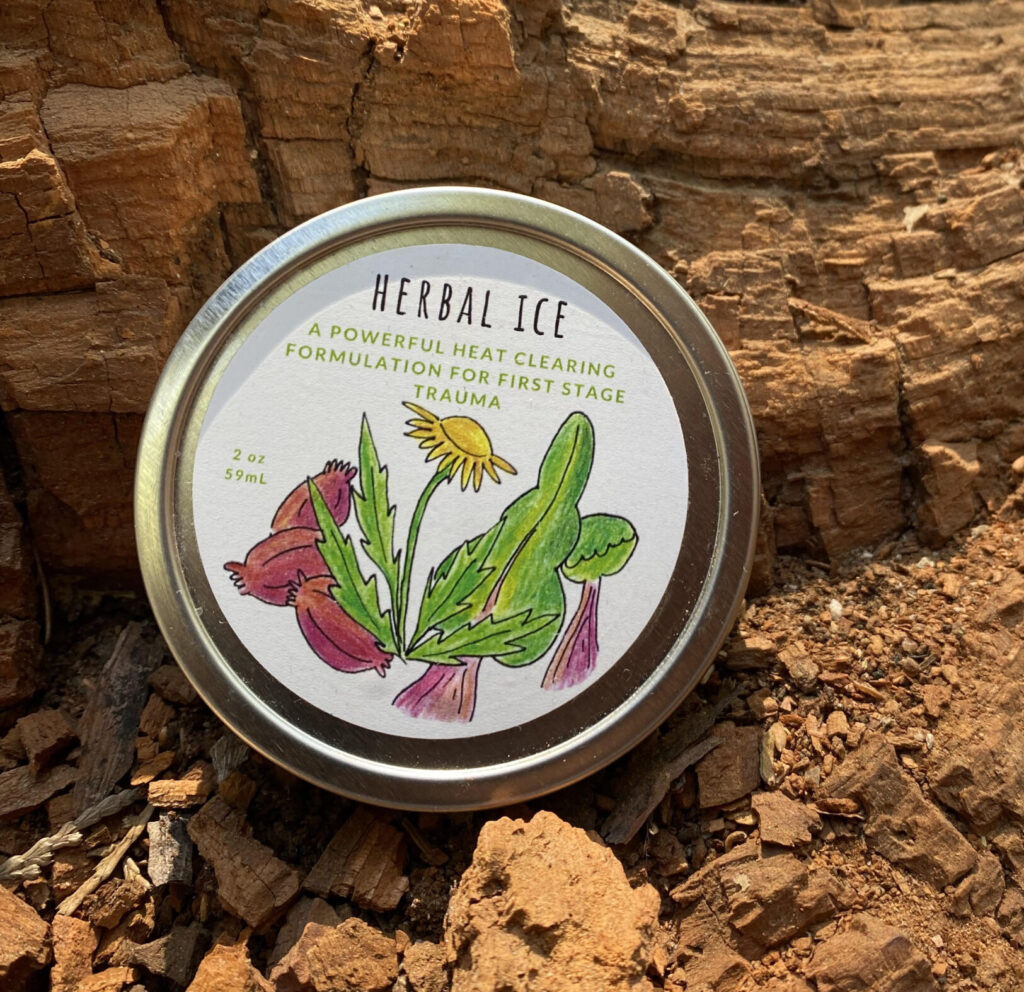
Herbal Ice San Huang San

In sports medicine and physical therapy, the RICE (Rest, Ice, Compression, Elevation) protocol has been a cornerstone of acute injury management for decades. However, recent research suggests that aspects of the RICE approach may impede the healing process, warranting a reevaluation of these traditionally held principles.

This blog serves as a summary of the research paper by Scialoia, Domenic, and A. Swartzendruber, titled “The RICE protocol is a myth: a review and recommendations,” published in The Sport Journal in 2020. The paper critically examines the well-known RICE (Rest, Ice, Compression, Elevation) protocol, often recommended for injury treatment, and argues that it may not be as effective as commonly believed.

You can find the full article

RICE

The conventional wisdom of managing acute injuries was revolutionized in the 1970s when Dr. Gabe Mirkin coined the term RICE, an acronym for Rest, Ice, Compression, Elevation. This approach quickly became an industry standard. Nevertheless, Dr. Mirkin, in the foreword to Reinl’s second edition of “Ice: The Illusionary Treatment Option,” has publicly revised his stance on the protocol he once fervently advocated. Mirkin cites research indicating that both rest and ice may in fact delay recovery, while mild movement can facilitate faster tissue healing. Further, ice, though efficient at suppressing pain, may delay the body’s immune responses critical to a swift recovery.

Physiological Response to Injury

Inflammation is a critical and necessary response when tissue injury, initiating a triphasic recovery process comprised of inflammation, repair, and remodeling. Contrary to the view that inflammation is an undesired outcome, it is an instantaneous defense mechanism aiming to control the extent of cell injury and prepare the tissue for repair. The magnitude of the response depends on the trauma severity and tissue vascularization.

Inflammation

Upon injury, local vasodilation occurs as blood vessels in the immediate area widen to enhance blood flow. This allows neutrophils, white blood cells attracted to the trauma site, to enter the interstitial space where they work to clean the area of invaders, and protect the damaged tissue.

Swelling 

As the waste products produced by macrophages and neutrophils accumulate in the form of fluid, the body’s reliance on the lymphatic system for drainage becomes paramount. This system is a passive, one-way mode of transportation for excess fluid, depending on the voluntary contraction of the body’s tissues for propulsion.

Inadequate lymphatic system functioning can lead to an accumulation of waste products and excess swelling and hinder optimal recovery of damaged tissues. However, when the body can successfully clear the damaged site of excess fluid via the lymphatic system, the process of repair is enabled.

Therefore, understanding this complex process is paramount in redefining our approach to injury management, recognizing that inflammation is not an obstacle but a necessary healing phase. Healing cannot happen without inflammation; it is not an adverse response but an indispensable aspect of the recovery process, allowing the body to move through the stages of inflammation, repair, and remodeling.

Rethinking Ice Application

The RICE protocol advocates for ice application to reduce inflammation. However, given that inflammation is essential to the healing process, it is now apparent that icing can inhibit healing. When ice is applied, it acts as a vasoconstrictor, narrowing the blood vessels and restricting the transport of inflammatory chemicals and neutrophils to the injury site. This physiological response, consequently, impedes healing. Further, prolonged ice application can cause lymphatic vessels to excessively increase their permeability, leading to local swelling and potentially exacerbating pain.

Rest and Elevation

A cardinal principle of the RICE protocol, rest, is now questioned. Though intuitive, complete rest does not augment the healing process. As the lymphatic system’s role is to drain waste products and requires tissue contraction for propulsion, a state of inactivity can impede this drainage, leading to congestion and a delay in the inflammatory and subsequent healing phases. Moreover, extended periods of inactivity can lead to muscle atrophy, rendering tissue weaker, less functional, and more susceptible to future injury. Similarly, while elevation aims to limit swelling by utilizing gravity, it does not provide a proactive solution to the underlying issue.

Active Recovery and the MEAT Protocol

Emerging research champions a more proactive and nuanced approach to injury management – active recovery and the MEAT protocol. Active recovery refers to the involvement of injured skeletal muscle tissue in non-strenuous activity. It facilitates the propulsive force needed for lymphatic drainage and can begin as soon as the day after a minor injury, provided movements are pain-free.

The MEAT protocol, an acronym for Movement, Exercise, Analgesia, Treatment, addresses the flaws in the RICE approach. Rather than advocating for rest, it recommends pain-free movement and resistance exercises to aid lymphatic drainage and maintain muscle mass. Analgesia, the third element of the MEAT protocol, encourages the management of pain without NSAIDs, as these have been found to possibly delay recovery by inhibiting the synthesis of prostaglandins that initiate inflammation. Lastly, ‘treatment’ comprises various therapeutic approaches tailored to the individual patient, including acupuncture.


Herbal Ice

The use of San Huang San and Herbal Ice also stands out as a promising approach. Unlike conventional ice, which may hinder healing, these herbal remedies are formulated to reduce inflammation without interfering with the essential recovery stages. San Huang San, in particular, has a rich history in Traditional Chinese Medicine, harnessing the natural properties of herbs to aid in the treatment of injuries. By embracing these herbal alternatives, we may find a more harmonious way to manage pain and inflammation, offering a bridge between ancient wisdom and a contemporary understanding of injury recovery. This balanced approach may represent not just a refinement in treatment methods but a potential paradigm shift towards more holistic healing.

Bonus: Exercise Recovery

Both ice and gentle exercise can help you heal from an injury or recover after a tough workout. But it’s important to do it the right way. If you’re using ice, don’t leave it on for more than 10 minutes at a time. And when it comes to active recovery, which is a way of using low-impact exercises to help your muscles bounce back, focus on the same muscles you used in your workout. Think of it like a cool-down phase: spending 20 minutes gently working the same muscles that you used during your exercise session helps get rid of tiredness more effectively than working other muscles. This helps your blood flow better and clears away any waste, setting the stage for your muscles to heal and get stronger.

Nature’s Ice Packs! Experience quick relief from redness and inflammation while nourishing your skin

We make available natural products that have been observed to make a difference in the lives of our patients, friends and family. You’re in good hands shopping with us.

About the Author

Author Willard Sheppy Exporing the Coast

Willard Sheppy is a writer and healthcare practitioner who seamlessly melds scientific knowledge with practical applications in engaging and authoritative articles. He holds a Bachelor of Science in Environmental Science from Oregon State University and a Master’s in Acupuncture and Oriental Medicine from the distinguished Oregon College of Oriental Medicine.

In his work, Willard skillfully combines his extensive educational background in scientific research with his practical experience as a healthcare practitioner. Willard balances his life with martial arts and cherished family adventures. As a father of three, he often leads his family on camping and hiking trips along the breathtaking Oregon coast.

Connect with Willard on LinkedIn at linkedin.com/in/valleyhealthclinic or learn more about his services at valleyhealthclinic.com. Embark on this journey towards holistic health with Willard!

FAQ about San Huang San / Herbal Ice

Herbal Ice

San Huang San, also referred to as Herbal Ice or Three Yellow Powder, is a traditional Chinese herbal formula with various medicinal applications. here are some frequently asked questions about San Huang San.

What is San Huang San?

San Huang San is a combination of cooling herbs that alleviate pain and inflammation in injuries. Known as Herbal Ice or Three Yellow Powder, it offers an alternative to using ice in Chinese medicine by clearing heat, reducing swelling, and dispelling stasis. San Huang San is available as whole herbs or coarsely ground powder and can be used as a tincture for muscle soreness. Ingredients include rhubarb rhizome, scutellaria root, phellodendron bark, taraxaci herba, gardeniae fructus, and carthami flos. It is applied externally and not for long-term use.

How is San Huang San made?

San Huang San is prepared by combining specific herbs that possess cooling properties. These include:

– Rhubarb rhizome
– Scutellaria root
– Phellodendron bark

The herbs are carefully measured and then ground into a powder or coarsely ground form.

Our product stands out from other salves due to its intentional inclusion of finely ground herbs within the mixture.

Unlike typical ointments where herbs are strained out, Herbal Ice retains the powdered herbs, which are meticulously run through an incredibly fine mesh strainer by the maker. This careful process ensures a smooth yet thick texture to the final product. While this might give it a different consistency compared to other ointments, this method is by design. The maker believes that leaving the herbs in the mixture enhances its potency, precisely aligned with their goal of creating a botanical remedy to quickly clear heat and move blood. The thick texture is not a flaw but a unique characteristic that embodies the product’s therapeutic essence.

The ground herbs were infused in the oil for a period of 4 weeks, with the mixture being shaken every day. After this infusion process, the blend was then combined with organic beeswax to create the final product.

What are the benefits of San Huang San?

The benefits of San Huang San include reducing inflammation and alleviating pain in injuries. It is particularly useful for traumatic injuries such as bruises and sprains. The effectiveness lies in its ability to clear heat and inflammation while reducing swelling and dispelling stasis. San Huang San is commonly applied in martial arts training as a poultice and should only be used until the initial inflammation and swelling have subsided [1][3][5]

Where can I buy San Huang San?

Personal Sales:
Valley Health Acupuncture Store: This specialized store offers a variety of topical products tailored to individual requirements. 

Wholesale Purchasing:
For those interested in bulk purchasing, Wai Ke Botanical offers wholesale options for San Huang San. This could be an ideal choice for healthcare practitioners, traditional Chinese medicine clinics, or retailers looking to stock San Huang San products.

Are there any side effects of San Huang San?

Generally safe for external application, San Huang San might cause skin irritation, allergic reaction, or staining due to its yellow color. Precautions include avoiding ingestion, long-term use, application on open wounds, or broken skin. Pregnant women should also avoid using it. Consulting a healthcare professional is advised[1][5][6].

How to apply San Huang San?

Certainly! Here’s a revised version of the “How to apply San Huang San?” section, including the maker’s personal preference:

San Huang San is applied externally through a series of steps, and different people may find various methods of application that work best for them. Here’s a general guideline, along with the maker’s personal preference:

1. Clean the affected area: Ensure that the area where San Huang San will be applied is clean and free of debris.


2. Apply San Huang San powder or paste: Apply a generous amount of San Huang San to the affected area. The maker personally likes to put on a fairly thick layer.


3. Massage gently: Gently massage the area to ensure the paste or powder is evenly distributed.


4. Cover with a cloth, bandage, or personal preference: Cover the area with a cloth, bandage, gauze, or even an old sock for larger areas. The maker often uses a bandaid for smaller areas or a sock for larger ones to secure the ointment to the skin and prevent it from rubbing off on clothing or other surfaces.


5. Leave on for several hours or overnight: Allow the ointment to work its magic by leaving it on for an extended period. The maker emphasizes that this approach works best for them, but encourages users to find what works best for them!


6. Wash off with warm water: After the ointment has been on for the desired time, wash it off with warm water

Everyone’s skin and preferences are unique, so experimenting with different application techniques may lead you to discover the method that is most effective and comfortable for you.

Is San Huang San effective for inflammation?

Yes, San Huang San is known for its effectiveness in reducing inflammation, swelling, bruising, and pain. Its cooling herbs have anti-inflammatory properties that help in acute injuries. Though limited scientific evidence exists, its traditional use supports its anti-inflammatory effects

What are the ingredients in San Huang San?

San Huang San, commonly known as Herbal Ice, consists of a blend of potent and natural ingredients, each contributing to its renowned topical effects:

1. Organic Unrefined Sesame Oil Acts as a carrier oil that helps in penetrating the active herbal ingredients into the skin. Sesame oil is rich in antioxidants and is known for its moisturizing properties.

2. Organic Beeswax:Adds a protective layer to the skin, sealing in moisture without clogging pores. Beeswax is known for its anti-inflammatory and antibacterial properties.

3. Da Huang (Rhubarb Rhizome): Renowned for its purging heat and detoxifying effects, aiding in the reduction of inflammation and swelling.

4. Huang Qin (Scutellaria Root): Known for its cooling and anti-inflammatory properties, it helps soothe irritated skin and alleviate pain.

5. Huang Bai (Phellodendron Bark): Recognized for its antibacterial and anti-inflammatory qualities, it supports the healing of minor wounds and reduces swelling.

6. Pu Gong Ying (Dandelion): Offers detoxifying benefits and is used to clear heat and toxic materials from the skin.

7. Zhi Zi (Gardenia Seed Pods): Possesses cooling and calming properties, assisting in reducing irritations and redness.

8. Hong Hua (Safflower): Promotes circulation and helps in reducing stiffness and pain in injured areas.

These ingredients collectively contribute to San Huang San’s effectiveness in alleviating pain, reducing inflammation, swelling, and bruising in acute injuries. It serves as a holistic alternative to conventional remedies, tapping into the wisdom of traditional Chinese medicine.

San Huang San, or Herbal Ice, offers a natural alternative to conventional ice packs for treating inflammation and pain. While considered safe for most users, consultation with a healthcare professional ensures proper usage and application. Available in various forms, its therapeutic benefits are supported by traditional Chinese medicine practices.

Citations:
1 https://plumdragonherbs.com/products/san-huang-san
2 https://www.wildcraftedacupuncture.com/onlinestore/s7u9nr0s8gs1zlgzeqteiwan9hucir
3 https://urbanherbsco.com/products/san-huang-san
 4 https://www.amazon.com/Huang-Yellow-Powder-Medicinal-Chinese/dp/B00QSKFCYA
 5 https://appliedbotanicals.com/san-huang-san-gao/
6  https://onpointawc.com/product/herbal-ice-tincture/

Nature’s Ice Packs! Experience quick relief from redness and inflammation while nourishing your skin

We make available natural products that have been observed to make a difference in the lives of our patients, friends and family. You’re in good hands shopping with us.

About the Author

Author Willard Sheppy Exporing the Coast

Willard Sheppy is a writer and healthcare practitioner who seamlessly melds scientific knowledge with practical applications in engaging and authoritative articles. He holds a Bachelor of Science in Environmental Science from Oregon State University and a Master’s in Acupuncture and Oriental Medicine from the distinguished Oregon College of Oriental Medicine.

In his work, Willard skillfully combines his extensive educational background in scientific research with his practical experience as a healthcare practitioner. Willard balances his life with martial arts and cherished family adventures. As a father of three, he often leads his family on camping and hiking trips along the breathtaking Oregon coast.

Connect with Willard on LinkedIn at linkedin.com/in/valleyhealthclinic or learn more about his services at valleyhealthclinic.com. Embark on this journey towards holistic health with Willard!
Herbal Ice: A Hiker’s Best Friend

Herbal Ice San Huang San on Hiking Trip

Traditional Chinese Medicine (TCM), is a treasure trove of natural remedies that offer solutions to everyday health concerns. One remedy is Herbal Ice, also known as San Huang San. This TCM formulation is a hiking essential, offering rapid relief from a variety of red, irritated, or itchy skin that often plagues outdoor enthusiasts. With its cooling properties and ease of application, Herbal Ice is swiftly becoming a must-have item in any hiker’s backpack.

The Product

Herbal Ice is a topical application based on the traditional Chinese medicine (TCM) formula known as “San Huang San” or “Three Yellows.”  (Huang meaning yellow). This formula is named after its three key ingredients: Rhei Radix et Rhizoma (Da huang), Scutellariae Radix (Huang qin), and Phellodendri Cortex (Huang bai). These herbs are very cold in nature and perfect for soothing hot, red, irritated skin.

The Three Yellows formula was initially created as a trauma remedy for bruises, providing a more natural and holistic alternative to traditional ice packs. Yet, its applications have been found to extend much further than just bruising. From our personal experiences and feedback from our hiking community, we’ve found that it’s particularly effective for other skin irritations such as sunburn, chaffing, bug bites, and stings.

The Story

As an avid hiker and a practicing acupuncturist, I always advocate for holistic health practices, even when on the trails. During a recent family adventure to Yosemite National Park, our journey encapsulated the true spirit of hiking – breathtaking beauty, physical exertion, and the inevitable skin issues from the elements. The trail that stood out the most was our expedition from the Mist Trail, up to Nevada Falls, and back via the John Muir Trail. This adventure not only tested our resilience but also showcased the incredible versatility of Herbal Ice, a natural remedy from my acupuncture arsenal.

We started our journey at Happy Isles, marking the beginning of the iconic Mist Trail. Our youngest, a five-year-old, was buzzing with excitement. However, the excitement was cut short when he tripped and skidded his knee while running down a slope. The red, angry scrape was instantly soothed with a dab of Herbal Ice and a Band-Aid, and our little trooper was ready to take on the trail again.

The ascent to the Vernal Fall was an exhilarating experience. The trail was steep, and as we neared the fall, we were greeted with a fine mist, adding a slick sheen to the granite steps. We got wet, but the sight of the majestic waterfall was worth every step. At the top, we paused for a snack, taking in the awe-inspiring views. But we soon noticed our damp clothes were causing some chafing issues. Once again, Herbal Ice came to our rescue, soothing the reddened skin with its cooling effect.

Next, we started the second leg of our hike up to Nevada Falls. The incline was challenging, but seeing the cascading falls up close was a sight to behold. As we rested, the reality of our sun-exposed trail hit us, the sunburn on the backs of our legs was starting to sting, and bug bites were adding to our discomfort.

The descent via the John Muir trail was a change of pace. This trail was more exposed, providing stunning vistas of Nevada Fall and Liberty Cap but also exposed us to the elements. Our tired legs and the growing collection of bug bites started to take a toll on us and the kids as they started to complain. However, a quick application of Herbal Ice soothed the sunburn and bug bites, allowing us to fully enjoy our descent through the forested trail.

By the time we reached Yosemite Valley, completing our full-circle 6.5-mile journey, we were tired but fulfilled. The trials we faced, from a scraped knee to chafing, sunburn, and bug bites, were expertly tackled with Herbal Ice. It was a testament to this natural remedy’s versatility, proving to be a hiker’s best friend.

So, whether you’re an experienced hiker, an outdoor enthusiast, or someone dealing with red, irritated skin, consider Herbal Ice. Not only does it offer quick relief for acute injuries, but it’s also a fantastic remedy for sunburn and bug bites. Always be prepared for your adventures, and never forget your Herbal Ice – it truly is a hiker’s best friend!

The Ingredients

Let’s take a closer look at the three key ingredients that make up San Huang San:
Rhei Radix et Rhizoma (da huang),
Scutellariae Radix (huang qin),
Phellodendri Cortex (huang bai).

1. Rhei Radix et Rhizoma (da huang)

Da Huang is widely recognized in TCM for its potent heat-clearing and detoxifying properties. It’s frequently used to treat high fever, delirium, constipation, and abdominal pain]. When applied topically, as in Herbal Ice, da huang can clear heat and reduce inflammation in the affected area. This makes it particularly effective for sunburns and bug bites.

2. Scutellariae Radix (huang qin):

Scutellaria, also known as skullcaps, is a group of around 350 plant species native to Europe, the United States, and East Asia. They’ve been used in traditional Chinese medicine for thousands of years to promote various health benefits. Over 295 compounds, including flavonoids and diterpenes, have been identified in these plants.

Modern research has confirmed Scutellaria’s broad range of medicinal effects. These include anti-tumor, liver-protective, antioxidant, anti-inflammatory, anti-convulsant, antibacterial, and antiviral properties. Its active components have also shown potential in combating serious diseases such as cancer, hepatitis, and HIV-1.

Researchers have been studying the chemical compounds of Scutellaria since the late 19th century. Some of the main flavonoids in these plants—like baicalin and baicalein,—have demonstrated significant anti-cancer, anti-HIV, antibacterial, antiviral, anti-inflammatory, and anticonvulsant effects. Ongoing research continues to unveil more about the potential of Scutellaria in healthcare and drug development.

Huang Qin in traditional Chinese medicine is known for its heat-clearing, dampness-drying, toxin-resolving, and hemostasis-promoting properties. It’s often used to treat high fever, cough, nausea, and irritability. In the context of Herbal Ice, Huang qin’s heat-clearing properties reduce swelling and inflammation, providing relief from skin irritations like chafing.


3. Phellodendri Cortex (huang bai):

Phellodendri Cortex (PC), also known as “Huang bai” in Chinese and “Obaku” in Japanese, is a medicinal plant native to Asia. Notably, it’s recognized as one of the 50 fundamental herbs in Chinese herbalism. This plant, whose dried bark is used medicinally, comes in two main species, containing similar beneficial constituents and interchangeable in clinical applications.

The PC plant has been traditionally used to treat a wide array of diseases, such as meningitis, cirrhosis, and pneumonia. Currently, it’s known for its extensive health benefits, including anti-inflammatory, antimicrobial, anticancer, and antioxidant effects, among others.

One of PC’s key compounds is alkaloids, specifically berberine, and jatrorrhizine, which are proven to be effective against some types of tumors, infections, and neurological diseases. Research is ongoing to further understand the full range of benefits PC can offer, including its potential impact on atopic dermatitis.

Tips

It is good to know that while Herbal Ice can provide immediate relief from pain, inflammation, and swelling, it’s not intended for long-term use. Once the initial inflammation, heat, and swelling have significantly reduced, the application should be stopped.

The wisdom of TCM has much to offer in terms of natural, effective remedies for many common ailments. By understanding the properties of these herbs, we can better appreciate their potential benefits and use them more effectively in our daily lives.

Is Herbal Ice For You?

Remember, Herbal Ice isn’t just for hikers. Anyone experiencing red, irritated skin can benefit from this traditional Chinese remedy. It’s a testament to the wisdom of ancient Chinese medicine and its relevance in our modern world.

Always be prepared on your adventures, and never forget your Herbal Ice – it truly is a hiker’s best friend!

Herbal Ice is safe for most people when used as directed. However, as with any topical product, some people may experience skin irritation or allergic reactions. If you notice any adverse effects, discontinue use and consult with a healthcare provider.

Buy Herbal Ice Today!

Nature’s Ice Packs! Experience quick relief from redness and inflammation while nourishing your skin

We make available natural products that have been observed to make a difference in the lives of our patients, friends and family. You’re in good hands shopping with us.

About the Author

Author Willard Sheppy Exporing the Coast

Willard Sheppy is a writer and healthcare practitioner who seamlessly melds scientific knowledge with practical applications in engaging and authoritative articles. He holds a Bachelor of Science in Environmental Science from Oregon State University and a Master’s in Acupuncture and Oriental Medicine from the distinguished Oregon College of Oriental Medicine.

In his work, Willard skillfully combines his extensive educational background in scientific research with his practical experience as a healthcare practitioner. Willard balances his life with martial arts and cherished family adventures. As a father of three, he often leads his family on camping and hiking trips along the breathtaking Oregon coast.

Connect with Willard on LinkedIn at linkedin.com/in/valleyhealthclinic or learn more about his services at valleyhealthclinic.com. Embark on this journey towards holistic health with Willard!