Category: Gut & Whole-Body Health

How to Improve Your Teeth and Gum Health by Fixing Your Gut

11 minutes read

How to Improve Your Teeth and Gum Health by Fixing Your Gut

Will Sheppy, Founder and Acupuncturist at Valley Health Clinic
Willard Sheppy Dipl. OM, LAc, BS

Willard Sheppy is a licensed acupuncturist (LAc) and Founder of Valley Health Clinic specializing in using Traditional Chinese Medicine to treat acute injuries and chronic conditions, and to improve sports performance and rehabilitation.

DR-Joshua

Table of Contents

How to Improve your Teeth and Gums

A few months ago, a patient came into my clinic that I’ll call Sarah. She was in her mid-forties and had been dealing with chronic bloating, irregular digestion, and a persistent heaviness after meals that no one had been able to fully explain. We started working on her gut health, and within a few weeks she came back to her appointment and said something that caught me off guard.

“My dentist told me my gums look better.”

She hadn’t changed her brushing routine. She hadn’t started flossing more. What had changed was her gut — and that seemingly unrelated shift had shown up in her mouth.
This is the kind of connection that Chinese medicine has understood for a long time, and that modern research is only beginning to catch up to. Your mouth and your stomach are not separate systems. They are two ends of the same tube, and what happens in one affects the other in ways most people never think about.

The Gut-Oral Health Connection

What the Research Is Showing

The human microbiome the trillions of bacteria that live in and on your body does not stop at your stomach. It starts in your mouth. In fact, the oral cavity harbors over 700 species of bacteria, making it one of the most complex microbial environments in the body.

Here is where it gets important: the bacteria in your mouth travel. Every time you swallow, oral bacteria make their way into your digestive tract. When the balance of those bacteria is off — what researchers call dysbiosis those imbalanced microbes can colonize the gut lining, disrupt digestion, and drive systemic inflammation. Studies have linked oral bacteria like Porphyromonas gingivalis (the main driver of gum disease) to inflammatory conditions throughout the body, including the gut.

The reverse is equally true. When the gut microbiome is damaged or out of balance, the body’s immune regulation suffers. This shows up as increased inflammation in the gums and oral tissues. Poor gut health is also linked to slower tissue repair, which is exactly what your gums need to stay healthy.


Put simply: an unhealthy gut makes it harder to keep a healthy mouth, and an unhealthy mouth makes it harder to maintain a healthy gut.

How Does Poor Gut Health Damages Your Teeth

There are several specific mechanisms at work here

Systemic inflammation

When the gut lining is compromised, what is commonly called “leaky gut,” undigested food particles and bacterial byproducts enter the bloodstream. This triggers a chronic, low-grade inflammatory response throughout the body. The gums, which are richly supplied with blood vessels, are one of the first places that inflammation shows up. Redness, bleeding, and recession are all inflammatory responses.

Nutrient malabsorption

A disrupted gut has a harder time absorbing the vitamins and minerals needed for strong teeth and healthy oral tissues. Vitamin D, calcium, magnesium, and vitamin K2 are all critical for tooth remineralization and bone density in the jaw, and they all depend on a healthy gut to be properly absorbed.

Reduced immune function

About 70% of your immune system lives in your gut. When the gut microbiome is out of balance, immune signaling throughout the body becomes dysregulated. This makes it harder for your body to defend against the bacterial biofilm that causes gum disease.

Acid reflux and stomach acid

Poor gut motility can lead to reflux, which allows stomach acid to enter the mouth. Over time, this erodes enamel, and enamel does not grow back.

How Poor Teeth Health Damages Your Gut

The other direction is just as important to understand


Periodontal disease, a chronic infection and inflammation of the gum tissue, produces a steady stream of inflammatory cytokines and pathogenic bacteria that enter the bloodstream every time you chew. These bacteria have been found in the gut, the liver, and even the plaques in cardiovascular disease.

Research from the Journal of Oral Microbiology has shown that periodontal pathogens can disrupt the gut microbiome by outcompeting beneficial bacteria and promoting pro-inflammatory microbial shifts. One study found that people with gum disease had measurably different gut microbial profiles than those with healthy gums  even after controlling for other factors.

This creates a cycle: gut dysbiosis worsens gum disease, and gum disease worsens gut dysbiosis. You cannot fully fix one without addressing the other.

What Your Tongue Is Telling You

The tongue is a powerful diagnositic tool

In Chinese medicine, we have a simple and powerful diagnostic tool that most Western practitioners never use: the tongue.

When I assess a new patient, the tongue coat, the layer of coating on the tongue’s surface, tells me a tremendous amount about the state of their digestive system. A healthy tongue has a thin, white, moist coat. This reflects a balanced gut microbiome and proper digestive function.

A thick, greasy, or yellow coat tells a different story. It often indicates what we call “dampness” in Chinese medicine: a buildup of metabolic byproducts, poor gut motility, digestive tract inflammation, or a microbiome out of balance. The thickness and color of that coat correlate directly with how the gut is functioning.

When Sarah first came in, she had a notably thick tongue coat. It was one of the first things I documented. As we worked on her digestion over the following weeks, that coating began to thin. And her gums began to improve.

This is not a coincidence. The tongue coat is a window into the gut, and the gums are another expression of the same underlying health.

Practical Steps to Improve Both Gut and Oral Health

What You Can Do

What We Did for Sarah

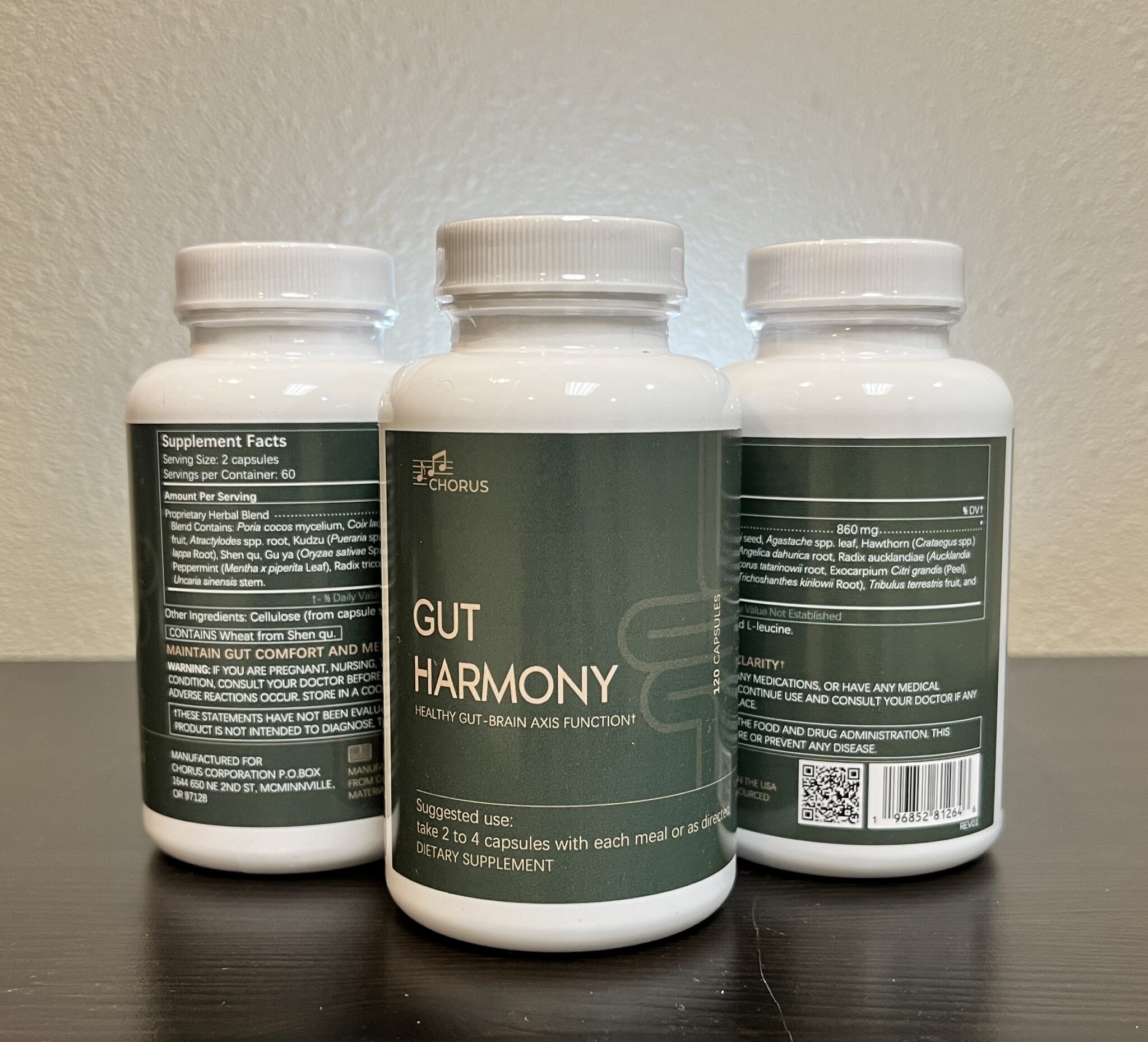
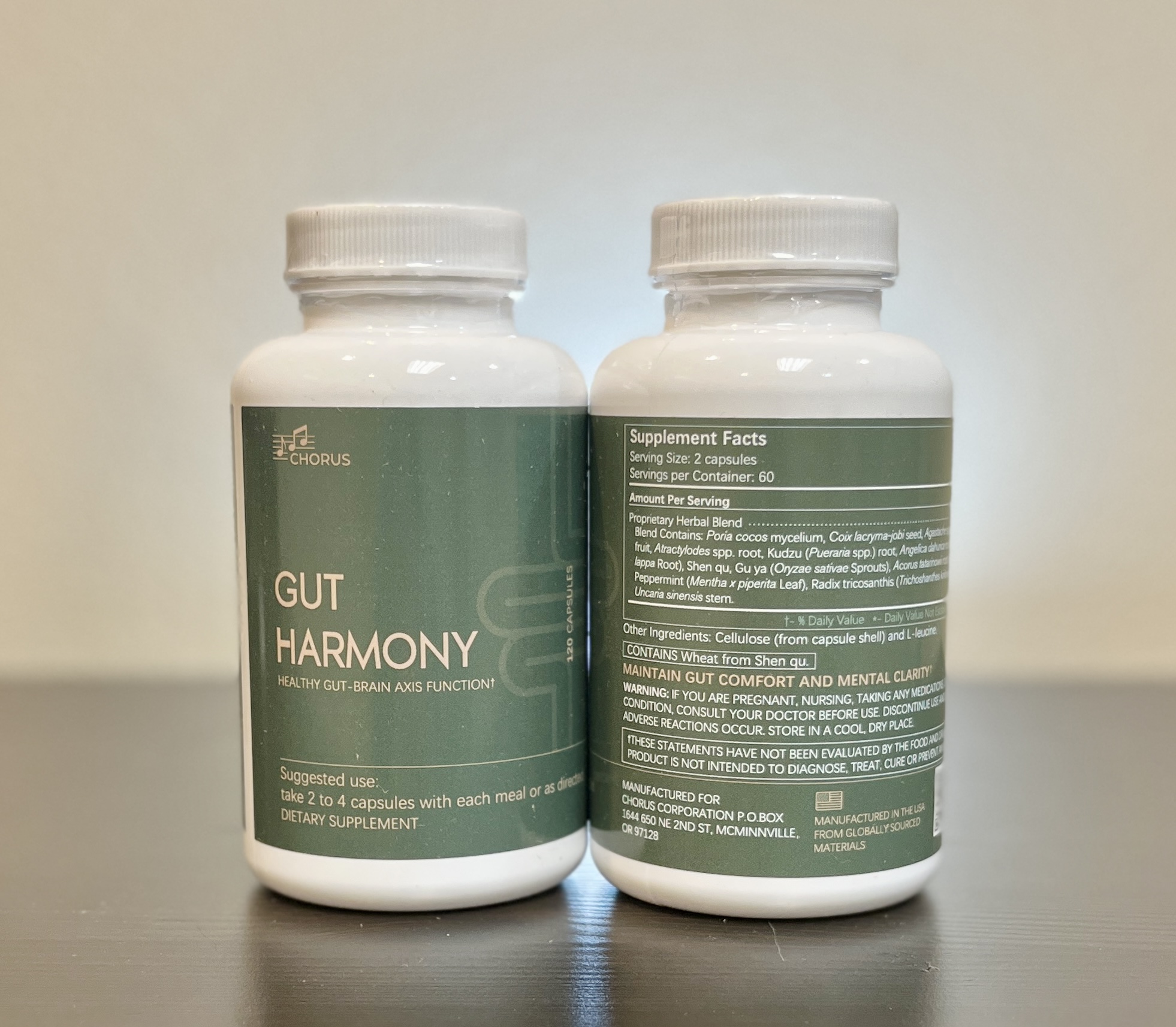
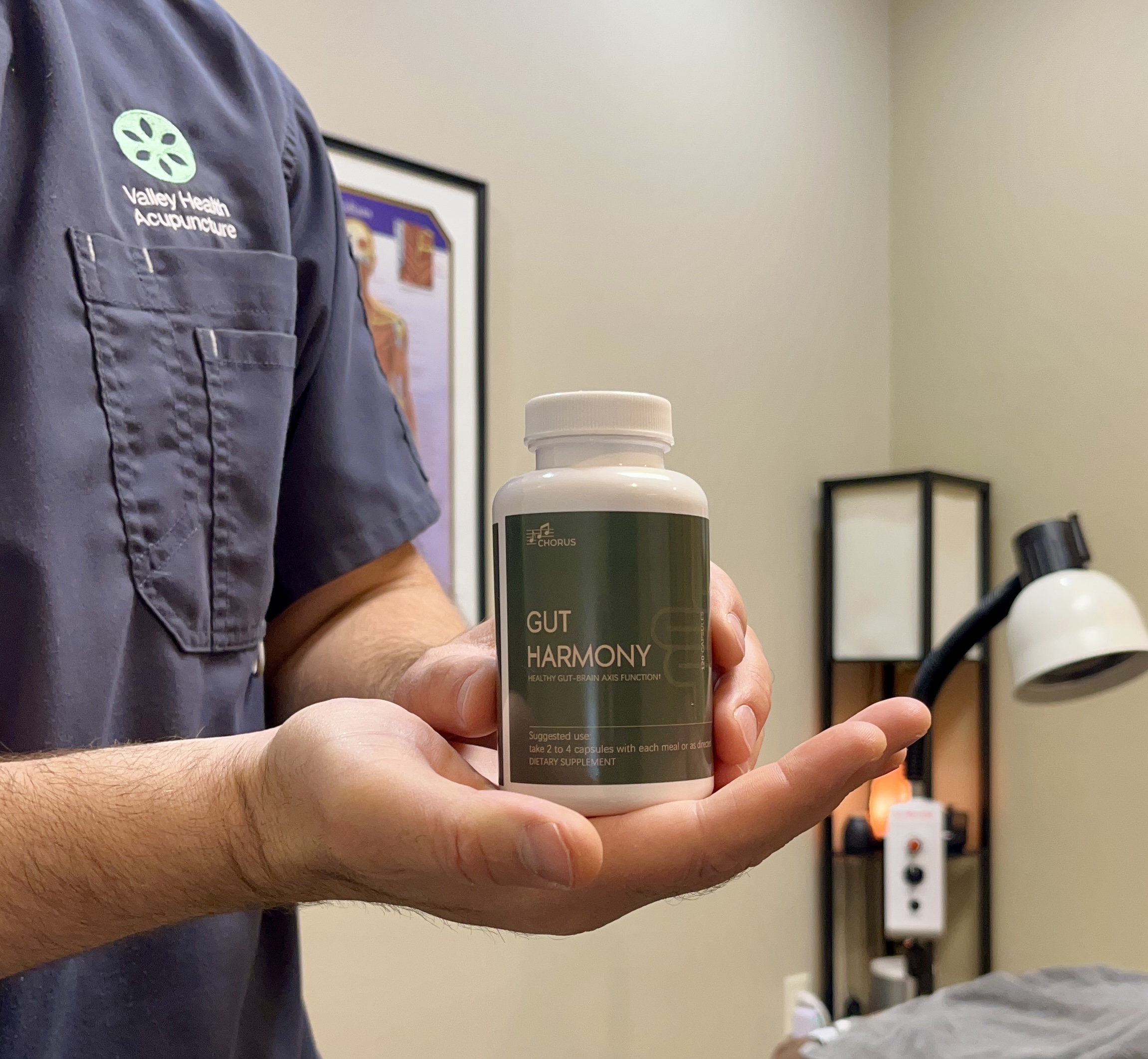
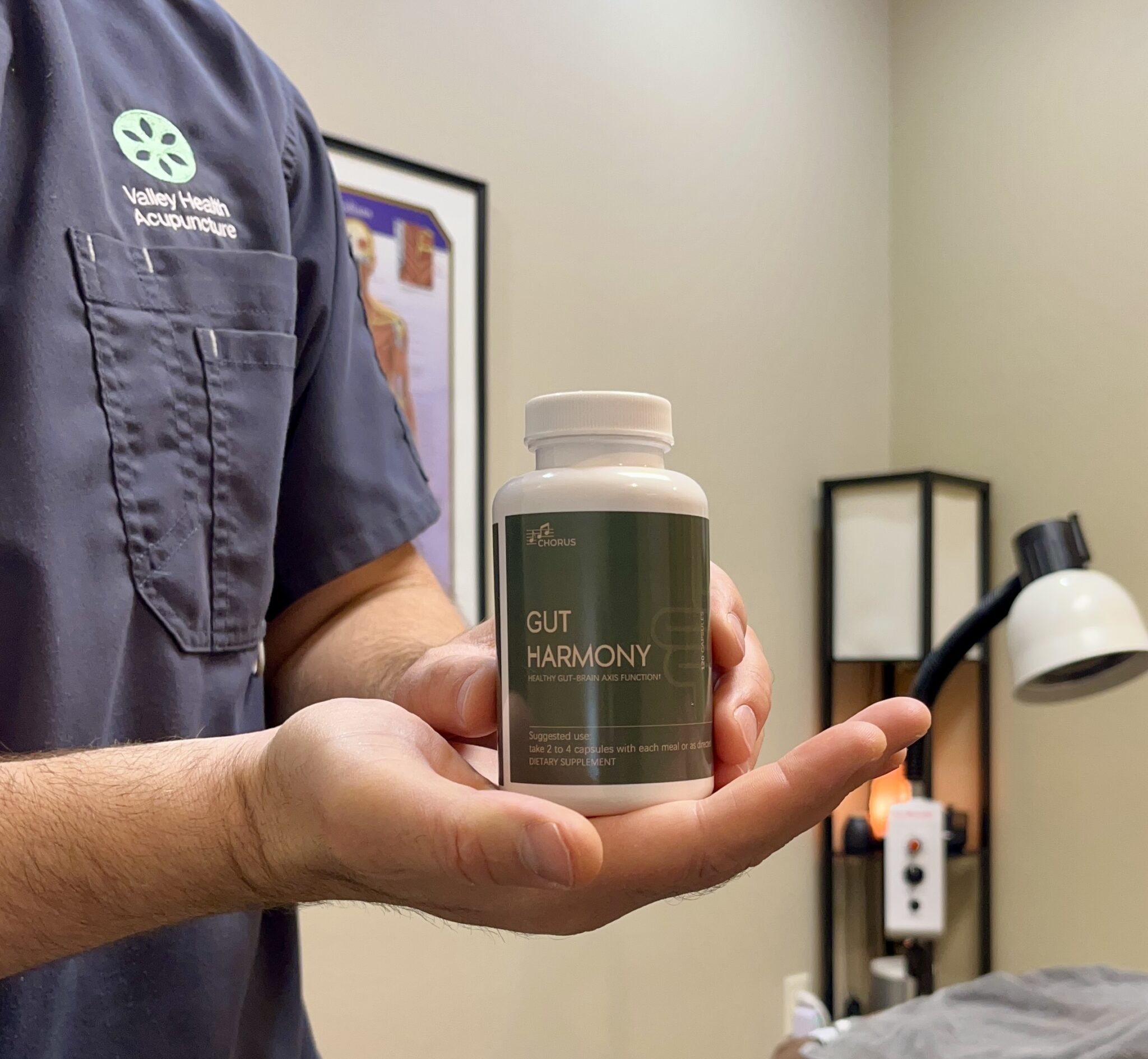
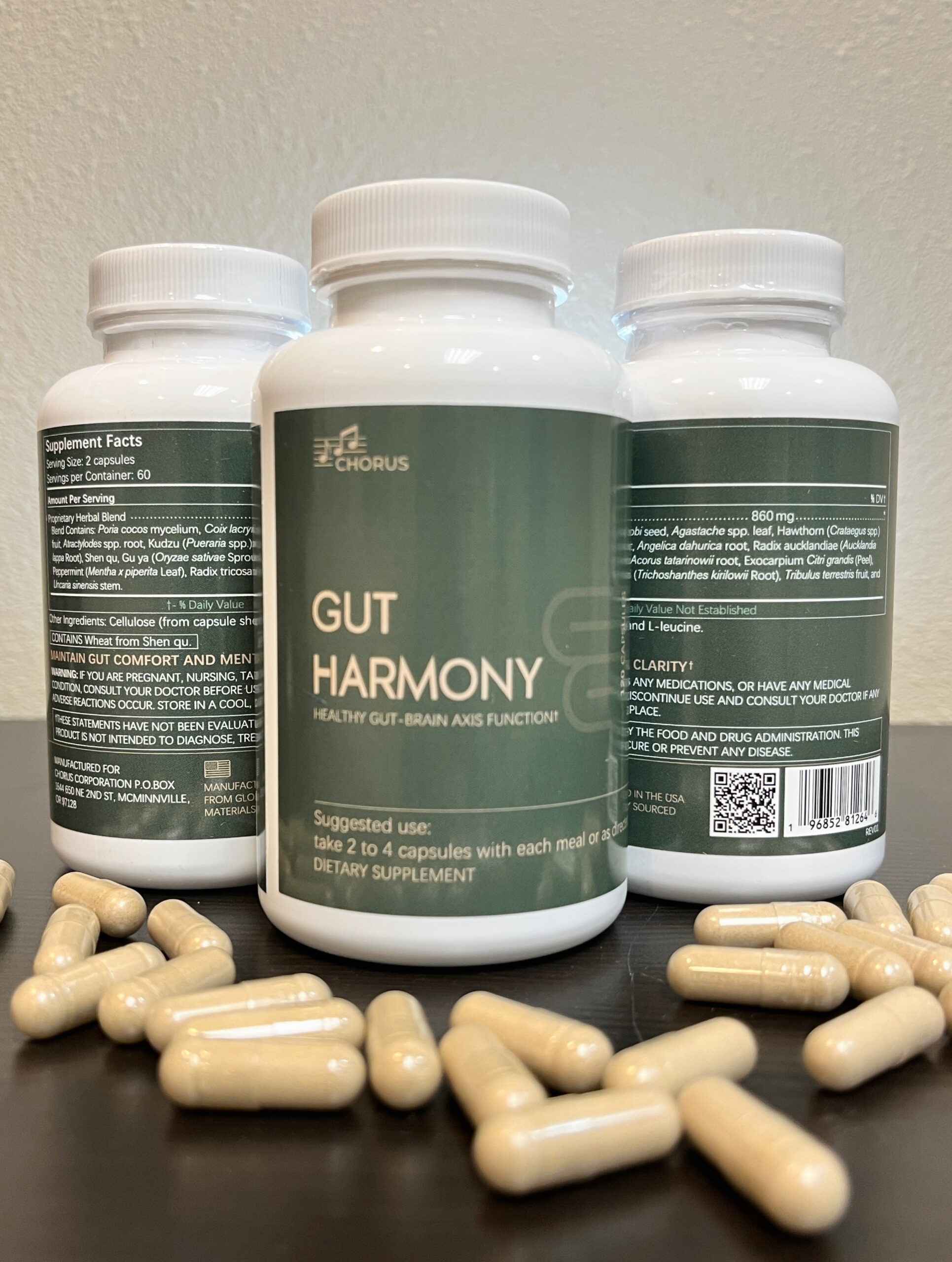
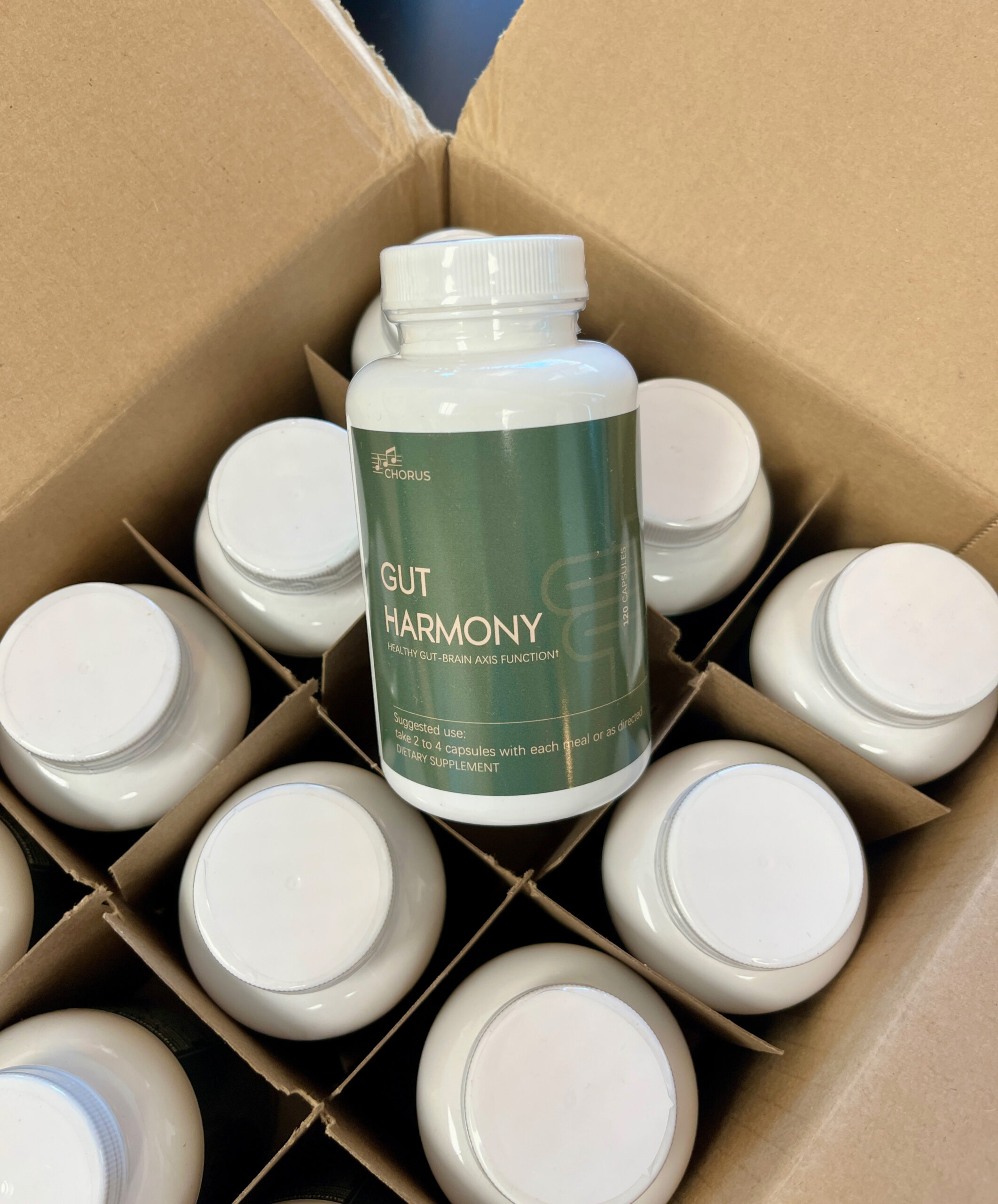
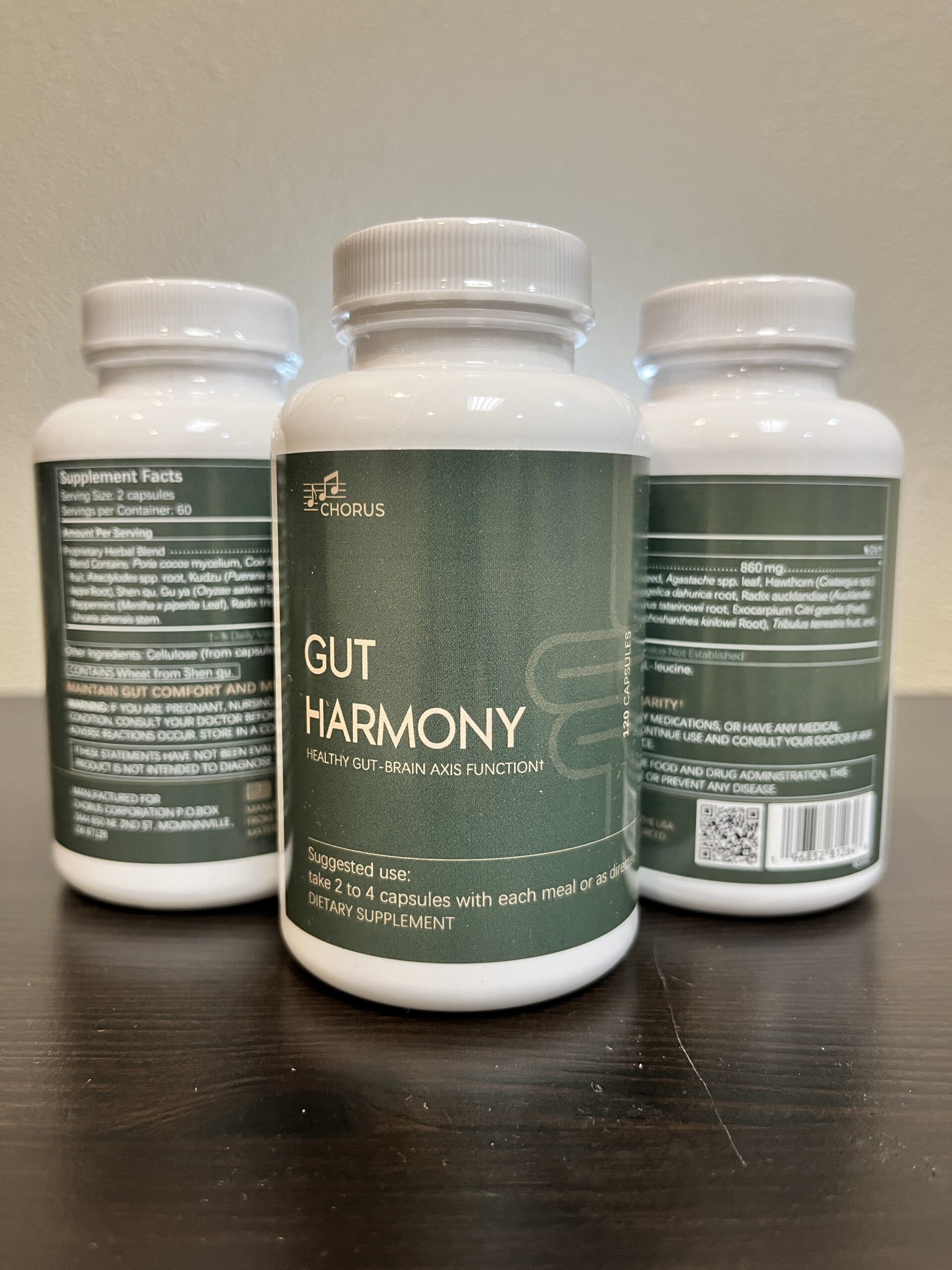
After evaluating Sarah’s tongue coat, her digestion, and her symptoms, I recommended we start with Gut Harmony, a 16-herb formula designed to reduce bloating, improve gut motility, and restore microbiome balance.

Gut Harmony

What I appreciate about Gut Harmony is that it does not just mask symptoms the way antacids or even probiotics often do. 

Within about three weeks, Sarah’s tongue coat had thinned noticeably. Her bloating was much improved. Her energy was better. And her dentist — who had no idea she was working on her gut health — commented that her gum tissue looked healthier and less inflamed.

Your mouth and your gut are in constant communication. The bacteria you harbor in your gums can affect your intestinal microbiome, and the health of your gut microbiome directly influences the strength of your immune response in your oral tissues. A thick tongue coat, gum inflammation, and chronic bloating are often three expressions of the same underlying imbalance..

When Sarah’s digestion improved, her gums followed. That is not magic, it is the body working as an integrated system, the way Chinese medicine has always understood it to work.


If you are dealing with digestive issues and oral health concerns and have not seen a connection between the two, I would encourage you to look at both together. Start with your tongue. Start with your gut. The results may surprise you.

Related Reading

Share on

Will Sheppy, Founder and Acupuncturist at Valley Health Clinic
Willard Sheppy
Willard Sheppy is a licensed acupuncturist (LAc) and Founder of Valley Health Clinic specializing in using Traditional Chinese Medicine to treat acute injuries and chronic conditions, and to improve sports performance and rehabilitation.

FAQ's

About Microgard
What is Microgard?
Microgard is a 16-herb formula evolved from the traditional digestive remedies Bao He Wan and Po Chai Pills, refined for functional dyspepsia (chronic indigestion). It addresses multiple causes of persistent upset stomach at the same time, from poor motility to inflammation and gut-brain signaling.
Take 8–25 micro pills, 2–3 times daily, or follow your healthcare practitioner’s instructions. Because these are micro pills — much smaller than standard capsules or tablets — the dosage may sound high, but the tiny size makes them easy to swallow and adjust to your needs.
Each bottle contains 18 g of traditional micro pills. Since there are no preservatives, keep the bottle in a cool, dry place and refrigerate after opening. For best results, finish the bottle as soon as possible once opened.
If you eat a Standard American Diet, have chronic indigestion (functional dyspepsia) or other digestive symptoms, and have signs of gut dysbiosis like a thick tongue coating, Microgard is likely a good formula for you. If you are unsure about Microgard, contact a TCM professional (licensed acupuncturist) who can determine if it’s the best fit.
Yes. Microgard contains no additives or preservatives, only the 16 traditional herbs. Ingredients are sourced from authentic growing regions, verified by TCM botanical experts, and tested for purity, heavy metals, and pesticide residues at a Chinese FDA-certified lab.
Microgard is not suitable during pregnancy, or for people with Celiac Disease. Consult your healthcare practitioner if you are nursing or taking medications.
Many people notice reduced bloating and post-meal heaviness within 1–2 weeks. More complete resolution of functional dyspepsia symptoms develops over several months as digestive function rebalances.
Most digestive aids only target one problem acid blockers reduce acid, enzymes help with breakdown, probiotics support gut bacteria. Microgard does all three plus more: improving motility, calming inflammation, protecting the stomach lining, and regulating the gut-brain axis. That’s why it’s uniquely effective for complex conditions like functional dyspepsia.
Microgard is manufactured by Botanical Biohacking, using time-honored herbal methods combined with modern GMP-certified quality testing to ensure safety and potency.

Support Your Gut the Smart Way

If fiber has helped you sometimes—and hurt you other times—it’s not in your head.
It’s about choosing the right type of fiber and supporting your microbiome gently.

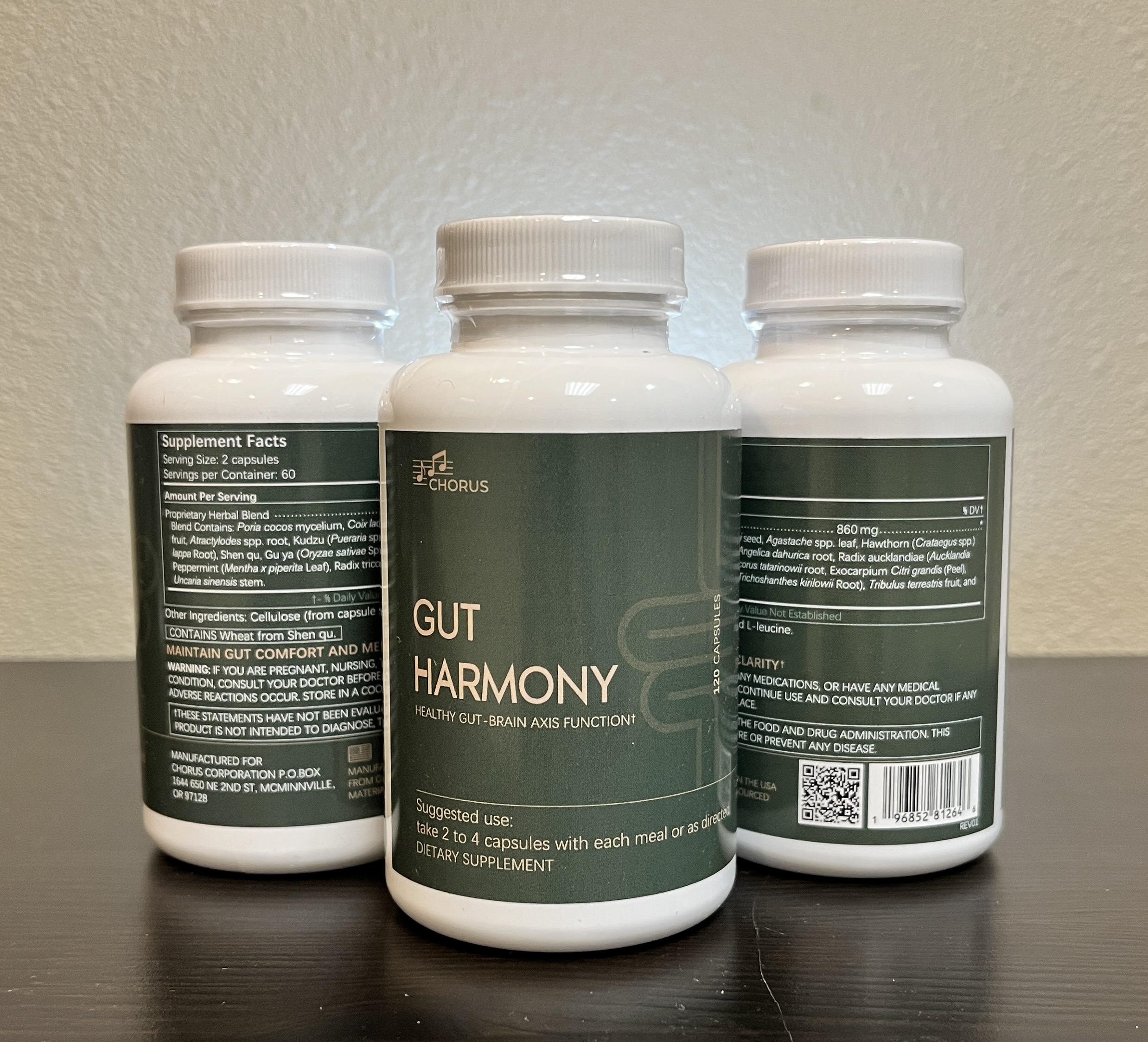
 Try Gut Harmony and let your gut rebalance itself.
Frequently Asked Questions About Gut Health, Probiotics, and Gut Harmony

11 minutes read

Frequently Asked Questions About Gut Health, Probiotics, and Gut Harmony

Brehan Crawford

Brehan Crawford is a licensed acupuncturist, herbalist, educator, and the founder of Gut Harmony. He graduated in 2009 from the Oregon College of Oriental Medicine with a Master’s degree in Acupuncture and Oriental Medicine, and went on to complete five years of advanced clinical residency at the Hai Shan Clinic. During this time, he studied Chinese herbal medicine under the direct supervision of Heiner Fruehauf, a renowned scholar and clinician known for his work with chronic infectious and recalcitrant medical conditions.

Brehan Crawford, Owner of Crawford Wellness

Table of Contents

FAQs About Gut Health, Probiotics, and Gut Harmony

A clinical conversation with Brehan Crawford, founder of Gut Harmony
In this interview, I sat down with Brehan Crawford to answer the most frequently searched questions about gut health, probiotics, the microbiome, and Gut Harmony. These are real questions people are typing into Google every day and the answers are often more nuanced than marketing headlines suggest.
This article will explain how fiber really works, how Traditional Chinese Medicine (TCM) helps us understand fiber tolerance, and why formulas like Gut Harmony focus on feeding beneficial bacteria rather than forcing probiotics into an already stressed system.

What is the difference between Gut Harmony and probiotics?

Gut Harmony is made from plants. Probiotics are made from bacteria.
Most commercial probiotics contain bacteria that are dead by the time you ingest them, or they die quickly due to stomach acid and immune defenses. Statistically, the vast majority of probiotics do very little for most people.
Gut Harmony does not contain bacteria at all. Instead, it is a plant-based formula composed of sixteen herbs that act as prebiotics they feed and shape the bacteria you already have.
Rather than trying to “add” new organisms, Gut Harmony works by changing the environment of the gut so your existing, native flora can rebalance themselves.

Why do probiotics help some people and make others worse?

Probiotics statistically help a very small percentage of people often cited at around 1% or less. They can also make a similarly small percentage feel worse.
If a probiotic strain happens to survive digestion and happens to match what your gut ecosystem needs, it may help. If it survives and is the wrong strain for your system, it can worsen symptoms such as bloating, gas, or inflammation.
Most of the time, probiotics simply pass through without colonizing.
Think of it like gardening. Dropping plants into frozen soil doesn’t create a garden. You must first prepare the environment.

Is Gut Harmony just probiotics without the bacteria?

No.
Gut Harmony contains prebiotic plants, not bacterial organisms. Several herbs in the formula selectively feed beneficial bacteria:
In addition, Gut Harmony helps thin excessive mucus and biofilm, which allows healthy bacteria already present to thrive again.
This is ecological repair, not bacterial replacement.

What mistake do most people make with gut supplements?

Two major mistakes:

First, people take the wrong supplement for their pattern. Gut Harmony is not appropriate for everyone. Tongue diagnosis used extensively in Chinese medicine can give important clues.
Gut Harmony helps, a thick tongue coating which often correlates with excess biofilm and stagnation. A cracked, dry, or peeled tongue suggests deficiency, where Gut Harmony is not be appropriate.
Second, people assume supplements alone will fix gut health.Even the best formula cannot overcome a diet entirely lacking fiber or overloaded with sugar, alcohol, and processed fats.
That said, perfection is not required. Gut health improves with consistency, not rigidity.

What helps gut inflammation naturally?

Inflammation itself is not inherently bad. Controlled inflammation is necessary for healing and tissue turnover in the gut.
Problems arise when inflammation becomes excessive or deficient.
Many culinary spices ginger, cinnamon, cloves, fennel naturally regulate gut inflammation.
Chronic over-restriction, such as long-term raw or cold diets, can suppress necessary inflammatory warmth and predispose to fungal overgrowth such as Candida.

Try Gut Harmony Today

Ready to support your gut naturally? Buy Gut Harmony now and start feeling the difference within weeks

Why does Gut Harmony work when probiotics fail?

Because Gut Harmony works on motility, fluid secretions and enzymes, and intestinal environment, not just microbes.
The formula supports:
Motility is one of the most underappreciated aspects of gut health. The gut is not static it must move rhythmically. Stress directly disrupts this system.
Research context:
Bile secretion/bile acids as a “master gardener” of gut flora (bile strongly shapes microbiome ecology)

What should you feel when a gut supplement is working?

You should feel better.
Clinically, Gut Harmony tends to help people who feel relief after bowel movements. If abdominal discomfort improves after stool passage, it suggests an excess pattern that Gut Harmony often addresses well.
If discomfort worsens after bowel movements, the formula is likely not appropriate.
Pressure testing can also help:
These patterns correlate with nitric oxide and hydrogen sulfide signaling in the colon.

How do I know if my microbiome is unhealthy?

Key signs include:
A healthy bowel pattern is typically 1–3 easy, complete bowel movements daily.
Tongue coating often changes before symptoms appear, acting as an early warning sign.

Can probiotics cause bloating or gas?

Yes, if they do anything at all.
Short-term bloating (3–5 days) can occasionally indicate microbial shifts. With Gut Harmony, temporary bloating sometimes occurs during early biofilm breakdown, but it typically resolves within one to two weeks.
Tongue changes and bowel regularity are better indicators than gas alone.

Share on

Brehan Crawford

Brehan has pursued extensive post-graduate training with leading practitioners in the field and has pioneered innovative approaches to using Chinese herbal medicine in the treatment of chronic infections, including Lyme disease and associated coinfections. His primary clinical focus is working with patients suffering from chronic Lyme disease, as well as complex conditions such as chronic pain, fibromyalgia, chronic fatigue, neurovascular disorders including stroke rehabilitation and neuropathy and oncology support.

In addition to his clinical work, Brehan is a respected educator who regularly teaches Chinese Medicine professionals advanced herbal strategies for complex, chronic cases and long-term disease management. He is widely known for his gentle, compassionate approach to patients who have often spent years or decades searching for effective care. Outside of practice, Brehan is a devoted husband and father who enjoys singing, cooking, hiking, and practicing martial arts.

FAQ's

About Microgard
What is Microgard?
Microgard is a 16-herb formula evolved from the traditional digestive remedies Bao He Wan and Po Chai Pills, refined for functional dyspepsia (chronic indigestion). It addresses multiple causes of persistent upset stomach at the same time, from poor motility to inflammation and gut-brain signaling.
Take 8–25 micro pills, 2–3 times daily, or follow your healthcare practitioner’s instructions. Because these are micro pills — much smaller than standard capsules or tablets — the dosage may sound high, but the tiny size makes them easy to swallow and adjust to your needs.
Each bottle contains 18 g of traditional micro pills. Since there are no preservatives, keep the bottle in a cool, dry place and refrigerate after opening. For best results, finish the bottle as soon as possible once opened.
If you eat a Standard American Diet, have chronic indigestion (functional dyspepsia) or other digestive symptoms, and have signs of gut dysbiosis like a thick tongue coating, Microgard is likely a good formula for you. If you are unsure about Microgard, contact a TCM professional (licensed acupuncturist) who can determine if it’s the best fit.
Yes. Microgard contains no additives or preservatives, only the 16 traditional herbs. Ingredients are sourced from authentic growing regions, verified by TCM botanical experts, and tested for purity, heavy metals, and pesticide residues at a Chinese FDA-certified lab.
Microgard is not suitable during pregnancy, or for people with Celiac Disease. Consult your healthcare practitioner if you are nursing or taking medications.
Many people notice reduced bloating and post-meal heaviness within 1–2 weeks. More complete resolution of functional dyspepsia symptoms develops over several months as digestive function rebalances.
Most digestive aids only target one problem acid blockers reduce acid, enzymes help with breakdown, probiotics support gut bacteria. Microgard does all three plus more: improving motility, calming inflammation, protecting the stomach lining, and regulating the gut-brain axis. That’s why it’s uniquely effective for complex conditions like functional dyspepsia.
Microgard is manufactured by Botanical Biohacking, using time-honored herbal methods combined with modern GMP-certified quality testing to ensure safety and potency.

Why doesn’t adding bacteria always fix gut problems?

Because bacteria are fragile and difficult to establish.
The only consistently effective bacterial intervention recognized by the FDA is fecal microbiota transplantation for severe C. difficile infection. This highlights how hard true colonization is.
Most probiotics simply cannot replicate that effect.

How long does Gut Harmony take to work?

Most people notice changes within two weeks. By 30 days, it is usually clear whether the formula is a good fit.
This timeframe reflects the natural turnover and rebalancing rate of the gut microbiome.
Many patients take probiotics for years without benefit because they are addressing the wrong mechanism. Gut Harmony focuses on restoring ecological balance supporting digestion, motility, inflammation, and microbial terrain.
As Brehan emphasized repeatedly: watch your tongue, observe your digestion, and pay attention to how your body responds. Gut health is not about force it is about alignment.

What Type of Fiber Is the Best?

Gut Harmony
10 minutes read

What Type of Fiber Is the Best?

Will Sheppy, Founder and Acupuncturist at Valley Health Clinic
Willard Sheppy Dipl. OM, LAc, BS

Willard Sheppy is a licensed acupuncturist (LAc) and Founder of Valley Health Clinic specializing in using Traditional Chinese Medicine to treat acute injuries and chronic conditions, and to improve sports performance and rehabilitation.

DR-Joshua
Gut Harmony

Table of Contents

What Type of Fiber Is the Best?

Here’s what most people don’t know about fiber.
If you’ve ever wondered “what type of fiber is the best?” and felt confused by conflicting advice, you’re not alone. The truth is, there is no single “best” fiber for everyone. The best fiber is the one that matches your digestion, microbiome, and personal gut pattern.
This article will explain how fiber really works, how Traditional Chinese Medicine (TCM) helps us understand fiber tolerance, and why formulas like Gut Harmony focus on feeding beneficial bacteria rather than forcing probiotics into an already stressed system.

What Is Fiber ?

Fiber is any part of food that passes through your digestive tract without being fully digested. Most fiber comes from plants, but not all plant fibers act the same way in the body.
At a basic level, fiber is divided into soluble and insoluble, but this alone doesn’t explain how someone will feel after eating it.
A helpful way to think about fiber is how it interacts with water, digestion speed, hormones, and gut bacteria.

Soluble vs Insoluble Fiber

Soluble Fiber: The “Water-Loving” Fibers

Soluble fiber is hydrophilic, meaning it absorbs water and often forms a gel-like substance in the gut. A classic example is chia seeds swelling in liquid.
These fibers tend to slow digestion, reduce blood sugar spikes, bind excess estrogen, and help the body clear cholesterol. For many people, soluble fiber feels calming and regulating—but if digestion is already sluggish, too much can cause heaviness or bloating.
Foods rich in soluble fiber include the inner portions of plants, such as oats, beans, apples (especially the flesh), potatoes, chia seeds, and psyllium.

Insoluble Fiber: The “Water-Repelling” Fibers

Insoluble fiber is hydrophobic and does not dissolve in water. It adds bulk and speeds digestion, acting more like a broom through the intestines.
This fiber is found primarily in the skins and structural parts of plants, such as leafy greens, wheat bran, vegetable peels, nuts, and seeds.
Insoluble fiber can be extremely helpful for constipation caused by slow motility. However, for people with diarrhea, urgency, or sensitive inflamed guts, it can make symptoms worse.

Why Soluble vs Insoluble Isn’t Enough

Modern research shows that the most important fiber properties are not just solubility, but viscosity and fermentability.
Some soluble fibers form thick gels that stabilize digestion. Others ferment rapidly and produce gas. Some fibers feed beneficial bacteria gently, while others overwhelm sensitive microbiomes.
This is where Traditional Chinese Medicine provides a surprisingly useful lens.

How TCM Explains Fiber Tolerance

In TCM, foods are described as warming, cooling, or neutral, based on how they affect digestion, circulation, and bodily balance.
Loose stools are often described as “cold and damp.” Hard, dry stools are often associated with “heat.” While these are symbolic terms, they map well onto modern concepts like motility, inflammation, hydration, and fermentation.

From this perspective:

This helps explain why someone may feel worse with raw salads, smoothies, or “cold foods”—it’s often not the temperature, but the fiber type, preparation method, and fermentation load.Loose stools are often described as “cold and damp.” Hard, dry stools are often associated with “heat.” While these are symbolic terms, they map well onto modern concepts like motility, inflammation, hydration, and fermentation.

Why fiber helps and hurts digestion.

Viscous, Soluble Fiber (Often the Most Balanced)

These fibers form gels that slow digestion, reduce blood sugar spikes, and lower LDL cholesterol. They are often better tolerated than fast-fermenting fibers.
Foods include oats, barley, psyllium, okra, and eggplant.
For many people, these fibers feel stabilizing and neutral, making them a good starting point.

Rapidly Fermentable Soluble Fiber (High-FODMAP)

These fibers feed gut bacteria quickly and can increase short-chain fatty acids, but they also commonly cause gas, bloating, and pressure in people with IBS or SIBO-like patterns.
Foods include onions, garlic, leeks, chicory root, Jerusalem artichokes, and many legumes.
Some people thrive on these foods. Others flare badly. This is highly individual.

Insoluble, Coarse Fiber

These fibers increase stool bulk and speed transit. They are helpful when constipation is driven by sluggish movement, but can worsen diarrhea or gut irritation.
Foods include wheat bran, vegetable skins, nuts, seeds, and coarse leafy greens.

Resistant Starch: A Special Case

Resistant starch passes through the small intestine and ferments later in the colon. It often feeds beneficial bacteria with less gas than inulin-type fibers.
Foods include green bananas and cooked-and-cooled potatoes, rice, and pasta.
For many people, resistant starch is a gentler way to support the microbiome.

Gut Harmony

Restore digestive balance with Gut Harmony, a comprehensive 16-herb formula crafted to reduce bloating, improve gut motility, and support a healthy microbiome.

How Gut Harmony Supports the “Right” Fiber.

Most gut products try to force change by adding probiotics. Gut Harmony works differently.
Gut Harmony is a prebiotic, terrain-shifting herbal formula designed to feed beneficial bacteria that are already present.

The fibers and herbs in Gut Harmony selectively nourish key microbes:

Rather than flooding the gut with new bacteria, Gut Harmony helps shift the environment:

This is why Gut Harmony is not a probiotic.
It is a microbiome-supporting, fiber-based herbal strategy.

What Type of Fiber Is the Best?

The best fiber is the one your gut can actually use.
If you have dry, hard stools and sluggish digestion, soluble viscous fibers and gentle resistant starch may help.
If you have bloating and gas, reducing rapidly fermentable fibers may be key.
If you have loose stools or urgency, coarse insoluble fiber may need to be limited.

Fiber works best when it matches your pattern, not when it follows a one-size-fits-all rule.

Share on

Will Sheppy, Founder and Acupuncturist at Valley Health Clinic
Willard Sheppy
Willard Sheppy is a licensed acupuncturist (LAc) and Founder of Valley Health Clinic specializing in using Traditional Chinese Medicine to treat acute injuries and chronic conditions, and to improve sports performance and rehabilitation.

FAQ's

About Microgard
What is Microgard?
Microgard is a 16-herb formula evolved from the traditional digestive remedies Bao He Wan and Po Chai Pills, refined for functional dyspepsia (chronic indigestion). It addresses multiple causes of persistent upset stomach at the same time, from poor motility to inflammation and gut-brain signaling.
Take 8–25 micro pills, 2–3 times daily, or follow your healthcare practitioner’s instructions. Because these are micro pills — much smaller than standard capsules or tablets — the dosage may sound high, but the tiny size makes them easy to swallow and adjust to your needs.
Each bottle contains 18 g of traditional micro pills. Since there are no preservatives, keep the bottle in a cool, dry place and refrigerate after opening. For best results, finish the bottle as soon as possible once opened.
If you eat a Standard American Diet, have chronic indigestion (functional dyspepsia) or other digestive symptoms, and have signs of gut dysbiosis like a thick tongue coating, Microgard is likely a good formula for you. If you are unsure about Microgard, contact a TCM professional (licensed acupuncturist) who can determine if it’s the best fit.
Yes. Microgard contains no additives or preservatives, only the 16 traditional herbs. Ingredients are sourced from authentic growing regions, verified by TCM botanical experts, and tested for purity, heavy metals, and pesticide residues at a Chinese FDA-certified lab.
Microgard is not suitable during pregnancy, or for people with Celiac Disease. Consult your healthcare practitioner if you are nursing or taking medications.
Many people notice reduced bloating and post-meal heaviness within 1–2 weeks. More complete resolution of functional dyspepsia symptoms develops over several months as digestive function rebalances.
Most digestive aids only target one problem acid blockers reduce acid, enzymes help with breakdown, probiotics support gut bacteria. Microgard does all three plus more: improving motility, calming inflammation, protecting the stomach lining, and regulating the gut-brain axis. That’s why it’s uniquely effective for complex conditions like functional dyspepsia.
Microgard is manufactured by Botanical Biohacking, using time-honored herbal methods combined with modern GMP-certified quality testing to ensure safety and potency.

References

Harvard T.H. Chan – Dietary Fiber Overview

Harvard Nutrition – Fiber (Carbohydrates)

Linus Pauling Institute – Fiber, Viscosity, and Fermentability

Oregon State University – Fiber (Micronutrient Info)

Monash University – Fiber and IBS Tolerance

Monash FODMAP – Fibre Supplements & IBS

Support Your Gut the Smart Way

If fiber has helped you sometimes—and hurt you other times—it’s not in your head.
It’s about choosing the right type of fiber and supporting your microbiome gently.
👉 Try Gut Harmony and let your gut rebalance itself.

Gut Brain Axis Test

11 minutes read

Gut Brain Axis Test

Will Sheppy, Founder and Acupuncturist at Valley Health Clinic
Willard Sheppy Dipl. OM, LAc, BS

Willard Sheppy is a licensed acupuncturist (LAc) and Founder of Valley Health Clinic specializing in using Traditional Chinese Medicine to treat acute injuries and chronic conditions, and to improve sports performance and rehabilitation.

Table of Contents

Is Your Anxiety Starting in Your Gut or Your Brain?

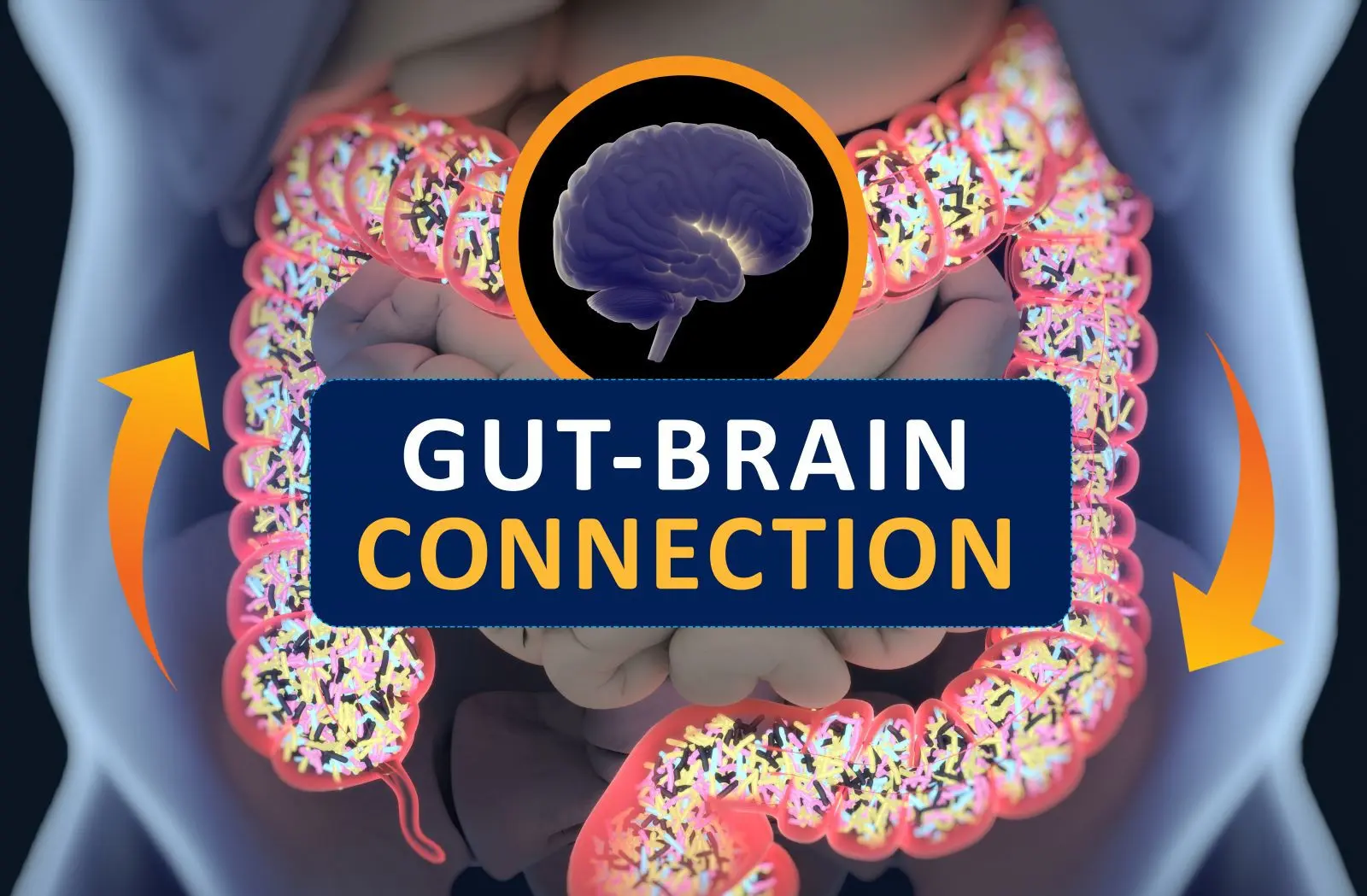
Your gut and brain talk to each other all day long. That conversation isn’t just metaphorical the gastrointestinal tract is extremely sensitive to emotion, and a troubled intestine can send stress signals to the brain just as a troubled brain can upset your stomach.
In clinic I see this connection daily. Recently a patient came in complaining of post‑traumatic stress, anxiety and high cortisol. My evaluation showed no obvious endocrine imbalance, so I asked a simple question: “When do you feel anxious?” He admitted that at home, in his “happy place,” he felt calm. The anxiety only hit when he went out in public.
That little conversation is the backbone of what I call the Gut Brain Axis Test. It’s a quick way to tell whether your anxiety is coming upward from the gut or downward from the mind. Understanding the direction of those signals changes how we treat the problem and it brings a whole new appreciation for the complex, bidirectional relationship between digestion and mood.

What Is the Gut Brain Axis?

Scientists have discovered that we have a “second brain” inside our gut. The enteric nervous system (ENS) is made up of more than 100 million nerve cells that line the digestive tract . In fact, there are more nerve cells in your gut than anywhere else in your body outside of your brain . This neural network controls digestion and sends constant feedback to the central nervous system via the vagus nerve . Because of this wiring, the gut and brain are in continuous conversation: hunger, fullness, nausea and the urge to use the bathroom are all messages from your gut . The brain responds by adjusting motility, enzyme release and blood flow .
This connection works the other way, too. Stressful thoughts or strong emotions can trigger butterflies, cramping or indigestion. Psychology influences the actual physiology of the GI tract: stress and depression alter the movement and contractions of the gut .
Irritation inside the digestive system may in turn send signals to the central nervous system that trigger mood changes . That’s why people with irritable bowel syndrome (IBS) and other functional gut disorders have higher rates of anxiety and depression .
In Chinese medicine we recognized these patterns millennia ago: the Spleen and Stomach govern rumination and worry, while the Liver affects irritability and tension.
Modern science also shows that this axis involves endocrine, immune and metabolic pathways . The gut produces neurotransmitters and hormones; around 95 % of the body’s serotonin the chemical that regulates mood, appetite and sleep is made in the intestinal lining .
The gut microbiome (trillions of bacteria, viruses and fungi that live in our intestines) produces metabolites and neurotransmitters that influence brain function . Imbalanced gut bacteria have been linked to depression, anxiety and even developmental disorders . Because of this network, disturbances in one system can create symptoms in the other.

The Gut Brain Axis Test

I use this test with patients when the source of their anxiety is unclear. It’s simple but telling:

Know Which Direction to Treatment The Gut Brain Axis

When the mind is calm but the gut is unhappy, focusing on fixing digestion often calms the brain.
Research shows that changes in gut bacteria can affect mood, cognition, and the stress response through gut-to-brain signaling, including the vagus nerve.
Small intestine bacterial overgrowth (SIBO), and inflammatory patterns correlate with anxiety and irritability. Supporting gut health with diet, herbs, and probiotics can reduce anxious signaling at its source.

Gut Harmony

Restore digestive balance with Gut Harmony, a comprehensive 16-herb formula crafted to reduce bloating, improve gut motility, and support a healthy microbiome.
When anxiety is clearly triggered by thoughts or environment, the focus shifts to calming the nervous system. Mind‑body practices (breath work, meditation, cognitive behavioral therapy) have been shown to improve IBS symptoms . Acupuncture and Chinese herbal formulas can tone the vagus nerve, modulate cortisol and ease tension. Treating the mind often relieves digestive symptoms in these cases.

Gut Brain Axis Research Shows

Modern literature is exploding with studies on the gut–brain axis. A few highlights:

The gut-brain connection

Pay attention to your gut-brain connection – it may contribute to your anxiety and digestion problems

The Gut-Brain Axis

Influence of Microbiota on Mood and Mental Health...

Partial destabilization of native structure

by a combination of heat and denaturant facilitates cold denaturation in a hyperthermophile protein...

The Brain-Gut Connection

If you’ve ever “gone with your gut” to make a decision or felt...

Gut Harmony

Restore digestive balance with Gut Harmony, a comprehensive 16-herb formula crafted to reduce bloating, improve gut motility, and support a healthy microbiome.

Share on

Will Sheppy, Founder and Acupuncturist at Valley Health Clinic
Willard Sheppy
Willard Sheppy is a licensed acupuncturist (LAc) and Founder of Valley Health Clinic specializing in using Traditional Chinese Medicine to treat acute injuries and chronic conditions, and to improve sports performance and rehabilitation.

FAQ's

Common Questions About the Gut Brain Axis
How do I know if my anxiety is from my gut?
If you notice mood swings, irritability or anxiety when life is calm, look for digestive clues: bloating, constipation, diarrhea, heartburn or food sensitivities. Research shows the gut can send signals to the brain that trigger emotional changes . Keeping a food and symptom diary, getting a stool analysis to assess your microbiome and working with a practitioner to address inflammation can help you determine if your gut is the culprit.
There isn’t a single lab panel that measures this connection. Clinicians use a combination of history, stool tests (to look at microbiome diversity and pathogens), breath tests (to assess SIBO), inflammatory markers, cortisol and vagal tone assessments. The simple thought experiment described above is a useful mental check. Ultimately, treating the gut or calming the mind or both is more effective than relying on a single “test.”
A high‑fiber, plant‑rich diet promotes the growth of beneficial bacteria . Whole grains, legumes, fruits and vegetables feed your microbiome and encourage production of neurotransmitters. Fermented foods like yogurt, kefir, sauerkraut and kimchi provide natural probiotics . Limiting refined sugars, alcohol and processed fats reduces inflammation. In Chinese medicine, warming, cooked foods like soups and porridges nourish the Spleen and calm the mind.
Probiotics are live bacteria that can help rebalance the microbiome. Small clinical trials have shown that taking specific probiotics for six weeks can improve both IBS and anxiety symptoms . Prebiotics nondigestible fibers that feed beneficial bacteria have also been shown to reduce cortisol levels . Not all probiotics are the same, so work with a practitioner to choose strains appropriate for your condition.
Yes. Diet directly alters the composition of your microbiome . Eating a diverse array of fiber‑rich foods increases short‑chain fatty acids, which support gut lining integrity and have anti‑inflammatory effects. Processed foods and alcohol can encourage growth of microbes that produce endotoxins, which may cross the gut barrier and affect the brain..

How to Support Your Gut–Brain Harmony

Eat for your microbiome

Focus on whole, unprocessed foods. Include plenty of fiber (vegetables, fruit, legumes, whole grains) and fermented foods like kimchi, sauerkraut. I am not a fan of yogart, too much sugar and milk.

Limit irritants

Reduce alcohol, sugary drinks, processed seed oils and ultra‑refined carbohydrates. These can disrupt your microbiome and promote inflammation.

Manage stress

Practice deep breathing, meditation and tai chi. These activate the parasympathetic nervous system and calm gut motility. Studies show mind‑body therapies improve IBS symptoms and mood .

Use targeted supplements

Prebiotics (soluble fibers like inulin), probiotics (such as Lactobacillus and Bifidobacterium species) The digestive products in this collection are designed to support gut health thoughtfully, safely, and effectively

Get moving

Regular, moderate exercise improves gut transit time and increases microbiome diversity. Here are six simple, low intensity activities for less pain, less risk, and more comfort in your body

Sleep well

The gut microbiome follows circadian rhythms. Poor sleep can disrupt microbial balance and increase cortisol. Establish a consistent sleep schedule.

Seek professional

If you’re ready for support consider joining the Chorus Circle community. This guided support group blends traditional Chinese medicine wisdom with modern neuroscience to help calm the gut, clear the mind, and restore steady energy. Led by experienced herbalists and practitioners, members gain access to free classes, practical gut–brain education, Synchrony Training using EEG and HRV, mindful practices, and botanical support so you can feel lighter, clearer, and more at ease as you rebuild balance from gut to brain and brain to gut.

Start Healing Your Gut Today

If your body is sending you mixed signals, don’t ignore them.  Whether your anxiety starts in your gut or your head, the gut–brain axis gives us a roadmap for healing.  In my clinic, I’ve watched patients transform their mood by repairing their microbiome and soothing their nervous system.  Gut Harmony — our Chinese‑herb‑based blend — is designed to do just that.  It combines traditional formulas that nourish the Spleen, disperse Liver qi and clear damp‑heat with modern insights into microbiome diversity.  Real medicine, for real people, done the right way.

Ready to calm your mind by treating your gut? [Treat your gut microbiome with Gut Harmony] and start feeling the difference.

Gut Harmony (Chorus Capsules) Reviews

Will Sheppy, Acupuncturist and Owner of Valley Health Clinic in Albany, Oregon

My Experience with Gut Harmony (Chorus Capsules)

As a practitioner of Chinese herbal medicine, I’ve reviewed many supplements and found that their effectiveness is directly tied to their quality. Often, products sold in the West are of lower quality, akin to comparing Lipton tea to premium tea leaves. I mean, you can call it tea, but it is not very good tea.

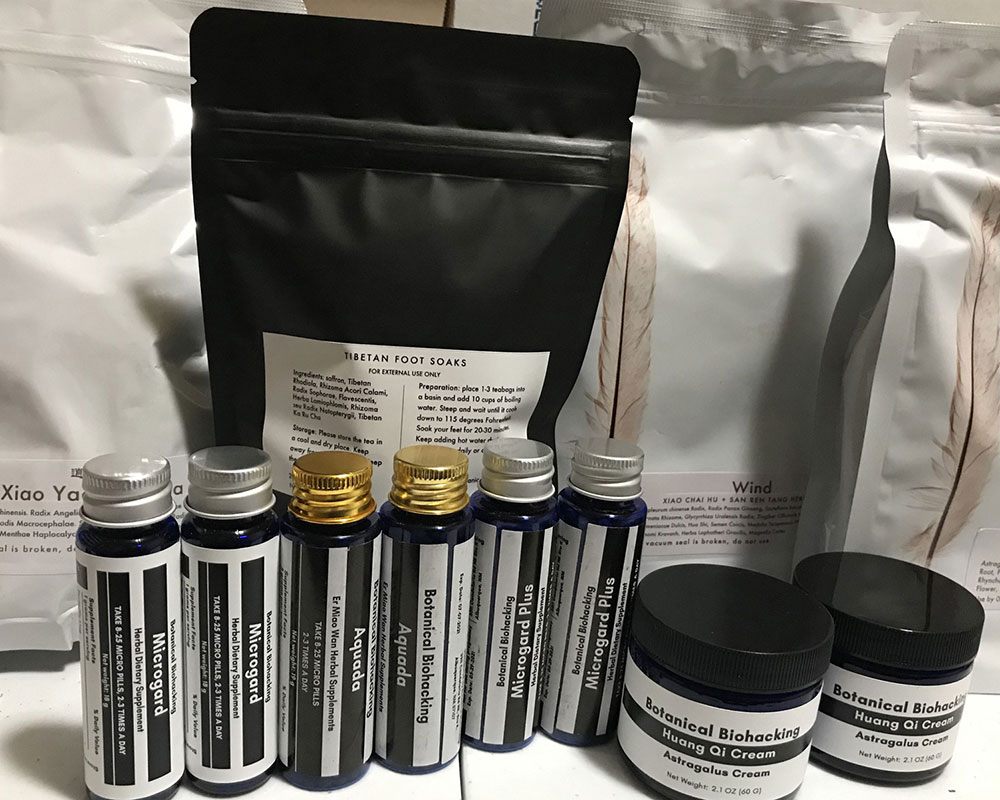
 Early in my career, I struggled with inconsistent results using herbs until I discovered high-quality products from Classical Pearls and Botanical Biohacking, such as Microgard and Microgard Plus. These products significantly improved my results and my patient’s digestive health.

Recently, the maker of Botanical Biohacking with the help of Brehan Crawford introduced a new product called Gut Harmony (formerly Chorus Capsules), designed for the general public. Unlike most herbal medicine, Gut Harmony has a simpler diagnostic criterion: a thick tongue coating. This easy self-screening method allows more people to know if Gut Harmony is right for them. 

The capsules are easy to take and mask the taste of herbs, which my patients appreciate. The quality remains exceptionally high. I personally use Gut Harmony with my patients and family and have found consistent and reliable improvements in digestive health.

Quick Links to the Sections Below

Try Gut Harmony Today

With numerous positive reviews and real-life success stories, it could be the solution you've been looking for.

Discovering Botanical Biohacking

I first learned about Botanical Biohacking by using Microgard and Microgard Plus with my patients. One of my patients, Jenetta Coffey, provided a glowing review, stating that the results at my office greatly improved her well-being. Her feedback confirmed my belief in the importance of high-quality herbal products.

How Gut Harmony (Chorus Capsules) Stands Out

Gut Harmony is accessible to the general public, unlike its predecessors that require healthcare supervision. If you have a thick tongue coating and no contraindicating symptoms, Gut Harmony may be effective for you. Below are some reviews from individuals who have experienced significant benefits from using Gut Harmony (Chorus Capsules).

Quality and Ingredients

One of the standout features of Gut Harmony (Chorus Capsules) is its commitment to quality. Unlike many herbal products that use lower-grade ingredients, Gut Harmony (Chorus Capsules) is crafted using high-quality herbs often sustainably wild-crafted or sourced from small family farms. This ensures that each capsule delivers maximum potency and effectiveness, a feature that is often missing in other products sold in the West​

Ease of Use

Gut Harmony (Chorus Capsules) are designed to be easy to take, masking the often unpleasant taste of herbal medicines, which is a significant advantage for users. My patients appreciate this aspect as it simplifies their supplement routine without compromising on quality

Effectiveness

Gut Harmony (Chorus Capsules) is particularly effective in addressing issues like food intolerances, chronic digestive problems, and side effects from medications. For instance, patients with conditions like MCAS and myasthenia gravis have reported significant improvements in their symptoms after using Chorus. 

Premium product

Gut Harmony (Chorus Capsules) is positioned as a premium product in the digestive health market. Customer feedback highlights significant improvements in digestive comfort, reduced symptoms of chronic conditions, and overall enhanced well-being. 

Patient's Reviews

@crawford_wellness One of my patients was so elated with Chorus she let me record her story to share with you guys. #singwiththechorus #ibs #longcovid #dampdisease #glutensensitivity #constipation ♬ original sound - Crawford Wellness

Marianne’s Experience

Marianne, who has had digestive problems for 12 years, faced gluten and dairy intolerances exacerbated by COVID-19. Before using Chorus, her digestion was poor, with incomplete bowel movements and thin stools. After taking Chorus for a short time, she noticed significant improvements. Her stools normalized, appearing as type 4 or 5 on the Bristol Stool Chart, and her flatulence decreased.

One of the cool things about Gut Harmony (Chorus Capsules) is when you get signed up you will get sent Emails with tips and tricks you can do at home. Things like lymphatic massage techniques such as tapping, stroking, and belly massages.

The goal is to educate you to take the steps to get better so you don’t have to take the product forever.

You Tube Reviews

Diagnosed with myasthenia gravis in 1977, Cynthia’s treatments included high-dose steroids and experimental drugs, which led to severe side effects. Her main medication caused debilitating stomach and intestinal cramps. Since starting Gut Harmony (Chorus Capsules) five months ago, Cynthia has experienced no abdominal cramps despite continuing her medication. This has allowed her to regain muscle strength and care for her husband, who has ALS. Cynthia highly recommends Chorus for those dealing with medication-induced digestive distress..

In 1977, I was diagnosed with myasthenia gravis. At the beginning of my diagnosis, I did not respond to treatment, so they removed my thymus. After the surgery, I responded to treatment. The primary treatment was high-dose, long-term steroid use, specifically prednisone. Eventually, my body could no longer tolerate prednisone, so I was relegated to experimental drugs. I was put on CellCept, but its side effects included almost continual nasal, throat, and respiratory infections. Once they felt I was taking too many antibiotics too frequently, they stopped the CellCept, removed my tonsils, and sent me back to counseling to learn how to manage my illness and conserve muscle strength through physical therapy. I’ve been through physical therapy so many times.

I had to quit my career as a teacher. My husband, who had always been my caregiver, was diagnosed with ALS. I needed him, but now he needed me. I was desperate. My way of managing my myasthenia gravis was through Mestinon. However, Mestinon comes with severe stomach and intestinal cramps that are so bad they leave you doubled over, practicing labor breathing just to survive the episode. They can prescribe other medications for this particular side effect, but they have never worked very well or for very long for me.

I have now been on Chorus for five months. I have had no abdominal or intestinal cramps and no gastro problems whatsoever, despite taking two daily doses of 120 milligrams of Mestinon and sometimes three doses. This allows me to have enough muscle strength to help my husband. This is mind-boggling. It blows my mind. I can’t believe this is now my reality—that I can use Mestinon to get the muscle strength I desperately need without any side effects.

So, if you’re taking a prescription drug that causes you abdominal or intestinal distress or irregularity, give Chorus a try. I hope it works for you as well as it has worked for me.

Tasha, dealing with Mast Cell Activation Syndrome (MCAS), had a limited diet due to food intolerances. Gut Harmony (Chorus Capsules) significantly reduced her digestive stress, allowing her to enjoy a wider variety of foods. Over the past year, she has seen a happier tummy and less pain, transforming her relationship with food. Tasha emphasizes the importance of small lifestyle changes, such as walking after meals and consuming warmer foods, which, combined with Chorus, have been life-changing.

One of the major issues I’ve dealt with due to my MCAS is trouble digesting certain foods. Before achieving further remission and using the product Chorus, my diet was very limited. I think one of the biggest pleasures in life is enjoying food, sharing meals with friends and family. Now, because I’ve been using Chorus over the past year, there’s a lot less stress when I eat something I previously would have struggled with. This means that I’m ultimately able to enjoy a large part of my life again and eat foods that make me happy. Honestly, Chorus has been life-changing for me and a massive part of getting my MCAS into remission. I highly recommend Chorus to anyone dealing with the same issues because, if you have MCAS, you know that finding foods you can eat without a reaction is challenging. Chorus is definitely a massive help with that, so I highly recommend it.

Taking a little walk or moving around after eating helps my digestion so much. Eating warmer food and drinking warm drinks, rather than cold ones, is much easier on my digestion. In the first two to four weeks of taking Chorus, the main changes for me were a happier tummy and much less pain, which was mind-blowing. I could eat foods that used to upset my stomach and worry less about it, actually enjoying my meals, which was life-changing.

Before my MCAS was largely in remission and before I was taking Chorus, the level of stress I had surrounding food was extreme. It was so bad. Now, I don’t think about it as much, and I don’t have to worry so much about what I’m eating because I know I have Chorus. I thought I would be worrying about food every day forever, but Chorus has eliminated that stress from my life.

Claudia struggled with lifelong gas and irregular bowel movements. After starting Gut Harmony (Chorus Capsules) in January, she noticed immediate improvements, including reduced gas and normalized bowel movements. This change has been the most significant improvement for her, alleviating years of discomfort

I started using Chorus in January, and within the first few days, I noticed I had less gas. I wasn’t passing gas all the time anymore. After a short period, I noticed a real difference in my bowel movements. All my life, my bowel movements had been either rabbit pellets or brown water. Now, my bowel movements are normal—they look like a normal person’s bowel movements. This change has been the biggest and most significant improvement for me.

TikTok Review

@drwendy_physicaltherapy I started using the supplement Chorus several months ago after following @Crawford Wellness and learning how to heal my gut through things like diet changes, activity changes and this supplement called Chorus. I have non-celiac gluten sensitivity, fibromyalgia and I’m in perimenopause. When he launched this product @Chorusforlife I jumped at the chance to have access to this blend. The product was extensively tested for quality and purity, and if it isnt for you they have a 30-day money back guarantee. #supplementsforwomen #supplementsthatwork #fibromyalgia #perimenopausehealth #healthygut #brainfogrelief #chorusforlife #Inverted #greenscreen ♬ Cute Horror & Halloween, Storytelling, Games(1311227) - scatgoto

Dr. Wendy shared her positive experience with Gut Harmony (Chorus Capsules), noting improvements in her non-celiac gluten sensitivity, fibromyalgia, and perimenopause symptoms. She reported less swelling, reduced water retention, and improved brain fog and joint pain after less than a month of use.

On Reddit, users like Good_Soil7726 reported subtle but significant improvements in digestion and food tolerance after using Gut Harmony (Chorus Capsules). Some users noticed changes only after adjusting their dosage, indicating the importance of following recommended usage instructions. The community shows a strong interest in long-term updates and shared experiences, reflecting the supplement’s growing reputation

Confidence in Quality

Gut Harmony (Chorus Capsules) is a quality product from a reputable company with a strong track record. Developed by experts who have staked their reputation on its effectiveness, Chorus delivers reliable results. I have personally used it with my patients and family, observing significant improvements in digestive health.

By following the simple self-diagnosis criteria, you can be confident that purchasing Chorus is money well spent. The positive testimonials and my professional experience underscore its value and effectiveness. Consider giving Gut Harmony a try.

Try Gut Harmony Today

With numerous positive reviews and real-life success stories, it could be the solution you've been looking for.

About the Author

Author Willard Sheppy Exporing the Coast

Willard Sheppy is a writer and healthcare practitioner who seamlessly melds scientific knowledge with practical applications in engaging and authoritative articles. He holds a Bachelor of Science in Environmental Science from Oregon State University and a Master’s in Acupuncture and Oriental Medicine from the distinguished Oregon College of Oriental Medicine.

In his work, Willard skillfully combines his extensive educational background in scientific research with his practical experience as a healthcare practitioner. Willard balances his life with martial arts and cherished family adventures. As a father of three, he often leads his family on camping and hiking trips along the breathtaking Oregon coast.

Connect with Willard on LinkedIn at linkedin.com/in/valleyhealthclinic or learn more about his services at valleyhealthclinic.com. Embark on this journey towards holistic health with Willard!

How Short Chain Fatty Acids and Gut Harmony (Chorus Capsules) Combat Chronic Pain

picture of gut microbiome and related disease

Understanding Short Chain Fatty Acids And Gut Harmony (Chorus Capsules)

Understanding the link between Short-chain Fatty Acids (SCFAs) and pain offers a promising avenue for those suffering from chronic pain conditions. By nurturing your gut microbiome through diet and supplements like Gut Harmony (Chorus Capsules), you can harness your body’s natural mechanisms to combat inflammation and improve your health.

Supplements like Gut Harmony can help regulate inflammation, a key factor in chronic pain, by regulating the production of short-chain fatty acids.

Key Takeaways

Understanding SCFAs

 SCFAs are produced by gut bacteria fermenting fiber and have potent anti-inflammatory effects.

Sources of SCFAs

 Increase your intake of fermentable fibers in foods like green bananas, plantains, beans, lentils, and oats to boost SCFA production

Role of SCFAs

SCFAs influence brain function, immune response, and nutrient metabolism, extending their benefits across the body

Chorus Supplement

 Chorus is designed to enhance SCFA-producing gut bacteria, improve gut health, and support chronic pain management

 Immune Regulation

SCFAs modulate immune cells by interacting with specific receptors, reducing the production of inflammation-promoting cytokines and thus easing pain

Epigenetic Influence

SCFAs can modify gene expression by affecting histone structures, helping to reduce inflammation at the genetic level.

Strengthening Gut Barrier

 SCFAs enhance the gut barrier, preventing harmful substances from inducing systemic inflammation and thereby reducing pain triggers

Energy and Metabolism

SCFAs influence how the body manages and uses energy, aiding in fat burning and reducing inflammation, which impacts pain perception.

What are Short Chain Fatty Acids?

Short-chain Fatty Acids (SCFAs) are crucial fatty acids with fewer than six carbon atoms. The human body does not have the ability to produce its own SCFAs, so they are primarily produced in the gut through the fermentation of fiber and resistant starches by beneficial bacteria.

Resistant starches are a type of carbohydrate that resists digestion in the small intestine and instead ferments in the large intestine. Common sources of resistant starches include green bananas, plantains, beans, lentils, and oats.

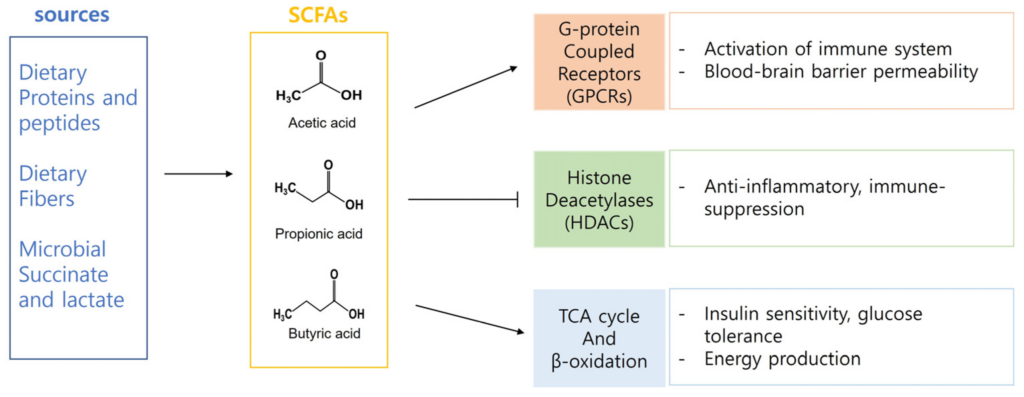
These SCFAs, mainly acetate, propionate, and butyrate, nourish the cells in your large intestine and have significant anti-inflammatory properties, which are essential for managing pain and overall health.

 Impact of SCFAs on Health

Recent research has begun to unveil the broad impact of these microorganisms, influencing everything from brain function and immune response to how our bodies metabolize medications and absorb nutrients. The role of SCFAs extends far beyond simple digestion, affecting systemic health in profound ways.

Reducing Chronic Pain

How lShort Chain Fatty Acid Impact Pain

Immune Cell Regulation

G-Protein Coupled Receptors

Short Chain Fatty Acids modulate immune cell functions, such as macrophages and T cells, by interacting with specific receptors (GPR41 and GPR43). This interaction suppresses the production of pro-inflammatory cytokines, which are often precursors to pain, thereby reducing inflammation.

G-protein coupled receptors (GPCRs), are on the surfaces of immune and endothelial cells act like security checkpoints, sensing and responding to specific substances—like SCFAs. Think of SCFAs as the right keys to these checkpoints. Once they bind to and activate GPR41 and GPR43, these receptors initiate a cascade of signals within the cells. This activation plays a pivotal role in mobilizing leukocytes, a type of white blood cell, directing them towards areas of inflammation to combat infection or repair tissue damage. This helps manage and reduce inflammation and ensures that our immune system responds adequately without overreacting, which can prevent excessive inflammation and the potential for related health problems.

Epigenetic Modifications

Histone Deacetylase Inhibition

Short Chain Fatty Acids particularly butyrate, play a role in epigenetic changes by inhibiting histone deacetylases (HDACs). This action leads to the loosening of histone structures, making genes that reduce inflammation more accessible, thus altering gene expression to diminish inflammatory responses.

Your DNA blueprints are normally tightly rolled up and only read when needed. HDACs are like the librarians who keep these blueprints tightly rolled, but SCFAs can instruct these librarians to loosen up, making these genetic blueprints more accessible. When SCFAs like butyrate inhibit HDACs, they cause the blueprints to unroll slightly (a process known as acetylation), allowing the cell to read instructions that lead to reduced inflammatory responses. This not only helps reduce existing inflammation but also prevents excessive inflammatory reactions in the future.

Energy Metabolism

TCA Cycle

Short-chain Chain Fatty Acids influence the body’s energy balance by promoting fat oxidation and reducing fat synthesis. This not only helps in managing body weight but also modulates inflammation, which can affect pain perception.

Short-chain Chain Fatty Acids, like propionate and butyrate, play a crucial role in your body’s energy management and fat-burning processes across various organs. These SCFAs initiate a process known as intestinal gluconeogenesis, essentially helping your intestines produce sugar. This action enhances energy use through signals that travel from your gut to your brain. After being absorbed, a significant portion of these SCFAs, specifically about 80% of propionate and butyrate and 40% of acetate, is processed in the liver. Here, they help burn fat instead of storing it.

SCFAs that aren’t processed in the liver circulate in the bloodstream. In white adipose tissue, the type of fat where energy is stored, SCFAs help create new fat cells, increase fat burning, and decrease fat breakdown. They also promote the development of a special type of fat that excels at burning calories. In brown adipose tissue, known for its role in generating body heat, SCFAs enhance this heat-producing capability. Furthermore, in muscle tissue, SCFAs aid in developing muscle fibers that are more efficient at burning fat. 

Strengthening Gut Barrier

Short-chain Fatty Acids strengthen the gut barrier by improving the integrity of the intestinal walls. Thus, harmful substances cannot trigger systemic inflammation, and a robust intestinal barrier can significantly reduce the triggers for chronic pain conditions.

Imagine your gut lining as a wall that separates your gut from the rest of your body. This wall is made up of cells bound tightly together, crucial for blocking harmful substances like certain bacteria and toxins while letting nutrients through.

Butyrate acts like cement for this wall, strengthening the bonds between cells to keep the barrier strong and prevent harmful substances from leaking into the bloodstream. A robust gut barrier reduces the need for your immune system to respond aggressively, leading to less body-wide inflammation. By maintaining a strong and effective gut lining, butyrate significantly helps control inflammation and protect your health, which is vital as a weakened gut barrier can increase inflammation and contribute to various chronic health issues

Tips to Regulate Short Chain Fatty Acids

1. Increase Dietary Fiber Intake

 Boost SCFA production by eating a diet rich in fermentable fibers such as inulin, resistant starch, and pectin. Foods like legumes, oats, and bananas are excellent choices.

2. Probiotic Supplementation

 Incorporate probiotics such as Bifidobacterium and Lactobacillus, which can support SCFA-producing bacteria

3. Sweat Regularly

Regular physical activity and sweating can promote a healthier microbiome

4. Limit Processed Foods and Refined Carbohydrates

 Reduce intake of processed and high-sugar foods, favoring whole, unprocessed foods instead.

5. Manage Stress

Use stress management techniques like abdominal massage or deep breathing to support gut health

Gut Harmony is designed to boost gut bacteria that produce SCFAs.

While dietary changes are beneficial, supplements like Gut Harmony (Chorus Capsules) can speed up recovery and support gut health and SCFA production.

About the Author

Author Willard Sheppy Exporing the Coast

Willard Sheppy is a writer and healthcare practitioner who seamlessly melds scientific knowledge with practical applications in engaging and authoritative articles. He holds a Bachelor of Science in Environmental Science from Oregon State University and a Master’s in Acupuncture and Oriental Medicine from the distinguished Oregon College of Oriental Medicine.

In his work, Willard skillfully combines his extensive educational background in scientific research with his practical experience as a healthcare practitioner. Willard balances his life with martial arts and cherished family adventures. As a father of three, he often leads his family on camping and hiking trips along the breathtaking Oregon coast.

Connect with Willard on LinkedIn at linkedin.com/in/valleyhealthclinic or learn more about his services at valleyhealthclinic.com. Embark on this journey towards holistic health with Willard!

Gut Harmony (Chorus Capsules)

A Guide To Gut Harmony (Chorus Capsules)

 Delve into the vital role of the gut microbiome, and the challenges of dysbiosis and biofilms, and discover how Gut Harmony, a unique herbal supplement, addresses these issues.

Learn about holistic strategies for digestive health and how Gut Harmony effectively combats conditions like IBS and SIBO

Buy Gut Harmony Today!

Gut Harmony is unlike anything else. It is specifically engineered to help your microbiome thrive based on any specific stressors it encounters.

We make available natural products that have been observed to make a difference in the lives of our patients, friends and family. You’re in good hands shopping with us.

A Natural Path To A Balanced Gut

Take the first step towards improved gut health today

Understanding Gut Health

Gut health is pivotal to overall wellness, influencing immune function, nutrient absorption, and even mental health. The gut microbiome, comprising trillions of bacteria, plays a crucial role in these processes. Imbalances in these microbial populations can affect everything from digestion to our mood. Therefore, understanding and maintaining a healthy gut microbiome is essential for optimal health.

Dysbiosis

Dysbiosis refers to an imbalance in the gut microbiome, where harmful microbes outnumber the beneficial ones. This disruption can cause various health issues, including gastrointestinal problems, weakened immunity, and mood disorders. Factors contributing to dysbiosis include poor dietary choices, poor intestinal motility, overuse of antibiotics, and heartburn medication. Understanding and addressing these factors is key to restoring and maintaining a balanced gut microbiome.

Biofilm

Biofilms are complex structures formed by bacteria in the gut. They act as protective shields for these bacteria, making it challenging to treat infections and imbalances. Biofilms contribute to the persistence of harmful bacteria in the gut, exacerbating conditions like dysbiosis. Disrupting these biofilms is a critical step in effectively treating gut health issues and restoring a healthy microbiome.

The Benefits of Drinking Warm Water

Benefits of Warm Water

Discover the incredible reasons why drinking warm water is absolutely vital for your health! In this eye-opening video, we 

What is Bioflim

What is Biofilm?

Provides insights into biofilm and its impact on gut health. 

subscription for Chorus Herbs

Digestive Health

Offers natural approaches to improve digestive health
with insights from traditional Chinese medicine. 

Digestive Health

Promoting digestive health involves more than just diet. It requires a holistic approach that includes, drinking warm water, tummy rubs and herbs to promote motility and balancing microbiomes.

These practices support the gut microbiome’s health and functionality, improving overall digestive well-being.

Gut Harmony (Chorus Capsules)

Gut Harmony, a herbal supplement, takes a natural approach to gut health. It combines traditional Chinese herbs, each selected for their specific benefits to the gut. Gut Harmony works by fostering a healthy gut microbiome, supporting the growth of beneficial bacteria while keeping harmful bacteria in check. Its formulation includes herbs known for their prokinetic properties and anti-inflammatory agents.

Gut Harmony (Chorus Capsules) from Chorus Corporation

Gut Harmony: A Approach to Combating Dysbiosis

Gut Harmony addresses gut health by blending traditional and modern methods. 

picture of Chrous Logo

Gut Harmony FAQ: Restoring Your Microbiome with Herbs

Answers frequently asked questions about Gut Harmony‘s usage and benefits. 

Gut Harmony (Chorus Capsules) from Chorus Corporation

What Does Gut Harmony Actually Do?

Explains Gut Harmony‘s functionality in nurturing and maintaining gut health. Discover its functions

Addressing IBS, SIBO with Gut Harmony

Gut Harmony is particularly effective in managing conditions like Irritable Bowel Syndrome (IBS) and Small Intestinal Bacterial Overgrowth (SIBO). It offers a natural, holistic approach to these conditions, targeting the underlying causes rather than just treating symptoms. Gut Harmony’s blend of herbs works to restore balance in the gut microbiome, which is crucial for alleviating symptoms associated with these digestive disorders.

How We Treat SIBO

An article explaining treatment methodology for SIBO.

Relief from IBS-C with Peppermint

An article discussing the role of peppermint for IBS-C symptom relief. 

Three Essentials For Managing SIBO

An article outlining key strategies for SIBO management.

Takeaways

Maintaining gut health is a multifaceted approach that involves dietary changes, drinking warm water, tummy rubs and sometimes the aid of supplements like Gut Harmony. Recognizing the signs of dysbiosis and understanding the role of biofilms in gut health are important steps.

Incorporating a supplement like Gut Harmony can be a helpful strategy in managing gut health issues, especially when combined with a healthy lifestyle.

Buy Gut Harmony Today!

Gut Harmony is unlike anything else. It is specifically engineered to help your microbiome thrive based on any specific stressors it encounters.

We make available natural products that have been observed to make a difference in the lives of our patients, friends and family. You’re in good hands shopping with us.

About the Author

Author Willard Sheppy Exporing the Coast

Willard Sheppy is a writer and healthcare practitioner who seamlessly melds scientific knowledge with practical applications in engaging and authoritative articles. He holds a Bachelor of Science in Environmental Science from Oregon State University and a Master’s in Acupuncture and Oriental Medicine from the distinguished Oregon College of Oriental Medicine.

In his work, Willard skillfully combines his extensive educational background in scientific research with his practical experience as a healthcare practitioner. Willard balances his life with martial arts and cherished family adventures. As a father of three, he often leads his family on camping and hiking trips along the breathtaking Oregon coast.

Connect with Willard on LinkedIn at linkedin.com/in/valleyhealthclinic or learn more about his services at valleyhealthclinic.com. Embark on this journey towards holistic health with Willard!

The Health Benefits Seaweed: My Experience With Limu

Did You Know?

Seaweeds are remarkably dense in vitamins and minerals by weight, making them stand out among various foods. These marine wonders, moving gracefully with the ocean’s currents, have been central in culinary traditions and cultural practices for centuries across diverse societies.

Seaweed

Seaweeds, encompassing a vast range of marine plants and algae, have been entwined with human history and traditions for millennia. They’ve been an indispensable part of the diet in various cultures, notably in coastal regions where they’re abundantly found. Beyond being just a source of nutrition, many societies have valued their therapeutic qualities, turning to them as remedies for many ailments[1]. Whether it’s the Japanese indulging in Nori-wrapped sushi or the Irish relishing a bowl of seaweed soup, the culinary applications of these marine vegetables are diverse and widespread.

On the other side of the dietary spectrum, the contemporary standard American diet paints a contrasting picture. With an increasing reliance on processed foods, many Americans are consuming meals laden with unhealthy fats. While undeniably tasty, pizza, burgers, and fried foods are often associated with inflammation in the body. This inflammation can result in symptoms like warmth, excess mucus or phlegm, and other discomforts. Over time, consistent consumption of such high-fat, greasy foods can throw the body’s digestive system out of balance, leading to a range of digestive issues and potentially more serious health concerns[2].

Gut Health and Seaweed

The gut, often referred to as the body’s “second brain,” is teeming with trillions of bacteria that play a crucial role in our overall health. These microbes, collectively known as the gut microbiota, are vital for the digestion of food, absorption of nutrients, and the regulation of our immune response. When the delicate balance of these beneficial bacteria is disrupted—be it from infections, chronic stress, or prolonged consumption of an unbalanced diet—it sets the stage for digestive irregularities and potentially more severe health issues. Under these conditions, merely introducing probiotics might not suffice in reinstating the gut’s equilibrium. Probiotics can find it challenging to navigate and thrive in a gut environment that’s already out of balance, especially when factors like temperature, moisture, and pressure within the gastrointestinal tract are compromised[3].

Enter seaweed, nature’s understated marine marvel. Beyond its nutritional prowess, seaweed offers unique compounds that can support a healthy gut environment. When consumed, seaweeds can help reestablish favorable conditions for the growth and function of our gut’s beneficial bacteria. It acts like a catalyst, fostering an environment where the natural, beneficial flora can survive and flourish[3].

Drawing from the rich tapestry of traditional diets, East Asian cultures, in particular, have long revered seafood, including seaweeds, for their health-enhancing properties. Consuming specific types of seaweeds is believed to help clear excess phlegm and heat from the body, thereby balancing the body’s internal fluid dynamics and ensuring smoother metabolic processes. The Materia Medica, a monumental work in the annals of ancient Chinese medicine, delves deep into the benefits of various natural remedies. Within its extensive listings, it highlights seaweeds like 昆布 (Kun Bu, or kelp) and 海藻 (Hai Zao, or sargassum). These seaweeds are particularly prized for their potential to alleviate symptoms associated with excess phlegm and to promote healthy urination, further illustrating the time-tested benefits of these marine plants[4]

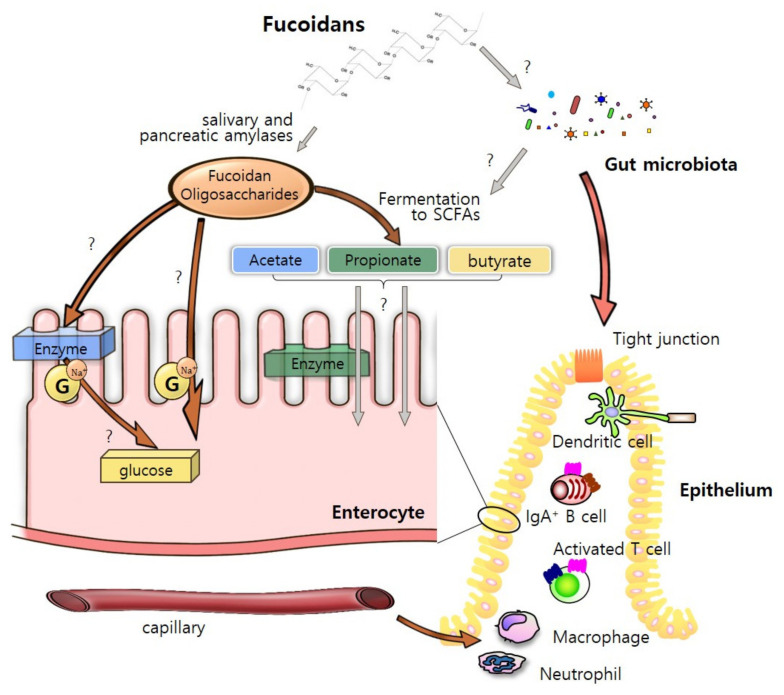
A pivotal role of fucoidans in the intestine. We suggest three possible routes of transporting fucoidans through intestinal epithelium. The fucoidan and its fermenters, short-chain fatty acids (SCFAs), can be digestive by several enzymes resided on intestinal epithelial cells, especially enterocytes. Although the mechanism of nutrient uptake is still unclear, fucoidan can lead to potential effect on host immunological homeostasis and microbiota composition.

Limu, primarily sourced from *Fucus vesiculosus* and *Undaria pinnatifida* seaweeds, stands out for its significant Fucoidan content. Fucoidan is a unique sulfated polysaccharide found predominantly in brown algae[5]. Its benefits extend to protective effects against intestinal mucosal barrier dysfunction[1], repairing the intestinal mucosa, enhancing immune function, and modulating the gut microbiota[2].
Health Benefits:

Digestive Health:

Limu’s rich fiber content aids in nurturing a healthy gut[6]. Moreover, brown seaweed polysaccharides like fucoidan can regulate the gut microbiota, fostering an environment conducive to the growth of beneficial bacteria while inhibiting harmful ones[6].

– Boosting Immune Function: Regular consumption of Fucoidan has been linked to enhanced immune responses[5]. It also touts significant anti-viral properties beneficial in combating various diseases.

– Weight Management: Limu is a low-calorie, nutrient-dense solution. It can play a role in appetite regulation, helping individuals maintain or even reduce weight[7].

Personal Experience

In my profession as an acupuncturist, I’ve always been intrigued by the intricate connections between nature, diet, and overall well-being. This curiosity led me to experiment with Limu Lean Burn. Touted as a superior blend that marries the highest-quality collagen protein with the unparalleled nutrients found in seaweed, Limu Lean Burn promises lasting results. Its unique formulation, rich in both collagen and seaweed-derived nutrients, piqued my interest, especially given its claims of fostering long-term well-being.

Upon trying Limu Lean Burn for the first time, what stood out was the drink’s satiety effect. I was amazed by how filling it was. The protein-rich content of the drink, combined with the nutrients of the seaweed, seemed to work in harmony to keep me full until past lunch. I often found that after drinking it in the morning, my afternoon hunger pangs were noticeably absent. This was an unexpected but welcomed benefit, especially on busy work days when prolonged gaps between meals were inevitable.

While the taste of Limu Lean Burn was distinct, it wasn’t off-putting. It presented a unique flavor profile, one that was unique but not bad. I definitely recommend drinking it chilled. Over time, this unique taste transformed into something I genuinely looked forward to.

The drink’s influence on my appetite was notably profound. The satiating nature of Limu Lean Burn curbed my tendencies to reach for quick, often unhealthy snacks or to overeat during meal times. I felt I had gained control over my eating habits. I was making more mindful food choices, gravitating towards nutritious options over calorie-laden ones.

Beyond appetite management, Limu Lean Burn seemed to optimize my digestive health. The sporadic digestive discomforts and constipation that I used to grapple with became things of the past. My digestion became smoother, more regular, leading to an overall sense of lightness and well-being.

Incorporating Limu Lean Burn into my routine and coupling it with a balanced diet and regular physical activity was a easy way to make some positive steps. The most evident was the gradual and healthy weight reduction. But beyond the numbers on the scale, it was the overall vitality, the feeling of being reenergized, and in harmony with my body, that truly marked the success of this seaweed-collagen blend.

Conclusion

Limu and seaweed drinks, deeply rooted in ancient medicinal practices, offer an array of health benefits. As with all supplements, it’s crucial to source pure, uncontaminated products to harness these benefits fully.

Each can is packed with 25g of our proprietary certified organic, non-GMO LIMU Seaweed Blend™ featuring Fucoidan, a proven supernutrient backed by science, plus 20g of premium collagen-based protein and 120mg of natural caffeine to promote sustained energy and suppress hunger cravings.

Combine the synergistic effect of our two best-selling topicals. They work together in separate but complementary ways to quickly eliminate your pain.

About the Author

Author Willard Sheppy Exporing the Coast

Willard Sheppy is a writer and healthcare practitioner who seamlessly melds scientific knowledge with practical applications in engaging and authoritative articles. He holds a Bachelor of Science in Environmental Science from Oregon State University and a Master’s in Acupuncture and Oriental Medicine from the distinguished Oregon College of Oriental Medicine.

In his work, Willard skillfully combines his extensive educational background in scientific research with his practical experience as a healthcare practitioner. Willard balances his life with martial arts and cherished family adventures. As a father of three, he often leads his family on camping and hiking trips along the breathtaking Oregon coast.

Connect with Willard on LinkedIn at linkedin.com/in/valleyhealthclinic or learn more about his services at valleyhealthclinic.com. Embark on this journey towards holistic health with Willard!

[1]: [Spandidos Publications] https://www.spandidos-publications.com/10.3892/ijfn.2021.24
[2]: [RSC Publishing] https://pubs.rsc.org/en/content/articlelanding/2016/fo/c6fo00309e
[3]: [ScienceDirect] https://www.sciencedirect.com/science/article/abs/pii/S2212619820300127
[4]: [NCBI] https://www.ncbi.nlm.nih.gov/pmc/articles/PMC8401300/
[5]: [NutraIngredients-USA](https://www.nutraingredients-usa.com/News/Promotional-Features/Fucoidan-A-new-wave-in-digestive-health)
[6]: You, Lijun et al. “Beneficial effects of three brown seaweed polysaccharides on gut microbiota and their structural characteristics: An overview.” International Journal of Food Science & Technology 55 (3), 1199-1206, 2020.
[7]: [MSKCC] https://www.mskcc.org/cancer-care/integrative-medicine/herbs/fucoidan

At-Home Practices To Increase Gut Health

Harness the Power of Warmth

In the sprawling landscape of Traditional Chinese Medicine (TCM), there’s an elegant balance between yin and yang, cold and heat; in my years of practice, I’ve observed that most people fall into two distinct categories: either too much heat or not enough. Individuals struggling with slow digestion often exhibit a cold and damp constitution, which TCM links to a pale, swollen tongue and a weak, thin pulse. Let’s explore four at-home practices that help ‘warm up the middle,’ fostering improved digestion and intestinal motility by stimulating smooth muscle movement and circulation.

Warm Water

Staying hydrated is key to smooth digestion. Not just any hydration, but specifically warm or hot water. It aids in emulsifying fats, stimulates intestinal peristalsis, and relaxes the gastrointestinal tract, helping ease constipation and promoting better digestion.

Ginger

Ginger, a superstar in digestive health, is renowned for its gastroprotective effects. A natural remedy, ginger aids digestion, reduces inflammation in the gut, and stimulates movement through the digestive tract. Consuming it in hot water as a tea ginger tea can significantly relieve gastrointestinal discomfort.

Abdominal Massage

Abdominal massage is a lesser-known yet highly effective method to combat slow intestinal movement. A gentle, clockwise massage on your abdomen can stimulate intestinal muscle contraction, helping move the contents of the bowel and alleviate constipation symptoms. Remember, the key is gentle, consistent pressure— never cause discomfort or pain.

Post-Meal Walks

Finally, walking after meals can significantly improve your digestive health. This simple habit aids digestion, enhances movement through the digestive tract, and even lowers blood sugar levels. Whether a brisk walk around your block or a leisurely stroll through your garden, getting up and moving post-meal can do wonders for your gut health.

Remember that small, consistent steps can yield significant results in pursuing optimal gut health. Swap that cold beverage with a warm one, spice up your meals with ginger, learn the abdominal massage technique, and embrace post-meal strolls. Each of these actions, though simple, could be a powerful ally in your fight against slow intestinal movement.

Hot Water

When it comes to bolstering digestive health and fostering a thriving gut microbiome, we can make numerous diet and lifestyle modifications. Yet, one easily overlooked and implementable daily practice may be as simple as reaching for a mug of warm water. 

Many cultures have embraced drinking warm or hot water for centuries due to its perceived health benefits. Recently, scientific investigations have begun to validate this traditional wisdom, providing intriguing insights into how temperature can impact our digestive functions. 

Dilation of Blood Vessels in the Gut

A study published in the Journal of Gastroenterology and Hepatology found that drinking warm water can dilate blood vessels within the gut. This is significant because the dilation of these vessels enhances circulation, delivering more oxygen and nutrients to the digestive system, which in turn can support improved digestion and absorption of nutrients.

Emulsification of Fats

Warm water, particularly when consumed after meals, aids in emulsifying fats. Emulsification is when large fat globules are broken into smaller, evenly dispersed particles. This process facilitates the action of digestive enzymes, enabling more efficient fat digestion and absorption.

Activation of the Digestive System

The consumption of warm water is also thought to stimulate the digestive system. The heat from warm water can assist in dissolving and dispersing food particles that the body might find challenging to digest. This can result in smoother digestion and less digestive discomfort.

Relaxation of the Gastrointestinal Tract

The soothing nature of warm water can help relax the gastrointestinal (GI) tract. This relaxation can mitigate some issues related to slow intestinal movement, such as bloating and constipation.

Stimulating Intestinal Peristalsis

Warm water can stimulate intestinal peristalsis – the wave-like muscle contractions that move food through the digestive tract. Improved peristalsis can result in more regular bowel movements, reducing the risk of constipation and creating a more conducive environment for gut bacterial health. 

Warm Water into Your Routine

Integrating the practice of drinking warm water into your daily routine can be simple. Start your day with a cup of warm water on an empty stomach. Not only will this practice hydrate you after a long night’s sleep, but it may also jumpstart your digestion for the day.  I like to take that warm mug of water and rest it on my belly button while sipping at it. I love the heat of the mug warming up my stomach 

You can also opt for warm water instead of cold when hydrating throughout the day or consider ending your meals with a mug of warm water to assist in the emulsification of fats and stimulate digestion.

While these suggestions provide a guide, always remember to listen to your body and find the balance that works for you. 

Warm water provides various digestive benefits, particularly for those struggling with slow intestinal movement. By supporting blood circulation, fat emulsification, digestion activation, GI relaxation, and intestinal peristalsis, warm water is an easy and accessible ally for digestive health.

Ginger

This remarkable root has been a staple in traditional medicine for thousands of years, and modern science has begun to uncover the impressive array of health benefits it provides, particularly regarding digestive health and gut bacteria balance. 

A Powerful Digestive Aid

 Hailing from the same family as turmeric, cardamom, and galangal, ginger (Zingiber officinale Roscoe) is packed with potent compounds like gingerol and shogaol, giving it its distinctive taste and health-enhancing properties. 

Stimulating Digestion

Ginger has been found to increase the rate at which food moves through the stomach, a process known as gastric emptying. By aiding the transition of food from the stomach to the small intestine, ginger may help reduce discomfort, bloating, and feelings of heaviness accompanying slow digestion. Studies have identified gingerol, a natural component of ginger root, as beneficial for gastrointestinal motility, encouraging efficient digestion so food doesn’t linger excessively in the gut.

Reducing Nausea and Stomach Pain

Another fascinating aspect of ginger’s digestive prowess is its effectiveness in relieving nausea and stomach discomfort. Ginger has shown impressive anti-nausea properties, from easing morning sickness in pregnant women to reducing nausea induced by motion sickness, chemotherapy, or surgery. It works by breaking up and expelling built-up gas in the intestines. 

Reducing Inflammation

Inflammation is often a response to injury or infection, but when it becomes chronic, it can contribute to various health issues, including those of the digestive system. The good news? Ginger is rich in anti-inflammatory compounds. By helping to reduce inflammation in the gut, ginger can improve digestion and create a healthier environment for gut bacteria.

Improving Gut Motility

Ginger can be a natural ally for individuals struggling with slow intestinal movement or constipation. It’s believed to enhance the intestines’ contractions, helping move food along the digestive tract. This suggests that ginger could provide relief from or even prevent constipation. 

Antibacterial Properties

Last but not least, ginger’s antibacterial properties shouldn’t be overlooked. It can help prevent infections in the gut, maintaining a balanced and healthy microbiota. 

Ginger Into Your Routine

Adding ginger to your diet is surprisingly easy, given its versatile nature. It can be consumed in many forms – fresh, dried, powdered, as an oil or juice, and even in capsules. For me, the best way is to combine it with warm water as a tea.  There are a lot of tasty teas out there, and this is the easiest way. You can combine it with fresh-cut ginger to add extra spice to your tea. However, it’s important to start with small doses if you’re new to ginger, and remember, while it’s natural, ginger is still potent.

With its rich array of health benefits and rich culinary history, ginger is more than just a kitchen spice. It’s a powerful digestive aid and gut health ally. Whether you’re dealing with slow intestinal movement or looking to boost your.

Abdominal Massage

Abdominal massage is a therapeutic practice that involves applying pressure to the abdomen and surrounding areas. These hands-on techniques aim to stimulate the internal organs, promote digestion, alleviate discomfort, and enhance overall gut health. 

Many natural health practitioners believe that massaging the abdomen can improve the movement between internal organs and other body tissues, aid in digestion, and even help maintain a healthy gut microbiota – the complex community of microorganisms living in our digestive tract.

The Science Behind Abdominal Massage

Several studies underscore the benefits of abdominal massage for digestive health. One such study, published in the Journal of General Internal Medicine, found that a self-administered abdominal massage program significantly improved bowel function, quality of life, and overall well-being in patients with constipation. In addition, another study published in the Journal of Complementary and Alternative Medicine found that abdominal massage effectively reduced symptoms of constipation in older adults.

Moreover, research published in the journal Evidence-Based Complementary and Alternative Medicine indicated that abdominal massage might also positively impact the gut microbiota, our body’s “second brain,” further highlighting the importance of this practice for overall gut health.

How Can Abdominal Massage Benefit You?

The practice of abdominal massage offers multiple potential benefits. Let’s examine them:

Relaxation of stomach muscles:

Abdominal massage can help relax the stomach muscles, stimulating digestion and relieving constipation. When your muscles are relaxed, it promotes better mobility of the digestive tract and aids the passage of food.

Improved organ movement

By gently kneading and pressing the abdominal area, you can enhance the mobility of internal organs. This increased movement can boost digestion, further improving overall gut health.

Stimulation of circulatory and lymphatic systems

The circulatory and lymphatic systems are crucial for a healthy body, which is key in nutrient absorption and immune response. Abdominal massage stimulates these systems, which can help maintain good gut health and bolster the body’s natural defenses.

Reduction in constipation symptoms

Abdominal massage may help reeducate the muscles that control bowel movements, reducing symptoms of constipation. This is particularly beneficial for people who struggle with slow intestinal movement.

Easing stress and body tension

Stress is an often-overlooked factor that can exacerbate digestive issues. Abdominal massage is thought to help ease stress and body tension, fostering a healthier, more balanced digestive system.

How to Perform Abdominal Massage 

1. Find a Comfortable Stance: Stand with your feet shoulder-width apart. This grounding stance provides a strong foundation for the massage. Softly bend your knees to encourage relaxation in the abdominal area.

2. Deep Breathing: Initiate diaphragmatic breathing, a deep inhalation that stimulates your intestines. To practice diaphragmatic breathing, focus on expanding your stomach, pelvic floor muscles, and lower back with each inhale. Feel these areas contract as you exhale. This rhythmic expansion and contraction facilitate movement in the belly, preparing it for the physical manipulation of the massage.

3. Gentle Belly Rub: Now, place your palms one over the other, positioned over your abdomen. Utilize your whole body by initiating a gentle twisting motion in your waist. This full-body engagement amplifies the benefits of the massage.

Large Circles: Begin by rubbing your belly in large, clockwise circles. This motion traces the path of the large intestine, promoting its function.

Small Circles: Next, move to smaller circles around your belly button, stimulating the small intestines.

Throughout the massage, continue with the twisting motion in your waist. If done correctly, your knees gently bounce, adding additional physical stimulation.

4. Coordinate Breathing and Massage Movements: Continue deep, diaphragmatic breathing as you perform the massage. The aim is to provide three levels of stimulation to your belly with your breath, the rubbing of your hands, and the twisting movements of your body.

By following these steps, you will manually massage your abdomen and stimulate it through your deep breathing and body movements. This comprehensive approach maximizes the potential benefits of the practice, offering a powerful boost to your digestive health.

Remember to listen to your body and adjust the pressure as needed. If you feel discomfort at any point, ease up or stop the massage. It’s always advisable to consult with a healthcare professional before starting any new health practice.

Post-Meal Strolls

We often associate good digestive health with our foods – fruits, vegetables, whole grains, lean proteins, and fermented foods. However, did you know that a simple activity, such as walking, could also positively affect your digestion and gut bacterial health, particularly in slow intestinal movement? Let’s delve into the details.

Walking Post-Meal

Gastrointestinal issues can sometimes feel like a heavy burden. Fortunately, adding a post-meal walk into your daily routine could be a straightforward solution to enhance your digestion. This practice seems to be an effortless adjustment and can significantly contribute to maintaining gut health.

Aiding Digestion

The primary benefit of walking after eating is its ability to stimulate the stomach and intestines, enhancing digestive efficiency. The gentle, rhythmic motion of walking facilitates food movement along the digestive tract, reducing the time it stays in the gut. This accelerated digestion process helps alleviate symptoms such as bloating, which is especially beneficial for individuals suffering from conditions like irritable bowel syndrome.

Improving Movement through the Digestive Tract

A post-meal walk can be an effective remedy when addressing slow intestinal movement. Physical movement stimulates peristalsis – the wave-like contractions that move food through your digestive tract. Enhanced peristalsis reduces the likelihood of constipation, a common consequence of slow intestinal movement.

 Lowering Blood Sugar Levels

The benefits of post-meal walks extend beyond your digestive tract. They can also significantly reduce blood sugar levels. When we eat, our blood sugar rises. A brisk walk after meals aids in sugar metabolism, preventing sudden sugar spikes and crashes. This practice can especially benefit individuals with diabetes or those at risk.

Enhancing Satiety and Promoting Better Sleep

Post-meal walks can potentially improve satiety – the feeling of being full after a meal. This increased satisfaction can help regulate food consumption, reducing the likelihood of overeating and contributing to weight management.

Moreover, a gentle walk after dinner can improve sleep quality. Good sleep is vital for overall health and is directly linked to improved gut health.

Boosting Blood Flow

Walking enhances blood flow throughout the body, including the gut, like any exercise. Increased blood circulation delivers oxygen and nutrients to the gut, enhancing overall health.

Be Mindful of Your Body’s Response

While the benefits of a post-meal stroll seem plentiful, paying attention to your body’s signals is essential. Some individuals might experience an upset stomach when walking immediately after a meal due to the food moving around in the stomach. This movement could lead to discomfort, indigestion, diarrhea, nausea, gas, or bloating. If you notice any of these symptoms, consider waiting 10 to 15 minutes post-meal before you start your walk.

What you do most of the time is more important than what you do some of the time.

In the journey towards better health, everyday habits take precedence over occasional activities. Embracing simple rituals such as consuming warm water, incorporating ginger and the herbal product Gut Harmony (Chorus Capsules) into your diet, practicing abdominal massage, and indulging in post-meal walks can collectively pave the way for improved digestive and gut health, as well as holistic well-being.

The synergy of warm water to kickstart your metabolism and aid digestion, combined with ginger’s anti-inflammatory and antioxidant properties, sets a robust foundation for a healthy digestive system. Additionally, taking Gut Harmony (Chorus Capsules) every day for three months offers a specialized way to help balance your gut bacteria. This herbal product is designed to work in harmony with your body’s natural flora, making it an integral part of a holistic approach to gut health. An abdominal massage routine can further stimulate organ movement, aid digestion, and contribute to a more balanced gut microbiota. A simple post-meal walk enhances digestion, lowers blood sugar levels, and promotes better sleep.

When these practices—consuming warm water, including ginger and Gut Harmony (Chorus Capsules), performing abdominal massages, and taking post-meal walks—are performed consistently, they collectively offer a well-rounded strategy for managing common digestive issues such as bloating, constipation, and slow intestinal movement. This regimen reinforces the notion that small, sustainable changes to our daily habits can have a significant impact on our overall health.

Remember, what you do most of the time holds more weight than what you do occasionally. Each step, each sip, each bite, and each touch is a golden opportunity to nourish your body, care for your gut, and enhance your well-being. The accumulation of these daily rituals, especially when committed to over a period like three months, can lead to transformative results in your health journey.

Gut Harmony is unlike anything else. It is specifically engineered to help your microbiome thrive based on any specific stressors it encounters.

We make available natural products that have been observed to make a difference in the lives of our patients, friends and family. You’re in good hands shopping with us.

About the Author

Author Willard Sheppy Exporing the Coast

Willard Sheppy is a writer and healthcare practitioner who seamlessly melds scientific knowledge with practical applications in engaging and authoritative articles. He holds a Bachelor of Science in Environmental Science from Oregon State University and a Master’s in Acupuncture and Oriental Medicine from the distinguished Oregon College of Oriental Medicine.

In his work, Willard skillfully combines his extensive educational background in scientific research with his practical experience as a healthcare practitioner. Willard balances his life with martial arts and cherished family adventures. As a father of three, he often leads his family on camping and hiking trips along the breathtaking Oregon coast.

Connect with Willard on LinkedIn at linkedin.com/in/valleyhealthclinic or learn more about his services at valleyhealthclinic.com. Embark on this journey towards holistic health with Willard!

Adrenal Fatigue and Your Microbiome

Adrenal Fatigue

We’ve all had those days when we feel completely wiped out, unable to cope with the daily stresses life throws at us.

Some refer to this state of unrelenting exhaustion as ‘adrenal fatigue,’ a term commonly used in alternative medicine but not recognized in conventional Western medicine. However, it might be time to reconsider our understanding of this controversial condition, especially in light of recent insights into the gut microbiome’s impact on our health.

In this context, the work of Brehan Crawford stands out. At Crawford Wellness, Crawford combines his deep knowledge of Traditional Chinese Medicine (TCM) with insights from Western biomedicine to offer a comprehensive approach to health. His expertise has led to a focus on conditions that Western medicine often struggles to diagnose and treat effectively, such as adrenal fatigue and fibromyalgia. Through this lens, we will delve into the intriguing possibility that what is often labeled as “adrenal fatigue” could be more accurately understood through the concept of gut dysbiosis.

Don't let Adrenal Fatigue control your life any longer

Embrace the change with Microgard Plus and start your journey towards renewed energy and well-being today!

Adrenal Fatigue

Adrenal fatigue, as it’s currently understood, is a term used to describe a set of non-specific symptoms such as body aches, fatigue, nervousness, sleep disturbances, and digestive problems. It’s believed to occur when the adrenal glands aren’t functioning optimally, primarily due to prolonged physical, mental, or emotional stress. However, all these symptoms are the same or similar to gut dysbiosis.

A New Perspective

Recent research into the gut-brain axis provides a compelling new perspective on the origins of conditions like adrenal fatigue. This axis refers to the complex, bidirectional communication network that links our central nervous system (including the brain) with our enteric nervous system (the intrinsic nervous system of the gastrointestinal tract). Our gut microbiome, the community of trillions of bacteria residing in our intestines, plays a crucial role in this dialogue.

The microbiome is incredibly diverse, comprising beneficial (probiotic) bacteria that aid in digestion and support immune health, as well as potentially harmful (pathogenic) bacteria. A healthy balance of these microbes is critical for maintaining our overall health and well-being. Disruption of this balance – known as gut dysbiosis – has been linked to a host of health issues, including anxiety, depression, autoimmune disorders, and even neurodegenerative diseases.

Microbiome Imbalances and Adrenal Fatigue

So, what does this have to do with adrenal fatigue? Research indicates that gut dysbiosis can cause chronic inflammation, which puts the body in a state of constant stress. This continuous stress response could theoretically overtax the adrenal glands, leading to symptoms commonly attributed to adrenal fatigue.

Furthermore, the gut microbiome directly influences the production of various neurotransmitters and hormones, including cortisol – the primary stress hormone produced by the adrenal glands. Dysbiosis could, therefore, potentially disrupt cortisol production, resulting in the variety of non-specific symptoms that characterize adrenal fatigue.

The Chinese Medicine Perspective

Understanding health conditions through different medical philosophies broadens our understanding and potentially offers alternative treatment options. As we delve deeper into the possibility of gut dysbiosis contributing to adrenal fatigue, it’s worth exploring how Traditional Chinese Medicine (TCM) interprets and treats these symptoms.

Adrenal Fatigue, Gut Dysbiosis, and Traditional Chinese Medicine

In TCM, symptoms often associated with adrenal fatigue and gut dysbiosis may be viewed as imbalances of Qi (vital energy) or the presence of pathological factors like “Wind” and “Dampness”. These concepts might seem foreign to those accustomed to Western medicine, but they provide a different yet valid, framework for understanding and treating health issues.
Interpreting Adrenal Fatigue: The Role of Wind and Dampness

Consider a condition like fibromyalgia, which shares similar symptoms with adrenal fatigue, In Triditaion Chinese Medicine, fibromyalgia’s wandering pain – pain affecting different parts of the body at different times – is often associated with the pathological factors of Wind and Dampness. TCM believes in treating these underlying factors first to alleviate symptoms effectively.

Lingering Pathogens and Gut Dysbiosis

In biomedical terms, the concepts of Wind and Dampness can be likened to the presence of multiple lingering pathogens in the body, such as the Epstein Barr Virus (EBV), which can be reactivated by the presence of biofilm-forming bacteria. These pathogens and bacterial overgrowth contribute to gut dysbiosis, thereby causing inflammation, overstimulation of the adrenal glands, and, eventually, symptoms attributed to adrenal fatigue.

The TCM Treatment Approach

TCM uses herbal formulas to address these imbalances, such as Xiao Chai Hu Tang combined with San Ren Tang. This over 2,000-year-old formula is the most commonly used in TCM for removing lingering pathogens and expelling Wind, thus relieving wandering pain.

The star ingredient, Bupleurum Chinese (Chai hu), is known for its multitude of health benefits, such as anti-inflammation, immunomodulation, anti-fibrosis, and the promotion of digestive enzymes. This, in combination with other ingredients like Scutellarie to combat bacteria, Phinelia for breaking up biofilms, and ginger to warm the GI tract, can help restore balance in the body.

Additionally, TCM emphasizes the importance of sweating. This natural bodily process releases dermcidin and lactoferrin, your body’s own anti-fungal and anti-microbial compounds, which contribute to maintaining a healthy skin microbiome. Drinking hot herbal tea, engaging in gentle physical exercise, and utilizing practices like saunas and breath-holding can further promote sweating and potentially enhance symptom relief.

Acupuncture also plays a role in cultivating your microbiome. The Oxford Academic Journal of Inflammatory Bowel Disease states, acupuncture has demonstrated beneficial roles in the regulation of gut dysbiosis, intestinal barrier dysfunction, visceral hypersensitivity, gut motor function, depression/anxiety, and pain. This explains how acupuncture and herbs are so effective at making you feel better.

Chinese medicine doctors have actively worked to balance these microbiomes for thousands of years and have developed it into a highly sophisticated art and science. They discovered that the key to developing a more harmonious life starts with your microbiome and cultivating an internal garden.

Moving Forward

As we move forward in our understanding of the interconnectedness of health conditions like adrenal fatigue, gut dysbiosis, and fibromyalgia, we see a valuable space where Traditional Chinese Medicine (TCM) meets Western medicine. Taking into account this holistic approach which merges Western diagnostics with attention to gut health and the application of TCM, could indeed be the comprehensive pathway to wellness that many have been seeking.

A noteworthy expert in this field is Brehan Crawford at Crawford Wellness. He combines these various elements to provide personalized care for those navigating chronic conditions. Alongside this, Crawford Wellness offers a range of products designed to support your health and well-being journey. Notably, the Wind Tea – an ancient formula modernly applied, aimed at removing lingering pathogens and rebalancing the system. He also uses Microgard Plus. 

Microgard Plus offers a promising solution for those suffering from Adrenal Fatigue, helping to alleviate symptoms by supporting the stomach microbiome. 

Ready to take control of your Adrenal Fatigue?

Order Microgard Plus today and feel the difference!

About the Author

Author Willard Sheppy Exporing the Coast

Willard Sheppy is a writer and healthcare practitioner who seamlessly melds scientific knowledge with practical applications in engaging and authoritative articles. He holds a Bachelor of Science in Environmental Science from Oregon State University and a Master’s in Acupuncture and Oriental Medicine from the distinguished Oregon College of Oriental Medicine.

In his work, Willard skillfully combines his extensive educational background in scientific research with his practical experience as a healthcare practitioner. Willard balances his life with martial arts and cherished family adventures. As a father of three, he often leads his family on camping and hiking trips along the breathtaking Oregon coast.

Connect with Willard on LinkedIn at linkedin.com/in/valleyhealthclinic or learn more about his services at valleyhealthclinic.com. Embark on this journey towards holistic health with Willard!