Category: Women’s Health

Glow vs Copeia: Choosing Between the Two Fertility Formulas

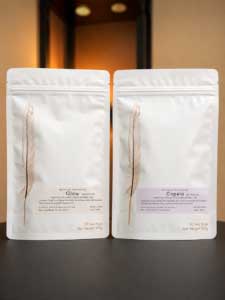
Glow and Copeia Tea Side by Side
16 minutes read

Materia Medica · The Formula Series

Glow vs Copeia: Choosing Between the Two Fertility Formulas

Willard Sheppy Dipl. OM, LAc, BS

Willard Sheppy is a licensed acupuncturist (LAc) and Founder of Valley Health Clinic specializing in using Traditional Chinese Medicine to treat acute injuries and chronic conditions, and to improve sports performance and rehabilitation.

Glow and Copeia Tea Side by Side

Table of Contents

Two teas, one question. Here is how I sort them.

Quick answer

Glow and Copeia both come from the same book. Same author, same chapter, written around 200 CE. Two thousand years later, they are still the two halves of the same question: is there too much, or not enough? Glow dissolves. Copeia nourishes. Get that backward, and you spend months moving blood in a patient who didn’t have enough to move.

What Both Formulas Do

Both are built for the lower abdomen. Both were written for women. Both come out of the Jin Gui Yao Lue — the Essential Prescriptions of the Golden Cabinet — attributed to Zhang Zhongjing in the Eastern Han, roughly 200 CE. Gui Zhi Fu Ling Wan appears in the chapter on the diseases of pregnant women, and Zhang placed Dang Gui Shao Yao San in that same pregnancy chapter and in the general gynecological chapter.

So this isn’t two competing products. It’s one classical author writing down two answers to two different presentations, in the same text, and the choice between them has been documented continuously ever since.

Both share three herbs — Fu Ling, Bai Shao, and a blood herb. Both drain damp while doing something to blood. That shared architecture is why they get confused. What separates them is the direction of the work.

Why These Two, and Not Thirty

Botanical Biohacking spent two years building a minimalist fertility line, and by their own account most of that work was deciding what not to include.

The reasoning started from the patterns rather than the products. The presentations they kept meeting were cold, damp, phlegm, and blood stasis. From there, candidate formulas had to clear five bars:

Two formulas came out the other end. Then a year and a half of sourcing.

That last criterion is the one practitioners should notice. A fertility clinic carrying two teas that also earn their shelf space in pain and mood cases is a different proposition than a clinic carrying two single-purpose products.

Neither of these solves every fertility case. What they do is cover the most common terrain well, with formulas that have been in continuous use long enough that we know how they behave.

Glow or Copeia: Side by Side

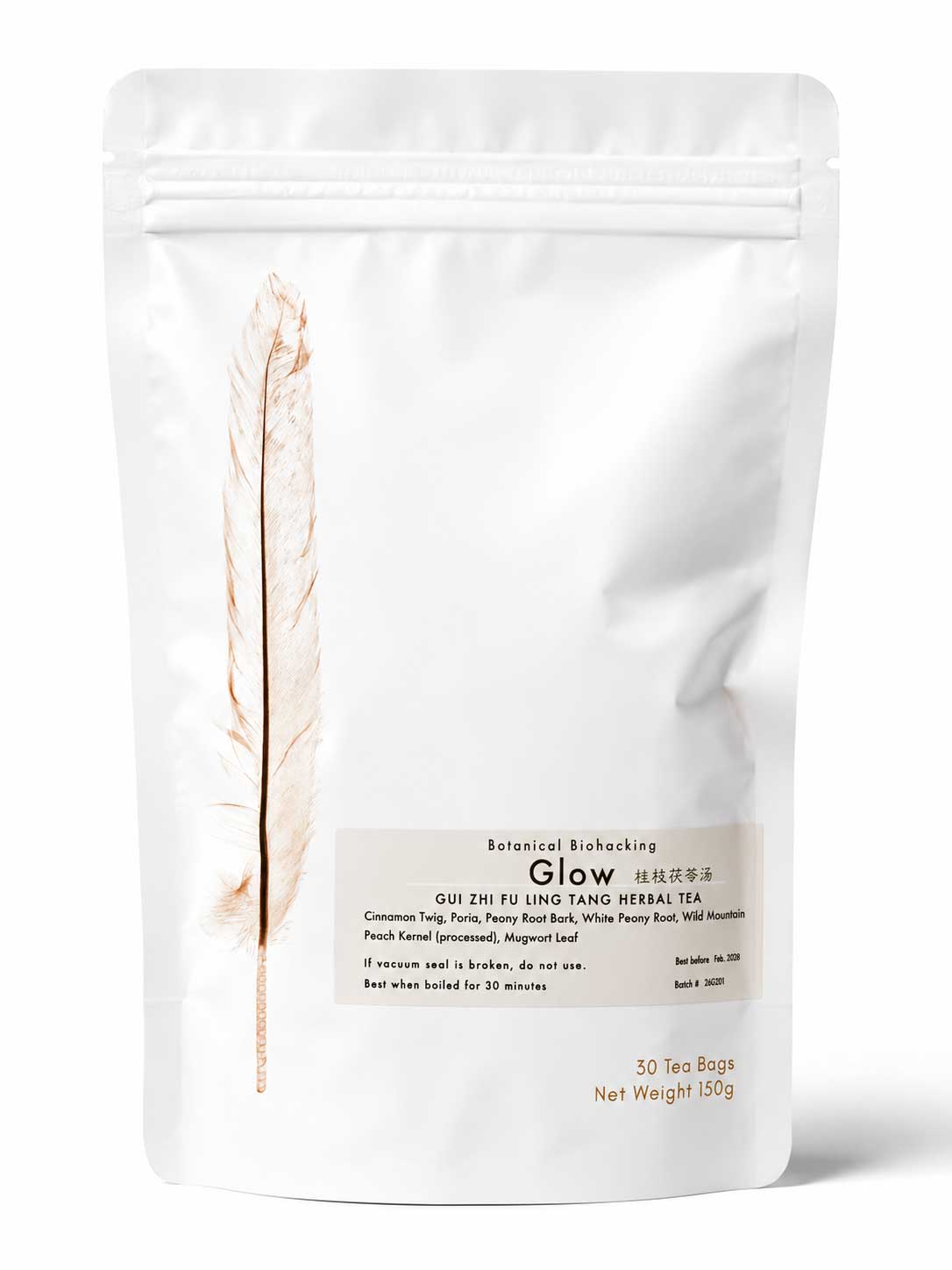
Glow Tea — Gui Zhi Fu Ling with Ai Ye

The strategy: warm and dissolve. Built for blood stasis with cold congealing — something has hardened, and the job is to soften it without force. Botanical Biohacking builds theirs on the decoction form and adds Ai Ye (mugwort) to warm the lower abdomen.

Look for:

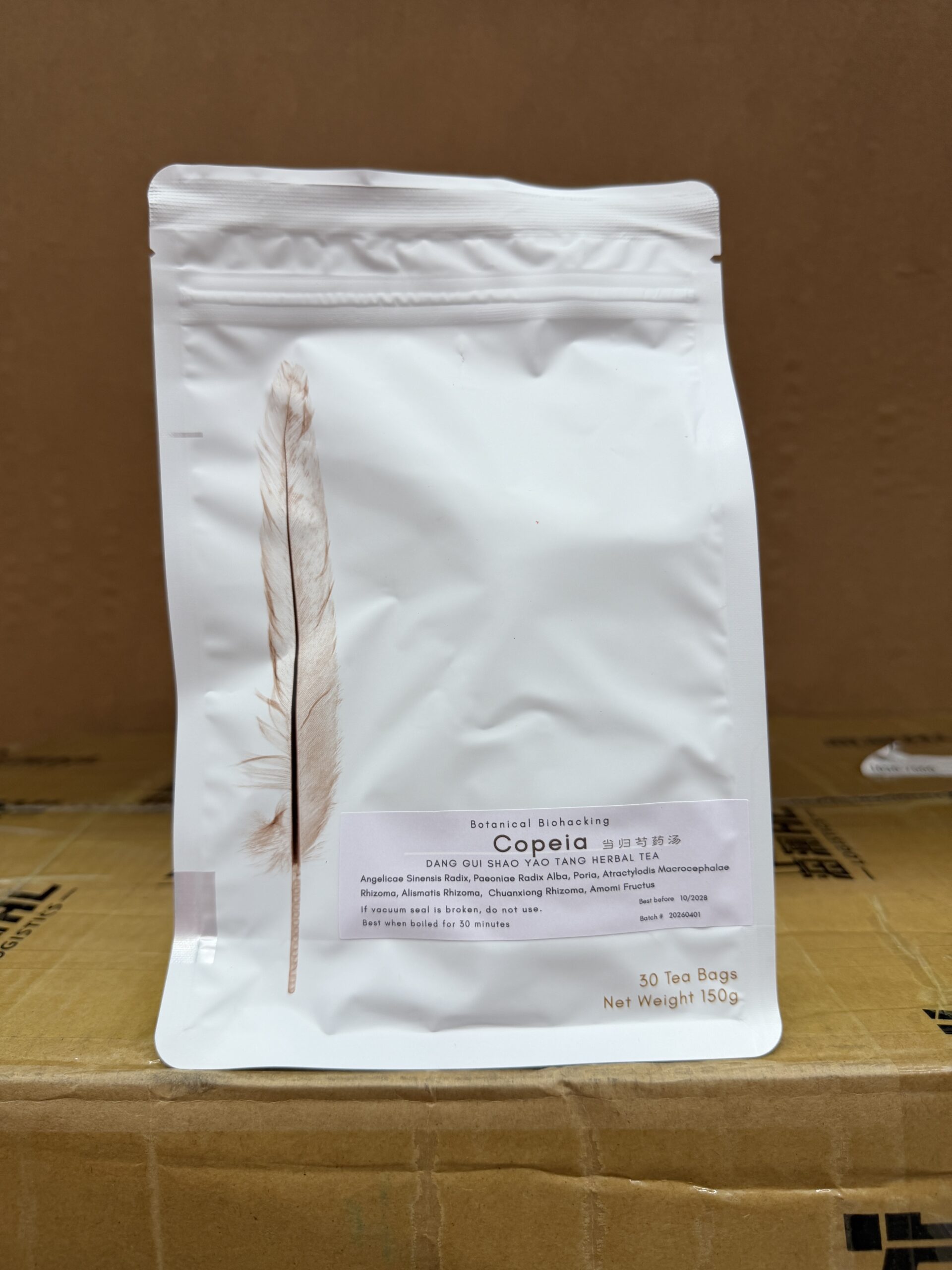
Copeia Tea — Dang Gui Shao Yao San with Sha Ren

The strategy: nourish and resolve. Built for liver depression with spleen deficiency and dampness — the picture of being depleted and waterlogged at the same time. Sha Ren is added so the richer blood herbs don’t sit heavily on a sensitive stomach.

Look for:

The mechanism that makes Copeia make sense: dampness prevents blood from replenishing. So you cannot simply tonify your way out of this pattern — pile blood-building herbs onto a damp, malabsorbing middle and most of it goes nowhere. Copeia nourishes spleen qi and blood while draining damp, which is why it works in chronic malabsorption where straight tonics stall. That is also the idea behind the name: copia is the Latin word for abundance.

Three Questions That Sort Most Patients

Fertility sits outside the Qi Diagram, so these three are mine rather than the manufacturer’s. They do most of the sorting.

Question One: What colour is the tongue?

The single most useful question. Pale points to Copeia. Dark or purple points to Glow. Dr. Lan’s whole description of Copeia is builds blood for the pale-tongue patient — that shorthand does most of the work.

Question Two: What kind of pain is it?

Fixed and stabbing, in one spot, worse with pressure — that’s stasis. Glow. Dull, diffuse, crampy, sometimes better with pressure and warmth — that’s deficiency with damp. Copeia.

Question Three: Is there something to dissolve, or something to fill?

Palpable masses, a history of hard things — Glow’s territory. Nothing hard, just depletion and fluid — Copeia’s. When you genuinely cannot tell, treat the deficiency first. Nourishing a stasis patient wastes a month. Moving blood in a depleted patient costs her more than a month.

The Classical Picture

This section carries the traditional indications as the source texts recorded them. It is a description of historical use, not a claim about what these teas do.

The classical fork is excess versus deficiency, and it is unusually clean here.

Gui Zhi Fu Ling Wan was written for a mass. Traditionally it was used for what the texts called abdominal masses and for infertility understood as arising from dampness and mucus leading to blood stagnation. It contains two dedicated blood-breaking herbs — Tao Ren and Mu Dan Pi — held in check by Gui Zhi warming the channels and Fu Ling draining damp. The original method called for pills the size of rabbit droppings, one daily before meals, increasing gradually only if there was no effect. That is a formula designed to apply steady pressure over time, not force.

Dang Gui Shao Yao San was written for the opposite problem: a body quietly under-nourishing itself. Traditionally used for cramping abdominal pain with bloating, for harmonizing liver and spleen, and for infertility understood as arising from deficiency leading to qi and blood stagnation. Its architecture is symmetrical — three herbs building and moving blood, three draining fluid. It supports without being cloying and drains without depleting.

The sequencing matters. In the Botanical Biohacking framework, fertility work starts by restoring the microbiomes first, and only then choosing a direction: warm and dissolve with Glow, or nourish and resolve with Copeia. The formula is the second move, not the first.

Inside the Formulas

Glow — the movers

Three blood-movers and one warmer.

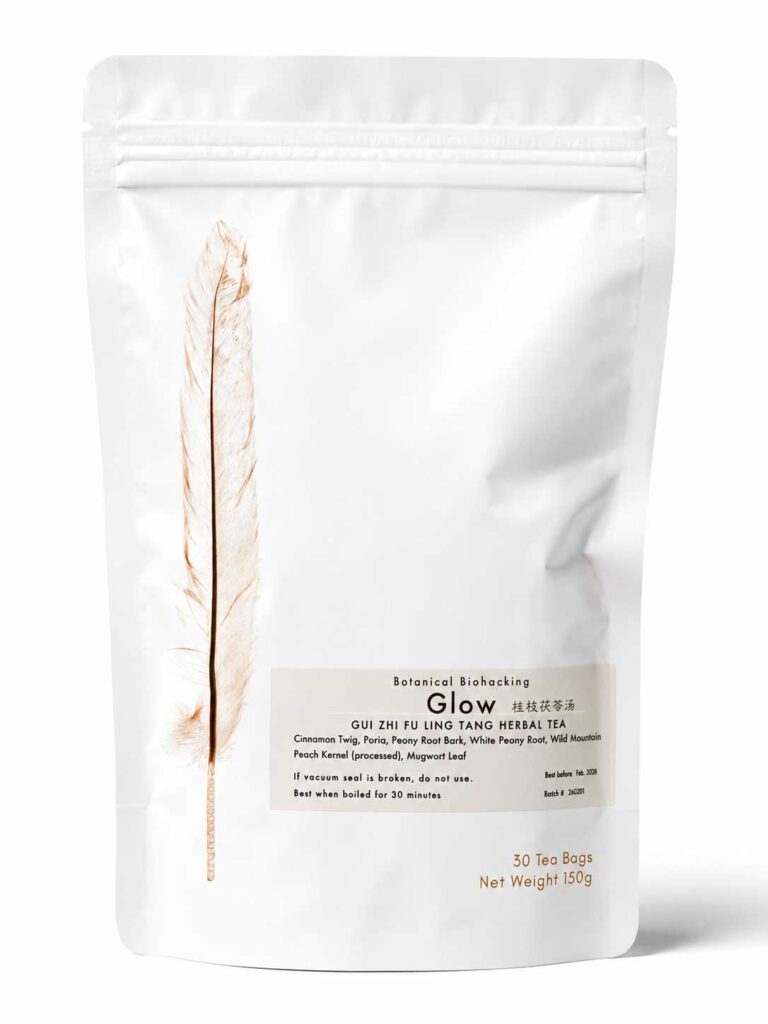
Cinnamon Twig (Gui Zhi), Poria (Fu Ling), Peony Root Bark (Mu Dan Pi), White Peony Root (Bai Shao), Wild Mountain Peach Kernel (Processed) (Dan Tao Ren), Mugwort Leaf (Qi Ai Ye)

Copeia — nourish and drain

One mover, and three herbs that build or drain.

Dang Gui, Shao yao, Fu Ling, Bai Zhu, Ze Xie, Chuan Xiong, Sha Ren

The sequence — this is the part people skip

Neither formula is the first move. Both sit downstream of clearing the terrain, and Botanical Biohacking is explicit about the order: use Wind, Peak, or Atone first to clear away the majority of the dampness. Then Copeia holds the ground — a safe, reliable way to keep dampness from returning while nourishing liver blood.

That is the whole series in one instruction. The upper respiratory zone formulas do the clearing. Copeia does the holding. Skip the clearing step and you are nourishing into a swamp — which is exactly the failure mode the “dampness prevents blood from replenishing” logic predicts.

If the terrain is still throwing contradictory signs — hot and cold and damp and depleted all at once — that gets addressed before either fertility formula goes in.

When to Stop, and Why

This is the question every fertility patient asks, and my answer probably isn’t the one you expect.

Chinese medicine is very safe to use during pregnancy. In general I have no problem with people taking formulas while they’re pregnant. That’s not the issue.

The issue is that pregnancies stop for many reasons. And if one stops while a woman is taking an herbal formula, she is going to ask herself a question: Did I do something wrong? Could I have done something different? Did I cause this? It doesn’t matter how much reassurance she gets. That question lingers.

So what I tell my patients is to stop taking formulas when they're pregnant. Not because the formulas are bad, not because they're wrong, not because they will hurt the baby — but because you will always wonder. It's just human nature. Stop the formulas mainly for peace of mind.
— Will Sheppy, L.Ac.

That’s the rule I use, and it’s a rule about the woman rather than about the herbs. The longer version of that reasoning is here.

Where the two formulas differ. Copeia is the gentler case — it sits in the pregnancy chapter of the source text and is used through pregnancy in Japan under its Kampo name. If a patient and her practitioner decide to continue it, that’s defensible ground.

Glow is different, and this part is not just psychology. It contains Tao Ren and Mu Dan Pi — two herbs whose whole job is breaking blood. The Chinese Pharmacopoeia labels the formula “pregnant women should use with caution,” and many clinical references upgrade that to prohibited, because both herbs activate blood circulation and can stimulate uterine contractions. Its classical association with pregnancy was a narrow one — resolving a pathological mass that was complicating a pregnancy, under close supervision — not general use in a normal, wanted pregnancy.

So for Glow the two reasons stack. Stop it for peace of mind, and stop it because the tradition itself puts a caution on this particular formula.

Practically: stop at a positive pregnancy test. Both formulas, unless your practitioner tells you otherwise.

A Case From the Literature

A traditional case record supplied by Botanical Biohacking, reproduced as an illustration of how the pattern presents. One patient’s course is not evidence of what a tea will do for anyone else.

Shao, 28, female. Carrying a diagnosis of chronic pelvic inflammatory illness.

She was given Dang Gui Shao Yao San. Abdominal pain and dizziness settled after three doses, and the discharge followed. She stayed on the formula for three months — not to chase the symptoms, which were already gone, but to strengthen the root.

The tongue and pulse are the whole diagnosis. Pale with a slight coat, a pulse between soft and slippery — deficiency and damp, together. That is the Copeia picture exactly, and it is why the formula that both nourishes and drains was the right one rather than a straight blood tonic.

The three months after the symptoms resolved is the actual lesson. Fast symptomatic relief is not the same as a repaired foundation. Patients stop when they feel better; this pattern comes back when they do. Tell them the duration up front.

The Research

Here the two formulas are genuinely unequal, and it’s worth being straight about it.

Glow’s base formula has human fertility outcome data. A 2023 systematic review and meta-analysis pooled 16 randomized controlled trials covering 1,385 women with polycystic ovary syndrome. Adding the Guizhi Fuling formula to conventional treatment improved the ovulation rate (RR 1.24, 95% CI 1.15–1.34) and the pregnancy rate (RR 1.53, 95% CI 1.38–1.69) compared with conventional treatment alone, alongside reductions in FSH, total testosterone, LH, and insulin resistance. There was no significant difference in miscarriage rate. The authors note the evidence carries uncertainty and call for larger multicenter trials. A separate 2025 Bayesian network meta-analysis of 47 randomized trials in endometriosis after laparoscopic surgery found Guizhi Fuling pill combined with hormone therapy the most likely best option for overall response rate, with no serious adverse reactions reported in the included studies.

When This Needs a Doctor

Trying to conceive without success for twelve months — or six months over thirty-five — warrants a workup, not a tea. So does severe pain, pain that is new or rapidly worsening, bleeding between cycles, or pain with fever.

Herbs are a reasonable layer alongside that evaluation. They are not a substitute for finding out what’s actually going on, and a good practitioner will tell you the same.

If you are on hormonal medication, anticoagulants, or in an IVF cycle, talk to both providers before adding either formula.

Glow Herbal Tea product mockup green background

Glow & Copeia

The two fertility formulas, thirty teabags each, practitioner-formulated and batch-tested. Stocked at Valley Health Market.

References

  1. Rong A, Ta N, E L, Meng W. Add-on effect of the Guizhi Fuling formula for management of reduced fertility potential in women with polycystic ovary syndrome: a systematic review and meta-analysis of randomized controlled trials. Front Endocrinol. 2023;13:995106. Link →
  2. Geng D, Wei S, Cheng W, Zhong H, Zhang K. Clinical efficacy and safety of Chinese patent medicines combined with hormonal therapy for endometriosis after laparoscopic surgery: a Bayesian network meta-analysis. Complement Ther Clin Pract. 2025;61:102020. Link →
  3. Lee HW, Jun JH, Kil KJ, Ko BS, Lee CH, Lee MS. Herbal medicine (Danggui Shaoyao San) for treating primary dysmenorrhea: a systematic review and meta-analysis of randomized controlled trials. Maturitas. 2016;85:19-26. Link →
  4. Terawaki K, Saegusa Y, Sekiguchi K, et al. The ameliorating effects of tokishakuyakusan in a rat model of implantation failure involves endometrial gland leukemia inhibitory factor and decidualization. J Ethnopharmacol. 2020;265:113288. Link →
  5. Bensky D, Barolet R. Chinese Herbal Medicine: Formulas & Strategies. Eastland Press.
  6. Dr. Lan, PhD, Botanical Biohacking. Fertility Essentials practitioner letter, 2026.

Educational content rooted in 20+ years of clinical practice in Traditional Chinese Medicine. Not intended to replace consultation with a qualified healthcare practitioner. Please consult your physician before starting any new herbal protocol, especially if pregnant, nursing, on anticoagulants, or managing a chronic condition.

Share on

Will Sheppy, Founder and Acupuncturist at Valley Health Clinic
Willard Sheppy
Willard Sheppy is a licensed acupuncturist (LAc) and Founder of Valley Health Clinic specializing in using Traditional Chinese Medicine to treat acute injuries and chronic conditions, and to improve sports performance and rehabilitation.

FAQ's

What is the difference between Glow and Copeia?

Both come from the Jin Gui Yao Lue, around 200 CE, and both work on the lower abdomen. Glow is built on Gui Zhi Fu Ling with Ai Ye and warms and dissolves — it is for blood stasis with cold congealing. Copeia is built on Dang Gui Shao Yao San with Sha Ren and nourishes and drains — it is for deficiency with dampness. Glow dissolves what is there; Copeia supplies what is missing.

Three questions sort most people. What colour is the tongue — pale points to Copeia, dark or purple to Glow. What kind of pain is it — fixed and stabbing is Glow, dull and diffuse is Copeia. And is there something to dissolve or something to fill. When you genuinely cannot tell, treat the deficiency first.

No documented protocol exists for running these two together, and they pull in opposite directions. Pick the pattern in front of you, give it a fair trial of eight to twelve weeks, and reassess.

Yes — stop both at a positive pregnancy test unless your practitioner tells you otherwise. My general reason is peace of mind: pregnancies stop for many reasons, and no woman should be left wondering whether a tea caused it. For Glow there is a second, specific reason — it contains Tao Ren and Mu Dan Pi, and the Chinese Pharmacopoeia flags the formula for caution in pregnancy.

They are unequal. Glow’s base formula has human data: a 2023 meta-analysis of 16 randomized trials in 1,385 women with PCOS found improved ovulation and pregnancy rates when it was added to conventional treatment. Copeia’s human trial evidence is for period pain; its fertility evidence is animal and laboratory only. Two thousand years of use is why it is on the shelf — the fertility trials have not been run.

Recent Posts
Are Chinese Herbs Safe During Pregnancy?

8 minutes read

Patient Guides · Herbs & Pregnancy

Are Chinese Herbs Safe During Pregnancy?

Willard Sheppy Dipl. OM, LAc, BS

Willard Sheppy is a licensed acupuncturist (LAc) and Founder of Valley Health Clinic specializing in using Traditional Chinese Medicine to treat acute injuries and chronic conditions, and to improve sports performance and rehabilitation.

Table of Contents

I get asked this constantly, and the honest answer surprises people.

Yes. Chinese medicine is very safe to use during pregnancy. In general, I have no problem with people taking formulas while they’re pregnant.

And I still tell my patients to stop.

Those two things are not a contradiction, and the reason why is worth explaining properly.

Quick answer

The short version: most Chinese herbal formulas are safe in pregnancy, and some were written specifically for it. But I advise patients to stop taking formulas once they’re pregnant — not because the herbs are dangerous, but because pregnancies end for many reasons, and no woman should be left wondering whether she caused it. That’s a decision about peace of mind, not pharmacology. A small number of formulas are genuine exceptions and should be stopped regardless.

The Tradition Has Been Doing This a Long Time

Chinese medicine did not stumble into pregnancy care recently. The Jin Gui Yao Lue, written around 200 CE, has an entire chapter on the diseases of pregnancy. There are formulas in the canon designed to calm a restless pregnancy, and formulas used specifically to prevent miscarriage.

This is also not a historical curiosity. Roughly a third of pregnant women in Taiwan use Chinese herbal medicine at some point during pregnancy, and across the United States, the UK, Australia, Europe, and Africa, herbal product use in pregnancy has been reported anywhere from ten to seventy-four percent of pregnancies depending on the population studied.

So the practice is old, it is enormous, and it is ongoing.

Why I Tell Patients to Stop Anyway

My reasoning has almost nothing to do with the herbs.

Pregnancies stop for many reasons. Most of them have nothing to do with anything the mother did. But if a pregnancy ends while she is taking an herbal formula, she is going to ask herself a question: Did I do something wrong? Could I have done something different? Did I cause this?

And it does not matter how much reassurance she gets. It does not matter what the research says. That question lingers.

I am not willing to hand a patient that. So I tell them to stop.

Stop taking formulas when you're pregnant. Not because they're bad, not because they're wrong, not because they will hurt the baby — but because you will always wonder. It's just human nature. Stop the formulas mainly for peace of mind.
— Will Sheppy, L.Ac.

The Genuine Exceptions

Everything above is about formulas in general. A smaller group of formulas carries a real, specific caution, and this comes from inside the tradition — not from outside nervousness about herbs.

The category to know is blood-moving formulas. Herbs whose job is to break up stasis can also stimulate uterine contractions. That is the same property that makes them useful in the right patient and a problem in a pregnant one.

A practical example from our own shelf: Glow Tea is built on Gui Zhi Fu Ling, which contains Tao Ren and Mu Dan Pi — two dedicated blood-breakers. The Chinese Pharmacopoeia lists this formula as one for pregnant women to use with caution, and many clinical references go further and call it contraindicated. It comes off the list at a positive pregnancy test.

Its counterpart, Copeia, is the opposite case — Dang Gui Shao Yao San sits in the pregnancy chapter of its source text and is used through pregnancy in Japan today. Even so, my peace-of-mind rule still applies.

Individual herbs carry their own cautions too. Yi Mu Cao and certain blood-moving formulas are flagged for the first trimester in particular.

This is exactly the reason to work with a practitioner rather than a search result. Including this one.

What to Do

If you are trying to conceive and taking herbs, decide in advance what you will stop and when. Making that decision at a positive test, in the moment, is harder than it needs to be.

References

  1. Chen L-C, et al. Prescription patterns and factors influencing the use of Chinese herbal medicine among pregnant women in Taiwan: a population-based retrospective study. BMC Complement Med Ther. Link →
  2. Zhou L, et al. The use of Chinese herbal medicines throughout the pregnancy life course and their safety profiles: a population-based cohort study. Am J Obstet Gynecol MFM. 2023. Link →
  3. Bensky D, Barolet R. Chinese Herbal Medicine: Formulas & Strategies. Eastland Press.

Educational content rooted in 20+ years of clinical practice in Traditional Chinese Medicine. Not intended to replace consultation with a qualified healthcare practitioner or your obstetric provider.

Share on

Will Sheppy, Founder and Acupuncturist at Valley Health Clinic
Willard Sheppy
Willard Sheppy is a licensed acupuncturist (LAc) and Founder of Valley Health Clinic specializing in using Traditional Chinese Medicine to treat acute injuries and chronic conditions, and to improve sports performance and rehabilitation.

FAQ's

Are Chinese herbs safe during pregnancy?

Generally yes. Chinese medicine has treated pregnancy for close to two thousand years and has formulas written specifically for it. That said, formal safety research is thinner than the length of that tradition suggests, and a smaller group of formulas — particularly blood-moving ones — carries genuine cautions.

Blood-moving and stasis-breaking formulas are the main category to avoid, because the same action that breaks up stasis can stimulate uterine contractions. Gui Zhi Fu Ling is a common example. Individual herbs including Yi Mu Cao carry first-trimester cautions. Ask your practitioner about your specific formula rather than relying on a general list.

Tell your practitioner today, not at your next appointment, and tell your OB or midwife what you have been taking. Most formulas are not a cause for alarm, but blood-moving formulas should be stopped immediately.

Often because they are answering different questions. “Is this formula pharmacologically dangerous?” and “Should you be taking it?” are separate. My own answer is to stop — mostly so that if something goes wrong, you are never left wondering whether you caused it.

A different question with a different answer, and generally a more comfortable one — acupuncture is widely used throughout pregnancy. Ask your practitioner about it separately from herbs.

Recent Posts

Copeia Tea: Dang Gui Shao Yao San for Menstrual Support

Copeia Tea Product
9 minutes read

Materia Medica · The Formula Series

Copeia Tea: Dang Gui Shao Yao San for Menstrual Support

Willard Sheppy Dipl. OM, LAc, BS

Willard Sheppy is a licensed acupuncturist (LAc) and Founder of Valley Health Clinic specializing in using Traditional Chinese Medicine to treat acute injuries and chronic conditions, and to improve sports performance and rehabilitation.

Copeia Tea Product

Table of Contents

This one is for being depleted and waterlogged at the same time.

It is a more common pattern than it sounds, and it is one that straight tonics tend to fail. Here’s the formula, the diagnostic tell that points to it, and why the order you do things in matters more than which herbs you pick.

Quick answer

Copeia Tea is built on Dang Gui Shao Yao San, with Sha Ren added. It is for the patient who is depleted and holding fluid at once — dull cramping, puffiness, fatigue, and a pale tongue underneath whatever else is going on. It nourishes blood and drains damp at the same time, which is the point: dampness is what stops blood from replenishing in the first place.

What Copeia Tea Actually Is

Dang Gui Shao Yao San — Angelica and Peony Powder — is one of the most heavily used formulas in East Asian gynecology, and it comes from the same book and the same author as Glow: the Jin Gui Yao Lue, attributed to Zhang Zhongjing, around 200 CE. Zhang placed it in the chapter on the diseases of pregnancy and again in the general gynecological chapter.

Traditionally it addresses liver depression with spleen deficiency and dampness — a body that has been quietly under-nourishing itself for longer than it noticed, while fluid piles up in the middle.

What makes it so widely used is its symmetry. Three herbs build and move blood. Three drain fluid. It supports without being cloying and drains without depleting.

Why Draining Comes Before Building

Here is the piece that explains the whole formula: dampness prevents the blood from replenishing.

That single line reframes the problem. If you have a depleted patient with a damp, sluggish middle, you cannot simply tonify your way out of it. Pile blood-building herbs onto a system that is not absorbing and most of it goes nowhere — you get a patient who has been taking tonics for six months and is no less pale than when she started.

Copeia does both jobs at once. It nourishes spleen qi and blood while draining damp, which is why it works in cases of chronic malabsorption where straight tonics stall out.

That is also the idea behind the name. Copia is the Latin word for abundance — a formula built to help a depleted body receive nourishment again.

The Diagnostic Tell

Botanical Biohacking’s herbal pharmacologist, Dr. Lan, PhD, describes Copeia in one line to practitioners: Dang Gui Shao Yao with Sha Ren — builds blood for the pale-tongue patient.

That shorthand does most of the work. Look at the tongue. If it is pale underneath everything else the patient is describing, this is often the formula that was missing.

The fuller picture:

It is not only a cycle formula. Dr. Lan also reaches for it when the tongue is pale underneath a more obvious complaint — cognitive fog, fatigue, the practitioner who cannot get her breath back down at the end of a long clinic day. It does foundational work.

The Order Matters

Copeia is not the first move.

The instruction from Botanical Biohacking is specific: use Wind, Peak, or Atone first to clear away the majority of the dampness. Then Copeia holds the ground — a safe and reliable way to keep dampness from returning while nourishing liver blood.

Clear, then hold. Skip the clearing step and you are nourishing into a swamp, which is exactly what the “dampness prevents blood from replenishing” logic predicts will fail.

If it is pale underneath everything else the patient is describing, this is often the formula that was missing.
— Will Sheppy, L.Ac.

Inside the Formula

Seven herbs, split down the middle.

Nourish and move blood

Three herbs that build and move.

Drain the damp

Three that move fluid out, plus one that protects the digestion while they work.

A Case From the Literature

A traditional case record supplied by Botanical Biohacking, reproduced as an illustration of how the pattern presents. One patient’s course is not evidence of what a tea will do for anyone else.

Shao, 28, female. Carrying a diagnosis of chronic pelvic inflammatory illness.

She was given Dang Gui Shao Yao San. Abdominal pain and dizziness settled after three doses, and the discharge followed. She stayed on the formula for three months — not to chase symptoms that were already gone, but to strengthen the root.

Two things worth pulling out of that. The tongue and pulse are the diagnosis: pale with a slight coat, a pulse between soft and slippery — deficiency and damp together, which is why the formula that does both was the right one instead of a straight blood tonic.

And the three months after the symptoms resolved is the actual lesson. Fast relief is not a repaired foundation. Patients stop when they feel better, and this pattern comes back when they do.

How to Take It

Daily as a morning tea, eight to twelve weeks, reassessed at the twelve-week mark. Thirty teabags to a bag, one month’s supply.

Dr. Lan pairs it with daily Microgard for the spleen ground it builds on. Her practice note is worth passing to patients in advance: sleep tends to repair before the day feels lighter. Say that up front or they quit at week four.

Before You Start

Copeia is built for the blood-deficient, damp-stuck pattern — not every kind of cycle discomfort. If pain is severe, new, or paired with other symptoms, that deserves a proper look from a qualified provider.

Of the two fertility formulas, this is the gentler one. It sits in the pregnancy chapter of its source text and is used through pregnancy in Japan under its Kampo name, Tokishakuyakusan. That said, my own rule with pregnant patients is to stop formulas — and the reason has more to do with peace of mind than with the herbs.

If you are pregnant, trying to conceive, or taking hormonal or anticoagulant medication, talk with your practitioner first.

Copeia Tea Green Background Product Mockup

Copeia Tea

Dang Gui Shao Yao San with Sha Ren. Seven Imperial-grade herbs, thirty teabags. Nourishes and drains at once.

References

  1. Lee HW, Jun JH, Kil KJ, Ko BS, Lee CH, Lee MS. Herbal medicine (Danggui Shaoyao San) for treating primary dysmenorrhea: a systematic review and meta-analysis of randomized controlled trials. Maturitas. 2016;85:19-26. Link →
  2. Terawaki K, et al. The ameliorating effects of tokishakuyakusan in a rat model of implantation failure involves endometrial gland leukemia inhibitory factor and decidualization. J Ethnopharmacol. 2020;265:113288. Link →
  3. Bensky D, Barolet R. Chinese Herbal Medicine: Formulas & Strategies. Eastland Press.
  4. Dr. Lan, PhD, Botanical Biohacking. Practitioner letters, 2026.

Educational content rooted in 20+ years of clinical practice in Traditional Chinese Medicine. Not intended to replace consultation with a qualified healthcare practitioner. Please consult your physician before starting any new herbal protocol, especially if pregnant, nursing, on anticoagulants, or managing a chronic condition.

Share on

Will Sheppy, Founder and Acupuncturist at Valley Health Clinic
Willard Sheppy
Willard Sheppy is a licensed acupuncturist (LAc) and Founder of Valley Health Clinic specializing in using Traditional Chinese Medicine to treat acute injuries and chronic conditions, and to improve sports performance and rehabilitation.

FAQ's

What is Copeia Tea?

Copeia Tea is built on Dang Gui Shao Yao San — Angelica and Peony Powder — from the Jin Gui Yao Lue, around 200 CE, with Sha Ren added. Thirty teabags of seven Imperial-grade herbs, a one-month supply.

The patient who is depleted and waterlogged at once: dull cramping, puffiness, fatigue that arrives with the cycle, thirst without much desire to drink. The diagnostic tell is a pale tongue underneath whatever else is going on.

Because dampness is what prevents blood from replenishing. Tonify a damp, malabsorbing middle and most of the nourishment goes nowhere. Copeia nourishes and drains at the same time, which is why it works where straight tonics stall.

No. It is used as a blood-builder whenever the tongue is pale underneath a more obvious complaint — including cognitive fog and fatigue. It does foundational work, not only cycle work.

Dang Gui Shao Yao San sits in the pregnancy chapter of its source text and is used through pregnancy in Japan. Even so, my general rule is that patients stop formulas once pregnant — mostly for peace of mind. Talk with your practitioner.

Recent Posts

Glow Tea: For Period Pain

Glow Herbal Tea product mockup
7 minutes read

Materia Medica · The Formula Series

Glow Tea: For Period Pain

Willard Sheppy Dipl. OM, LAc, BS

Willard Sheppy is a licensed acupuncturist (LAc) and Founder of Valley Health Clinic specializing in using Traditional Chinese Medicine to treat acute injuries and chronic conditions, and to improve sports performance and rehabilitation.

Glow Herbal Tea product mockup

Table of Contents

This one is for period pain that keeps getting called normal.

In classical medicine, moving blood is a strategy — not a catch-all. Glow Tea is for stasis-type patterns: blood stasis with cold congealing. It is a specific pattern, and it has a specific answer.

Here’s what the formula actually is, who it was written for, and what’s inside.

Quick Answer

Glow Tea is built on Gui Zhi Fu Ling — Cinnamon Twig and Poria — with Ai Ye (mugwort) added, made for one specific pattern: blood stasis with cold congealing. That pattern looks like heaviness in the days before the cycle, period pain that over-the-counter options don’t quite settle, and spotting on no predictable schedule. It is not used during pregnancy — and if you take anticoagulant medication or have a bleeding condition, talk with your practitioner first.

What Glow Tea Actually Is

Glow is built on Gui Zhi Fu Ling — Cinnamon Twig and Poria — one of the most enduring formulas in the canon. You will see it written both as Wan (a pill) and Tang (a decoction). Botanical Biohacking builds theirs on the decoction form, with Ai Ye (mugwort) added.

The traditional strategy is deliberately balanced: warm the channels enough that blood moves, soften what has hardened, drain the damp — without ever being harsh. It is a formula of steady pressure rather than force.

That balance is why it has survived two thousand years of continuous use, and why it remains one of the most-studied formulas in modern Chinese medicine research.

The Patient This Was Written For

Botanical Biohacking’s herbal pharmacologist, Dr. Lan, PhD, is specific about who this is for, and her description is worth reading closely.

Heaviness in the days before the cycle. Period pain that no over-the-counter option quite settles. Spotting on no predictable schedule. Skin that loses its composure in the warmer months. She notes this pattern shows up most in her colleagues’ practices through May and June.

She also flags something practitioners care about more than patients expect: the taste is mild. She frames that as a compliance issue, not a luxury. People finish it.

How It's Sourced and Tested

Botanical Biohacking’s contamination protocol covers heavy metals, pesticide residue, and microbial load.

Inside the Formula

Glow layers its herbs the way the classical formula does — each with a defined job.

The Movers

The Softeners

Before You Start

Moving blood is a specific strategy, not a general tonic. This formula is not used during pregnancy. If you take anticoagulant medication or have a bleeding condition, talk with your practitioner or physician first.

In classical medicine, moving blood is a strategy — not a catch-all. Glow is for stasis-type patterns. That precision is the point. — Will Sheppy, L.Ac.

Glow Tea

Gui Zhi Fu Ling with Ai Ye. Thirty teabags, one month’s supply. Mild enough that people actually finish it. Available at Valley Health Market.

Research & Resources

  1. Lei Y, et al. The efficacy and safety of Chinese herbal medicine Guizhi Fuling capsule combined with low dose mifepristone in the treatment of uterine fibroids: a systematic review and meta-analysis of 28 randomized controlled trials. BMC Complement Med Ther. 2023;23(1):54. Link →
  2. Bensky D, Barolet R. Chinese Herbal Medicine: Formulas & Strategies. Eastland Press. (Standard reference for Gui Zhi Fu Ling Wan.)
  3. Dr. Lan, PhD, Botanical Biohacking. Glow Tea, a practical note. Practitioner letter, May 2026.

Educational content from Valley Health Market. Not medical advice. Statements have not been evaluated by the FDA. This product is not intended to diagnose, treat, cure, or prevent any disease. Valley Health Market Educational content rooted in 20+ years of clinical practice in Traditional Chinese Medicine. The information provided is for educational purposes and is not intended to replace consultation with a qualified healthcare practitioner. Please consult your physician before starting any new herbal protocol, especially if pregnant, nursing, on anticoagulants, or managing a chronic condition.

© Valley Health Market · Albany, Oregon

Share on

Will Sheppy, Founder and Acupuncturist at Valley Health Clinic
Willard Sheppy
Willard Sheppy is a licensed acupuncturist (LAc) and Founder of Valley Health Clinic specializing in using Traditional Chinese Medicine to treat acute injuries and chronic conditions, and to improve sports performance and rehabilitation.

FAQ's

What is the most common trigger for Meniere’s attacks?
Stress is the most consistently reported trigger, and research backs it: one large study found attack odds nearly tripled on stressful days. Just before an attack, the sympathetic nervous system spikes — which is why a stress-pattern attack often feels like a panic attack.
For some people, yes — especially those with a damp, fluid-retaining pattern. Honestly, the research on strict salt restriction is mixed, so it helps some people far more than others. It’s a low-risk lever worth trying, but it isn’t a guaranteed fix, and it matters most for the congested pattern rather than the stress-driven or heat-driven ones.
The inner ear is pressure-sensitive, and falling barometric pressure and higher temperatures are documented to correlate with more attacks — risk is roughly 1.3 times higher when pressure drops below 1013 hectopascal. This hits the hot, inflamed pattern hardest. You can’t change the weather, but you can use the forecast as an early-warning system and tighten your routine on those days.
Because your underlying terrain is different. The same diagnosis sits on top of different patterns — stressed, damp, or hot — and each is loaded by a different lever. That’s why a generic trigger list helps less than learning your own pattern, and why two people with Meniere’s often need different plans.
Start by confirming the diagnosis itself — Meniere’s is often confused with BPPV, vestibular neuritis, and vestibular migraine, which are treated very differently. Our companion article, “Meniere’s vs. BPPV vs. Vestibular Disorders,” walks through how to tell them apart by duration, trigger, and hearing change.

Recent Posts

Tibetan Foot Soaks: for Pregnancy and Pre-Labor Support

Tibetan Herbal Foot Soaks have been a treasure in traditional health practices for centuries. They provide a unique and effective approach to relieving common discomforts experienced by expecting mothers, such as swelling in the feet while helping manage blood pressure. As we venture further into their healing potential, you’ll discover how these foot soaks can also serve as a soothing pre-labor support tool, preparing the body for the journey of childbirth. Let’s dive into the therapeutic world of Tibetan Herbal Foot Soaks.

Although scientific research has not proven any benefits, we have seen anecdotal results in our clinic to suggest these foot soaks could be a valuable addition to prenatal care. It certainly is safe and worth sharing. 

The Story

A patient of ours, whom we will call Anna, shared a fascinating personal experience about using foot soaks and an herbal remedy during her pregnancy.

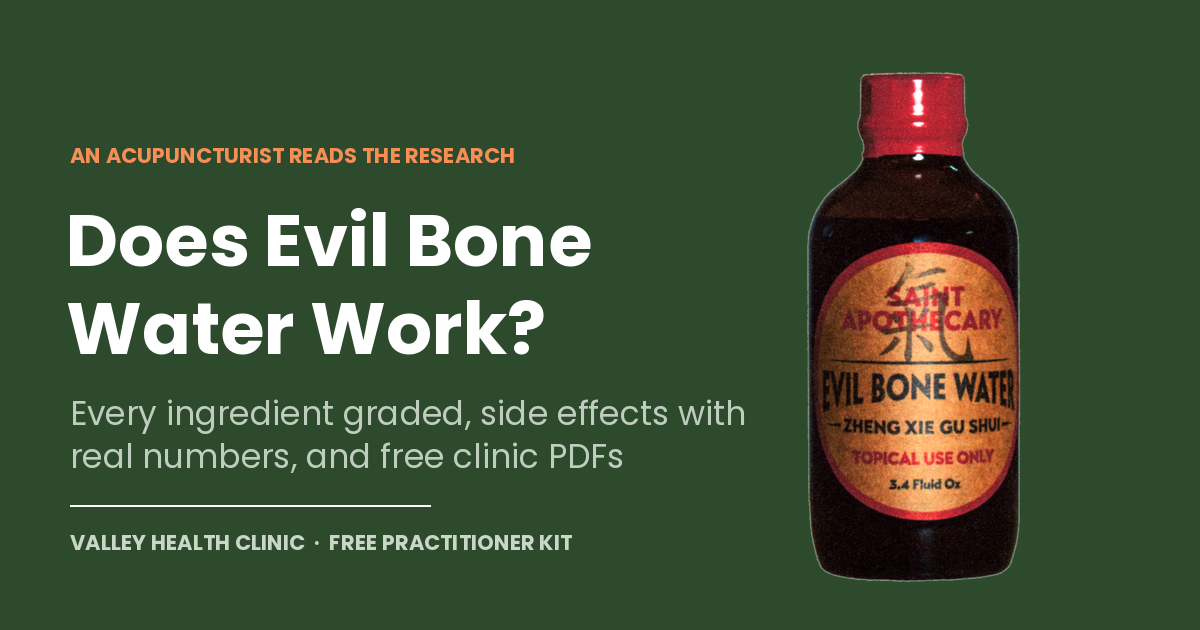
Anna was nearing her due date, with a check-up scheduled on a Friday. Her doctor examined her and found no signs of dilation, indicating that labor was still not imminent. Feeling disheartened but determined, Anna tried the foot soak method we had discussed and a herbal remedy, Mark T. Brinson’s Evil Bone Water (EBW), for her back rubs.

During the weekend, she religiously soaked her feet in a solution of warm water and Epsom salt, following our guidelines. Epsom salt, which contains magnesium and sulfate, is often used in foot soaks to help draw moisture out of tissues, relieving aches and pains.

In addition to the foot soaks, Anna also applied EBW on her back, which she believed would help prepare her body for labor. Her husband would massage her lower back with EBW, a practice that provided comfort and relief and served as a special bonding time between the expectant parents.

By Monday, when Anna revisited her doctor, she had dilated to 5 cm, a significant change from just the previous Friday. Encouraged by this progress, Anna continued with the foot soaks and the back massages with EBW. The following Tuesday, they arrived at the hospital bright and early at 6 am, and to their surprise, Anna was dilated to 8 cm. Her labor was swift, and within two hours, their baby arrived.

While there is no scientific evidence supporting the direct link between foot soaks or the use of EBW and the progress of labor, Anna’s story highlights how these safe, natural methods may provide comfort and potentially aid in preparation for labor. However, consulting with a healthcare provider before starting any new treatment or therapy during pregnancy is essential.

Unfolding the Mystery of Tibetan Herbal Foot Soaks

The concept of foot soaks may be relatively novel in the West, but it is a tradition steeped in centuries of practice in China. Imagine having a gym membership, but instead, you are a member of a foot soak club – it is that ingrained in Chinese culture. An old Chinese saying is akin to “the roots of the tree die first,” emphasizing the importance of foot care in overall health.Think back to childhood: the ease and grace of movement, the vibrancy of your skin flush with oxygenated blood, and how quickly you recovered from injuries. This optimal state is how our bodies are designed to function.

However, our bodies inevitably change as we age, and we often neglect self-care. Feet, in particular, bear the brunt of daily wear and tear. Reduced physical activity leads to slower circulation, causing cold feet from inadequate blood flow. This, in turn, can lead to varicose or spider veins and edema. Over time, the lack of nourishing blood flow can cause nerve deterioration, initially resulting in pain and eventually numbness.

The stiffening of muscles and fascia in our feet from the lack of warmth and nourishment can lead to more severe problems. This stiffness travels upward, affecting our lower legs, knees, hips, back, and neck. The soft and supple musculature that once absorbed the impact of our activities no longer functions optimally. The ensuing stiffness and discomfort reduce our physical activity, creating a vicious cycle of pain and debilitation. This cycle can even extend to heart health, with the potential for fatal outcomes like stroke or heart attack. This is where the magic of herbal foot soaks comes into play.

Foot soaking is not just a therapeutic practice; it is an opportunity for profound healing. The moment your feet meet the warm water, the blood vessels in your feet and lower legs dilate, inviting fresh blood flow. This increased circulation prepares your feet to absorb the beneficial oils and terpenes contained within the herbs used in the soak.

This initial soak has a mild relaxing and sedative effect, often lowering blood pressure. As you continue to soak your feet, the dilation of blood vessels extends up the legs. Many people report sensations in their knees or upper legs, feeling warmer overall, and some even note improved circulation in distant areas like their ears. As circulation improves further, a mild increase in heart rate can increase, simulating a mild cardiovascular workout. This can be particularly beneficial for those suffering from chronic pain or fatigue, simulating the effects of exercise and promoting energy production. As the circulation extends further, a mild sweat often occurs, a beneficial response for those dealing with chronic illnesses.

The foot soaks also help cleanse the body. As we age, impurities and dead tissue accumulate in our feet and legs. The foot soaks re-introduce these impurities into circulation, where the immune system is signaled to remove the dead tissue, almost like an internal cleanse.

In our clinic, foot soaks are used as a primary or adjunctive therapy for many conditions. They are especially beneficial for pain management, where improved circulation is crucial.

While foot soaks may seem a simple self-care activity, the transformative effects of this traditional Chinese practice are significant and worth exploring

Usage During Late-Stage Pregnancy

During pregnancy, increased body weight, changes in circulation, and hormonal shifts can often lead to swelling, particularly in the feet and ankles. Similarly, high blood pressure may cause fluid buildup leading to swelling. Using foot soaks may provide temporary relief from these symptoms.

Blood Pressure

Foot soaks can help lower blood pressure by promoting relaxation, dilating blood vessels, and improving circulation.
This initial influx of warm blood not only provides a soothing effect but can potentially reduce blood pressure temporarily. High blood pressure, or hypertension, is a significant health concern, and while a foot soak cannot replace medical interventions, the relaxation, and increased circulation can contribute to a holistic approach to managing this condition.

Swelling

Using foot soaks may provide temporary relief from these symptoms. Add 1-2 cups of Epsom salt to your foot soak Epson salts are rich in magnesium, a mineral known to ease swelling and improve circulation. While soaking, gently move your feet and wiggle your toes to stimulate blood flow. Using the muscles in your feet and legs can help move excess fluid out of your feet and back to your heart.
After soaking, pat your feet dry and elevate them for a while to further reduce swelling. Elevating your legs above heart level when sitting or lying down helps decrease swelling. Repeat this practice daily or as needed.

End-of-Pregnancy Prescription
The frequency of the foot soaks varies depending on how far along you are in your pregnancy. Here’s a recommended schedule:

– 37th week: 3 foot soaks per week (using 1 bag each time)
– 38th week: 4 foot soaks per week (using 1 bag each time)
– 39th week: 5 foot soaks per week (using 1 bag each time)
– 40th week and beyond: 6 foot soaks per week (using 1 bag each time)

This schedule assumes the purchase of a 20-bag pack. Any remaining bags can be used during the latency period or for postpartum healing.

Usage During Labor

Interestingly, these foot soaks can also be beneficial for starting inconsistent contraction patterns or when waters have broken, but contractions have not yet started.

In such cases, the prescription is to have a foot soak (using 1-2 bags) every 3-4 hours.
However, it’s important to keep moving during the active stages of labor. Therefore, foot soaks may be less practical during these stages.

Ingredients

The Tibetan Herbal Foot Soaks harness the potent healing power of a variety of herbs and natural ingredients, each bringing its unique properties to the mix. Let’s delve into what these ingredients are and how they contribute to the overall effectiveness of the foot soaks.


1. Du Yi Wei (Lamiophlomis rotata)**: An integral part of traditional Tibetan medicine, Du Yi Wei is known for its anti-inflammatory properties and its capacity to reduce internal bleeding from injuries. It boosts antioxidants, positively affects cytokines (cellular communicators), aids in red blood cell production, and helps counter arterial stenosis.


2. Qiang Huo (Rhizoma et Radix Notopterygii)**: Historically reserved for Beijing’s elite, high-altitude Qiang Huo boasts anti-inflammatory, antifungal, and analgesic properties. Studies indicate it improves blood flow to the coronary arteries and can be helpful in treating arrhythmias.


3. Hong Jing Tian (Rhodiola Crenulata)**: Known as a remedy for altitude sickness due to its blood oxygenation capabilities, Tibetan Rhodiola also improves metabolic functioning, enhances immune function, exhibits antioxidant effects, and even has some anti-cancer properties.


4. Zang Hong Hua (Crocus sativa stigma)**: The Tibetan variant of saffron, Zang Hong Hua is potent and highly valued. It’s anti-inflammatory, relieves pain, improves emotional wellbeing, treats cough, increases blood flow, lowers blood pressure, and showcases notable antioxidant properties. Some reports also indicate its potential as an aphrodisiac.


5. Zang Chang Pu (Rhizoma Acori Calami)**: This herb is particularly effective in treating a variety of neuropathies, possibly contributing to the foot soaks’ common use for sciatica. Zang Chang Pu also offers mild tranquilizing effects, improves intestinal blood flow, and possesses antimicrobial properties.


6. Ku Shen (Radix Sophorae Flavescentis)**: With a long history of use in Chinese medicine, Ku Shen is known for its broad-spectrum antimicrobial and antifungal effects. It’s also often used for skin conditions and inhibits bacterial biofilms, crucial for chronic disease conditions.


7. Ai Ye (Folium Artemisia Argyi)**: Better known as mugwort, Ai Ye has been traditionally used to improve systems like the Hypothalamic-Pituitary-Adrenal axis. Its volatile oils offer antiviral, antibacterial, and antifungal benefits. Additionally, they inhibit blood clotting and increase bile secretion.


8. Gan Jiang (Rhizoma Zingiberis)**: Also known as ginger, Gan Jiang is widely used for its various health benefits, including positive GI effects, cardiovascular health, and antimicrobial properties. It protects the liver, relieves pain, reduces inflammation, and helps prevent blood clots.


9. Tibetan Black Salt (Ka Ru Cha)**: This unique ingredient serves dual purposes: preservation of the herbs to prevent spoilage and providing a mineral-rich element to the foot soaks. The salt contains hydrogen sulfide, a compound our kidneys produce, which stimulates the Klotho gene signaling longevity.


This robust combination of ingredients ensures Tibetan Herbal Foot Soaks offer comprehensive health benefits, from improved circulation and reduced inflammation to pain relief and enhanced wellbeing.

Tibetan Herbal Foot Soaks provide a beautiful, natural way to support your body through the final stages of pregnancy, pre-labor, and even postpartum recovery. Like any health regimen, always consult with your healthcare provider before starting any new treatment. Enjoy this sacred time, and remember to take care of yourself, embracing all the tools at your disposal to make this journey as comfortable and enjoyable as possible.

If you like to learn more about Tibetan Foot Soaks and how it can treat other Chronic Conditions click here

Buy Tibetan Herbal Foot Soaks Today!

Tibetan Foot Soaks are specially packed tea bags containing a herbal mixture of Chinese herbs and minerals that are particularly effective at alleviating chronic pain and improving circulation.

We make available natural products that have been observed to make a difference in the lives of our patients, friends and family. You’re in good hands shopping with us.

About the Author

Author Willard Sheppy Exporing the Coast

Willard Sheppy is a writer and healthcare practitioner who seamlessly melds scientific knowledge with practical applications in engaging and authoritative articles. He holds a Bachelor of Science in Environmental Science from Oregon State University and a Master’s in Acupuncture and Oriental Medicine from the distinguished Oregon College of Oriental Medicine.

In his work, Willard skillfully combines his extensive educational background in scientific research with his practical experience as a healthcare practitioner. Willard balances his life with martial arts and cherished family adventures. As a father of three, he often leads his family on camping and hiking trips along the breathtaking Oregon coast.

Connect with Willard on LinkedIn at linkedin.com/in/valleyhealthclinic or learn more about his services at valleyhealthclinic.com. Embark on this journey towards holistic health with Willard!