Category: Staff

“I Was Dizzy All the Time”: A Ménière’s Patient’s Story

Willar Sheppy Standing in the treatment room
15 minutes read

“I Was Dizzy All the Time”: A Ménière’s Patient’s Story

Willard Sheppy Dipl. OM, LAc, BS

Willard Sheppy is a licensed acupuncturist (LAc) and Founder of Valley Health Clinic specializing in using Traditional Chinese Medicine to treat acute injuries and chronic conditions, and to improve sports performance and rehabilitation.

Willar Sheppy Standing in the treatment room

Table of Contents

You cannot always control when the room will spin. That is the part of Ménière’s disease that wears people down — not just the vertigo itself, but never knowing whether rolling over in bed is going to cost you the next two hours.

I see this constantly in the clinic, and I have my own history with it, so I do not treat it as an abstraction. What I want to share here is one patient’s account, in her own words, of what changed for her between her first visit and her fourth. She sat down on camera and described it better than I could summarize it.

Quick answer

A Valley Health Clinic patient diagnosed with Ménière’s disease came in dizzy every day, with vertigo triggered by simply rolling over. By her fourth acupuncture visit she reported getting up in the morning and turning over in bed without the room spinning, and described the care as “a godsend.” Between visits she uses a home routine of ointment, spray and gentle scraping. This is one person’s individual experience — results vary, and dizziness with new hearing changes should always be evaluated by a physician.

What She Came In With

She arrived with a diagnosis already in hand. In her words: “I came in because I was told I had Ménière’s disease, and I have a real problem with balance and vertigo.”

What she described is the version of this that people who have not lived with it tend to underestimate. Not occasional attacks — constant background dizziness, with position changes as a reliable trigger. “When I first came in, I was dizzy all the time. If I had to roll over on the table, my head would start spinning.”

That detail matters clinically. Turning over on a treatment table is a small, slow movement. When that is enough to set the room going, the problem is not fatigue or stress. Something in the vestibular system is reacting to head position, and it is shaping how the person moves through an entire day — how they get out of bed, whether they bend down, whether they drive.

“With the acupuncture treatments, I’m rolling over in bed, and I’m just not getting dizzy. So it’s been just a godsend.”

— Valley Health Clinic patient, describing her own experience

What Changed by Visit Four

“I think this is my fourth visit, I think, and I feel so much better. It’s just amazing. When I get up in the morning and roll over, I don’t get dizzy anymore, so it’s just been so nice.”

Notice what she is actually reporting. Not that Ménière’s is gone — she never says that. What changed is the specific trigger that was governing her mornings. The movement that used to start the spinning stopped starting it.

These are the changes she named, in the order she named them:

That is usually how improvement shows up with vestibular complaints, and it is why I ask patients about ordinary moments rather than about a pain score. Can you roll over? Can you look up at a shelf? Can you get through the first twenty minutes after waking without bracing for it?

Four visits is also a realistic marker to give people — not a guarantee, but roughly the point at which I expect to know whether we are moving in the right direction. If nothing has shifted by then, that is useful information too, and it means we change the plan.

“Oh, Needles” — The Fear Almost Everyone Brings

“I’ve never been to an acupuncturist, and I thought, ‘Oh, needles,’ you know?”

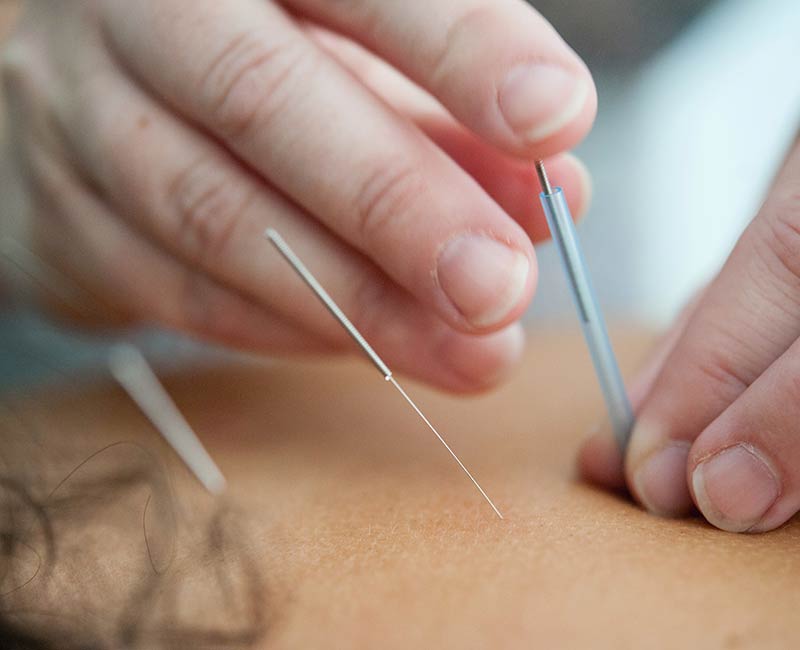
I would guess that is the single most common sentence said in my treatment room, and I would rather people say it out loud than quietly decide not to come. The mental image most people carry is a hypodermic needle — a hollow tube designed to push fluid through skin. An acupuncture needle is solid and closer to the width of a human hair. The two things are not really in the same category.

What she said it was actually like

“You don’t even feel them”

Her account: “It’s just amazing because you don’t even feel them, you know? I fall asleep in the treatments because they’re so relaxing.”

Falling asleep on the table is common enough that I stopped remarking on it years ago. It is also not incidental — when someone’s nervous system settles enough that they doze off, that shift is part of what we are after, not just a pleasant side effect.

Where the needles usually go

A review of 232 published reports on acupuncture for Ménière’s found the most frequently used points clustered around the head, the ear and the Shaoyang channels — Baihui (GV20) and Fengchi (GB20) as the most common pairing, with auricular points, Tinggong (SI19) and Yifeng (TE17) also recurring. That is local treatment combined with distal points, which is what you would expect for a problem centred on the inner ear.

Your points will not be identical to hers. Pattern, not diagnosis, decides the prescription.

If you are needle-averse

Say so at the start. There are gentler approaches — fewer needles, shallower insertion, and non-insertive options — and it is a much better conversation to have before the first treatment than halfway through it.

The Part That Happens at Home

The part of her account I find most useful is the part that happens without me in the room. She and her husband work a routine between appointments.

“We’ve been using the ointment. We spray on my shoulders, and Rich will rub that in. And then we spray up to right at the top of my ears and my hairline. And it’s really helped.”

Why that pattern makes sense

Two things stand out about how she does it

First, her husband does it. Care that requires a second person tends to actually happen, because someone else is holding you to it.

Second, the areas she names — the shoulders, the neck, the mastoid area behind and above the ears — are the ones I most often find tight in patients whose dizziness has a cervical component alongside their inner-ear diagnosis. Ménière’s and neck-driven dizziness are not mutually exclusive, and plenty of people carry some of both.

Build the smallest routine you will actually keep

Two minutes a day that happens beats twenty minutes a day that does not. Attach it to something you already do — before bed, after a shower — and ask at your next appointment whether it is the right two minutes for your pattern rather than copying someone else’s.

A note on what she is using

Her routine is hers, worked out in the clinic

The ointment, spray and gentle scraping she describes were chosen for her presentation, not prescribed off a list. If you want something similar, ask for it to be matched to what is actually going on with you — that is a five-minute conversation at an appointment, and it is worth having.

Why Between-Visit Care Matters With Ménière’s

Ménière’s does not keep office hours. Attacks come at 3 a.m., on a Sunday, three weeks into a stretch where everything had been going fine. The clinic visit is one hour out of a very long week, and what happens in the other 167 hours does a lot of the work — sleep, salt, stress load, hydration, and how quickly you have someone to ask when something changes.

Research

The autonomic angle is being studied seriously

In a single-blind randomized controlled trial, transcutaneous auricular vagus nerve stimulation added to betahistine produced significantly greater improvement than sham across dizziness handicap, tinnitus handicap, aural fullness and pure-tone thresholds at 12 weeks. Separately, an animal study of electroacupuncture at GV20 and SI19 found reduced cochlear hydrops and changes in the vasopressin–cAMP–aquaporin-2 signalling of the endolymphatic sac.

Neither of those is proof that acupuncture treats Ménière’s in humans, and I will not pretend otherwise. What they suggest is that the autonomic and fluid-regulation side of this condition is a real target — which is the same territory that daily habits, sleep and stress load occupy.

What that means for the other 167 hours

If autonomic state is part of the picture, then the things that move it — sleep timing, breath work, stress exposure, hydration and sodium — are not soft extras around the edges of treatment. They are part of the treatment, and they happen at home.

How I cover that gap

This is the reason I work with people through Chorus for Life Premium as well as in the treatment room. It is built for the between-visit part: assessments every two to four weeks, custom herbal, breath, diet and lifestyle protocols, live doctor-led sessions, and a secure portal so a question at 3 a.m. does not have to wait until the next opening in the schedule. It also includes a heart-rate-variability monitor, which gives you something objective to look at rather than guessing at your own stress load.

It is not a replacement for care from your physician or ENT, and it is not a treatment for Ménière’s disease. It is structured support for the daily terrain around it.

“When I get up in the morning and roll over, I don’t get dizzy anymore, so it’s just been so nice.”

— Valley Health Clinic patient

picture of Chrous Logo

Chorus for Life Premium

Care that covers the days between appointments

Full assessments every 2–4 weeks, custom herbal, breath, diet and lifestyle protocols, five live doctor-led sessions weekly, a heart-rate-variability monitor and 24/7 secure portal access. Your first month on Premium is free — cancel before the month is out and you are never charged.

If You Are Dealing With Dizziness

Her advice, unprompted, at the end of the interview: “I would tell them, go see Will Sheppy. He’s really, really good.”

I will take the compliment and then give you the more useful version of it.

Get the diagnosis right first

Ménière’s, BPPV, vestibular migraine and cervicogenic dizziness feel similar from the inside

They are managed very differently, and starting treatment for the wrong one wastes months. If you are dizzy most days and nobody has worked through that differential with you, that is the first appointment to make — not this one.

Once you know what you are working with, acupuncture is a reasonable thing to add. The research base is honestly still thin: most of what exists is small, and the mechanistic work on endolymphatic hydrops has been done in animals rather than people. I would rather tell you that than oversell it. What I can tell you is what I see in the clinic, what patients like this one report, and that the downside risk of trying it is low.

Please get evaluated by a physician right away — not by me, and not next week — if you have sudden hearing loss in one ear, a new severe headache alongside dizziness, double vision, slurred speech, weakness or numbness on one side, dizziness after a head injury, or vertigo that comes with chest pain or fainting. Those need a different kind of assessment than anything described here.

If you are already under the care of a physician or ENT for Ménière’s, keep that care. What I do sits alongside it.

References

Wu D, Liu B, Wu Y, Wang Y, Sun J, Yang J, Duan J, Liu G, Cao K, Zhang Y, Rong P. Meniere Disease treated with transcutaneous auricular vagus nerve stimulation combined with betahistine mesylate: a randomized controlled trial. Brain Stimulation. 2023;16(6):1576–1584. Link →

Wen J, Han P, Wu HH, Zhang ZD, Liu JX, Zhang X, Zhang XP, Jia CS, Li XF. Analysis on clinical application characteristics of acupuncture and moxibustion in the treatment of Meniere’s disease based on topology model by complex network. Acupuncture Research. 2022;47(10):918–926. Link →

Jiang L, He J, Chen X, Chen H. Effect of electroacupuncture on arginine vasopressin-induced endolymphatic hydrops. Journal of Traditional Chinese Medicine. 2019;39(2):221–228. Link → (animal study)

Chorus for Life Premium membership details. Link →

Research citations located via PubMed.

Share on

Will Sheppy, Founder and Acupuncturist at Valley Health Clinic
Willard Sheppy
Willard Sheppy is a licensed acupuncturist (LAc) and Founder of Valley Health Clinic specializing in using Traditional Chinese Medicine to treat acute injuries and chronic conditions, and to improve sports performance and rehabilitation.

FAQ's

Does acupuncture cure Ménière's disease?

No. Ménière’s is a chronic condition, and nothing described here treats or cures it. What patients often report is a change in specific symptoms — in this patient’s case, being able to roll over in bed in the morning without the room spinning. Keep your care with your physician or ENT; acupuncture sits alongside it.

The patient in this story noticed a clear difference by her fourth visit. That is roughly the point at which I expect to have a read on whether we are moving in the right direction — not a guarantee, but a fair checkpoint. If nothing has shifted by then, that is useful information and we change the plan.

Almost everyone says some version of “oh, needles” before their first appointment. An acupuncture needle is solid and closer to the width of a hair than to a hypodermic needle. This patient’s description was “you don’t even feel them” — and she added that she falls asleep during treatments because they are so relaxing.
This patient and her husband work a home routine of ointment and spray on the shoulders and up to the ears and hairline, plus gentle scraping. Patients who do something consistent between visits generally get more out of the visits. Ask at your appointment what makes sense for your situation rather than copying someone else’s routine.

Right away, if you have sudden hearing loss in one ear, a new severe headache with dizziness, double vision, slurred speech, one-sided weakness or numbness, dizziness after a head injury, or vertigo with chest pain or fainting. Those need a different kind of evaluation than anything on this page.

Recent Posts

Botanical Biohacking: Which Formula is Right for You?

Microgard Plus Herbal photo
19 minutes read

Botanical Biohacking: Which Formula is Right for You?

Willard Sheppy Dipl. OM, LAc, BS

Willard Sheppy is a licensed acupuncturist (LAc) and Founder of Valley Health Clinic specializing in using Traditional Chinese Medicine to treat acute injuries and chronic conditions, and to improve sports performance and rehabilitation.

Microgard Plus Herbal photo

Table of Contents

A patient sits down and tells me she’s cold all the time but wakes up sweating. Her tongue is red but her stools are loose. She’s exhausted and she can’t fall asleep. She’s thirsty and she doesn’t want to drink anything.

By the textbook, that’s three diagnoses at once, and two of them contradict each other. Early in my career I’d chase that in circles. What I understand now is that when the signs won’t resolve into one tidy picture, the disturbance usually isn’t a single organ. It’s an ecosystem — and ecosystems can run hot in one place and cold in another at the same time.

That is the idea the entire Botanical Biohacking catalog is organized around, and it’s why the line looks the way it does. This is the guide to the whole thing: who makes it, how the formulas map onto the terrain they’re meant for, what the published research honestly supports, and where to start.
Quick answer

Botanical Biohacking is a practitioner-founded Chinese herbal line built around the idea that many stubborn, contradictory symptom pictures come from disturbance in three internal ecosystems — the respiratory, gastrointestinal, and urogenital terrain. Each terrain has a cold-and-damp presentation and a hot-and-damp presentation, and each has a formula built for it. If you’re new to the line, most people start with Microgard for daily gut ground, then add the one tea that matches their pattern. Herbs aren’t neutral — anyone pregnant, nursing, on anticoagulants, or managing a chronic condition should talk to a qualified practitioner before starting.

Who is Botanical Biohacking

Botanical Biohacking is a small practitioner-facing herb house. Their formulas are developed and fine-tuned by clinicians — Dr. Jin Zhao, DTCM, formulates; Dr. Zhong Shi Hong, a pharmacology professor, adjusts; Dr. Xuelan Qiu, PhD, writes the practitioner education — and the herbs are sourced from specific growing regions rather than bought on the open market. Their Chai Hu is wildcrafted from the Tibetan plateau. Their Bai Zhu comes with a terroir story and a quality marker you can actually see when you cut the root.

I carry a product after it has earned shelf space in my own clinic, not before. That’s the whole standard at Valley Health Market, and it’s the reason this line is here: the formulas are classical, the herb quality is visibly better than commodity grade, and the company can tell you exactly how each batch was tested. Not the cheapest. The most trustworthy I’ve found.

The catalog splits into teas (one-month supplies, thirty teabags each), herbal micro-pills that need no brewing, and topicals — a foot soak and acupoint patches. There’s also the Stem & Leaf spinal line, four region-specific back teas, which has its own guide.

When the signs won't resolve into one tidy diagnosis, the problem usually isn't a single organ. It's an ecosystem — and ecosystems can run hot in one place and cold in another at the same time.

— Will Sheppy, L.Ac.

Why Your Symptoms Contradict Each Other

Temperature and moisture are what separate a rainforest from a desert. They’re also what separate one internal terrain from another — and the living communities inside you respond to those two variables exactly the way an ecosystem outside you does.

When those communities fall out of balance, the signs they produce stop lining up. You get hot and cold at once, dry and damp at once, depleted and congested at once. The picture refuses to resolve, because you’re not looking at one tissue misbehaving. You’re looking at growing conditions that have drifted.

The working method that follows from that is simple, and it’s the opposite of chasing symptoms:

  1. Look for signs of fluid accumulation in the three central terrains.
  2. Change the growing conditions — regulate fluid and temperature.
  3. Let balance return, and watch the contradictory signs resolve on their own.

That’s not a claim that herbs cure anything. It’s a description of where to aim.

The Three Terrains, and the Formula for Each

Three central terrains: respiratory, gastrointestinal, and urogenital. Each one has a cold presentation and a hot presentation, and in the first two the hot picture is simply the cold picture plus heat signs — so learn the cold one first.

The Respiratory Terrain

When it runs cold and damp: sleepy and slow to wake, brain fog, a generalized feeling of dread, dreams of being chased, no real desire to drink water, and needing to bear down to use the bathroom. When heat is added on top: real thirst, dry mouth, wanting cold drinks, yellow mucus, red eyes, headache, and a red tongue with a thick yellow coat.

The Gastrointestinal Terrain

Cold and damp: irregular bowel movements, soft stools, a pull toward lethargy or low mood, weak limbs, sleepiness. With heat: dry, hard, pellet-like stool with burning afterward, foul breath, frontal headache.

The Urogenital Terrain

Cold and damp: puffiness and water retention under the skin (the bags under the eyes), chronic fatigue, a history of fungal infections in the lower body, frequent urination, dry skin on the lower legs. With heat: the same terrain with yellowed discharge and urine, and often the dry “snake-skin” lower legs, sore or swollen knees, and toenail changes that go with damp-heat below the waist.

The Formulas That Aren't About Terrain

Not every complaint is an ecosystem problem. Some are circulation, some are the nervous system, some are the cycle, and some are simply pain that needs addressing while the slower work happens.

For back and neck pain specifically, the Stem & Leaf spinal teas take a different approach again — one tea per region of the spine, built on classical guide herbs. That line has its own guide.

What the Research Actually Shows

Herbal marketing has a bad habit of citing a mouse study as though it were a clinical trial. Here’s an honest map of this catalog, strongest evidence first.

Where there's real human trial evidence

Four formulas in this line stand on placebo-controlled or multicenter human data. Gui Zhi Fu Ling Wan — the base of Glow Tea — was tested in a randomized, double-blinded, placebo-controlled trial of 128 women with period pain and produced significantly greater reduction in pain and symptom scores over three cycles. Huo Xiang Zheng Qi, the base of Atone, was tested across 14 hospitals in 212 adults with diarrhea-predominant IBS and beat placebo on symptom relief.

Berberine — the compound Huang Bai is prized for, and which appears in both Microgard and Aquada — cut HbA1c roughly twice as much as placebo in a 409-patient multicenter diabetes trial, with the effect traced directly to a change in gut bacteria. And herbal foot baths have been studied properly for neuropathy: a systematic review of 63 trials found hand and foot baths reduced chemotherapy-induced nerve symptoms by about 31%.

A tier down, there is human data of modest quality. Xiao Yao San — Purple Star — has meta-analyses behind it for anxiety with insomnia and for post-stroke depression. Both found benefit; both also state clearly that the underlying trials were small and methodologically weak. Ling Gui Zhu Gan Tang, the formula behind Sol, has pooled human evidence for fatty liver and for cardiac arrhythmia, with the same caveat.

Where the evidence is laboratory-only

The mechanism stories that make this line interesting are mostly animal work, and I’ll say so. Er Chen Tang’s effect on lipids and blood-vessel lining is a mouse study. Coix seed’s effect on gut bacteria is a mouse study. San Ren Tang — inside both Wind and Peak — has no human trials indexed in English at all. Er Miao San, behind Aquada, is rodent and computational only. Berberine’s much-discussed ability to disrupt bacterial biofilms and quorum sensing is real and quite striking — and entirely in test tubes.

What that adds up to

None of this means the formulas don’t work. Two thousand years of clinical use is a form of evidence, and it’s the form most of Chinese medicine rests on. It means you should be suspicious of anyone — including me — who tells you a tea has been proven to do something.

How It's Sourced and Tested

Every batch is tested before formulation for three classes of contamination: heavy metals (lead, cadmium, arsenic, mercury), pesticide residue — which even herbs labeled organic can pick up from neighboring fields — and microbial load including bacteria, mold, and aflatoxins. Growers test first, then the company re-tests at a contracted lab. A batch that fails either round doesn’t enter the line.

Batches are also checked for active-compound concentration and water content. Herbs are sulfur-free, ground and sieved, with thicker pieces reground so they dissolve evenly, then dried and UV-sterilized before packing.

If a supplier can’t tell you their contamination-testing protocol, that’s the question to ask. It’s a fair question to ask me, too.

Microgard

The Botanical Biohacking Line

Teas, herbal micro-pills, foot soaks, and acupoint patches — practitioner-formulated, batch-tested, and stocked at Valley Health Market.

Where to Start

The most common mistake is starting three things at once and learning nothing from any of them.

If you’d rather not guess, that’s what a consultation is for. Bring your tongue, your sleep, and your bathroom habits — those three tell me more than a symptom list does.

Who Should Talk to a Practitioner First

Talk to a qualified practitioner before starting any of these if you are pregnant or trying to become pregnant, nursing, taking anticoagulants or antiplatelet medication, managing a chronic condition, or taking prescription medication of any kind. Herb-drug interaction is not theoretical: an exploratory study in healthy volunteers found Er Chen Tang increased the anti-platelet effect of low-dose aspirin.

Two more specifics worth naming. Tian Hua Fen, in Microgard Plus, is contraindicated in pregnancy. And Wind and Peak are built on San Ren Tang, which the tradition itself warns is no panacea — used indefinitely it can deplete the qi it’s meant to free up.

Herbs also don’t replace a diagnosis. Symptoms that are new, severe, rapidly worsening, or accompanied by fever, unexplained weight loss, or blood need medical evaluation first. A tea is a companion to good care, not a substitute for finding out what’s wrong. If you’re local to Albany and want help, call the clinic at 541-760-9670.

References

  1. Luo Y, Mao P, Chen P, et al. Effect of Guizhi Fuling Wan in primary dysmenorrhea: A randomized controlled trial. Journal of Ethnopharmacology. 2023;307:116247. Link
  2. Guo X, Cheng T, Xuan M, et al. Huoxiang Zhengqi oral liquid for irritable bowel syndrome with diarrhea: a multicenter, double-blind, randomized controlled trial. Phytomedicine. 2025;149:157567. Link
  3. Zhang Y, Gu Y, Ren H, et al. Gut microbiome-related effects of berberine and probiotics on type 2 diabetes (the PREMOTE study). Nature Communications. 2020;11(1):5015. Link
  4. Liu Y, May BH, Zhang AL, et al. Integrative Herbal Medicine for Chemotherapy-Induced Peripheral Neuropathy and Hand-Foot Syndrome in Colorectal Cancer: A Systematic Review and Meta-Analysis. Integrative Cancer Therapies. 2018;18:1534735418817833. Link
  5. Huang HY, Lin YP, Wei H, et al. Effect and Safety of Herbal Medicine Foot Baths in Patients with Diabetic Peripheral Neuropathy: A Multicenter Double-Blind Randomized Controlled Trial. Chinese Journal of Integrative Medicine. 2024;30(3):195–202. Link
  6. Hu J, Teng J, Wang W, et al. Clinical efficacy and safety of traditional Chinese medicine Xiao Yao San in insomnia combined with anxiety. Medicine (Baltimore). 2021;100(43):e27608. Link
  7. Bak J, Jin H, Yun JM, Leem J. Effects of modified Soyo-san combined with antidepressants on post-stroke depression and functional recovery: a systematic review and meta-analysis. Frontiers in Pharmacology. 2026;16:1651831. Link
  8. Lu Y, Nie L, Yang X, et al. Lingguizhugan Decoction in the Treatment of Non-Alcoholic Fatty Liver Disease: A Systematic Review and Meta-Analysis. Endocrine, Metabolic & Immune Disorders Drug Targets. 2025;25(13):1060–1072. Link
  9. Chen J, Ye C, Yang Z, et al. Erchen decoction to reduce oxidative stress in dyslipidemia phlegm-dampness retention syndrome mice. Phytomedicine. 2023;115:154808. (Animal study.) Link
  10. Liu S, Li F, Zhang X. Structural modulation of gut microbiota reveals Coix seed contributes to weight loss in mice. Applied Microbiology and Biotechnology. 2019;103(13):5311–5321. (Animal study.) Link
  11. Aswathanarayan JB, Vittal RR. Inhibition of biofilm formation and quorum sensing mediated phenotypes by berberine in Pseudomonas aeruginosa and Salmonella Typhimurium. RSC Advances. 2018;8(63):36133–36141. (In vitro.) Link
  12. Shan B, Chen T, Huang B, et al. Untargeted metabolomics reveal the therapeutic effects of Ermiao wan categorized formulas on rats with hyperuricemia. Journal of Ethnopharmacology. 2021;281:114545. (Animal study.) Link
  13. Zhang S, Li B, Han X, et al. Sanren decoction ameliorates ulcerative colitis by modulating gut microbiota and macrophage polarization. Chinese Medicine. 2025;20(1):128. (Animal study.) Link
  14. He X, Chen X, Yang Y, et al. Acorus calamus var. angustatus Besser: ethnopharmacological use, phytochemistry, pharmacology, toxicology, and pharmacokinetics. Phytochemistry. 2023;210:113626. Link
  15. Hwang I, Kim JH, Song J, et al. Pharmacokinetic and pharmacodynamic herb-drug interaction of aspirin with Ijintang (Er Chen Tang): An exploratory study in healthy adults. Journal of Ethnopharmacology. 2025;356:120776. Link
  16. Seo J, Lee H, Lee D, Jo HG. Dangguijagyag-san for primary dysmenorrhea: A PRISMA-compliant systematic review and meta-analysis of randomized-controlled trials. Medicine (Baltimore). 2020;99(42):e22761. Link

A note on evidence: several formulas in this line have genuine human trial data behind them and several do not. Where the research is animal or laboratory work, the text above says so. Traditional use is not the same as clinical proof, and we won’t present it as such.

Educational content rooted in 20+ years of clinical practice in Traditional Chinese Medicine. The information provided is for educational purposes and is not intended to replace consultation with a qualified healthcare practitioner. Please consult your physician before starting any new herbal protocol, especially if pregnant, nursing, on anticoagulants, or managing a chronic condition.

Share on

Will Sheppy, Founder and Acupuncturist at Valley Health Clinic
Willard Sheppy
Willard Sheppy is a licensed acupuncturist (LAc) and Founder of Valley Health Clinic specializing in using Traditional Chinese Medicine to treat acute injuries and chronic conditions, and to improve sports performance and rehabilitation.

FAQ's

What is Botanical Biohacking?

Botanical Biohacking is a practitioner-founded Chinese herbal line — teas, herbal micro-pills, a foot soak, and acupoint patches — formulated by clinicians and batch-tested for heavy metals, pesticide residue, and microbial load before formulation. Valley Health Market carries the line because it has earned shelf space in the clinic first.

Most people start with Microgard for daily gut ground, then add one tea matched to their pattern. Match by terrain: respiratory (Wind, Peak, Warm Hearth, Atone), gastrointestinal (Microgard, Microgard Plus, Atone), or urogenital (Sol, Aquada). Add one thing at a time and give it a few weeks — starting three at once teaches you nothing about any of them.

Because temperature and moisture differentiate every ecosystem, including the ones inside you — and an ecosystem can run hot in one place and cold in another at the same time. When the internal terrain drifts, the signs it produces stop lining up into one tidy diagnosis. The approach is to change the growing conditions rather than chase each contradictory sign.

For some, yes. Gui Zhi Fu Ling Wan (behind Glow Tea) beat placebo in a randomized double-blind trial for period pain; Huo Xiang Zheng Qi (behind Atone) beat placebo in a 14-hospital IBS trial; berberine, in Microgard and Aquada, outperformed placebo in a 409-patient diabetes trial; and herbal foot baths have systematic-review evidence for neuropathy symptoms. For others — San Ren Tang, Er Miao San, Er Chen Tang’s lipid effects, coix seed’s microbiome effects — the published work is animal or laboratory only, and we say so rather than dressing it up.

Yes. Anyone pregnant, trying to conceive, nursing, taking anticoagulant or antiplatelet medication, managing a chronic condition, or on prescription medication should talk to a qualified practitioner first — herb-drug interactions are real, and one study found Er Chen Tang increased the anti-platelet effect of low-dose aspirin. Tian Hua Fen, in Microgard Plus, is contraindicated in pregnancy. And symptoms that are new, severe, rapidly worsening, or come with fever, unexplained weight loss, or blood need medical evaluation first.

Recent Posts

Ménière’s Disease & Vertigo Specialist

4 minutes read

Ménière’s Disease & Vertigo Specialist

Willard Sheppy Dipl. OM, LAc, BS

Willard Sheppy is a licensed acupuncturist (LAc) and Founder of Valley Health Clinic specializing in using Traditional Chinese Medicine to treat acute injuries and chronic conditions, and to improve sports performance and rehabilitation.

Table of Contents

Will Sheppy is a licensed acupuncturist and founder of Valley Health Clinic in Albany, Oregon, with more than 20 years of experience in Traditional Chinese Medicine. He has built one of the region’s most trusted practices for one of medicine’s most frustrating and least-understood conditions: Ménière’s disease and chronic vertigo.

“He doesn’t just treat Ménière’s — he lives with it.”

Lived Experience, Real Results

What sets Will apart is that he is a fellow Ménière’s patient. He knows firsthand the dizziness, ear pressure, tinnitus, and the helplessness of never knowing when the next attack will hit. That lived experience drives a practice known for results — especially among the high-stress, high-achieving patients who so often struggle with vertigo, dizziness, and blood-pressure issues. Using acupuncture, qi gong, and herbal medicine, Will has helped these patients regain control of a condition that so often leaves people feeling powerless.

Backed by Research

Ménière’s is famously hard to treat, with few effective conventional options. Yet a growing body of evidence supports the approach Will uses every day:
Systematic reviews have found that acupuncture shows a beneficial effect for people with Ménière’s — both during acute episodes and for those who have lived with it for years. https://www.frontiersin.org/journals/ medicine/articles/10.3389/fmed.2024 .1463821/full
Recent meta-analysis evidence indicates that acupuncture — alone or combined with conventional care — can outperform Western medicine alone, reducing dizziness, tinnitus, and ear-fullness symptoms
https://www.jkmood.org/archive/ view_article?pid=jkmood-38-2-19
Acupuncture has likewise shown promise for vertigo more broadly, improving vertigo and headache symptoms compared with conventional drug therapy.

A Whole-Picture Approach

Will’s method goes beyond chasing vertigo attacks. He maps the comorbidities that drive Ménière’s — neck tension, gut and inflammation patterns, allergies, vestibular migraines, and a nervous system stuck in “fight or flight” — using Chinese medicine diagnostics to help patients finally understand what’s happening in their own bodies.

Bai Zhu Balance

Ancient wisdom for modern balance. Will developed Bai Zhu Balance, an herbal formula designed specifically to address the root issues behind Ménière’s — supporting fluid regulation, calming inflammation, and restoring clarity.
Learn more at baizhubalance.com

Bai Zhu Balance

Ancient Wisdom for Modern Balance
The natural supplement designed to treat Ménière’s disease at its root—relieve vertigo, reduce fluid buildup, calm inflammation, and restore clarity.

There Is Hope

Will’s message is simple and honest: there is hope. It isn’t an easy road, and it isn’t a pill — but for patients willing to do the work, he offers the tools, the understanding, and the support to take their lives back from a disease that thrives on uncertainty.

Share on

Will Sheppy, Founder and Acupuncturist at Valley Health Clinic
By Will Sheppy, L.Ac
Will Sheppy, L.Ac., is the founder of Valley Health Clinic and Valley Health Marketplace in Albany, Oregon. He specializes in sports acupuncture, pain management, and Chinese topical medicine. Valley Health Marketplace carries only products he has personally tested in his clinic.

Recent Posts

Frequently Asked Questions About Gut Health, Probiotics, and Gut Harmony

11 minutes read

Frequently Asked Questions About Gut Health, Probiotics, and Gut Harmony

Brehan Crawford

Brehan Crawford is a licensed acupuncturist, herbalist, educator, and the founder of Gut Harmony. He graduated in 2009 from the Oregon College of Oriental Medicine with a Master’s degree in Acupuncture and Oriental Medicine, and went on to complete five years of advanced clinical residency at the Hai Shan Clinic. During this time, he studied Chinese herbal medicine under the direct supervision of Heiner Fruehauf, a renowned scholar and clinician known for his work with chronic infectious and recalcitrant medical conditions.

Brehan Crawford, Owner of Crawford Wellness

Table of Contents

FAQs About Gut Health, Probiotics, and Gut Harmony

A clinical conversation with Brehan Crawford, founder of Gut Harmony
In this interview, I sat down with Brehan Crawford to answer the most frequently searched questions about gut health, probiotics, the microbiome, and Gut Harmony. These are real questions people are typing into Google every day and the answers are often more nuanced than marketing headlines suggest.
This article will explain how fiber really works, how Traditional Chinese Medicine (TCM) helps us understand fiber tolerance, and why formulas like Gut Harmony focus on feeding beneficial bacteria rather than forcing probiotics into an already stressed system.

What is the difference between Gut Harmony and probiotics?

Gut Harmony is made from plants. Probiotics are made from bacteria.
Most commercial probiotics contain bacteria that are dead by the time you ingest them, or they die quickly due to stomach acid and immune defenses. Statistically, the vast majority of probiotics do very little for most people.
Gut Harmony does not contain bacteria at all. Instead, it is a plant-based formula composed of sixteen herbs that act as prebiotics they feed and shape the bacteria you already have.
Rather than trying to “add” new organisms, Gut Harmony works by changing the environment of the gut so your existing, native flora can rebalance themselves.

Why do probiotics help some people and make others worse?

Probiotics statistically help a very small percentage of people often cited at around 1% or less. They can also make a similarly small percentage feel worse.
If a probiotic strain happens to survive digestion and happens to match what your gut ecosystem needs, it may help. If it survives and is the wrong strain for your system, it can worsen symptoms such as bloating, gas, or inflammation.
Most of the time, probiotics simply pass through without colonizing.
Think of it like gardening. Dropping plants into frozen soil doesn’t create a garden. You must first prepare the environment.

Is Gut Harmony just probiotics without the bacteria?

No.
Gut Harmony contains prebiotic plants, not bacterial organisms. Several herbs in the formula selectively feed beneficial bacteria:
In addition, Gut Harmony helps thin excessive mucus and biofilm, which allows healthy bacteria already present to thrive again.
This is ecological repair, not bacterial replacement.

What mistake do most people make with gut supplements?

Two major mistakes:

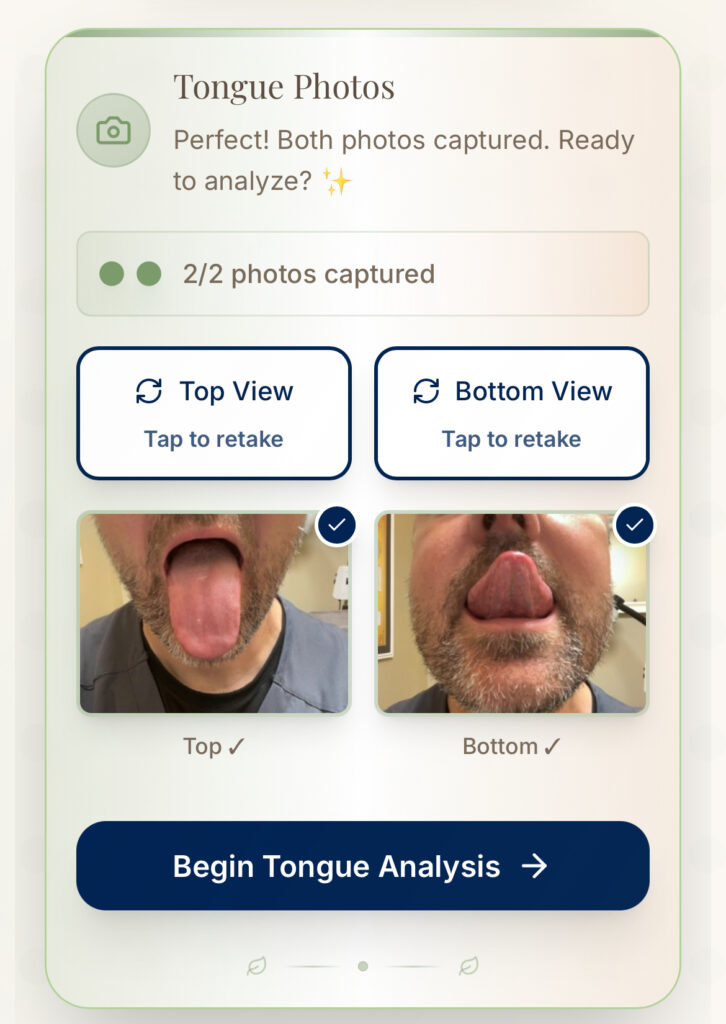
First, people take the wrong supplement for their pattern. Gut Harmony is not appropriate for everyone. Tongue diagnosis used extensively in Chinese medicine can give important clues.
Gut Harmony helps, a thick tongue coating which often correlates with excess biofilm and stagnation. A cracked, dry, or peeled tongue suggests deficiency, where Gut Harmony is not be appropriate.
Second, people assume supplements alone will fix gut health.Even the best formula cannot overcome a diet entirely lacking fiber or overloaded with sugar, alcohol, and processed fats.
That said, perfection is not required. Gut health improves with consistency, not rigidity.

What helps gut inflammation naturally?

Inflammation itself is not inherently bad. Controlled inflammation is necessary for healing and tissue turnover in the gut.
Problems arise when inflammation becomes excessive or deficient.
Many culinary spices ginger, cinnamon, cloves, fennel naturally regulate gut inflammation.
Chronic over-restriction, such as long-term raw or cold diets, can suppress necessary inflammatory warmth and predispose to fungal overgrowth such as Candida.

Try Gut Harmony Today

Ready to support your gut naturally? Buy Gut Harmony now and start feeling the difference within weeks

Why does Gut Harmony work when probiotics fail?

Because Gut Harmony works on motility, fluid secretions and enzymes, and intestinal environment, not just microbes.
The formula supports:
Motility is one of the most underappreciated aspects of gut health. The gut is not static it must move rhythmically. Stress directly disrupts this system.
Research context:
Bile secretion/bile acids as a “master gardener” of gut flora (bile strongly shapes microbiome ecology)

What should you feel when a gut supplement is working?

You should feel better.
Clinically, Gut Harmony tends to help people who feel relief after bowel movements. If abdominal discomfort improves after stool passage, it suggests an excess pattern that Gut Harmony often addresses well.
If discomfort worsens after bowel movements, the formula is likely not appropriate.
Pressure testing can also help:
These patterns correlate with nitric oxide and hydrogen sulfide signaling in the colon.

How do I know if my microbiome is unhealthy?

Key signs include:
A healthy bowel pattern is typically 1–3 easy, complete bowel movements daily.
Tongue coating often changes before symptoms appear, acting as an early warning sign.

Can probiotics cause bloating or gas?

Yes, if they do anything at all.
Short-term bloating (3–5 days) can occasionally indicate microbial shifts. With Gut Harmony, temporary bloating sometimes occurs during early biofilm breakdown, but it typically resolves within one to two weeks.
Tongue changes and bowel regularity are better indicators than gas alone.

Share on

Brehan Crawford

Brehan has pursued extensive post-graduate training with leading practitioners in the field and has pioneered innovative approaches to using Chinese herbal medicine in the treatment of chronic infections, including Lyme disease and associated coinfections. His primary clinical focus is working with patients suffering from chronic Lyme disease, as well as complex conditions such as chronic pain, fibromyalgia, chronic fatigue, neurovascular disorders including stroke rehabilitation and neuropathy and oncology support.

In addition to his clinical work, Brehan is a respected educator who regularly teaches Chinese Medicine professionals advanced herbal strategies for complex, chronic cases and long-term disease management. He is widely known for his gentle, compassionate approach to patients who have often spent years or decades searching for effective care. Outside of practice, Brehan is a devoted husband and father who enjoys singing, cooking, hiking, and practicing martial arts.

FAQ's

About Microgard
What is Microgard?
Microgard is a 16-herb formula evolved from the traditional digestive remedies Bao He Wan and Po Chai Pills, refined for functional dyspepsia (chronic indigestion). It addresses multiple causes of persistent upset stomach at the same time, from poor motility to inflammation and gut-brain signaling.
Take 8–25 micro pills, 2–3 times daily, or follow your healthcare practitioner’s instructions. Because these are micro pills — much smaller than standard capsules or tablets — the dosage may sound high, but the tiny size makes them easy to swallow and adjust to your needs.
Each bottle contains 18 g of traditional micro pills. Since there are no preservatives, keep the bottle in a cool, dry place and refrigerate after opening. For best results, finish the bottle as soon as possible once opened.
If you eat a Standard American Diet, have chronic indigestion (functional dyspepsia) or other digestive symptoms, and have signs of gut dysbiosis like a thick tongue coating, Microgard is likely a good formula for you. If you are unsure about Microgard, contact a TCM professional (licensed acupuncturist) who can determine if it’s the best fit.
Yes. Microgard contains no additives or preservatives, only the 16 traditional herbs. Ingredients are sourced from authentic growing regions, verified by TCM botanical experts, and tested for purity, heavy metals, and pesticide residues at a Chinese FDA-certified lab.
Microgard is not suitable during pregnancy, or for people with Celiac Disease. Consult your healthcare practitioner if you are nursing or taking medications.
Many people notice reduced bloating and post-meal heaviness within 1–2 weeks. More complete resolution of functional dyspepsia symptoms develops over several months as digestive function rebalances.
Most digestive aids only target one problem acid blockers reduce acid, enzymes help with breakdown, probiotics support gut bacteria. Microgard does all three plus more: improving motility, calming inflammation, protecting the stomach lining, and regulating the gut-brain axis. That’s why it’s uniquely effective for complex conditions like functional dyspepsia.
Microgard is manufactured by Botanical Biohacking, using time-honored herbal methods combined with modern GMP-certified quality testing to ensure safety and potency.

Why doesn’t adding bacteria always fix gut problems?

Because bacteria are fragile and difficult to establish.
The only consistently effective bacterial intervention recognized by the FDA is fecal microbiota transplantation for severe C. difficile infection. This highlights how hard true colonization is.
Most probiotics simply cannot replicate that effect.

How long does Gut Harmony take to work?

Most people notice changes within two weeks. By 30 days, it is usually clear whether the formula is a good fit.
This timeframe reflects the natural turnover and rebalancing rate of the gut microbiome.
Many patients take probiotics for years without benefit because they are addressing the wrong mechanism. Gut Harmony focuses on restoring ecological balance supporting digestion, motility, inflammation, and microbial terrain.
As Brehan emphasized repeatedly: watch your tongue, observe your digestion, and pay attention to how your body responds. Gut health is not about force it is about alignment.

Natural Alternatives to Ibuprofen

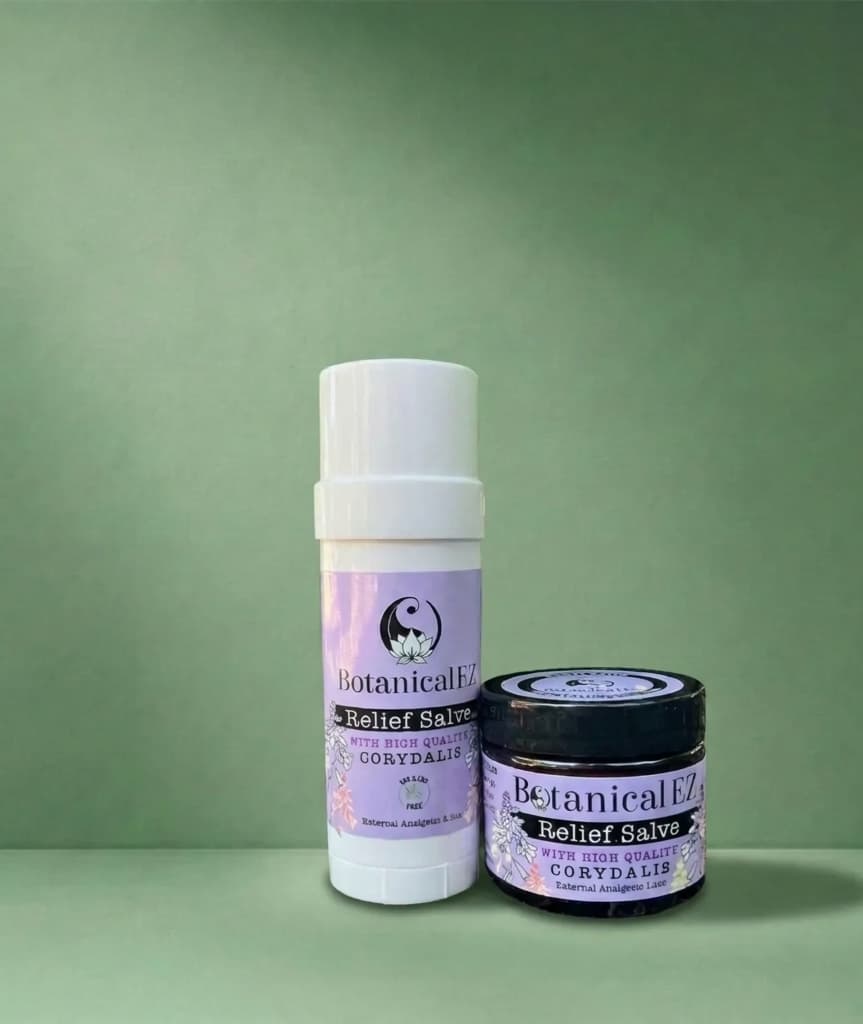
Botanical EZ Relief Salve and Flower
8 minutes read

Natural Alternatives to Ibuprofen

Will Sheppy, Founder and Acupuncturist at Valley Health Clinic
Willard Sheppy Dipl. OM, LAc, BS

Willard Sheppy is a licensed acupuncturist (LAc) and Founder of Valley Health Clinic specializing in using Traditional Chinese Medicine to treat acute injuries and chronic conditions, and to improve sports performance and rehabilitation.

Botanical EZ Relief Salve and Flower

Table of Contents

If you’re searching for alternatives to ibuprofen, you’re probably in one of two camps: either ibuprofen works but your stomach (or kidneys) can’t tolerate it, or you’re on medications (like blood thinners) that make NSAIDs a bad idea. In clinic, I see this all the time—people who still need real pain support, but can’t play roulette with gut irritation, bleeding risk, or medication interactions.
The good news: you have options. And some of the best ones don’t try to “bulldoze” pain—they support circulation, calm irritated nerves, and help tissue settle down so your body can actually finish healing.

Why Some People Need Alternatives to Ibuprofen

Ibuprofen is an NSAID (non-steroidal anti-inflammatory drug). It can be very effective for short-term pain and inflammation, but it’s not low-risk for everyone.

Common reasons people need alternatives to ibuprofen:

This is where herbal medicine—used appropriately—can be genuinely useful.

The Herb I Keep Coming Back To: Corydalis
(Yan Hu Suo)

In the transcript above, I mentioned an herb called Yan Hu Suo, commonly referred to as Corydalis. It’s been used traditionally for pain patterns associated with “stagnation” (think: tight, stuck, sharp, or persistent pain).

What modern research says (in plain language):

Clinical translation: I don’t position Corydalis as a magic bullet. I position it as a serious, historically used pain herb that can be especially practical when used topically, and strategically helpful when used internally in formulas.

AOYI Tea: Internal Support When NSAIDs Aren’t an Option

If you want an internal option that fits the “can’t take ibuprofen” crowd, this is why I like AOYI Tea.
In people with Ménière’s disease, ear pressure and inflammation can aggravate cervical nerves, while chronic neck tension can, in turn, worsen vestibular symptoms. Over time, many patients develop asymmetrical neck pain that reinforces this feedback loop.

AOYI Tea combines:

What patients tend to notice:

If you want to read the ingredient breakdown and intended use, see the product page here.
Practical use (general): many people do well with a consistent short course rather than random one-off use—because you’re supporting a process, not flipping a switch.
Ao Yi Tea
AoYi Tea is a traditional Tibetan Chinese herbal formula used for centuries to support the body’s natural ability to relieve discomfort, move stagnation, and restore circulation.

Corydalis Relief Salve: Topical Support for Nerve and Muscle Pain

When people can’t tolerate NSAIDs, topical strategies become a core part of the plan—because they can be effective while keeping systemic exposure lower.

Corydalis Relief Salve is built around Corydalis extract and is commonly chosen for:

You can learn more about the salve here.

The “double duo” approach (what I do clinically)

If pain is persistent, I often prefer a layered approach:

Not because more is always better—but because pain is rarely one-dimensional. You’re dealing with local tissue irritation, circulation, and nervous system sensitivity at the same time.

Other Evidence-Based Natural Alternatives to Ibuprofen

If you want a broader toolkit, here are options that many people use—each with a different “job”.

1) Topical options with research support

2) Anti-inflammatory nutrition strategies (slow-burn, high payoff)

3) Movement as medicine (the overlooked analgesic)

If you can find a way to move that doesn’t spike symptoms—walking, mobility work, gentle strength—this often reduces pain over time by improving circulation and changing the nervous system’s “alarm settings.”
If you’re on blood thinners or have complex medical conditions, be cautious with any supplement that can affect bleeding or interact with medications, and coordinate with your clinician.

The “Double Duo” Approach (Internal + Topical)

If you’re trying to replace ibuprofen with something that actually holds up in real life, this is the simplest approach I recommend:
This pairing matters because pain is rarely one-dimensional. You’re usually dealing with some mix of:

Key Takeaways

Share on

Will Sheppy, Founder and Acupuncturist at Valley Health Clinic
By Will Sheppy, L.Ac
Willard Sheppy is a licensed acupuncturist (LAc) and Founder of Valley Health Clinic specializing in using Traditional Chinese Medicine to treat acute injuries and chronic conditions, and to improve sports performance and rehabilitation.

FAQ's

About Microgard
What’s the best alternative to ibuprofen for people on blood thinners?
It depends on the pain type and your medical situation, but many people do best with topical options, plus a practitioner-guided internal plan. NSAIDs + anticoagulants can significantly increase bleeding risk.
No. Corydalis contains alkaloids that have been studied for pain-modulating activity, including opioid-receptor-related pathways in preclinical research, but it is not the same as prescription opioids—and human evidence is still limited compared to pharmaceuticals.
That’s the “internal + topical” pairing I referenced in the transcript and commonly use as a practical strategy when NSAIDs aren’t tolerated.

References

Ibuprofen safety / GI bleeding & ulcer risk (MedlinePlus):

https://medlineplus.gov/druginfo/meds/a682159.html

DHCB (Corydalis compound) research article (PubMed record):

https://pubmed.ncbi.nlm.nih.gov/24388848/

Full text version on PubMed Central

https://pmc.ncbi.nlm.nih.gov/articles/PMC3912990/

Botanical EZ Relief Salve and Stick Together on Bark

Call to Action: A Practical NSAID-Free Pain Plan

If ibuprofen tears up your stomach, doesn’t mix with your meds, or just isn’t the strategy you want long-term, here’s the simplest place to start:
This is “real medicine” in the sense that it respects how pain actually works: not just inflammation, but circulation, nerve sensitivity, and tissue recovery—together.

Which Is Better Zheng Gu Shui, Evil Bone Water, or Biofreeze?

13 minutes read

Which Is Better: Zheng Gu Shui, Evil Bone Water, or Biofreeze?

Will Sheppy, Founder and Acupuncturist at Valley Health Clinic
Willard Sheppy Dipl. OM, LAc, BS

Willard Sheppy is a licensed acupuncturist (LAc) and Founder of Valley Health Clinic specializing in using Traditional Chinese Medicine to treat acute injuries and chronic conditions, and to improve sports performance and rehabilitation.

Table of Contents

When It Comes to Topical Pain Relief, the Details Matter

As an acupuncturist, I use topical sprays every single day in the clinic. They’re not all the same. 

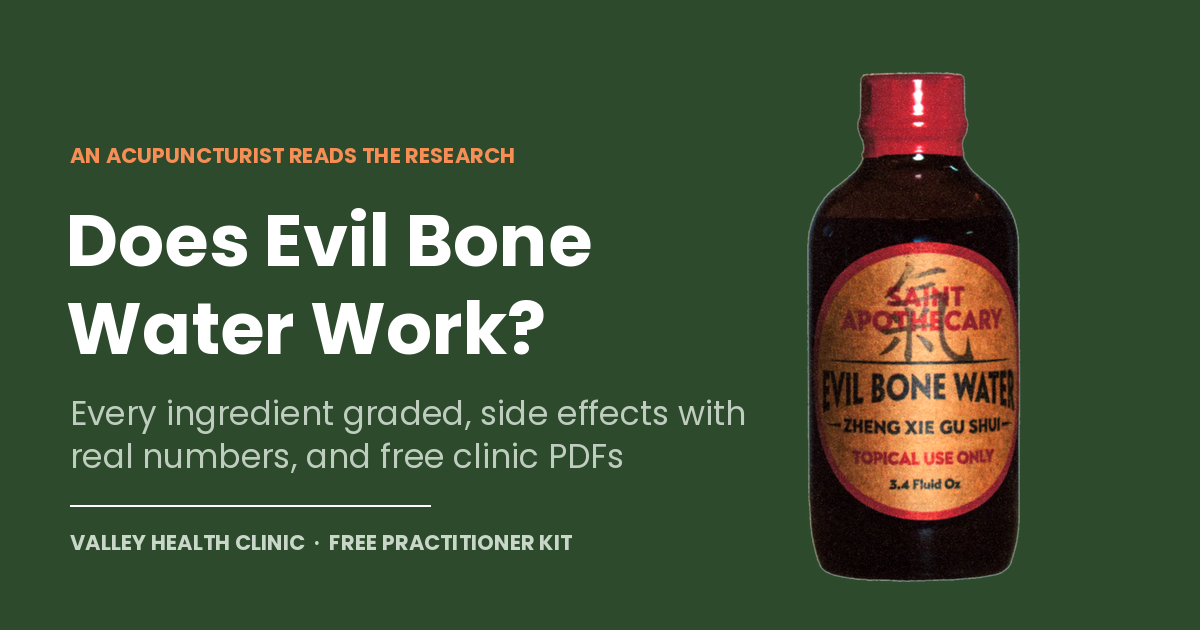
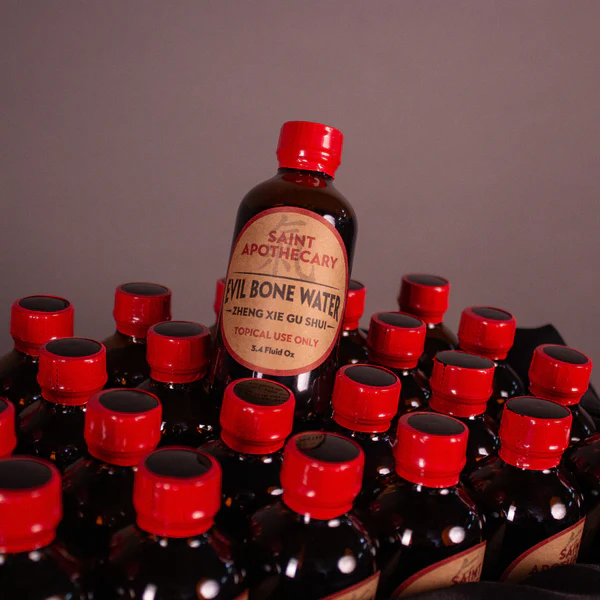
When it comes to topical pain relief, choosing the right topical matters. Zheng Gu Shui is a traditional Chinese herbal liniment with centuries of use. Evil Bone Water is a contemporary, handcrafted version of Zheng Gu Shui, made with high-grade herbs. Biofreeze gel is a widely used menthol-based analgesic. .

Below is a clear, experience-based comparison written for patients based on what I actually use, what I don’t, and why.

Key Takeaways

Video Comparison: Side-by-Side Spray Test

Video: Biofreeze vs Evil Bone Water: Side-by-Side Spray Test & Residue Comparison

https://youtube.com/shorts/o9-y46R47JQ?feature=share

In this video, I spray Biofreeze and Evil Bone Water side by side and let them dry.

What stood out immediately: Biofreeze dried into a crusty, filmy residue, while Evil Bone Water evaporated cleanly with no tacky film

Comparison Chart: Biofreeze vs Zheng Gu Shui vs Evil Bone Water

Feature

Biofreeze Gel

Zheng Gu Shui

Evil Bone Water

Typical Price (3–4 oz)

$11–$15+

$20–$35+

$40–$42+

Active Ingredients

Menthol 4%

Camphor 5.6%, Menthol 5.6%

Natural camphor, natural menthol

Herbal Components

Aloe, arnica, burdock (supporting extracts)

Blood-moving trauma herbs: knotweed, swallowwort, prickly ash, zedoary

Chronic injury & healing herbs: San-Qi, Gui Pi, E Zhu, Bai Zhu, Hu Zhang, Huang Qin, more

Alcohol Base

Yes (isopropyl alcohol)

Yes (alcohol + water)

Yes (high-proof alcohol)

Residue / Sensation

Cooling; can leave a tacky film; won’t stain

Cooling; dries clean; may stain

Warming + cooling; dries clean; may stain

Healing Support

Short-term symptom relief

Traditional support for acute injury

Enhanced support for inflammation & chronic pain

If you’re dealing with lingering pain or an injury that just won’t fully resolve, this is the topical I reach for in my clinic.

Evil Bone Water goes beyond surface cooling and is designed to support circulation, inflammation, and tissue recovery.

Try Evil Bone Water and feel the difference.

How I Use These in Practice

I use Biofreeze and Evil Bone Water in my clinic—but for very different reasons.

Why I Use Biofreeze

Biofreeze is useful because it’s:
I use Biofreeze when I’m not trying to heal tissue, but when I need:
Specifically, I use it:
In those moments, Biofreeze does its job.

What I Don’t Like About Biofreeze

I recently ran a simple test in the clinic: Biofreeze on one surface, Evil Bone Water on another, camera rolling, then wait.

What I saw surprised me.

Biofreeze dried into a visible, grimy film.

That matters because:
So while Biofreeze is a helpful tool, I don’t see it as something that supports long-term healing.

Why I Don’t Use Solstice Zheng Gu Shui in the Clinic

I don’t use the Solstice Med version of Zheng Gu Shui not because the formula is bad historically, but because it doesn’t work for a busy clinic.
My reasons are straightforward:
For occasional personal use? Fine.
For consistent clinical work? It doesn’t fit.

Why I Use Evil Bone Water

When I’m actually trying to reduce inflammation, improve circulation, and help tissue recover, this is what I reach for.

I use Evil Bone Water when:

What I Like:

What I don’t like:

Even with those downsides, I still choose it because healing, not convenience, is the goal.

Ingredient Philosophy

Biofreeze: Modern Pharmaceutical Logic

Biofreeze’s inactive ingredients come from:
  1. Pharmaceutical formulation science (delivery, texture, stability)
  2. Cosmetic dermatology (skin feel, irritation reduction)
  3. Wellness signaling (plant extracts that look natural but aren’t part of a true herbal system)
These ingredients help the product feel good—but they’re not working together as a medicinal formula.

Zheng Gu Shui: Acute Trauma Logic

Zheng Gu Shui is designed to:

It’s intentionally strong and simple—ideal for fresh sprains, bruises, and impact injuries, but not built for long-term tissue repair.

Evil Bone Water: Chronic Injury & Repair Logic

Evil Bone Water keeps the trauma-clearing foundation but expands it:

That shift from “stop pain now” to “help tissue heal” is why it performs differently.

The Bottom Line

Evil Bone Water

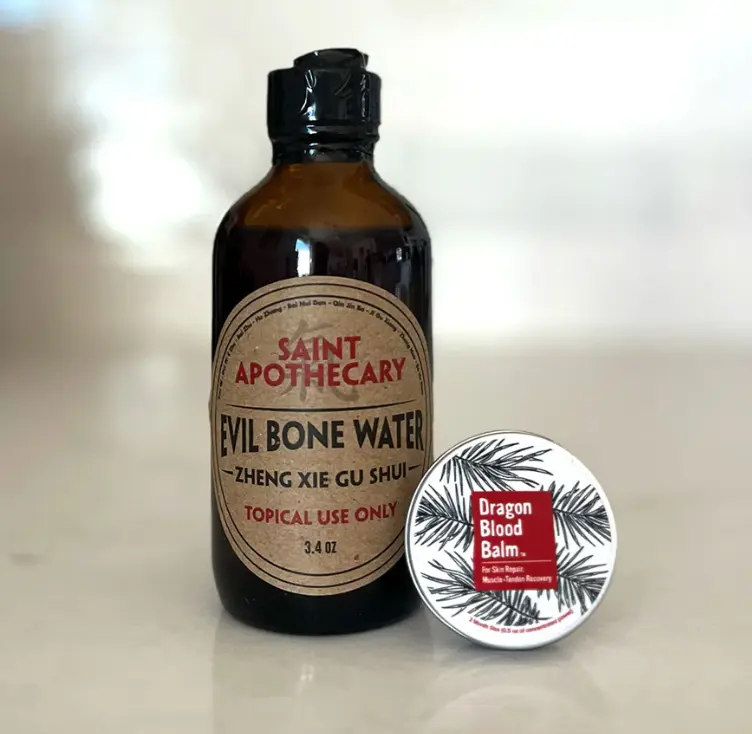
Evil Bone Water (Zheng Gu Shui) is a Chinese topical medicinal hand-crafted with only empirical grade herbal ingredients in an approved facility, by Saint Apothecary

Ingredient Lists

Biofreeze — Ingredients

  • Menthol (4%)
  • Aloe Barbadensis Leaf Extract
  • Arctium Lappa (Burdock) Root Extract
  • Arnica Montana Flower Extract
  • Blue 1 (synthetic dye)
  • Boswellia Carterii Resin Extract
  • Calendula Officinalis Extract
  • Camellia Sinensis (Green Tea) Leaf Extract
  • Camphor
  • Carbomer
  • Glycerin
  • Ilex Paraguariensis (Yerba Mate) Leaf Extract
  • Isopropyl Alcohol
  • Isopropyl Myristate
  • Melissa Officinalis (Lemon Balm) Leaf Extract
  • Silica
  • Tocopheryl Acetate (Vitamin E)
  • Triethanolamine
  • Water
  • Yellow 5 (synthetic dye)

Zheng Gu Shui — Ingredients

  • Camphor (5.6%)
  • Menthol (5.6%)
  • Alcohol
  • Japanese Knotweed (Polygonum cuspidatum) Rhizome
  • Paniculate Swallowwort Root
  • Shin-leaf Prickly Ash Root
  • Zedoary Rhizome
  • Water

Evil Bone Water — Ingredients

  • Zhang Nao (Natural Camphor)
  • Bo He Nao (Natural Menthol)
  • San / Tian Qi (Notoginseng)
  • Gui Pi (Cinnamon Bark)
  • E Zhu (Zedoary Rhizome)
  • Bai Zhu (Atractylodes Rhizome)
  • Hu Zhang (Knotweed Rhizome)
  • Bai Niu Dan (Inula cappa)
  • Qian Jin Ba (Flemingia Root)
  • Huang Qin (Scutellaria Root)
  • High-grade alcohol (traditional extraction medium)

Testimonials

Share on

Will Sheppy, Founder and Acupuncturist at Valley Health Clinic
Willard Sheppy Dipl. OM, LAc, BS
Willard Sheppy is a licensed acupuncturist (LAc) and Founder of Valley Health Clinic specializing in using Traditional Chinese Medicine to treat acute injuries and chronic conditions, and to improve sports performance and rehabilitation.

FAQ's

About Microgard
What is Zheng Gu Shui used for?
Zheng Gu Shui is a traditional Chinese liniment most commonly used for acute injuries, such as sprains, bruises, contusions, and impact trauma. Its formula strongly moves blood and helps reduce pain and swelling shortly after injury.

They are related but not the same. Evil Bone Water is inspired by Zheng Gu Shui–style formulas but expands on them by adding herbs that:

  • Reduce ongoing inflammation
  • Support tendons, joints, and connective tissue
  • Address chronic or unresolved injuries

Think of Zheng Gu Shui as acute trauma support, and Evil Bone Water as trauma + healing.

Biofreeze relies on menthol as a counter-irritant, which creates a cooling sensation that temporarily interrupts pain signals. Its inactive ingredients are designed for:

  • Texture
  • Fast drying
  • Skin feel
  • Shelf stability

It’s engineered more like a pharmaceutical gel than a medicinal herbal formula.

Biofreeze can mask pain temporarily, but it does not biologically address inflammation or tissue repair in the way herbal formulas are designed to. That’s why I use it as a tool not as a healing strategy.
  • Biofreeze: Does not stain
  • Zheng Gu Shui: Can stain due to dyes and herbal pigments
  • Evil Bone Water: May stain light or white clothing, but typically washes out

I recommend applying herbal liniments before dressing or covering the area if needed.

  • Biofreeze: Generally well tolerated, but some users report irritation with frequent use
  • Zheng Gu Shui: Strong; best for short-term use
  • Evil Bone Water: Uses natural menthol and camphor and is often gentler, but still strong. The natural ingredients makes it safe for many people sensitive skin.

References

Yang, X., Wang, Y., Bai, L., Miao, T., & Wen, X. (2023). Mechanism of action of Baohe pills in improving functional dyspepsia. MEDS Chinese Medicine, 5(7), 48–55. Clausius Scientific Press. https://doi.org/10.23977/medcm.2023.050707

Maideen N. M. P. (2023). Adverse Effects Associated with Long-Term Use of Proton Pump Inhibitors. Chonnam medical journal, 59(2), 115–127. https://doi.org/10.4068/cmj.2023.59.2.115

Tu, Y., Luo, X., Liu, D., Li, H., Xia, H., Ma, C., Zhang, D., Yang, Y., Pan, X., Wang, T., Xia, Y., Dan, H., You, P., & Ye, X. (2022). Extracts of Poria cocos improve functional dyspepsia via regulating brain-gut peptides, immunity and repairing of gastrointestinal mucosa. Phytomedicine : international journal of phytotherapy and phytopharmacology, 95, 153875. https://doi.org/10.1016/j.phymed.2021.153875

Chen, X. Y., Chen, H. M., Liu, Y. H., Zhang, Z. B., Zheng, Y. F., Su, Z. Q., Zhang, X., Xie, J. H., Liang, Y. Z., Fu, L. D., Lai, X. P., Su, Z. R., & Huang, X. Q. (2016). The gastroprotective effect of pogostone from Pogostemonis Herba against indomethacin-induced gastric ulcer in rats. Experimental biology and medicine (Maywood, N.J.), 241(2), 193–204. https://doi.org/10.1177/1535370215600099

Zhen, B. X., Cai, Q., & Li, F. (2023). Chemical components and protective effects of Atractylodes japonica Koidz. ex Kitam against acetic acid-induced gastric ulcer in rats. World journal of gastroenterology, 29(43), 5848–5864. https://doi.org/10.3748/wjg.v29.i43.5848

Lee, H.-A., Yoo, J.-H., Chung, Y., & Kim, O. (2017). Inhibition of Helicobacter pylori-induced inflammation in human gastric epithelial AGS cells by the fruits of Tribulus terrestris L. extracts. Journal of Biomedical and Translational Research, 18(3), 121–124. https://doi.org/10.12729/jbtr.2017.18.3.121

Wang, Q., Shen, Z. N., Zhang, S. J., Sun, Y., Zheng, F. J., & Li, Y. H. (2022). Protective effects and mechanism of puerarin targeting PI3K/Akt signal pathway on neurological diseases. Frontiers in pharmacology, 13, 1022053. https://doi.org/10.3389/fphar.2022.1022053

Zhao, H., Feng, Y. L., Wang, M., Wang, J. J., Liu, T., & Yu, J. (2022). The Angelica dahurica: A Review of Traditional Uses, Phytochemistry and Pharmacology. Frontiers in pharmacology, 13, 896637. https://doi.org/10.3389/fphar.2022.896637

Feng, L., A, L., Li, H., Mu, X., Ta, N., Bai, L., Fu, M., & Chen, Y. (2023). Pharmacological Mechanism of Aucklandiae Radix against Gastric Ulcer Based on Network Pharmacology and In Vivo Experiment. Medicina (Kaunas, Lithuania), 59(4), 666. https://doi.org/10.3390/medicina59040666

Fu, X., Wang, Q., Kuang, H., & Pinghui, J. (2020). Mechanism of Chinese medicinal-medicated leaven for preventing and treating gastrointestinal tract diseases. Digestion, 101(6), 659–666. https://doi.org/10.1159/000493424

Microgard By Botanical BioHacking Close up

Call to action

That’s why, in my clinic, Evil Bone Water is what I use when the goal is healing, not just temporary relief.

It’s built on the traditional Zheng Gu Shui framework, upgraded with higher-grade herbs, natural camphor and menthol, and a formulation designed to support circulation, calm inflammation, and help damaged tissue recover over time.

It’s not the cheapest option

But it’s the one I trust when results actually matter.

If you’re ready to move beyond surface-level relief, try Evil Bone Water the same topical I use in clinical practice

What Is Wind Tea?

Wind Tea with Glass and Tea Bag

Wind Tea is a Botanical Biohacking remix of San Ren Tang, formulated by Dr. Jin Zhao, DTCM, and fine-tuned by pharmacology professor Dr. Zhong Shi Hong. The formula combines Xiao Chai Hu Tang + San Ren Tang. It was designed to clear out dampness, which is often the problem with stubborn chronic diseases.

quality you can taste

Wind Tea Close up with tea Bag and glass of tea

Watch Video

Now is the perfect time to experience the exceptional quality of Wind Tea for yourself. Each bag is packed with premium sourced herbs—no fillers, no preservatives, Don’t settle for lesser blends order Wind Tea today and feel the difference real quality makes.

What does Wind Tea help with?

Modern diets, dampness, and mucus are tremendous obstacles in treating chronic illness. Rather than seeing them as barriers, you can see them as your way forward.

Wind Tea is designed to harmonize the body, clear dampness, and support overall wellness.

It addresses modern health challenges like chronic fatigue, digestive imbalance, and respiratory issues.

Wind Tea provides a gentle yet effective solution to restore balance and vitality. 

Wind Tea Ingredients

Herbs From Xiao Chai Hu Tang

Herbs From San Ren Tang

Xiao Chai Hu Tang + San Ren Tang

Xiao Chai Hu Tang (Up and Out)

Xiao Chai Hu tang is one of Asia’s safest and most commonly used herbal formulas for acute & chronic upper respiratory infections or reactivating viral syndromes.

This classic Chinese herbal formula is often used to harmonize and resolve early stages of cold/flu “Shaoyang disorders” (alternating chills and fever) and digestive problems Liver and Gallbladder (, bitter taste in the mouth, chest, and hypochondriac discomfort, etc.)

Cold/flu

  • Amongst the most used and
    researched formulas on the planet
  • Immunomodulatory (increases NK cell
    activity)
  • Antibiotic, antiviral, antifungal
  • Anti-allergic

Digestive

  • Improves temperature regulation
  • Hepatoprotective
  • Increases bile secretion
  • Anti-hyperlipidemic
  • Reduces stomach acid
  • Increases peristalsis
  • Protects the stomach lining

San Ren Tang (Down and In)

San Ren Tang treats damp-heat conditions with symptoms such as heavy sensations, poor appetite, and fatigue. It focuses on promoting urination, resolving dampness, and clearing heat.

This formula is a gentle addition, which gives wind tea greater ability to access the Lymphatic system where chronic pathogens accumulate and facilitates the reduction of biofilm (a mucus-like substance that harbors chronic infections

Clearing the body of Damp

  • Gently removes dampness; drains it via urination, and the bowels (2-3 days of loose stools is
    normal)
  • Opens the lungs and reestablishes communication between the lungs and kidneys
    (dampness blocking the kidneys)
  • Increases lymphatic flow
  • Reduces water retention

Clearing the Body of Heat

  • Anti-inflammatory
  • Analgesic

Spinning the Wheel Together

Together, they are the foundation for clearing the body of dampness. Almost everyone will find some benefit in drinking wind tea.

Both formulas are very gentle (chronically ill patients sometimes don’t have a lot of energy;
Giving strong wind-clearing formulas may deplete them.

Both formulas have good track records of safety and essentially a lack of herb-drug
interactions (one exception is Interferon)

Combining Xiao Chai Hu helps things flow up and out. Pushing out illness and moving the Liver and Gallbladder and San Ren, which moisten and drains heat from the lungs, things down and out you gently promote urination and bowel movements.

You create a spinning-the-wheel effect. By grabbing its horizontal axes (xiao chai hu = wood up; san ren = metal down), we will see that complex patterns become clearer. With Wind teas, complex patterns emerge from the milieu everyone with a chronic condition presents. They will also feel better.

A Deeper Look at Wind Tea

Wind Tea is a Botanical Biohacking remix of San Ren Tang, formulated by Dr. Jin Zhao, DTCM, and fine-tuned by pharmacology professor Dr. Zhong Shi Hong. The formula is designed to clear out molecular mimicry, which often clouds diagnosis.
If we examine the (Warm Disease Differentiation) published in 1813 by Wu Zhu Tong, we can gain insights into how it was used historically.

Wu begins by listing examples of signs and symptoms of damp-heat:

“Headache, aversion to cold, heavy body sensation and pain, pale tongue body, while lacking thirst, wiry, thin and soggy pulse, light yellow complexion, chest tightness, lack of appetite, afternoon fever.”

When the appearance of yin deficiency accompanies these symptoms and is difficult to cure quickly, this condition is referred to as damp-heat. Sweating therapies can make the patient dizzy and deaf, sometimes causing them to space out and stare ahead blankly. In severe cases, they may even be unable to speak.

A Closer Look at San Ren Tang

The dizziness described relates to a blockage in the spirit hun. This is an important reminder of the effects of damp-loving pathogens on the central nervous system. In severe cases, spacing out or staring ahead listlessly may occur. It’s essential not to automatically assume such symptoms are due to “depression” or “stress” caused by liver qi stagnation. While this is often the case, external pathogens can also trigger these effects.

San Ren Tang works by addressing fluid management within the body

  1. Hidden Dryness: Beneath the damp exterior lies hidden dryness. When fluids leak out of cells, they flood the extracellular space, leaving the cells parched.
  2. Sweating Risks: Aromatically inducing sweating can injure yin in these parched areas. However, nourishing yin to save these regions creates more dampness, allowing pathogens to penetrate deeper.
  3. Draining Downward: Since excessive warmth cannot lift the Qi without harm, the logical solution is to drain downward.

Quickly inducing bowel movements with stronger formulas may remove dampness but at the expense of other nourishing fluids in the body. This can lead to further dampness due to deficiency and exacerbate dryness in the parched areas, creating mucus—a frustrating catch-22. 

How We Adapted the Formula with Xiao Chai Hu for extended use

Although highly effective, San Ren Tang is not a universal solution. It is unsuitable for long-term use as it may eventually deplete the body. 

How We Adapted the Formula for extended us is by adding Xiao Chai Hu.

Dr. Jin enhanced the formula’s versatility by incorporating Xiao Chai Hu Tang, a Shang Han Lun classic, to help the Shaoyang govern the body. To strengthen the formula and prevent depletion, Dr. Zhong of the pharmacology team added super-grade white ginseng to Wind Tea. This addition further enhances the formula’s function while preserving energy.

Highlights of our Wind Tea

1. Unlike most of the Xiao Chai Hu Tang on the market using Dang Shen to reduce the costs, we follow the original formulation and use high-quality Ren Shen (ginseng).

2. Chai Hu is sustainably wildcrafted from the Tibetan plateau.

3. This product is additive and preservative-free. It’s important to store it in a cool and dry place. If the vacuum seal is broken, do not use it. Keep refrigerated after opening.

Close up of wind tea with grass background

Freqently Ask Questions

Even though San Ren Tang is a pretty balanced formula, it's not recommended for pregnancy. Yi Yi Ren is cold and may cause uterus contract in very high doses in mice (though no report showing it affecting humans). If it's needed, don't take for long-term or high dose.

A high dose of Ginseng in Xiao Chai Chu Tang might reduce milk production.

.

Wind tea is one of the better-tasting Chinese herbal formulas, you can really taste the quality of herbs used. With that said, it still taste like Chinese herbs, so if you don’t like herbal tea, try this tip.

Protip: if you brew a bag of Wind tea with a bag of Apple-Cinnamon tea, it doesn't taste like Win tea at all 😂😂😂

Lorem ipsum dolor sit amet, consectetuTo understand fluid metabolism, you need to look at the respiratory, gastrointestinal, and urogenital microbiomes. (The upper, middle, and lower jiao.) Life in these three mini worlds depends on aquaporins. Aquaporins (AQP) are integral membrane proteins that serve as channels in the transfer of water and in some cases, small solutes across the membrane.AQP3 is present in the kidney collecting ducts, epidermis, urinary, respiratory, and digestive tracts. When the body is damp, there is increased aquaporins found in urine because they are being damaged. Wind Tea made from xiao chai hu tang and san ren tang regulates aquaporins and reduces the content in urine. 

Most herbal may be taken by individuals who are also using prescription drugs without problems. However, it is recommended that herbal be taken on an empty stomach at least two hours apart from the prescription drugs.
The most common interaction is that herbal medicine increases the effectiveness of prescription medication or duplicates the action.

Most common interaction is with, Antiplatelets, Anticoagulants, antihyperlipidemic

How Do I Make Wind Tea?

Unfortunately, the directions on the bag a not the best way to brew the tea. We have found It is best to brew wind tea all at once, not in individual cups like the instructions say. 

Wind teas has seeds in it. For the teas with seeds, we recommend simmering on the stove for 20 to 30 minutes, to get a complete extraction of the active ingredients

  1. Take the teabag out of the package. For each teabag, you want to use about one to two pints of water.
  2. Simmer for 20 to 30 minutes
    After teas have been simmering for about 20-30 minutes
  3. It is ready to drink.

Fancier Option
We have found that cutting open the bags works better for some people. It allows some of the larger plant particles to go into solution. So, you are consuming more of the herbs.

Brew for 20-30 minutes. I will usually have people doing 3-4 teabags per day and consume at least 40 ounces of decocted liquid.

Experience the Power of Wind Tea

Don’t let dampness, sluggish digestion, or lingering fatigue hold you back. Wind Tea is expertly crafted to restore balance, clear heat, and support overall wellness

About the Author

Author Willard Sheppy Exporing the Coast

Willard Sheppy is a writer and healthcare practitioner who seamlessly melds scientific knowledge with practical applications in engaging and authoritative articles. He holds a Bachelor of Science in Environmental Science from Oregon State University and a Master’s in Acupuncture and Oriental Medicine from the distinguished Oregon College of Oriental Medicine.

In his work, Willard skillfully combines his extensive educational background in scientific research with his practical experience as a healthcare practitioner. Willard balances his life with martial arts and cherished family adventures. As a father of three, he often leads his family on camping and hiking trips along the breathtaking Oregon coast.

Connect with Willard on LinkedIn at linkedin.com/in/valleyhealthclinic or learn more about his services at valleyhealthclinic.com. Embark on this journey towards holistic health with Willard!