Tag: Digestion

Atone Tea: For the Heavy, Queasy, Nothing-Is-Moving Stall

Glow Herbal Tea product mockup
7 minutes read

Materia Medica · The Formula Series

Atone Tea: For the Heavy, Queasy, Nothing-Is-Moving Stall

Willard Sheppy Dipl. OM, LAc, BS

Willard Sheppy is a licensed acupuncturist (LAc) and Founder of Valley Health Clinic specializing in using Traditional Chinese Medicine to treat acute injuries and chronic conditions, and to improve sports performance and rehabilitation.

Glow Herbal Tea product mockup

Table of Contents

This one is for the heavy, queasy, nothing-is-moving stall. Bad food, bad water, or a bug going around.

Huo Xiang Zheng Qi San is the formula households across Asia keep on hand for exactly this picture. It works by aromatically waking up the digestion — not by attacking anything.

Here’s what the formula actually is, why it uses eleven herbs, and when it’s the wrong tool.

Quick Answer

Atone Tea is Huo Xiang Zheng Qi San — Agastache Powder to Rectify the Qi — the classic formula for external damp obstructing the middle: the summer bug, the questionable takeout, the travel tummy. It settles the gut by aromatically waking up digestion, not by attacking anything. It is not for every stomach upset — dehydration, blood in the stool, high fever, or symptoms lasting more than a couple of days call for medical attention. If you are pregnant, check with your practitioner first.

What Atone Tea Actually Is

Huo Xiang Zheng Qi San — Agastache Powder to Rectify the Qi — is the classic prescription for external damp obstructing the middle. The summer-bug, questionable-takeout, travel-tummy, damp-and-queasy picture.

It works by aromatically waking up the digestion, releasing the exterior, and getting stuck qi and fluid moving again in the right direction. Not by attacking anything.

It is a household staple across much of Asia for exactly this reason: it is what you reach for when your gut feels waterlogged and rebellious and you want it settled today.

Why Eleven Herbs

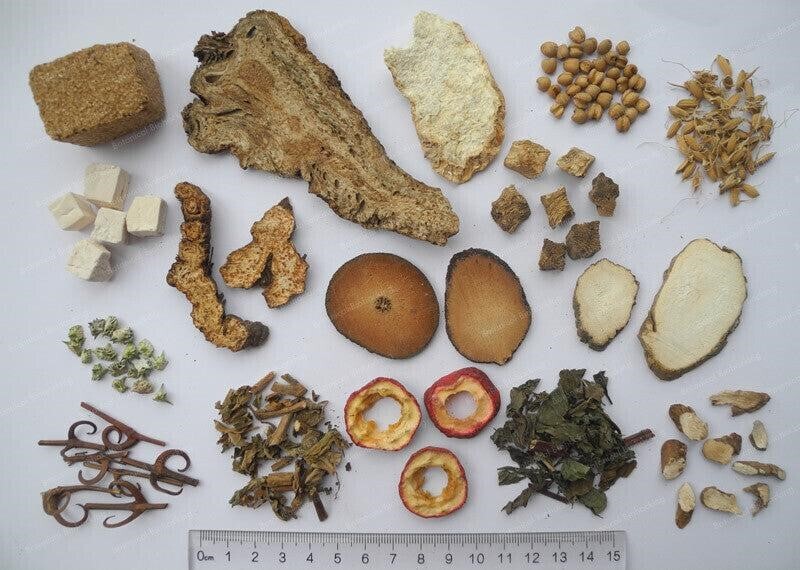
This is a larger formula than most, and each group has a job. Botanical Biohacking keeps the full aromatic architecture intact rather than trimming it for cost — agastache, perilla, angelica dahurica, the two bark qi-movers, and the digestive support herbs.

Then they turn it into a tea you can sip at the first sign of trouble, rather than a formula you have to track down mid-misery. That is the practical difference.

How It's Sourced and Tested

For a formula you reach for when already unwell, contamination testing matters more, not less.

Inside the Formula

Three classical jobs: aromatically transform damp, release the exterior, harmonize the gut.

Aromatically Transfor Damp

Move Qi and Drain Damp

Support and Harmonize

When to Stop and Call Someone

Atone is for the damp, sluggish, queasy pattern — not every stomach upset. Signs of dehydration, blood in the stool, high fever, or symptoms lasting more than a couple of days call for medical attention, not more tea. If you are pregnant, check with your practitioner first.

This is the one people stash for travel, summer heat, and questionable meals. It has been a household staple across much of Asia for centuries, and for good reason. — Will Sheppy, L.Ac.

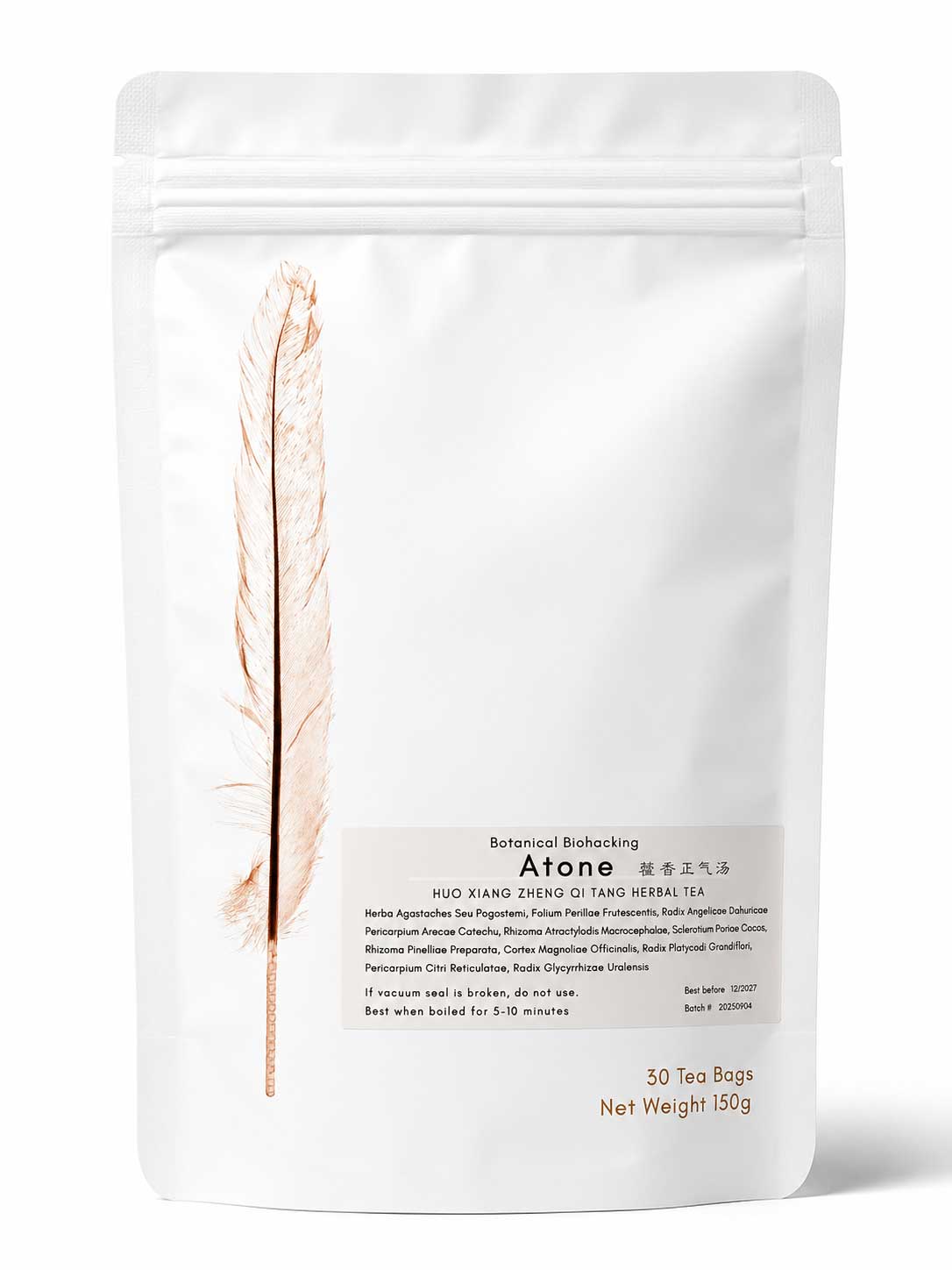
Atone Herbal Tea product mockup green background

Atone Tea

Huo Xiang Zheng Qi San. Eleven herbs, full aromatic architecture intact. Thirty teabags, one month’s supply. Available at Valley Health Market.

Research & Resources

  1. Yu DD, et al. Systematic review and meta-analysis of Huoxiang Zhengqi Pills combined with Western medicine for acute gastroenteritis (44 studies, 4,153 participants). Zhongguo Zhong Yao Za Zhi. 2019;44(14):2914–2925. [Article in Chinese] PubMed →
  2. Zhao HJ, et al. Huoxiang Zhengqi formulas for treatment of gastrointestinal-type cold: a systematic review and meta-analysis (8 RCTs, 680 participants). Zhongguo Zhong Yao Za Zhi. 2017;42(8):1495–1499. [Article in Chinese] PubMed →
  3. Bensky D, Barolet R. Chinese Herbal Medicine: Formulas & Strategies. Eastland Press. (Standard reference for Huo Xiang Zheng Qi San.)

Educational content from Valley Health Market. Not medical advice. Statements have not been evaluated by the FDA. This product is not intended to diagnose, treat, cure, or prevent any disease. Valley Health Market Educational content rooted in 20+ years of clinical practice in Traditional Chinese Medicine. The information provided is for educational purposes and is not intended to replace consultation with a qualified healthcare practitioner. Please consult your physician before starting any new herbal protocol, especially if pregnant, nursing, on anticoagulants, or managing a chronic condition.

© Valley Health Market · Albany, Oregon

Share on

Will Sheppy, Founder and Acupuncturist at Valley Health Clinic
Willard Sheppy
Willard Sheppy is a licensed acupuncturist (LAc) and Founder of Valley Health Clinic specializing in using Traditional Chinese Medicine to treat acute injuries and chronic conditions, and to improve sports performance and rehabilitation.

FAQ's

What is Atone Tea?

Atone Tea is Huo Xiang Zheng Qi San — Agastache Powder to Rectify the Qi — the classic Chinese formula for external damp obstructing the middle, made by Botanical Biohacking as a tea with the full eleven-herb architecture intact. It comes as thirty teabags, a one-month supply.

For the damp, sluggish, queasy pattern: the summer bug, the questionable takeout, the travel tummy — when your gut feels waterlogged and rebellious and nothing is moving. It’s made as a tea so you can sip it at the first sign of trouble rather than tracking down a formula mid-misery.

It’s a larger formula than most, and each group has a job: aromatically transform damp (agastache), release the exterior (perilla leaf, angelica dahurica), move qi and drain damp (areca husk, magnolia bark, tangerine peel, pinellia), and support and harmonize the gut (bai zhu, poria, platycodon, licorice). Botanical Biohacking keeps the full architecture intact rather than trimming it for cost.

If you are pregnant, check with your practitioner before taking it.

Atone is for the damp, sluggish, queasy pattern — not every stomach upset. Signs of dehydration, blood in the stool, high fever, or symptoms lasting more than a couple of days call for medical attention, not more tea.

Recent Posts

How to Improve Your Teeth and Gum Health by Fixing Your Gut

11 minutes read

How to Improve Your Teeth and Gum Health by Fixing Your Gut

Will Sheppy, Founder and Acupuncturist at Valley Health Clinic
Willard Sheppy Dipl. OM, LAc, BS

Willard Sheppy is a licensed acupuncturist (LAc) and Founder of Valley Health Clinic specializing in using Traditional Chinese Medicine to treat acute injuries and chronic conditions, and to improve sports performance and rehabilitation.

DR-Joshua

Table of Contents

How to Improve your Teeth and Gums

A few months ago, a patient came into my clinic that I’ll call Sarah. She was in her mid-forties and had been dealing with chronic bloating, irregular digestion, and a persistent heaviness after meals that no one had been able to fully explain. We started working on her gut health, and within a few weeks she came back to her appointment and said something that caught me off guard.

“My dentist told me my gums look better.”

She hadn’t changed her brushing routine. She hadn’t started flossing more. What had changed was her gut — and that seemingly unrelated shift had shown up in her mouth.
This is the kind of connection that Chinese medicine has understood for a long time, and that modern research is only beginning to catch up to. Your mouth and your stomach are not separate systems. They are two ends of the same tube, and what happens in one affects the other in ways most people never think about.

The Gut-Oral Health Connection

What the Research Is Showing

The human microbiome the trillions of bacteria that live in and on your body does not stop at your stomach. It starts in your mouth. In fact, the oral cavity harbors over 700 species of bacteria, making it one of the most complex microbial environments in the body.

Here is where it gets important: the bacteria in your mouth travel. Every time you swallow, oral bacteria make their way into your digestive tract. When the balance of those bacteria is off — what researchers call dysbiosis those imbalanced microbes can colonize the gut lining, disrupt digestion, and drive systemic inflammation. Studies have linked oral bacteria like Porphyromonas gingivalis (the main driver of gum disease) to inflammatory conditions throughout the body, including the gut.

The reverse is equally true. When the gut microbiome is damaged or out of balance, the body’s immune regulation suffers. This shows up as increased inflammation in the gums and oral tissues. Poor gut health is also linked to slower tissue repair, which is exactly what your gums need to stay healthy.


Put simply: an unhealthy gut makes it harder to keep a healthy mouth, and an unhealthy mouth makes it harder to maintain a healthy gut.

How Does Poor Gut Health Damages Your Teeth

There are several specific mechanisms at work here

Systemic inflammation

When the gut lining is compromised, what is commonly called “leaky gut,” undigested food particles and bacterial byproducts enter the bloodstream. This triggers a chronic, low-grade inflammatory response throughout the body. The gums, which are richly supplied with blood vessels, are one of the first places that inflammation shows up. Redness, bleeding, and recession are all inflammatory responses.

Nutrient malabsorption

A disrupted gut has a harder time absorbing the vitamins and minerals needed for strong teeth and healthy oral tissues. Vitamin D, calcium, magnesium, and vitamin K2 are all critical for tooth remineralization and bone density in the jaw, and they all depend on a healthy gut to be properly absorbed.

Reduced immune function

About 70% of your immune system lives in your gut. When the gut microbiome is out of balance, immune signaling throughout the body becomes dysregulated. This makes it harder for your body to defend against the bacterial biofilm that causes gum disease.

Acid reflux and stomach acid

Poor gut motility can lead to reflux, which allows stomach acid to enter the mouth. Over time, this erodes enamel, and enamel does not grow back.

How Poor Teeth Health Damages Your Gut

The other direction is just as important to understand


Periodontal disease, a chronic infection and inflammation of the gum tissue, produces a steady stream of inflammatory cytokines and pathogenic bacteria that enter the bloodstream every time you chew. These bacteria have been found in the gut, the liver, and even the plaques in cardiovascular disease.

Research from the Journal of Oral Microbiology has shown that periodontal pathogens can disrupt the gut microbiome by outcompeting beneficial bacteria and promoting pro-inflammatory microbial shifts. One study found that people with gum disease had measurably different gut microbial profiles than those with healthy gums  even after controlling for other factors.

This creates a cycle: gut dysbiosis worsens gum disease, and gum disease worsens gut dysbiosis. You cannot fully fix one without addressing the other.

What Your Tongue Is Telling You

The tongue is a powerful diagnositic tool

In Chinese medicine, we have a simple and powerful diagnostic tool that most Western practitioners never use: the tongue.

When I assess a new patient, the tongue coat, the layer of coating on the tongue’s surface, tells me a tremendous amount about the state of their digestive system. A healthy tongue has a thin, white, moist coat. This reflects a balanced gut microbiome and proper digestive function.

A thick, greasy, or yellow coat tells a different story. It often indicates what we call “dampness” in Chinese medicine: a buildup of metabolic byproducts, poor gut motility, digestive tract inflammation, or a microbiome out of balance. The thickness and color of that coat correlate directly with how the gut is functioning.

When Sarah first came in, she had a notably thick tongue coat. It was one of the first things I documented. As we worked on her digestion over the following weeks, that coating began to thin. And her gums began to improve.

This is not a coincidence. The tongue coat is a window into the gut, and the gums are another expression of the same underlying health.

Practical Steps to Improve Both Gut and Oral Health

What You Can Do

What We Did for Sarah

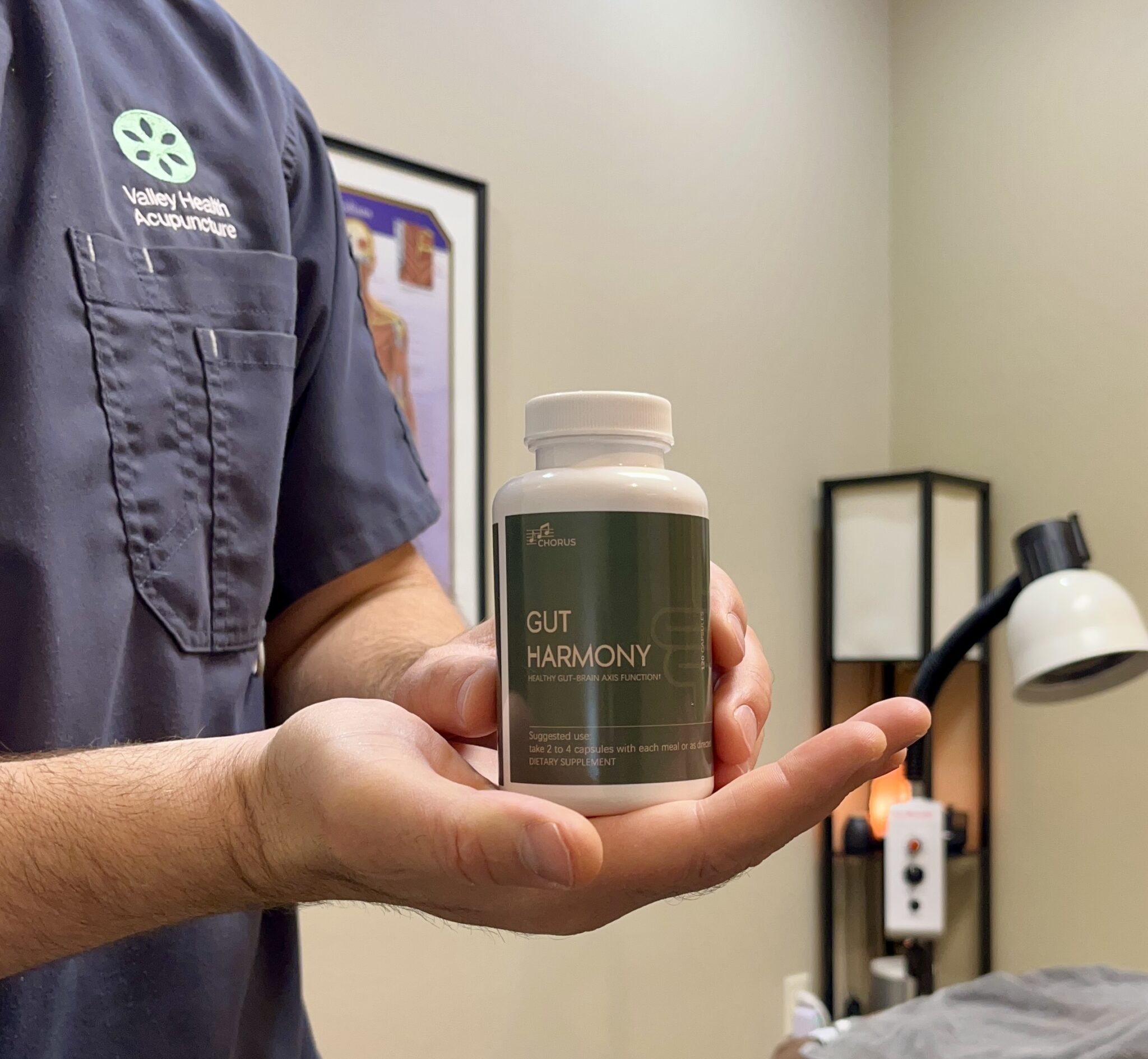
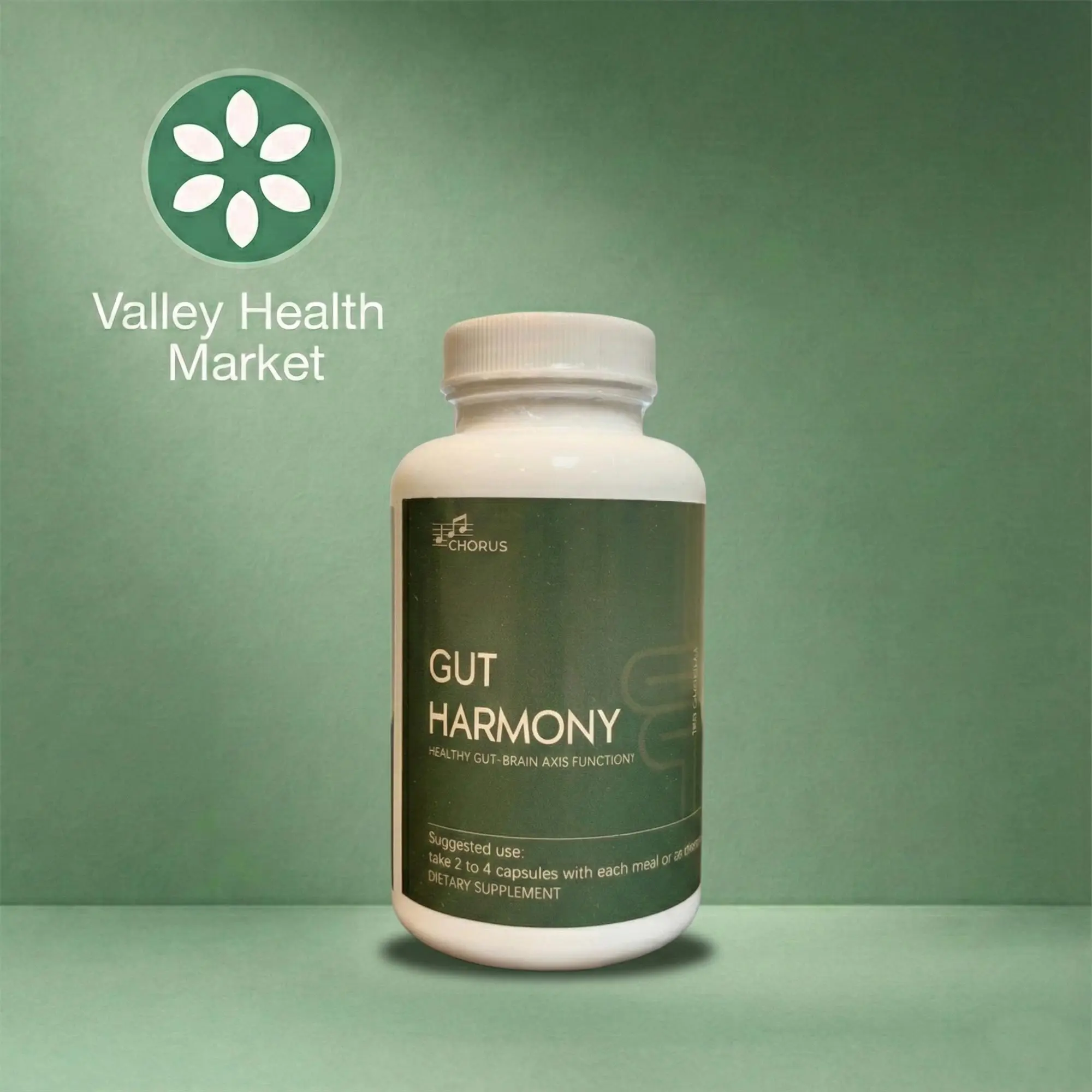
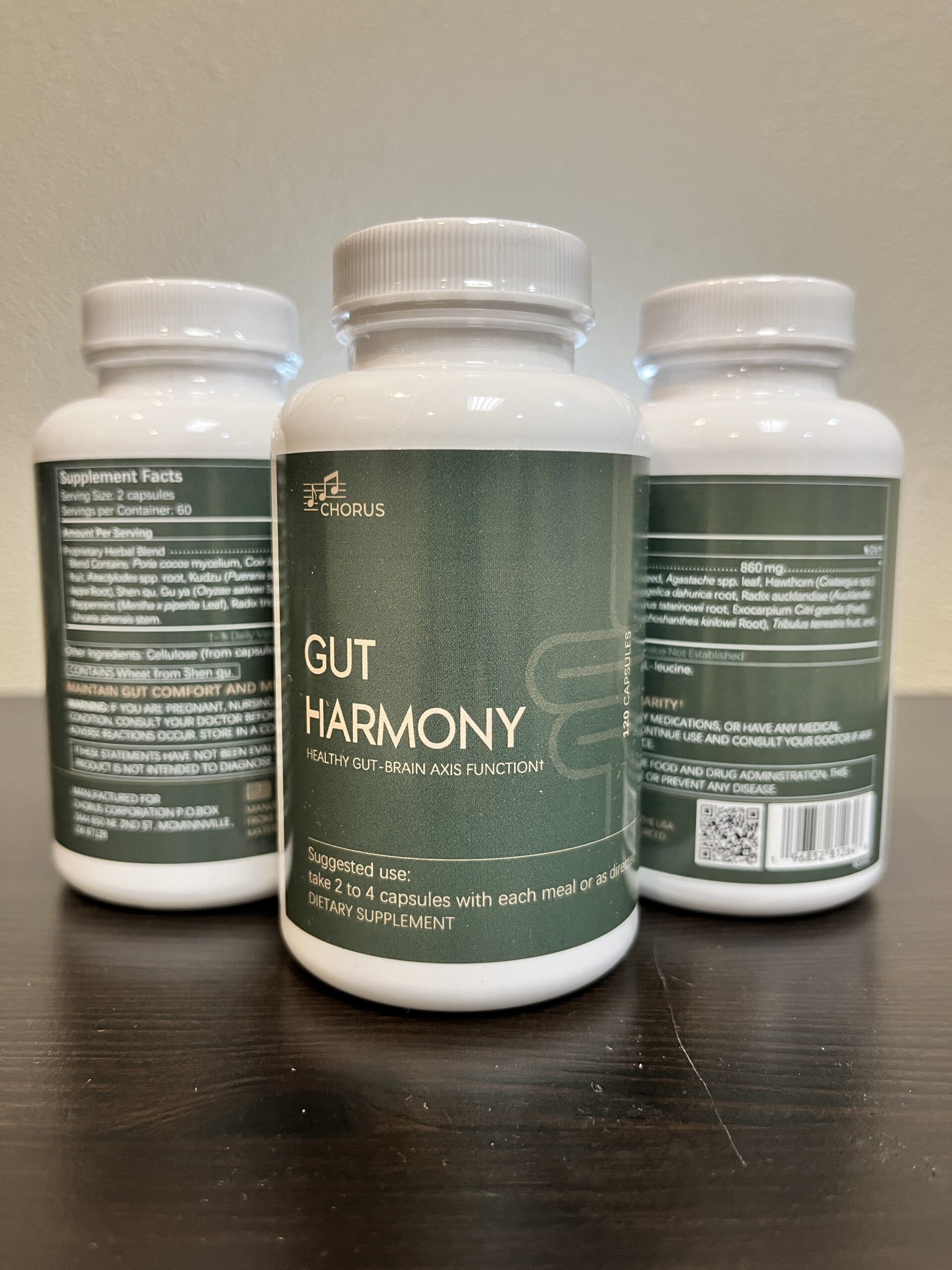
After evaluating Sarah’s tongue coat, her digestion, and her symptoms, I recommended we start with Gut Harmony, a 16-herb formula designed to reduce bloating, improve gut motility, and restore microbiome balance.

Gut Harmony

What I appreciate about Gut Harmony is that it does not just mask symptoms the way antacids or even probiotics often do. 

Within about three weeks, Sarah’s tongue coat had thinned noticeably. Her bloating was much improved. Her energy was better. And her dentist — who had no idea she was working on her gut health — commented that her gum tissue looked healthier and less inflamed.

Your mouth and your gut are in constant communication. The bacteria you harbor in your gums can affect your intestinal microbiome, and the health of your gut microbiome directly influences the strength of your immune response in your oral tissues. A thick tongue coat, gum inflammation, and chronic bloating are often three expressions of the same underlying imbalance..

When Sarah’s digestion improved, her gums followed. That is not magic, it is the body working as an integrated system, the way Chinese medicine has always understood it to work.


If you are dealing with digestive issues and oral health concerns and have not seen a connection between the two, I would encourage you to look at both together. Start with your tongue. Start with your gut. The results may surprise you.

Related Reading

Share on

Will Sheppy, Founder and Acupuncturist at Valley Health Clinic
Willard Sheppy
Willard Sheppy is a licensed acupuncturist (LAc) and Founder of Valley Health Clinic specializing in using Traditional Chinese Medicine to treat acute injuries and chronic conditions, and to improve sports performance and rehabilitation.

FAQ's

About Microgard
What is Microgard?
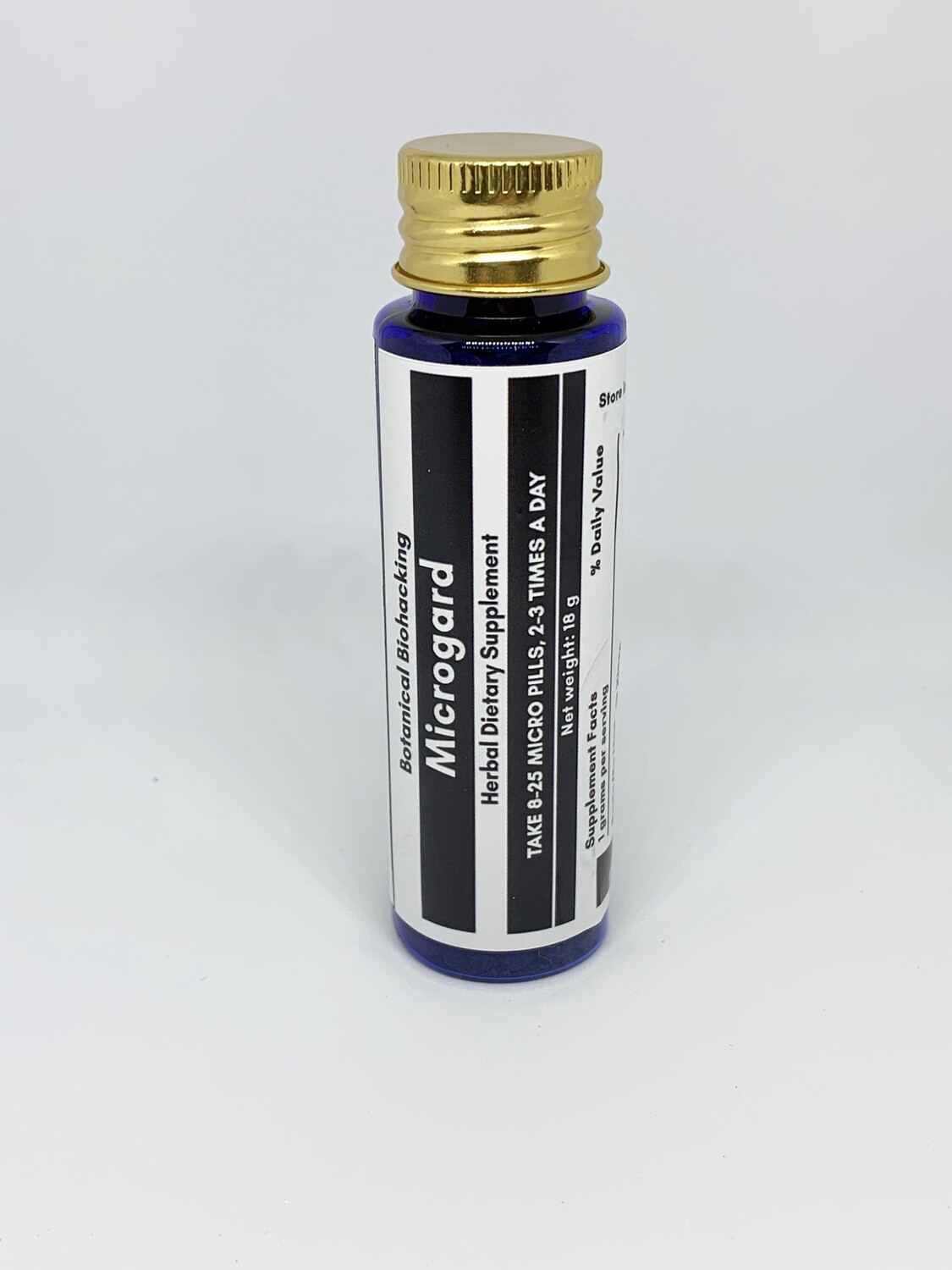
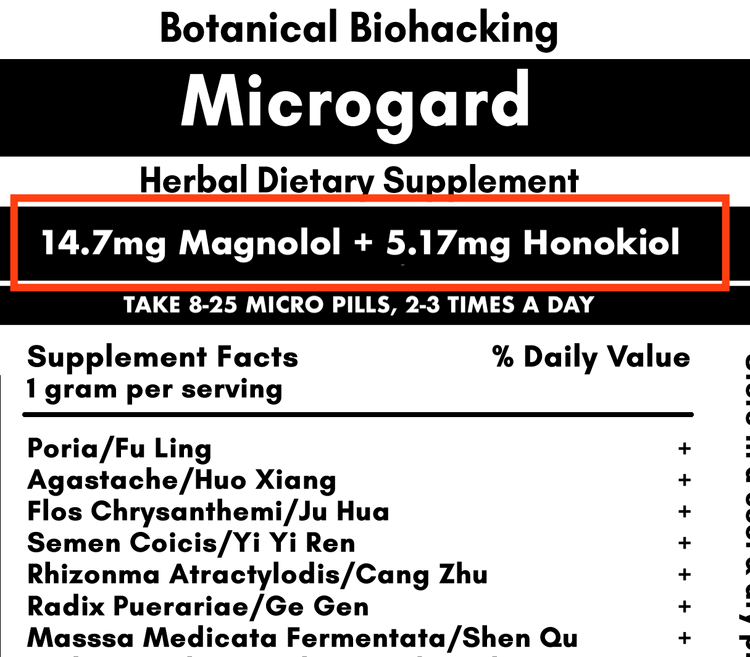
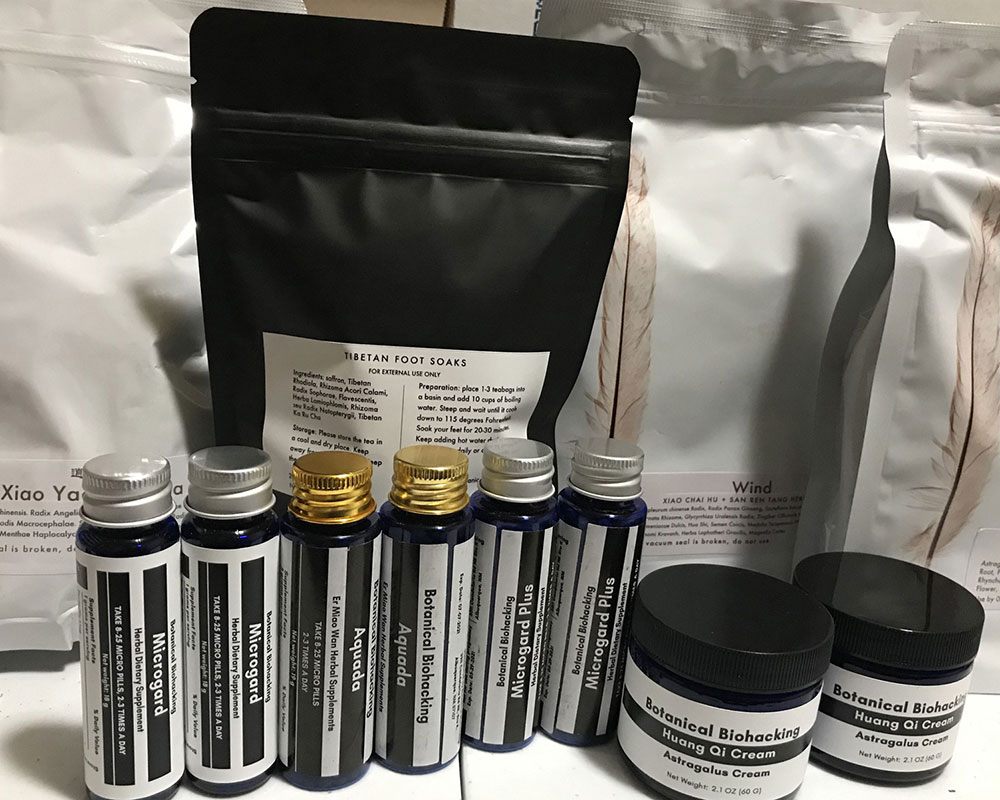
Microgard is a 16-herb formula evolved from the traditional digestive remedies Bao He Wan and Po Chai Pills, refined for functional dyspepsia (chronic indigestion). It addresses multiple causes of persistent upset stomach at the same time, from poor motility to inflammation and gut-brain signaling.
Take 8–25 micro pills, 2–3 times daily, or follow your healthcare practitioner’s instructions. Because these are micro pills — much smaller than standard capsules or tablets — the dosage may sound high, but the tiny size makes them easy to swallow and adjust to your needs.
Each bottle contains 18 g of traditional micro pills. Since there are no preservatives, keep the bottle in a cool, dry place and refrigerate after opening. For best results, finish the bottle as soon as possible once opened.
If you eat a Standard American Diet, have chronic indigestion (functional dyspepsia) or other digestive symptoms, and have signs of gut dysbiosis like a thick tongue coating, Microgard is likely a good formula for you. If you are unsure about Microgard, contact a TCM professional (licensed acupuncturist) who can determine if it’s the best fit.
Yes. Microgard contains no additives or preservatives, only the 16 traditional herbs. Ingredients are sourced from authentic growing regions, verified by TCM botanical experts, and tested for purity, heavy metals, and pesticide residues at a Chinese FDA-certified lab.
Microgard is not suitable during pregnancy, or for people with Celiac Disease. Consult your healthcare practitioner if you are nursing or taking medications.
Many people notice reduced bloating and post-meal heaviness within 1–2 weeks. More complete resolution of functional dyspepsia symptoms develops over several months as digestive function rebalances.
Most digestive aids only target one problem acid blockers reduce acid, enzymes help with breakdown, probiotics support gut bacteria. Microgard does all three plus more: improving motility, calming inflammation, protecting the stomach lining, and regulating the gut-brain axis. That’s why it’s uniquely effective for complex conditions like functional dyspepsia.
Microgard is manufactured by Botanical Biohacking, using time-honored herbal methods combined with modern GMP-certified quality testing to ensure safety and potency.

Support Your Gut the Smart Way

If fiber has helped you sometimes—and hurt you other times—it’s not in your head.
It’s about choosing the right type of fiber and supporting your microbiome gently.

 Try Gut Harmony and let your gut rebalance itself.

Frequently Asked Questions About Gut Health, Probiotics, and Gut Harmony

11 minutes read

Frequently Asked Questions About Gut Health, Probiotics, and Gut Harmony

Brehan Crawford

Brehan Crawford is a licensed acupuncturist, herbalist, educator, and the founder of Gut Harmony. He graduated in 2009 from the Oregon College of Oriental Medicine with a Master’s degree in Acupuncture and Oriental Medicine, and went on to complete five years of advanced clinical residency at the Hai Shan Clinic. During this time, he studied Chinese herbal medicine under the direct supervision of Heiner Fruehauf, a renowned scholar and clinician known for his work with chronic infectious and recalcitrant medical conditions.

Brehan Crawford, Owner of Crawford Wellness

Table of Contents

FAQs About Gut Health, Probiotics, and Gut Harmony

A clinical conversation with Brehan Crawford, founder of Gut Harmony
In this interview, I sat down with Brehan Crawford to answer the most frequently searched questions about gut health, probiotics, the microbiome, and Gut Harmony. These are real questions people are typing into Google every day and the answers are often more nuanced than marketing headlines suggest.
This article will explain how fiber really works, how Traditional Chinese Medicine (TCM) helps us understand fiber tolerance, and why formulas like Gut Harmony focus on feeding beneficial bacteria rather than forcing probiotics into an already stressed system.

What is the difference between Gut Harmony and probiotics?

Gut Harmony is made from plants. Probiotics are made from bacteria.
Most commercial probiotics contain bacteria that are dead by the time you ingest them, or they die quickly due to stomach acid and immune defenses. Statistically, the vast majority of probiotics do very little for most people.
Gut Harmony does not contain bacteria at all. Instead, it is a plant-based formula composed of sixteen herbs that act as prebiotics they feed and shape the bacteria you already have.
Rather than trying to “add” new organisms, Gut Harmony works by changing the environment of the gut so your existing, native flora can rebalance themselves.

Why do probiotics help some people and make others worse?

Probiotics statistically help a very small percentage of people often cited at around 1% or less. They can also make a similarly small percentage feel worse.
If a probiotic strain happens to survive digestion and happens to match what your gut ecosystem needs, it may help. If it survives and is the wrong strain for your system, it can worsen symptoms such as bloating, gas, or inflammation.
Most of the time, probiotics simply pass through without colonizing.
Think of it like gardening. Dropping plants into frozen soil doesn’t create a garden. You must first prepare the environment.

Is Gut Harmony just probiotics without the bacteria?

No.
Gut Harmony contains prebiotic plants, not bacterial organisms. Several herbs in the formula selectively feed beneficial bacteria:
In addition, Gut Harmony helps thin excessive mucus and biofilm, which allows healthy bacteria already present to thrive again.
This is ecological repair, not bacterial replacement.

What mistake do most people make with gut supplements?

Two major mistakes:

First, people take the wrong supplement for their pattern. Gut Harmony is not appropriate for everyone. Tongue diagnosis used extensively in Chinese medicine can give important clues.
Gut Harmony helps, a thick tongue coating which often correlates with excess biofilm and stagnation. A cracked, dry, or peeled tongue suggests deficiency, where Gut Harmony is not be appropriate.
Second, people assume supplements alone will fix gut health.Even the best formula cannot overcome a diet entirely lacking fiber or overloaded with sugar, alcohol, and processed fats.
That said, perfection is not required. Gut health improves with consistency, not rigidity.

What helps gut inflammation naturally?

Inflammation itself is not inherently bad. Controlled inflammation is necessary for healing and tissue turnover in the gut.
Problems arise when inflammation becomes excessive or deficient.
Many culinary spices ginger, cinnamon, cloves, fennel naturally regulate gut inflammation.
Chronic over-restriction, such as long-term raw or cold diets, can suppress necessary inflammatory warmth and predispose to fungal overgrowth such as Candida.

Try Gut Harmony Today

Ready to support your gut naturally? Buy Gut Harmony now and start feeling the difference within weeks

Why does Gut Harmony work when probiotics fail?

Because Gut Harmony works on motility, fluid secretions and enzymes, and intestinal environment, not just microbes.
The formula supports:
Motility is one of the most underappreciated aspects of gut health. The gut is not static it must move rhythmically. Stress directly disrupts this system.
Research context:
Bile secretion/bile acids as a “master gardener” of gut flora (bile strongly shapes microbiome ecology)

What should you feel when a gut supplement is working?

You should feel better.
Clinically, Gut Harmony tends to help people who feel relief after bowel movements. If abdominal discomfort improves after stool passage, it suggests an excess pattern that Gut Harmony often addresses well.
If discomfort worsens after bowel movements, the formula is likely not appropriate.
Pressure testing can also help:
These patterns correlate with nitric oxide and hydrogen sulfide signaling in the colon.

How do I know if my microbiome is unhealthy?

Key signs include:
A healthy bowel pattern is typically 1–3 easy, complete bowel movements daily.
Tongue coating often changes before symptoms appear, acting as an early warning sign.

Can probiotics cause bloating or gas?

Yes, if they do anything at all.
Short-term bloating (3–5 days) can occasionally indicate microbial shifts. With Gut Harmony, temporary bloating sometimes occurs during early biofilm breakdown, but it typically resolves within one to two weeks.
Tongue changes and bowel regularity are better indicators than gas alone.

Share on

Brehan Crawford

Brehan has pursued extensive post-graduate training with leading practitioners in the field and has pioneered innovative approaches to using Chinese herbal medicine in the treatment of chronic infections, including Lyme disease and associated coinfections. His primary clinical focus is working with patients suffering from chronic Lyme disease, as well as complex conditions such as chronic pain, fibromyalgia, chronic fatigue, neurovascular disorders including stroke rehabilitation and neuropathy and oncology support.

In addition to his clinical work, Brehan is a respected educator who regularly teaches Chinese Medicine professionals advanced herbal strategies for complex, chronic cases and long-term disease management. He is widely known for his gentle, compassionate approach to patients who have often spent years or decades searching for effective care. Outside of practice, Brehan is a devoted husband and father who enjoys singing, cooking, hiking, and practicing martial arts.

FAQ's

About Microgard
What is Microgard?
Microgard is a 16-herb formula evolved from the traditional digestive remedies Bao He Wan and Po Chai Pills, refined for functional dyspepsia (chronic indigestion). It addresses multiple causes of persistent upset stomach at the same time, from poor motility to inflammation and gut-brain signaling.
Take 8–25 micro pills, 2–3 times daily, or follow your healthcare practitioner’s instructions. Because these are micro pills — much smaller than standard capsules or tablets — the dosage may sound high, but the tiny size makes them easy to swallow and adjust to your needs.
Each bottle contains 18 g of traditional micro pills. Since there are no preservatives, keep the bottle in a cool, dry place and refrigerate after opening. For best results, finish the bottle as soon as possible once opened.
If you eat a Standard American Diet, have chronic indigestion (functional dyspepsia) or other digestive symptoms, and have signs of gut dysbiosis like a thick tongue coating, Microgard is likely a good formula for you. If you are unsure about Microgard, contact a TCM professional (licensed acupuncturist) who can determine if it’s the best fit.
Yes. Microgard contains no additives or preservatives, only the 16 traditional herbs. Ingredients are sourced from authentic growing regions, verified by TCM botanical experts, and tested for purity, heavy metals, and pesticide residues at a Chinese FDA-certified lab.
Microgard is not suitable during pregnancy, or for people with Celiac Disease. Consult your healthcare practitioner if you are nursing or taking medications.
Many people notice reduced bloating and post-meal heaviness within 1–2 weeks. More complete resolution of functional dyspepsia symptoms develops over several months as digestive function rebalances.
Most digestive aids only target one problem acid blockers reduce acid, enzymes help with breakdown, probiotics support gut bacteria. Microgard does all three plus more: improving motility, calming inflammation, protecting the stomach lining, and regulating the gut-brain axis. That’s why it’s uniquely effective for complex conditions like functional dyspepsia.
Microgard is manufactured by Botanical Biohacking, using time-honored herbal methods combined with modern GMP-certified quality testing to ensure safety and potency.

Why doesn’t adding bacteria always fix gut problems?

Because bacteria are fragile and difficult to establish.
The only consistently effective bacterial intervention recognized by the FDA is fecal microbiota transplantation for severe C. difficile infection. This highlights how hard true colonization is.
Most probiotics simply cannot replicate that effect.

How long does Gut Harmony take to work?

Most people notice changes within two weeks. By 30 days, it is usually clear whether the formula is a good fit.
This timeframe reflects the natural turnover and rebalancing rate of the gut microbiome.
Many patients take probiotics for years without benefit because they are addressing the wrong mechanism. Gut Harmony focuses on restoring ecological balance supporting digestion, motility, inflammation, and microbial terrain.
As Brehan emphasized repeatedly: watch your tongue, observe your digestion, and pay attention to how your body responds. Gut health is not about force it is about alignment.

What Type of Fiber Is the Best?

Gut Harmony
10 minutes read

What Type of Fiber Is the Best?

Will Sheppy, Founder and Acupuncturist at Valley Health Clinic
Willard Sheppy Dipl. OM, LAc, BS

Willard Sheppy is a licensed acupuncturist (LAc) and Founder of Valley Health Clinic specializing in using Traditional Chinese Medicine to treat acute injuries and chronic conditions, and to improve sports performance and rehabilitation.

DR-Joshua
Gut Harmony

Table of Contents

What Type of Fiber Is the Best?

Here’s what most people don’t know about fiber.
If you’ve ever wondered “what type of fiber is the best?” and felt confused by conflicting advice, you’re not alone. The truth is, there is no single “best” fiber for everyone. The best fiber is the one that matches your digestion, microbiome, and personal gut pattern.
This article will explain how fiber really works, how Traditional Chinese Medicine (TCM) helps us understand fiber tolerance, and why formulas like Gut Harmony focus on feeding beneficial bacteria rather than forcing probiotics into an already stressed system.

What Is Fiber ?

Fiber is any part of food that passes through your digestive tract without being fully digested. Most fiber comes from plants, but not all plant fibers act the same way in the body.
At a basic level, fiber is divided into soluble and insoluble, but this alone doesn’t explain how someone will feel after eating it.
A helpful way to think about fiber is how it interacts with water, digestion speed, hormones, and gut bacteria.

Soluble vs Insoluble Fiber

Soluble Fiber: The “Water-Loving” Fibers

Soluble fiber is hydrophilic, meaning it absorbs water and often forms a gel-like substance in the gut. A classic example is chia seeds swelling in liquid.
These fibers tend to slow digestion, reduce blood sugar spikes, bind excess estrogen, and help the body clear cholesterol. For many people, soluble fiber feels calming and regulating—but if digestion is already sluggish, too much can cause heaviness or bloating.
Foods rich in soluble fiber include the inner portions of plants, such as oats, beans, apples (especially the flesh), potatoes, chia seeds, and psyllium.

Insoluble Fiber: The “Water-Repelling” Fibers

Insoluble fiber is hydrophobic and does not dissolve in water. It adds bulk and speeds digestion, acting more like a broom through the intestines.
This fiber is found primarily in the skins and structural parts of plants, such as leafy greens, wheat bran, vegetable peels, nuts, and seeds.
Insoluble fiber can be extremely helpful for constipation caused by slow motility. However, for people with diarrhea, urgency, or sensitive inflamed guts, it can make symptoms worse.

Why Soluble vs Insoluble Isn’t Enough

Modern research shows that the most important fiber properties are not just solubility, but viscosity and fermentability.
Some soluble fibers form thick gels that stabilize digestion. Others ferment rapidly and produce gas. Some fibers feed beneficial bacteria gently, while others overwhelm sensitive microbiomes.
This is where Traditional Chinese Medicine provides a surprisingly useful lens.

How TCM Explains Fiber Tolerance

In TCM, foods are described as warming, cooling, or neutral, based on how they affect digestion, circulation, and bodily balance.
Loose stools are often described as “cold and damp.” Hard, dry stools are often associated with “heat.” While these are symbolic terms, they map well onto modern concepts like motility, inflammation, hydration, and fermentation.

From this perspective:

This helps explain why someone may feel worse with raw salads, smoothies, or “cold foods”—it’s often not the temperature, but the fiber type, preparation method, and fermentation load.Loose stools are often described as “cold and damp.” Hard, dry stools are often associated with “heat.” While these are symbolic terms, they map well onto modern concepts like motility, inflammation, hydration, and fermentation.

Why fiber helps and hurts digestion.

Viscous, Soluble Fiber (Often the Most Balanced)

These fibers form gels that slow digestion, reduce blood sugar spikes, and lower LDL cholesterol. They are often better tolerated than fast-fermenting fibers.
Foods include oats, barley, psyllium, okra, and eggplant.
For many people, these fibers feel stabilizing and neutral, making them a good starting point.

Rapidly Fermentable Soluble Fiber (High-FODMAP)

These fibers feed gut bacteria quickly and can increase short-chain fatty acids, but they also commonly cause gas, bloating, and pressure in people with IBS or SIBO-like patterns.
Foods include onions, garlic, leeks, chicory root, Jerusalem artichokes, and many legumes.
Some people thrive on these foods. Others flare badly. This is highly individual.

Insoluble, Coarse Fiber

These fibers increase stool bulk and speed transit. They are helpful when constipation is driven by sluggish movement, but can worsen diarrhea or gut irritation.
Foods include wheat bran, vegetable skins, nuts, seeds, and coarse leafy greens.

Resistant Starch: A Special Case

Resistant starch passes through the small intestine and ferments later in the colon. It often feeds beneficial bacteria with less gas than inulin-type fibers.
Foods include green bananas and cooked-and-cooled potatoes, rice, and pasta.
For many people, resistant starch is a gentler way to support the microbiome.

Gut Harmony

Restore digestive balance with Gut Harmony, a comprehensive 16-herb formula crafted to reduce bloating, improve gut motility, and support a healthy microbiome.

How Gut Harmony Supports the “Right” Fiber.

Most gut products try to force change by adding probiotics. Gut Harmony works differently.
Gut Harmony is a prebiotic, terrain-shifting herbal formula designed to feed beneficial bacteria that are already present.

The fibers and herbs in Gut Harmony selectively nourish key microbes:

Rather than flooding the gut with new bacteria, Gut Harmony helps shift the environment:

This is why Gut Harmony is not a probiotic.
It is a microbiome-supporting, fiber-based herbal strategy.

What Type of Fiber Is the Best?

The best fiber is the one your gut can actually use.
If you have dry, hard stools and sluggish digestion, soluble viscous fibers and gentle resistant starch may help.
If you have bloating and gas, reducing rapidly fermentable fibers may be key.
If you have loose stools or urgency, coarse insoluble fiber may need to be limited.

Fiber works best when it matches your pattern, not when it follows a one-size-fits-all rule.

Share on

Will Sheppy, Founder and Acupuncturist at Valley Health Clinic
Willard Sheppy
Willard Sheppy is a licensed acupuncturist (LAc) and Founder of Valley Health Clinic specializing in using Traditional Chinese Medicine to treat acute injuries and chronic conditions, and to improve sports performance and rehabilitation.

FAQ's

About Microgard
What is Microgard?
Microgard is a 16-herb formula evolved from the traditional digestive remedies Bao He Wan and Po Chai Pills, refined for functional dyspepsia (chronic indigestion). It addresses multiple causes of persistent upset stomach at the same time, from poor motility to inflammation and gut-brain signaling.
Take 8–25 micro pills, 2–3 times daily, or follow your healthcare practitioner’s instructions. Because these are micro pills — much smaller than standard capsules or tablets — the dosage may sound high, but the tiny size makes them easy to swallow and adjust to your needs.
Each bottle contains 18 g of traditional micro pills. Since there are no preservatives, keep the bottle in a cool, dry place and refrigerate after opening. For best results, finish the bottle as soon as possible once opened.

If you eat a Standard American Diet, have chronic indigestion (functional dyspepsia) or other digestive symptoms, and have signs of gut dysbiosis like a thick tongue coating, Microgard is likely a good formula for you. If you are unsure about Microgard, contact a TCM professional (licensed acupuncturist) who can determine if it’s the best fit.
Yes. Microgard contains no additives or preservatives, only the 16 traditional herbs. Ingredients are sourced from authentic growing regions, verified by TCM botanical experts, and tested for purity, heavy metals, and pesticide residues at a Chinese FDA-certified lab.
Microgard is not suitable during pregnancy, or for people with Celiac Disease. Consult your healthcare practitioner if you are nursing or taking medications.
Many people notice reduced bloating and post-meal heaviness within 1–2 weeks. More complete resolution of functional dyspepsia symptoms develops over several months as digestive function rebalances.
Most digestive aids only target one problem acid blockers reduce acid, enzymes help with breakdown, probiotics support gut bacteria. Microgard does all three plus more: improving motility, calming inflammation, protecting the stomach lining, and regulating the gut-brain axis. That’s why it’s uniquely effective for complex conditions like functional dyspepsia.
Microgard is manufactured by Botanical Biohacking, using time-honored herbal methods combined with modern GMP-certified quality testing to ensure safety and potency.

References

Harvard T.H. Chan – Dietary Fiber Overview

Harvard Nutrition – Fiber (Carbohydrates)

Linus Pauling Institute – Fiber, Viscosity, and Fermentability

Oregon State University – Fiber (Micronutrient Info)

Monash University – Fiber and IBS Tolerance

Monash FODMAP – Fibre Supplements & IBS

Support Your Gut the Smart Way

If fiber has helped you sometimes—and hurt you other times—it’s not in your head.
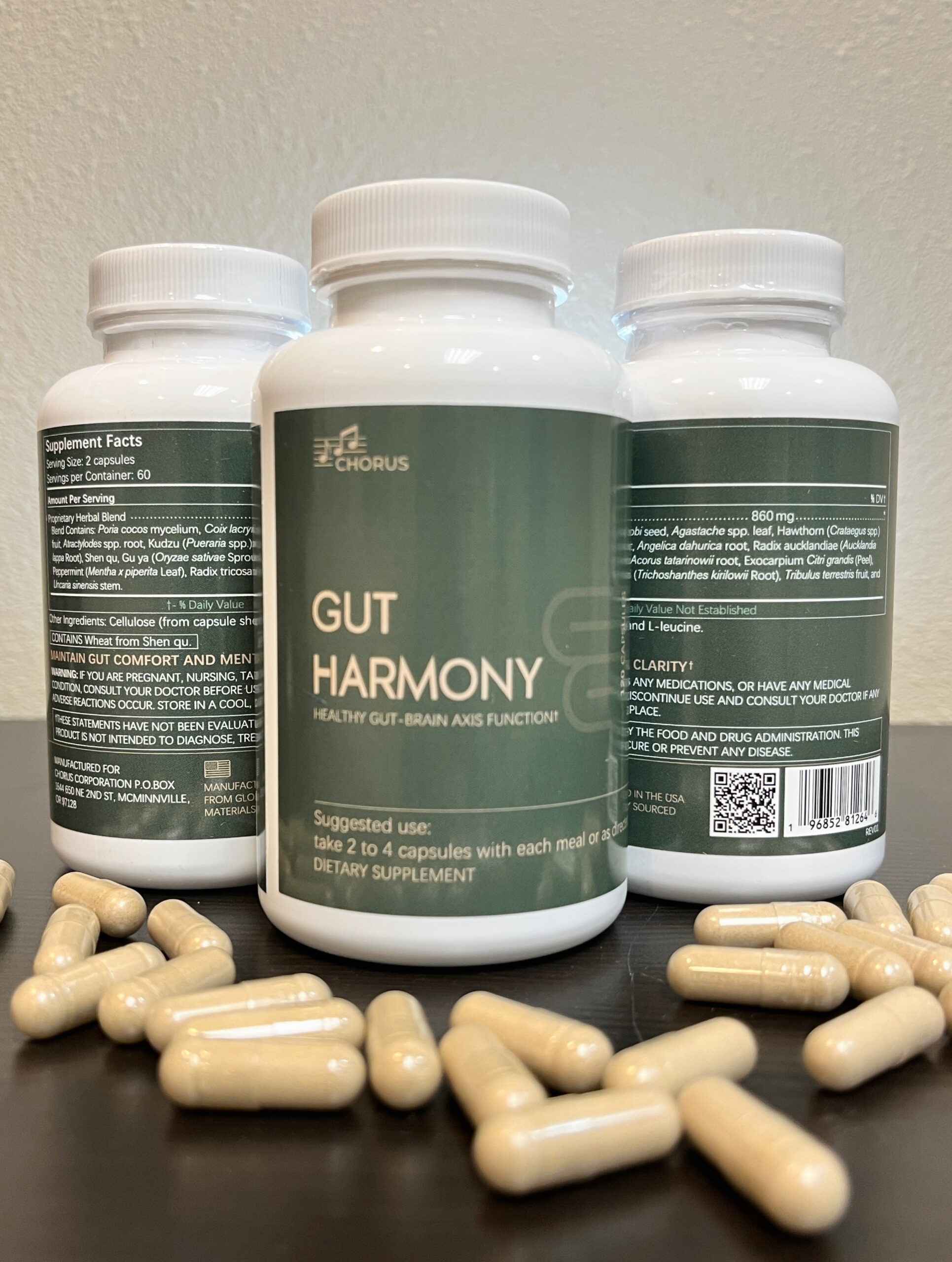
It’s about choosing the right type of fiber and supporting your microbiome gently.
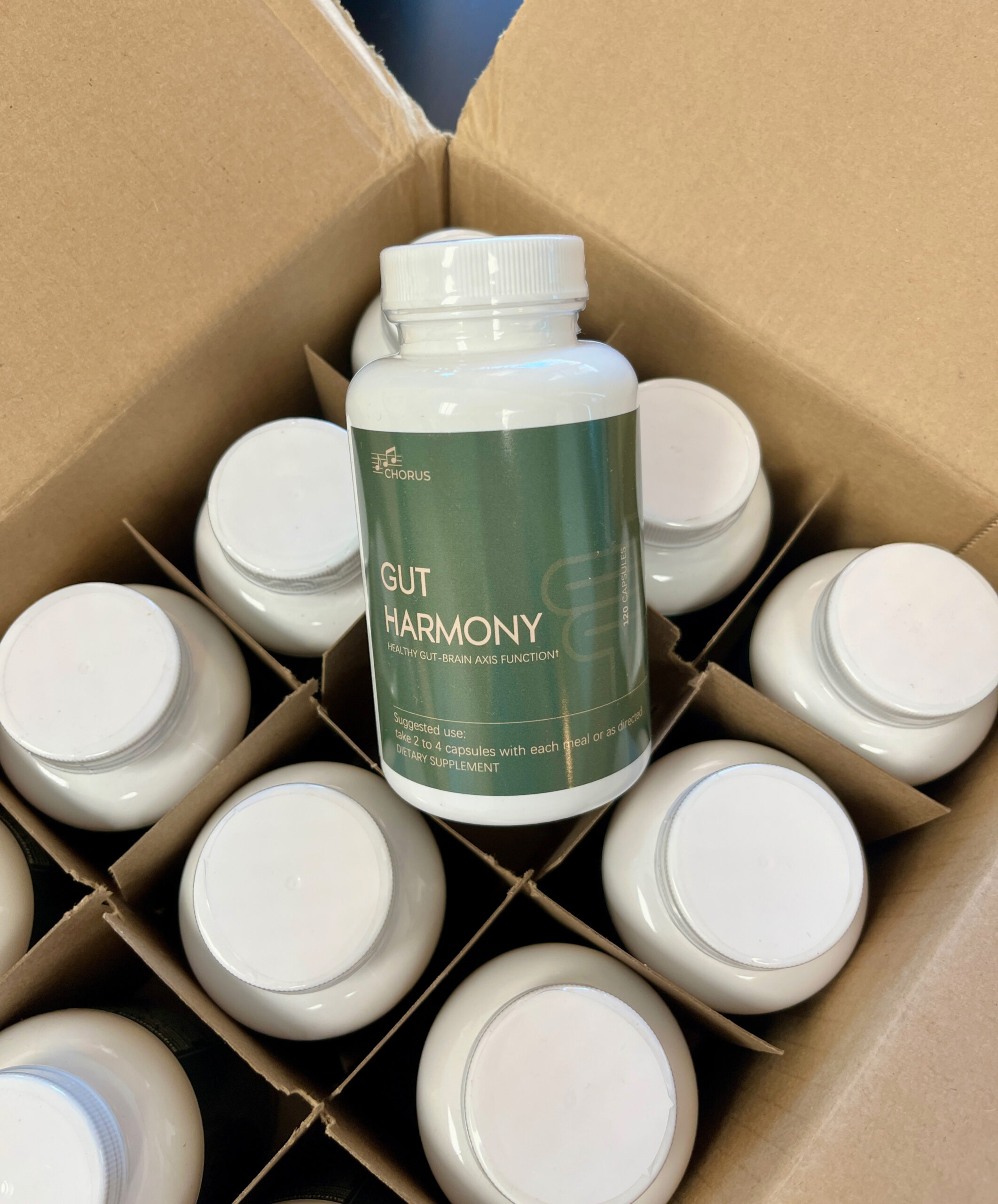
👉 Try Gut Harmony and let your gut rebalance itself.

Microgard for Chronic Indigestion

Microgard
14 minutes read
Dr. Joshua
Dr. Joshua Park, DSOM, L.Ac

Dr. Joshua Park is a digestive health specialist and among the first in North America to receive a clinical doctorate in Acupuncture and East Asian Medicine. He trained at the National University of Natural Medicine, studying with leading physicians from Korea, China, Europe, and the United States.

DR-Joshua
Microgard

Table of Contents

The Natural Solution for Chronic Indigestion (Functional Dyspepsia)

When your antacids and acid blockers aren’t fixing your chronic indigestion, it’s time for a different approach. Most treatments for upset stomach only target one issue at a time, which is why they often leave you still dealing with bloating, burning, or feeling full too quickly after meals.
Microgard is a comprehensive, all natural herbal formula that draws on the legacy of Bao He Wan, and Po Chai Pills, digestive remedies trusted across Asia for generations. Microgard has proven to be one of the most effective options available for treating functional dyspepsia.
If you’ve never heard the term before, functional dyspepsia is the medical name for chronic indigestion with no clear cause. Functional dyspepsia can present with symptoms such as persistent bloating after eating, early fullness, nausea, or burning discomfort in the upper abdomen that can’t be explained by ulcers or structural disease.
Microgard combines the effects of multiple botanical ingredients to restore balance across the digestive system. It supports enzyme activity, calms inflammation, repairs the gut barrier, improves motility, and regulates the gut-brain axis so that stress and indigestion no longer fuel each other.

What You’ll Learn in This Article

I use this test with patients when the source of their anxiety is unclear. It’s simple but telling:

What Causes Functional Dyspepsia

Functional dyspepsia is chronic indigestion without ulcers or structural disease. In other words, your stomach isn’t working right, but tests and imaging don’t show anything obvious. Symptoms might feeling full after just a few bites, bloating that lingers for hours, nausea after eating, burning in your upper stomach, acid reflux, and that heavy sensation where food just sits.
What’s actually happening with functional dyspepsia isn’t one single issue, but several overlapping systems breaking down:

Slow Stomach Emptying

Food lingers too long in the stomach instead of moving along normally. This delayed emptying causes bloating and that “stuffed” feeling even from small meals.

Oversensitive Stomach Nerves

Nerves in the stomach overreact to normal signals, turning mild fullness into pain, cramping, or nausea.

Low-Grade Inflammation

Chronic irritation in the stomach lining interferes with normal function and keeps symptoms coming back.

Disrupted Gut-Brain Communication

Stress worsens digestion, and poor digestion amplifies stress, creating a feedback loop where anxiety and stomach upset feed off each other.

Digestive Enzyme Problems

When the body doesn’t produce or release enough digestive enzymes, food breaks down poorly, leading to gas, fermentation, and bloating.

Why Conventional Drugs Fall Short

If you’ve tried the usual treatments for functional dyspepsia (chronic indigestion), you already know they don’t work very well. Here’s why:

Acid Blockers Have Limited Success (And Serious Side Effects)

Proton pump inhibitors (PPIs) like Prilosec and Nexium are the most common prescriptions, but research shows they only work 7–10% better than placebo. If 30% of people feel better on a sugar pill, only about 37–40% feel better on acid blockers. Long term use of these medications can also come with severe side effects, including nutrient deficiencies, kidney problems, increased risk of stroke or cardiovascular disease, bone fractures, infections, and dementia.

H. pylori Treatment Rarely Helps

Doctors often test for Helicobacter pylori bacteria and prescribe a combination of antibiotics and proton pump inhibitors (called “Triple Therapy”) to eliminate it. But this only helps 6–14% of functional dyspepsia patients, meaning 85–94% still have symptoms afterward.

Motility Drugs Are Inconsistent

Prokinetic medications that help food move through the stomach can work for some people, but not reliably. Many of the most effective ones, like cisapride, were pulled from the market due to dangerous cardiac side effects.

Antidepressants Come with Heavy Costs

Tricyclic antidepressants are prescribed for functional dyspepsia when other treatments fail. Although some studies have shown they may help up to 64–70% of patients, their side effects, which can include sedation, dry mouth, weight gain, constipation, heart problems, anxiety and sexual dysfunction, make them difficult to tolerate long-term.

Single-Target Treatments for a Multi-System Problem

Functional dyspepsia is caused by overlapping dysfunctions: delayed gastric emptying, inflammation, nerve hypersensitivity, enzyme issues, and gut-brain disruption. Conventional drugs only address one piece at a time, leaving the rest untouched which is why so many patients stay stuck with symptoms.

How Microgard Works For Chronic Indigestion (Functional Dyspepsia)

Microgard addresses functional dyspepsia (chronic indigestion) by restoring function across digestion, inflammation, barrier integrity, motility signaling, and the gut–brain axis.

Direct Stomach Protection

Gastric Motility Enhancement

Digestive Enzyme Support

Anti-Inflammatory Mechanisms

Gut–Brain Axis Modulation

Microgard

Microgard

Microgard, an imperial grade herbal formula from Botanical Biohacking, is expertly crafted to enhance digestive health and balance. Microgard gently stimulates gastric motility, aiding in smoother intestinal movement and elimination. This synergistic action restores the diversity of the gastrointestinal microbiome and decreases the prevalence of biofilm.

Why Microgard Is Different

Most treatments for chronic indigestion (functional dyspepsia) work like using a single wrench on an entire engine. They might tighten one bolt, but they leave the rest of the system broken.

Multi-System Approach

Microgard works through enzyme support, inflammation, barrier repair, gut-brain signaling, and mucosal protection so you're not left with half your symptoms still bothering you.

Built on Proven Formulas

Microgard evolved from Bao He Wan and Po Chai Pills, trusted for centuries. The difference is that Microgard has been refined for functional dyspepsia using modern biomedical insight.

Gentler Than Pharmaceuticals

Prescription drugs often bring side effects like nutrient deficiencies, infection risk, and heart complications. Herbs in Microgard have centuries of safe use. You get broad relief without the side effect burden.

Addresses What Drugs Miss

Conventional meds don’t provide digestive enzymes, regulate the gut-brain axis, and hit multiple inflammatory pathways at once. Microgard does, by working with your body's natural systems instead of overriding them.

Share on

Dr. Joshua
Dr. Joshua Park, DSOM, L.Ac
Dr. Joshua Park is a digestive health specialist and among the first in North America to receive a clinical doctorate in Acupuncture and East Asian Medicine. He trained at the National University of Natural Medicine, studying with leading physicians from Korea, China, Europe, and the United States.

FAQ's

About Microgard
What is Microgard?
Microgard is a 16-herb formula evolved from the traditional digestive remedies Bao He Wan and Po Chai Pills, refined for functional dyspepsia (chronic indigestion). It addresses multiple causes of persistent upset stomach at the same time, from poor motility to inflammation and gut-brain signaling.
Take 8–25 micro pills, 2–3 times daily, or follow your healthcare practitioner’s instructions. Because these are micro pills — much smaller than standard capsules or tablets — the dosage may sound high, but the tiny size makes them easy to swallow and adjust to your needs.
Each bottle contains 18 g of traditional micro pills. Since there are no preservatives, keep the bottle in a cool, dry place and refrigerate after opening. For best results, finish the bottle as soon as possible once opened.
If you eat a Standard American Diet, have chronic indigestion (functional dyspepsia) or other digestive symptoms, and have signs of gut dysbiosis like a thick tongue coating, Microgard is likely a good formula for you. If you are unsure about Microgard, contact a TCM professional (licensed acupuncturist) who can determine if it’s the best fit.
Yes. Microgard contains no additives or preservatives, only the 16 traditional herbs. Ingredients are sourced from authentic growing regions, verified by TCM botanical experts, and tested for purity, heavy metals, and pesticide residues at a Chinese FDA-certified lab.
Microgard is not suitable during pregnancy, or for people with Celiac Disease. Consult your healthcare practitioner if you are nursing or taking medications.
Many people notice reduced bloating and post-meal heaviness within 1–2 weeks. More complete resolution of functional dyspepsia symptoms develops over several months as digestive function rebalances.
Most digestive aids only target one problem acid blockers reduce acid, enzymes help with breakdown, probiotics support gut bacteria. Microgard does all three plus more: improving motility, calming inflammation, protecting the stomach lining, and regulating the gut-brain axis. That’s why it’s uniquely effective for complex conditions like functional dyspepsia.
Microgard is manufactured by Botanical Biohacking, using time-honored herbal methods combined with modern GMP-certified quality testing to ensure safety and potency.

References

Yang, X., Wang, Y., Bai, L., Miao, T., & Wen, X. (2023). Mechanism of action of Baohe pills in improving functional dyspepsia. MEDS Chinese Medicine, 5(7), 48–55. Clausius Scientific Press. https://doi.org/10.23977/medcm.2023.050707

Maideen N. M. P. (2023). Adverse Effects Associated with Long-Term Use of Proton Pump Inhibitors. Chonnam medical journal, 59(2), 115–127. https://doi.org/10.4068/cmj.2023.59.2.115

Tu, Y., Luo, X., Liu, D., Li, H., Xia, H., Ma, C., Zhang, D., Yang, Y., Pan, X., Wang, T., Xia, Y., Dan, H., You, P., & Ye, X. (2022). Extracts of Poria cocos improve functional dyspepsia via regulating brain-gut peptides, immunity and repairing of gastrointestinal mucosa. Phytomedicine : international journal of phytotherapy and phytopharmacology, 95, 153875. https://doi.org/10.1016/j.phymed.2021.153875

Chen, X. Y., Chen, H. M., Liu, Y. H., Zhang, Z. B., Zheng, Y. F., Su, Z. Q., Zhang, X., Xie, J. H., Liang, Y. Z., Fu, L. D., Lai, X. P., Su, Z. R., & Huang, X. Q. (2016). The gastroprotective effect of pogostone from Pogostemonis Herba against indomethacin-induced gastric ulcer in rats. Experimental biology and medicine (Maywood, N.J.), 241(2), 193–204. https://doi.org/10.1177/1535370215600099

Zhen, B. X., Cai, Q., & Li, F. (2023). Chemical components and protective effects of Atractylodes japonica Koidz. ex Kitam against acetic acid-induced gastric ulcer in rats. World journal of gastroenterology, 29(43), 5848–5864. https://doi.org/10.3748/wjg.v29.i43.5848

Lee, H.-A., Yoo, J.-H., Chung, Y., & Kim, O. (2017). Inhibition of Helicobacter pylori-induced inflammation in human gastric epithelial AGS cells by the fruits of Tribulus terrestris L. extracts. Journal of Biomedical and Translational Research, 18(3), 121–124. https://doi.org/10.12729/jbtr.2017.18.3.121

Wang, Q., Shen, Z. N., Zhang, S. J., Sun, Y., Zheng, F. J., & Li, Y. H. (2022). Protective effects and mechanism of puerarin targeting PI3K/Akt signal pathway on neurological diseases. Frontiers in pharmacology, 13, 1022053. https://doi.org/10.3389/fphar.2022.1022053

Zhao, H., Feng, Y. L., Wang, M., Wang, J. J., Liu, T., & Yu, J. (2022). The Angelica dahurica: A Review of Traditional Uses, Phytochemistry and Pharmacology. Frontiers in pharmacology, 13, 896637. https://doi.org/10.3389/fphar.2022.896637

Feng, L., A, L., Li, H., Mu, X., Ta, N., Bai, L., Fu, M., & Chen, Y. (2023). Pharmacological Mechanism of Aucklandiae Radix against Gastric Ulcer Based on Network Pharmacology and In Vivo Experiment. Medicina (Kaunas, Lithuania), 59(4), 666. https://doi.org/10.3390/medicina59040666

Fu, X., Wang, Q., Kuang, H., & Pinghui, J. (2020). Mechanism of Chinese medicinal-medicated leaven for preventing and treating gastrointestinal tract diseases. Digestion, 101(6), 659–666. https://doi.org/10.1159/000493424

Microgard By Botanical BioHacking Close up

The Bottom Line on Microgard

If you’re ready to stop living with bloating, burning, and meals that leave you feeling weighed down, now is the perfect time to make a change. Microgard delivers comprehensive support for functional dyspepsia and chronic indigestion by addressing every system involved: inflammation, barrier repair, motility, and the gut-brain connection.

Don’t settle for band-aid solutions that only mask symptoms. Order Microgard today and take the first
step toward eating comfortably, restoring balance, and feeling like yourself again.

Gut Brain Axis Test

11 minutes read

Gut Brain Axis Test

Will Sheppy, Founder and Acupuncturist at Valley Health Clinic
Willard Sheppy Dipl. OM, LAc, BS

Willard Sheppy is a licensed acupuncturist (LAc) and Founder of Valley Health Clinic specializing in using Traditional Chinese Medicine to treat acute injuries and chronic conditions, and to improve sports performance and rehabilitation.

Table of Contents

Is Your Anxiety Starting in Your Gut or Your Brain?

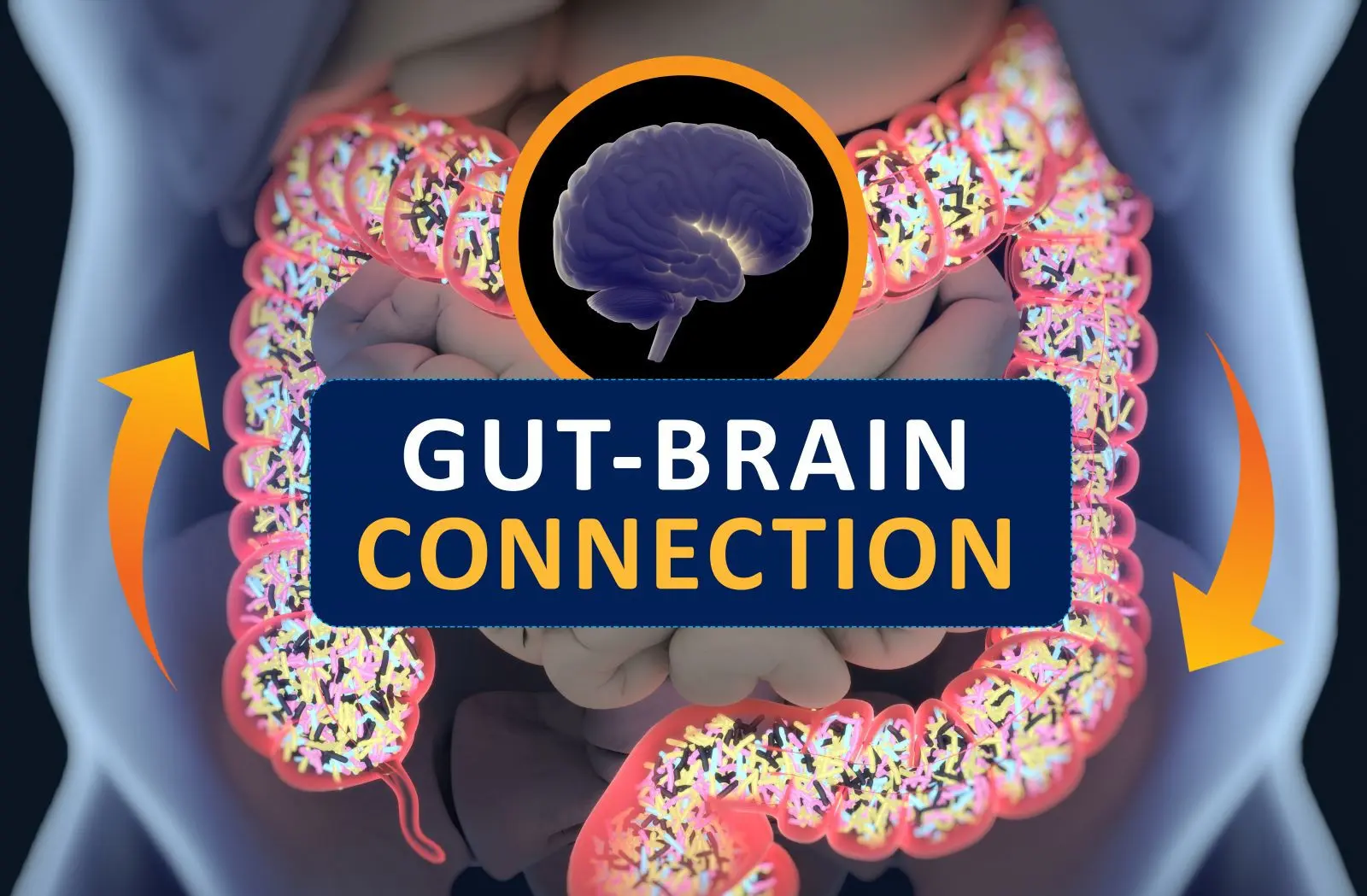
Your gut and brain talk to each other all day long. That conversation isn’t just metaphorical the gastrointestinal tract is extremely sensitive to emotion, and a troubled intestine can send stress signals to the brain just as a troubled brain can upset your stomach.
In clinic I see this connection daily. Recently a patient came in complaining of post‑traumatic stress, anxiety and high cortisol. My evaluation showed no obvious endocrine imbalance, so I asked a simple question: “When do you feel anxious?” He admitted that at home, in his “happy place,” he felt calm. The anxiety only hit when he went out in public.
That little conversation is the backbone of what I call the Gut Brain Axis Test. It’s a quick way to tell whether your anxiety is coming upward from the gut or downward from the mind. Understanding the direction of those signals changes how we treat the problem and it brings a whole new appreciation for the complex, bidirectional relationship between digestion and mood.

What Is the Gut Brain Axis?

Scientists have discovered that we have a “second brain” inside our gut. The enteric nervous system (ENS) is made up of more than 100 million nerve cells that line the digestive tract . In fact, there are more nerve cells in your gut than anywhere else in your body outside of your brain . This neural network controls digestion and sends constant feedback to the central nervous system via the vagus nerve . Because of this wiring, the gut and brain are in continuous conversation: hunger, fullness, nausea and the urge to use the bathroom are all messages from your gut . The brain responds by adjusting motility, enzyme release and blood flow .
This connection works the other way, too. Stressful thoughts or strong emotions can trigger butterflies, cramping or indigestion. Psychology influences the actual physiology of the GI tract: stress and depression alter the movement and contractions of the gut .
Irritation inside the digestive system may in turn send signals to the central nervous system that trigger mood changes . That’s why people with irritable bowel syndrome (IBS) and other functional gut disorders have higher rates of anxiety and depression .
In Chinese medicine we recognized these patterns millennia ago: the Spleen and Stomach govern rumination and worry, while the Liver affects irritability and tension.
Modern science also shows that this axis involves endocrine, immune and metabolic pathways . The gut produces neurotransmitters and hormones; around 95 % of the body’s serotonin the chemical that regulates mood, appetite and sleep is made in the intestinal lining .
The gut microbiome (trillions of bacteria, viruses and fungi that live in our intestines) produces metabolites and neurotransmitters that influence brain function . Imbalanced gut bacteria have been linked to depression, anxiety and even developmental disorders . Because of this network, disturbances in one system can create symptoms in the other.

The Gut Brain Axis Test

I use this test with patients when the source of their anxiety is unclear. It’s simple but telling:

Know Which Direction to Treatment The Gut Brain Axis

When the mind is calm but the gut is unhappy, focusing on fixing digestion often calms the brain.
Research shows that changes in gut bacteria can affect mood, cognition, and the stress response through gut-to-brain signaling, including the vagus nerve.
Small intestine bacterial overgrowth (SIBO), and inflammatory patterns correlate with anxiety and irritability. Supporting gut health with diet, herbs, and probiotics can reduce anxious signaling at its source.

Gut Harmony

Restore digestive balance with Gut Harmony, a comprehensive 16-herb formula crafted to reduce bloating, improve gut motility, and support a healthy microbiome.
When anxiety is clearly triggered by thoughts or environment, the focus shifts to calming the nervous system. Mind‑body practices (breath work, meditation, cognitive behavioral therapy) have been shown to improve IBS symptoms . Acupuncture and Chinese herbal formulas can tone the vagus nerve, modulate cortisol and ease tension. Treating the mind often relieves digestive symptoms in these cases.

Gut Brain Axis Research Shows

Modern literature is exploding with studies on the gut–brain axis. A few highlights:

The gut-brain connection

Pay attention to your gut-brain connection – it may contribute to your anxiety and digestion problems

The Gut-Brain Axis

Influence of Microbiota on Mood and Mental Health...

Partial destabilization of native structure

by a combination of heat and denaturant facilitates cold denaturation in a hyperthermophile protein...

The Brain-Gut Connection

If you’ve ever “gone with your gut” to make a decision or felt...

Gut Harmony

Restore digestive balance with Gut Harmony, a comprehensive 16-herb formula crafted to reduce bloating, improve gut motility, and support a healthy microbiome.

Share on

Will Sheppy, Founder and Acupuncturist at Valley Health Clinic
Willard Sheppy
Willard Sheppy is a licensed acupuncturist (LAc) and Founder of Valley Health Clinic specializing in using Traditional Chinese Medicine to treat acute injuries and chronic conditions, and to improve sports performance and rehabilitation.

FAQ's

Common Questions About the Gut Brain Axis
How do I know if my anxiety is from my gut?
If you notice mood swings, irritability or anxiety when life is calm, look for digestive clues: bloating, constipation, diarrhea, heartburn or food sensitivities. Research shows the gut can send signals to the brain that trigger emotional changes . Keeping a food and symptom diary, getting a stool analysis to assess your microbiome and working with a practitioner to address inflammation can help you determine if your gut is the culprit.
There isn’t a single lab panel that measures this connection. Clinicians use a combination of history, stool tests (to look at microbiome diversity and pathogens), breath tests (to assess SIBO), inflammatory markers, cortisol and vagal tone assessments. The simple thought experiment described above is a useful mental check. Ultimately, treating the gut or calming the mind or both is more effective than relying on a single “test.”
A high‑fiber, plant‑rich diet promotes the growth of beneficial bacteria . Whole grains, legumes, fruits and vegetables feed your microbiome and encourage production of neurotransmitters. Fermented foods like yogurt, kefir, sauerkraut and kimchi provide natural probiotics . Limiting refined sugars, alcohol and processed fats reduces inflammation. In Chinese medicine, warming, cooked foods like soups and porridges nourish the Spleen and calm the mind.
Probiotics are live bacteria that can help rebalance the microbiome. Small clinical trials have shown that taking specific probiotics for six weeks can improve both IBS and anxiety symptoms . Prebiotics nondigestible fibers that feed beneficial bacteria have also been shown to reduce cortisol levels . Not all probiotics are the same, so work with a practitioner to choose strains appropriate for your condition.
Yes. Diet directly alters the composition of your microbiome . Eating a diverse array of fiber‑rich foods increases short‑chain fatty acids, which support gut lining integrity and have anti‑inflammatory effects. Processed foods and alcohol can encourage growth of microbes that produce endotoxins, which may cross the gut barrier and affect the brain..

How to Support Your Gut–Brain Harmony

Eat for your microbiome

Focus on whole, unprocessed foods. Include plenty of fiber (vegetables, fruit, legumes, whole grains) and fermented foods like kimchi, sauerkraut. I am not a fan of yogart, too much sugar and milk.

Limit irritants

Reduce alcohol, sugary drinks, processed seed oils and ultra‑refined carbohydrates. These can disrupt your microbiome and promote inflammation.

Manage stress

Practice deep breathing, meditation and tai chi. These activate the parasympathetic nervous system and calm gut motility. Studies show mind‑body therapies improve IBS symptoms and mood .

Use targeted supplements

Prebiotics (soluble fibers like inulin), probiotics (such as Lactobacillus and Bifidobacterium species) The digestive products in this collection are designed to support gut health thoughtfully, safely, and effectively

Get moving

Regular, moderate exercise improves gut transit time and increases microbiome diversity. Here are six simple, low intensity activities for less pain, less risk, and more comfort in your body

Sleep well

The gut microbiome follows circadian rhythms. Poor sleep can disrupt microbial balance and increase cortisol. Establish a consistent sleep schedule.

Seek professional

If you’re ready for support consider joining the Chorus Circle community. This guided support group blends traditional Chinese medicine wisdom with modern neuroscience to help calm the gut, clear the mind, and restore steady energy. Led by experienced herbalists and practitioners, members gain access to free classes, practical gut–brain education, Synchrony Training using EEG and HRV, mindful practices, and botanical support so you can feel lighter, clearer, and more at ease as you rebuild balance from gut to brain and brain to gut.

Start Healing Your Gut Today

If your body is sending you mixed signals, don’t ignore them.  Whether your anxiety starts in your gut or your head, the gut–brain axis gives us a roadmap for healing.  In my clinic, I’ve watched patients transform their mood by repairing their microbiome and soothing their nervous system.  Gut Harmony — our Chinese‑herb‑based blend — is designed to do just that.  It combines traditional formulas that nourish the Spleen, disperse Liver qi and clear damp‑heat with modern insights into microbiome diversity.  Real medicine, for real people, done the right way.

Ready to calm your mind by treating your gut? [Treat your gut microbiome with Gut Harmony] and start feeling the difference.

Understanding Migraines: Part 3 Gallbladder and the Gut

Migraine Acupuncture

As we continue our exploration into holistic migraine treatments, Part 3 of our series delves even deeper into the intricate dance between the gut and the brain. If you’ve ever wondered how the food you eat or the state of your digestive system might influence those debilitating headaches, you’re not alone. Ancient wisdom meets cutting-edge research in this segment, shedding light on the Gut-Brain Axis and its pivotal role in migraine episodes. With special emphasis on acupuncture and the unparalleled benefits of Herbal Formula Gut Harmony (Chorus Capsules), discover how targeting your gut’s health can be a game-changer in your fight against migraines.

A Migraine Treatment Journey

Meet Clara, a vibrant 40-year-old who walked into my clinic with a familiar tale of recurrent migraines. The pain often originated as a tension in her neck, which would progress into migraines.

I found if I push on the rectus capitis posterior major, rectus capitis posterior minor, and obliquus capitis superior, the muscles at the base of her neck, I could cause pain symptoms similar to her HA and Migraines. These muscles lie close to the occipital area of the skull and are instrumental in many head and neck movements.

The pressure exerted by these tight muscles pinched the critical occipital nerves, particularly the greater and lesser occipital nerves. These nerves, originating from the C2 and C3 spinal nerves, innervate parts of our scalp and, when compromised, are often associated with occipital neuralgia. Clara’s description matched occipital neuralgia symptoms: stabbing pain spanning from the suboccipital region to the upper neck, behind the eyes, and the posterior skull area.

Occiput Headache Muscles
Occiput Headache Nerves

Determined to provide Clara with immediate relief, I did acupuncture, utilizing deep needling of gallbladder points GallBladder 20 and 12 and Bladder 9 and 10. The results were swift and encouraging. Clara’s migraines receded from being almost bi-weekly to just once every other week.

While this approach addressed the symptoms and provided short-term relief, I knew from experience that we needed to delve deeper for lasting results. The solution most often is in treating the gut. Despite Clara not showcasing apparent gastrointestinal issues, I started focusing on her stomach health. Drawing connections between the gut and brain, I recognized that while the occiput treatment alleviated the immediate pain, treating the gut was the key to preventing the frequent onset of migraines in the long term.

Gut-Brain Axis and Migraine

The link between the stomach and the head seems obvious to anyone who’s experienced a migraine or seen someone suffer through one. During a migraine episode, it’s not uncommon to feel nauseated, and some people even throw up. While this might seem like a straightforward symptom-response situation, the underlying causes might be deeply rooted in the gut-brain connection.

Understanding the Gut-Brain Axis

The gut-brain axis refers to the two-way communication between our central nervous system (primarily our brain) and our gastrointestinal tract. This communication hinges on the enteric nervous system, a vast network of neurons in the gut, and is mediated by hormones, neurotransmitters, and immune pathways. One notable neurotransmitter is serotonin, often called the “feel good” hormone, which is mainly produced in the gut.

So, What’s the Connection?

Although the exact mechanisms are still a bit of a mystery, a few key takeaways have emerged:

Statistically, migraines seem to be more prevalent in individuals with certain gastrointestinal disorders. Maintaining a diverse and balanced gut microbiome is crucial for optimal brain health. The gut plays a pivotal role in the immune and inflammatory system’s function.

Traditional Chinese Medicine Perspective

In the realm of Traditional Chinese Medicine, the Gallbladder is recognized as a Yang organ. Its inherent nature is hollow, and it thrives on activity and movement. This characteristic resonates with our daily experiences; just as we become frustrated in traffic jams or when halted in our tasks, the Gallbladder reacts adversely to stagnation. It desires a smooth, uninterrupted flow. Partnering closely with the Liver, the Gallbladder plays the role of a drill sergeant to the Liver’s general. While the Liver strategizes and produces bile, the Gallbladder actively carries out the command to excrete it, ensuring the fluid rhythm of Qi (life energy) across the body.

To understand the Gallbladder’s role in migraines, we must examine its channels.

Externally, its channel paints a revealing story. Starting from the eye, it winds its way across the temples, nestles into the occiput base, and descends to the upper trapezius. This trajectory intriguingly mirrors the pathway of the occipital nerves, often implicated in occipital neuralgia and migraine pains.

Internally, the Gallbladder communicates with the stomach and Liver, emphasizing its key function in digestion and Qi circulation.

In the clinic, this understanding translates into a two-phase approach to treating migraines:

1. Immediate Relief: The initial treatment emphasizes alleviating neck tension and stress. This often involves working with the Gallbladder’s external channel, targeting the stressed muscles in the neck region. By harmonizing the flow of Qi in these areas, we can provide quick relief to patients.

2. Sustained Wellness: The next phase delves deeper, focusing on the Gallbladder’s internal channels that influence the stomach. By addressing and nurturing these channels, we aim to reduce systemic inflammation, recalibrate the nervous system, and restore hormonal balance. This holistic approach offers sustained relief from migraines and fosters overall well-being.

Gall Bladder Acupuncture Channel often causing Headaches

Thus, in TCM’s rich tapestry, migraines are not just a localized pain but a manifestation of deeper imbalances. By understanding and respecting the symbiotic relationships of our internal systems, like that of the Gallbladder and the stomach, we can craft a comprehensive, lasting solution to migraines.

Herbal Treatments

While modern approaches like probiotics aim to add or remove specific bacterial strains, Chinese herbal formulas, like Gut Harmony (Chorus Capsules), focus on creating a balanced environment conducive to gut health. Rather than merely planting seeds in an inhospitable environment (akin to probiotics use after taking antibiotics), these formulas work on improving the soil’s quality, ensuring optimum conditions for growth and nourishment.

Understanding Gut Harmony (Chorus Capsules)


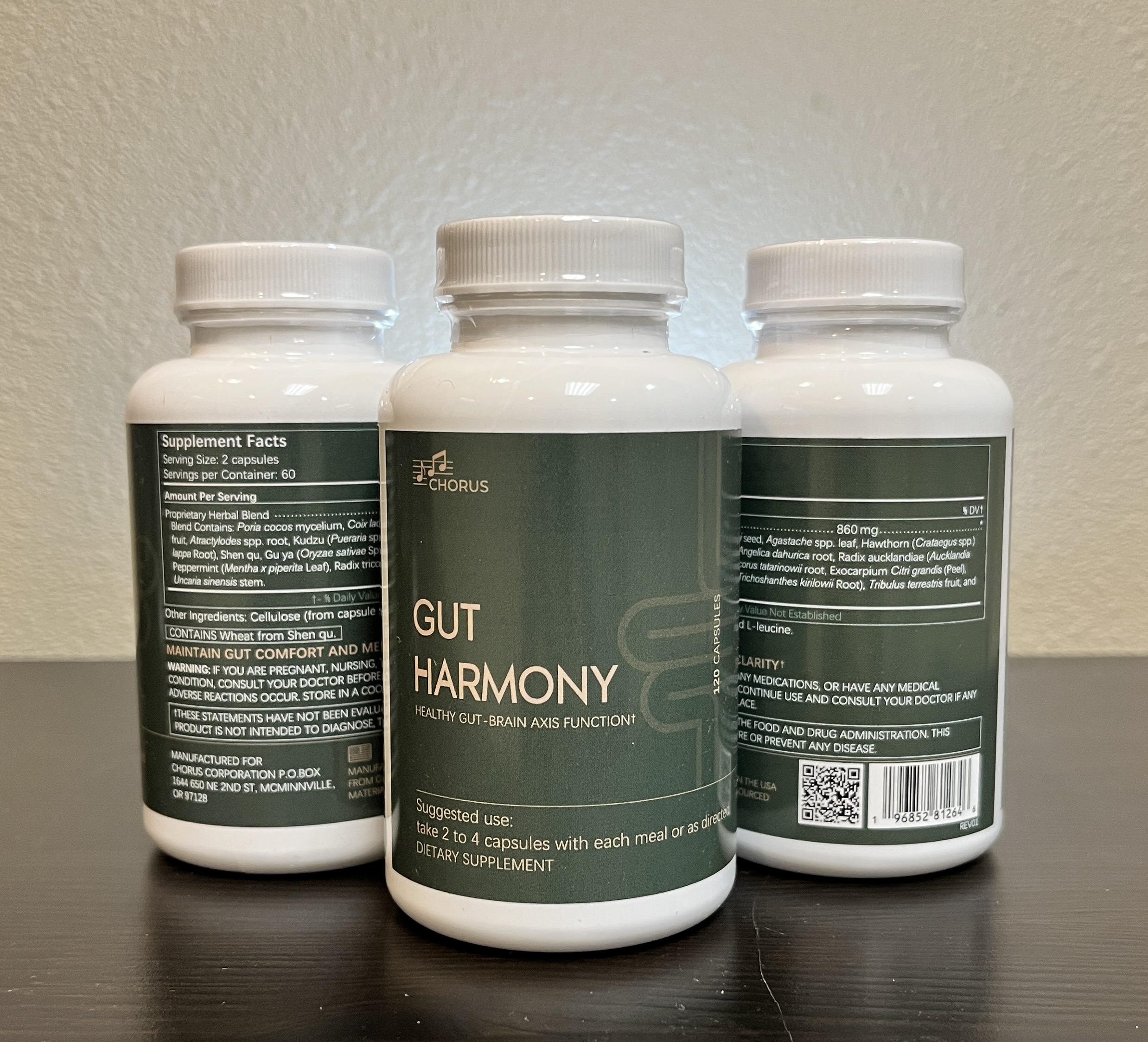
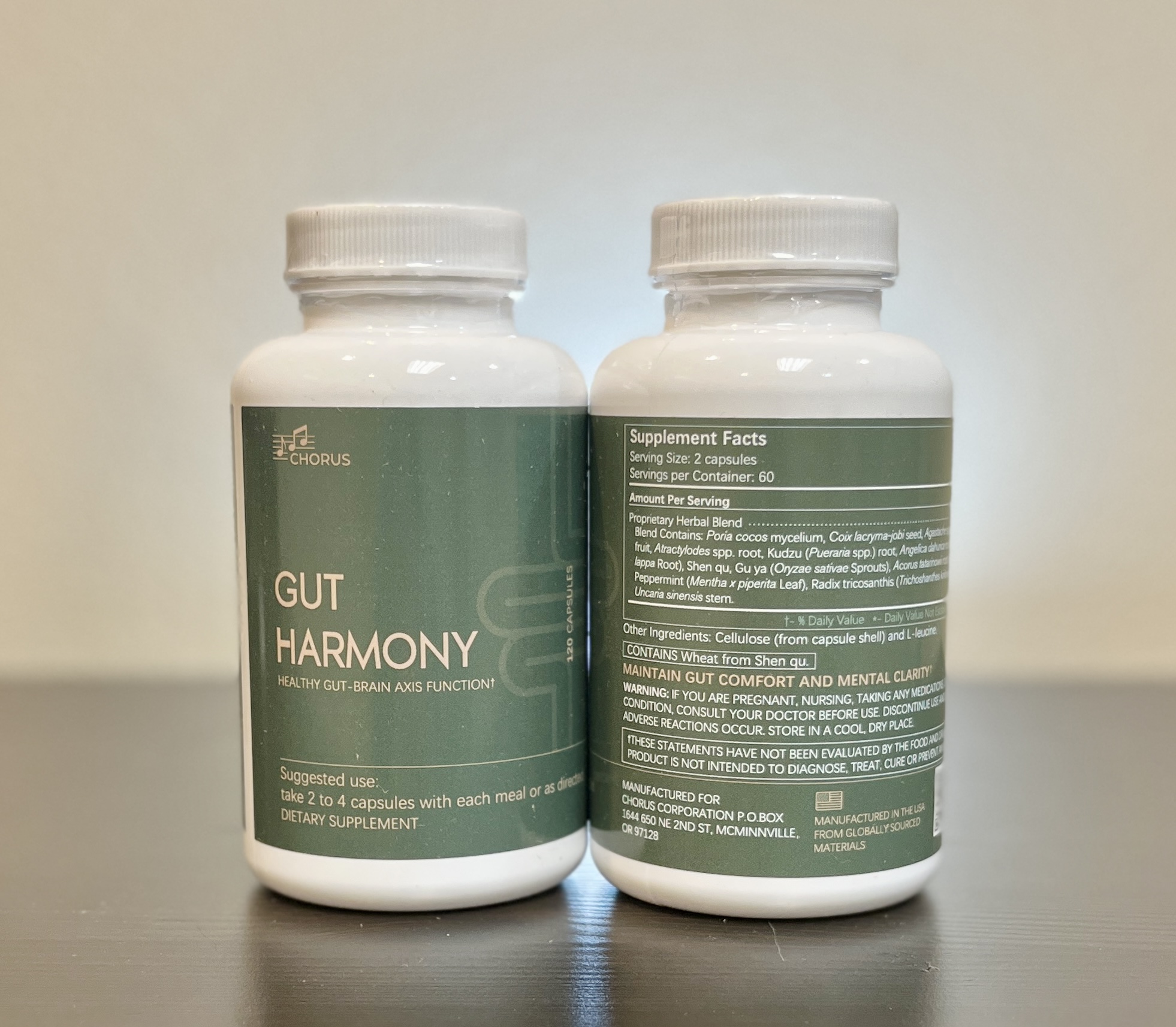
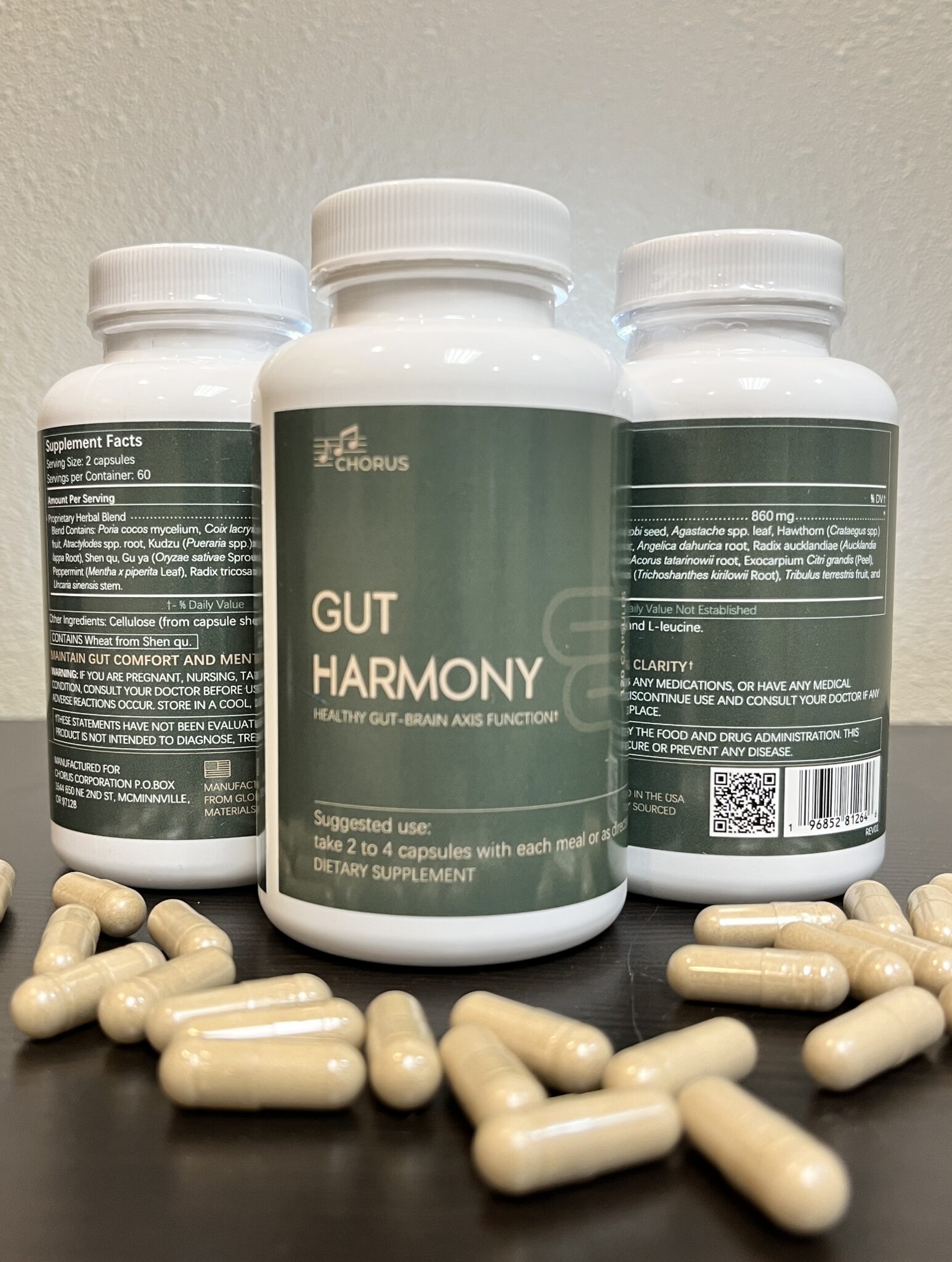
A powerful blend that echoes TCM principles, Gut Harmony (Chorus Capsules) merges the best of premium herbs to address stomach health. Its composition is reminiscent of renowned formulas like Bao He Wan. By uniting ingredients like Fu Ling, Huo Xiang, Shan Zha, and more, Gut Harmony creates a formula that:

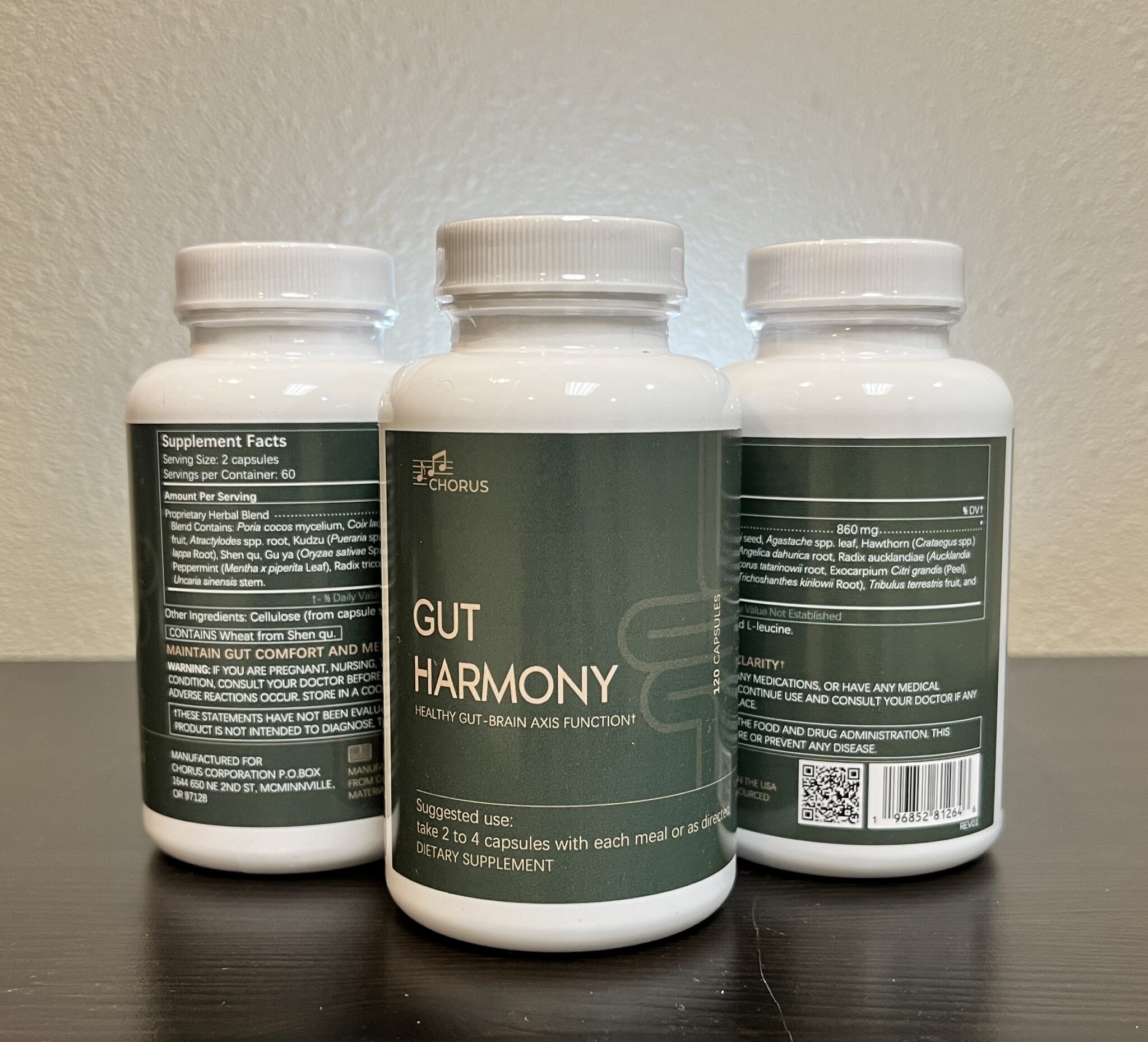
Gut Harmony (Chorus Capsules) from Chorus Corporation


– Clears phlegm and dampness
– Relieves food stagnation
– Counters the effects of the typical Western diet
– Contains herbs that combat inflammation and repair the digestive system

Given the connection between the stomach and migraines, Gut Harmony (Chorus Capsules) holds significant promise. Research has underscored that interventions like probiotics can inadvertently delay the recovery of the gut mucosa post-antibiotic treatment. This revelation suggests that there’s a pressing need to develop solutions that protect the mucosa without hindering microbiome recolonization.

Its power isn’t merely in replenishing the gut but in fostering conditions that promote healthy bacterial growth. For instance, the herb Mu Xiang (Auklandiae Lappae) is a marvel in this formula. Known for its capacity to regulate Qi and alleviate digestive pain, Mu Xiang has a history of being used for conditions stemming from Qi stagnation or deficiency in the digestive tract. Its significance extends to increasing bile secretion, essential for fat emulsification and the expulsion of waste products like hemoglobin and excess cholesterol.

In essence, Gut Harmony isn’t just another herbal supplement; it’s a carefully crafted symphony of herbs that promises to re-balance our internal systems. It could be the bridge between incessant pain and relief for migraine sufferers, making it an invaluable tool in holistic health arsenals.

Understanding the profound interplay between our gut and brain offers transformative insights into holistic migraine management. Clara’s journey highlights the potential of a comprehensive approach, seamlessly integrating acupuncture with the timeless wisdom of Traditional Chinese Medicine. At the forefront of these solutions, the Herbal Formula Gut Harmony (Chorus Capsules) emerges as a potent tool designed to nurture and balance our gut environment. For those seeking relief from the clutches of migraines, it’s time to consider the potential benefits of the Gut Harmony Formula. Order yours today and embark on a journey towards improved well-being and lasting relief.

Unlock Nature’s Harmony for Your Gut: Feel, Digest, and Live Better with Chorus.

We make available natural products that have been observed to make a difference in the lives of our patients, friends and family. You’re in good hands shopping with us.

About the Author

Author Willard Sheppy Exporing the Coast

Willard Sheppy is a writer and healthcare practitioner who seamlessly melds scientific knowledge with practical applications in engaging and authoritative articles. He holds a Bachelor of Science in Environmental Science from Oregon State University and a Master’s in Acupuncture and Oriental Medicine from the distinguished Oregon College of Oriental Medicine.

In his work, Willard skillfully combines his extensive educational background in scientific research with his practical experience as a healthcare practitioner. Willard balances his life with martial arts and cherished family adventures. As a father of three, he often leads his family on camping and hiking trips along the breathtaking Oregon coast.

Connect with Willard on LinkedIn at linkedin.com/in/valleyhealthclinic or learn more about his services at valleyhealthclinic.com. Embark on this journey towards holistic health with Willard!

At-Home Practices To Increase Gut Health

Harness the Power of Warmth

In the sprawling landscape of Traditional Chinese Medicine (TCM), there’s an elegant balance between yin and yang, cold and heat; in my years of practice, I’ve observed that most people fall into two distinct categories: either too much heat or not enough. Individuals struggling with slow digestion often exhibit a cold and damp constitution, which TCM links to a pale, swollen tongue and a weak, thin pulse. Let’s explore four at-home practices that help ‘warm up the middle,’ fostering improved digestion and intestinal motility by stimulating smooth muscle movement and circulation.

Warm Water

Staying hydrated is key to smooth digestion. Not just any hydration, but specifically warm or hot water. It aids in emulsifying fats, stimulates intestinal peristalsis, and relaxes the gastrointestinal tract, helping ease constipation and promoting better digestion.

Ginger

Ginger, a superstar in digestive health, is renowned for its gastroprotective effects. A natural remedy, ginger aids digestion, reduces inflammation in the gut, and stimulates movement through the digestive tract. Consuming it in hot water as a tea ginger tea can significantly relieve gastrointestinal discomfort.

Abdominal Massage

Abdominal massage is a lesser-known yet highly effective method to combat slow intestinal movement. A gentle, clockwise massage on your abdomen can stimulate intestinal muscle contraction, helping move the contents of the bowel and alleviate constipation symptoms. Remember, the key is gentle, consistent pressure— never cause discomfort or pain.

Post-Meal Walks

Finally, walking after meals can significantly improve your digestive health. This simple habit aids digestion, enhances movement through the digestive tract, and even lowers blood sugar levels. Whether a brisk walk around your block or a leisurely stroll through your garden, getting up and moving post-meal can do wonders for your gut health.

Remember that small, consistent steps can yield significant results in pursuing optimal gut health. Swap that cold beverage with a warm one, spice up your meals with ginger, learn the abdominal massage technique, and embrace post-meal strolls. Each of these actions, though simple, could be a powerful ally in your fight against slow intestinal movement.

Hot Water

When it comes to bolstering digestive health and fostering a thriving gut microbiome, we can make numerous diet and lifestyle modifications. Yet, one easily overlooked and implementable daily practice may be as simple as reaching for a mug of warm water. 

Many cultures have embraced drinking warm or hot water for centuries due to its perceived health benefits. Recently, scientific investigations have begun to validate this traditional wisdom, providing intriguing insights into how temperature can impact our digestive functions. 

Dilation of Blood Vessels in the Gut

A study published in the Journal of Gastroenterology and Hepatology found that drinking warm water can dilate blood vessels within the gut. This is significant because the dilation of these vessels enhances circulation, delivering more oxygen and nutrients to the digestive system, which in turn can support improved digestion and absorption of nutrients.

Emulsification of Fats

Warm water, particularly when consumed after meals, aids in emulsifying fats. Emulsification is when large fat globules are broken into smaller, evenly dispersed particles. This process facilitates the action of digestive enzymes, enabling more efficient fat digestion and absorption.

Activation of the Digestive System

The consumption of warm water is also thought to stimulate the digestive system. The heat from warm water can assist in dissolving and dispersing food particles that the body might find challenging to digest. This can result in smoother digestion and less digestive discomfort.

Relaxation of the Gastrointestinal Tract

The soothing nature of warm water can help relax the gastrointestinal (GI) tract. This relaxation can mitigate some issues related to slow intestinal movement, such as bloating and constipation.

Stimulating Intestinal Peristalsis

Warm water can stimulate intestinal peristalsis – the wave-like muscle contractions that move food through the digestive tract. Improved peristalsis can result in more regular bowel movements, reducing the risk of constipation and creating a more conducive environment for gut bacterial health. 

Warm Water into Your Routine

Integrating the practice of drinking warm water into your daily routine can be simple. Start your day with a cup of warm water on an empty stomach. Not only will this practice hydrate you after a long night’s sleep, but it may also jumpstart your digestion for the day.  I like to take that warm mug of water and rest it on my belly button while sipping at it. I love the heat of the mug warming up my stomach 

You can also opt for warm water instead of cold when hydrating throughout the day or consider ending your meals with a mug of warm water to assist in the emulsification of fats and stimulate digestion.

While these suggestions provide a guide, always remember to listen to your body and find the balance that works for you. 

Warm water provides various digestive benefits, particularly for those struggling with slow intestinal movement. By supporting blood circulation, fat emulsification, digestion activation, GI relaxation, and intestinal peristalsis, warm water is an easy and accessible ally for digestive health.

Ginger

This remarkable root has been a staple in traditional medicine for thousands of years, and modern science has begun to uncover the impressive array of health benefits it provides, particularly regarding digestive health and gut bacteria balance. 

A Powerful Digestive Aid

 Hailing from the same family as turmeric, cardamom, and galangal, ginger (Zingiber officinale Roscoe) is packed with potent compounds like gingerol and shogaol, giving it its distinctive taste and health-enhancing properties. 

Stimulating Digestion

Ginger has been found to increase the rate at which food moves through the stomach, a process known as gastric emptying. By aiding the transition of food from the stomach to the small intestine, ginger may help reduce discomfort, bloating, and feelings of heaviness accompanying slow digestion. Studies have identified gingerol, a natural component of ginger root, as beneficial for gastrointestinal motility, encouraging efficient digestion so food doesn’t linger excessively in the gut.

Reducing Nausea and Stomach Pain

Another fascinating aspect of ginger’s digestive prowess is its effectiveness in relieving nausea and stomach discomfort. Ginger has shown impressive anti-nausea properties, from easing morning sickness in pregnant women to reducing nausea induced by motion sickness, chemotherapy, or surgery. It works by breaking up and expelling built-up gas in the intestines. 

Reducing Inflammation

Inflammation is often a response to injury or infection, but when it becomes chronic, it can contribute to various health issues, including those of the digestive system. The good news? Ginger is rich in anti-inflammatory compounds. By helping to reduce inflammation in the gut, ginger can improve digestion and create a healthier environment for gut bacteria.

Improving Gut Motility

Ginger can be a natural ally for individuals struggling with slow intestinal movement or constipation. It’s believed to enhance the intestines’ contractions, helping move food along the digestive tract. This suggests that ginger could provide relief from or even prevent constipation. 

Antibacterial Properties

Last but not least, ginger’s antibacterial properties shouldn’t be overlooked. It can help prevent infections in the gut, maintaining a balanced and healthy microbiota. 

Ginger Into Your Routine

Adding ginger to your diet is surprisingly easy, given its versatile nature. It can be consumed in many forms – fresh, dried, powdered, as an oil or juice, and even in capsules. For me, the best way is to combine it with warm water as a tea.  There are a lot of tasty teas out there, and this is the easiest way. You can combine it with fresh-cut ginger to add extra spice to your tea. However, it’s important to start with small doses if you’re new to ginger, and remember, while it’s natural, ginger is still potent.

With its rich array of health benefits and rich culinary history, ginger is more than just a kitchen spice. It’s a powerful digestive aid and gut health ally. Whether you’re dealing with slow intestinal movement or looking to boost your.

Abdominal Massage

Abdominal massage is a therapeutic practice that involves applying pressure to the abdomen and surrounding areas. These hands-on techniques aim to stimulate the internal organs, promote digestion, alleviate discomfort, and enhance overall gut health. 

Many natural health practitioners believe that massaging the abdomen can improve the movement between internal organs and other body tissues, aid in digestion, and even help maintain a healthy gut microbiota – the complex community of microorganisms living in our digestive tract.

The Science Behind Abdominal Massage

Several studies underscore the benefits of abdominal massage for digestive health. One such study, published in the Journal of General Internal Medicine, found that a self-administered abdominal massage program significantly improved bowel function, quality of life, and overall well-being in patients with constipation. In addition, another study published in the Journal of Complementary and Alternative Medicine found that abdominal massage effectively reduced symptoms of constipation in older adults.

Moreover, research published in the journal Evidence-Based Complementary and Alternative Medicine indicated that abdominal massage might also positively impact the gut microbiota, our body’s “second brain,” further highlighting the importance of this practice for overall gut health.

How Can Abdominal Massage Benefit You?

The practice of abdominal massage offers multiple potential benefits. Let’s examine them:

Relaxation of stomach muscles:

Abdominal massage can help relax the stomach muscles, stimulating digestion and relieving constipation. When your muscles are relaxed, it promotes better mobility of the digestive tract and aids the passage of food.

Improved organ movement

By gently kneading and pressing the abdominal area, you can enhance the mobility of internal organs. This increased movement can boost digestion, further improving overall gut health.

Stimulation of circulatory and lymphatic systems

The circulatory and lymphatic systems are crucial for a healthy body, which is key in nutrient absorption and immune response. Abdominal massage stimulates these systems, which can help maintain good gut health and bolster the body’s natural defenses.

Reduction in constipation symptoms

Abdominal massage may help reeducate the muscles that control bowel movements, reducing symptoms of constipation. This is particularly beneficial for people who struggle with slow intestinal movement.

Easing stress and body tension

Stress is an often-overlooked factor that can exacerbate digestive issues. Abdominal massage is thought to help ease stress and body tension, fostering a healthier, more balanced digestive system.

How to Perform Abdominal Massage 

1. Find a Comfortable Stance: Stand with your feet shoulder-width apart. This grounding stance provides a strong foundation for the massage. Softly bend your knees to encourage relaxation in the abdominal area.

2. Deep Breathing: Initiate diaphragmatic breathing, a deep inhalation that stimulates your intestines. To practice diaphragmatic breathing, focus on expanding your stomach, pelvic floor muscles, and lower back with each inhale. Feel these areas contract as you exhale. This rhythmic expansion and contraction facilitate movement in the belly, preparing it for the physical manipulation of the massage.

3. Gentle Belly Rub: Now, place your palms one over the other, positioned over your abdomen. Utilize your whole body by initiating a gentle twisting motion in your waist. This full-body engagement amplifies the benefits of the massage.

Large Circles: Begin by rubbing your belly in large, clockwise circles. This motion traces the path of the large intestine, promoting its function.

Small Circles: Next, move to smaller circles around your belly button, stimulating the small intestines.

Throughout the massage, continue with the twisting motion in your waist. If done correctly, your knees gently bounce, adding additional physical stimulation.

4. Coordinate Breathing and Massage Movements: Continue deep, diaphragmatic breathing as you perform the massage. The aim is to provide three levels of stimulation to your belly with your breath, the rubbing of your hands, and the twisting movements of your body.

By following these steps, you will manually massage your abdomen and stimulate it through your deep breathing and body movements. This comprehensive approach maximizes the potential benefits of the practice, offering a powerful boost to your digestive health.

Remember to listen to your body and adjust the pressure as needed. If you feel discomfort at any point, ease up or stop the massage. It’s always advisable to consult with a healthcare professional before starting any new health practice.

Post-Meal Strolls

We often associate good digestive health with our foods – fruits, vegetables, whole grains, lean proteins, and fermented foods. However, did you know that a simple activity, such as walking, could also positively affect your digestion and gut bacterial health, particularly in slow intestinal movement? Let’s delve into the details.

Walking Post-Meal

Gastrointestinal issues can sometimes feel like a heavy burden. Fortunately, adding a post-meal walk into your daily routine could be a straightforward solution to enhance your digestion. This practice seems to be an effortless adjustment and can significantly contribute to maintaining gut health.

Aiding Digestion

The primary benefit of walking after eating is its ability to stimulate the stomach and intestines, enhancing digestive efficiency. The gentle, rhythmic motion of walking facilitates food movement along the digestive tract, reducing the time it stays in the gut. This accelerated digestion process helps alleviate symptoms such as bloating, which is especially beneficial for individuals suffering from conditions like irritable bowel syndrome.

Improving Movement through the Digestive Tract

A post-meal walk can be an effective remedy when addressing slow intestinal movement. Physical movement stimulates peristalsis – the wave-like contractions that move food through your digestive tract. Enhanced peristalsis reduces the likelihood of constipation, a common consequence of slow intestinal movement.

 Lowering Blood Sugar Levels

The benefits of post-meal walks extend beyond your digestive tract. They can also significantly reduce blood sugar levels. When we eat, our blood sugar rises. A brisk walk after meals aids in sugar metabolism, preventing sudden sugar spikes and crashes. This practice can especially benefit individuals with diabetes or those at risk.

Enhancing Satiety and Promoting Better Sleep

Post-meal walks can potentially improve satiety – the feeling of being full after a meal. This increased satisfaction can help regulate food consumption, reducing the likelihood of overeating and contributing to weight management.

Moreover, a gentle walk after dinner can improve sleep quality. Good sleep is vital for overall health and is directly linked to improved gut health.

Boosting Blood Flow

Walking enhances blood flow throughout the body, including the gut, like any exercise. Increased blood circulation delivers oxygen and nutrients to the gut, enhancing overall health.

Be Mindful of Your Body’s Response

While the benefits of a post-meal stroll seem plentiful, paying attention to your body’s signals is essential. Some individuals might experience an upset stomach when walking immediately after a meal due to the food moving around in the stomach. This movement could lead to discomfort, indigestion, diarrhea, nausea, gas, or bloating. If you notice any of these symptoms, consider waiting 10 to 15 minutes post-meal before you start your walk.

What you do most of the time is more important than what you do some of the time.

In the journey towards better health, everyday habits take precedence over occasional activities. Embracing simple rituals such as consuming warm water, incorporating ginger and the herbal product Gut Harmony (Chorus Capsules) into your diet, practicing abdominal massage, and indulging in post-meal walks can collectively pave the way for improved digestive and gut health, as well as holistic well-being.

The synergy of warm water to kickstart your metabolism and aid digestion, combined with ginger’s anti-inflammatory and antioxidant properties, sets a robust foundation for a healthy digestive system. Additionally, taking Gut Harmony (Chorus Capsules) every day for three months offers a specialized way to help balance your gut bacteria. This herbal product is designed to work in harmony with your body’s natural flora, making it an integral part of a holistic approach to gut health. An abdominal massage routine can further stimulate organ movement, aid digestion, and contribute to a more balanced gut microbiota. A simple post-meal walk enhances digestion, lowers blood sugar levels, and promotes better sleep.

When these practices—consuming warm water, including ginger and Gut Harmony (Chorus Capsules), performing abdominal massages, and taking post-meal walks—are performed consistently, they collectively offer a well-rounded strategy for managing common digestive issues such as bloating, constipation, and slow intestinal movement. This regimen reinforces the notion that small, sustainable changes to our daily habits can have a significant impact on our overall health.

Remember, what you do most of the time holds more weight than what you do occasionally. Each step, each sip, each bite, and each touch is a golden opportunity to nourish your body, care for your gut, and enhance your well-being. The accumulation of these daily rituals, especially when committed to over a period like three months, can lead to transformative results in your health journey.

Gut Harmony is unlike anything else. It is specifically engineered to help your microbiome thrive based on any specific stressors it encounters.

We make available natural products that have been observed to make a difference in the lives of our patients, friends and family. You’re in good hands shopping with us.

About the Author

Author Willard Sheppy Exporing the Coast

Willard Sheppy is a writer and healthcare practitioner who seamlessly melds scientific knowledge with practical applications in engaging and authoritative articles. He holds a Bachelor of Science in Environmental Science from Oregon State University and a Master’s in Acupuncture and Oriental Medicine from the distinguished Oregon College of Oriental Medicine.

In his work, Willard skillfully combines his extensive educational background in scientific research with his practical experience as a healthcare practitioner. Willard balances his life with martial arts and cherished family adventures. As a father of three, he often leads his family on camping and hiking trips along the breathtaking Oregon coast.

Connect with Willard on LinkedIn at linkedin.com/in/valleyhealthclinic or learn more about his services at valleyhealthclinic.com. Embark on this journey towards holistic health with Willard!