Tag: Headaches & Migraines

The Best Stretch for Meniere’s Disease and Vestibular Migraines

19 minutes read

The Best Stretch for Meniere’s Disease and Vestibular Migraines

Will Sheppy, Founder and Acupuncturist at Valley Health Clinic
Willard Sheppy Dipl. OM, LAc, BS

Willard Sheppy is a licensed acupuncturist (LAc) and Founder of Valley Health Clinic specializing in using Traditional Chinese Medicine to treat acute injuries and chronic conditions, and to improve sports performance and rehabilitation.

DR-Joshua

Table of Contents

Best Stretch for Meniere’s Disease and Vestibular Migraines

The best stretch for Ménière’s disease and Vestibular Migraines is not about forcing muscles to lengthen. It is about calming the nervous system, reducing cervical and jaw tension, and improving how the brain interprets balance signals coming from the neck and inner ear. For people living with Ménière’s disease or vestibular migraines, this distinction matters.

Why stretching helps Ménière’s disease and Vestibular Migraines.

Research increasingly shows that the cervical spine plays a critical role in balance. The upper neck contains dense proprioceptive input that feeds directly into vestibular processing centers in the brain. When these tissues are tense or inflamed, the brain receives distorted information, which can worsen dizziness and vertigo.

What support this approach?

Tips For the Best Stretch of Meniere's and vestibular migraines.

Muscles are not rubber bands. When people “stretch harder,” they often activate protective reflexes that increase tension instead of releasing it. In Ménière’s disease and vestibular migraine, this backfires.
The goal is nervous system down-regulation. This happens through three mechanisms used together:

Free email series

Get the Vertigo Map

Eleven at-home Ménière’s tools from Will, one short email at a time.

Check your inbox. Email 1 is on its way. If it isn’t there in a few minutes, check Promotions or Spam.

How To Do The Best Stretch for Ménière’s disease and Veatibular Migraines.

This stretch works because it connects the lower back, pelvis, shoulders, and neck. Releasing tension in larger, more accessible muscle groups allows the upper cervical region and jaw to relax indirectly, which is often more effective than trying to “stretch the neck” directly.
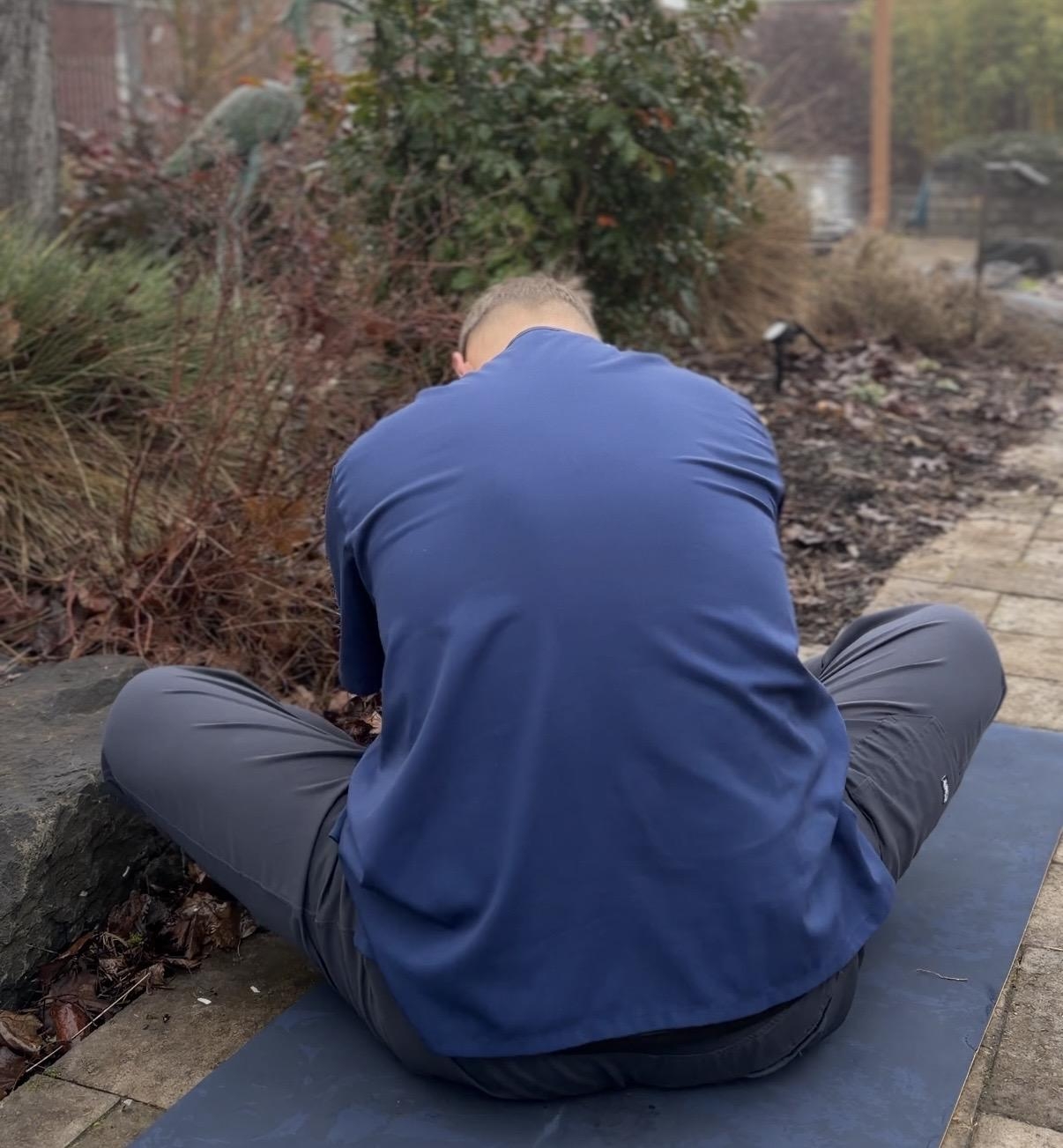
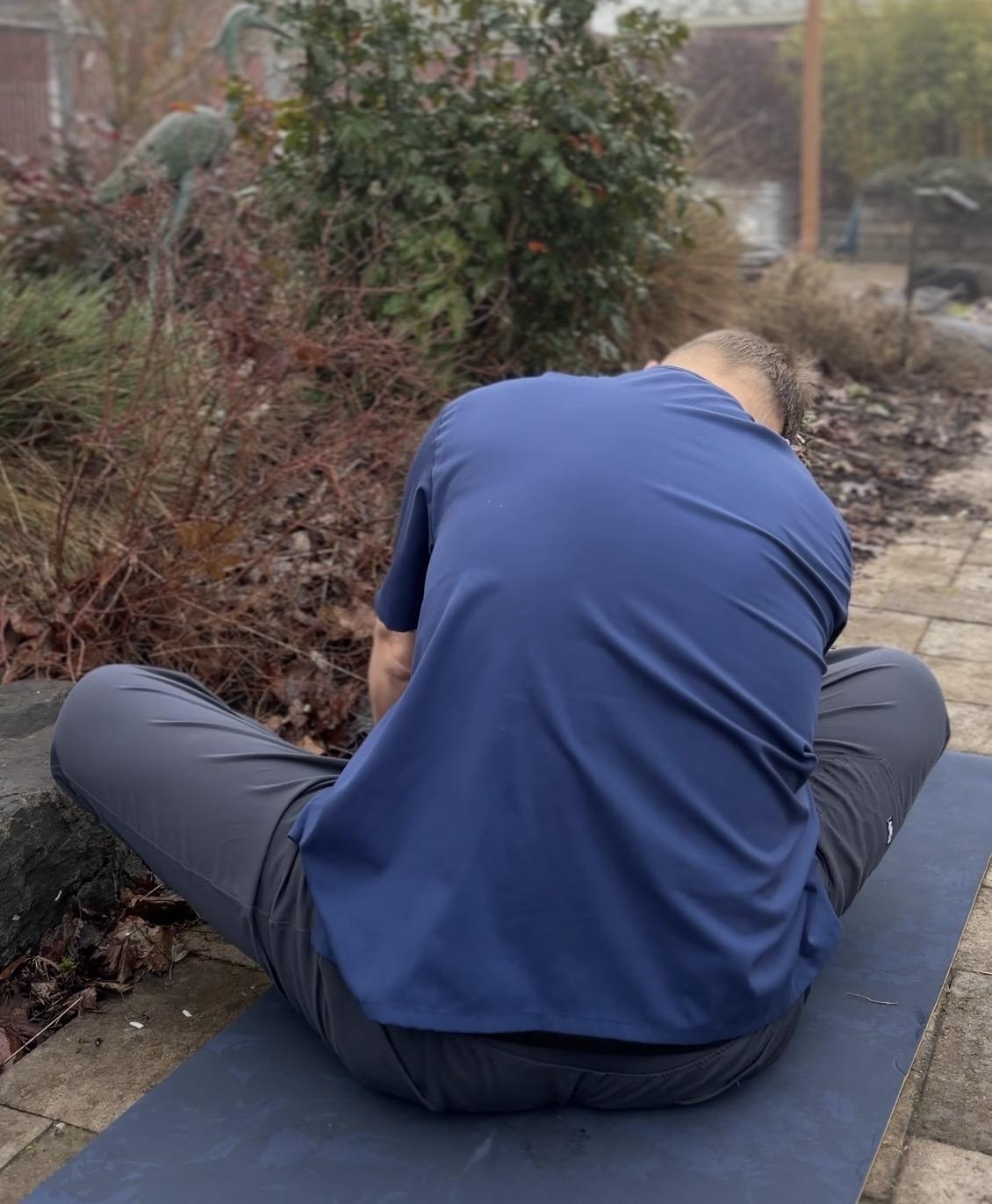
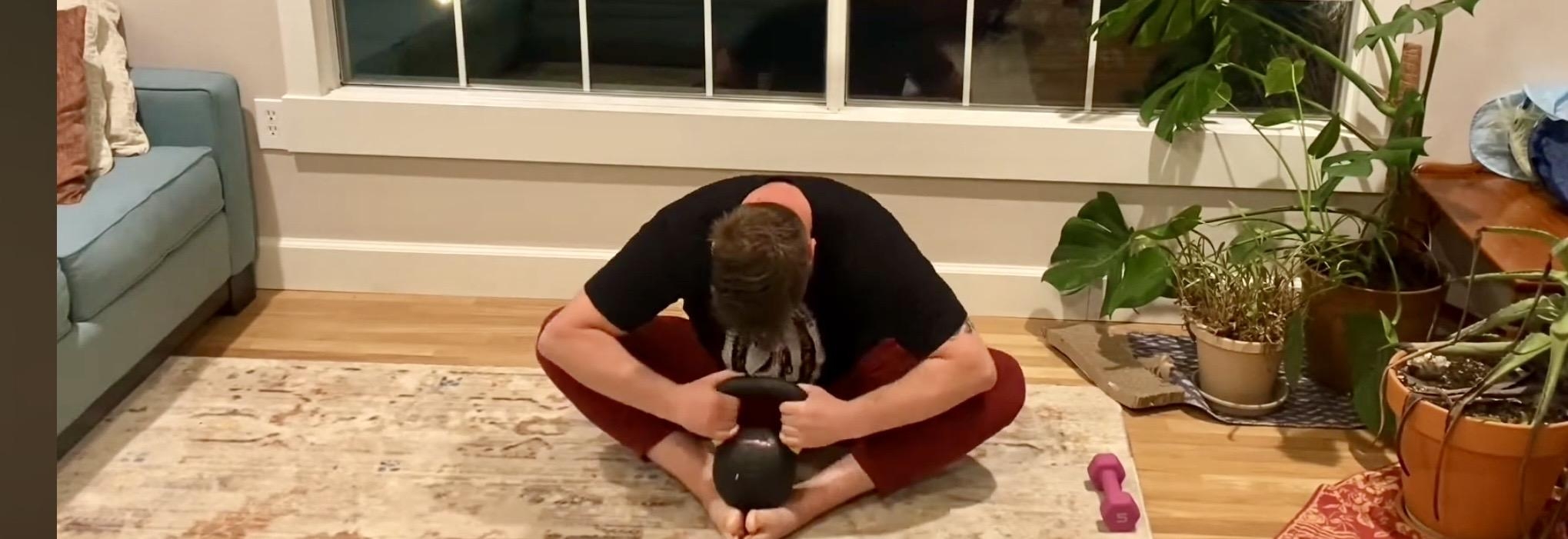
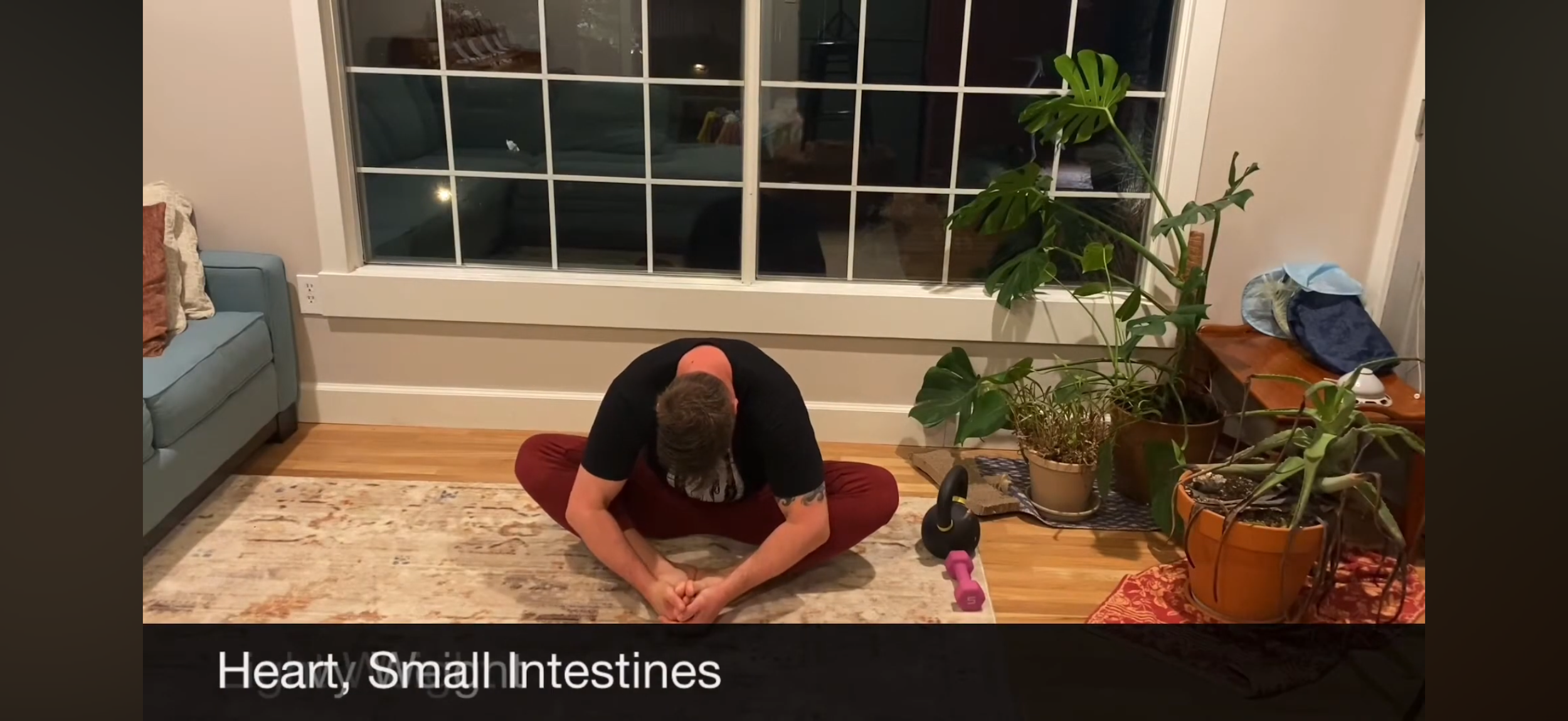
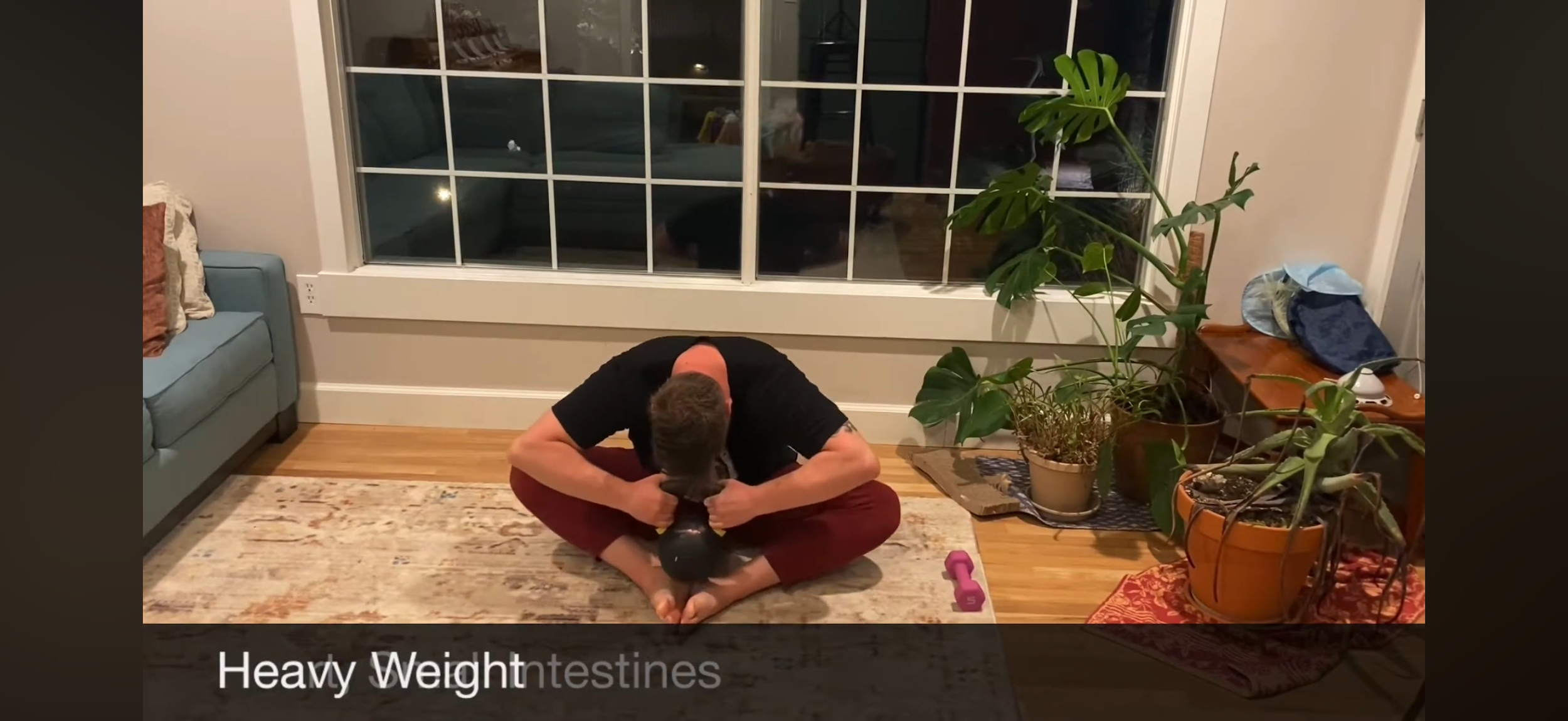
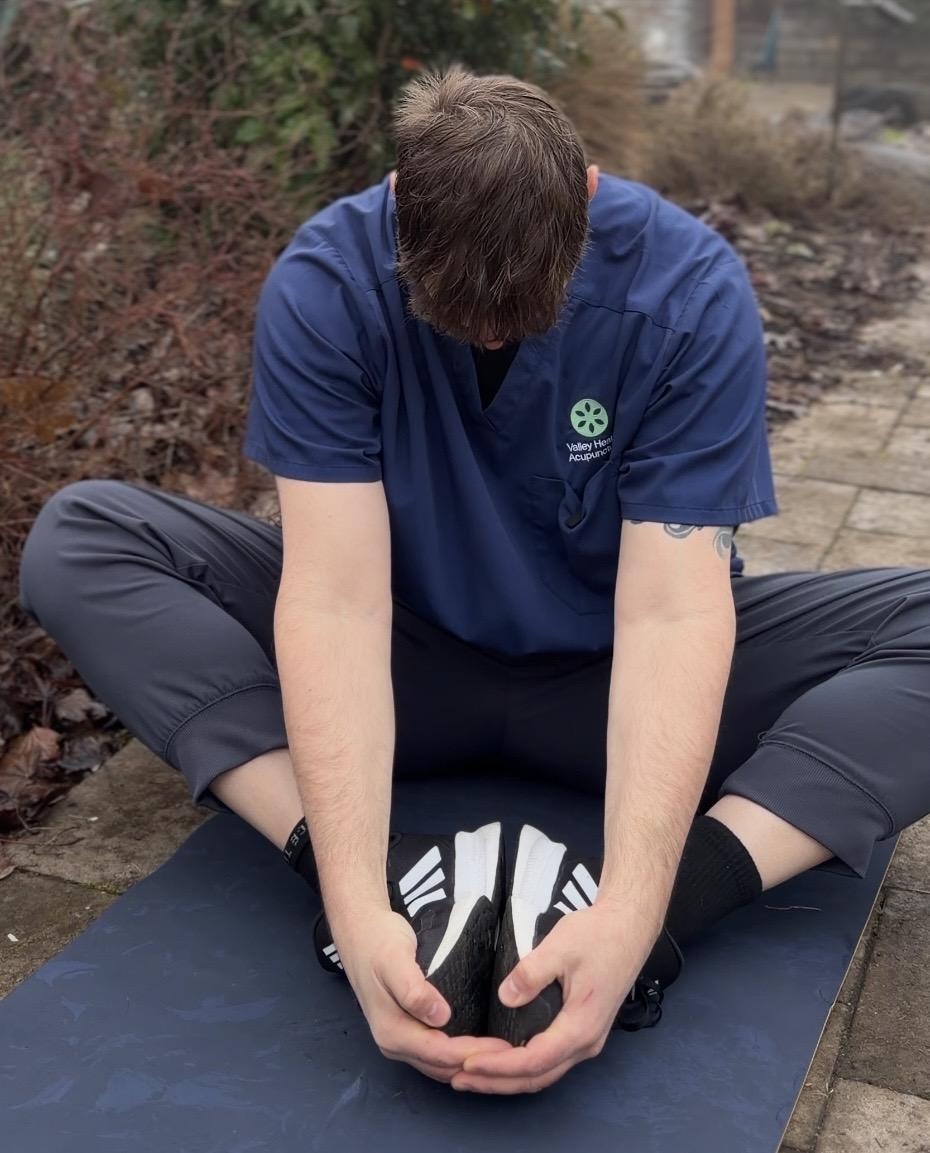
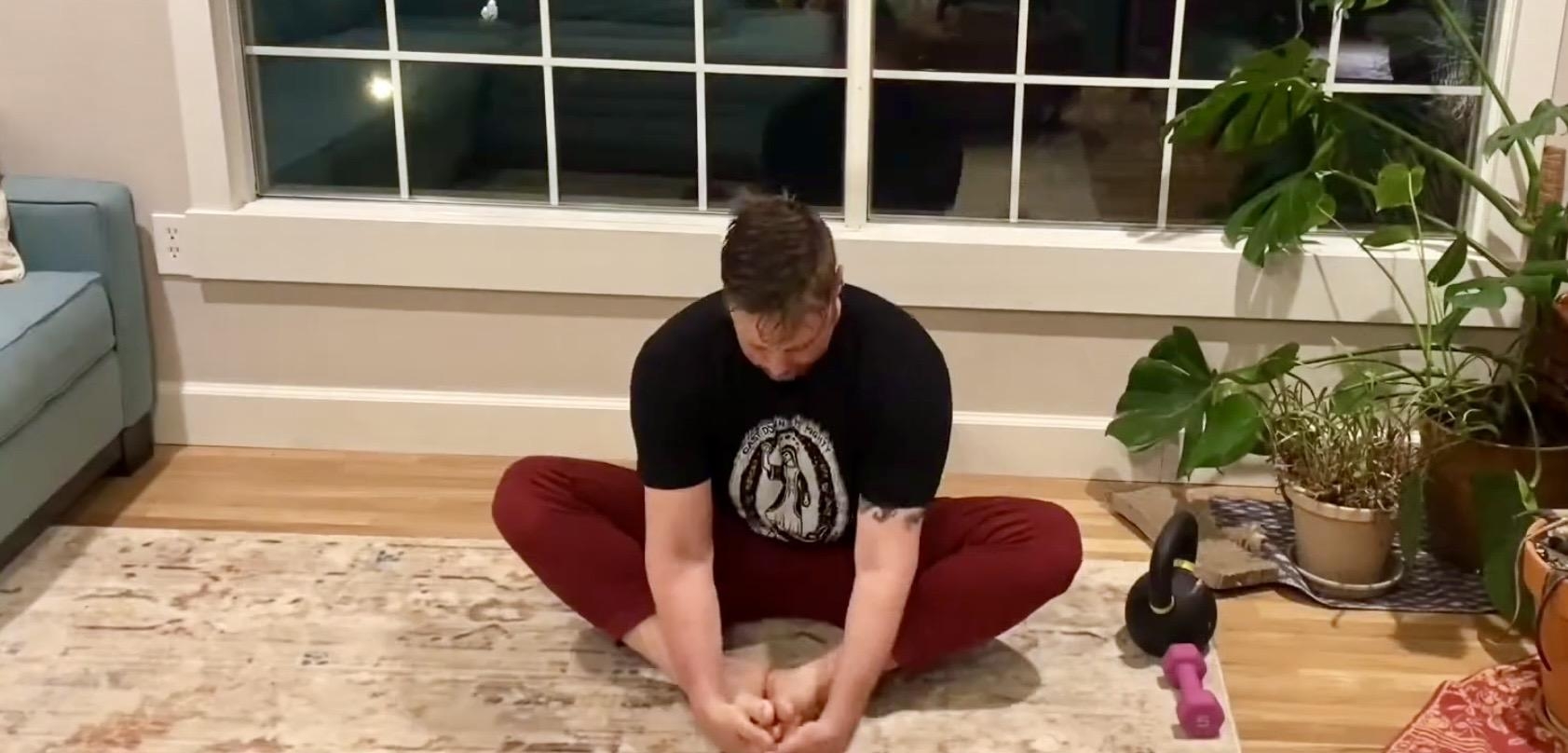
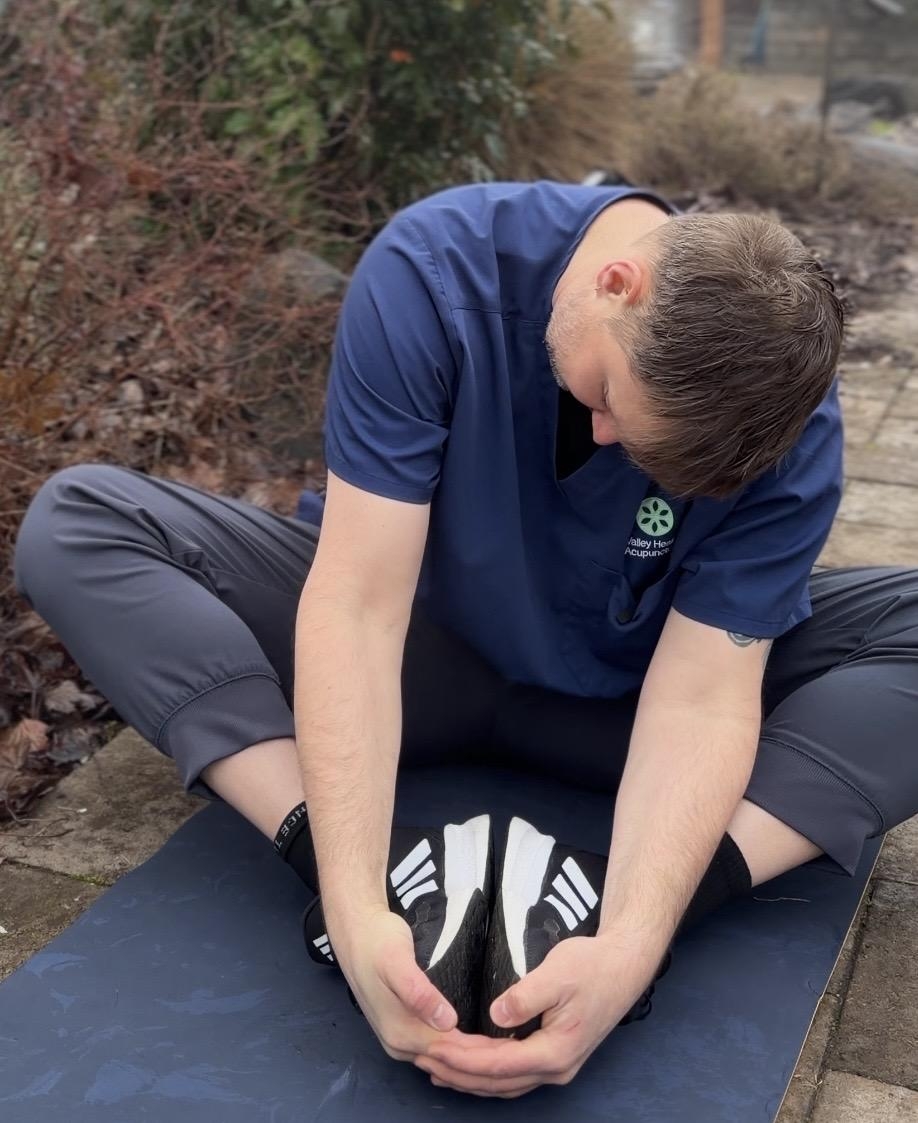
Sit on the floor or a firm surface and bring the soles of your feet together. Hold your toes, ankles, or thighs, whatever feels comfortable. Let your spine naturally fold forward without forcing it. The first step is simply to relax.
Take a slow breath in, gently contract your whole body just a little, then release with a long, sighing exhale. As you exhale, notice that your body naturally settles deeper without effort. This is the nervous system letting go.
From here, gently rock side to side. This allows you to find areas of stored tension, often in the shoulders, upper back, neck, or along the sides of the body. When you find a tight area, breathe into it, then release on the exhale. Many people feel tension travel down the spine or into the shoulders before dissipating.
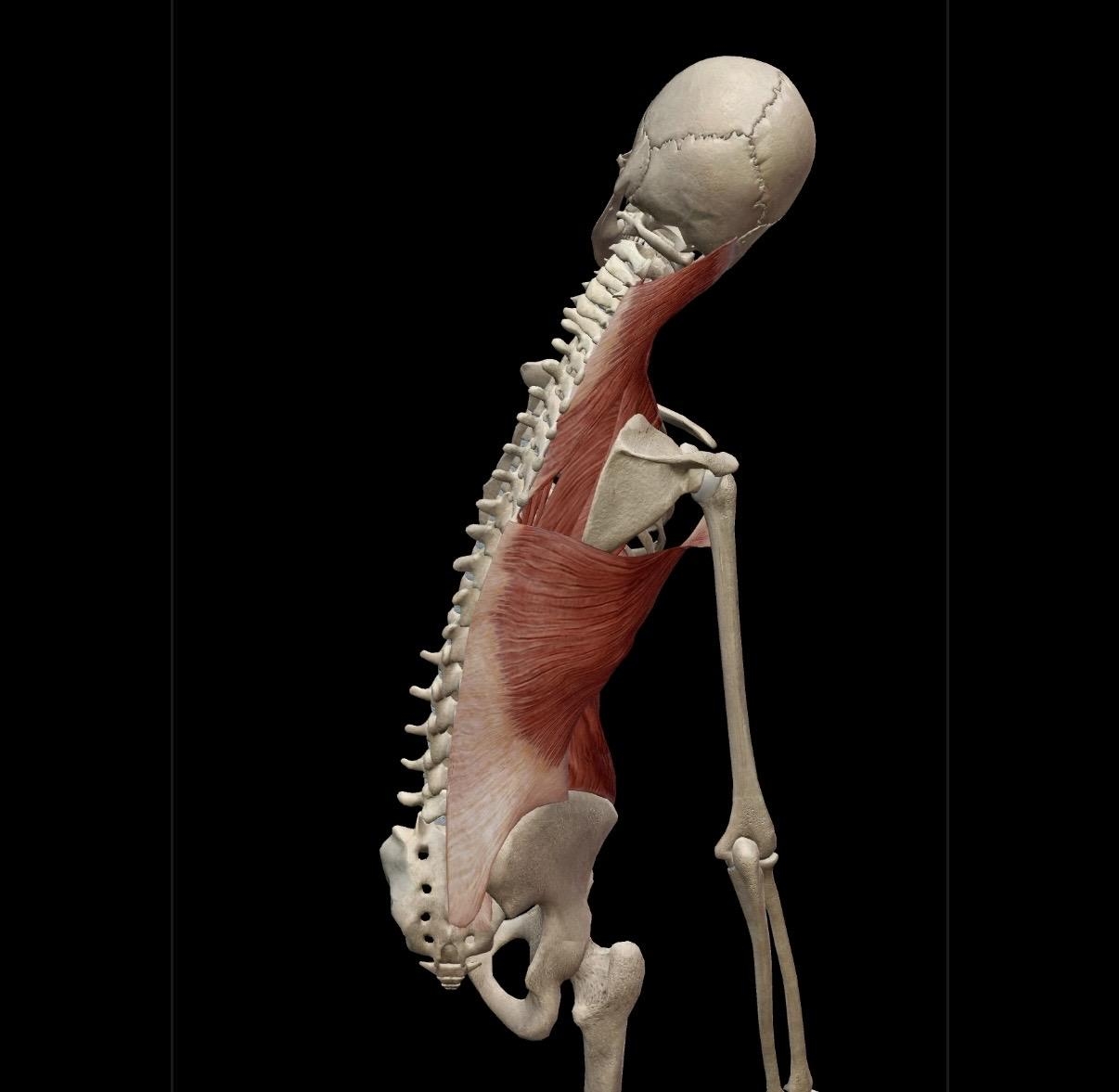
This indirect release is key. When the lower back, quadratus lumborum, and thoracic spine relax, the upper neck and jaw often follow

Bai Zhu Balance

Ancient Wisdom for Modern Balance
The natural supplement designed to treat Ménière’s disease at its root—relieve vertigo, reduce fluid buildup, calm inflammation, and restore clarity.

Detailed Explanations of the Best stretch for Meniere's and Vestibular Migraines.

The reason I like the best stretch for Ménière’s disease is that it immediately puts the body in a position of safety and relaxation. You are sitting on the ground, supported, not standing or challenging your balance. For people with Ménière’s disease or vestibular migraines, that matters. When the body feels stable, the nervous system is far more willing to let go of tension, and that alone can reduce dizziness.
This stretch is essentially a butterfly stretch, but done with a very different intention. Instead of forcing flexibility, you are able to relax, breathe, and move slowly. Because you are seated, you can gently flex the spine, hinge forward, or rock side to side. That makes it easy to “scan” the body and find different lines of tension,neck, shoulders, upper back, lower back, without provoking symptoms. Rather than isolating one small muscle group, you are influencing the entire spine as a connected system.
From a Makko-ho perspective, this position is often described as a Heart–Small Intestine / Fire stretch. That is significant for Ménière’s disease. Fire patterns are frequently associated with agitation, overactivation, and difficulty settling the mind. This stretch encourages a softening of the chest, shoulders, and upper spine, which many people feel as an immediate calming effect rather than a mechanical stretch.
Another reason this stretch works so well is that it does not only address the back of the neck and spine. By bringing the soles of the feet together, you are also opening the inner legs. In East Asian medicine, the inner leg pathways are yin channels, which are closely tied to nourishing, grounding, and calming functions. When these areas are restricted, people often feel restless, wired, or unable to fully relax symptoms that commonly overlap with Ménière’s disease.
What makes this stretch especially useful is that you can easily integrate grounding techniques at the same time. While seated, you can rub the bottoms of your feet, especially the center of the sole. This area is traditionally used to anchor excess upward activity and help the body feel settled. Doing this while gently releasing the neck creates a simultaneous effect: calming excessive yang above while supporting yin below.
In practical terms, you are stretching the neck and spine, opening the inner legs, and grounding through the feet all at once. This is why the stretch feels different from most neck stretches. You are not just “loosening muscles.” You are coordinating posture, breath, sensation, and touch in a way that helps the nervous system downshift.
That combination is why this is my preferred stretch for Ménière’s disease. It allows you to relax first, explore tension safely, calm the mind through the yin channels, and ground the body through the feet—all without forcing anything. When done slowly and consistently, it supports the same goal that every Ménière’s treatment is aiming for: less reactivity, better regulation, and a more stable internal sense of balance
Here is a video of more advanced stretching techniques 

https://youtu.be/t2AzSixQYus?si=BTW5W7C6cs1OxT5l

Free email series · 11 tools in 3 weeks

The Vertigo Map

Eleven at-home tools for Ménière’s and vertigo, one short email at a time. The same tools I use for my own Ménière’s and teach my patients in clinic, most with a video you can follow along with.

What’s inside

  1. 01Why attacks aren’t random
  2. 02Face massage for the ear
  3. 03Breathing to calm an attack
  4. 04A 3-minute centering reset
  5. 05The three ear zones
  6. 06Gua sha for the neck
  7. 07The nerve-calming stretch
  8. 08Cool head, warm feet
  9. 09The ankle patch
  10. 10Bai Zhu Balance, explained
  11. 11The path forward
Will Sheppy, L.Ac.

Will Sheppy, L.Ac., Dipl. O.M.Acupuncturist in Albany, Oregon for 20+ years. I have Ménière’s too.

Email 1 arrives in minutes

Get the Vertigo Map, free

Free. 11 emails over 3 weeks, then the occasional clinic newsletter. Unsubscribe any time.

You’re in. Check your inbox.

Email 1 is on its way. If it isn’t there in a few minutes, look in Promotions or Spam and move it to your inbox so the rest land where you’ll see them.

While you wait, watch the full Vertigo & Ménière’s class. It’s free, and everything in the series comes from it.

“My anxiety lessened, my tremors calmed, and I was able to return to work.”

Shawn A., Valley Health patient with Ménière’s. Results vary.

Share on

Will Sheppy, Founder and Acupuncturist at Valley Health Clinic
Willard Sheppy
Willard Sheppy is a licensed acupuncturist (LAc) and Founder of Valley Health Clinic specializing in using Traditional Chinese Medicine to treat acute injuries and chronic conditions, and to improve sports performance and rehabilitation.

FAQ's

About Microgard
What is Microgard?
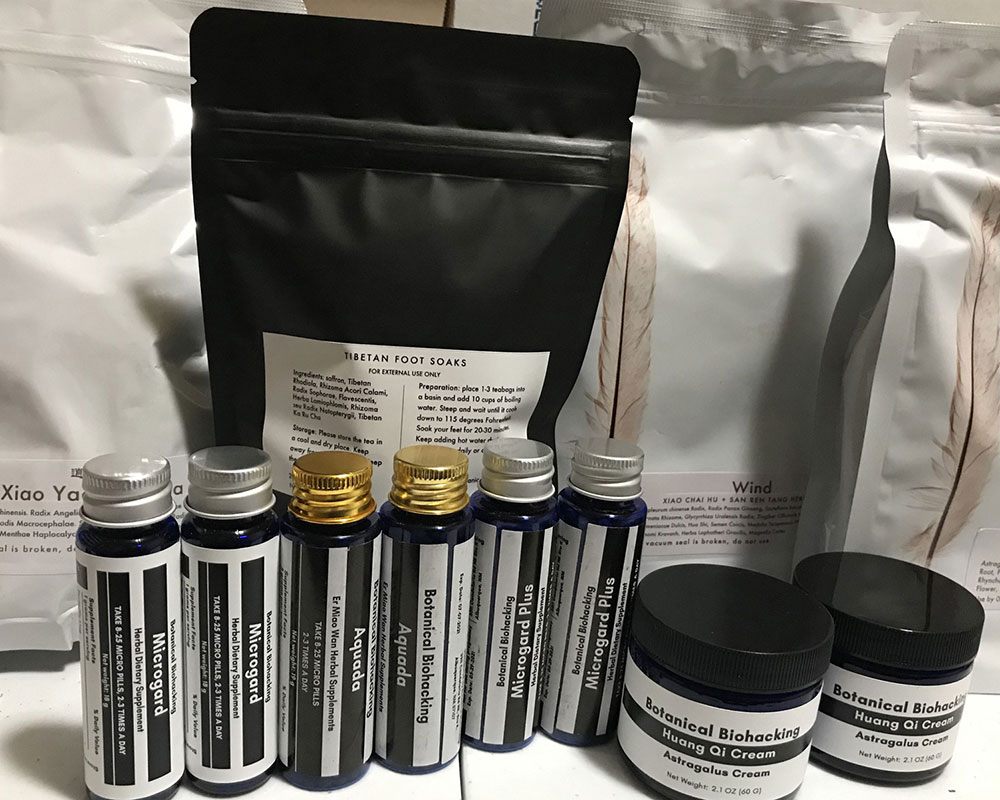
Microgard is a 16-herb formula evolved from the traditional digestive remedies Bao He Wan and Po Chai Pills, refined for functional dyspepsia (chronic indigestion). It addresses multiple causes of persistent upset stomach at the same time, from poor motility to inflammation and gut-brain signaling.
Take 8–25 micro pills, 2–3 times daily, or follow your healthcare practitioner’s instructions. Because these are micro pills — much smaller than standard capsules or tablets — the dosage may sound high, but the tiny size makes them easy to swallow and adjust to your needs.
Each bottle contains 18 g of traditional micro pills. Since there are no preservatives, keep the bottle in a cool, dry place and refrigerate after opening. For best results, finish the bottle as soon as possible once opened.
If you eat a Standard American Diet, have chronic indigestion (functional dyspepsia) or other digestive symptoms, and have signs of gut dysbiosis like a thick tongue coating, Microgard is likely a good formula for you. If you are unsure about Microgard, contact a TCM professional (licensed acupuncturist) who can determine if it’s the best fit.
Yes. Microgard contains no additives or preservatives, only the 16 traditional herbs. Ingredients are sourced from authentic growing regions, verified by TCM botanical experts, and tested for purity, heavy metals, and pesticide residues at a Chinese FDA-certified lab.
Microgard is not suitable during pregnancy, or for people with Celiac Disease. Consult your healthcare practitioner if you are nursing or taking medications.
Many people notice reduced bloating and post-meal heaviness within 1–2 weeks. More complete resolution of functional dyspepsia symptoms develops over several months as digestive function rebalances.
Most digestive aids only target one problem acid blockers reduce acid, enzymes help with breakdown, probiotics support gut bacteria. Microgard does all three plus more: improving motility, calming inflammation, protecting the stomach lining, and regulating the gut-brain axis. That’s why it’s uniquely effective for complex conditions like functional dyspepsia.
Microgard is manufactured by Botanical Biohacking, using time-honored herbal methods combined with modern GMP-certified quality testing to ensure safety and potency.

Supporting Ménière’s disease from the inside: Bai Zhu Balance

Stretching addresses the mechanical and nervous system side of Ménière’s disease, but many people need additional internal support. In Chinese herbal medicine, Ménière’s disease is often associated with dampness, phlegm, and spleen deficiency patterns that lead to fluid dysregulation and pressure.
Bai Zhu Balance is a traditional herbal formula designed to support digestion, fluid metabolism, and nervous system stability. By strengthening the body’s ability to transform and move fluids, it complements physical strategies like stretching and breathing.

When used alongside regular relaxation-based movement, many patients report fewer flare-ups, improved baseline stability, and a greater sense of control over their symptoms.
If you are looking for a comprehensive, pattern-based approach to Ménière’s disease, consider combining the best stretch for Ménière’s disease with Bai Zhu Balance to support both the nervous system and internal balance.
How often to do it?

For most people, performing this stretch every other day for two to three weeks leads to noticeable reductions in neck tension, jaw clenching, and dizziness frequency. More is not better. Consistency and gentleness matter more than intensity.

Understanding Migraines: Part 3 Gallbladder and the Gut

Migraine Acupuncture

As we continue our exploration into holistic migraine treatments, Part 3 of our series delves even deeper into the intricate dance between the gut and the brain. If you’ve ever wondered how the food you eat or the state of your digestive system might influence those debilitating headaches, you’re not alone. Ancient wisdom meets cutting-edge research in this segment, shedding light on the Gut-Brain Axis and its pivotal role in migraine episodes. With special emphasis on acupuncture and the unparalleled benefits of Herbal Formula Gut Harmony (Chorus Capsules), discover how targeting your gut’s health can be a game-changer in your fight against migraines.

A Migraine Treatment Journey

Meet Clara, a vibrant 40-year-old who walked into my clinic with a familiar tale of recurrent migraines. The pain often originated as a tension in her neck, which would progress into migraines.

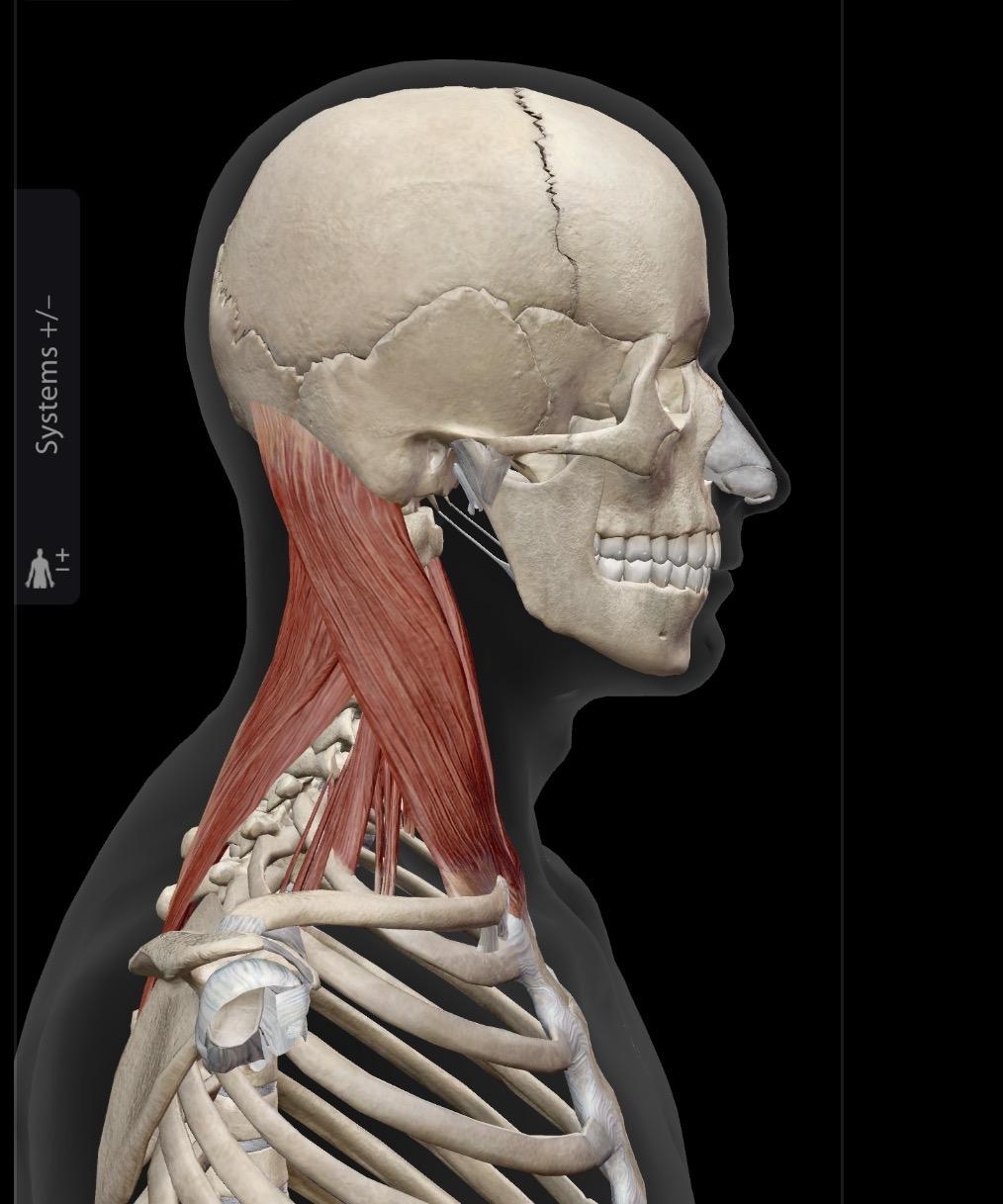
I found if I push on the rectus capitis posterior major, rectus capitis posterior minor, and obliquus capitis superior, the muscles at the base of her neck, I could cause pain symptoms similar to her HA and Migraines. These muscles lie close to the occipital area of the skull and are instrumental in many head and neck movements.

The pressure exerted by these tight muscles pinched the critical occipital nerves, particularly the greater and lesser occipital nerves. These nerves, originating from the C2 and C3 spinal nerves, innervate parts of our scalp and, when compromised, are often associated with occipital neuralgia. Clara’s description matched occipital neuralgia symptoms: stabbing pain spanning from the suboccipital region to the upper neck, behind the eyes, and the posterior skull area.

Occiput Headache Muscles
Occiput Headache Nerves

Determined to provide Clara with immediate relief, I did acupuncture, utilizing deep needling of gallbladder points GallBladder 20 and 12 and Bladder 9 and 10. The results were swift and encouraging. Clara’s migraines receded from being almost bi-weekly to just once every other week.

While this approach addressed the symptoms and provided short-term relief, I knew from experience that we needed to delve deeper for lasting results. The solution most often is in treating the gut. Despite Clara not showcasing apparent gastrointestinal issues, I started focusing on her stomach health. Drawing connections between the gut and brain, I recognized that while the occiput treatment alleviated the immediate pain, treating the gut was the key to preventing the frequent onset of migraines in the long term.

Gut-Brain Axis and Migraine

The link between the stomach and the head seems obvious to anyone who’s experienced a migraine or seen someone suffer through one. During a migraine episode, it’s not uncommon to feel nauseated, and some people even throw up. While this might seem like a straightforward symptom-response situation, the underlying causes might be deeply rooted in the gut-brain connection.

Understanding the Gut-Brain Axis

The gut-brain axis refers to the two-way communication between our central nervous system (primarily our brain) and our gastrointestinal tract. This communication hinges on the enteric nervous system, a vast network of neurons in the gut, and is mediated by hormones, neurotransmitters, and immune pathways. One notable neurotransmitter is serotonin, often called the “feel good” hormone, which is mainly produced in the gut.

So, What’s the Connection?

Although the exact mechanisms are still a bit of a mystery, a few key takeaways have emerged:

Statistically, migraines seem to be more prevalent in individuals with certain gastrointestinal disorders. Maintaining a diverse and balanced gut microbiome is crucial for optimal brain health. The gut plays a pivotal role in the immune and inflammatory system’s function.

Traditional Chinese Medicine Perspective

In the realm of Traditional Chinese Medicine, the Gallbladder is recognized as a Yang organ. Its inherent nature is hollow, and it thrives on activity and movement. This characteristic resonates with our daily experiences; just as we become frustrated in traffic jams or when halted in our tasks, the Gallbladder reacts adversely to stagnation. It desires a smooth, uninterrupted flow. Partnering closely with the Liver, the Gallbladder plays the role of a drill sergeant to the Liver’s general. While the Liver strategizes and produces bile, the Gallbladder actively carries out the command to excrete it, ensuring the fluid rhythm of Qi (life energy) across the body.

To understand the Gallbladder’s role in migraines, we must examine its channels.

Externally, its channel paints a revealing story. Starting from the eye, it winds its way across the temples, nestles into the occiput base, and descends to the upper trapezius. This trajectory intriguingly mirrors the pathway of the occipital nerves, often implicated in occipital neuralgia and migraine pains.

Internally, the Gallbladder communicates with the stomach and Liver, emphasizing its key function in digestion and Qi circulation.

In the clinic, this understanding translates into a two-phase approach to treating migraines:

1. Immediate Relief: The initial treatment emphasizes alleviating neck tension and stress. This often involves working with the Gallbladder’s external channel, targeting the stressed muscles in the neck region. By harmonizing the flow of Qi in these areas, we can provide quick relief to patients.

2. Sustained Wellness: The next phase delves deeper, focusing on the Gallbladder’s internal channels that influence the stomach. By addressing and nurturing these channels, we aim to reduce systemic inflammation, recalibrate the nervous system, and restore hormonal balance. This holistic approach offers sustained relief from migraines and fosters overall well-being.

Gall Bladder Acupuncture Channel often causing Headaches

Thus, in TCM’s rich tapestry, migraines are not just a localized pain but a manifestation of deeper imbalances. By understanding and respecting the symbiotic relationships of our internal systems, like that of the Gallbladder and the stomach, we can craft a comprehensive, lasting solution to migraines.

Herbal Treatments

While modern approaches like probiotics aim to add or remove specific bacterial strains, Chinese herbal formulas, like Gut Harmony (Chorus Capsules), focus on creating a balanced environment conducive to gut health. Rather than merely planting seeds in an inhospitable environment (akin to probiotics use after taking antibiotics), these formulas work on improving the soil’s quality, ensuring optimum conditions for growth and nourishment.

Understanding Gut Harmony (Chorus Capsules)


A powerful blend that echoes TCM principles, Gut Harmony (Chorus Capsules) merges the best of premium herbs to address stomach health. Its composition is reminiscent of renowned formulas like Bao He Wan. By uniting ingredients like Fu Ling, Huo Xiang, Shan Zha, and more, Gut Harmony creates a formula that:

Gut Harmony (Chorus Capsules) from Chorus Corporation


– Clears phlegm and dampness
– Relieves food stagnation
– Counters the effects of the typical Western diet
– Contains herbs that combat inflammation and repair the digestive system

Given the connection between the stomach and migraines, Gut Harmony (Chorus Capsules) holds significant promise. Research has underscored that interventions like probiotics can inadvertently delay the recovery of the gut mucosa post-antibiotic treatment. This revelation suggests that there’s a pressing need to develop solutions that protect the mucosa without hindering microbiome recolonization.

Its power isn’t merely in replenishing the gut but in fostering conditions that promote healthy bacterial growth. For instance, the herb Mu Xiang (Auklandiae Lappae) is a marvel in this formula. Known for its capacity to regulate Qi and alleviate digestive pain, Mu Xiang has a history of being used for conditions stemming from Qi stagnation or deficiency in the digestive tract. Its significance extends to increasing bile secretion, essential for fat emulsification and the expulsion of waste products like hemoglobin and excess cholesterol.

In essence, Gut Harmony isn’t just another herbal supplement; it’s a carefully crafted symphony of herbs that promises to re-balance our internal systems. It could be the bridge between incessant pain and relief for migraine sufferers, making it an invaluable tool in holistic health arsenals.

Understanding the profound interplay between our gut and brain offers transformative insights into holistic migraine management. Clara’s journey highlights the potential of a comprehensive approach, seamlessly integrating acupuncture with the timeless wisdom of Traditional Chinese Medicine. At the forefront of these solutions, the Herbal Formula Gut Harmony (Chorus Capsules) emerges as a potent tool designed to nurture and balance our gut environment. For those seeking relief from the clutches of migraines, it’s time to consider the potential benefits of the Gut Harmony Formula. Order yours today and embark on a journey towards improved well-being and lasting relief.

Unlock Nature’s Harmony for Your Gut: Feel, Digest, and Live Better with Chorus.

We make available natural products that have been observed to make a difference in the lives of our patients, friends and family. You’re in good hands shopping with us.

About the Author

Author Willard Sheppy Exporing the Coast

Willard Sheppy is a writer and healthcare practitioner who seamlessly melds scientific knowledge with practical applications in engaging and authoritative articles. He holds a Bachelor of Science in Environmental Science from Oregon State University and a Master’s in Acupuncture and Oriental Medicine from the distinguished Oregon College of Oriental Medicine.

In his work, Willard skillfully combines his extensive educational background in scientific research with his practical experience as a healthcare practitioner. Willard balances his life with martial arts and cherished family adventures. As a father of three, he often leads his family on camping and hiking trips along the breathtaking Oregon coast.

Connect with Willard on LinkedIn at linkedin.com/in/valleyhealthclinic or learn more about his services at valleyhealthclinic.com. Embark on this journey towards holistic health with Willard!

Understanding Migraines: Part 2 Stress

Migraine Acupuncture

Stress, Migraines, and the Balance Between Heaven and Earth

Migraines can incapacitate even the most resilient among us. And while many triggers can ignite the fire of migraines, stress remains a predominant accomplice. But what is stress exactly, and how does it contribute to migraines? Moreover, how can we alleviate its effects by harmoniously blending traditional Chinese medicine with western scientific perspectives?

Stress: The Great Separator

Western Perspective:
Stress is essentially the body’s response to external challenges. It’s an increase in the sympathetic nervous system activity, colloquially known as the “fight or flight” mechanism. This state can cause the release of hormones like epinephrine, and it can result in heightened blood pressure, heart rate, and reduced digestion.

Traditional Chinese Medicine (TCM) View:
Stress, from a TCM standpoint, can be likened to the separation between heaven and earth. The I Ching, an ancient Chinese text, references hexagram 12, . Hexagram 12, known as “stand still” or “stagnation,” presents an imagery of heaven positioned above earth. At first glance, this arrangement appears natural, symbolizing the sky above and the earth below. Yet, this configuration suggests a separation, echoing a state of disarray or imbalance, analogous to illness or even death. This depiction paints a picture of the soul ascending to the heavens, leaving the body behind on earth, creating a rift between the two.

Contrastingly, Hexagram 11 of the I Ching, known as Peace offers a more harmonious interaction between heaven and earth.This Hexagram pictures heaven below and earth above. This union signifies the optimal state where energies from the heavens, like rain and sunlight, nourish the earth, prompting it to flourish and reach upwards, as seen with sprouting plants and blossoming trees.

Translating this wisdom to our understanding of stress and migraines, we can say that the disconnection or stagnation (akin to Hexagram 12) that stress induces in our body and mind can be a significant trigger for migraines. When stress envelops us, our mind becomes untethered, drifting towards anxious contemplations of the future. Our breath, rather than flowing deep into our abdomen, becomes trapped, rising and becoming shallow in the chest and head. This misdirection mirrors the upward movement of our blood, diverted away from the extremities and concentrated in the head, leading to the familiar pulsing discomfort many recognize as the onset of migraines. Meanwhile, our body responds instinctively, tensing and constricting, akin to a river whose waters have been dammed, obstructing the once-smooth flow of energy. Through the lens of these hexagrams, TCM underscores the need for a harmonious integration of our mind, breath, blood, and body to counteract the pervasive disarray sown by stress.

Stress's Impact on Different Levels of Our Being

Mind

Stress, with its accompanying anxieties, often steers our minds towards future concerns or spiritual ruminations. However, grounding oneself in the present moment helps. A simple technique involves standing on one foot with closed eyes. It necessitates focus, anchoring one in the present and forging a deeper connection with one’s body.

Let’s delve into the ‘Mind’ level. In times of stress, our minds often wander, burdened with anxieties about intangible futures or spiraling into a maze of overthinking. The mind’s preoccupation with such myriad concerns takes it away from the present moment, furthering the separation from our body.

However, the power of mindfulness provides a bridge between these Eastern and Western understandings. A simple yet effective technique, grounded in both realms, involves standing on one foot with eyes closed. This act necessitates the mind to focus on the present, drawing attention to the body, especially the core and the foot in contact with the ground. Such grounding exercises anchor the wandering mind, pulling it from its ‘Heavenly’ reveries to the tangible, ‘Earthly’ body. Western research supports this, highlighting how mindfulness practices can not only reduce stress but also alleviate migraine intensity and frequency.

Breath

Stress alters our breathing patterns. A stressed individual might take shallow breaths from the chest, governed by the sympathetic nervous system. Yet, diaphragmatic breathing, characterized by deeper, more calming breaths, can combat stress. An extended exhale, in particular, promotes the relaxing activity of the parasympathetic nervous system.

Breath, often deemed as the subtle bridge between the body and the mind, plays a pivotal role in our stress responses. Amidst stress, our instinctual reflex is to switch to a more rapid and shallow form of breathing. One can visualize the shock of plunging into icy waters; this sudden exposure prompts us to gasp, drawing breath sharply into our mouths and upper chests. Such a pattern aligns with the activation of our sympathetic nervous system, which governs our body’s fight-or-flight responses. When the stress is sustained, this style of breathing can become habitual, leading to a cascade of physiological repercussions.

One crucial impact of chest and mouth breathing is the involuntary tightening of the neck muscles and the elevators of the rib cage. In the short term, this allows us to draw in air more efficiently, catering to our body’s heightened need for oxygen during stress or rigorous physical activity. However, frequent or unintentional adoption of this breathing pattern, especially over prolonged periods, can exacerbate one’s predisposition to migraines. The muscles, when continuously strained, can form trigger points that can, in turn, be headache instigators.

To counteract this, the solution lies in the very act that became compromised — breathing. Diaphragmatic breathing, often lauded in both Eastern holistic practices and Western physiotherapy, is the key. Breathing deep into the diaphragm, as opposed to shallow chest breaths, facilitates the relaxation of the shoulder and neck muscles. The diaphragm’s downward movement during such breathing creates a gentle massage effect on the internal organs, promoting better circulation and overall relaxation.

Moreover, the art of exhalation plays an equally vital role. While the sympathetic nervous system oversees our inhalation, the parasympathetic system, responsible for rest and digestion, governs our exhalation. By consciously extending our exhalation, ensuring it’s longer than our inhalation, we tip the balance in favor of the calming, restorative parasympathetic system. This intentional act of breathing not only soothes the nervous system but also serves as a potent antidote against the burgeoning stress that can culminate in painful migraines. In essence, while breath might be involuntary, harnessing its power can be a conscious choice, offering a sanctuary of calm amidst life’s storms.

Blood

For migraine sufferers, stress aggravates the sympathetic nervous system, pushing blood circulation into the head, leading to the familiar throbbing pain. Warm foot soaks coupled with cold packs on the neck can redirect blood circulation, diminishing the ‘fight or flight’ reaction. By warming the feet and cooling the head, we invite a harmonious balance, evocative of the desired interplay between heaven and earth.
Stress, in this context, is the force pushing the boundaries apart. It encourages vasoconstriction in our extremities (like the hands and feet) while prompting vasodilation in our neck and head. This, in turn, increases the heart rate and blood pressure, urging blood to flow inwards and upwards.

However, the therapeutic goal in addressing migraines is to redirect this blood flow, encouraging it to travel down and out. The imagery of a “cool head and warm feet” captures this objective perfectly. The innate warmth of our body should be allowed to percolate to our feet, and the earth’s natural coolness should ascend to refresh the head.

To achieve this equilibrium, two venerable techniques stand out. The first involves immersing the feet in warm water, a foot soak, while simultaneously placing a cool cloth or ice pack on the neck. While the neck cooling offers migraine sufferers immediate respite (a strategy long championed by traditional healers), introducing foot soaks elevates the therapeutic experience. As the feet soak up the warmth, it embarks on an upward journey, converging with the descending coolness from the neck at the body’s core. This harmonious meeting of temperatures aids in restoring circulatory balance, vital for mitigating migraine pain.

Complementing the foot soak method is the “shaking technique”. Beyond mere movement, this practice employs vibration to stimulate vasodilation in the extremities, particularly the feet and hands. Concurrently, the rhythmic shaking helps alleviate the tension that routinely accumulates in the neck and shoulders, often manifesting as clenched jaws or hunched postures. By easing these physical stress markers, the shaking technique offers dual benefits – enhanced blood circulation and mental relaxation.

Body

Picture this: when we’re confronted with an unexpected or alarming situation, our instinctual reaction is often to lift our shoulders and thrust our head forward. This posture, resembling the protective stance of a startled animal, might seem benign, but over time, especially if maintained due to chronic stress or poor habits, it can lead to significant physiological repercussions.

Think back to a time you were startled or scared. The immediate bodily response might’ve been to clench your jaw tightly, hunch your shoulders, or even contract your body inward. Such reactions are innately human, rooted in our primal ‘fight or flight’ instincts. But herein lies the caveat: while these responses are effective for immediate threats, when they become habitual, unintentional patterns in our daily lives, they contribute to a myriad of issues, including migraines.

This constant tension, especially around the neck, jaw, and shoulders, reduces optimal blood circulation. It’s akin to pinching a water hose; the flow is disturbed, causing pressure build-up. Over time, this can manifest as migraine headaches.

Shaking
Enter the practice of shaking. If you’ve ever watched athletes moments before a competition, you’ve probably noticed them shaking their limbs. It’s not mere jitters; it’s a deliberate act to loosen muscles and improve blood flow. Shaking is not only our body’s way of releasing acute stress but also a potent remedy to combat chronic tension. Incorporating shaking exercises into our daily routine can reverse the damage done by unconscious clenching.

But how does it work? Shaking facilitates better blood flow, especially to extremities like hands and feet. The vibrations produced during this action stimulate the production of nitric oxide, a molecule that causes blood vessels to dilate. This ensures that while you’re actively engaged in this exercise, blood doesn’t get trapped in the larger muscles.

Occipital Neck Massage
This forward head posture can compress the occipital muscles situated at the base of the skull. These muscles, already sensitive, become prone to tension and pain, especially when pinched or strained. Furthermore, the pressure applied by this forward thrust can impinge on the cranial nerves emanating from the neck, resulting in pain that radiates upwards into the scalp. For many individuals, this sequence of tension, starting from the neck and then radiating towards the temples or eyes, culminates in what is commonly described as tension headaches.

For those suffering from this form of headache or migraine, relief might seem elusive. However, there are traditional techniques that can offer solace. Massaging the occiput, particularly around the acupuncture points GB 20 (located at the base of the skull between the two major neck muscles) and GB 12, can alleviate the tension and consequent pain. Chin tucks, a simple yet effective exercise, can also be beneficial. By tucking the chin towards the chest and holding the stretch, one can target and elongate the deep neck muscles, counteracting the effects of the forward head posture. Regularly practicing these techniques, in conjunction with maintaining proper posture, can play a crucial role in managing and potentially preventing tension-driven migraines.


Restoring Balance

Techniques for Mind and Body Regulation

1. Calm Mind Standing on One Foot:
– Purpose: Enhances concentration, balance, and tranquility by engaging the mind-body connection.
– Technique: Stand upright and find a focal point in front of you. Gradually lift one foot off the ground, resting it on the opposite leg’s calf or inner thigh. Maintain your balance and focus on steady breathing. This stance forces the mind to center itself, thereby inducing calmness.

2. Breathing Down and Out with Long Exhales and Diaphragm Breathing:
– Purpose: Relaxes the nervous system, promotes proper oxygenation of the body, and decreases stress responses.
– Technique: Sit or lie down in a comfortable position. Place one hand on your chest and the other on your stomach. Inhale deeply through your nose, ensuring that your diaphragm (stomach area) rises more than your chest. Exhale slowly and purposefully, extending the exhale to be longer than the inhale. This method shifts the balance from the sympathetic (fight or flight) to the parasympathetic (rest and digest) nervous system.

3. Regulate Cold Head and Warm Feet with Foot Soaks
– Purpose: Balances body temperature, promotes proper circulation, and relieves tension.
– Technique:
– Foot Soaks: Fill a basin with warm water and immerse your feet for 15-20 minutes. This process draws blood and warmth to the feet, promoting circulation.
– Shaking: Stand with feet shoulder-width apart and begin to shake your entire body, starting from the feet and moving upwards. The act of shaking not only enhances blood circulation but also releases trapped tension.

4. Regulate Clenching by Shaking and Massaging the Occiput:
– Purpose: Alleviates tension, especially in the neck and head region, which can mitigate issues like headaches and migraines.
– Technique:
– Shaking: As mentioned above, engage in full-body shaking to dissipate tension throughout the body.
– Occiput Massage: Sit or lie down comfortably. Using your fingers or a massage tool, apply gentle pressure and massage the occipital region (base of the skull). This region often harbors tension, and massaging it can offer immediate relief.

Immerse yourself in the soothing and revitalizing experience of Tibetan Herbal Foot Soaks..Tibetan Foot Soaks are specially packed tea bags containing a herbal mixture of Chinese herbs and minerals that have been shown to be particularly effective at alleviating chronic pain and improving circulation

We make available natural products that have been observed to make a difference in the lives of our patients, friends and family. You’re in good hands shopping with us.

About the Author

Author Willard Sheppy Exporing the Coast

Willard Sheppy is a writer and healthcare practitioner who seamlessly melds scientific knowledge with practical applications in engaging and authoritative articles. He holds a Bachelor of Science in Environmental Science from Oregon State University and a Master’s in Acupuncture and Oriental Medicine from the distinguished Oregon College of Oriental Medicine.

In his work, Willard skillfully combines his extensive educational background in scientific research with his practical experience as a healthcare practitioner. Willard balances his life with martial arts and cherished family adventures. As a father of three, he often leads his family on camping and hiking trips along the breathtaking Oregon coast.

Connect with Willard on LinkedIn at linkedin.com/in/valleyhealthclinic or learn more about his services at valleyhealthclinic.com. Embark on this journey towards holistic health with Willard!

Understanding Migraine Triggers

Migraine Acupuncture

Migraines are more than just intense headaches. They can drastically compromise an individual’s quality of life. While many migraine sufferers hope that their triggers can be categorized neatly – such as stress and neck tension, dietary factors, or hormonal fluctuations – the reality often reveals a blend of these triggers. For example, neck tension may worsen due to certain foods or during hormonal shifts.

Migraines are multifaceted, often stemming from various factors. Abnormal brain activity is believed to alter nerve signals, chemicals, and blood vessels in the brain. A significant number of individuals have genetic predispositions to migraines, and generally, these predispositions align with three primary triggers: tension, food, or hormones. Recognizing and understanding these triggers is foundational for effective migraine management.

In this three-part series, we aim to shed light on each trigger category, providing affordable and practical at-home strategies. Though these methods aren’t a universal solution, they can potentially diminish migraine frequency and intensity, transforming them from a weekly menace to a monthly inconvenience.

Stress and Tension Migraines:

The sympathetic nervous system (SNS) plays a significant role in triggering migraines. Those with migraines often exhibit heightened nervous system sensitivity, with their brain’s nerve cells more prone to stimulation. Prolonged SNS activation is thought to be a migraine catalyst, underscoring the value of stress management as a preventive approach.

How It Presents:

Individuals might experience tension in their neck and shoulders, often describing a precursor pain in the neck signaling an impending migraine.

At-Home Treatment Options:

– Breathing Exercises: Engage in deep breathing exercises, focusing on extended exhales and employing shaking movements to relax shoulder tension and promote diaphragmatic activity (Learn More) 

– Foot Soaks: These therapeutic interventions can modulate the SNS, potentially counteracting its overactivity and restoring blood circulation, especially if there are signs of vasoconstriction (like cold hands and feet). (Learn More)

– Self-Massage: Concentrate on the occipital muscles to mitigate tension, decreasing the chances of cranial nerve compression and resultant discomfort. (Learn More)

Food-related Migraines:

Emerging evidence supports a connection between gut health and migraines. Migraine sufferers frequently report nausea or vomiting. Contemporary research points to potential gastrointestinal irregularities intensifying or even initiating migraine symptoms, emphasizing the importance of balanced diets and gut health.

How It Presents:

These migraines can appear somewhat unpredictably, often because specific dietary triggers remain unidentified. Accompanying symptoms might include nausea, vomiting, or broader digestive issues.

At-Home Treatment Options:

– Understanding Diet: Recognize that certain foods or imbalances in the gut’s microbial environment can induce inflammation, potentially leading to migraines.

– Supplements and Dietary Changes: Explore options like Gut Harmony (Chorus Capsules) and Ginger other dietary modifications to encourage gut health and microbial equilibrium. (Learn More) The objective isn’t merely to add or remove bacteria with probiotics or antibiotics but to achieve balance, for instance, with herbal formulas like Gut Harmony.

Hormonal Fluctuations:

Hormones, especially in women, can influence migraine patterns. For instance, a drop in estrogen levels might activate migraines, typically observed two days before menstruation or during menopause.

How It Presents:

These migraines are often predictable, usually coinciding with menstrual cycles.

At-Home Treatment Options:

-Chinese Herbs: Ancient remedies like Xiao Yao Wan, a celebrated Chinese herbal blend, have been utilized for ages to balance and adjust hormonal shifts. Xiao Yao Wan is particularly esteemed in traditional Chinese medicine for harmonizing hormones and addressing menstrual discrepancies.

While the aforementioned triggers are among the most common, it’s pivotal to remember that individuals might encounter multiple triggers that synergistically exacerbate their condition.

Although our series strives for a comprehensive outlook, it’s vital to recognize the unique nature of each person’s health landscape. We are committed to delivering useful and actionable knowledge. Still, it remains essential to consult a healthcare professional for personalized guidance and recommendations.

About the Author

Author Willard Sheppy Exporing the Coast

Willard Sheppy is a writer and healthcare practitioner who seamlessly melds scientific knowledge with practical applications in engaging and authoritative articles. He holds a Bachelor of Science in Environmental Science from Oregon State University and a Master’s in Acupuncture and Oriental Medicine from the distinguished Oregon College of Oriental Medicine.

In his work, Willard skillfully combines his extensive educational background in scientific research with his practical experience as a healthcare practitioner. Willard balances his life with martial arts and cherished family adventures. As a father of three, he often leads his family on camping and hiking trips along the breathtaking Oregon coast.

Connect with Willard on LinkedIn at linkedin.com/in/valleyhealthclinic or learn more about his services at valleyhealthclinic.com. Embark on this journey towards holistic health with Willard!

Tension Headaches: A Comprehensive Guide

Evil Bone Water for Tension Headaches: A Comprehensive Guide

Table of Contents

Introduction

Tension headaches are one of the most common types of headaches, affecting millions of people worldwide. They can be debilitating, affecting an individual’s quality of life and daily activities. This blog post will explore the benefits of using Evil Bone Water for tension headaches, and we’ll also discuss insights from an interview with Zachary Krebs, an Acupuncture graduate and Chinese internal arts enthusiast. We’ll dive into the causes of tension headaches, symptoms, and other alternative treatments that can be used to alleviate this condition.

Tension headaches are the most common type of headache experienced by adults, affecting up to 80% of the population at some point in their lives (1). Characterized by a dull, aching pain that is often described as a tight band around the head or pressure at the temples or back of the head and neck, tension headaches can be triggered by various factors, including stress, poor posture, and eye strain (2).

There are two primary types of tension headaches: episodic and chronic. Episodic tension headaches occur less frequently, with fewer than 15 headache days per month, while chronic tension headaches occur more frequently, with 15 or more headache days per month (3). Although the exact cause of tension headaches is not fully understood, experts believe that a combination of muscle tension, nerve sensitivity, and changes in brain chemicals may contribute to the development of these headaches (4).

Treatment for tension headaches typically includes over-the-counter pain relievers like ibuprofen or aspirin, as well as prescription medications for more severe cases (5). However, many people are turning to alternative treatments like acupuncture, massage, and herbal remedies, such as Evil Bone Water, to find relief from tension headache pain (6).

Part 1: Understanding Tension Headaches

Causes of Tension Headaches

Tension headaches can be caused by a variety of factors, including stress, poor posture, eye strain, and dehydration. In many cases, tension headaches are the result of tight muscles in the neck, shoulders, and scalp. This muscle tension can be caused by physical strain, such as maintaining a poor posture or working for long periods in front of a computer screen, or emotional stress and anxiety.

Symptoms of Tension Headaches

Common symptoms of tension headaches include:

  • A dull, aching pain in the head, often described as a tight band around the forehead
  • Sensitivity to light and sound
  • Tightness or pressure in the neck, shoulders, and scalp
  • Difficulty concentrating
  • Irritability

These symptoms can vary in severity and duration, and individuals may experience tension headaches occasionally or more frequently. In some cases, tension headaches can become chronic, occurring more than 15 days per month for at least three months.

Part 2: Evil Bone Water for Tension Headaches

What is Evil Bone Water?

Evil Bone Water is a traditional Chinese medicine topical remedy that has been used for centuries to treat various types of pain, including tension headaches. It is made from a blend of natural herbs and ingredients known for their analgesic, anti-inflammatory, and blood circulation-enhancing properties. Some of the key ingredients in Evil Bone Water include:

  • Sanguisorba officinalis (Di Yu)
  • Cirsium japonicum (Da Ji)
  • Angelica sinensis (Dang Gui)
  • Carthamus tinctorius (Hong Hua)
  • Panax notoginseng (San Qi)

Click here to learn more about ingredients and benefits of Evil Bone Water.

How Does Evil Bone Water Work for Tension Headaches?

The natural ingredients in Evil Bone Water work together to provide relief from tension headaches by:

  • Reducing inflammation and muscle tension in the neck, shoulders, and scalp
  • Improving blood circulation, which can help to alleviate pain and promote healing
  • Providing a cooling sensation that can help to distract the brain from the pain signals, providing temporary relief from headache symptoms

How to Use Evil Bone Water for Tension Headaches

To use Evil Bone Water for tension headaches, simply apply a small amount of the liquid to the affected area and massage it gently into the skin. It is important to avoid contact with the eyes and other sensitive areas, and to wash your hands thoroughly after application. For best results, combine Evil Bone Water with other tension headache treatments, such as acupuncture or massage therapy.

Part 3: Insights from Zachary Krebs on Topicals for Pain Relief

In an interview Valley Health Clinic recently conducted with Zachary Krebs, we gained valuable insights into his perspective on topical remedies for pain relief, including his experience using Evil Bone Water for tension headaches.

Zachary Krebs is an avid health science promoter with a graduate degree in Acupuncture and bachelor’s degree in Health Science. He has spent the last 15 years studying Chinese internal arts and is dedicated to translating the best of the best from traditional health traditions into public discourse on preventive health. Some key takeaways from his interview include:

Importance of Quality Ingredients and Sourcing

Zachary emphasizes the importance of using high-quality ingredients in topical remedies, as well as the importance of sourcing these ingredients responsibly. He compares the difference in quality between products like Evil Bone Water and over-the-counter alternatives like Bio Freeze, noting that traditional Chinese medicine formulations often use more potent and effective ingredients, which can provide better results for tension headache relief.

Combining Topicals with Other Treatments

Zachary also highlights the importance of combining topical remedies like Evil Bone Water with other tension headache treatments. For example, acupuncture and massage therapy can work synergistically with topicals to provide more comprehensive and effective pain relief. Additionally, Zachary emphasizes the importance of addressing the root causes of tension headaches, such as stress and poor posture, to achieve long-lasting relief.

Part 4: Other Alternative Treatments for Tension Headaches

In addition to using Evil Bone Water for tension headaches, there are several other alternative treatments that can help alleviate pain and discomfort. Some of these include:

Acupuncture

Acupuncture is an ancient Chinese medicine practice that involves the insertion of thin needles into specific points on the body. It is believed to help balance the flow of energy or “qi” in the body, which can, in turn, help alleviate pain, reduce stress, and improve overall well-being. Many individuals find relief from tension headaches through regular acupuncture treatments. A study published in the Cochrane Database of Systematic Reviews found that acupuncture could be an effective treatment for tension-type headaches (Linde et al., 2009). You can read more about this study at https://www.cochranelibrary.com/cdsr/doi/10.1002/14651858.CD007587.pub2/full.

Massage Therapy

Massage therapy can help relax tight muscles, improve blood circulation, and release tension in the neck, shoulders, and scalp, which can provide relief from tension headaches. Regular massage therapy sessions can also help prevent tension headaches from occurring as frequently. A study published in the American Journal of Public Health found that massage therapy could effectively reduce the frequency, intensity, and duration of tension headaches (Quinn et al., 2002). You can read more about this study at https://ajph.aphapublications.org/doi/10.2105/AJPH.92.10.1657.

Aromatherapy

Essential oils like lavender, peppermint, and eucalyptus have been shown to provide relief from headache pain when inhaled or applied topically (diluted with a carrier oil). These oils can be used in a diffuser or added to a warm bath to help alleviate tension headache symptoms. A review published in the journal Frontiers in Neurology found that essential oils, particularly lavender, could be effective in the management of headache disorders, including tension headaches (Sasannejad et al., 2012). You can read more about this review at Frontiers in Neurology (https://www.frontiersin.org/articles/10.3389/fneur.2012.00025/full).

Stress Management Techniques

Since stress is a common cause of tension headaches, learning effective stress management techniques can be helpful in reducing the frequency and severity of headaches. Practices like meditation, yoga, and deep breathing exercises can help to lower stress levels and promote relaxation. A study published in the journal Headache found that a mindfulness-based stress reduction program could lead to a significant reduction in headache frequency and severity (Wells et al., 2014). You can read more about this study at https://headachejournal.onlinelibrary.wiley.com/doi/10.1111/head.12420.

By addressing the root causes of tension headaches and incorporating a holistic approach to treatment, it’s possible to improve overall well-being and reduce the frequency of tension headaches.

Conclusion

Tension headaches can be a painful and disruptive condition for many individuals. Utilizing Evil Bone Water for tension headaches, as well as incorporating other alternative treatments like acupuncture, massage therapy, and stress management techniques, can help provide effective relief from headache pain. By addressing the root causes of tension headaches and incorporating a holistic approach to treatment, it’s possible to improve overall well-being and reduce the frequency of tension headaches.

RESOURCES

(1) Steiner, T. J., Stovner, L. J., & Katsarava, Z. (2016). The impact of headache in Europe: principal results of the Eurolight project. The Journal of Headache and Pain, 17(1), 31. https://doi.org/10.1186/s10194-016-0630-5

(2) Bendtsen, L., & Jensen, R. (2018). Tension-type headache. In Handbook of Clinical Neurology (Vol. 160, pp. 379-390). Elsevier. https://doi.org/10.1016/B978-0-444-64032-1.00026-2

(3) International Headache Society. (2018). The International Classification of Headache Disorders, 3rd edition. Cephalalgia, 38(1), 1-211. https://doi.org/10.1177/0333102417738202

(4) Ashina, S., & Ashina, M. (2018). Pathophysiology of tension-type headache. In Handbook of Clinical Neurology (Vol. 160, pp. 291-300). Elsevier. https://doi.org/10.1016/B978-0-444-64032-1.00019-5

(5) Jensen, R., & Bendtsen, L. (2018). Management of tension-type headache. In Handbook of Clinical Neurology (Vol. 160, pp. 391-400). Elsevier. https://doi.org/10.1016/B978-0-444-64032-1.00027-4

(6) Linde, K., Allais, G., Brinkhaus, B., Fei, Y., Mehring, M., Vertosick, E. A., … & White, A. R. (2016). Acupuncture for the prevention of tension-type headache. Cochrane Database of Systematic Reviews, 2016(4), CD007587. https://doi.org/10.1002/14651858.CD007587.pub2

Buy Evil Bone Water Today!

Evil Bone Water (Zheng Gu Shui) is a Chinese topical medicinal hand-crafted with only empirical grade herbal ingredients in an approved facility.

We make available natural products that have been observed to make a difference in the lives of our patients, friends and family. You’re in good hands shopping with us.

About the Author

Author Willard Sheppy Exporing the Coast

Willard Sheppy is a writer and healthcare practitioner who seamlessly melds scientific knowledge with practical applications in engaging and authoritative articles. He holds a Bachelor of Science in Environmental Science from Oregon State University and a Master’s in Acupuncture and Oriental Medicine from the distinguished Oregon College of Oriental Medicine.

In his work, Willard skillfully combines his extensive educational background in scientific research with his practical experience as a healthcare practitioner. Willard balances his life with martial arts and cherished family adventures. As a father of three, he often leads his family on camping and hiking trips along the breathtaking Oregon coast.

Connect with Willard on LinkedIn at linkedin.com/in/valleyhealthclinic or learn more about his services at valleyhealthclinic.com. Embark on this journey towards holistic health with Willard!