Tag: Neuropathy

Is Evil Bone Water Good for Neuropathy?

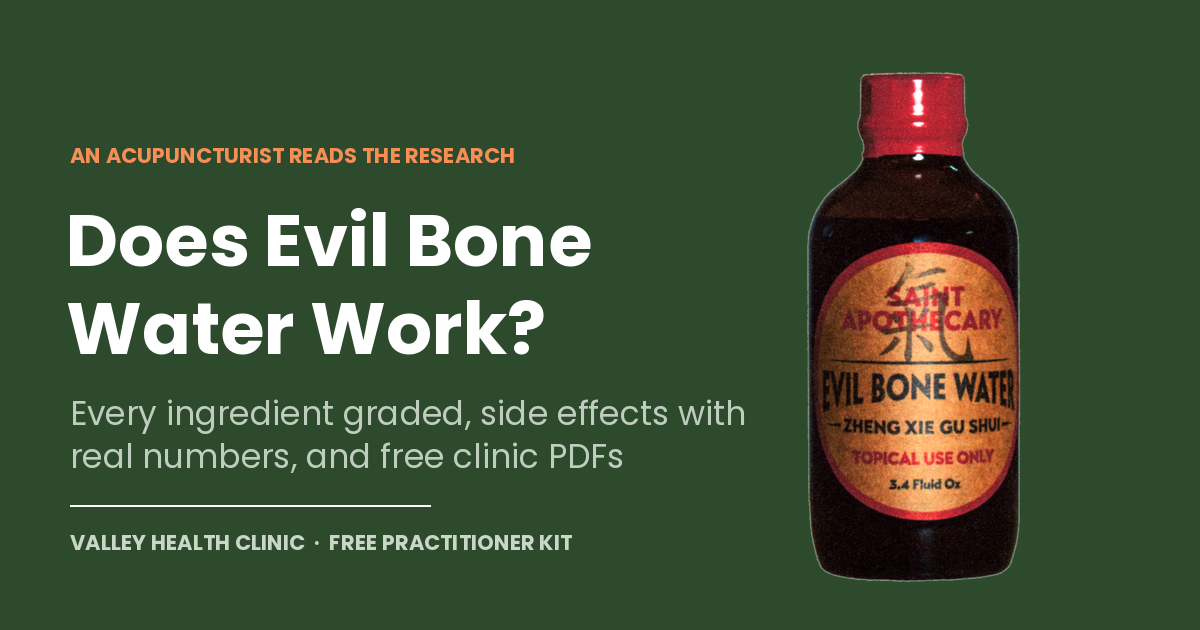
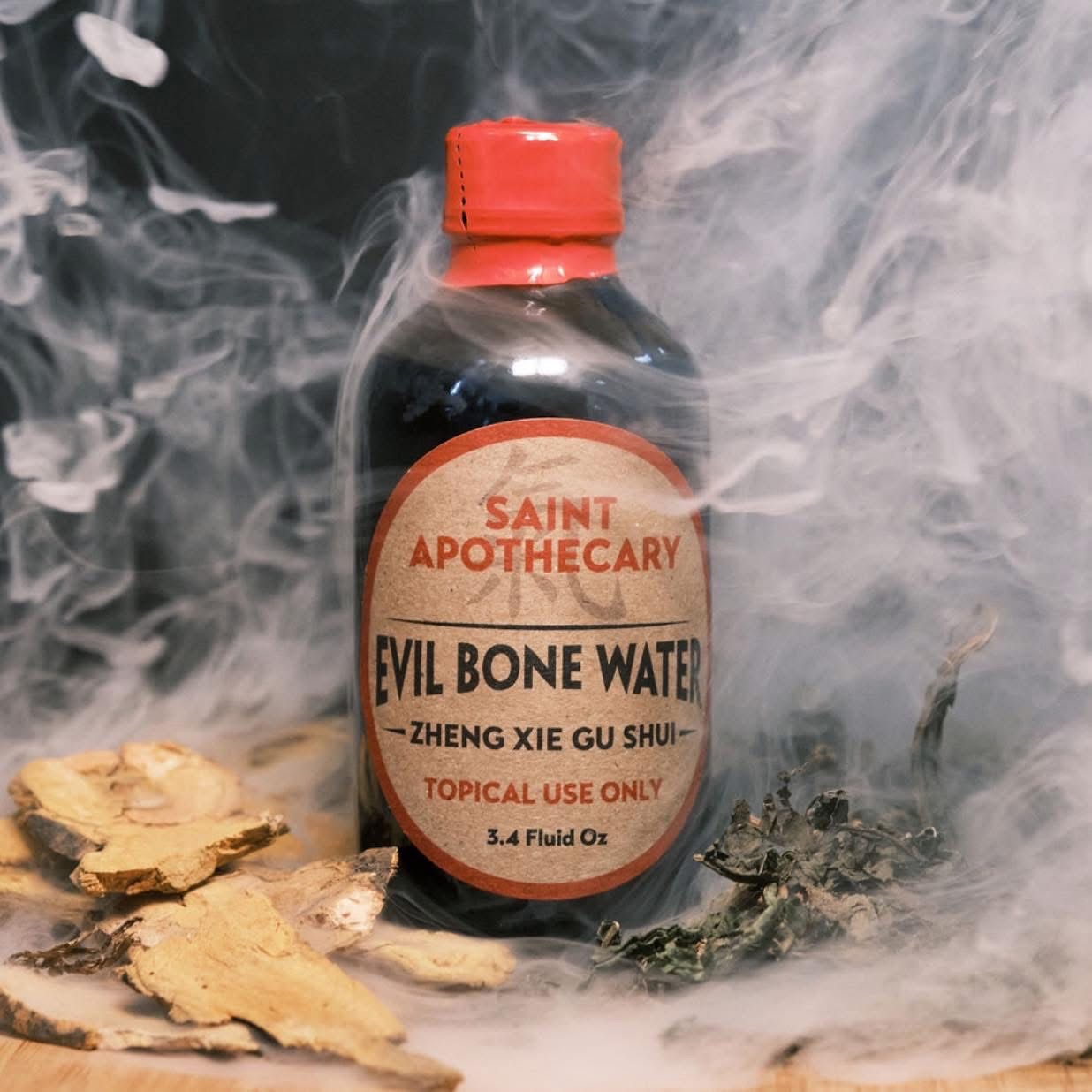
A Single Evil Bone Water Bottle With Smoke Around it
10 minutes read

Is Evil Bone Water Good for Neuropathy?

Willard Sheppy Dipl. OM, LAc, BS

Willard Sheppy is a licensed acupuncturist (LAc) and Founder of Valley Health Clinic specializing in using Traditional Chinese Medicine to treat acute injuries and chronic conditions, and to improve sports performance and rehabilitation.

A Single Evil Bone Water Bottle With Smoke Around it

Table of Contents

This question comes up in the clinic almost every week, usually from someone who has already tried three things that did not work. They have burning feet, or hands that buzz at night, or a foot that has gone quiet and unreliable, and someone told them to try Evil Bone Water.

The honest answer is yes and no.

Neuropathy is not one condition. It is a word that describes an irritated or damaged nerve, and nerves get irritated for very different reasons. Evil Bone Water is excellent at some of those reasons and close to useless for others. Here is how I sort it out before I hand someone a bottle.

Quick answer

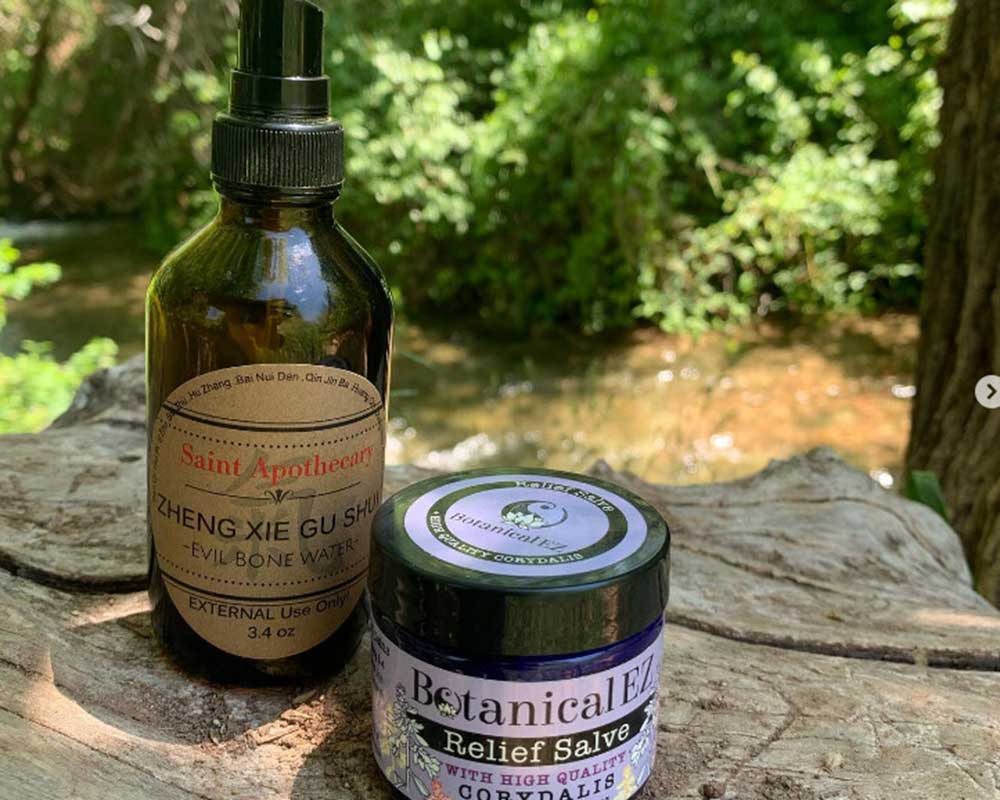
Evil Bone Water can help neuropathy when the nerve irritation is coming from injury, swelling, or inflammation, such as a strain, a compressed nerve, or plantar fasciitis. It is much less helpful for neuropathy caused by diabetes or by cancer treatment. The other question that matters is what you are chasing: for pain, burning, and pins and needles, it can settle things down. For numbness and lost sensation, foot soaks and Corydalis Relief Salve are the better tools. Evil Bone Water is for external use only and will sting on broken skin.

Why the answer is yes and no

People use “neuropathy” to mean one thing, but in the clinic it covers a lot of ground. A nerve pinched by a swollen ankle, a nerve irritated by years of high blood sugar, and a nerve damaged by chemotherapy all produce burning, tingling, and numbness. They feel similar to the person living with them. They are not the same problem.

That matters because Evil Bone Water works by moving blood, easing inflammation, and calming irritated tissue near the surface. When the nerve is unhappy because of what is happening around it, that is a real fix. When the nerve fiber itself has been damaged from the inside, moving blood at the skin does not undo the damage.

So before you decide whether to use it, answer two questions: what caused this, and what am I actually trying to change?

When Evil Bone Water can help your neuropathy

This is the group I reach for it with. If the nerve symptoms started with an injury, or they travel with swelling and inflammation, Evil Bone Water is a reasonable first thing to try at home.

Depth is the quiet variable here. The more superficial the problem, the better any topical performs. Carpal tunnel at the wrist and irritation around the ankle sit close to the skin. A nerve being compressed deep in the hip is a much longer trip for the medicine, and results drop off accordingly.

When Evil Bone Water is not the right tool

I would rather tell someone the truth than sell them a bottle that disappoints them. If the neuropathy is coming from diabetes or from cancer treatment, Evil Bone Water is not what I would start with. The nerve damage there is metabolic and systemic, not a local inflammation problem, and a fast-drying alcohol liniment is aimed at the wrong target.

Pain and tingling, or numbness? That question decides it

Even after you sort out the cause, there is a second question that decides everything, and most people have never been asked it: what would success look like?

If the goal is less pain, less burning, and fewer pins and needles, we are trying to calm an overactive nerve down. Evil Bone Water is good at that. Its natural menthol and camphor give the nerve something else to pay attention to while the circulation improves underneath.

If the goal is to feel your feet again, we are trying to do the opposite: rebuild sensation in a nerve that has gone quiet. That is slower work, it happens through circulation and nourishment over months, and a topical liniment is not the lever that moves it.

If the goal is to calm an angry nerve down, Evil Bone Water can help. If the goal is to bring sensation back, it is the wrong tool.

— Will Sheppy, L.Ac.

What I reach for when the goal is sensation

For the numb, quiet, diabetic or post-chemotherapy foot, this is the direction I go instead. The strategy is circulation first, comfort second, and patience throughout.

Those first two are packaged together as the Neuropathy Relief Combo, which is simply the pairing I kept recommending until it made sense to sell it as one thing. There is more detail in my write-up on the best natural treatment for foot neuropathies.

How to layer these at home

If your picture is mixed — some burning, some numbness, an old injury underneath it all — you do not have to choose one product. Layer them in order of how fast they absorb.

  1. Warm the area first. A hot shower or a foot soak opens circulation and everything after it works better.
  2. Evil Bone Water goes on first. It is alcohol based, so it absorbs fastest and helps whatever follows it penetrate.
  3. Let it dry. This is the mistake I see most often — people wipe it off or shower right after, and it never gets a chance to work.
  4. Corydalis Relief Salve on top for the nerve pain. It absorbs slowly and keeps working after the liniment has evaporated.
  5. Twice a day, consistently. Evening is a good anchor because it pairs naturally with a foot soak and helps you sleep.

If your skin gets dry or irritated, you are using too much. Back off rather than pushing through it.

When to get it looked at

Numbness is worth respecting. It is your body telling you a signal is not getting through, and a few situations need a professional set of eyes rather than a bottle from the shelf.

  • Numbness that is new, spreading, or arriving alongside weakness, clumsiness, or loss of bladder or bowel control needs medical evaluation now, not a topical.
  • If you are diabetic, check your feet daily and be careful with hot water. A foot that cannot feel temperature properly can be burned before you notice.
  • Never apply Evil Bone Water to open wounds, broken skin, or a fresh acupuncture site. It is alcohol based and it will burn.
  • If you are pregnant, or treating a child, ask first. Camphor deserves that caution.

This article is a starting point for sorting out which tool fits your situation, not a diagnosis. If you are in the Albany area and want help figuring out which kind of neuropathy you are dealing with, call the clinic at (541) 760-9670.

These statements have not been evaluated by the Food and Drug Administration. These products are not intended to diagnose, treat, cure, or prevent any disease. For external use only.

Share on

Will Sheppy, Founder and Acupuncturist at Valley Health Clinic
Willard Sheppy
Willard Sheppy is a licensed acupuncturist (LAc) and Founder of Valley Health Clinic specializing in using Traditional Chinese Medicine to treat acute injuries and chronic conditions, and to improve sports performance and rehabilitation.

FAQ's

Does Evil Bone Water help diabetic neuropathy?

Not as much as people hope. Diabetic neuropathy is driven by blood sugar and circulation rather than local inflammation, so a topical liniment is aimed at the wrong target. Warm foot soaks, Corydalis Relief Salve, and consistent blood sugar management are a better fit.

Often, yes — especially if the irritation traces back to an injury, swelling, or something like plantar fasciitis. Evil Bone Water is better at calming an overactive nerve than at restoring sensation in a numb one.

That is not what it does. Rebuilding sensation is slow work that depends on circulation and nourishment over months. Foot soaks, Corydalis Relief Salve, and acupuncture are the better direction for numbness.

Yes, and for mixed pain that is usually what I recommend. Apply Evil Bone Water first because the alcohol base absorbs fastest, let it dry fully, then layer Corydalis Relief Salve on top for longer-lasting nerve relief.

For intact skin, yes, applied twice daily. Do not use it on open wounds, cracks, or broken skin — it is alcohol based and it stings. If you are diabetic, check your feet daily and be cautious with hot water, since a foot that cannot feel temperature can be burned without you knowing.

Recent Posts
Neurogene Tea: For Numbness and Tingling in Hands and Feet

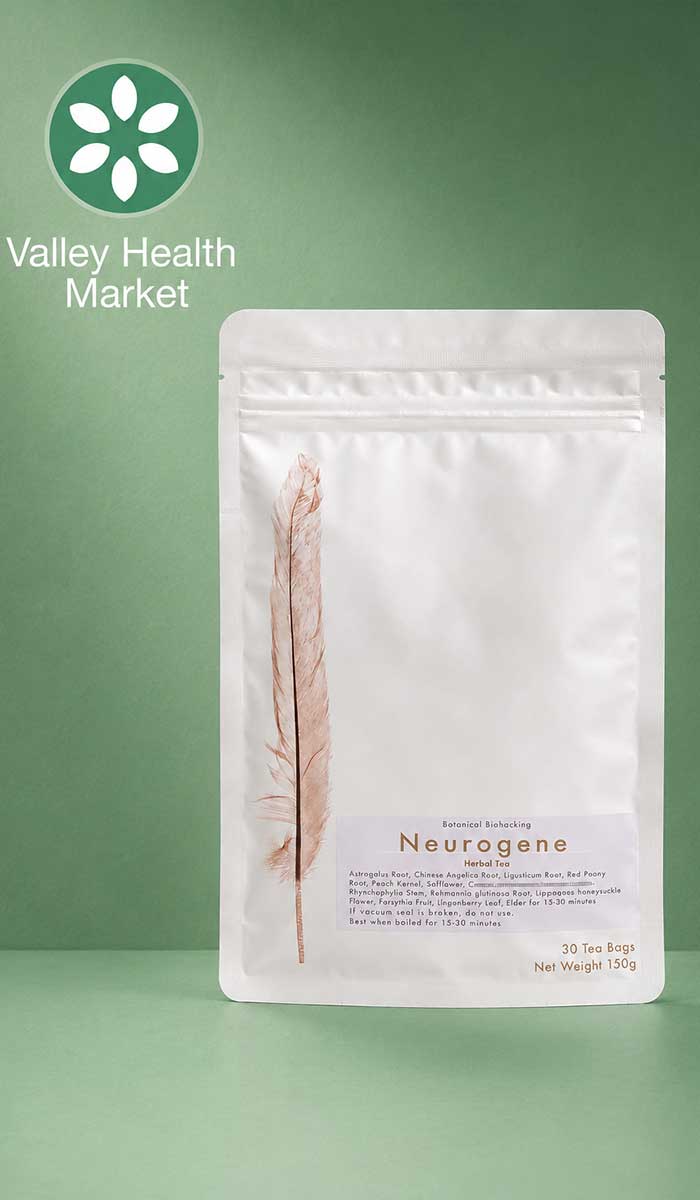
Neurogene Tea product with green backing Valley Health Market
7 minutes read

Materia Medica · The Formula Series

Neurogene Tea: For Numbness and Tingling in Hands and Feet

Willard Sheppy Dipl. OM, LAc, BS

Willard Sheppy is a licensed acupuncturist (LAc) and Founder of Valley Health Clinic specializing in using Traditional Chinese Medicine to treat acute injuries and chronic conditions, and to improve sports performance and rehabilitation.

Neurogene Tea product with green backing Valley Health Market

Table of Contents

Numbness and tingling are not always a nerve problem. Sometimes they are a delivery problem.

When circulation is too weak to reach the far end of a nerve, the sensation at the fingertips and toes is often the first thing to fade. Neurogene Tea was built for that picture — to support the pressure behind circulation rather than force it.

Here’s what the formula actually is, who formulates it, and what’s inside.

Quick Answer

Neurogene Tea is an Imperial-grade modification of Bu Yang Huan Wu Tang — the most-studied blood-moving formula in Chinese medicine — built for the picture where circulation is too weak to reach the far end of a nerve. A very large dose of Huang Qi (astragalus) supplies the push; a small team of blood-movers clears the path. It is a blood-moving formula: not used during pregnancy, and anyone on anticoagulants, with a bleeding disorder, or recovering from a stroke should talk with their physician and practitioner first.

What Neurogene Tea Actually Is

Neurogene is an Imperial-grade modification of Bu Yang Huan Wu Tang — Tonify the Yang to Restore Five-Tenths Decoction. In China it is the single most-used formula for post-stroke recovery, and it has been studied more than almost any other blood-moving prescription.

The classical logic is elegant. A very large dose of Huang Qi (astragalus) supplies the qi that pushes blood; a small team of blood-movers clears the obstruction that qi is pushing against. The formula does not force circulation. It restores the pressure behind it.

The modification adds herbs aimed at the neuro-inflammatory side of the picture — Tian Ma and Gou Teng to settle wind, Jin Yin Hua and Lian Qiao to clear heat, Da Huang to keep things moving downward.

Who Formulates This

Dr. Jin Zhao is the main formulator for Botanical Biohacking. He practices in Chengdu, sees up to 200 patients a day, and specializes in dampness. His approach was refined across tens of thousands of patients, working through the upper, middle, and lower jiao.

Pharmacology professor Dr. Zhong Shi Hong fine-tunes the formulas. Dr. Lan, PhD — Dr. Jin’s younger classmate — is the herbal pharmacologist who oversees testing and writes the practitioner letters.

A sourcing detail worth noting: this blend uses Qing Lian Qiao — unripe green forsythia — rather than the ripe fruit. It carries a higher concentration of forsythiaside. A small decision, made by someone paying attention.

How It's Sourced and Tested

Three categories of contamination matter for plant material from anywhere in the world: heavy metals, pesticide residue, and microbial load. Botanical Biohacking’s protocol addresses all three.

Inside the Formula

Eleven herbs, organized around one idea: supply the push, then clear the path.

Supply the Push

Move the Blood

Settle and Clear

Before You Start

This is a blood-moving formula. It is not used during pregnancy. If you take anticoagulants, have a bleeding disorder, or are recovering from a stroke or any neurological event, this belongs in a conversation with your physician and practitioner — not in a self-directed experiment.

Numbness at the fingertips and toes is often the last stop on a long supply line. When you improve what reaches the end of that line, the sensation frequently follows. — Will Sheppy, L.Ac.

Neurogene Tea product with green backing Valley Health Market

Neurogene Tea

An Imperial-grade modification of Bu Yang Huan Wu Tang. Eleven herbs, thirty teabags, one month’s supply. Available at Valley Health Market.

Research & Resources

  1. Wang R, Ren J, Li S, et al. Efficacy evaluation of Buyang Huanwu Decoction in the treatment of ischemic stroke in the recovery period: a systematic review of randomized controlled trials. Front Pharmacol. 2022;13:975816. Frontiers →
  2. Hao CZ, Wu F, Shen J, et al. Clinical efficacy and safety of Buyang Huanwu Decoction for acute ischemic stroke: a systematic review and meta-analysis of 19 randomized controlled trials. Evid Based Complement Alternat Med. 2012;2012:630124. PubMed →
  3. Wei RL, Teng HJ, Yin B, et al. A systematic review and meta-analysis of Buyang Huanwu Decoction in animal model of focal cerebral ischemia. Evid Based Complement Alternat Med. 2013;2013:138484. PubMed →

Educational content rooted in 20+ years of clinical practice in Traditional Chinese Medicine. The information provided is for educational purposes and is not intended to replace consultation with a qualified healthcare practitioner. Please consult your physician before starting any new herbal protocol, especially if pregnant, nursing, on anticoagulants, or managing a chronic condition.

Share on

Will Sheppy, Founder and Acupuncturist at Valley Health Clinic
Willard Sheppy
Willard Sheppy is a licensed acupuncturist (LAc) and Founder of Valley Health Clinic specializing in using Traditional Chinese Medicine to treat acute injuries and chronic conditions, and to improve sports performance and rehabilitation.

FAQ's

What is Neurogene Tea?

Neurogene Tea is an Imperial-grade modification of Bu Yang Huan Wu Tang (Tonify the Yang to Restore Five-Tenths Decoction) — the most-used and most-studied blood-moving formula in Chinese medicine. Botanical Biohacking builds it from eleven herbs and adds a team aimed at the neuro-inflammatory side of the picture. It comes as thirty teabags, a one-month supply.

It was written for the picture where circulation is too weak to reach the far end of a nerve — numbness and tingling at the fingertips and toes that behaves less like a nerve problem and more like a delivery problem. The formula’s strategy is to supply the push behind circulation with a large dose of Huang Qi (astragalus), then clear the path with blood-movers.

No — this is a blood-moving formula and it is not used during pregnancy. If you take anticoagulants, have a bleeding disorder, or are recovering from a stroke or any neurological event, this belongs in a conversation with your physician and practitioner, not a self-directed experiment.

Dr. Jin Zhao, Botanical Biohacking’s main formulator, practices in Chengdu and specializes in dampness, refining his approach across tens of thousands of patients. Pharmacology professor Dr. Zhong Shi Hong fine-tunes the formulas, and Dr. Lan, PhD, the herbal pharmacologist, oversees testing. One detail of their care: the blend uses unripe green forsythia (Qing Lian Qiao) for its higher forsythiaside content.

Recent Posts

Best Natural Treatment for Foot Neuropathies

Neuropath Combo from Valley Health Clinic providing Tibetan Foot Soaks and Corydalis Relief Salve

The Best Natural Treatments for Foot Neuropathies

In the quest for effective management of neuropathies, natural treatments are increasingly being recognized for their efficacy and minimal side effects. Among the myriad of options, these remedies stand out for their ability to address the nerve pain and discomfort.

At Home Remedies

Warm Foot Soaks

Warm foot baths can soothe and alleviate neuropathy pain. Specifically, Tibetan Herbal Foot Soaks offers a unique advantage. These soaks, infused with medicinal herbs, target neuropathy-related discomforts, such as blood stasis and damp-heat patterns. The warm water enhances herb absorption, improving circulation and providing relief. Regular use can not only ease neuropathic pain but also promote overall relaxation.

Topical Treatment

For direct relief from nerve pain in the feet, topical creams can be highly beneficial. Corydalis Salve, a cream derived from the Corydalis plant, is particularly effective. It contains compounds that work as natural pain relievers, reducing symptoms of neuropathy. Its anti-inflammatory properties provide targeted relief without the harsh effects of some over-the-counter options. Applying this salve to the affected areas can bring immediate and sustained relief.

Exercise

Engaging in regular physical activity, like walking three times a week, can reduce neuropathy pain and improve muscle strength. This also helps in blood sugar level control, crucial for diabetic neuropathy. Gentle exercises such as yoga and tai chi are beneficial too, as they improve balance, flexibility, and stress relief, all important for managing neuropathy symptoms.

Acupuncture

This traditional Chinese medicine technique has been effective in treating various types of pain, including nerve pain. Acupuncture involves inserting thin needles into specific body points, helping to alleviate pain and improve nerve function. It’s thought to stimulate the nervous system and promote natural healing by releasing endorphins and improving blood flow.

Tibetan Herbal Foot Soaks and Neuropathy

 Dr. Xuelan Qiu recently shared reports of successful treatment using these soaks. These foot baths, steeped in medicinal herbs, target the blood stasis component of neuropathy. They’re particularly beneficial for damp-heat patterns often observed in peripheral neuropathy, especially in type 2 diabetics. 

Corydalis and Neuropathy

Corydalis, derived from the tuber of the Corydalis plant, is a well-known pain reliever in traditional Chinese medicine (TCM). The Corydalis Relief Salve, a topical application, has emerged as a gentle yet effective solution for neuropathic pain. Its anti-inflammatory and sedative properties make it suitable for a range of conditions, including arthritis and stress-induced discomfort.

Combining Treatments

To maximize the benefits for peripheral neuropathy, using Tibetan foot soaks and Corydalis cream together can be particularly effective. 

  1. Begin by preparing the Tibetan foot soak according to the instructions, typically involving steeping the herbal mixture in hot water.
  2. Soak your feet for about 20-30 minutes, allowing the therapeutic herbs to penetrate and improve circulation, targeting the blood stasis component of neuropathy.
  3. After the soak, gently dry your feet and apply Corydalis cream directly to the affected areas. The cream’s anti-inflammatory properties complement the foot soak by providing localized pain relief. 

This combination not only alleviates neuropathic symptoms but also enhances overall relaxation and well-being. For best results, incorporate this regimen into your daily routine, preferably in the evening, to promote healing and restful sleep.

For those struggling with peripheral neuropathies, Tibetan Herbal Foot Soaks and Corydalis Cream present a hopeful alternative.

These natural remedies, backed by both traditional use and modern research, offer effective and gentle solutions for managing neuropathic pain. As always, it's essential to consult with a healthcare provider to tailor treatments to individual needs and conditions

About the Author

Author Willard Sheppy Exporing the Coast

Willard Sheppy is a writer and healthcare practitioner who seamlessly melds scientific knowledge with practical applications in engaging and authoritative articles. He holds a Bachelor of Science in Environmental Science from Oregon State University and a Master’s in Acupuncture and Oriental Medicine from the distinguished Oregon College of Oriental Medicine.

In his work, Willard skillfully combines his extensive educational background in scientific research with his practical experience as a healthcare practitioner. Willard balances his life with martial arts and cherished family adventures. As a father of three, he often leads his family on camping and hiking trips along the breathtaking Oregon coast.

Connect with Willard on LinkedIn at linkedin.com/in/valleyhealthclinic or learn more about his services at valleyhealthclinic.com. Embark on this journey towards holistic health with Willard!

Corydalis for Cancer Neuropathy

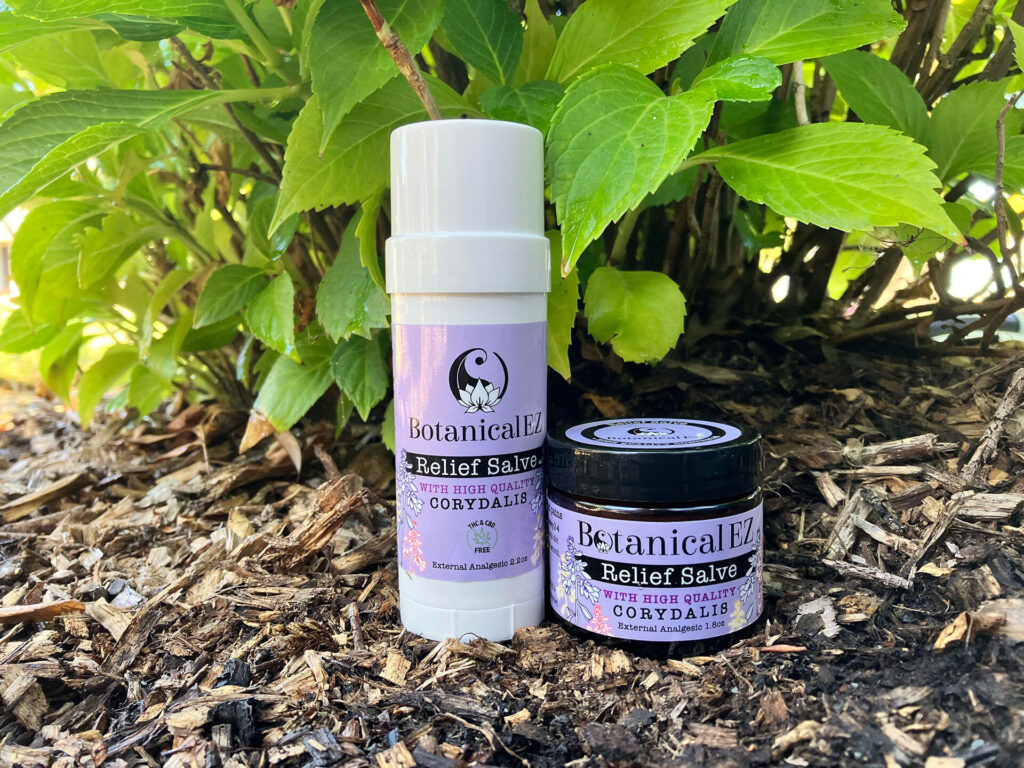
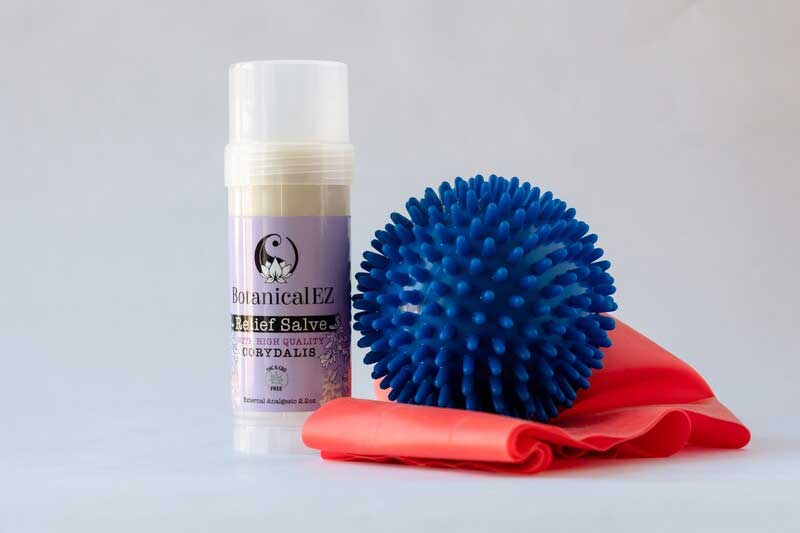
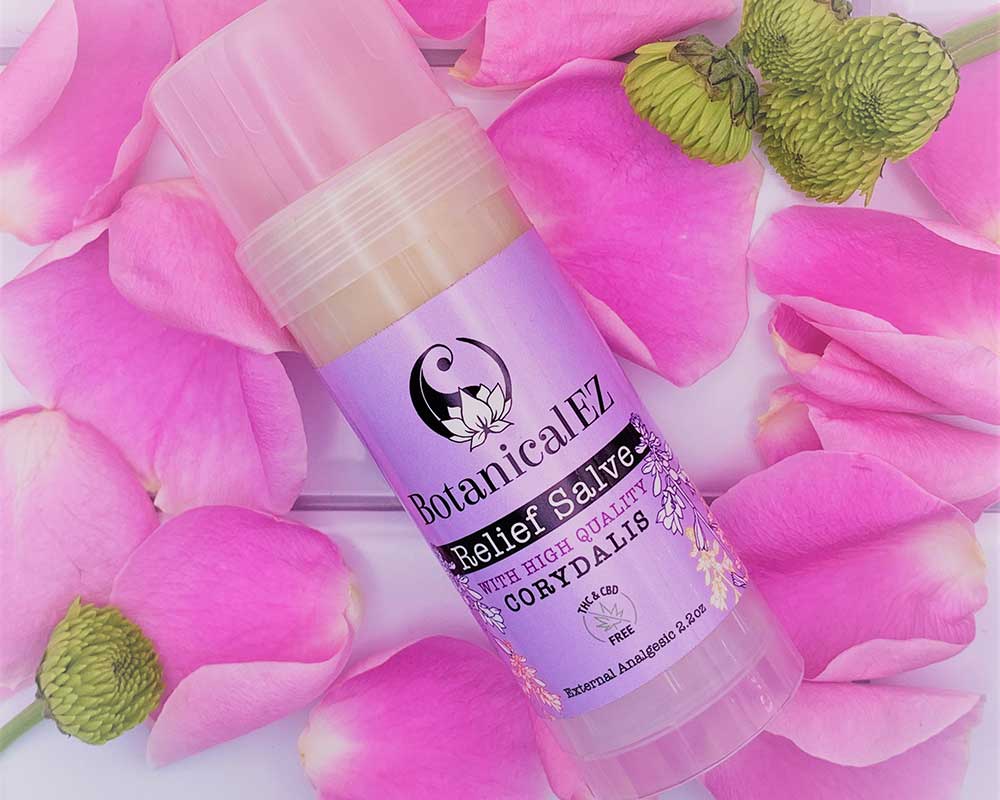
Corydalis Relief Stick

Corydalis for cancer neuropathy

Let’s delve into the promising relationship between corydalis and cancer neuropathy to better understand how this natural remedy may offer relief to those facing this challenging condition.

As a healthcare practitioner, I have encountered numerous patients who require topical pain relief but cannot tolerate conventional over-the-counter treatments like Icy Hot. The chilling sensation of standard ointments can be uncomfortable for individuals with poor circulation, and the strong smell can be overpowering.

One particular patient, a dear friend of mine, underwent cancer treatment and struggled with pain in her hands and feet due to chemotherapy-induced neuropathy. Poor circulation led to coldness in her extremities, making it difficult for her to tolerate traditional pain relief ointments. The smell nauseated her, and the icy sensation was too much for her already cold feet.

Determined to find a solution to ease her pain, I began searching for the ideal topical treatment: gentle enough for sensitive users, yet potent enough to address neuropathy and arthritis. This search led me to discover Corydalis Relief Salve. This salve features a subtle floral scent without any cooling effect and, most importantly, provides soothing relief for various types of pain.

Corydalis Relief Salve worked wonders for my dear friend, significantly improving her quality of life. Inspired by her experience, I introduced this powerful formula to my practice, allowing more patients to benefit from its pain-relieving properties.

Yan Hu Suo and Corydalis

Derived from the tuber of the Corydalis plant, Yan Hu Suo has been utilized in TCM to alleviate various types of pain, such as nerve pain, menstrual pain, and inflammatory pain. Studies have indicated that Corydalis possesses anti-inflammatory and sedative properties, which can benefit individuals suffering from conditions like arthritis, insomnia, anxiety, and stress (1).

Topical Application for Neuropathies

Neuropathies, or nerve-related pain conditions, can be debilitating for those affected. Research has shown that the active compounds in Corydalis, such as tetrahydropalmatine and dehydrocorybulbine, can effectively modulate pain signals in the nervous system (2). Topical application of Corydalis may offer a non-invasive, natural approach to managing neuropathies, making it an appealing option for those seeking alternative treatments.

Corydalis for Cancer Pain Management

Cancer pain can be challenging to manage, and many patients turn to natural supplements and herbal remedies to complement conventional treatments. Some studies have suggested that Corydalis may provide relief from cancer pain by inhibiting the release of pain-inducing substances in the body (3). Topical application of Corydalis products may be a useful adjunct therapy for cancer patients experiencing localized pain.

Buy Corydalis Relief Stick Today!

If you don’t like strong medicinal smells or menthol and camphor cooling sensations, then this is the product for you. I have found this product to work exceptionally well for diabetics or cancer-induced peripheral neuropathy.

Combine the synergistic effect of our two best-selling topicals. They work together in separate but complementary ways to quickly eliminate your pain.

Conclusion

Topical Yan Hu Suo and Corydalis products may offer a natural, non-invasive approach to managing neuropathies and cancer pain. By understanding the benefits and potential risks associated with these products, individuals can make informed decisions about their use. As with any health product, it is essential to consult a healthcare professional before incorporating Corydalis into a pain management regimen.

REFERENCES

Zhang Y, Wang C, Wang L, Parks GS, Zhang X, Guo Z, Ke Y, Li KW, Kim MK, Vo B, Borrelli E, Ge G, Yang L, Wang Z, Garcia-Fuster MJ, Luo ZD, Liang X, Civelli O. A novel analgesic isolated from a traditional Chinese medicine. Current Biology. 2014 Jan 6;24(1):117-23.

Chu H, Jin G, Friedman E, Zhen X. Recent development in studies of tetrahydroprotoberberines

About the Author

Author Willard Sheppy Exporing the Coast

Willard Sheppy is a writer and healthcare practitioner who seamlessly melds scientific knowledge with practical applications in engaging and authoritative articles. He holds a Bachelor of Science in Environmental Science from Oregon State University and a Master’s in Acupuncture and Oriental Medicine from the distinguished Oregon College of Oriental Medicine.

In his work, Willard skillfully combines his extensive educational background in scientific research with his practical experience as a healthcare practitioner. Willard balances his life with martial arts and cherished family adventures. As a father of three, he often leads his family on camping and hiking trips along the breathtaking Oregon coast.

Connect with Willard on LinkedIn at linkedin.com/in/valleyhealthclinic or learn more about his services at valleyhealthclinic.com. Embark on this journey towards holistic health with Willard!