Tag: Neck Pain

Sir Vickle: For the Neck That Has Hurt for Years

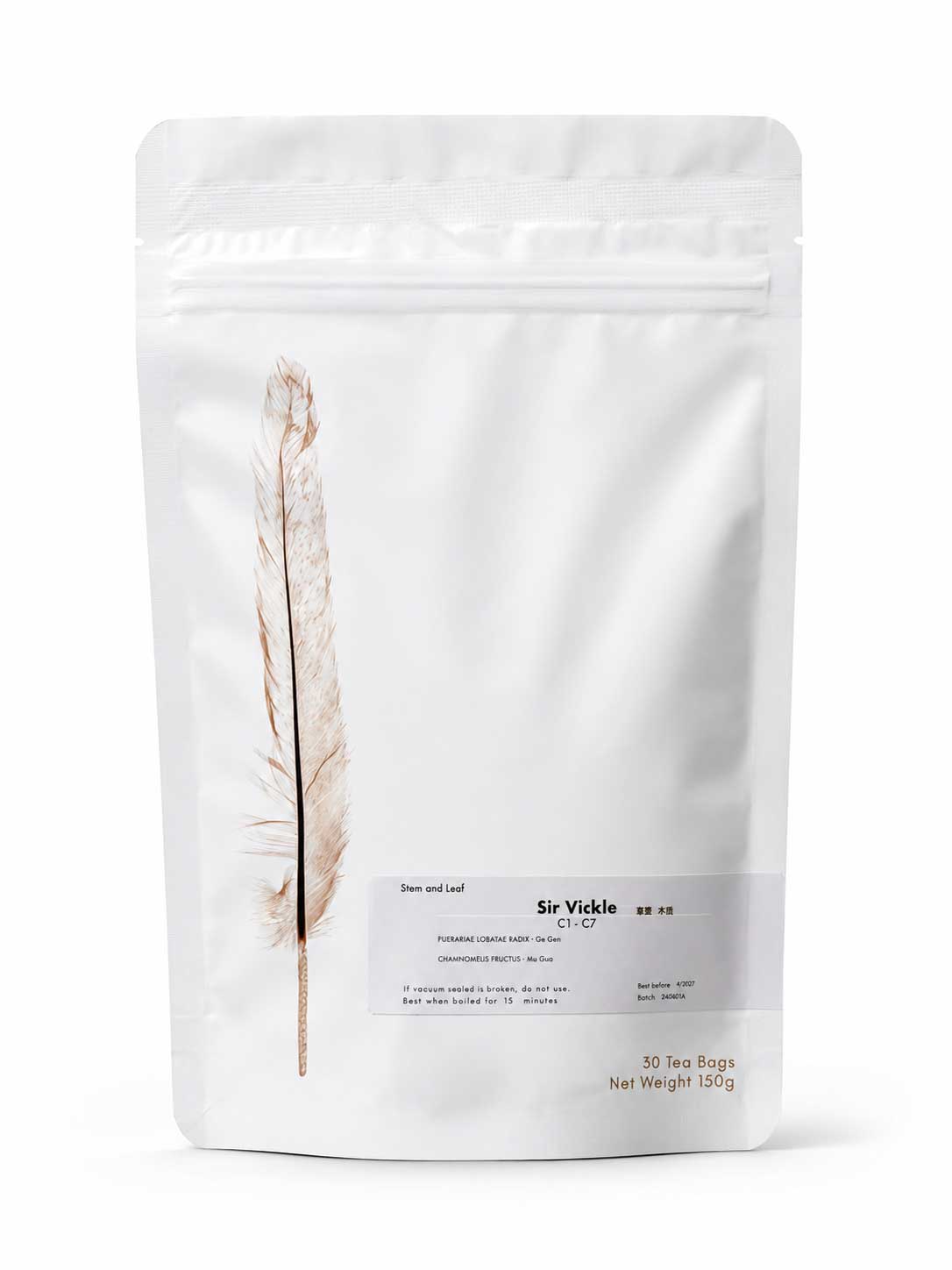
Sir Vickle Herbal Tea product mockup
7 minutes read

Materia Medica · The Stem & Leaf Series

Sir Vickle: For the Neck That Has Hurt for Years

Willard Sheppy Dipl. OM, LAc, BS

Willard Sheppy is a licensed acupuncturist (LAc) and Founder of Valley Health Clinic specializing in using Traditional Chinese Medicine to treat acute injuries and chronic conditions, and to improve sports performance and rehabilitation.

Sir Vickle Herbal Tea product mockup

Table of Contents

If your neck has hurt for years rather than weeks, you have probably already tried the imaging and the ergonomic chair.

Stem & Leaf — Sir Vickle is the neck formula: two guide herbs, aimed at one region, C1 through C7.

Here’s the guide-herb principle behind it, what’s inside, and how the line fits together.

Quick Answer

Stem & Leaf — Sir Vickle is the cervical formula in Botanical Biohacking’s region-by-region spinal line: two guide herbs aimed at C1 through C7. Ge Gen has been used for cervical tension and stiffness for roughly two thousand years; Mu Gua adds the damp-clearing, circulation-moving side. It is a companion to the fundamentals — and new, severe, or radiating pain, or pain with numbness, weakness, or loss of bladder or bowel control, needs prompt medical evaluation.

What Stem & Leaf — Sir Vickle Actually Is

The Stem & Leaf line takes a region-by-region approach to spinal support. Rather than one general back formula, each product is built around guide herbs — herbs that classical medicine understands as directing a formula’s action to a particular part of the body.

Stem & Leaf — Sir Vickle is the neck formula. Two guide herbs, aimed at one region.

That specificity is the whole idea, and it mirrors how a practitioner actually thinks about a back. The spine is not one thing.

The Guide Herb Principle

A guide herb is not a filler. In classical formula construction, certain herbs are understood to carry a formula’s action toward a specific region — the way a courier carries a letter to an address rather than to a city.

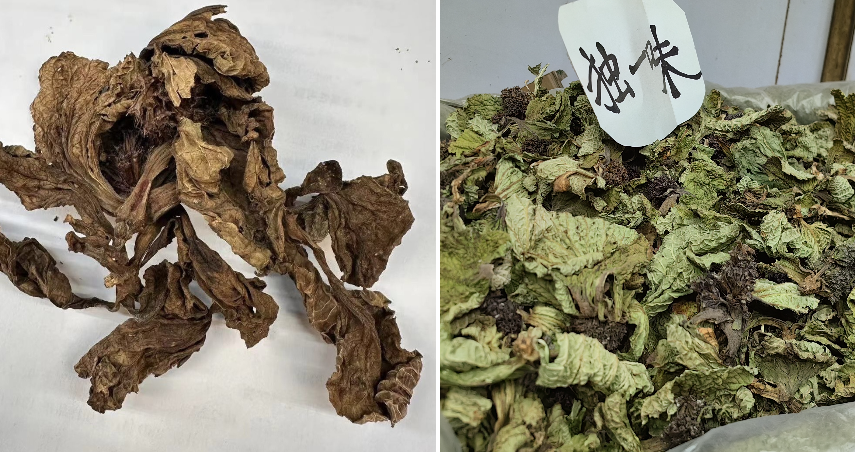
For the neck, that herb is Ge Gen. It has been used for cervical tension and stiffness for roughly two thousand years, and it remains one of the first things a practitioner reaches for when someone’s shoulders are up around their ears.

How It's Sourced and Tested

The same protocol runs across the entire Botanical Biohacking line.

Inside the Formula

Ge Gen is the neck herb — it is the reason formulas like Ge Gen Tang exist at all. Pairing it with Mu Gua adds the damp-clearing, circulation-moving side. This is described as a combination commonly used by Dr. Jin Zhao for neck problems, which is exactly the provenance you want on a product like this.

The Cervical Guide Herbs

Using the Line Together

A Practitioner’s Note

Spinal support formulas are a companion to the fundamentals, not a replacement. Movement, posture, sleep, and hands-on care do the heavy lifting. New, severe, or radiating back pain — or pain with numbness, weakness, or loss of bladder or bowel control — needs prompt medical evaluation.

Ge Gen is the herb practitioners reach for when the shoulders have crept up toward the ears and stayed there. Pair it with Mu Gua and you have a formula aimed at one region, not at the whole back. — Will Sheppy, L.Ac.

Sir Vickle Herbal Tea product mockup with a green background by Valley Health Market

Stem & Leaf — Sir Vickle

The cervical formula from the Stem & Leaf line. Region-specific guide herbs, thirty teabags. Available at Valley Health Market.

Research & Resources

  1. Christopher M. Volesky, L.Ac., Rocky Mountain Herb Supply. Stem and Leaf guide herb formulations. Distributor product note, July 2026.
  2. Bensky D, Clavey S, Stöger E. Chinese Herbal Medicine: Materia Medica, 3rd ed. Eastland Press, 2004. (Reference for guide herbs and channel-directing action.)
  3. A note on evidence: the Stem & Leaf line is a practitioner-formulated support product. We are not attaching clinical-trial claims to it. What we can tell you is which herbs are in it, why they were chosen, and who formulated them.

Educational content rooted in 20+ years of clinical practice in Traditional Chinese Medicine. The information provided is for educational purposes and is not intended to replace consultation with a qualified healthcare practitioner. Please consult your physician before starting any new herbal protocol, especially if pregnant, nursing, on anticoagulants, or managing a chronic condition.

Share on

Will Sheppy, Founder and Acupuncturist at Valley Health Clinic
Willard Sheppy
Willard Sheppy is a licensed acupuncturist (LAc) and Founder of Valley Health Clinic specializing in using Traditional Chinese Medicine to treat acute injuries and chronic conditions, and to improve sports performance and rehabilitation.

FAQ's

What is Stem & Leaf — Sir Vickle?

Sir Vickle is the neck formula in Botanical Biohacking’s Stem & Leaf line, which takes a region-by-region approach to spinal support. It is built around two guide herbs — Ge Gen and Mu Gua — aimed at the cervical spine, C1 through C7. It comes as thirty teabags.

In classical formula construction, certain herbs are understood to carry a formula’s action toward a specific region of the body — the way a courier carries a letter to an address rather than to a city. For the neck, that herb is Ge Gen, which has been used for cervical tension and stiffness for roughly two thousand years.

Yes — the Stem & Leaf teas can be used alone or combined to cover the better part of the neck and back: Sir Vickle for the cervical region (C1–C7), Thoracic Park for the thoracic (T1–T12), LumBear for the lumbar (L1–L5), and Sacrocox for the sacrococcygeal region.

New, severe, or radiating back pain — or pain with numbness, weakness, or loss of bladder or bowel control — needs prompt medical evaluation. Spinal support formulas are a companion to the fundamentals, not a replacement: movement, posture, sleep, and hands-on care do the heavy lifting.

Recent Posts

Is Your Neck Making You Dizzy?

13 minutes read

Is Your Neck Making You Dizzy?

Willard Sheppy Dipl. OM, LAc, BS

Willard Sheppy is a licensed acupuncturist (LAc) and Founder of Valley Health Clinic specializing in using Traditional Chinese Medicine to treat acute injuries and chronic conditions, and to improve sports performance and rehabilitation.

Table of Contents

Cervicogenic dizziness, vestibular migraine, and the simple chin-tuck test you can try at home.
If you feel off-balance, foggy, or lightheaded but you are not sure it is the classic spinning vertigo, your neck may be part of the picture. In the clinic I see this constantly: people who have been chasing an inner-ear diagnosis for months, when a big piece of their dizziness is actually coming from tight muscles at the base of the skull.
This article explains how your neck talks to your balance system, how that kind of dizziness feels different from true vertigo, and a quick self-test you can do right now to find out whether your neck is involved.

The Three Systems That Keep You Balanced

Your sense of balance is not one thing. It is a team of three systems that constantly compare notes:
When all three agree, you feel steady and you do not think about balance at all. When one sends a signal that does not match the others, the brain gets a conflicting report — and that mismatch is often felt as lightheadedness, unsteadiness, or a vague “off” feeling.

Lightheadedness vs. True Spinning Vertigo

This distinction matters, because it points to a different cause.

True vertigo

Usually feels like the room is spinning or the world is moving around you. It often comes from the inner ear and can come on in sudden, intense episodes.

Cervicogenic dizziness

Dizziness driven by the neck — tends to feel different. People describe it as lightheaded, floaty, foggy, or unsteady rather than truly spinning. It often shows up alongside neck tension or stiffness, gets worse after long hours at a desk or on a phone, and changes with head and neck position.
Many people have a mix of both. That overlap is exactly why dizziness can be so frustrating to pin down — and why the neck is so often overlooked.

Where the Neck Comes In: The Suboccipital Muscles

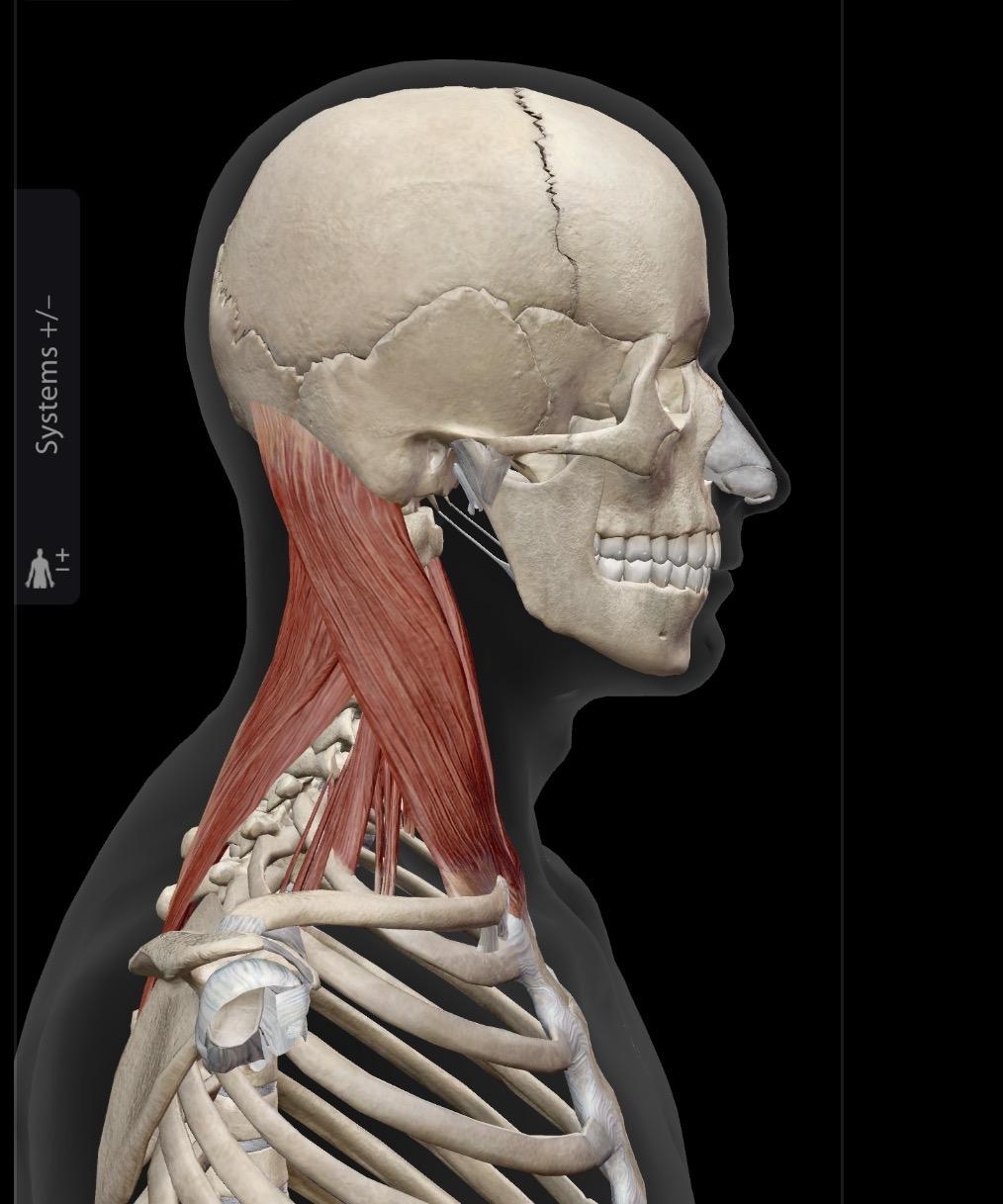
At the very top of your spine, a set of tiny muscles connects your first cervical vertebra to the base of your skull — the occipital region. These suboccipital muscles are densely packed with position sensors. They are constantly telling your brain where your head is relative to your body.
When those muscles are tight, guarded, or irritated — from posture, stress, an old injury, or simply too many hours looking down — they can feed faulty position information into the balance system. Your eyes and inner ears say one thing, your neck says another, and the resulting mismatch can leave you feeling lightheaded or unsteady. In people prone to vestibular migraine, this kind of neck tension can also act as an aggravating trigger.

Bai Zhu Balance

Ancient Wisdom for Modern Balance
The natural supplement designed to treat Ménière’s disease at its root—relieve vertigo, reduce fluid buildup, calm inflammation, and restore clarity.

Free email series

Get the Vertigo Map

Eleven at-home Ménière’s tools from Will, one short email at a time.

Check your inbox. Email 1 is on its way. If it isn’t there in a few minutes, check Promotions or Spam.

A Simple Self-Test: The Double Chin

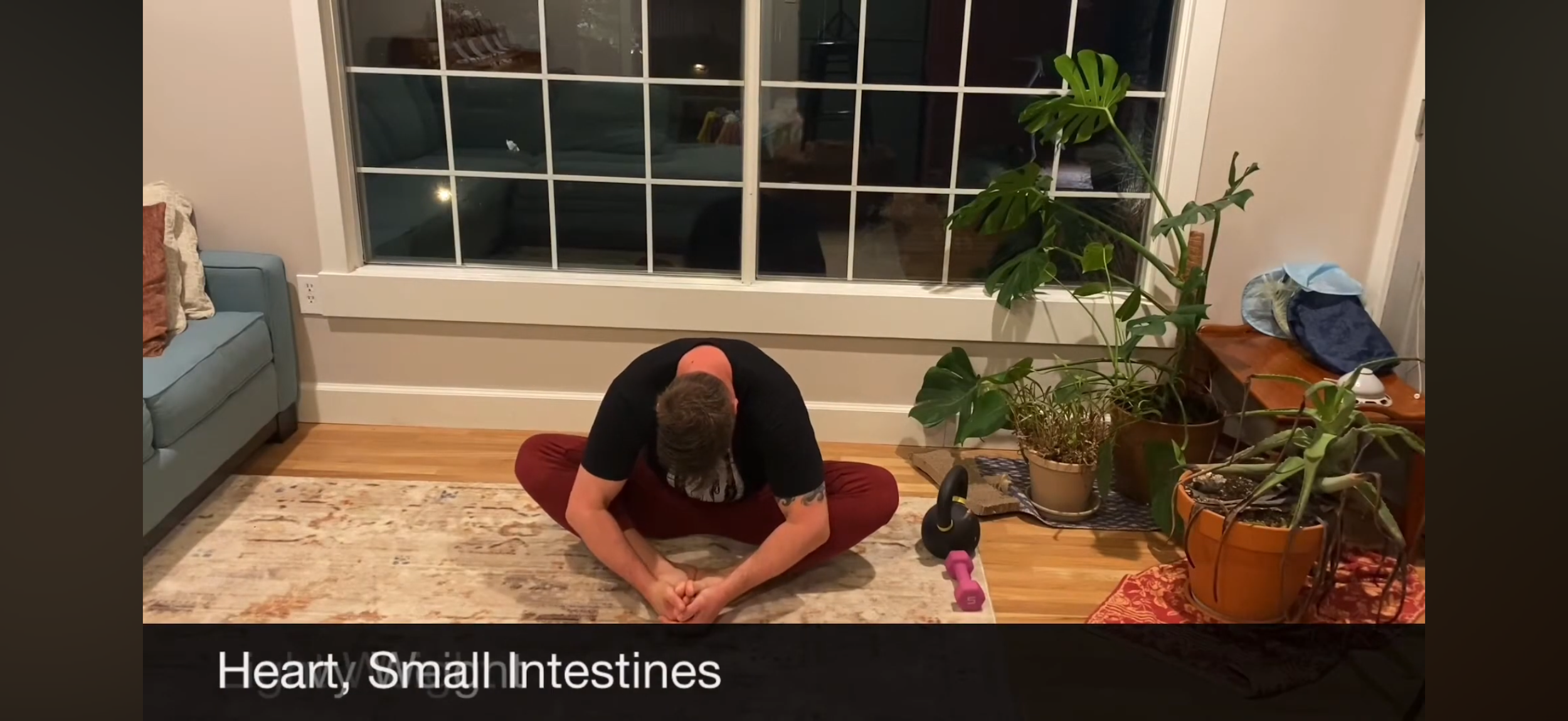
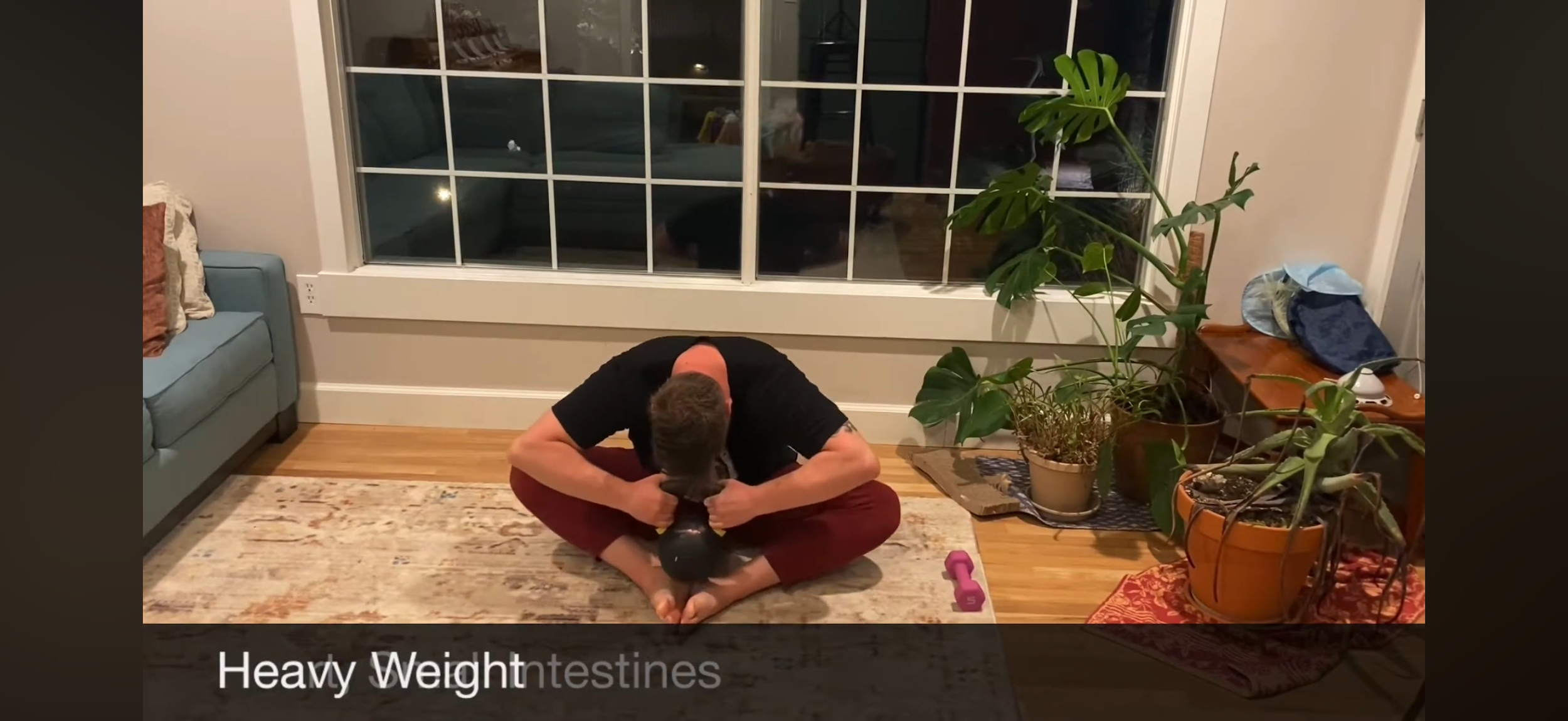
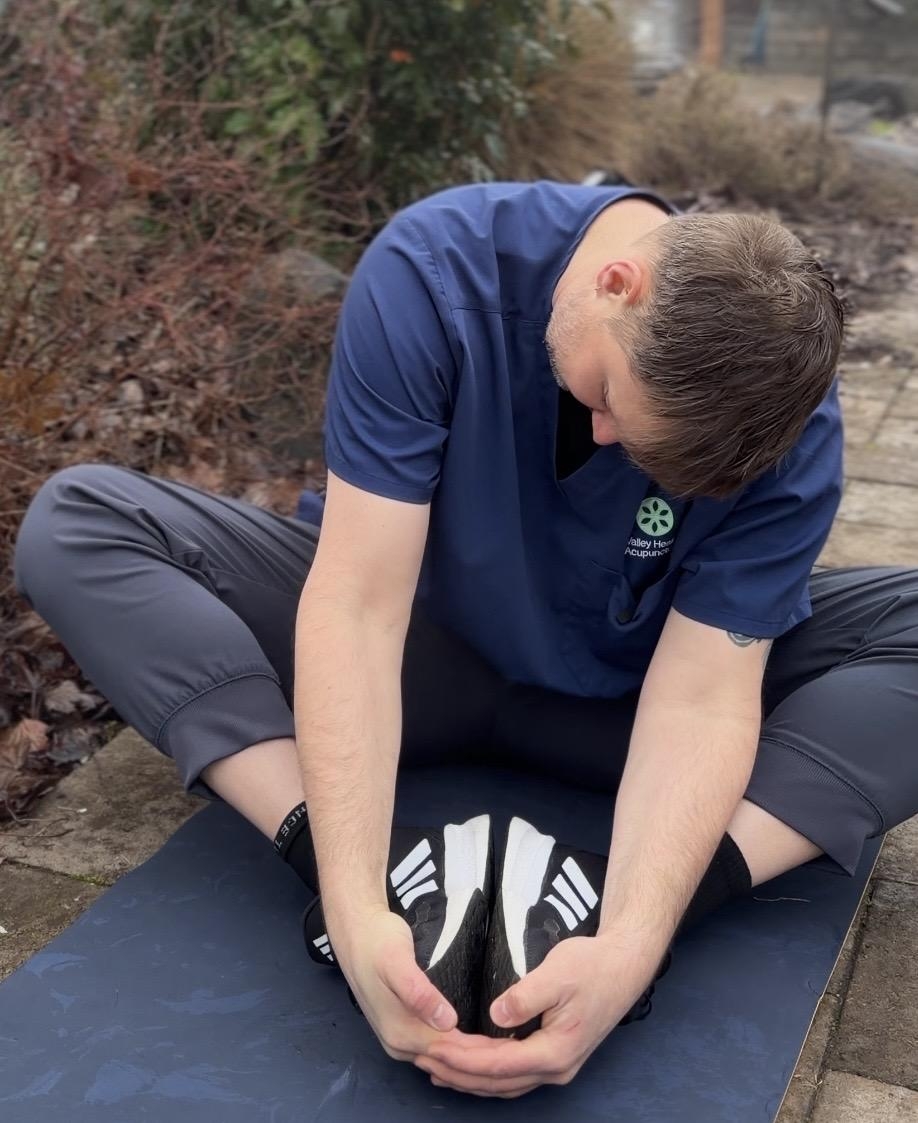
Here is a quick test you can try to see whether your neck is contributing to your dizziness. The video at the top of this article demonstrates it.
That movement stretches those very small muscles running from your first cervical vertebra up into the occipital area. If you feel tightness, tension, or pain in the back of your neck as you tuck, that is a clue your neck may be part of what is driving your dizziness.

What to Do If Your Neck Is the Culprit

If the chin tuck reproduces tension or pain at the base of your skull, a few simple things can help — and they double as a way to confirm the connection:

Stretch the neck gently

Slow, easy neck stretches — including the chin tuck itself — can release the suboccipital muscles over time.

Use gua sha at the occiput

Light scraping along the base of the skull, where those muscles attach, can help ease the tension.

Watch what happens to the dizziness

As that neck pain and tightness settles down, you should notice your dizziness or lightheadedness ease too. That relationship is the tell: when the neck calms, the head clears.
In the clinic I often combine hands-on work and acupuncture for the neck with these home practices, because what you do consistently at home is what keeps the muscles — and the dizziness — from creeping back.

When to Get It Checked Out

Dizziness has many possible causes, and not all of them are the neck. If your dizziness is new, severe, or sudden — or comes with symptoms like slurred speech, weakness, double vision, fainting, a bad headache, or hearing loss — please get evaluated by a medical professional promptly. The self-test here is a helpful starting point, not a diagnosis. If you are unsure what is driving your symptoms, that is exactly the kind of thing we can help sort out in the clinic.

Related Reading

Free email series · 11 tools in 3 weeks

The Vertigo Map

Eleven at-home tools for Ménière’s and vertigo, one short email at a time. The same tools I use for my own Ménière’s and teach my patients in clinic, most with a video you can follow along with.

What’s inside

  1. 01Why attacks aren’t random
  2. 02Face massage for the ear
  3. 03Breathing to calm an attack
  4. 04A 3-minute centering reset
  5. 05The three ear zones
  6. 06Gua sha for the neck
  7. 07The nerve-calming stretch
  8. 08Cool head, warm feet
  9. 09The ankle patch
  10. 10Bai Zhu Balance, explained
  11. 11The path forward
Will Sheppy, L.Ac.

Will Sheppy, L.Ac., Dipl. O.M.Acupuncturist in Albany, Oregon for 20+ years. I have Ménière’s too.

Email 1 arrives in minutes

Get the Vertigo Map, free

Free. 11 emails over 3 weeks, then the occasional clinic newsletter. Unsubscribe any time.

You’re in. Check your inbox.

Email 1 is on its way. If it isn’t there in a few minutes, look in Promotions or Spam and move it to your inbox so the rest land where you’ll see them.

While you wait, watch the full Vertigo & Ménière’s class. It’s free, and everything in the series comes from it.

“My anxiety lessened, my tremors calmed, and I was able to return to work.”

Shawn A., Valley Health patient with Ménière’s. Results vary.

Share on

Will Sheppy, Founder and Acupuncturist at Valley Health Clinic
Willard Sheppy
Willard Sheppy is a licensed acupuncturist (LAc) and Founder of Valley Health Clinic specializing in using Traditional Chinese Medicine to treat acute injuries and chronic conditions, and to improve sports performance and rehabilitation.

Recent Posts

How to Fix Chronic Neck Tension

How to Fix Chronic Neck Tension

The Link Between Stubborn Chronic Neck Tension and Chest Breathing

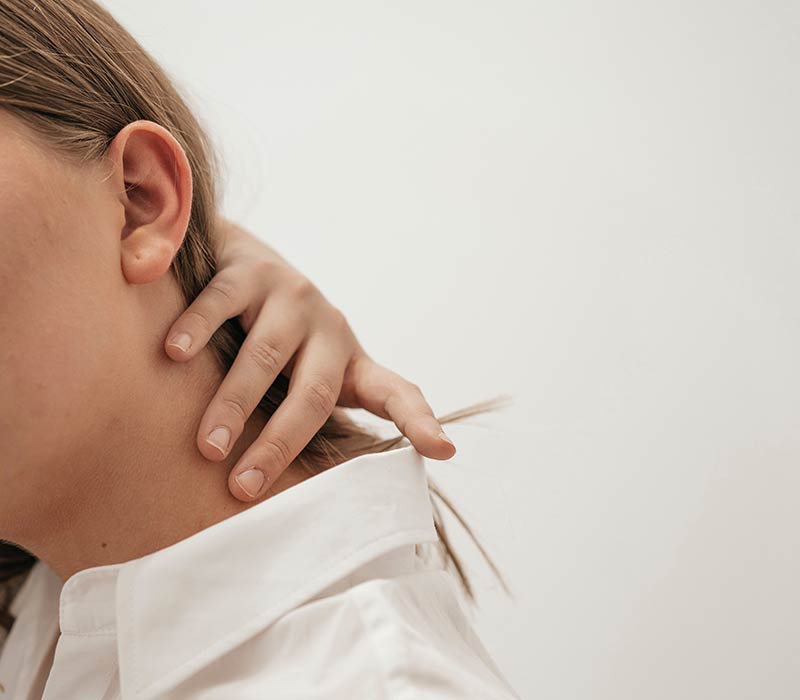
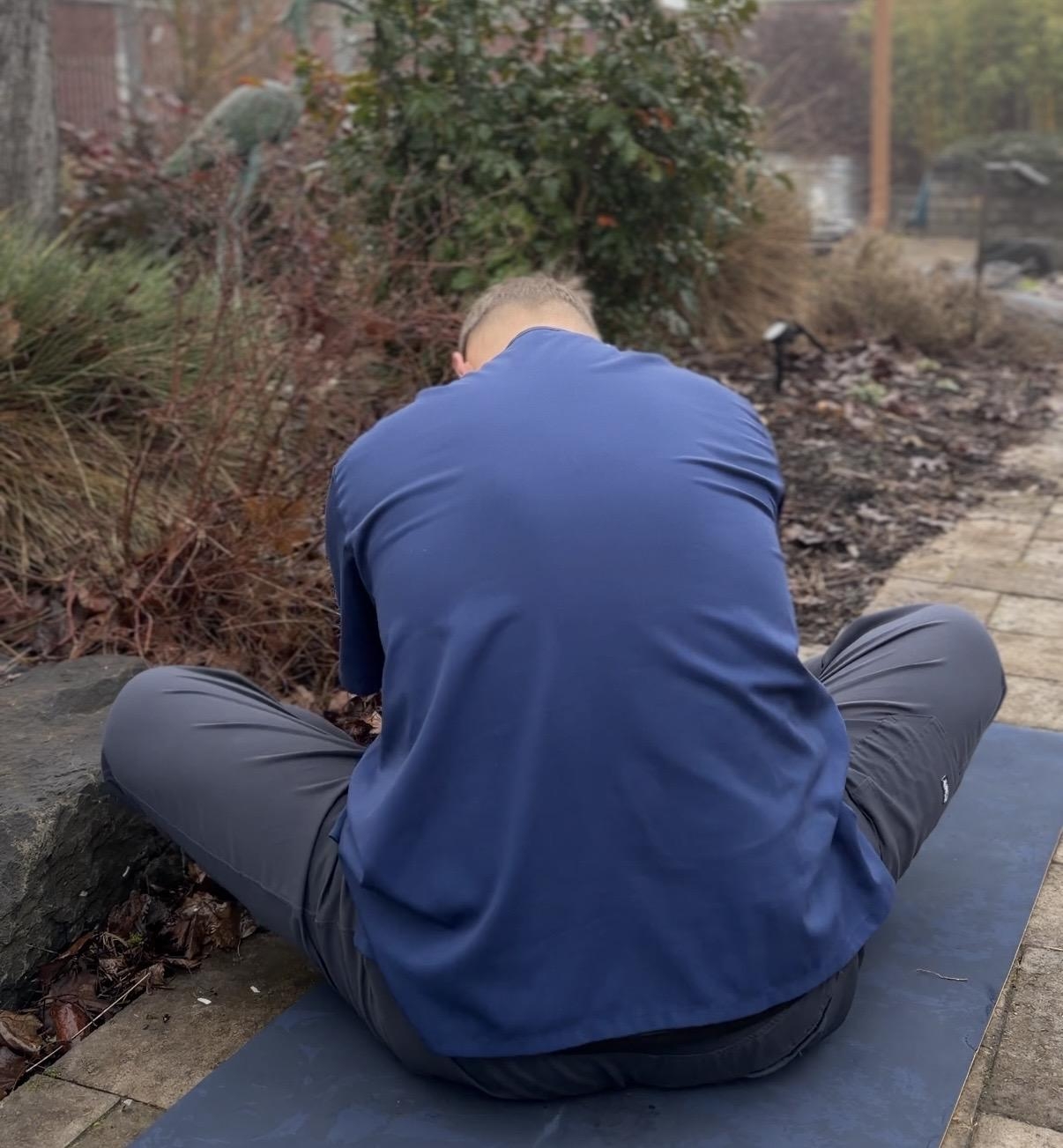
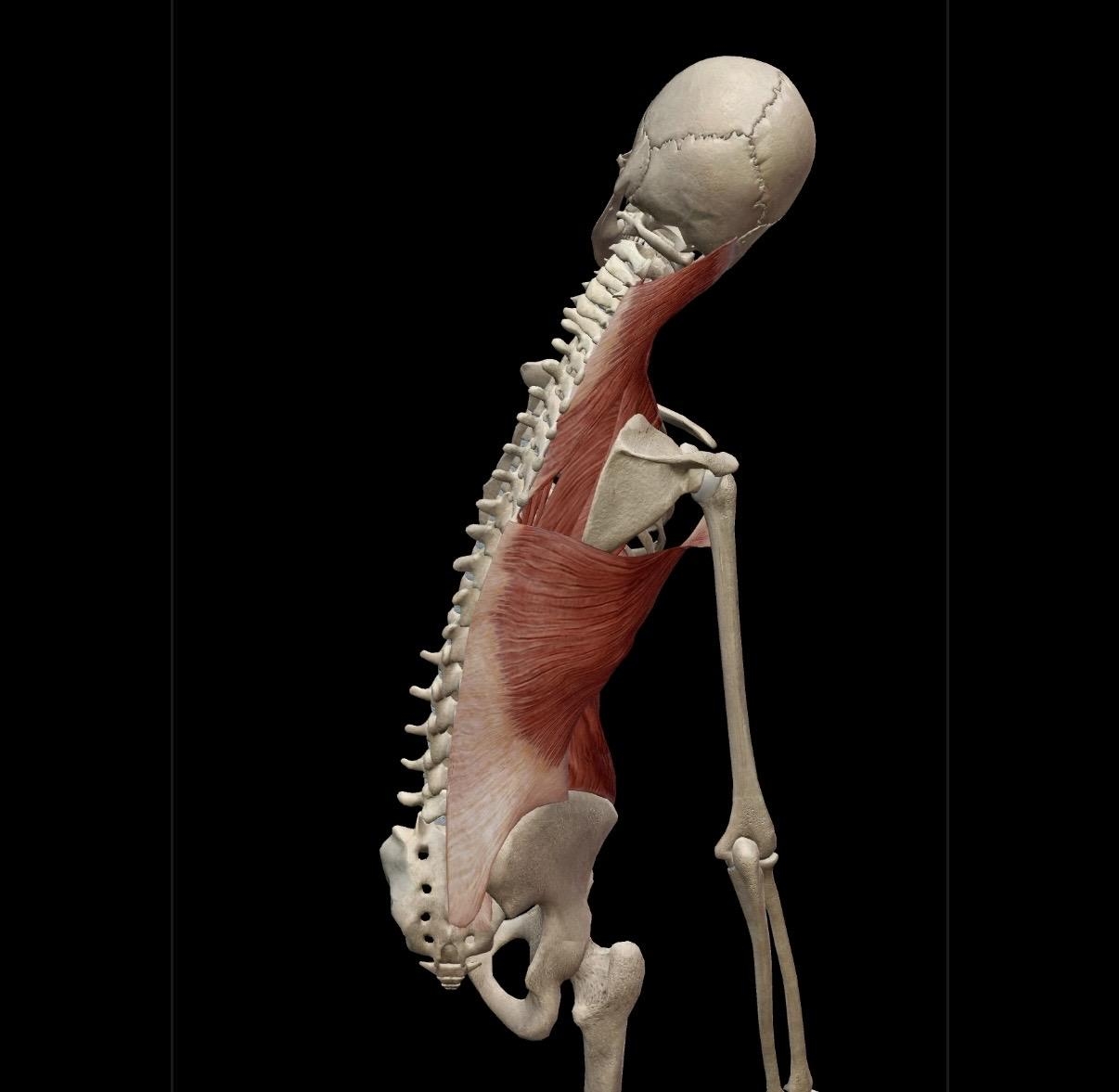
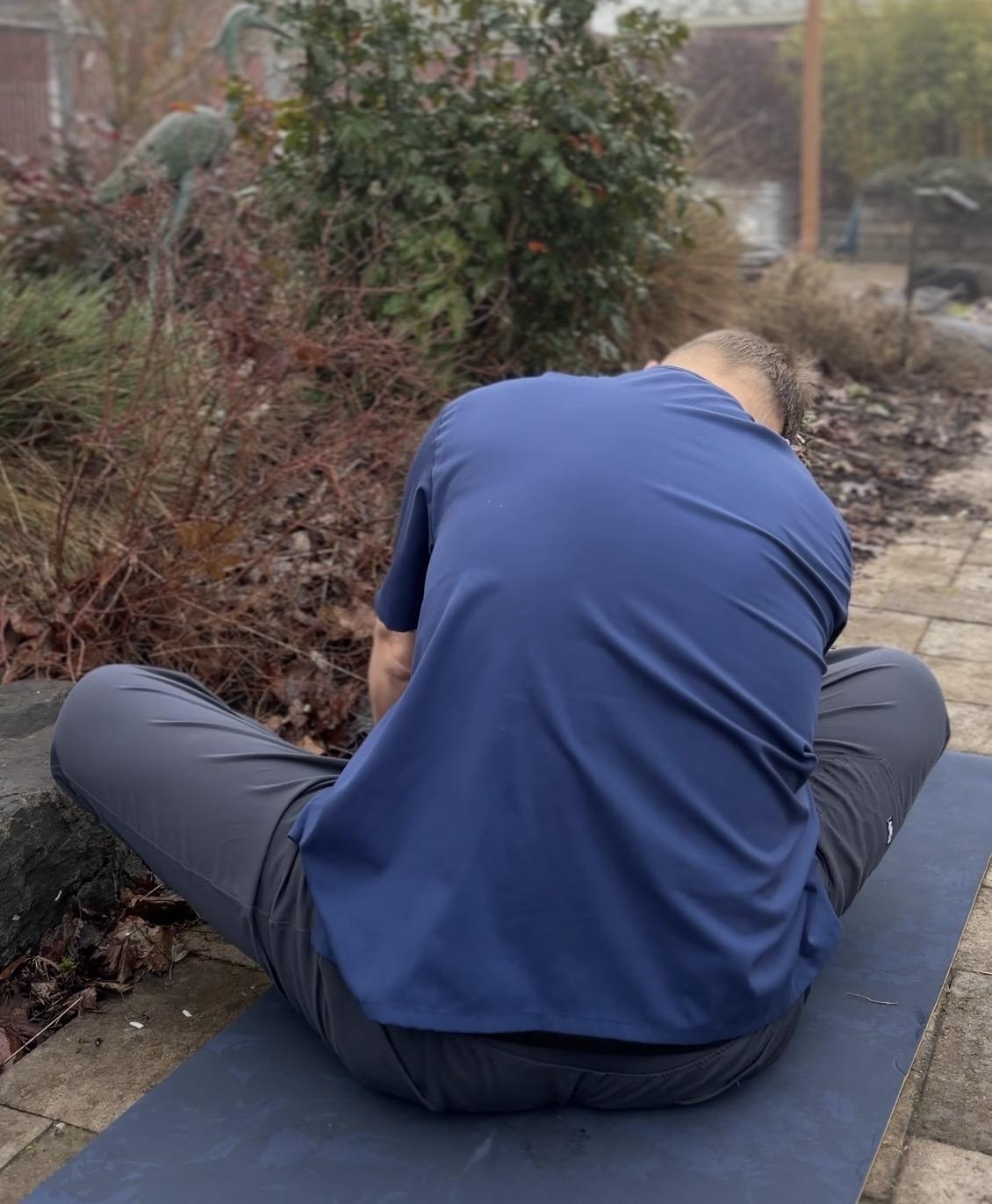
If you are constantly grappling with chronic neck tension that never seems to disappear completely, even with massages and other therapies, it may be time to look at your breathing habits. This tension could be an indication that you are breathing with your chest and using your secondary breathing muscles too much. Chest breathing causes your upper neck muscle to elevate your chest as you breathe. Over time, these muscles can become overused, leading to larger muscles like your trapezius to remain tight.

Recognizing Your Breathing Patterns

So what is your breathing pattern

Picture yourself just getting into a hot tub after a long day at work, the warm water hits your skin, and your body begins to relax; you take a deep sigh.  This type of breath is driven by the parasympathetic nervous system, which controls relaxation and the exhalation process.  Breathing from your nose and belly while having a long, slow exhale is the key characteristic for relaxed breathing.

Contrarily, picture yourself jumping into an icy bath.  This would cause you to gasp and start breathing from your chest. When under stress or shocked by cold, your sympathetic nervous system kicks into gear, and your breathing pattern alters.  You begin to mouth and chest breathe with shallow quick inhales. 

This shift in breathing is also noticeable when exercising. As you walk at a leisurely pace, you should be nose-breathing. But as your pace quickens and turns into a run, your oxygen demand soars, triggering the sympathetic nervous system and secondary breathing response involving mouth and chest elevation.

Don’t Get Stuck in the Cycle

Chest and mouth breathing can be very appropriate when exercising or dealing with stressful situations, but what can happen is people get stuck in that cycle. This means they’re constantly activating their secondary breathing mechanism, leading to overuse of neck and chest-elevating muscles, which in turn causes the persistence of neck tension.

Identifying Chronic Chest Breathing

A simple way to check if you’re a chronic chest breather is to observe if your mouth is dry upon waking up. A dry mouth could signify that you’ve been mouth-breathing through the night and potentially during the day.

Moreover, the sympathetic nervous system, being part of our stress response, also leads the body to retain tension. This can be observed when under stress; you might find yourself clenching your jaw or fists. This tension, coupled with chest breathing, keeps the muscles in your upper neck perpetually tight.

How to Counteract Chronic Neck Tension

To counteract this, two techniques can be adopted: shaking and diaphragm breathing. 

Shaking

First, start by shaking to help release the clenching muscles in the upper body.

To reap the benefits of shaking, begin by shaking your extremities and gradually work your way up the body. Start with your hands and feet, then progress to your elbows and knees, followed by your shoulders and hips, and finally, your back and neck. Shake them in freestyle movements, alternating sides, or even shaking the opposite extremities simultaneously, such as your right hand and left foot. Always adhere to your body’s comfort and balance.

During these exercises, ensure that you’re breathing through your nose. Take deep, fulfilling breaths, filling your lungs and air pathways with oxygen. Concentrate on long, slow exhales through your nose to maintain a state of relaxation. Nose breathing boosts the amount of nitric oxide and CO2 you inhale, which helps expand blood vessels and enhance circulation.

Finally, include your shoulders and hips in the shaking routine. To add a fun twist, try some shoulder-shrugging motions. Twisting your body around ensures all muscles are well-stretched and primed for more intense activity. 

Conclude the exercise by gently twisting your spine: swing your arms from side to side while looking behind you.

Diaphragm Breathing

Diaphragm breathing, on the other hand, helps to deactivate the secondary breathing muscles, consequently reducing muscle tension in the neck. The practice of diaphragm breathing involves 

To fully reap the benefits of diaphragmatic breathing, it’s important to practice it correctly. The diaphragm, being a large muscle, needs a little resistance for effective activation. Nose breathing offers an easy way to increase this effort and naturally activate the diaphragm. Here’s a basic guide to diaphragmatic breathing:

  • Sit in a comfortable position or lie flat on the floor, bed, or any comfortable, flat surface.
  • Relax your shoulders.
  • Put one hand on your chest and the other on your stomach.
  • Breathe in through your nose for about two seconds, feeling the air moving through your nostrils into your abdomen, making your stomach expand. Ensure your stomach moves outward while your chest remains relatively still during this type of breathing.
  • Purse your lips (as if you’re about to drink through a straw), press gently on your stomach, and exhale slowly for about two seconds.
  • Repeat these steps several times for the best results.
  • By incorporating diaphragmatic breathing into your routine

Enhancing Your Self-Care Routine with a Cooling or Warming Self-Massage

After you have completed your shaking exercises and diaphragmatic breathing routine, a self-massage can be a wonderful next step to further reduce muscle tension and promote relaxation. You can customize your self-massage with either Evil Bone Water for a cooling sensation or Red Emperor Immortal Flame for a warming sensation. Here’s how:

Applying Evil Bone Water for a Cooling Massage
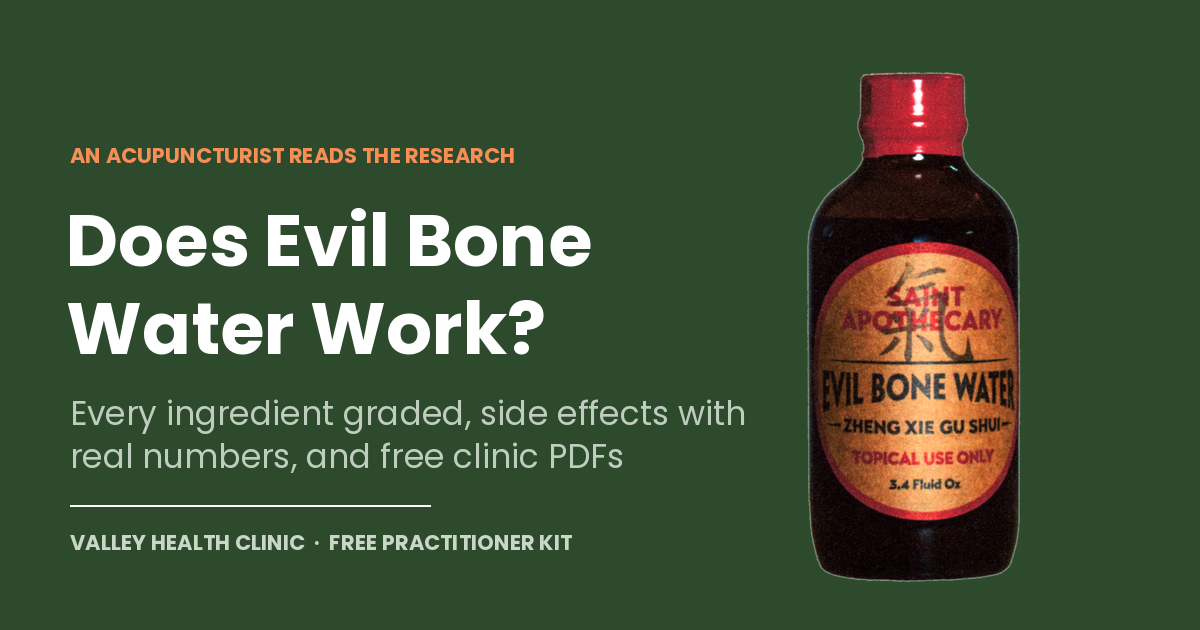
Evil Bone Water, an ancient remedy from traditional Chinese medicine, provides a cooling sensation that can be quite relieving, particularly for tension or inflammation. It comes with a spray applicator which can be very useful For hard-to-reach areas such as the back of your neck,

To use, spray a reasonable amount of Evil Bone Water onto the back of your neck. Then interlock your fingers together gently rub your neck with a washing motion. Your pinky fingers should be rubbing the occiput or base of the skull and your thumb should rub across a large bump on your spine or first thoracic vertebrae. This should result in an immediate cooling effect, easing tension and providing a soothing sensation.

Applying Red Emperor Immortal Flame for a Warming Massage
If you are looking for a warming effect, Red Emperor Immortal Flame is your go-to solution. Known for promoting blood circulation and offering deep warmth, it’s ideal for relieving sore, stiff muscles and joints.

For a focused warming massage, you’ll want to apply this to liniment to specific acupuncture points.

  • Du 14 (located on the midline of the body, directly below the spinous process of the seventh cervical vertebra)
  • GB 20 (located in the depression between the upper portion of the sternocleidomastoid muscle and the trapezius)

Apply a couple of drops of Red Emperor Immortal Flame to your fingers or directly to these points and gently massage them with your fingertips in a circular motion. The warmth generated by the product should relax your muscles, further promoting a feeling of well-being and relaxation.

During both types of massage, it’s essential to maintain your rhythmic breathing, inhaling deeply through your nose and exhaling slowly and deliberately through your mouth. This practice further aids relaxation and amplifies the benefits of your self-massage.

Regardless of whether you prefer the cooling sensation of Evil Bone Water or the warming sensation of Red Emperor Immortal Flame, incorporating self-massage into your routine can provide significant relief from muscle tension, promote circulation, and induce a deep state of relaxation. This level of self-care is not only enjoyable but also instrumental in maintaining overall health and well-being.

Conclusion

The resolution to the persistent problem of chronic neck tension may be more within your control than you might have previously thought. The persistent pain and discomfort that has perhaps become an unwelcome constant in your life could potentially be mitigated, if not eliminated, by implementing relatively simple changes to your daily routine.

It could be that the missing piece of your wellness puzzle lies in something as fundamental as your breathing pattern. By consciously shifting from chest breathing to diaphragmatic breathing, you may find that the grip of chronic neck tension begins to loosen. Coupling this with a balanced regimen of shaking exercises, diaphragmatic breathing, and self-massage using either Elbow Bone Water for a cooling effect or Red Emperor Immortal Flame for a warming sensation, and you will be on the path to relieving this tension for good.

Remember, the road to wellness isn’t a sprint but a marathon that requires consistent care and attention to your body’s signals. While these techniques can be highly beneficial, it’s always essential to consult with a healthcare professional before incorporating new practices into your routine. With the right approach and dedication, you can overcome chronic neck tension and elevate your health and well-being.

Buy Evil Bone Water & Red Emperor's Immortal Flame Today!

Evil Bone Water (Zheng Gu Shui) is a Chinese topical medicinal hand-crafted with only empirical grade herbal ingredients in an approved facility.

This liniment has been carefully crafted with a unique blend of organic medicinal herbs, organic Wintergreen Essential Oil, organic menthol, and organic olive oil to provide fast-acting pain relief for both chronic and acute pain.

About the Author

Author Willard Sheppy Exporing the Coast

Willard Sheppy is a writer and healthcare practitioner who seamlessly melds scientific knowledge with practical applications in engaging and authoritative articles. He holds a Bachelor of Science in Environmental Science from Oregon State University and a Master’s in Acupuncture and Oriental Medicine from the distinguished Oregon College of Oriental Medicine.

In his work, Willard skillfully combines his extensive educational background in scientific research with his practical experience as a healthcare practitioner. Willard balances his life with martial arts and cherished family adventures. As a father of three, he often leads his family on camping and hiking trips along the breathtaking Oregon coast.

Connect with Willard on LinkedIn at linkedin.com/in/valleyhealthclinic or learn more about his services at valleyhealthclinic.com. Embark on this journey towards holistic health with Willard!