Cervicogenic dizziness, vestibular migraine, and the simple chin-tuck test you can try at home.
If you feel off-balance, foggy, or lightheaded but you are not sure it is the classic spinning vertigo, your neck may be part of the picture. In the clinic I see this constantly: people who have been chasing an inner-ear diagnosis for months, when a big piece of their dizziness is actually coming from tight muscles at the base of the skull.
This article explains how your neck talks to your balance system, how that kind of dizziness feels different from true vertigo, and a quick self-test you can do right now to find out whether your neck is involved.
Your sense of balance is not one thing. It is a team of three systems that constantly compare notes:
When all three agree, you feel steady and you do not think about balance at all. When one sends a signal that does not match the others, the brain gets a conflicting report — and that mismatch is often felt as lightheadedness, unsteadiness, or a vague “off” feeling.
This distinction matters, because it points to a different cause.
Usually feels like the room is spinning or the world is moving around you. It often comes from the inner ear and can come on in sudden, intense episodes.
Dizziness driven by the neck — tends to feel different. People describe it as lightheaded, floaty, foggy, or unsteady rather than truly spinning. It often shows up alongside neck tension or stiffness, gets worse after long hours at a desk or on a phone, and changes with head and neck position.
Many people have a mix of both. That overlap is exactly why dizziness can be so frustrating to pin down — and why the neck is so often overlooked.
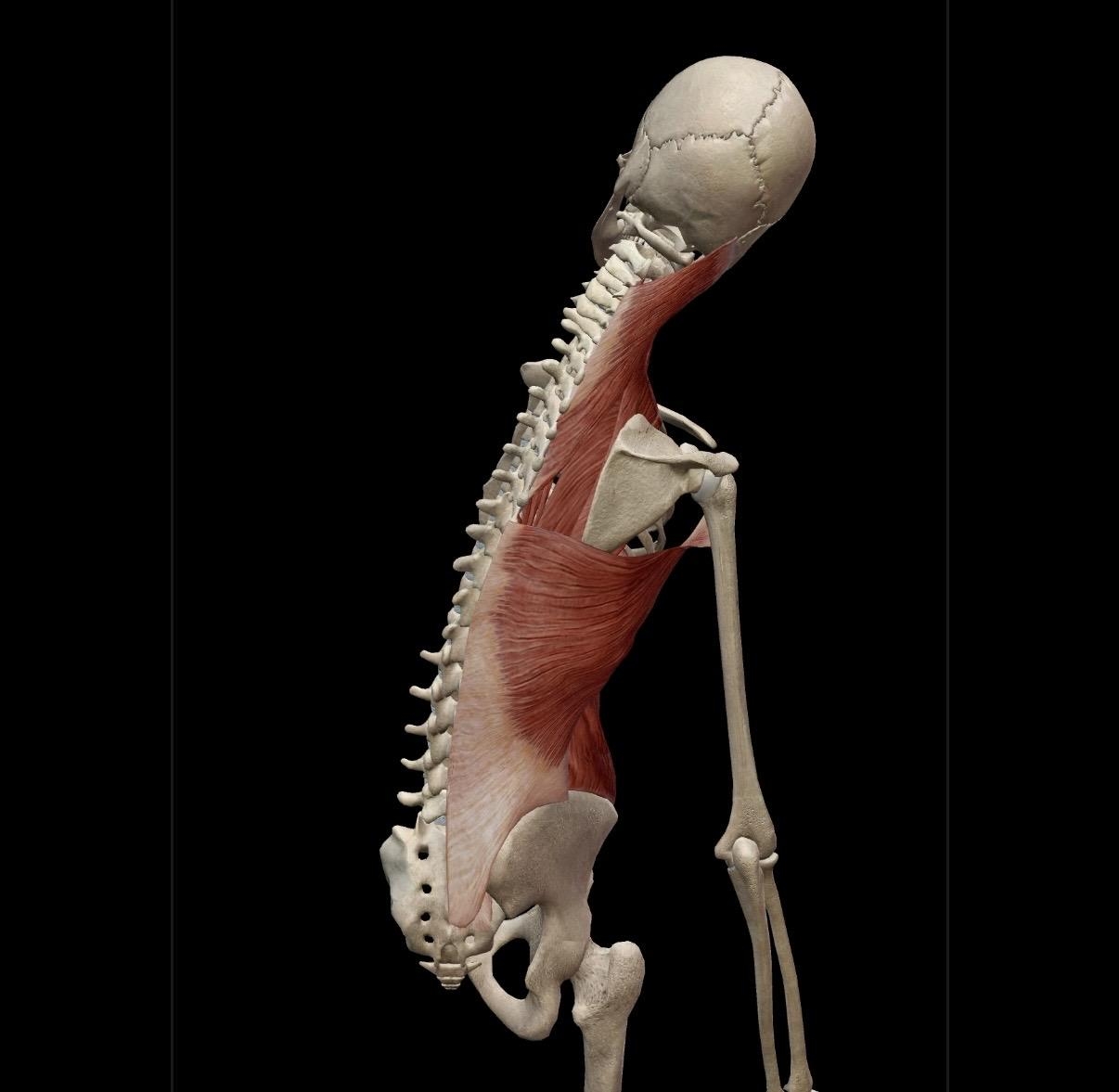
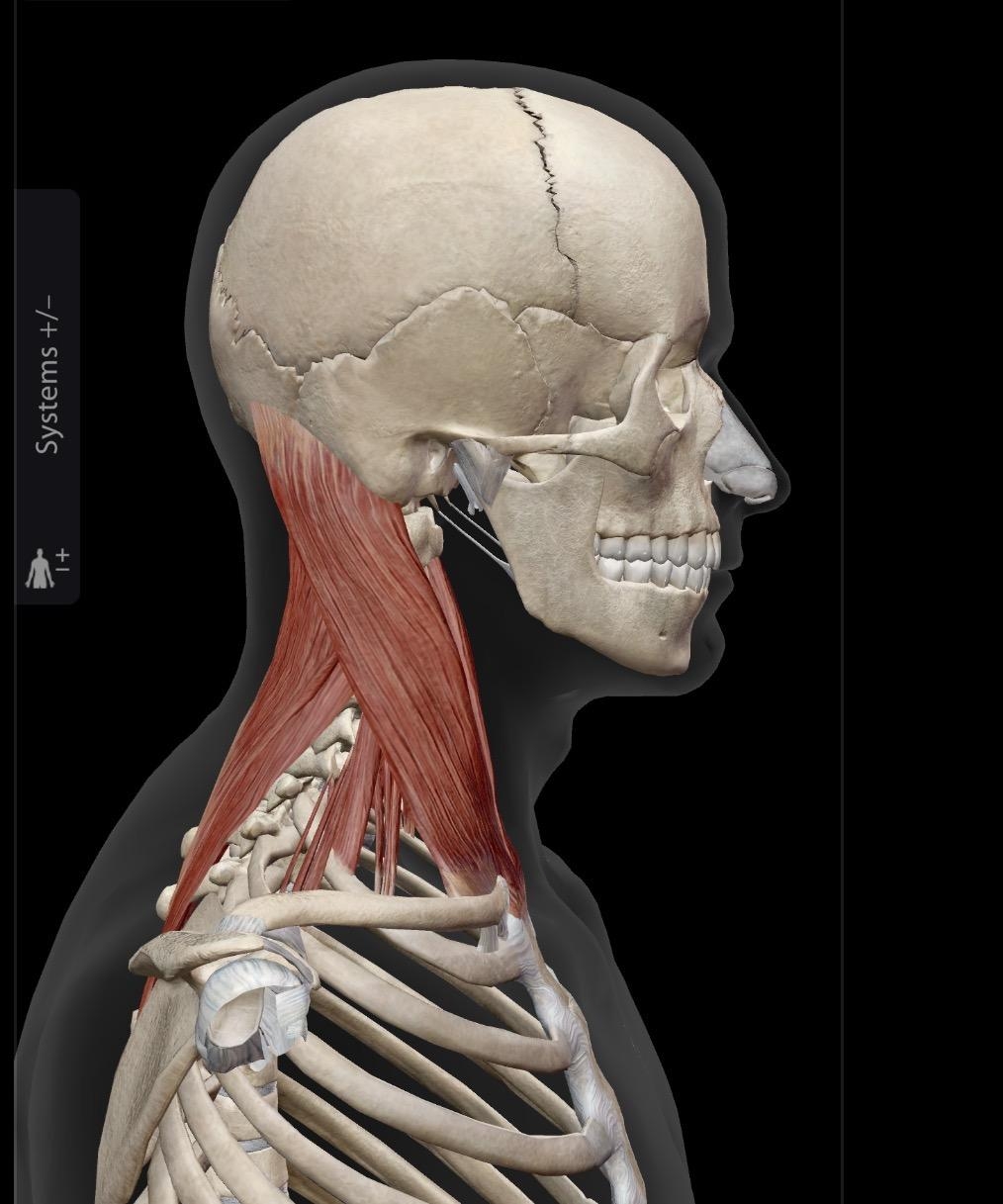
At the very top of your spine, a set of tiny muscles connects your first cervical vertebra to the base of your skull — the occipital region. These suboccipital muscles are densely packed with position sensors. They are constantly telling your brain where your head is relative to your body.
When those muscles are tight, guarded, or irritated — from posture, stress, an old injury, or simply too many hours looking down — they can feed faulty position information into the balance system. Your eyes and inner ears say one thing, your neck says another, and the resulting mismatch can leave you feeling lightheaded or unsteady. In people prone to vestibular migraine, this kind of neck tension can also act as an aggravating trigger.
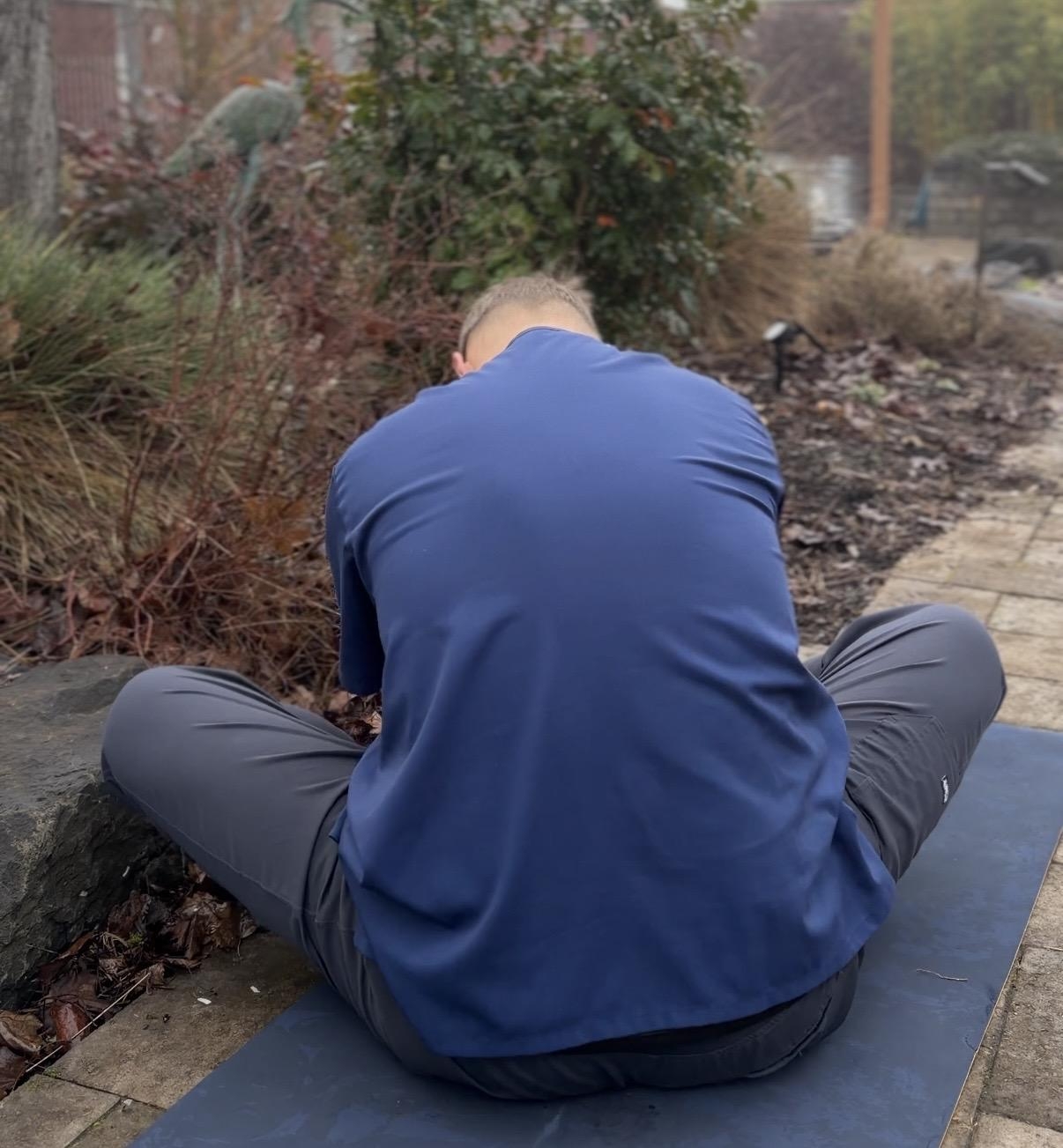
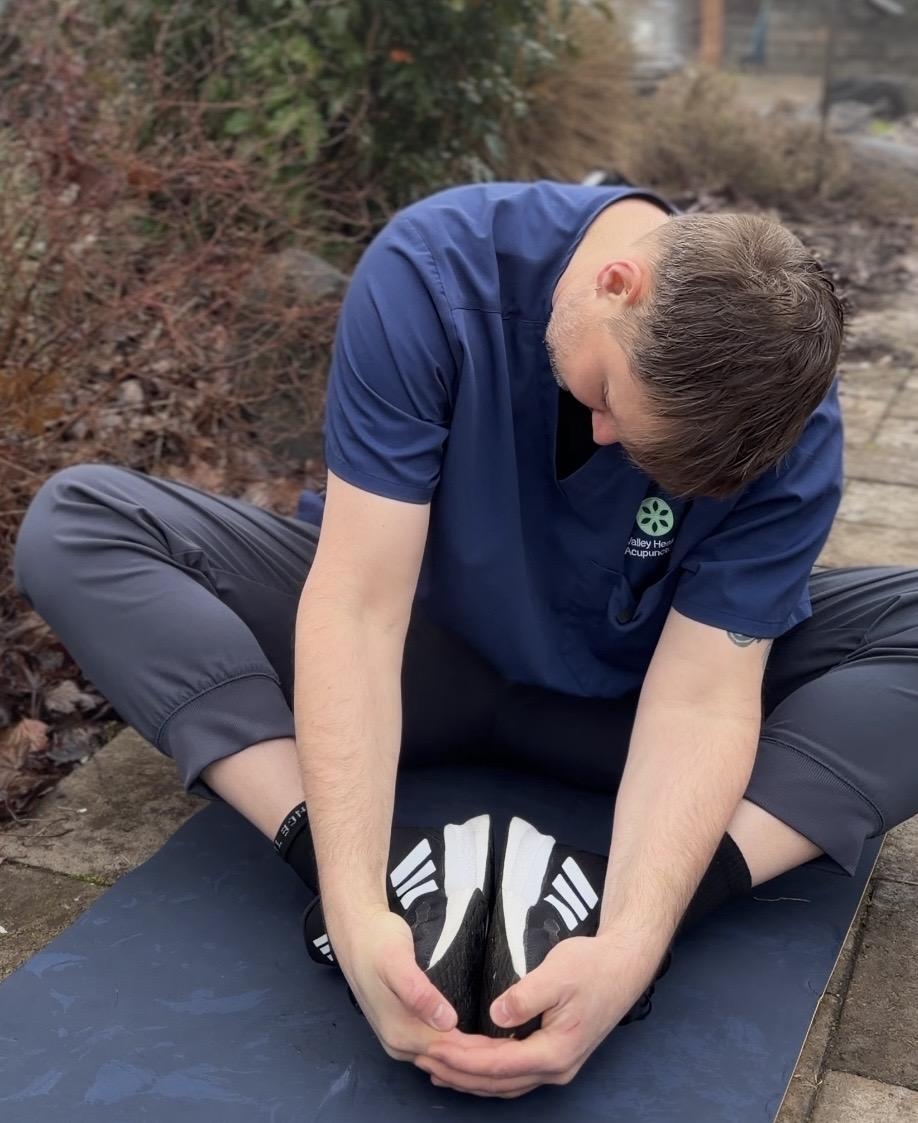
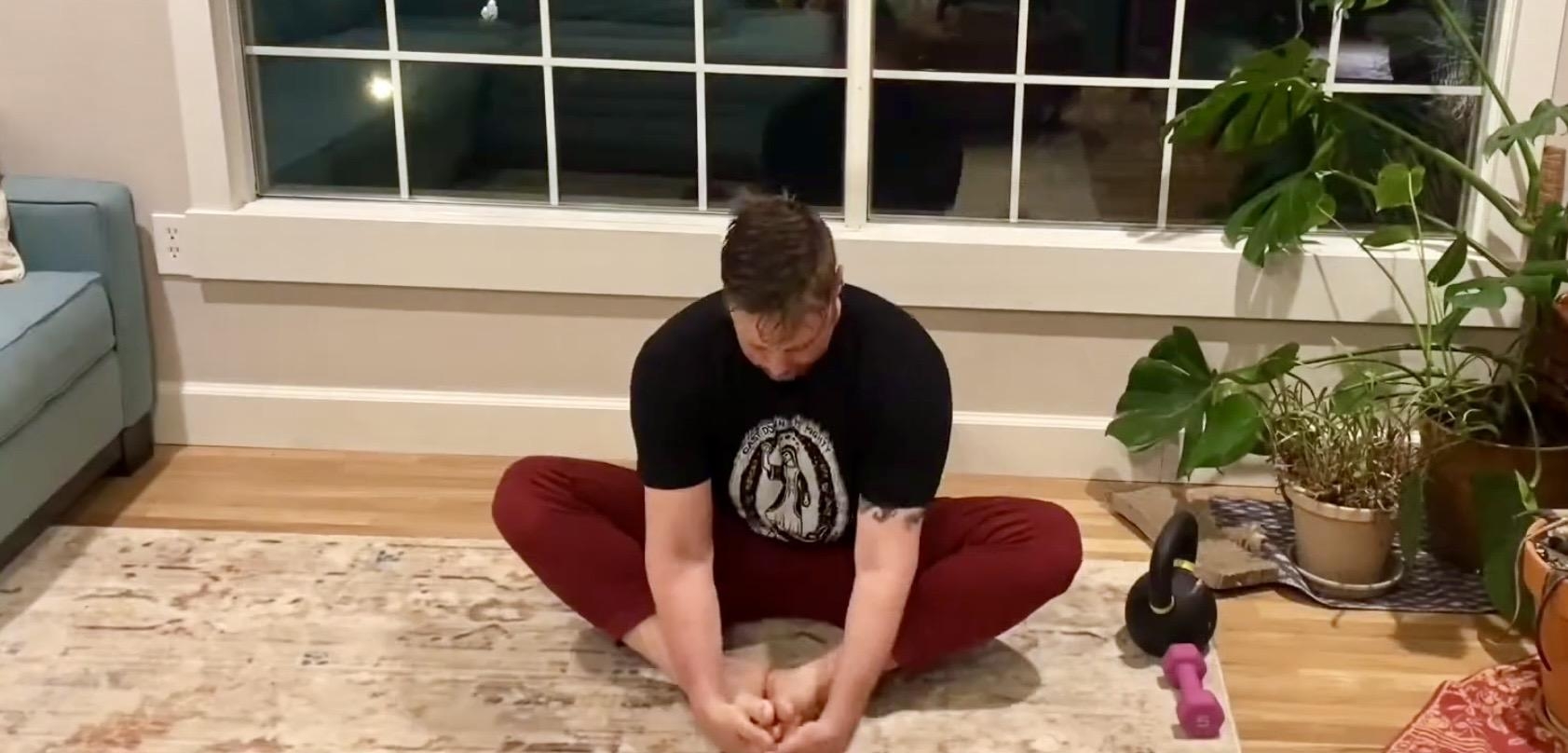
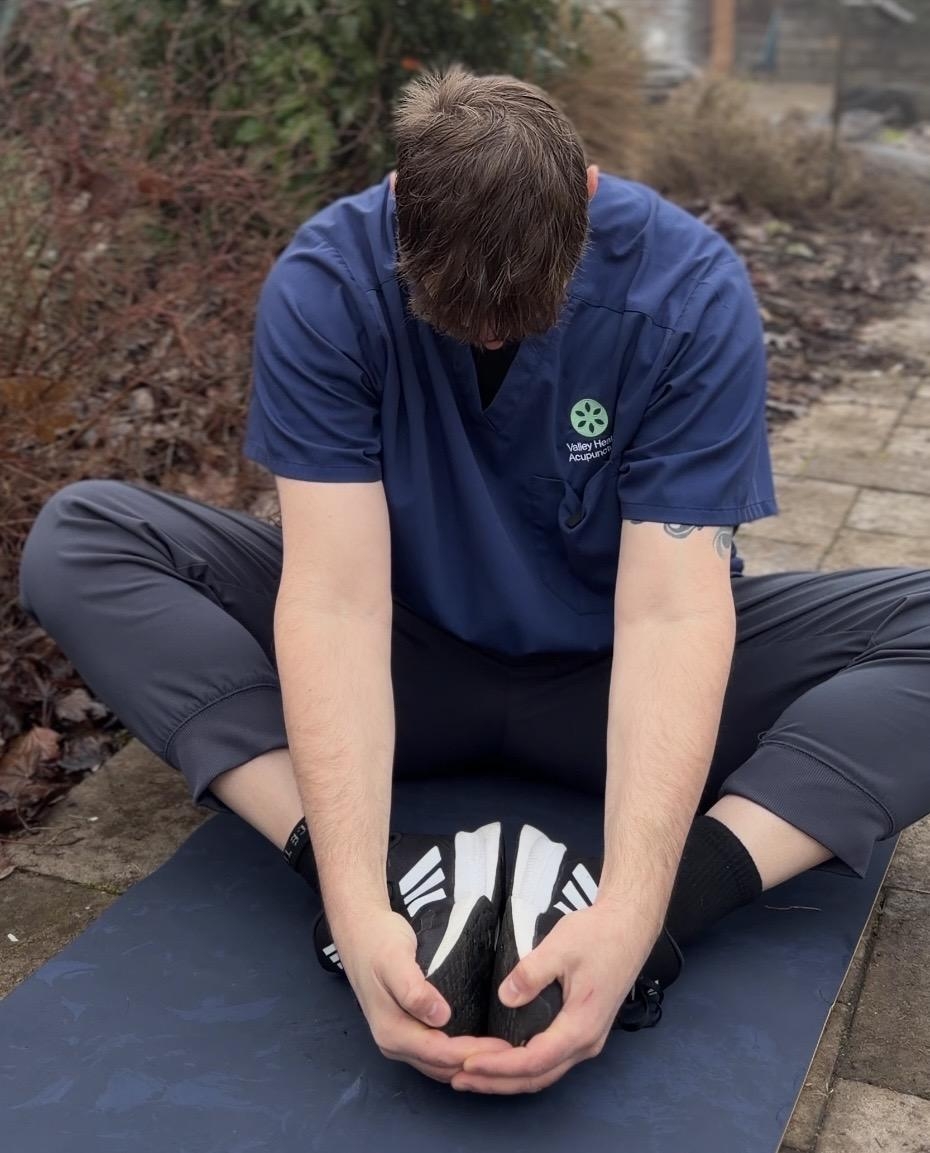
Here is a quick test you can try to see whether your neck is contributing to your dizziness. The video at the top of this article demonstrates it.
That movement stretches those very small muscles running from your first cervical vertebra up into the occipital area. If you feel tightness, tension, or pain in the back of your neck as you tuck, that is a clue your neck may be part of what is driving your dizziness.
If the chin tuck reproduces tension or pain at the base of your skull, a few simple things can help — and they double as a way to confirm the connection:
Slow, easy neck stretches — including the chin tuck itself — can release the suboccipital muscles over time.
Light scraping along the base of the skull, where those muscles attach, can help ease the tension.
As that neck pain and tightness settles down, you should notice your dizziness or lightheadedness ease too. That relationship is the tell: when the neck calms, the head clears.
In the clinic I often combine hands-on work and acupuncture for the neck with these home practices, because what you do consistently at home is what keeps the muscles — and the dizziness — from creeping back.
Dizziness has many possible causes, and not all of them are the neck. If your dizziness is new, severe, or sudden — or comes with symptoms like slurred speech, weakness, double vision, fainting, a bad headache, or hearing loss — please get evaluated by a medical professional promptly. The self-test here is a helpful starting point, not a diagnosis. If you are unsure what is driving your symptoms, that is exactly the kind of thing we can help sort out in the clinic.