What Is Evil Bone Water Good For?

Willard Sheppy Dipl. OM, LAc, BS
Willard Sheppy is a licensed acupuncturist (LAc) and Founder of Valley Health Clinic specializing in using Traditional Chinese Medicine to treat acute injuries and chronic conditions, and to improve sports performance and rehabilitation.
Table of Contents
By Will Sheppy
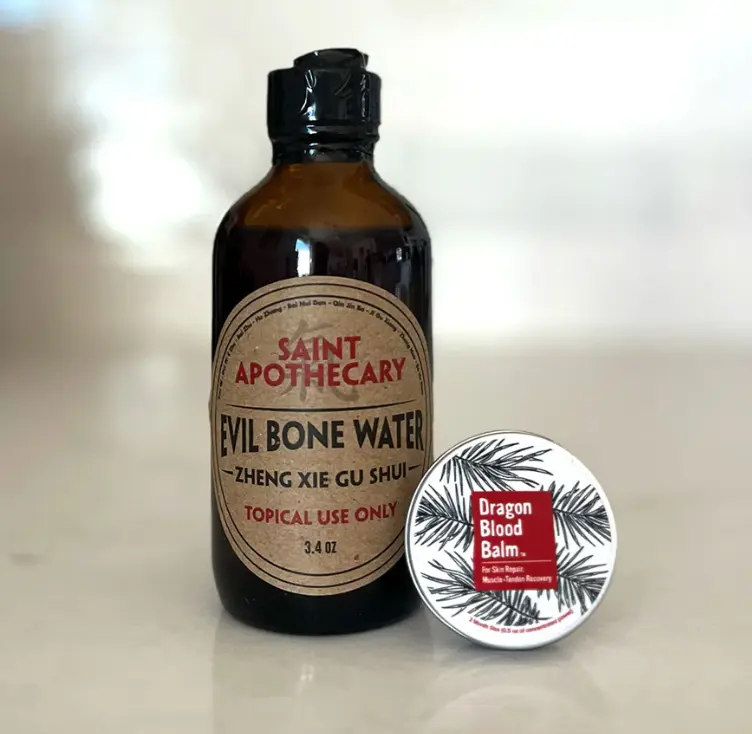
When people ask me what Evil Bone Water is good for, they usually mean pain. That answer is true, but it is incomplete. Over the years, I have used Evil Bone Water for many surface-level problems that do not fit neatly into one box. I have reached for it with sore legs, stuffy nights, irritated summer skin, and a few strange household moments too.
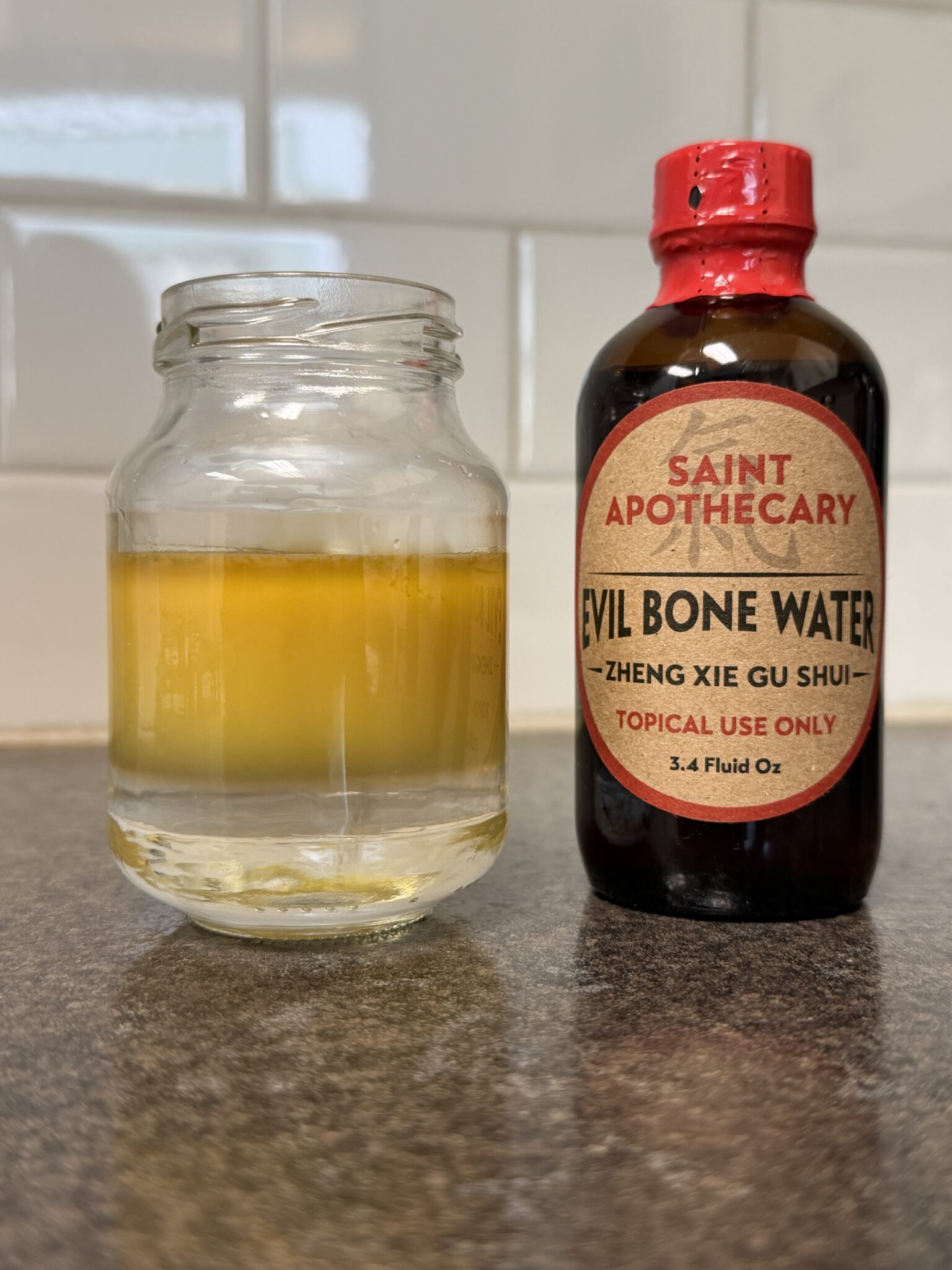
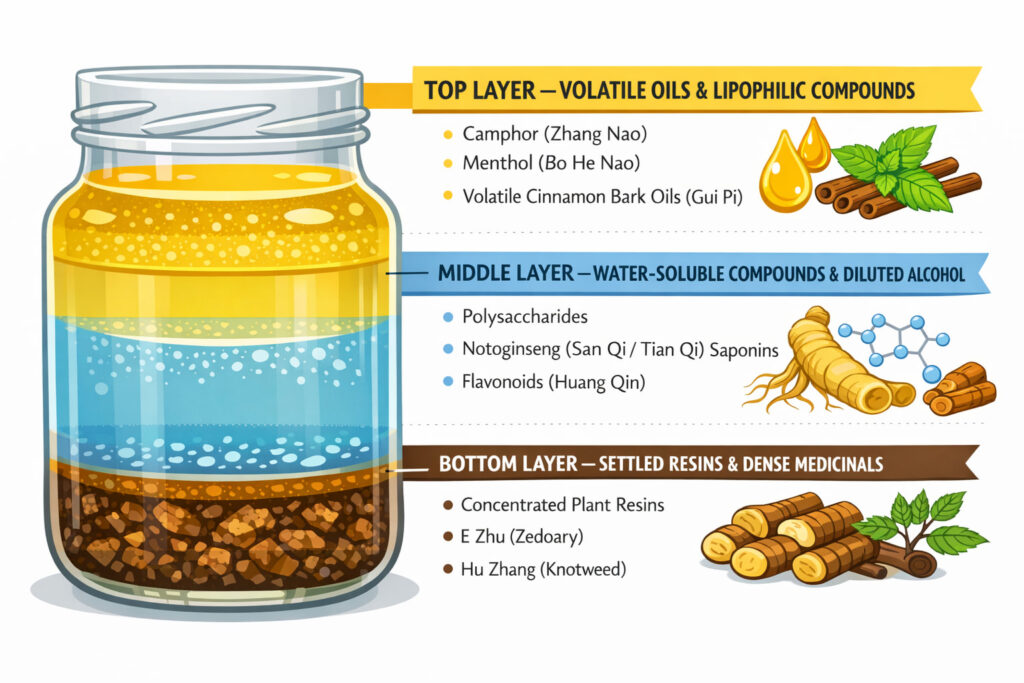
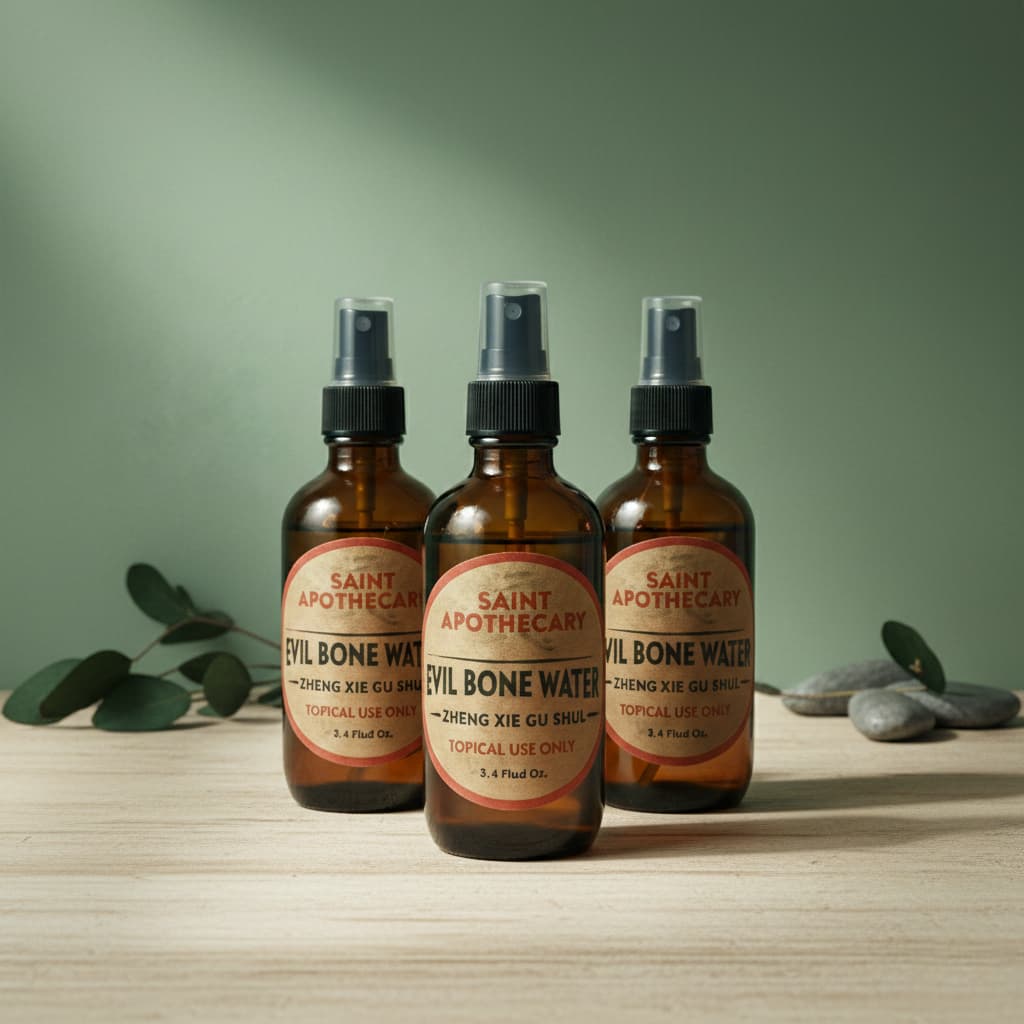
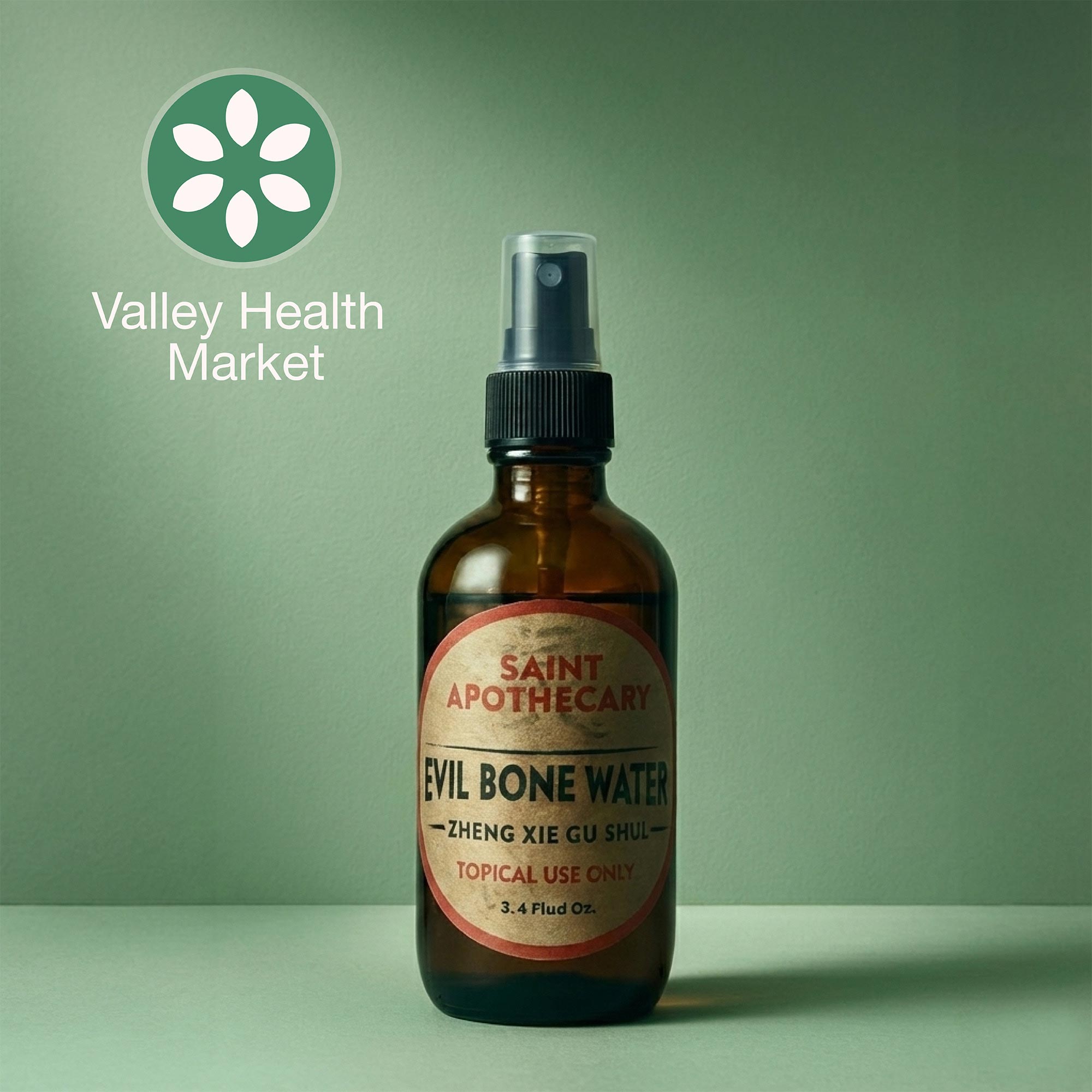
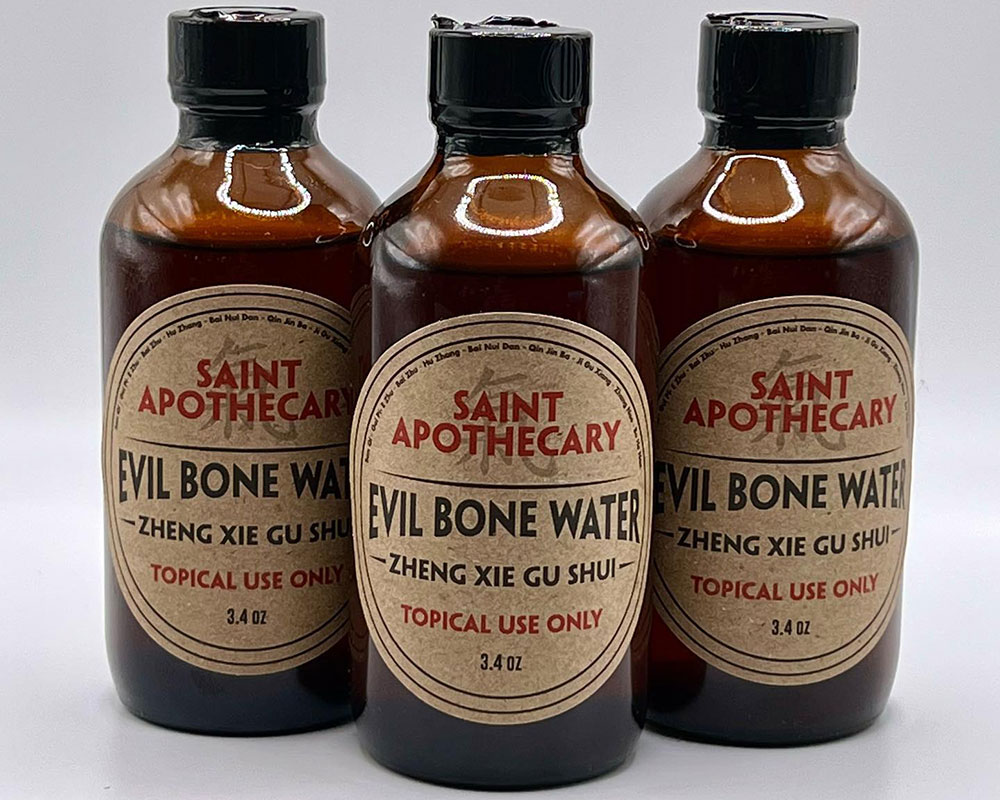
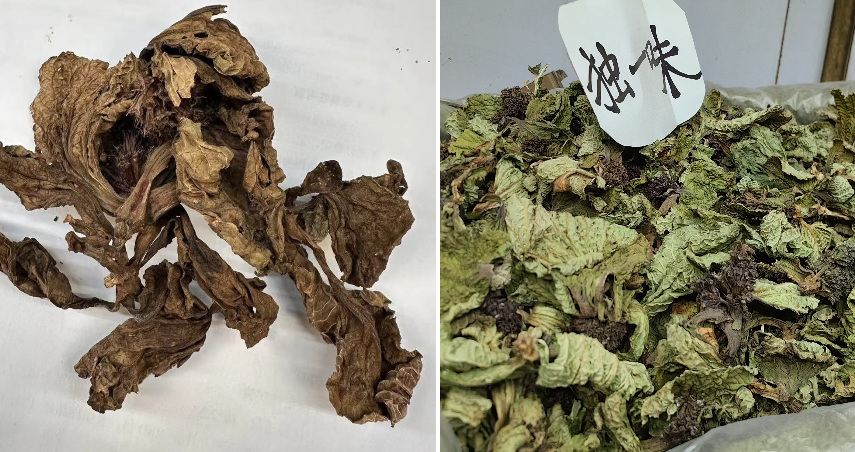
Evil Bone Water is a Chinese herbal liniment. The formula includes natural camphor, natural menthol, cinnamon bark, Japanese knotweed, zedoary, Angelica dahurica, and other traditional ingredients. On Valley Health pages, the formula is described as sitting around 74% to 76% alcohol. That matters because the CDC notes that ethyl alcohol in the 60% to 80% range has strong virucidal activity.
I also think the herbs matter. Cinnamon has broad antibacterial activity in the lab. Japanese knotweed has shown antiviral activity in preclinical research. Angelica dahurica and zedoary have also shown antimicrobial activity in lab and animal studies. That does not prove the bottle cures an infection, but it helps explain why this liniment feels useful in more situations than plain menthol alone.
What Is Evil Bone Water Good For?
In my experience, Evil Bone Water works best when a problem sits close to the surface. I think of it as a fast, penetrating topical with a strong cooling signal. That makes it useful for bruises, sprains, tight muscles, bug bites, and other irritated tissues that respond to a topical approach.
What keeps me using it is its range. One bottle can act like a pain liniment, a cooling rub, an aromatic chest rub substitute, and an emergency household solvent. I do not say that to be flashy. I say it because that has been my real-life experience with it over many years.
Is Evil Bone Water Good for Growing Pains?
Yes, this is one of the ways I have used it most at home. My kids would sometimes wake up at night with aching legs after active days. Growing pains often show up in the evening or at night, usually in the muscles of both legs, and gentle massage often helps. When that happened, I would use Evil Bone Water on the sore area because I wanted something quick, simple, and easy to apply.
I liked it because it did not require a whole production. I could spray it on, rub it in lightly, and help them settle back down. In my experience, it worked well for that achy, restless feeling in the legs. I am not calling it a cure for anything deeper. I am saying it became one of my go-to comfort tools when my kids could not sleep because their legs ached.
Can Evil Bone Water Help With Sinus Congestion?
I have used Evil Bone Water for sinus congestion in several ways. Sometimes I applied it near the nose or on the upper chest. That fits with the familiar menthol and camphor effect many people already know from chest rubs.
I have also used it on my feet at night when I felt stuffy and could not sleep. That was my version of the old vapor-rub trick. I would spray my feet before bed and let the aromatics do their thing.
At times, I have put it in a room evaporator or added it to a steam bath. I did that for the aromatic effect when congestion felt heavy. However, be carful Camphor products can be toxic to young children, and New York City Health warns that adding camphor products to humidifier water may cause seizures in children. I would keep it away from babies and very young kids, but I find it helps
Can You Use Evil Bone Water for Swimmer’s Ear?
I have used Evil Bone Water when one of my kids complained their outer ear hurt to touch. That kind of tenderness often points toward swimmer’s ear, which is an outer ear canal problem that often follows trapped water. In those cases, I have put Evil Bone Water on a cotton ball and used it for soothing relief at the outer ear.
You can also mix it one-part vinegar and one-part evil bone water which helps dry the ear, but only when the eardrum is not punctured.
If the ear is draining, the pain is severe, fever is present, or you are not sure about the eardrum, that is not a home-topical moment. That is a medical evaluation moment.
Can You Use Evil Bone Water for Sunburn?
I have used Evil Bone Water on sunburn when my skin felt hot and inflamed. I would spray it on and let it evaporate instead of rubbing it in. In my experience, that gave temporary cooling relief. I have used it on myself and on my kids when they were older, not babies.
I would also be more conservative with severe burns, blistered burns, and radiation-treated skin. Those situations deserve more deliberate care than a strong liniment.
Can You Use Evil Bone Water as a Mouthwash?
I have diluted Evil Bone Water 50/50 with water and used it briefly as a rinse when I had a toothache or a sore throat. I did that because the diluted rinse felt more tolerable and seemed to give temporary relief. In my own experience, it helped as a short-term comfort measure.
Can You Use Evil Bone Water Instead of Vicks on Your Feet?
I have done that many times. When I am stuffy at night, I will sometimes spray Evil Bone Water on my feet before bed instead of using a vapor rub on my chest. I like the ritual, the cooling feel, and the aromatics. For me, it fits the same niche as those old-school nighttime rubs.
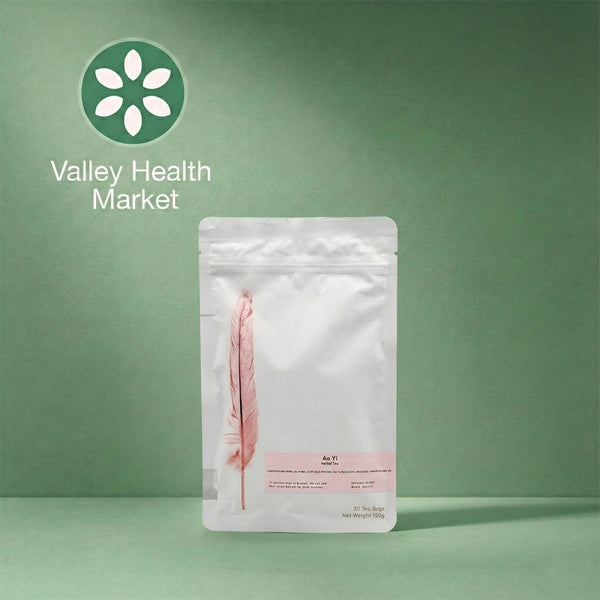
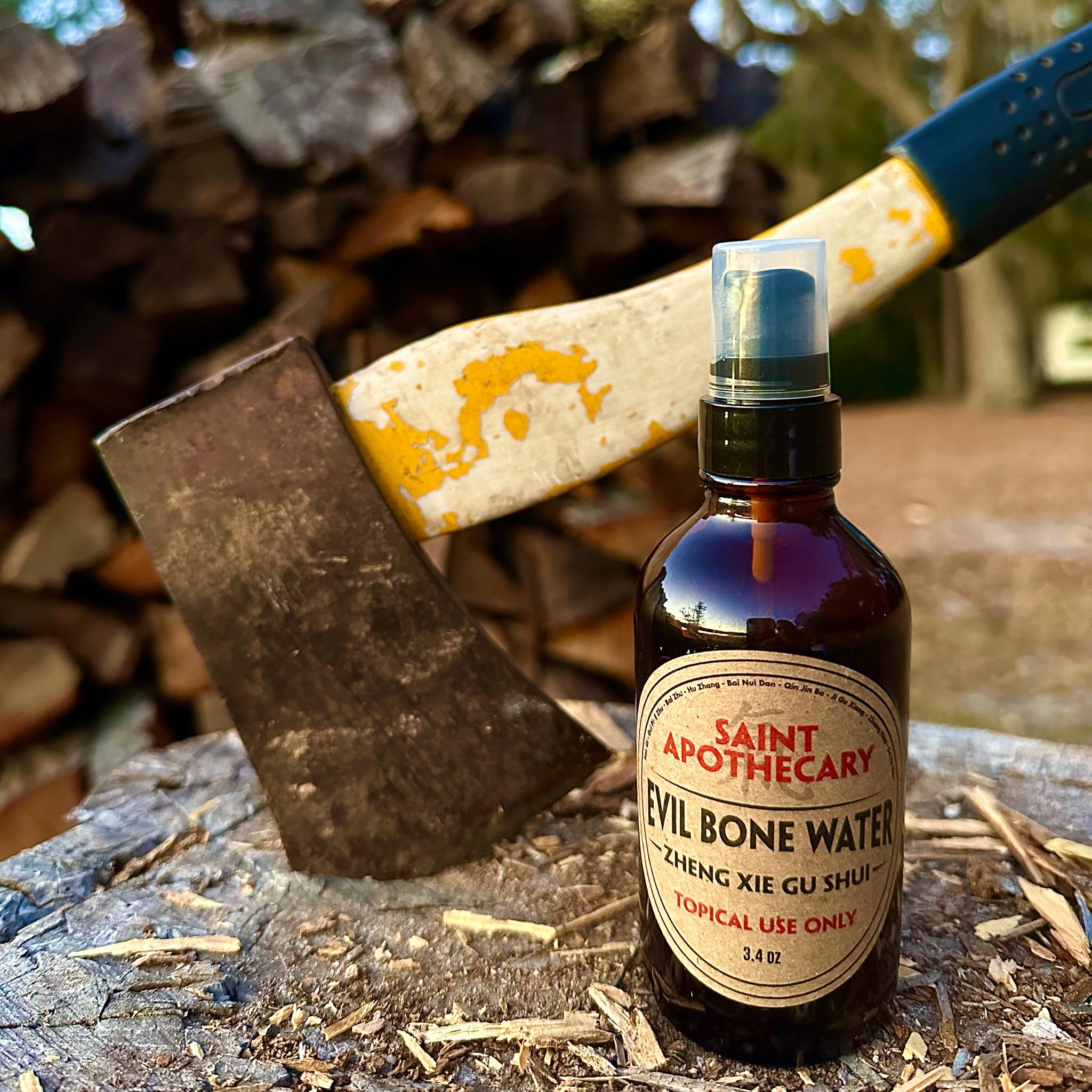
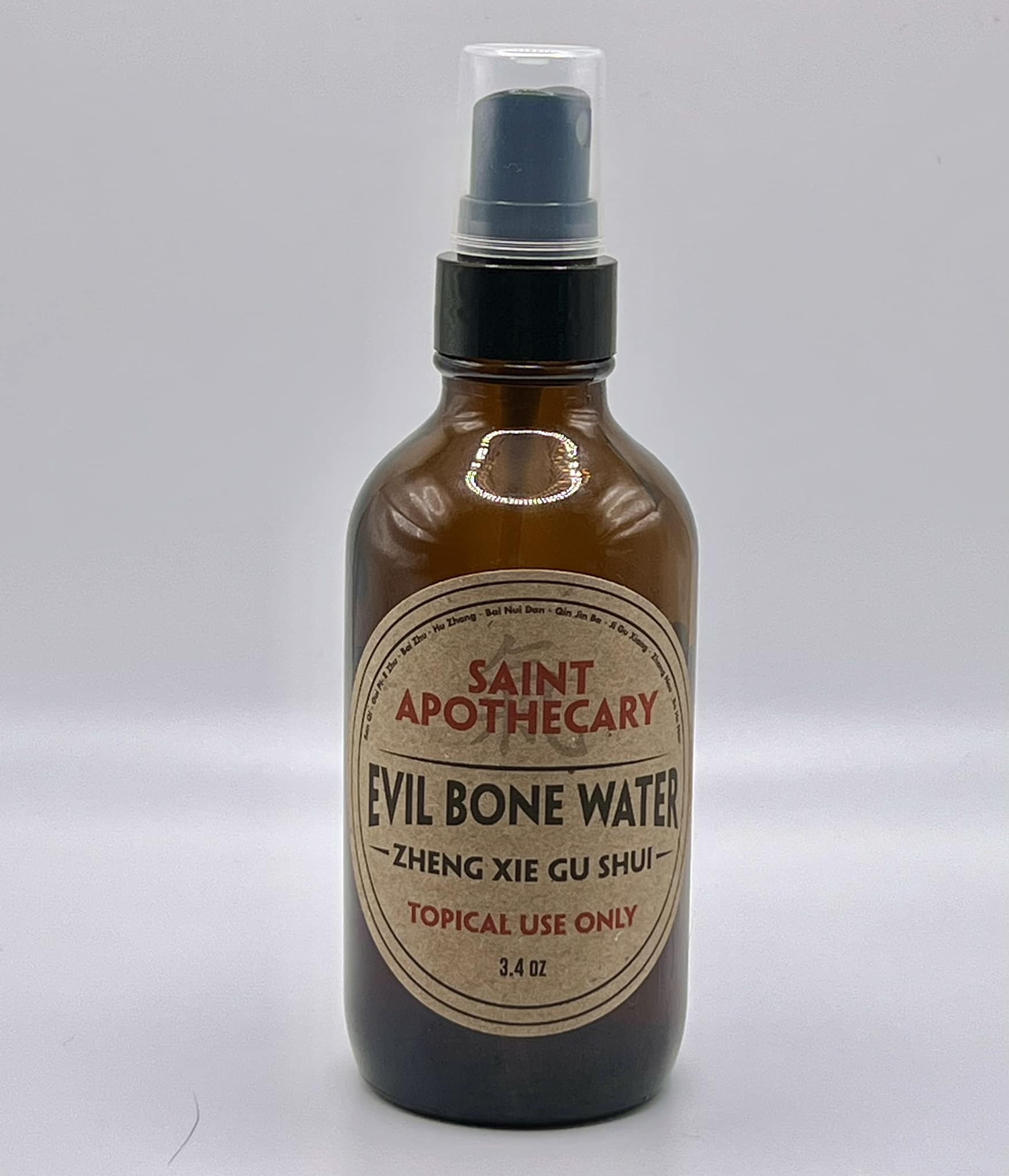
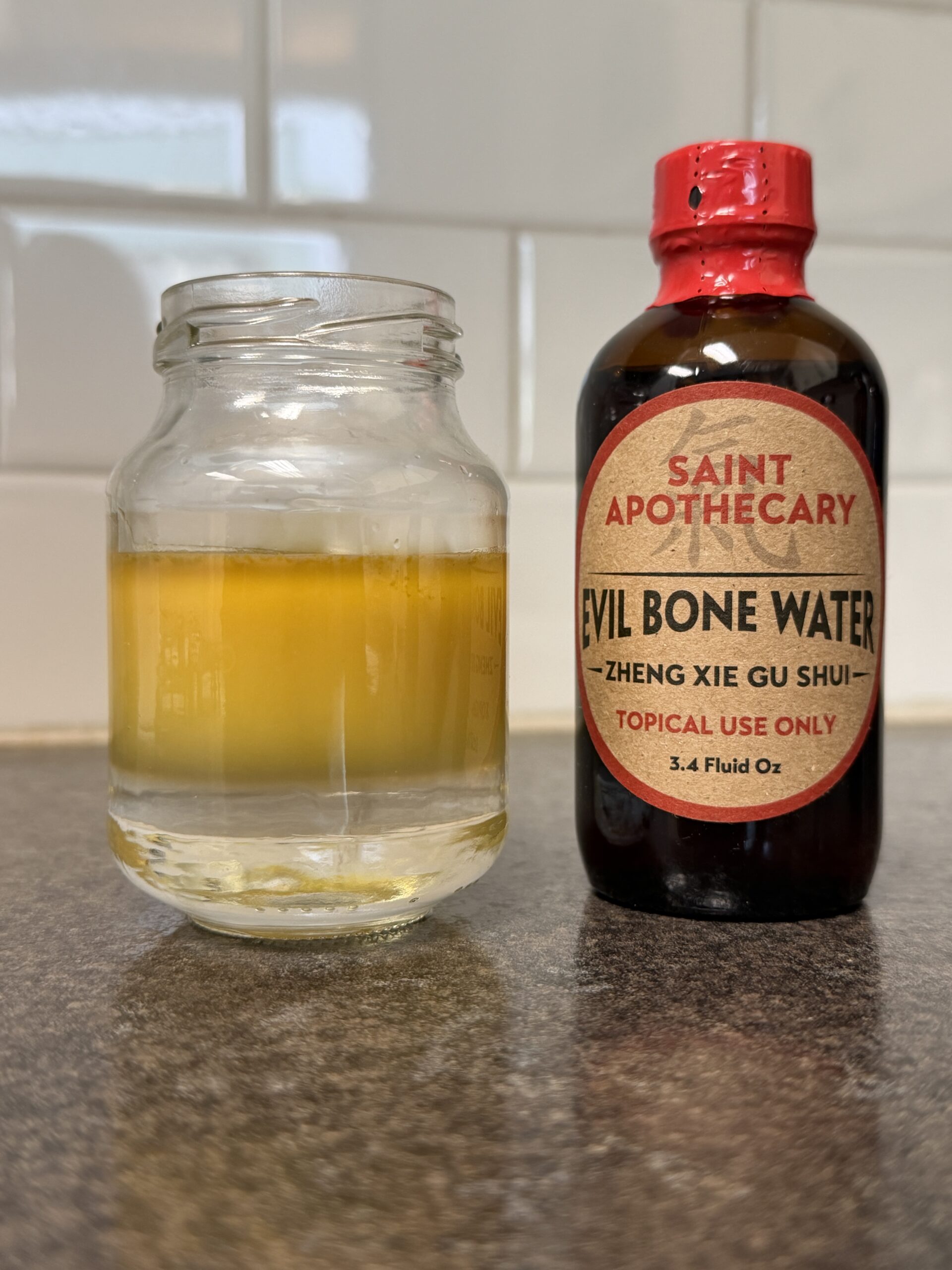
Evil Bone Water
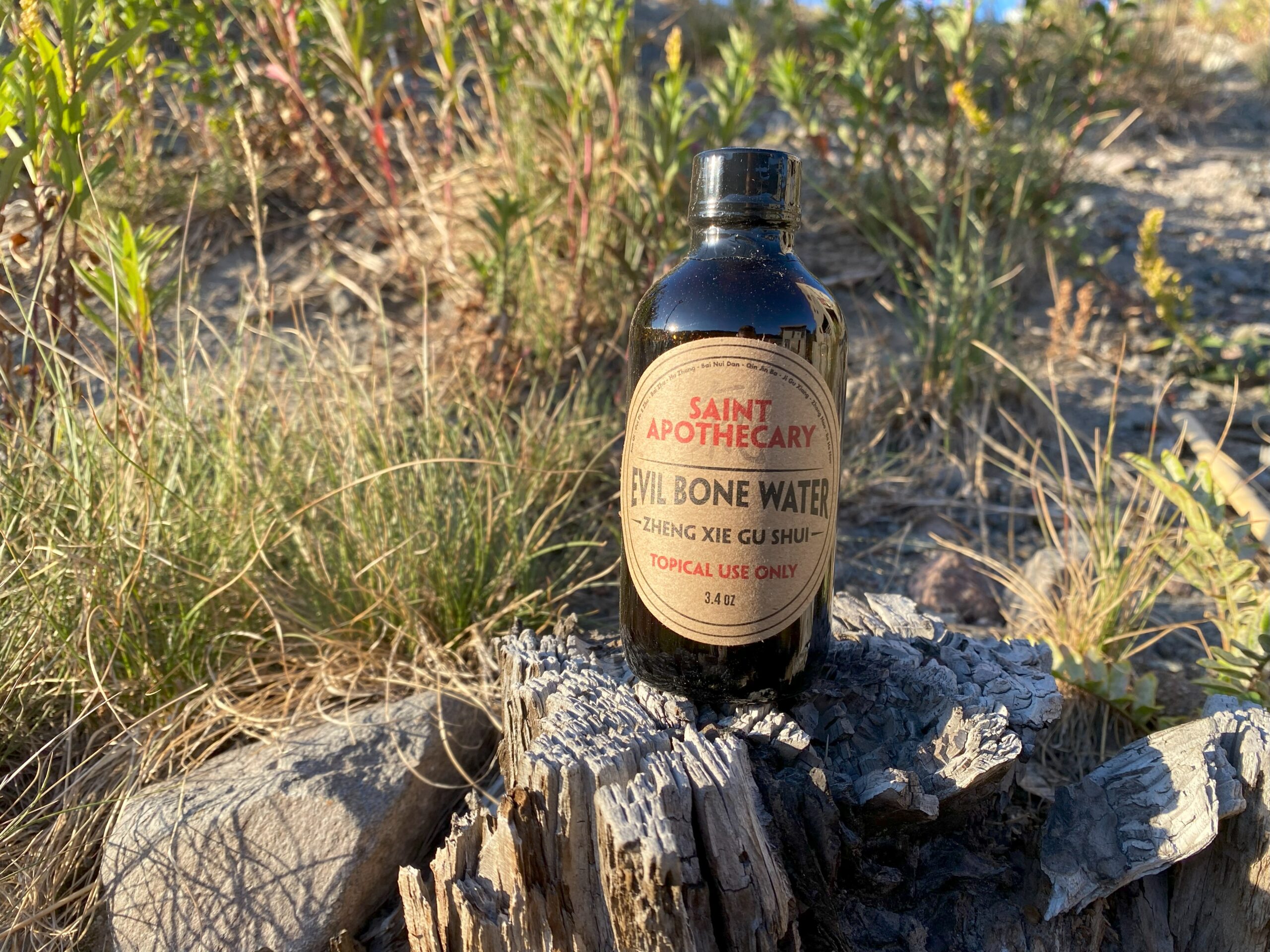
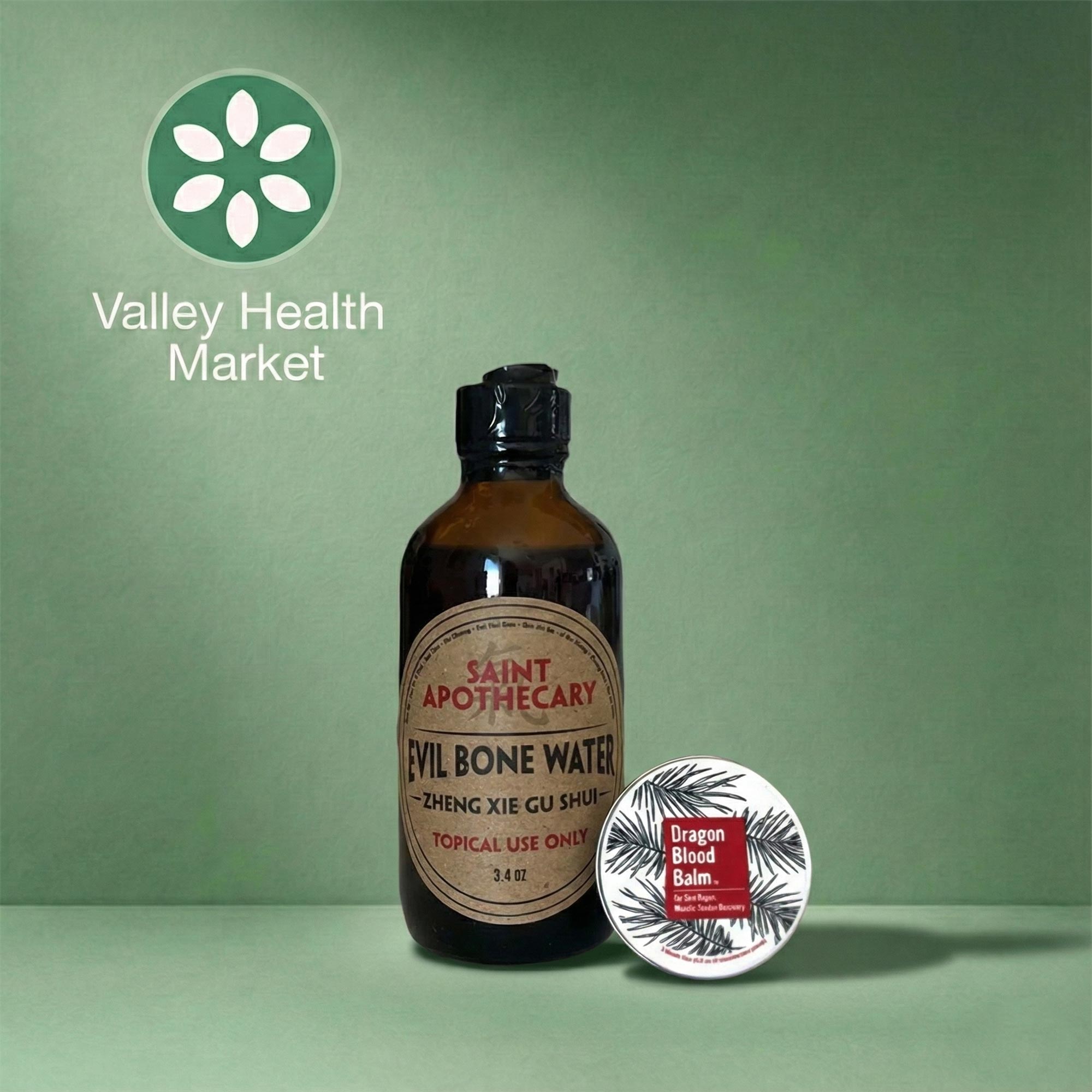
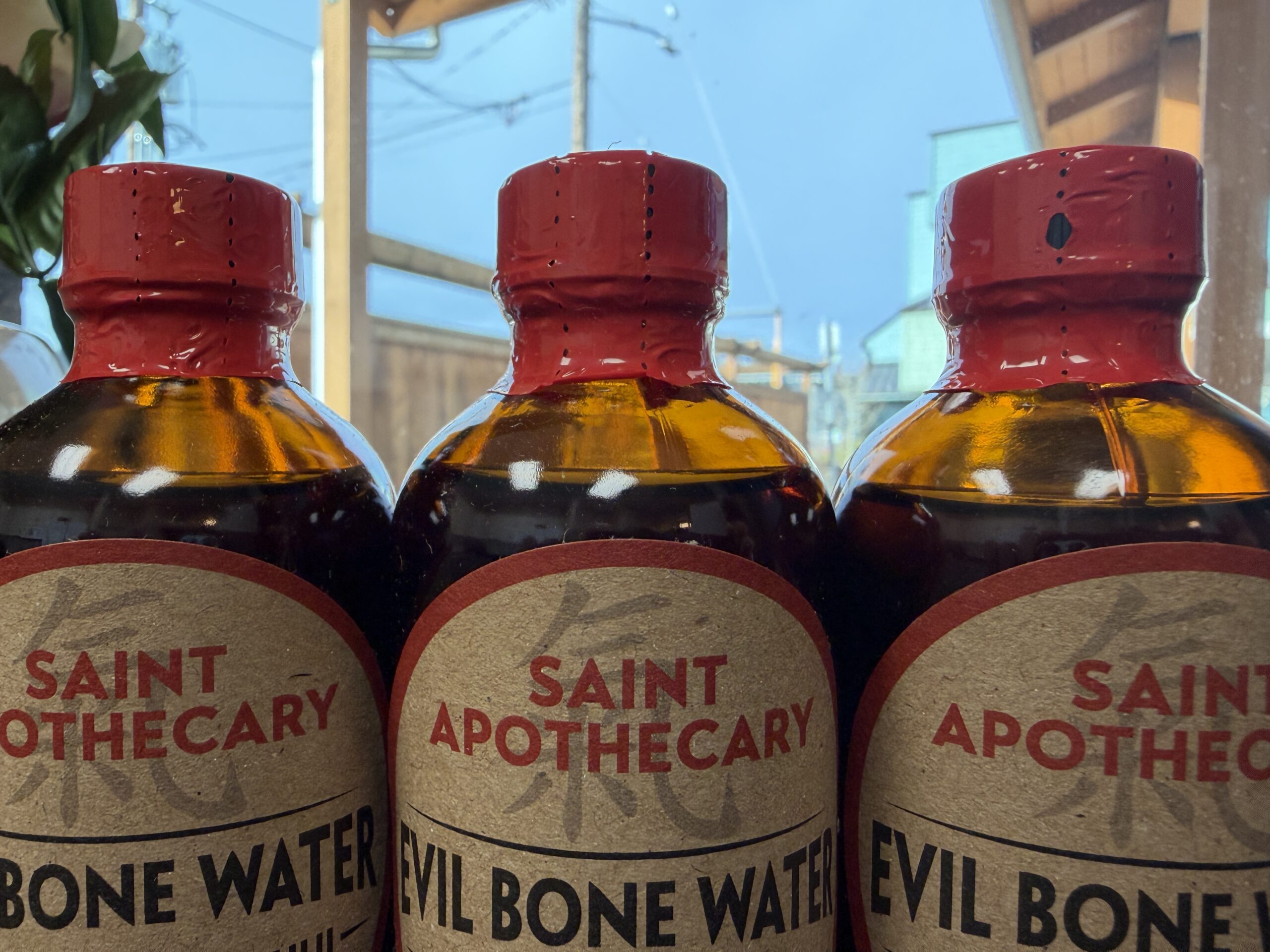
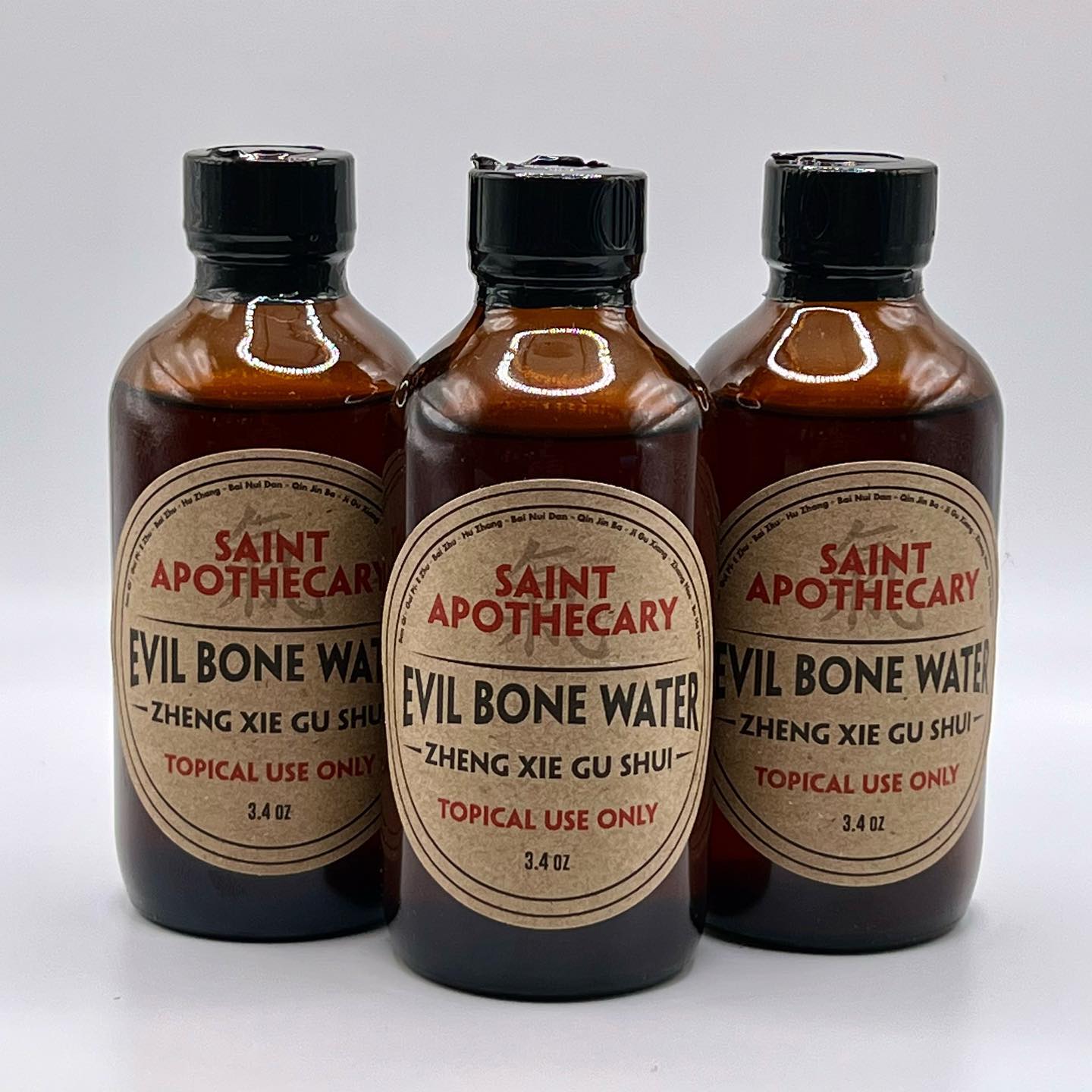
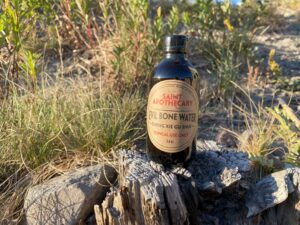
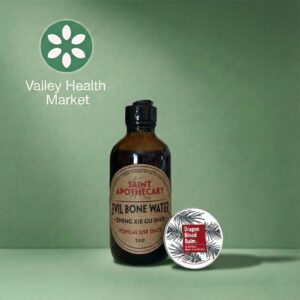
Evil Bone Water (Zheng Gu Shui) is a Chinese topical medicinal hand-crafted with only empirical grade herbal ingredients in an approved facility.
Can You Use Evil Bone Water to Remove Sharpie?
I have even used it to get Sharpie off a table when I had nothing else nearby. That is not why I buy it, but the alcohol base makes it a decent emergency cleaner for some hard surfaces. The CDC notes that alcohol in the 60% to 90% range is often used to disinfect small surfaces and some external equipment.
I would still test first on a hidden spot. Some finishes do not like strong solvents. Still, in a real-life pinch, it worked.
Why I Think Evil Bone Water Has So Many Uses
I think the answer comes down to three things. First, the alcohol base penetrates fast and has real antiseptic activity in the right concentration range. Second, the menthol and camphor create a strong cooling and aromatic effect. Third, several herbs in the formula show antimicrobial, anti-inflammatory, or antiviral activity in preclinical research.
That combination gives Evil Bone Water a wider feel than many pain topicals. It feels medicinal, aromatic, and practical at the same time. That is why one person uses it on a bruise, while another person reaches for it on a stuffy night.
What is Evil Bone Water good for?
If you ask me what Evil Bone Water is good for, I would say this. It is good for pain, bruises, sprains, and surface irritation first. Beyond that, I have personally used it for growing pains, stuffy nights, swimmer’s ear discomfort, sunburn cooling, and even the occasional Sharpie mess. Some of those uses sit well outside the product label, so I would describe them as personal experience, not blanket recommendations.
I have used Evil Bone Water for many things because it is one of the most versatile topicals I keep around. I also respect its strength. It is not baby-safe aromatherapy,

FAQ's
buying Evil Bone Water
What is Evil Bone Water good for?
I use Evil Bone Water most for pain, bruises, sprains, surface irritation, and cooling topical relief.
Is Evil Bone Water good for growing pains?
In my experience, it can be helpful for the achy leg discomfort kids sometimes get at night.
Can Evil Bone Water help with sinus congestion?
It can create a cooling, aromatic effect that makes breathing feel easier, especially near the nose or chest.
Can you use Evil Bone Water for swimmer’s ear?
I have used it personally for outer ear discomfort,50/50 vinegar or on a cotton ball but I do not present that as standard directions.
Can you use Evil Bone Water as a mouthwash?
I have done that personally in diluted 50/50 water, but the product is labeled for external use only.
Recent Posts
What Is Evil Bone Water Good For?
What is Evil Bone Water good for besides pain? In this article, I share how I
Evil Bone Water Reviews
Evil Bone Water (Zheng Gu Shui) is a product I use in my clinic all the
Blood & Bone Combo
Blood & bone is a simple idea: hit the pain fast, then help the tissue rebuild.