Topical Pain Relief Herbs Explained | Valley Health Market

Willard Sheppy Dipl. OM, LAc, BS
Willard Sheppy is a licensed acupuncturist (LAc) and Founder of Valley Health Clinic specializing in using Traditional Chinese Medicine to treat acute injuries and chronic conditions, and to improve sports performance and rehabilitation.
Table of Contents
How Do Topical Pain Herbs Work?
The Science of Topical Pain Relief
What Is Counter-Irritancy?
For the General Public
Think of counter-irritancy like turning up the radio to drown out background noise. When you apply menthol and feel a cooling sensation, or capsaicin and feel warmth, those sensations travel along the same nerve pathways that would normally carry pain signals. The new sensations compete with and override the pain signals, providing relief.
For Practitioners
Counter-irritancy operates primarily through two mechanisms: (1) Gate Control Theory, where competing sensory input at the spinal cord level inhibits pain signal transmission via interneuron modulation; and (2) TRP (Transient Receptor Potential) channel modulation, where specific botanical compounds bind to temperature- and pain-sensing ion channels on peripheral nociceptors, causing initial depolarization followed by desensitization.
TRP Channels: The Molecular Targets
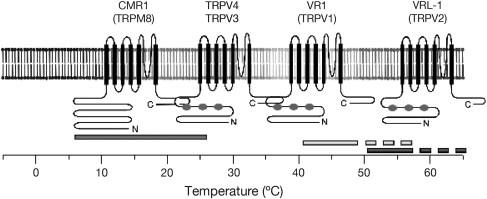
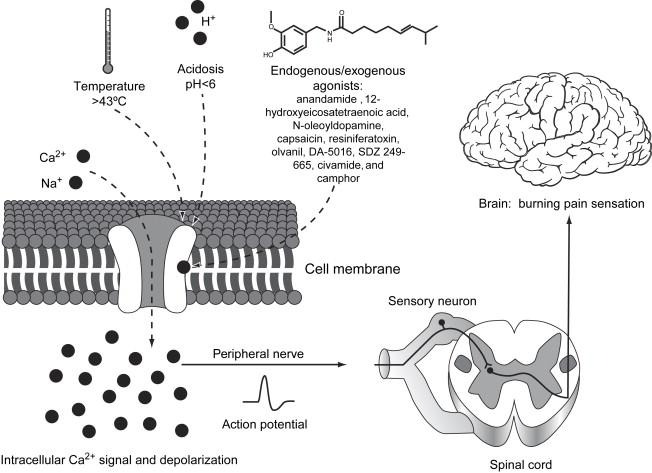
Key TRP Channels in Topical Pain Relief
| Channel | Temperature Sensitivity | Sensation | Key Botanical Activators |
|---|---|---|---|
| TRPM8 | 10-25°C (cold) | Cooling | Menthol, methyl salicylate |
| TRPV1 | >43°C (noxious heat) | Burning heat, pain | Capsaicin, gingerols, camphor |
| TRPV3 | 31-39°C (warm) | Pleasant warmth | Camphor, carvacrol, thymol |
| TRPA1 | <17°C (noxious cold) | Burning, stinging, irritation | Mustard oil (AITC), cinnamaldehyde, zingerone |
Four Mechanisms of Topical Pain Relief
1. Counter-Irritancy (Sensory Competition)
Creating a competing sensory stimulus - cold, heat, or irritation - that gates pain signals at the spinal cord level. Most TRP-active agents work this way.
2. Nociceptor Desensitization
Repeated or prolonged TRP channel activation leads to reduced nerve responsiveness. Capsaicin is unique in causing true defunctionalization: nerve terminal retraction lasting days to weeks.
3. Anti-Inflammatory Action
Direct inhibition of inflammatory pathways (COX-2, NF-kB, cytokines). This addresses the underlying cause of inflammatory pain, not just the symptom. Ginger, arnica, calendula, and Hu Zhang work significantly through this mechanism.
4. Central Nervous System Modulation
Affecting pain processing in the brain and spinal cord through neurotransmitter modulation. Corydalis is unique in working through dopamine, GABA, and opioid receptor pathways rather than TRP channels.
Counter-Irritant Agent Profiles
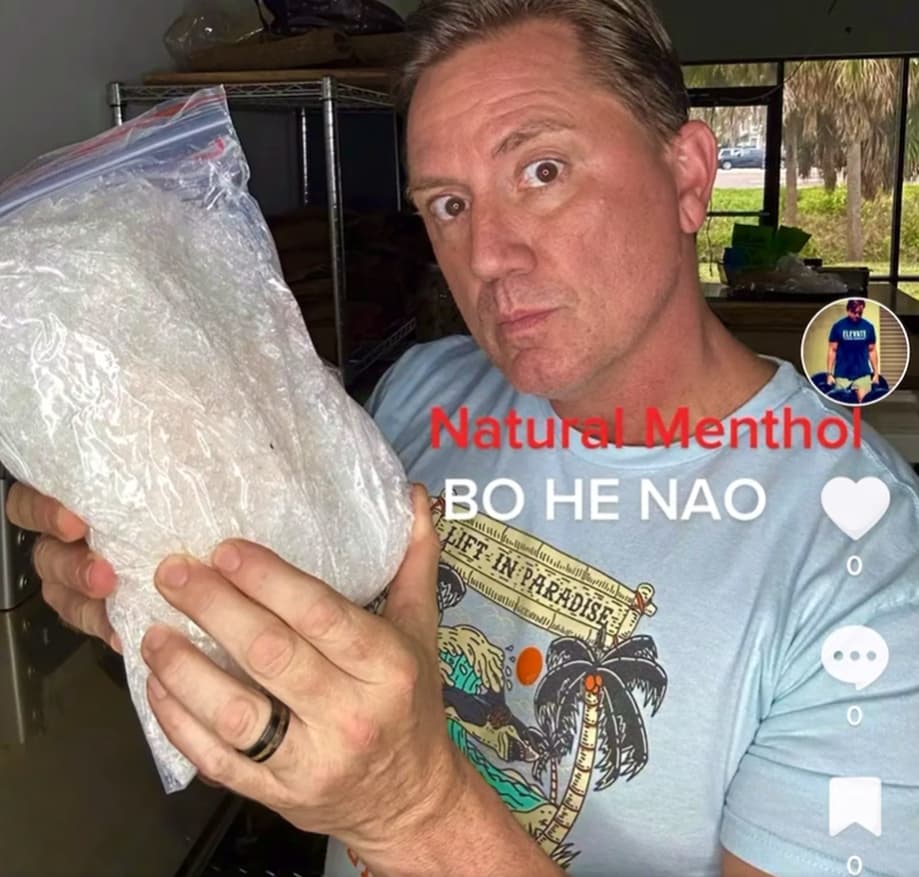
1. Menthol (Bo He / Peppermint)
- Mentha species
- Active: L-menthol
- Target: TRPM8 (cold)
- Cooling without actual temperature change
- Duration: 45-60 minutes
2. Camphor (Zhang Nao)
- Cinnamomum camphora
- Active: Camphor (C10H16O)
- Target: TRPV3 + TRPV1
- Unique warm and cool simultaneously
- Duration: ~50 minutes
3. Wintergreen / Methyl Salicylate
- Gaultheria species
- Active: Methyl salicylate
- Target: TRPV1, TRPM8, TRPA1 (multiple)
- Variable (warm, cool, or stinging)
- Duration: Short (25-30 min)
4. Ginger (Sheng Jiang / Gan Jiang)
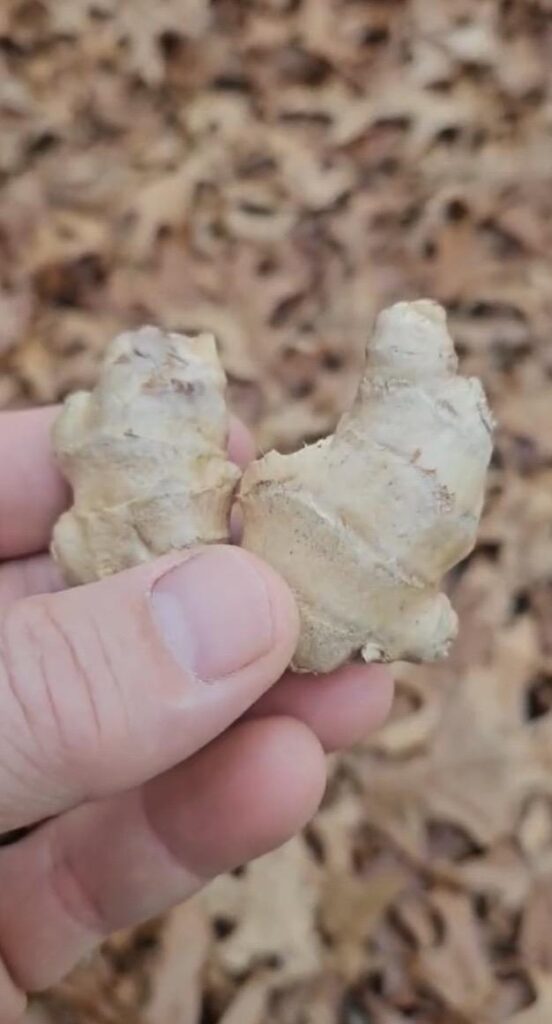
- Zingiber officinale
- Active: Gingerols, shogaols
- Target: TRPV1 + TRPA1
- Warm, pungent (milder than capsaicin)
- Dual action
5. Mustard Seed (Jie Zi / Bai Jie Zi)
- Brassica species
- Active: Allyl isothiocyanate (AITC)
- Target: TRPA1 (extremely potent)
- Intense burning
- warming, irritation
- Most potent TRPA1
6. Cayenne / Capsaicin (La Jiao)
- Capsicum annuum
- Active: Capsaicin
- Target: TRPV1 (highly selective)
- Burning heat
- Duration: Days to weeks
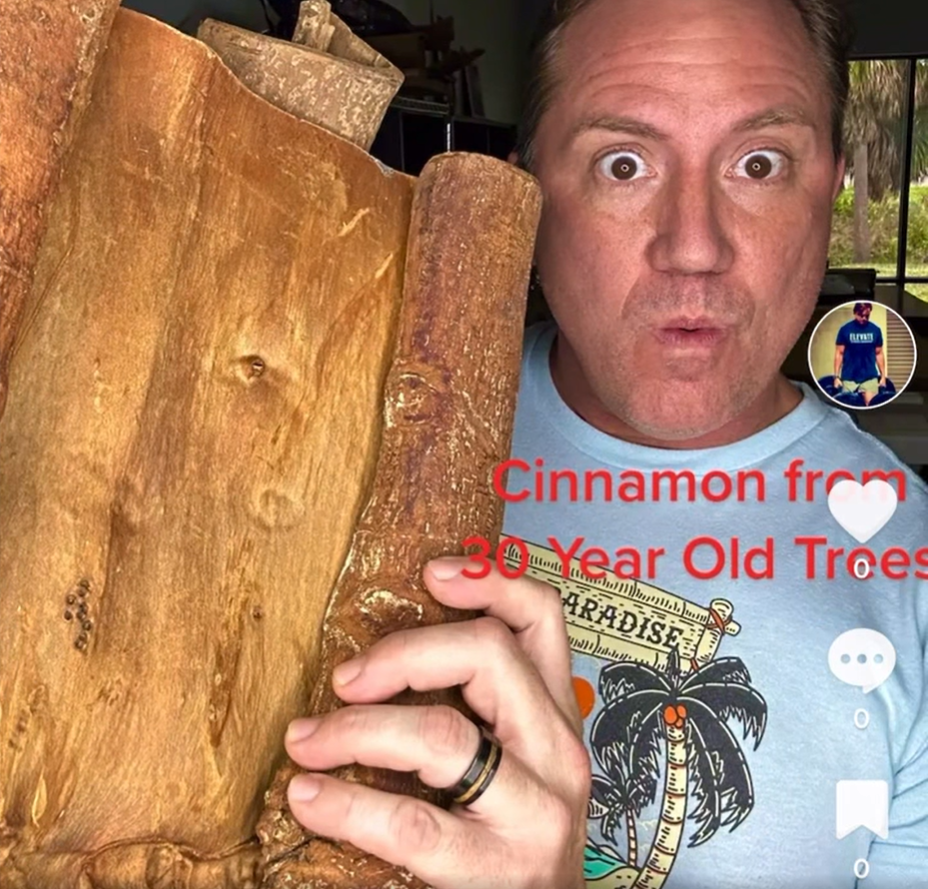
7. Cinnamon (Rou Gui / Gui Zhi)
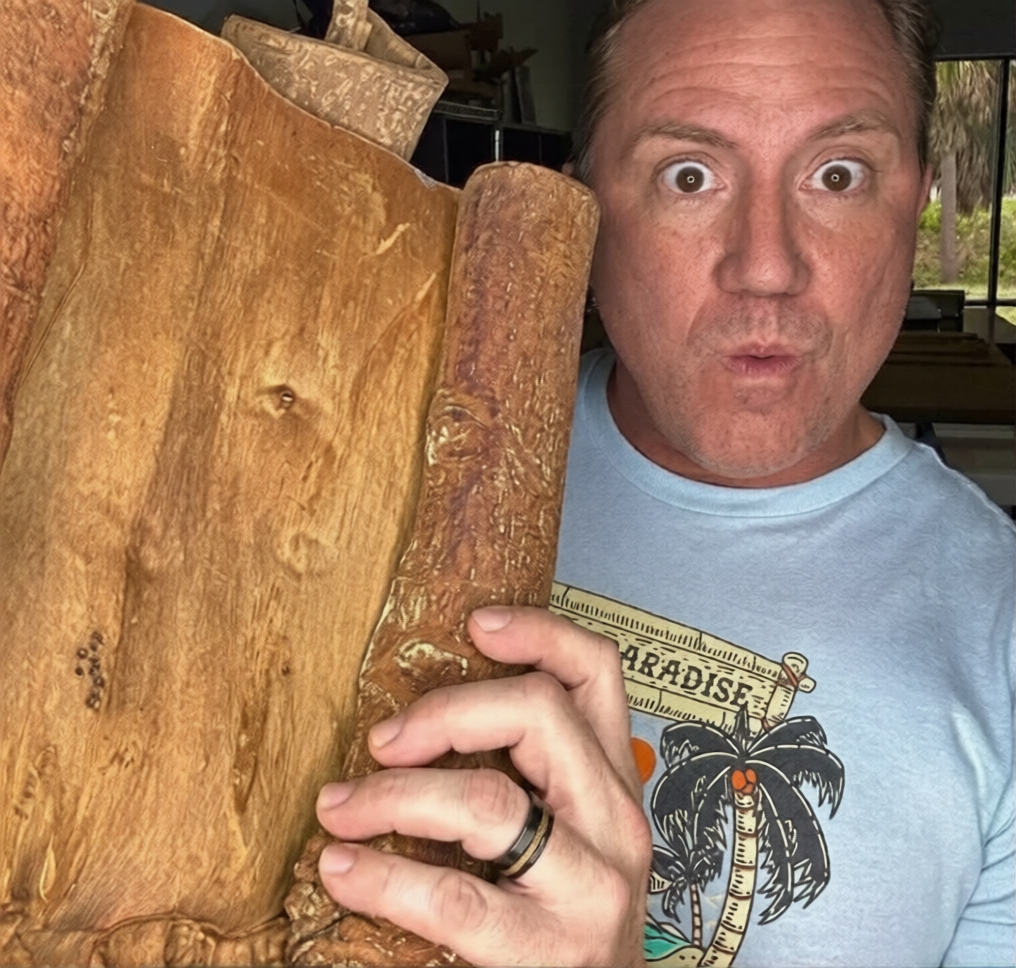
- Cinnamomum species
- Active: Trans-cinnamaldehyde
- Target: TRPA1 (most specific)
- Warming, burning, tingling
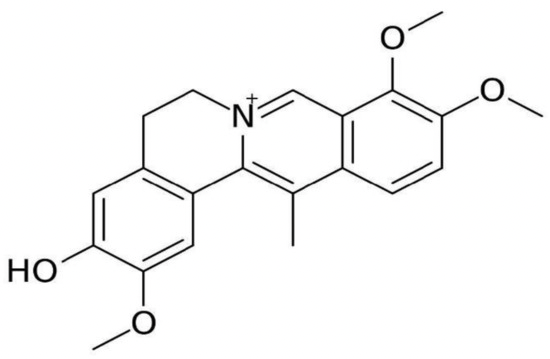
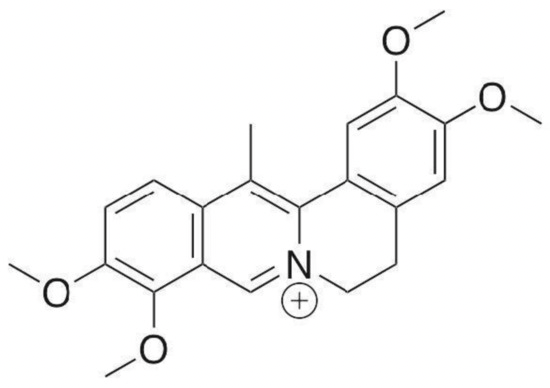
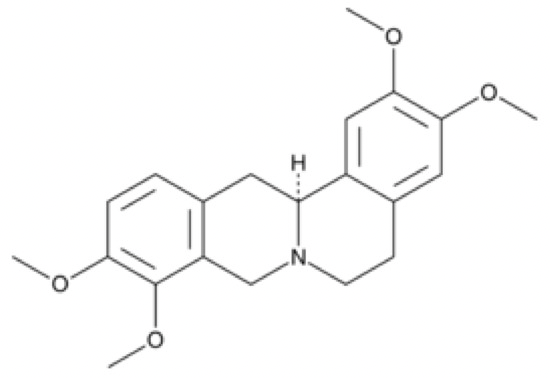
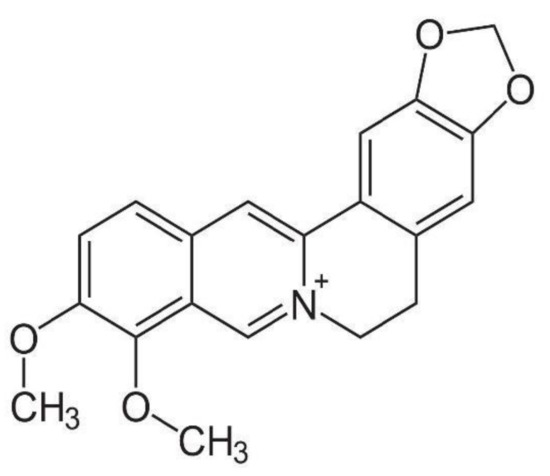
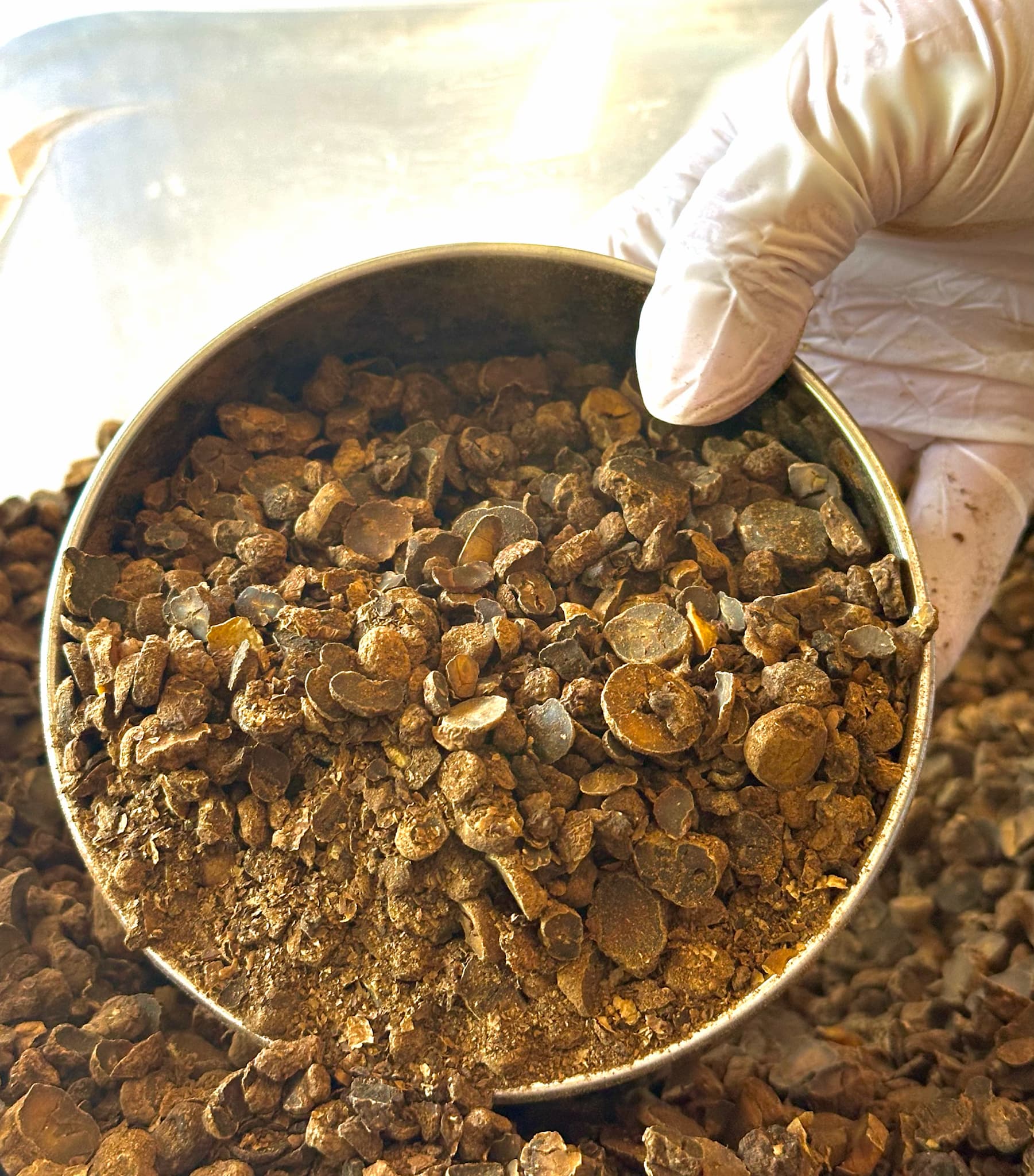
8. Corydalis (Yan Hu Suo) - The Outlier
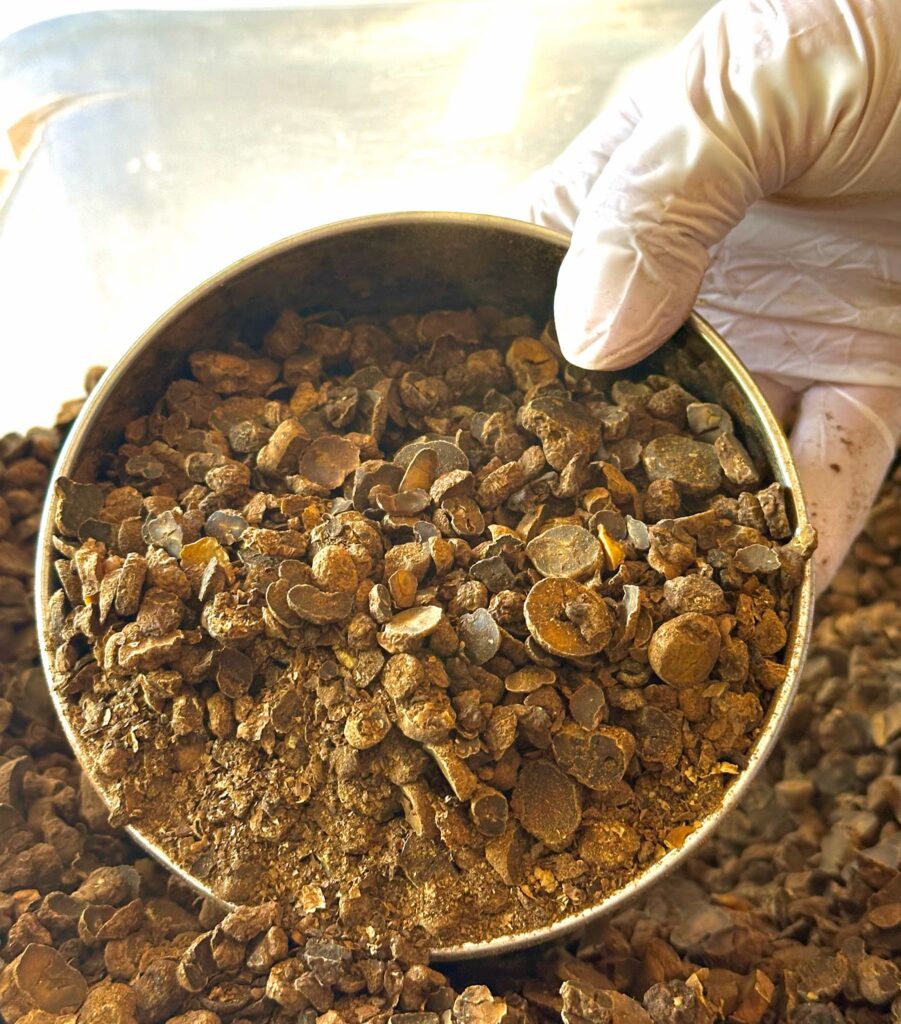
- Corydalis yanhusuo
- Active: Tetrahydropalmatine (THP)
- Target: None (CNS modulation)
- No irritation (not a counter-irritant)
- Works through central pathways
Healing and Anti-Inflammatory Botanicals
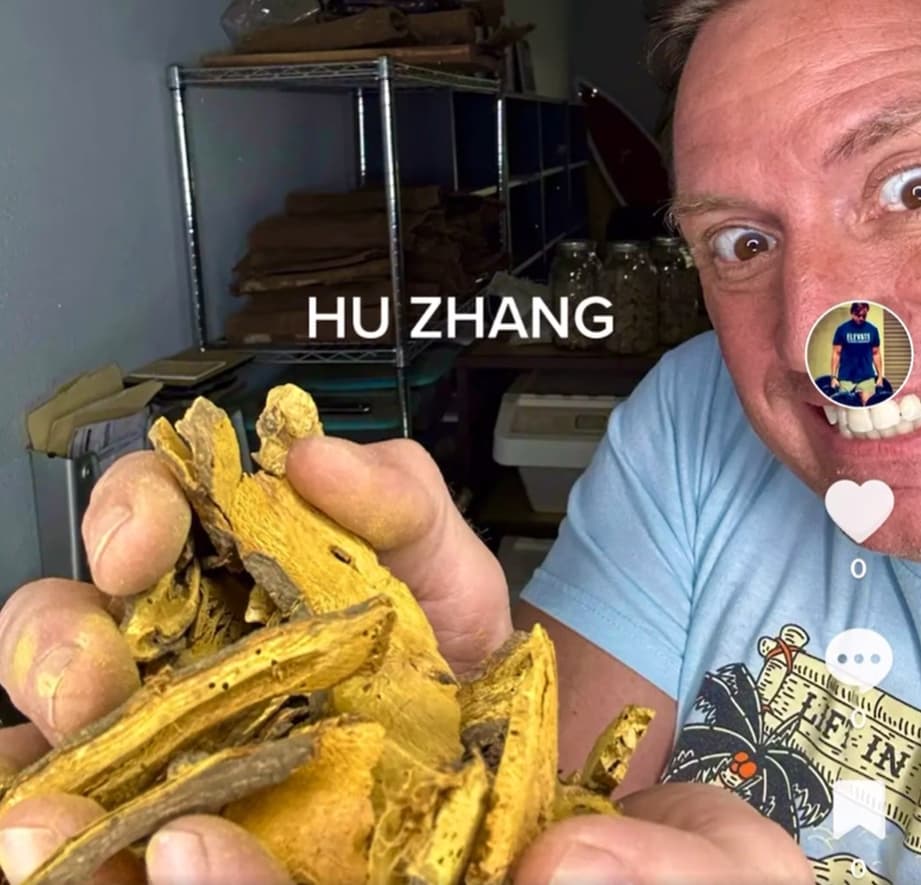
9. Hu Zhang (Japanese Knotweed)
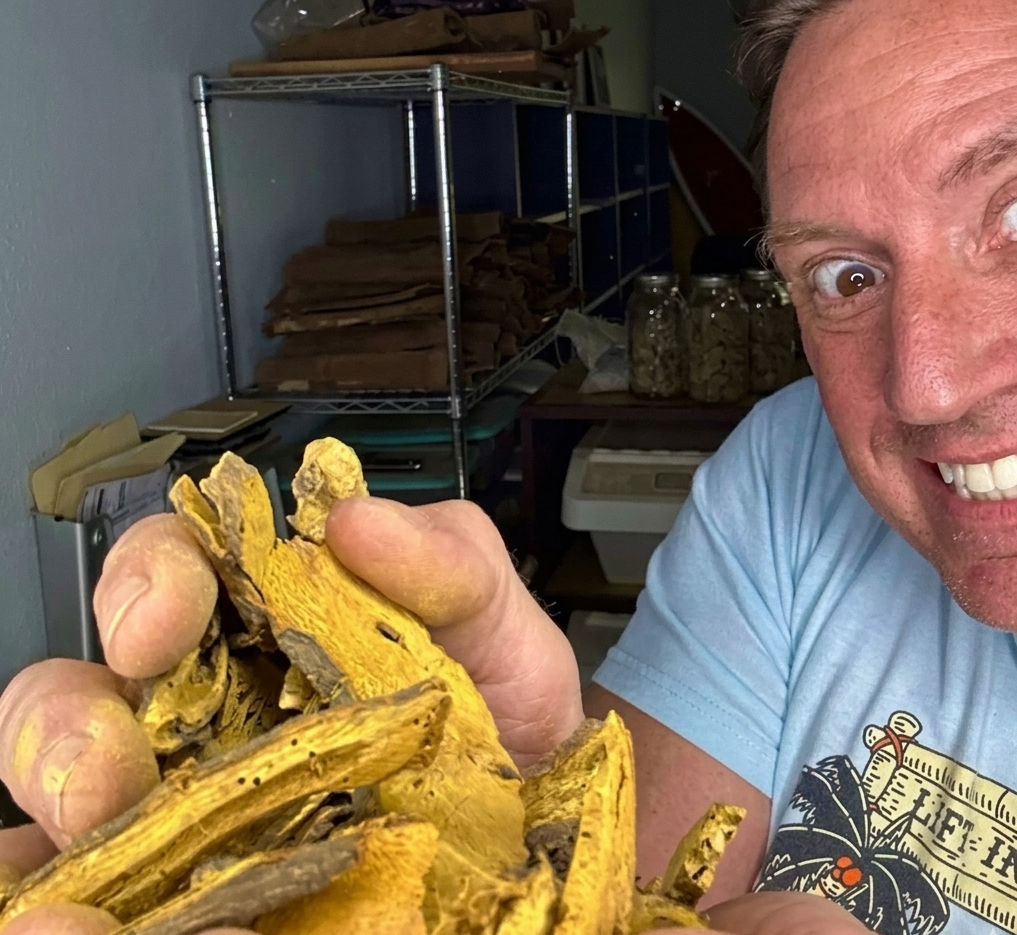
Source
- Polygonum cuspidatum
- Active: Resveratrol, polydatin, emodin
- TCM: Bitter, cold; Liver, Gallbladder, Lung
- NF-kB inhibition: blocks the master switch for inflammatory gene expression.
- COX-2 suppression: reduces prostaglandin-mediated inflammation.
- Neutrophil inhibition: reduces infiltration by up to 80% at therapeutic doses.
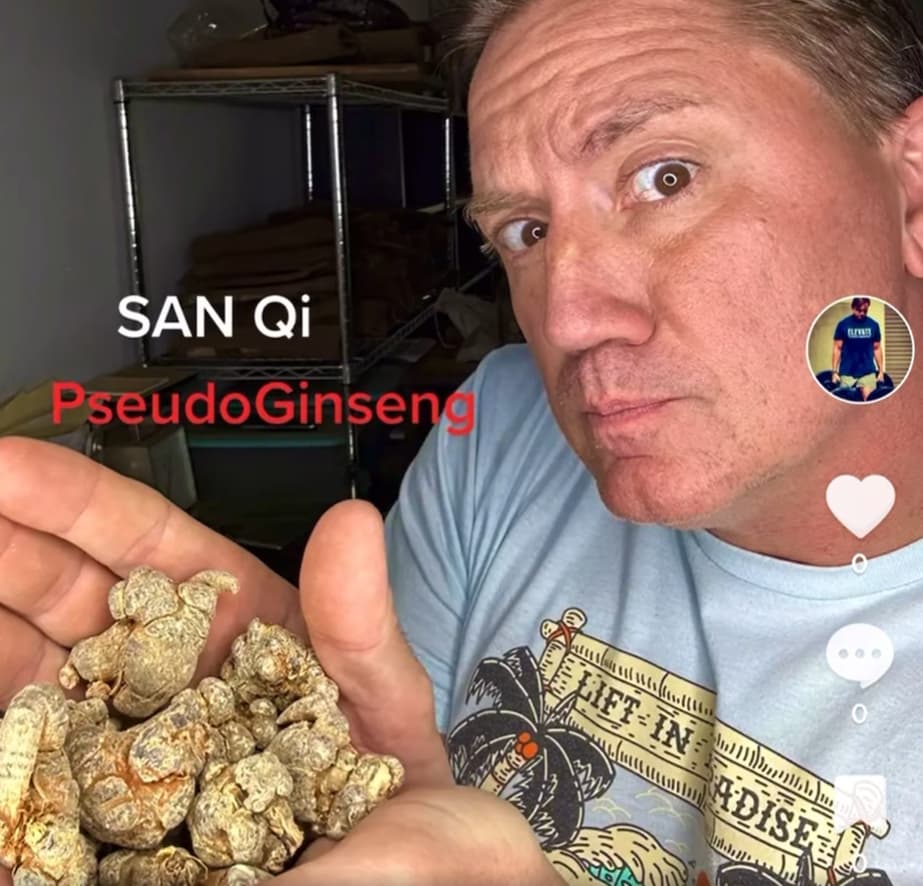
10. San Qi / Tian Qi (Notoginseng)
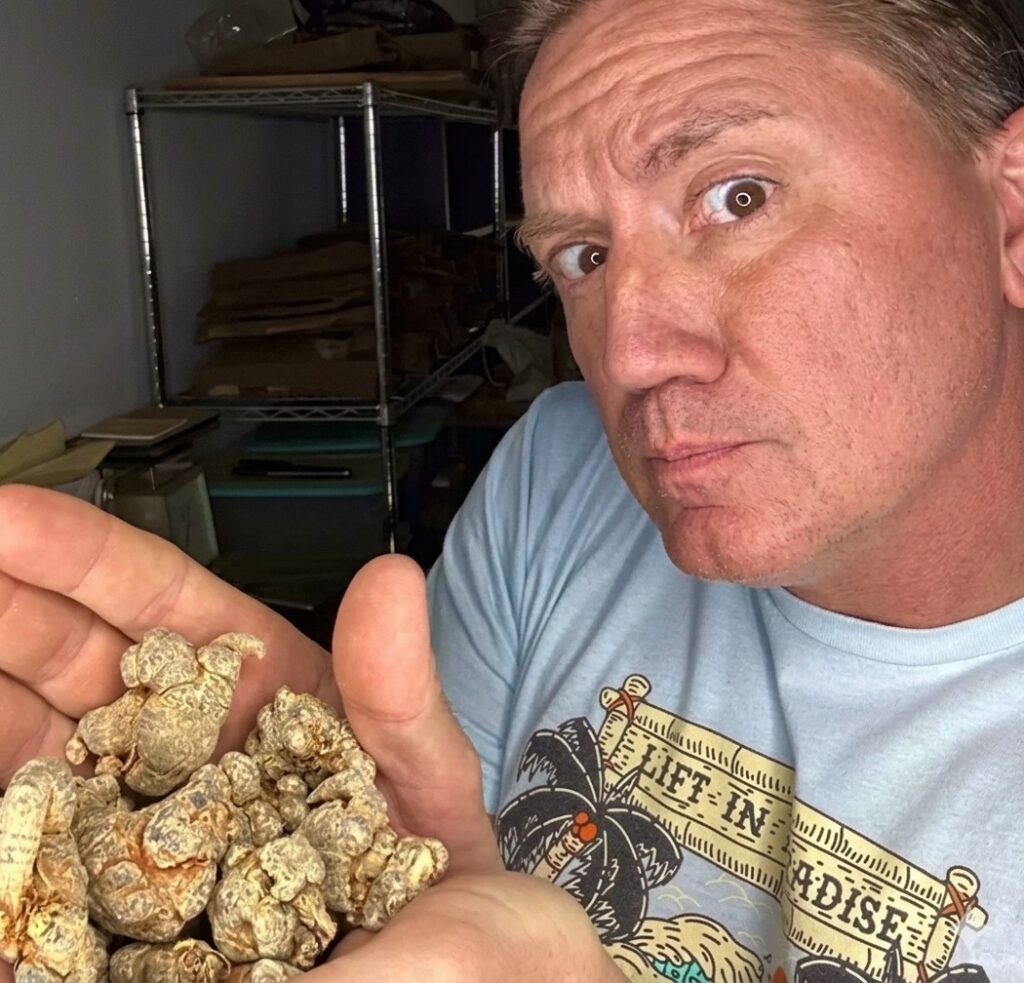
Source
- Panax notoginseng
- Active: Panax notoginseng saponins (PNS)
- TCM: Sweet, slightly bitter, warm; Liver, Stomach
- Stops bleeding (hemostatic): promotes platelet activity and shortens bleeding time.
- Moves blood (prevents stasis): dilates vessels, reduces viscosity, and promotes circulation.
- San Qi dressings heal wounds 1.5x faster than controls. It is the primary ingredient in Yunnan Baiyao, China’s most famous trauma medicine.
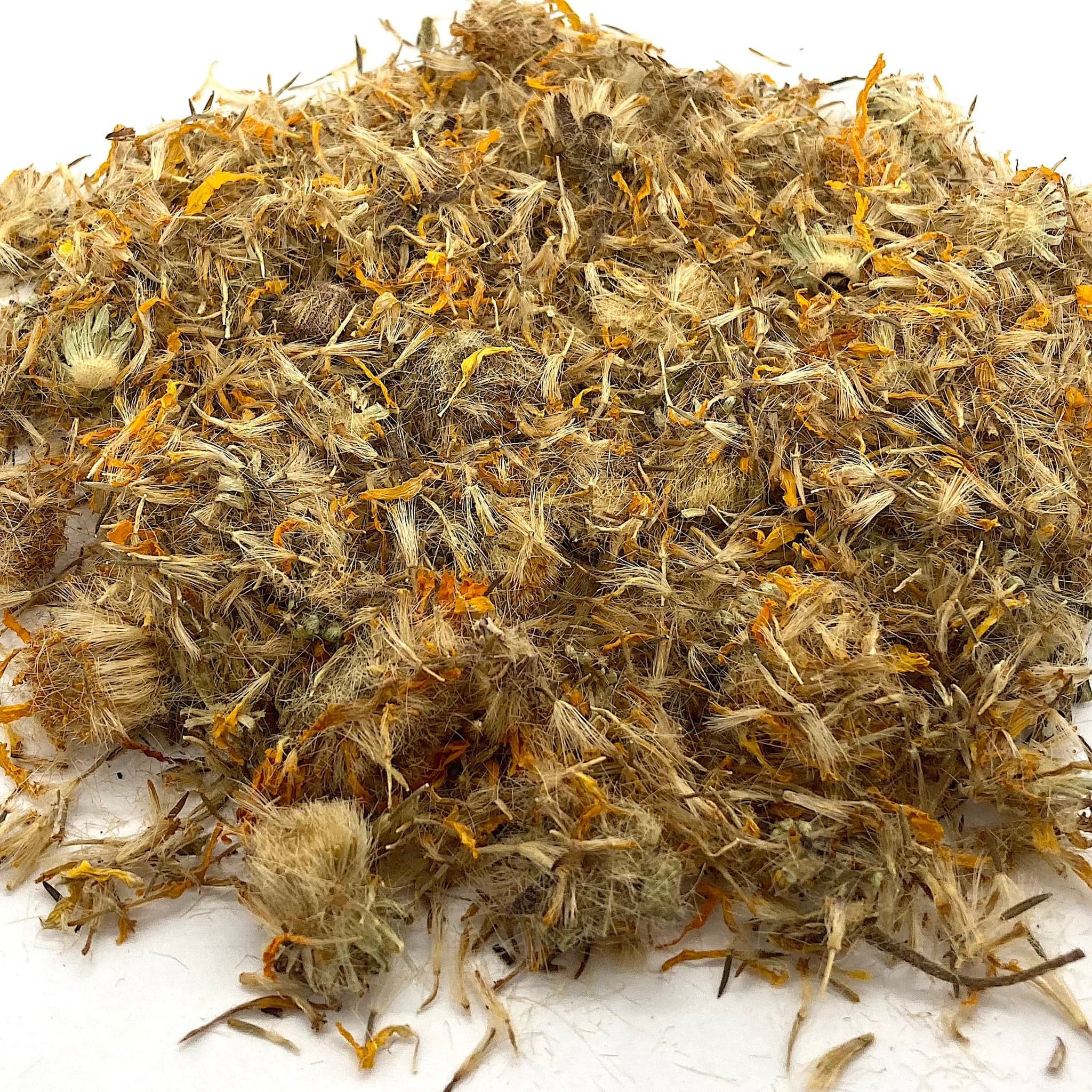
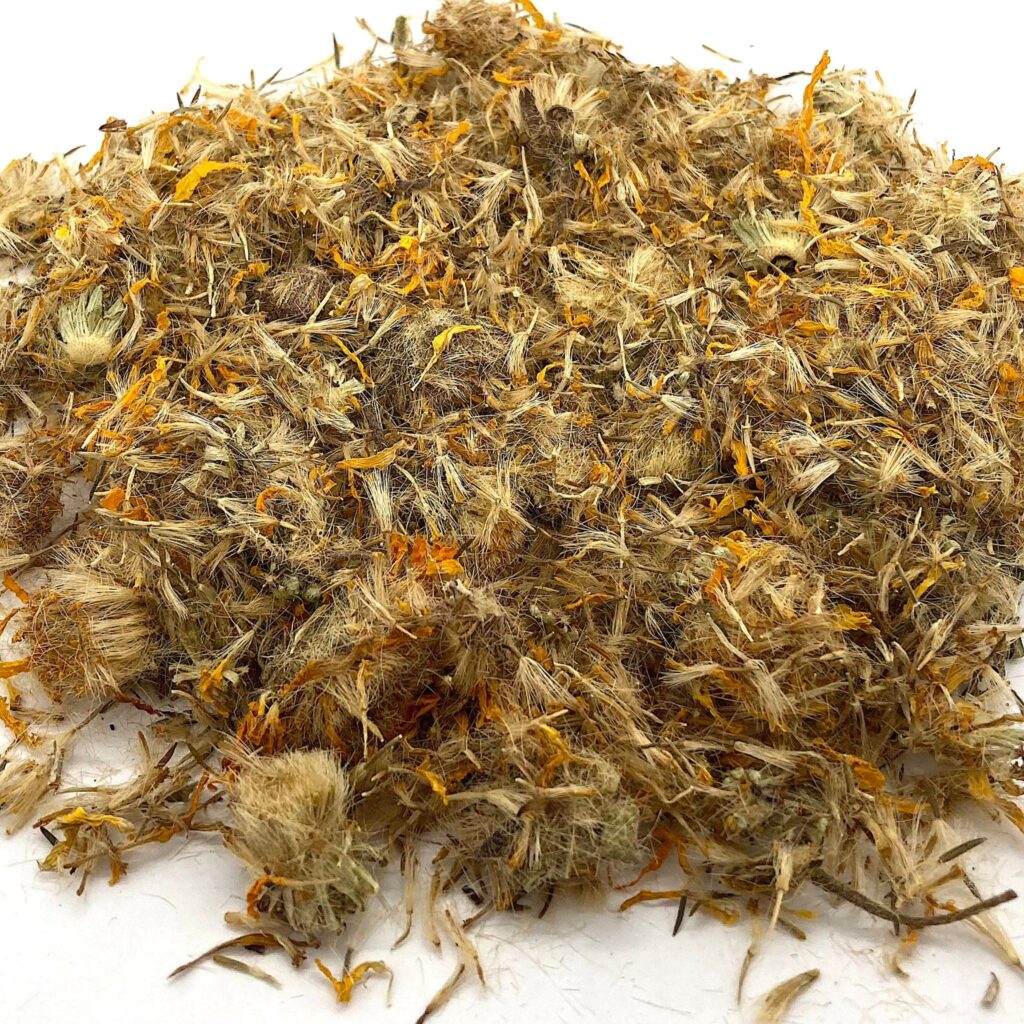
11. Arnica (Shan Jin Che Hua)
Source
- Arnica montana
- Active: Helenalin (sesquiterpene lactones)
- External use only
- Works through a different mechanism than typical NSAIDs
- NF-kB inhibition: Helenalin directly alkylates the p65 subunit, a different target than COX inhibitors.
- Platelet inhibition: reduces bruising through sulfhydryl group interaction.
- Circulation enhancement: promotes microcirculation and helps clear trapped blood.
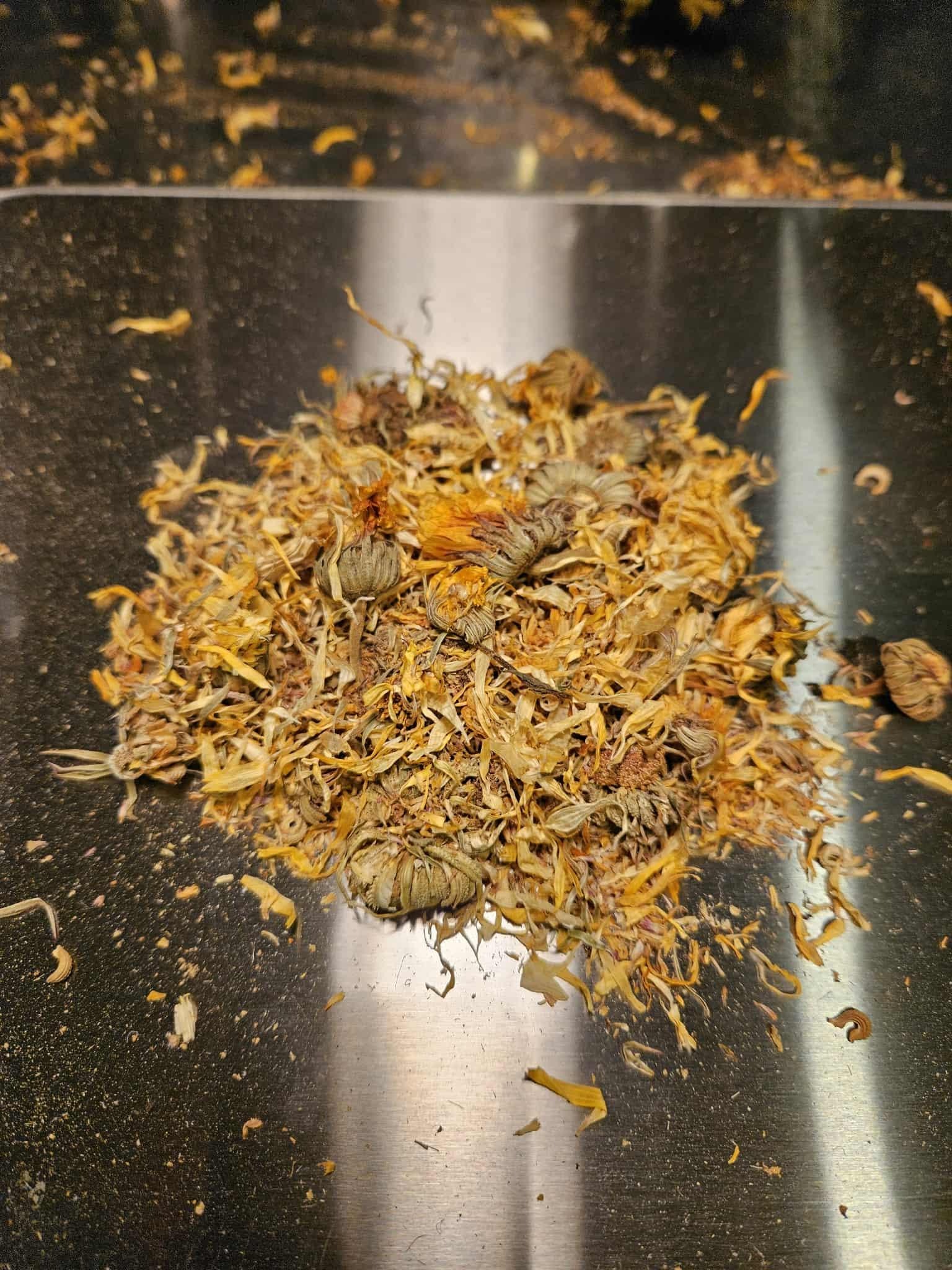
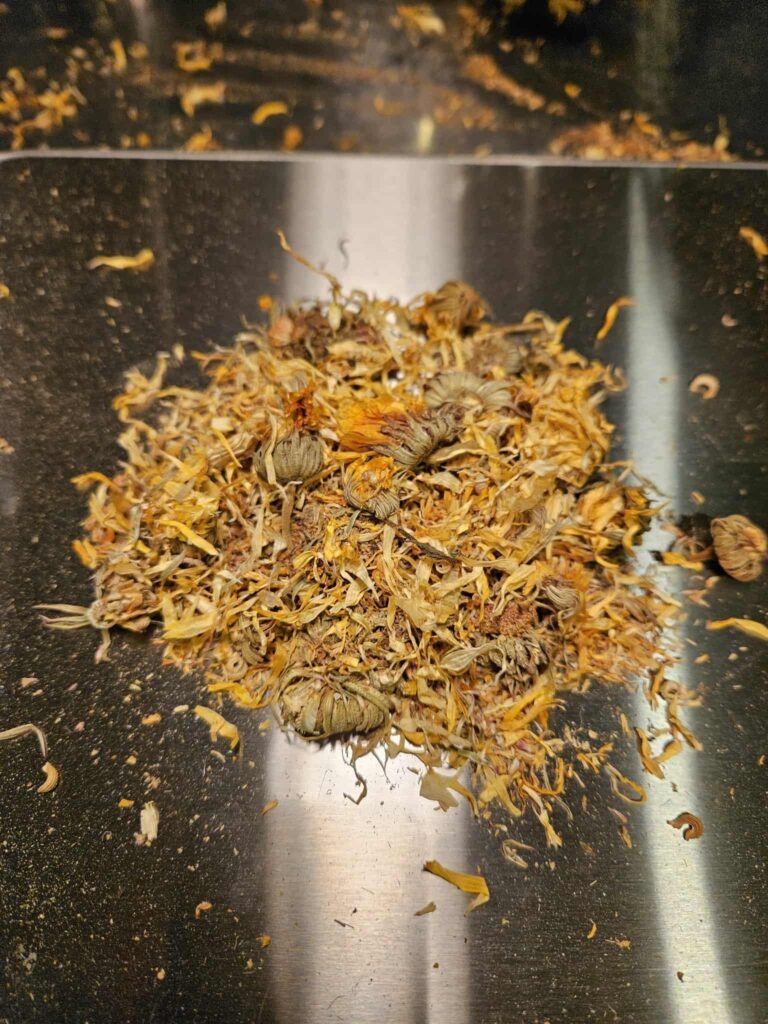
12. Calendula (Jin Zhan Ju)
Source
- Calendula officinalis
- Active: Faradiol triterpenoids, flavonoids
- Very gentle; safe for open wounds
- Anti-inflammatory: faradiol potency comparable to indomethacin.
- Fibroblast stimulation: accelerates granulation tissue formation.
- Collagen synthesis: significantly increases collagen deposition.
- Angiogenesis: promotes new blood vessel formation (VEGF).
Comprehensive Agent Comparison
| Agent | Target | Sensation | Duration | Unique Feature | Best For |
|---|---|---|---|---|---|
| Menthol | TRPM8 | Cooling | 45-60 min | Cool without temp change | Acute pain; cooling relief |
| Camphor | TRPV3/V1 | Warm + cool | ~50 min | Penetration enhancer | Synergist; stiff muscles |
| Wintergreen | Multiple | Variable | 25-30 min | Converts to salicylate | Combination products |
| Ginger | TRPV1/A1 | Warm pungent | Moderate | Dual: TRP + COX-2 | Inflammatory pain |
| Mustard | TRPA1 | Intense | Short | Most potent TRPA1 | Traditional plasters |
| Capsaicin | TRPV1 | Burning heat | Days-weeks | Nerve defunctionalization | Chronic; neuropathic |
| Cinnamon | TRPA1 | Warm/tingle | Short-mod | Most specific TRPA1 | Warming liniments |
| Corydalis | CNS | None | Hours-days | Central modulation | Nerve pain; anxiety |
| Hu Zhang | NF-kB | Cooling | Hours | Resveratrol source | Hot inflammation |
| San Qi | Hemostatic | None | Hours-days | Stops + moves blood | Trauma; wounds |
| Arnica | NF-kB | None | Hours | Bruise resolution | Bruising; closed injuries |
| Calendula | Multiple | None | Hours | Wound healing | Open wounds; gentle use |
The Takeaway: Mechanism Matters
- TRP channels are the molecular target for most topical pain agents — but different channels produce profoundly different sensations and durations
- Capsaicin is in a class of its own: the only agent that actually changes how your nerves function for days to weeks
- Corydalis works through the central nervous system — no skin sensation, but complementary pain pathways that make it uniquely powerful in combination
- San Qi's paradox (stops bleeding AND moves blood) is one of the most clinically useful dual actions in herbal medicine
- Multi-ingredient formulations beat single-agent products because pain is multi-mechanistic — you need to match the formula to the pain type
Ready to Find the Right Product for Your Pain?
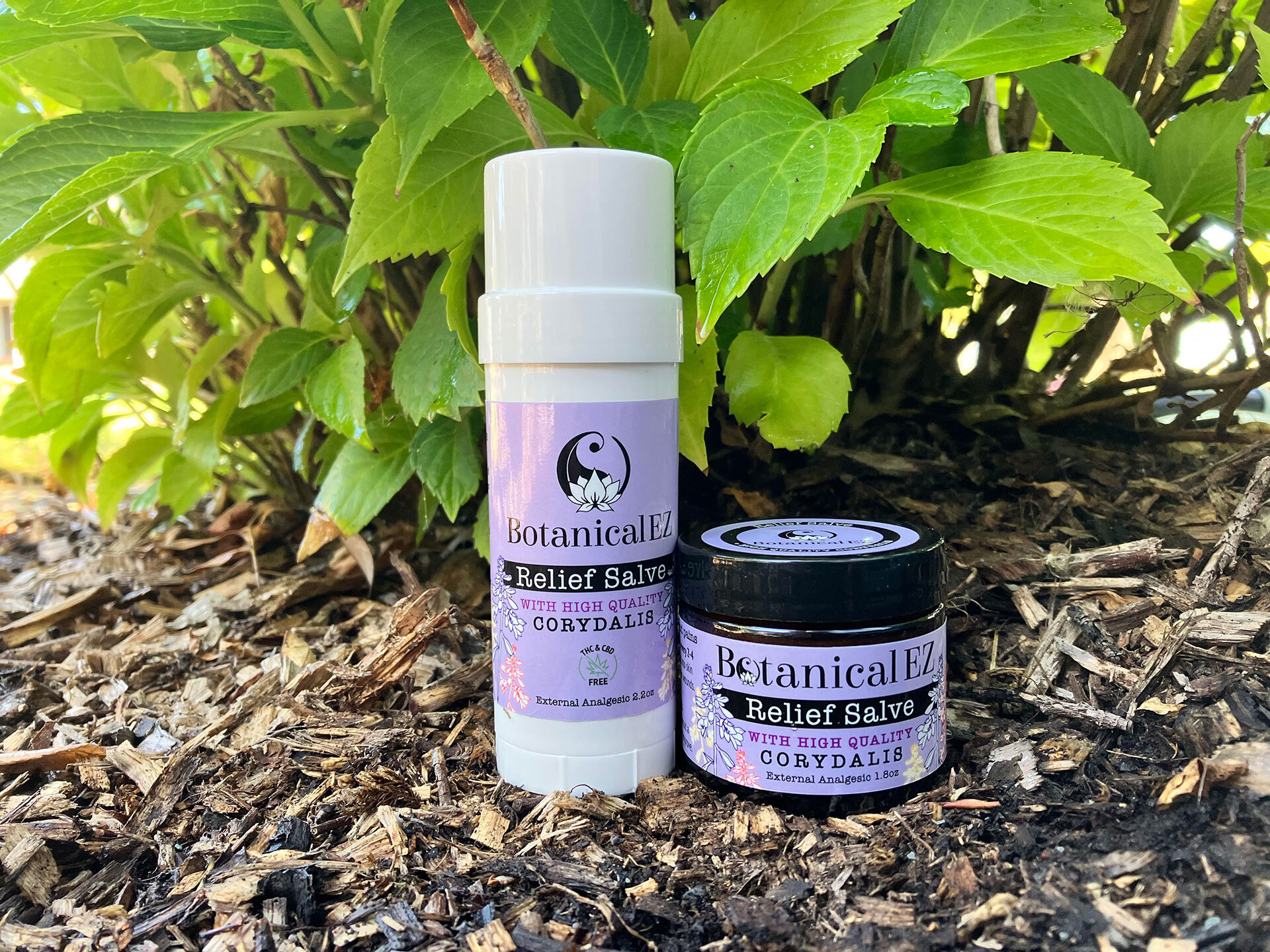
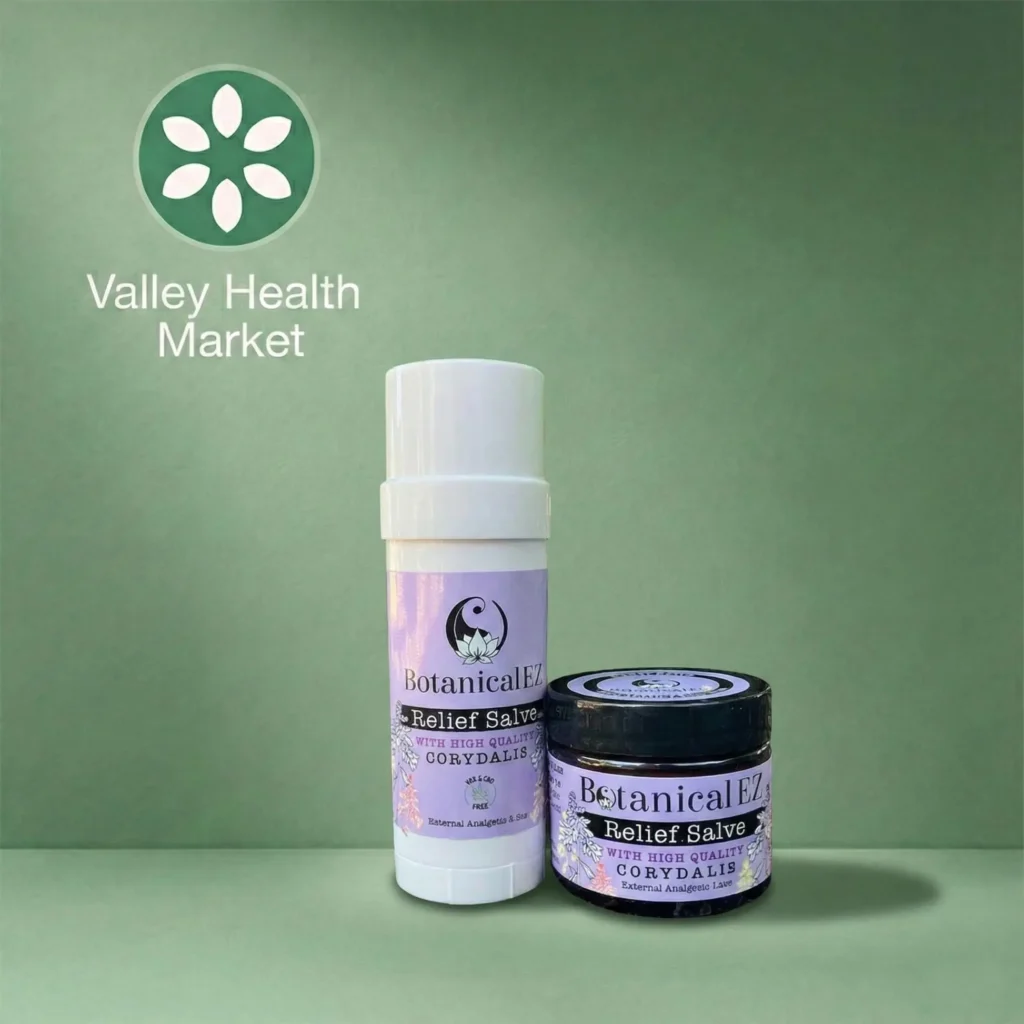
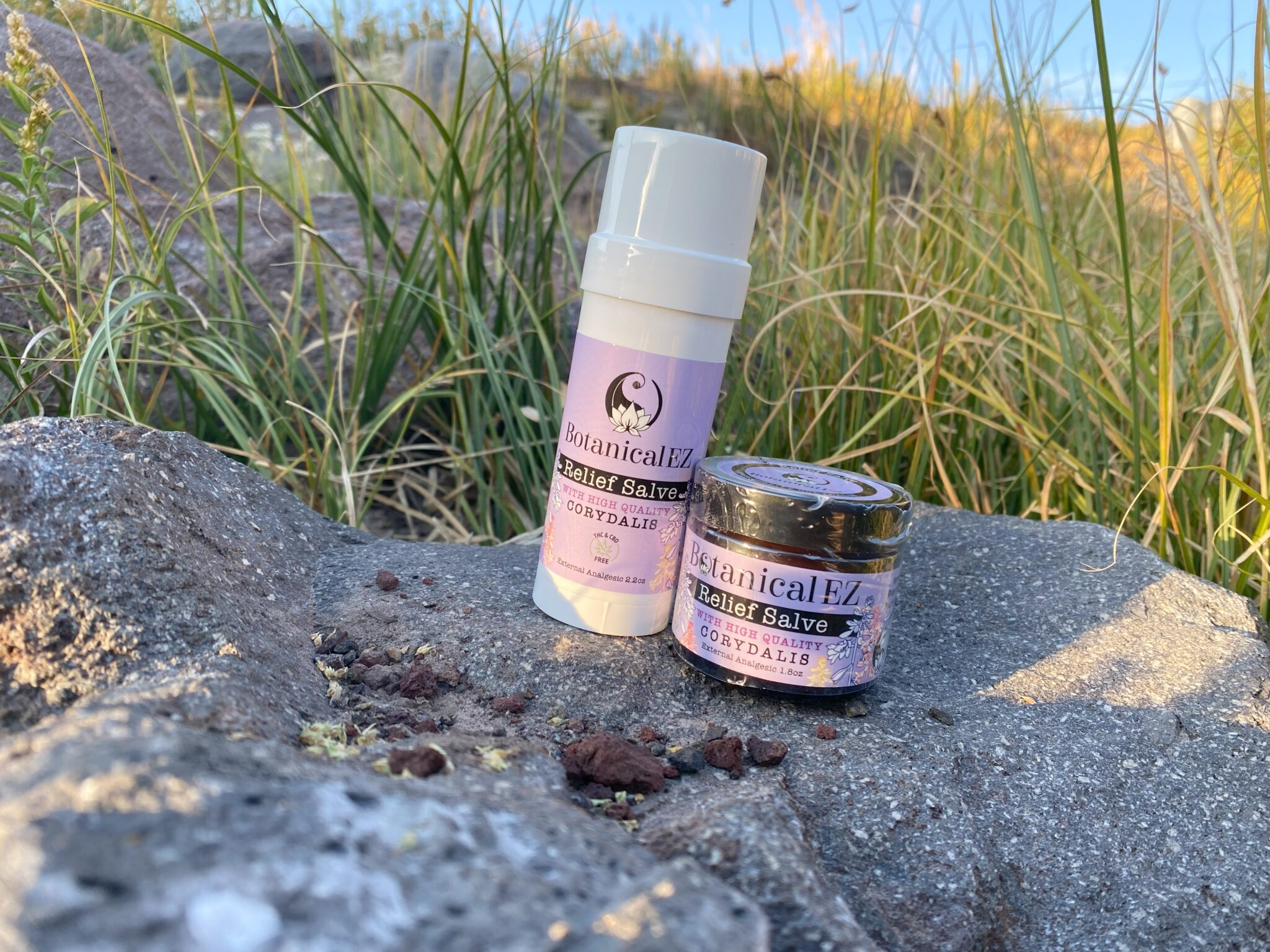
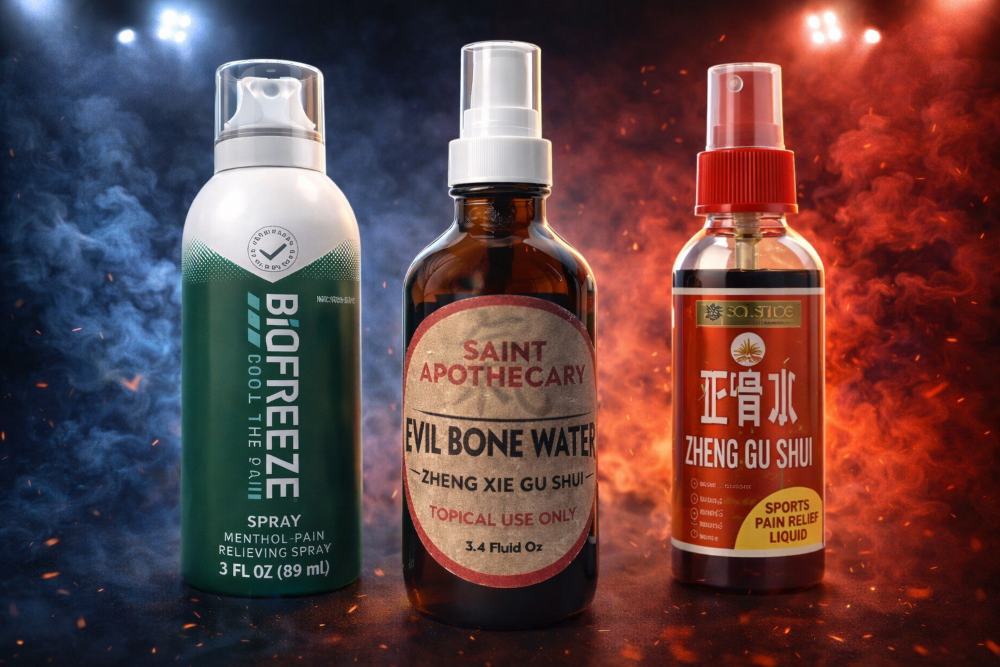
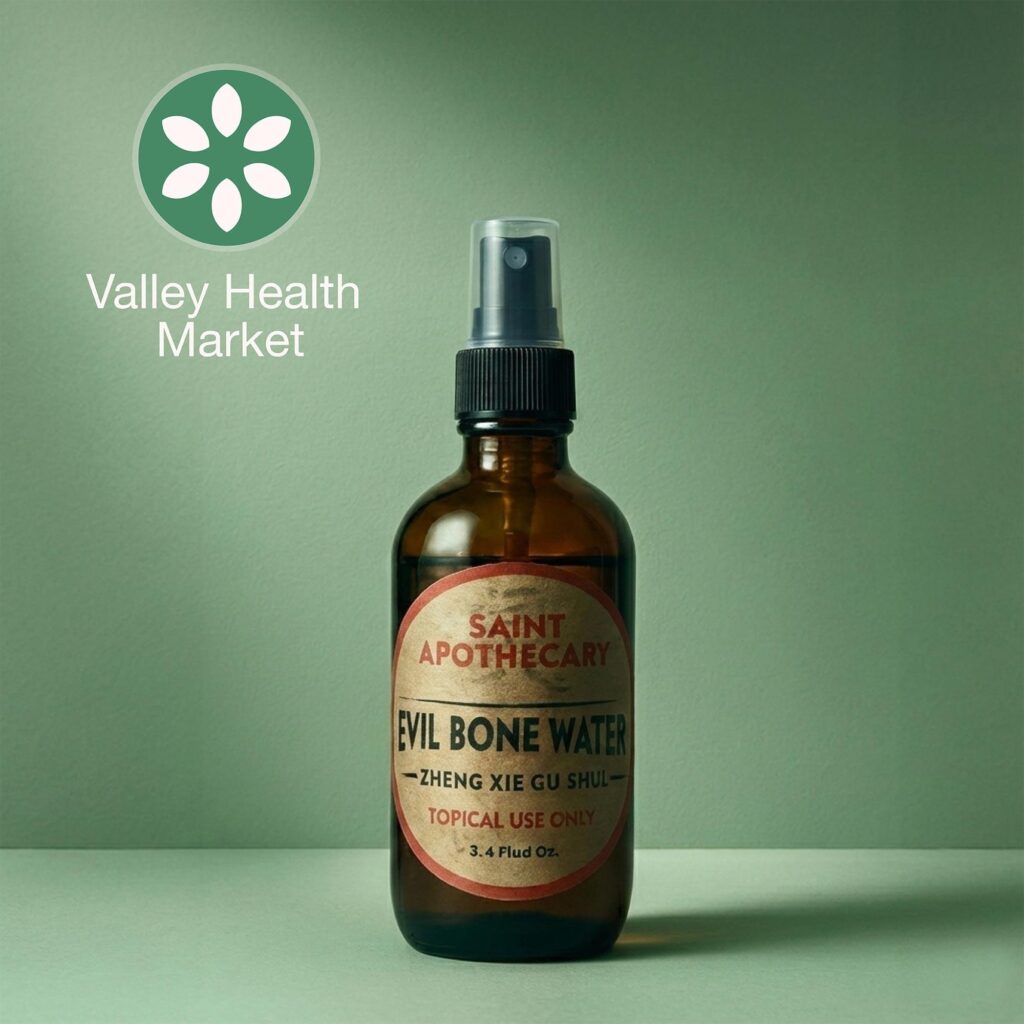
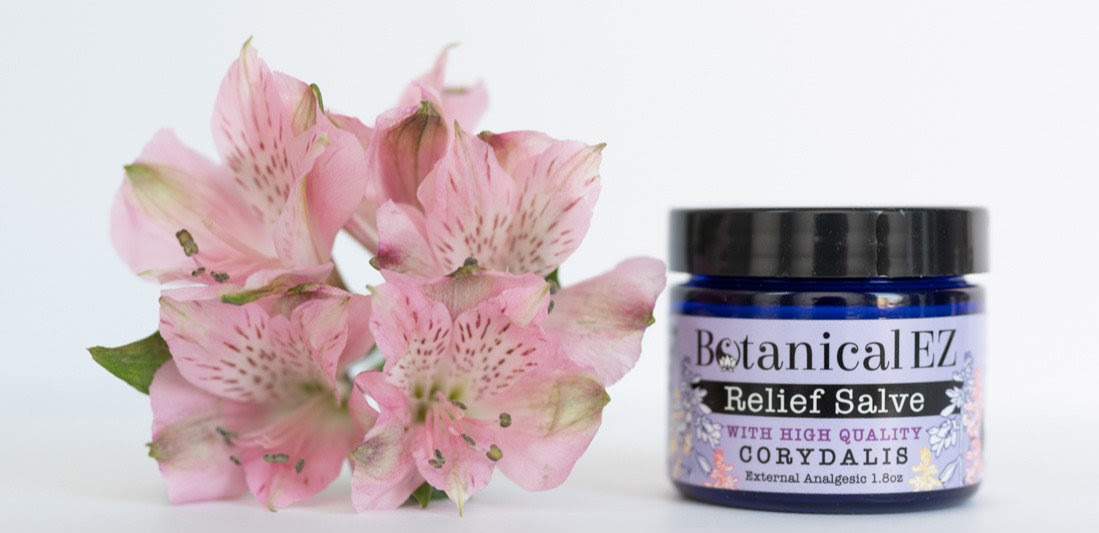
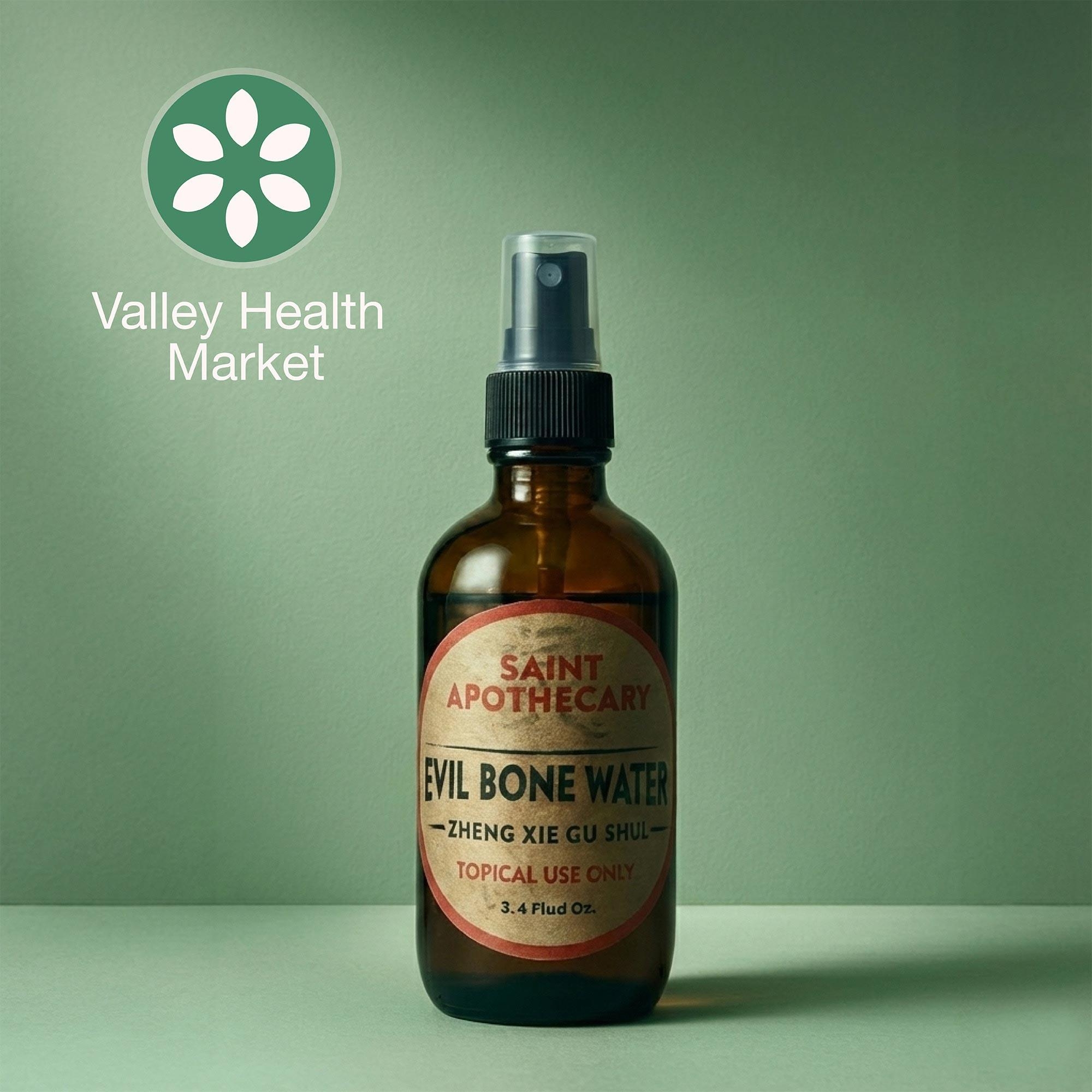
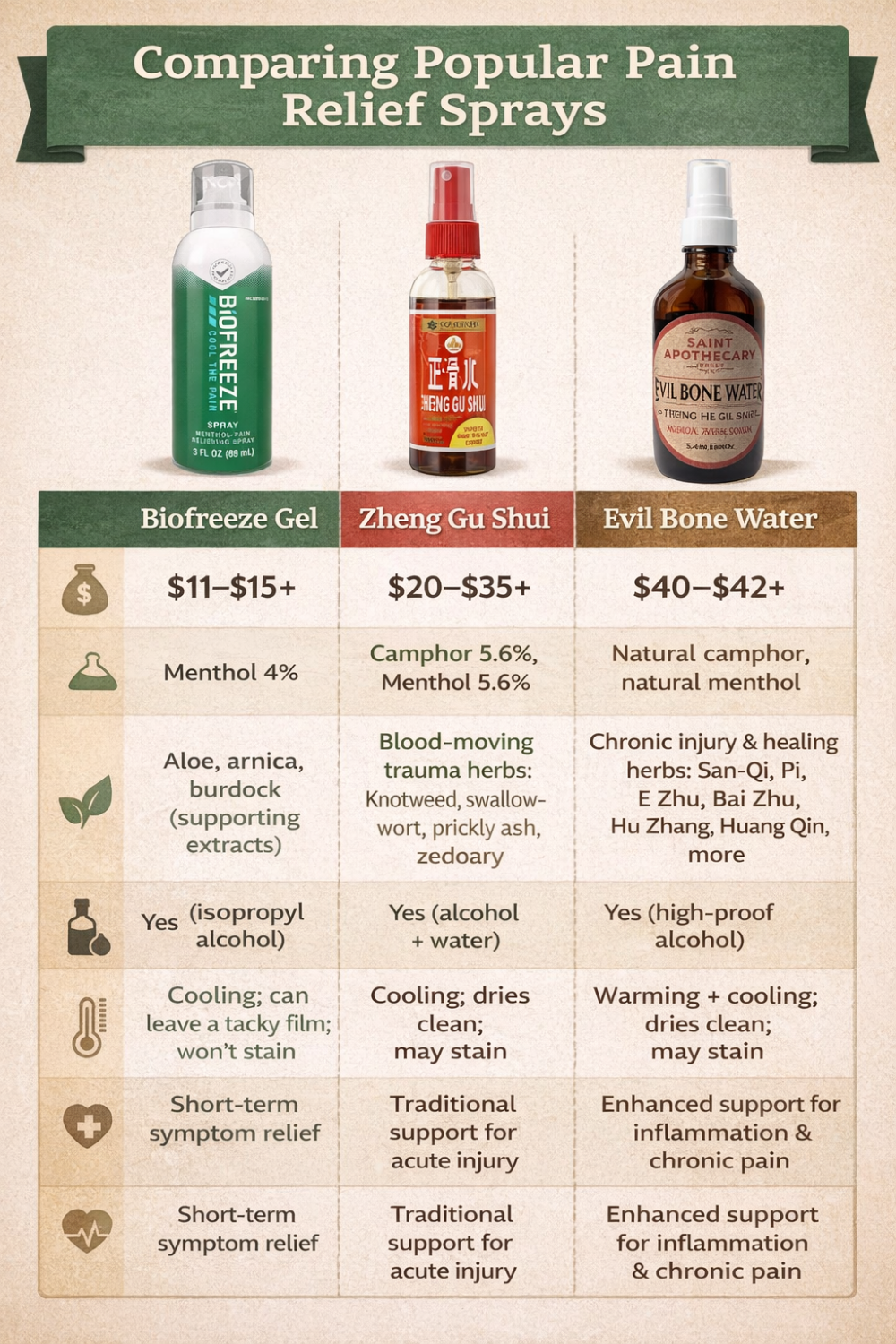
At Valley Health Market, every product we carry is formulated with the mechanisms in this guide in mind. Evil Bone Water, Dragon Blood Balm, Corydalis Relief Salve, and Red Emperor’s Immortal Flame each target different aspects of pain and healing — and they’re designed to work together.
Read: Which Pain Relief Combo Is Right for You?
Questions? I’m happy to help match products to your specific situation.
Recent Posts
Psoriasis Flare Ups and Why You Need Three Sprays
Dr. Meli, in her own words, on why she and her husband built the Shu Hong
Does Evil Bone Water Work? An Acupuncturist Reads the Research
Does Evil Bone Water work? An acupuncturist reviews the evidence for Zheng Gu Shui, camphor, menthol,

Acupuncture for Ménière’s Disease: The Points I Use
Learn which acupuncture points Will Sheppy uses for Ménière’s disease, vertigo and dizziness, plus treatment frequency