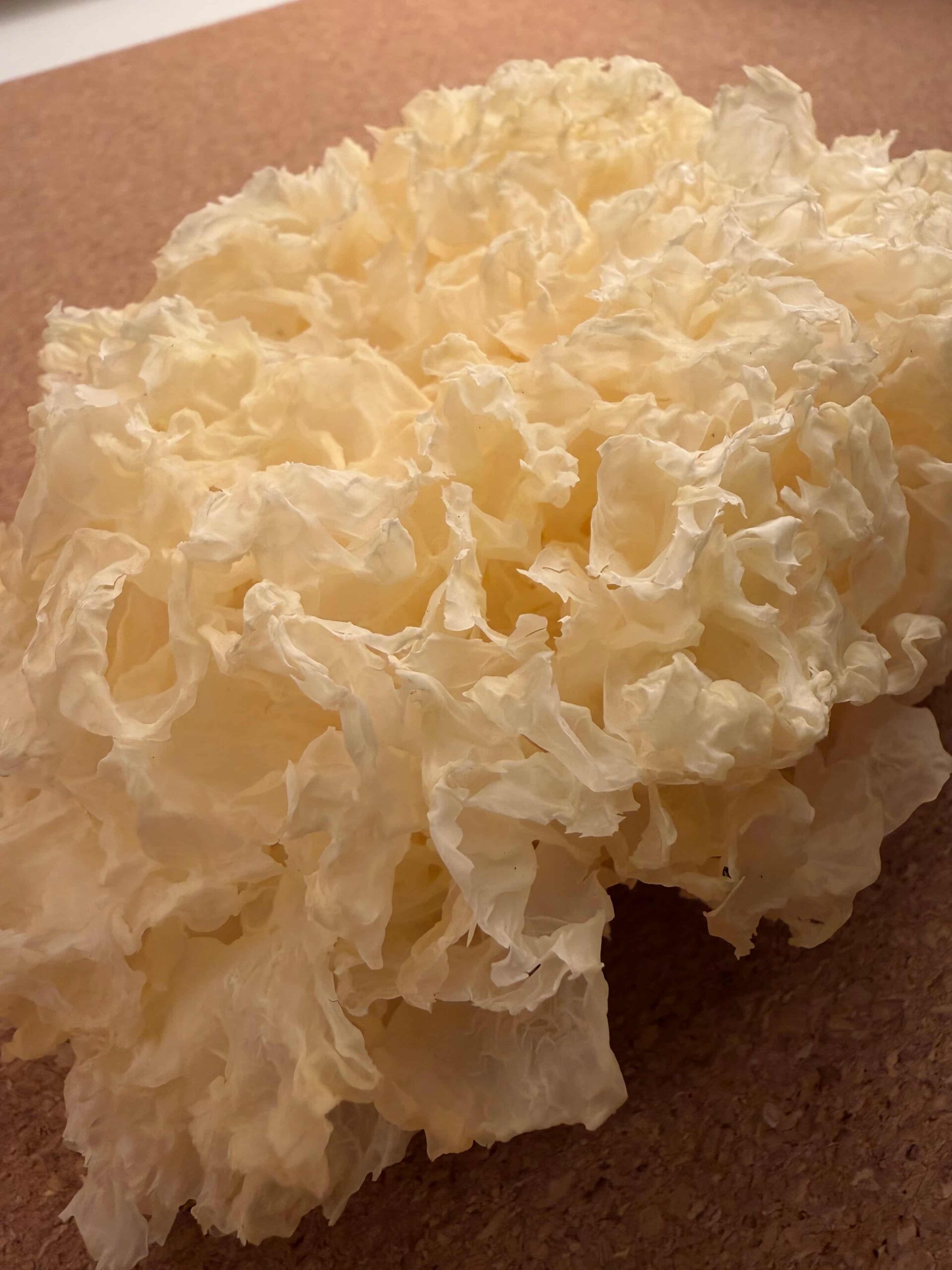
If you search “snow mushroom benefits” today, you will find hundreds of results — beauty blogs, supplement stores, K-beauty sites — all pointing to the same thing: Tremella fuciformis, a gelatinous white fungus that has been used in Traditional Chinese Medicine for over a thousand years, is now one of the most talked-about natural ingredients in modern skincare.
But most of those sources stop at surface-level claims. They mention hydration. They mention hyaluronic acid comparisons. And then they sell you a serum with a tiny percentage of extract and a long list of synthetic fillers.
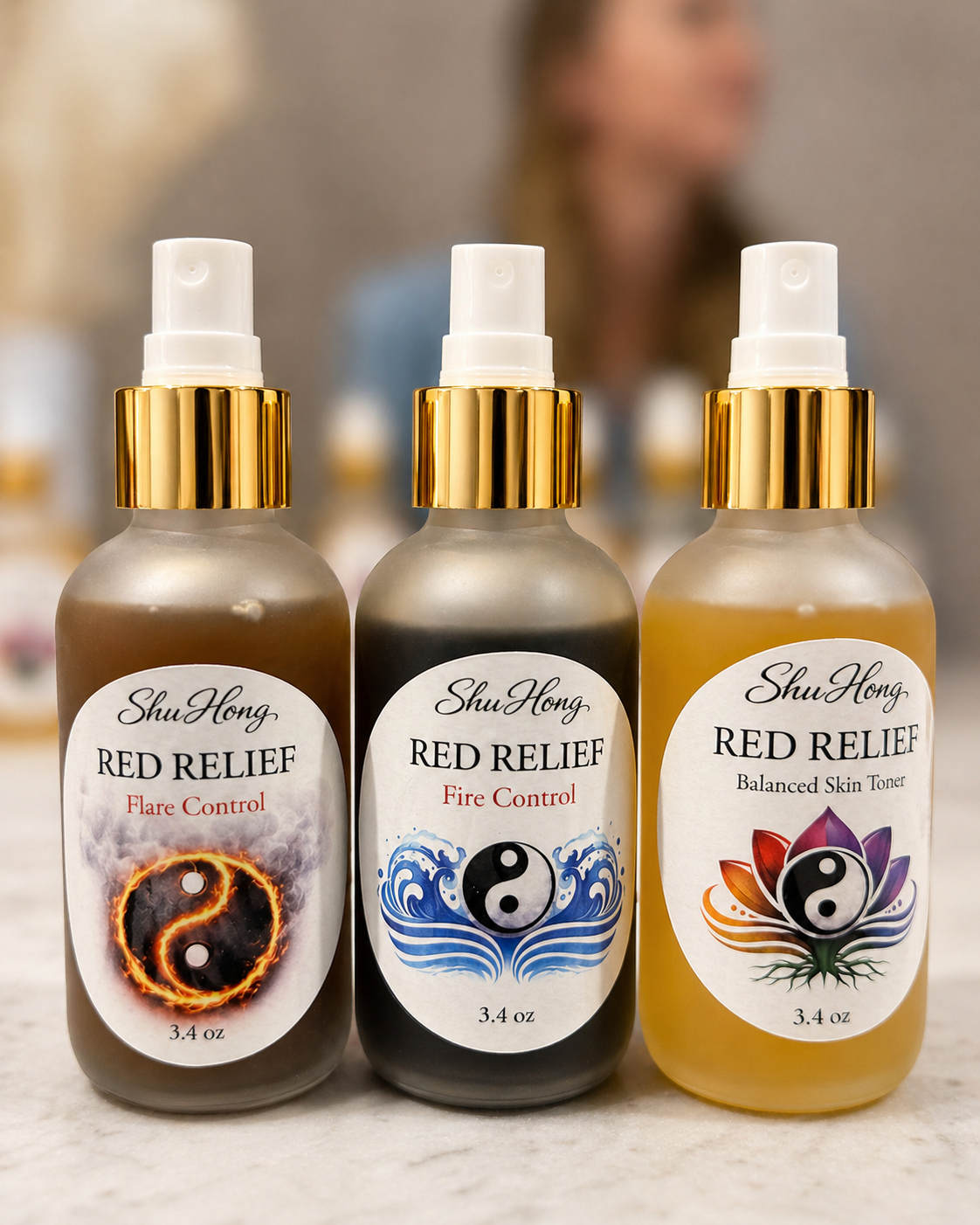
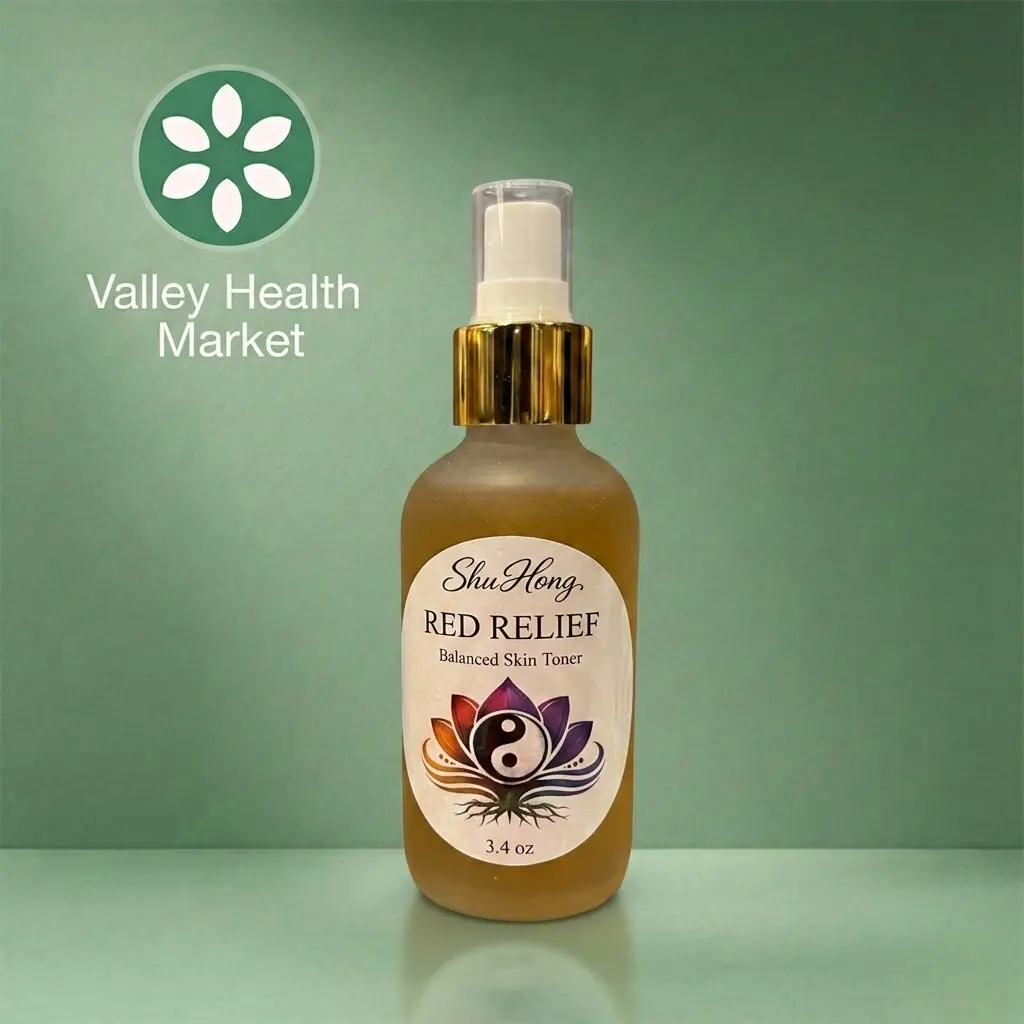
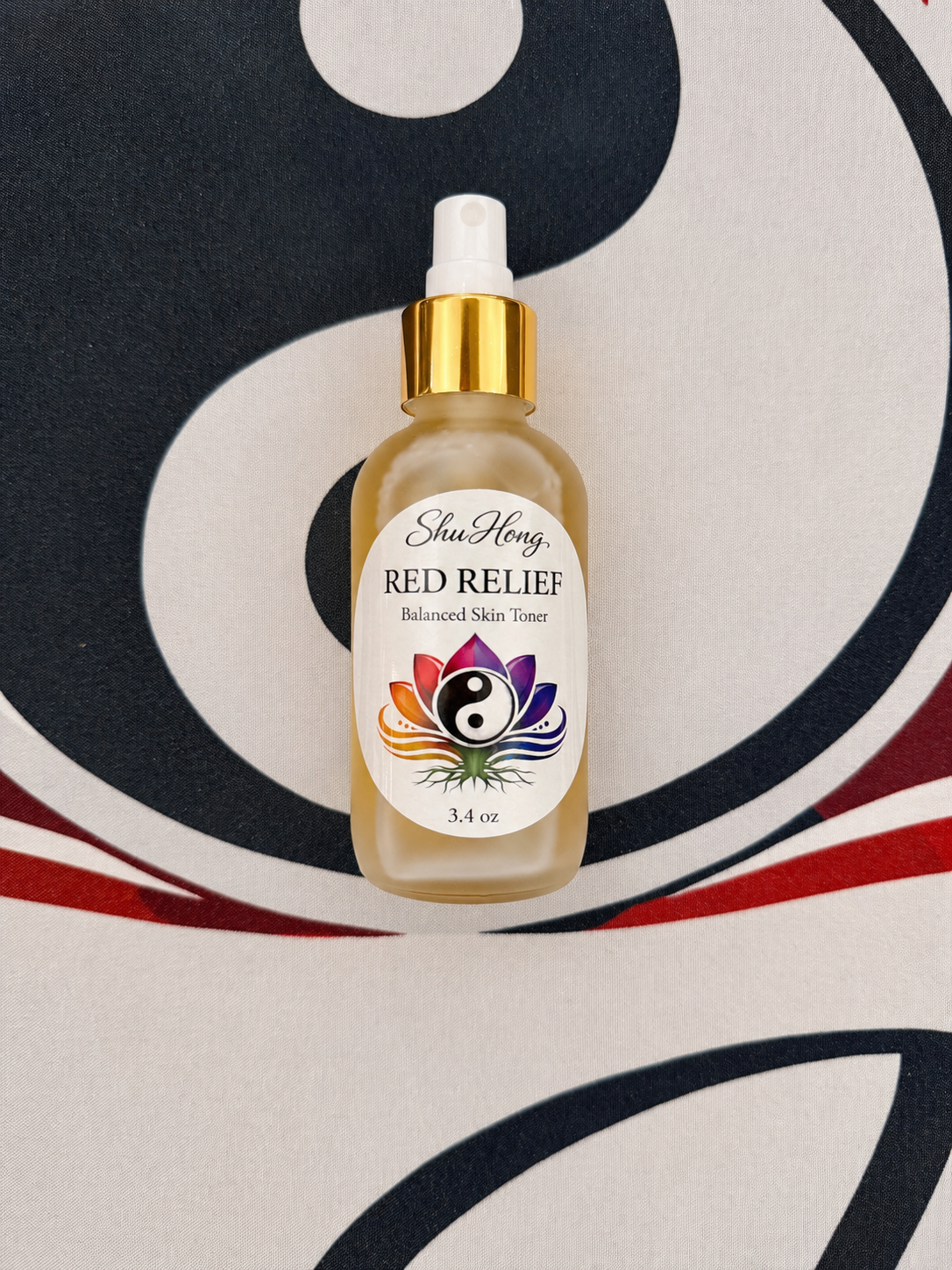
This article goes deeper. We will walk through the actual peer-reviewed research on snow mushroom’s topical benefits — what it does at the cellular level, how it compares to hyaluronic acid, and where the evidence is strong versus where it is still emerging. Then we will explain why Shu Hong™ Red Relief Balanced Skin Toner is the product we chose to carry — and how its formulation takes snow mushroom further than most products on the market.
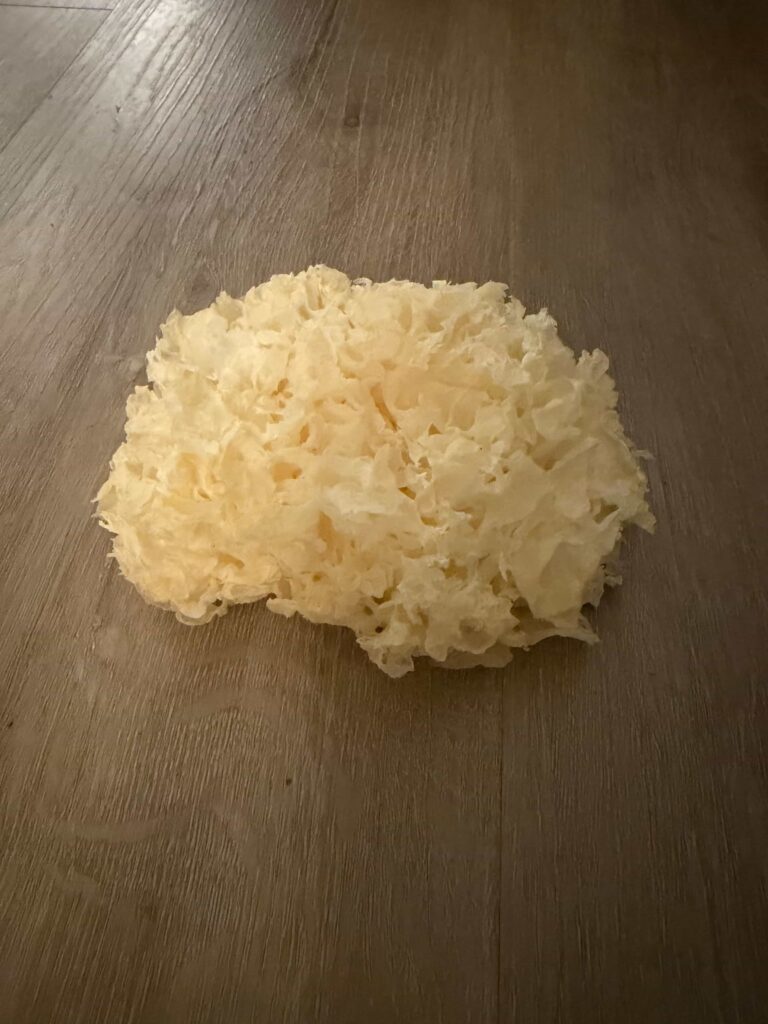
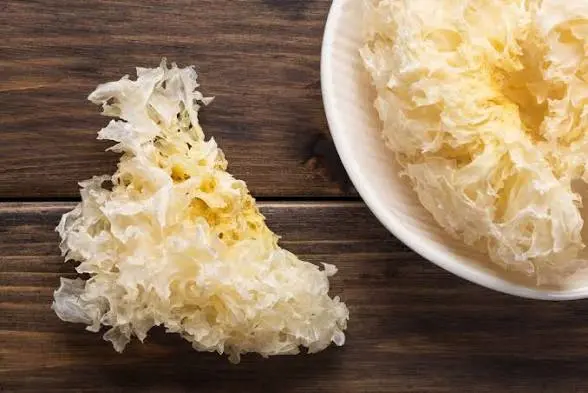
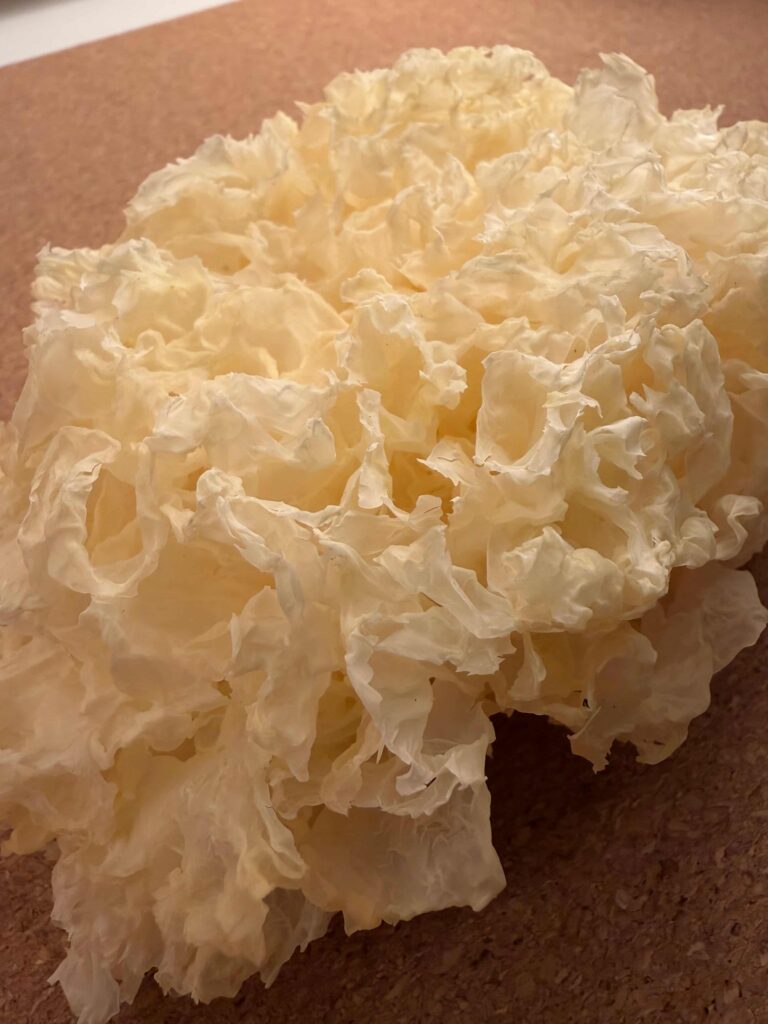
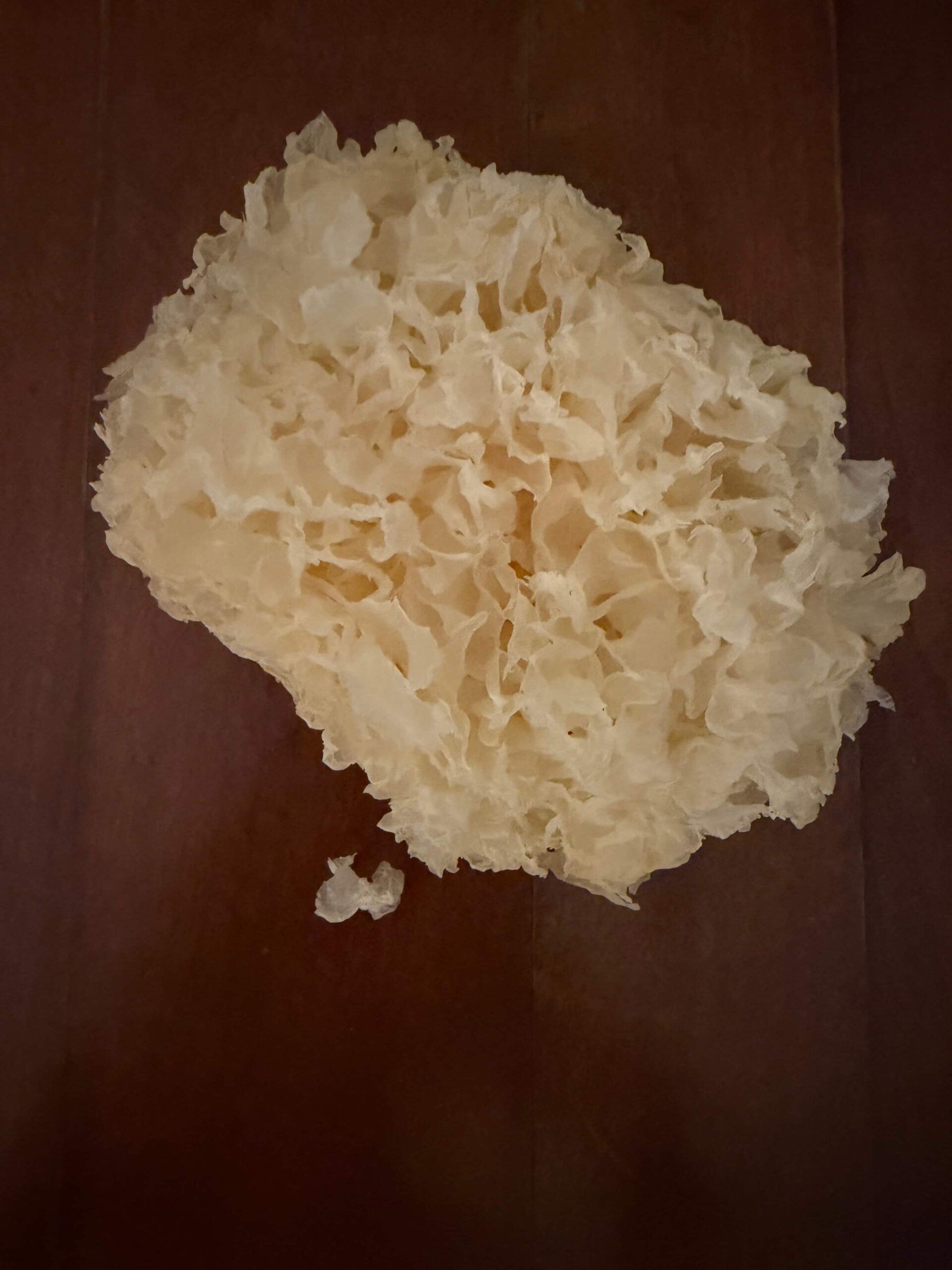
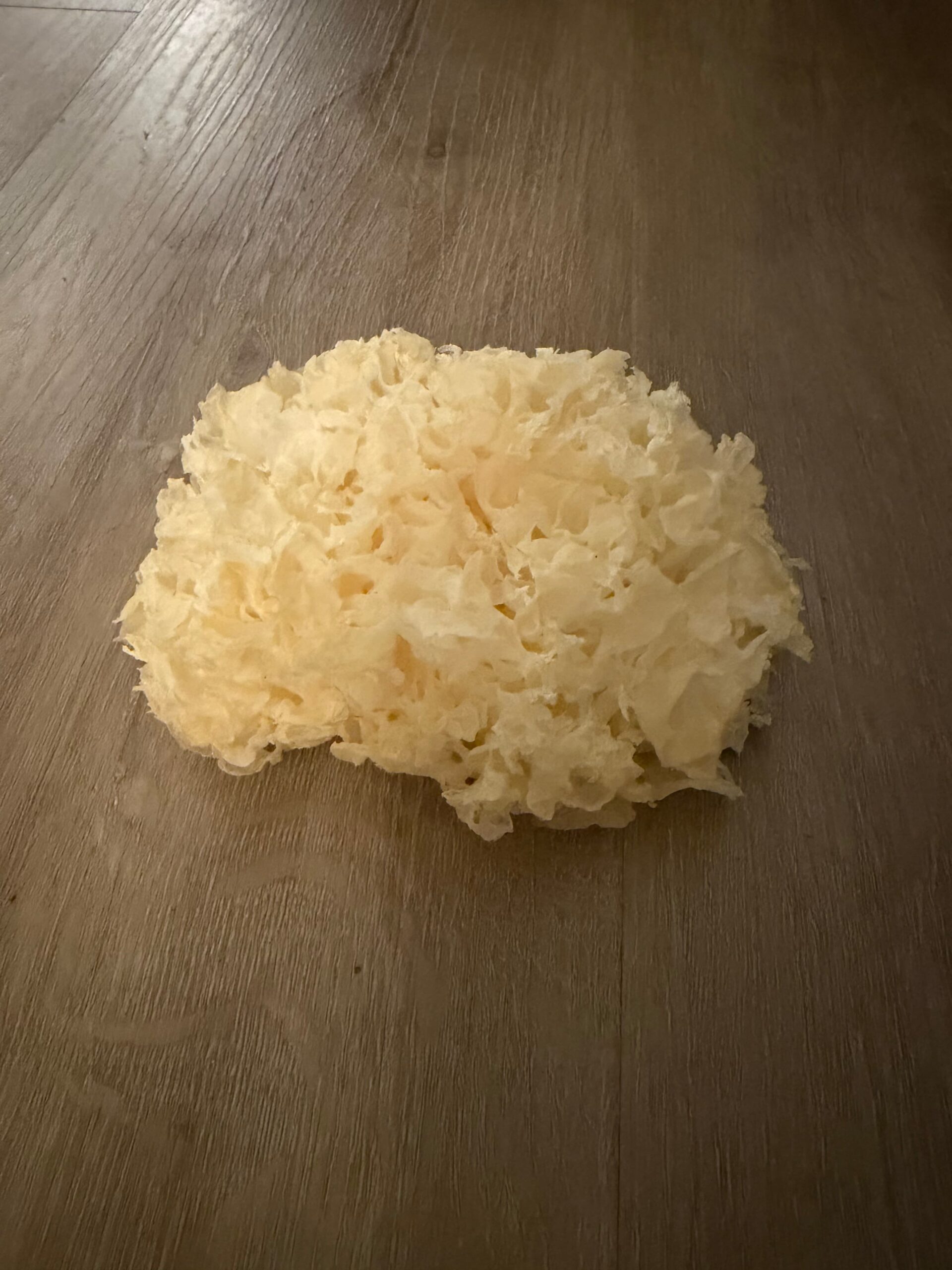
Snow mushroom (Tremella fuciformis) is a jelly fungus also known as silver ear, snow fungus, white wood ear, or white jelly mushroom. It grows naturally across tropical and subtropical regions and has been cultivated commercially in China for centuries.
Its use in Chinese medicine dates back to approximately 200 A.D., when it was included in the Shen Nong Ben Cao Jing — one of the earliest TCM medical texts. It was classified as a “superior herb,” meaning it could be taken daily without harm and was believed to nourish the lungs, kidneys, skin, and immune system.
The ingredient that makes snow mushroom relevant to modern skincare is its primary bioactive compound: Tremella fuciformis polysaccharide (TFPS) — a glucuronoxylomannan with an α-1,3-linked mannose backbone decorated with xylose, glucuronic acid, and minor sugar residues. These long-chain polysaccharides are what give Tremella its remarkable water-binding and skin-protective properties.
The following benefits are drawn from peer-reviewed studies published between 2016 and 2025. We have noted the study model (in vitro, animal, or human) for each finding so you can judge the strength of the evidence yourself.
TFPS functions as a polysaccharide humectant. Its mannose-xylose-glucuronic acid backbone holds water through extensive hydrogen bonding. Some sources report that TFPS can hold up to 500 times its weight in moisture, though this figure varies depending on the molecular weight fraction and extraction method.
In a 2023 cosmetic formulation study (Wójciak et al.), an emulsion containing T. fuciformis extract reduced transepidermal water loss (TEWL) by 12.4% compared to the same emulsion without the extract, with no adverse skin reactions in dermatological testing. An earlier study referenced in the same paper found that 0.05% TFPS retained skin moisture better than 0.02% hyaluronic acid.
A 2021 hand-sanitizer formulation trial (Lourith et al.) found that a stable 66.5% ethanol gel enriched with 10% T. fuciformis extract was preferred by volunteers over the unsupplemented base and increased measurable skin moisturization without irritation.
Study models: Human (cosmetic evaluation), in vitro
Fu et al. (2021) demonstrated that TFPS protects human dermal fibroblasts from UVA-induced photodamage by activating the Nrf2/Keap1 antioxidant response pathway — the same master regulator targeted by many cosmeceutical antioxidants. TFPS appears to work through polysaccharide signaling rather than as a direct radical scavenger.
An earlier study by Wen et al. (2016) showed that TFPS pretreatment increased collagen, elastin, and hyaluronic acid content in UV-exposed skin fibroblasts, further supporting its role as a photoprotective botanical.
Study models: In vitro (human dermal fibroblasts)
Shen et al. (2017) established that TFPS protects human skin fibroblasts from hydrogen peroxide-induced oxidative injury by upregulating SIRT1, a sirtuin family deacetylase central to cellular longevity and stress resistance. SIRT1 activation reduced fibroblast apoptosis and preserved cell viability under oxidative stress.
Tremella polysaccharides also stimulate the production of superoxide dismutase (SOD) — one of the body’s key antioxidant enzymes that helps protect and regenerate skin cells, potentially slowing visible signs of aging like wrinkling and sagging.
Study models: In vitro (human skin fibroblasts)
Chiang et al. (2022) showed that T. fuciformis extract at 100 and 200 μg/mL significantly accelerated cell migration in scratch-wound assays in both HaCaT keratinocytes and Detroit 551 fibroblasts (p<0.001 vs. control). Faster re-epithelialization is associated with reduced post-inflammatory hyperpigmentation and scar formation.
Study models: In vitro (keratinocytes and fibroblasts)
The same 2022 study documented dose-dependent reduction of melanin content and tyrosinase protein expression in B16F10 murine melanoma cells across a 50–300 μg/mL range. A separate report cited a 59.7% inhibition ratio on melanin formation when polysaccharide was isolated through hot-water extraction without chemical agents.
Study models: In vitro (murine melanoma cells)
Yang et al. (2022) compared topical and oral TFPS in DNFB-induced atopic dermatitis mice. Both routes improved transdermal water loss, epidermal thickening, and ear edema. Oral administration was more effective than topical in this model — suggesting that for inflammatory dermatoses, internal use may complement external application. The mechanism involved both immune response modulation and gut microbiota restoration.
Study models: Animal (mice)
TFPS is frequently positioned as a non-animal-derived alternative to hyaluronic acid (HA). Here are the key differences supported by the current literature:
Most Tremella serums on the market use the mushroom as one ingredient among many, in a formula built primarily for cosmetic hydration. Shu Hong Red Relief Balanced Skin Toner takes a fundamentally different approach — and it is the reason we carry it at Valley Health Market.
Most skincare products — even premium $100+ formulas — contain a fraction of actual active botanical ingredients. The remainder consists of fillers, thickeners, and synthetic chemical preservatives. Shu Hong Red Relief Balanced was built on a different premise entirely: the highest possible concentration of active plant extracts, preserved with plant-derived, Cosmos-certified ingredients that also benefit the skin.
Shu Hong Balanced contains the highest concentration of active plant ingredients of any comparable skin care product we have found. This is not a product built on filler with a splash of extract. The majority of the formula is active botanicals.
Tremella mushroom is extremely fragile during processing — standard emulsification and heat destroy its moisture-binding polysaccharides. In the Shu Hong system, Tremella is added last during manufacturing, never cooked, specifically to preserve its humectant properties. It functions both as a hydrator and as a carrier that locks every other active herb into the skin.
Beyond Tremella, Shu Hong Balanced includes a complete spectrum of Traditional Chinese Medicine herbs, each selected for a specific skin-support function:
Zero synthetic chemical preservatives. Shu Hong uses only plant-derived, Cosmos-certified preservatives — Lucidol (fermented radish), Propanediol (plant-derived glycol), and Geogard — all of which actively benefit the skin rather than simply stabilizing the formula.
Formulated at pH 5.0–5.5 to match the skin’s natural acid mantle, supporting barrier function and reducing environmental reactivity.
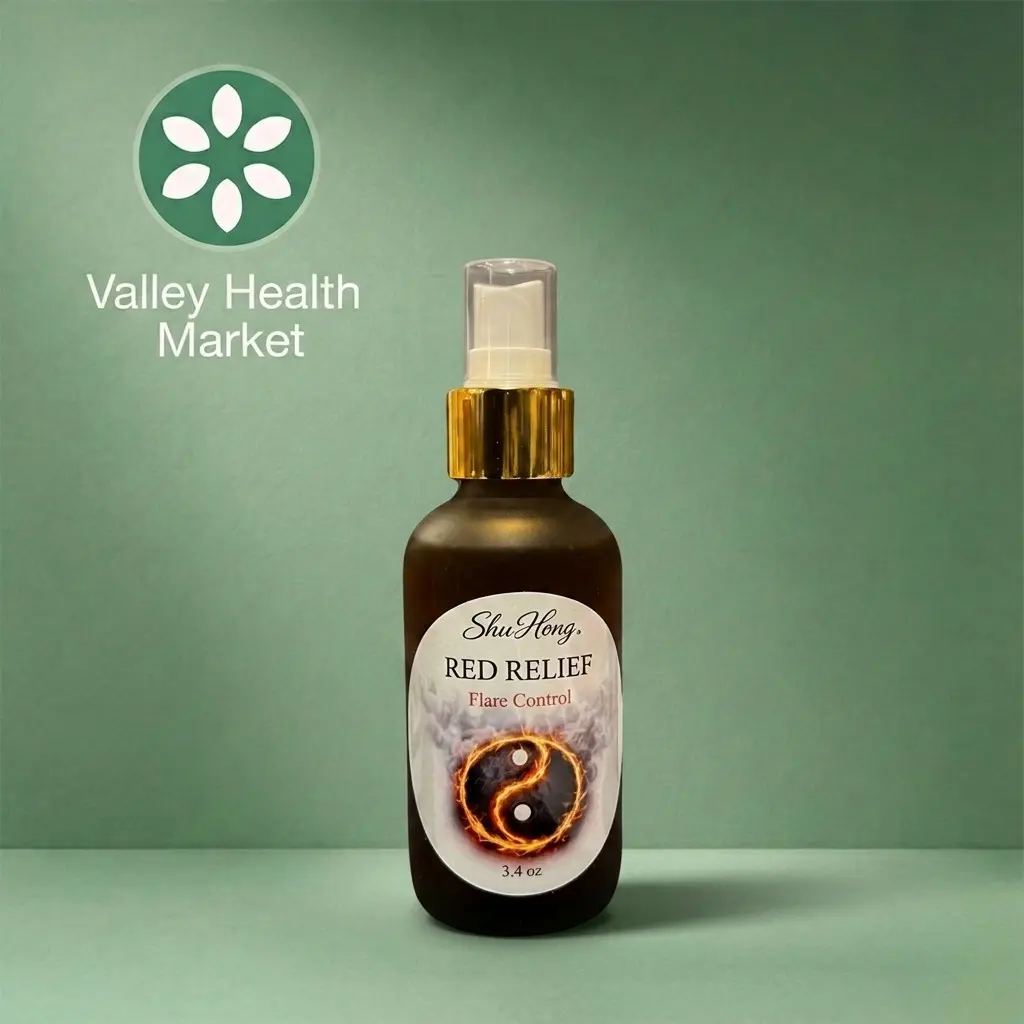
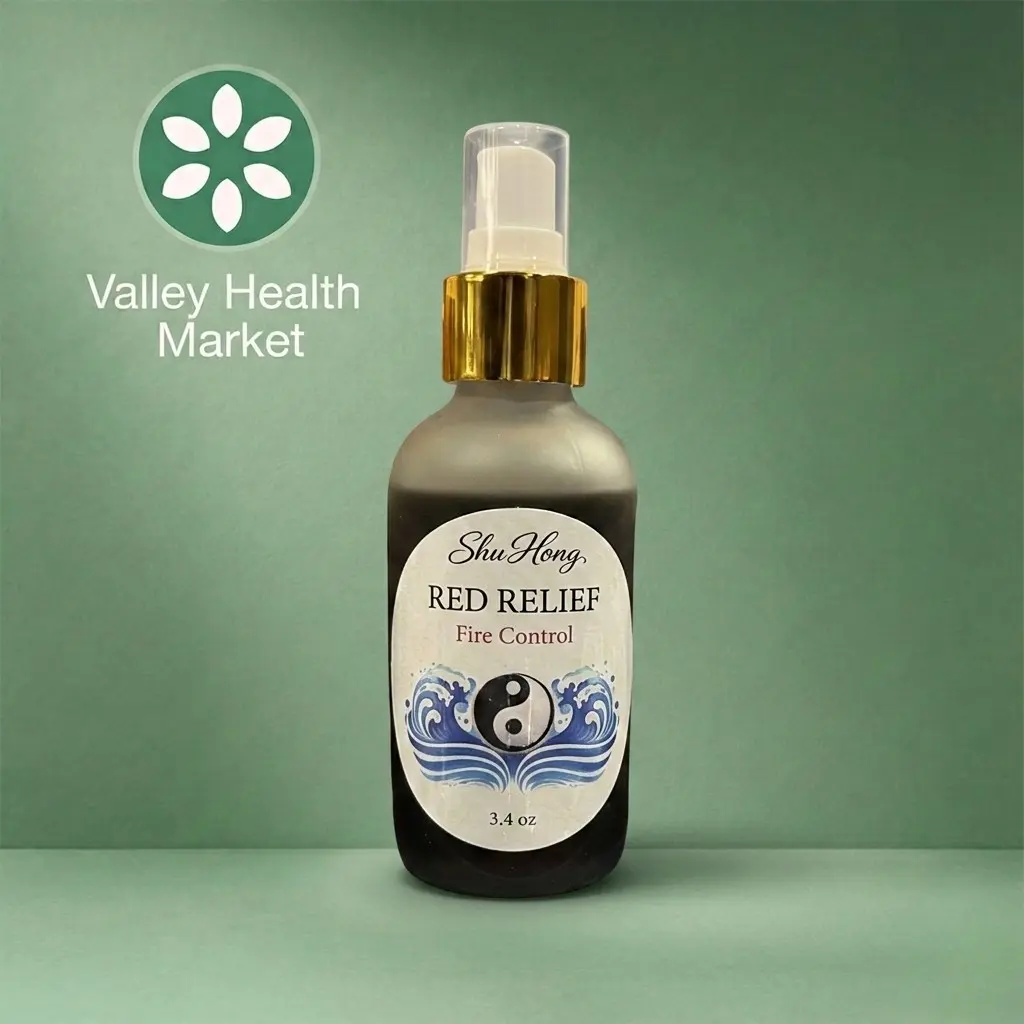
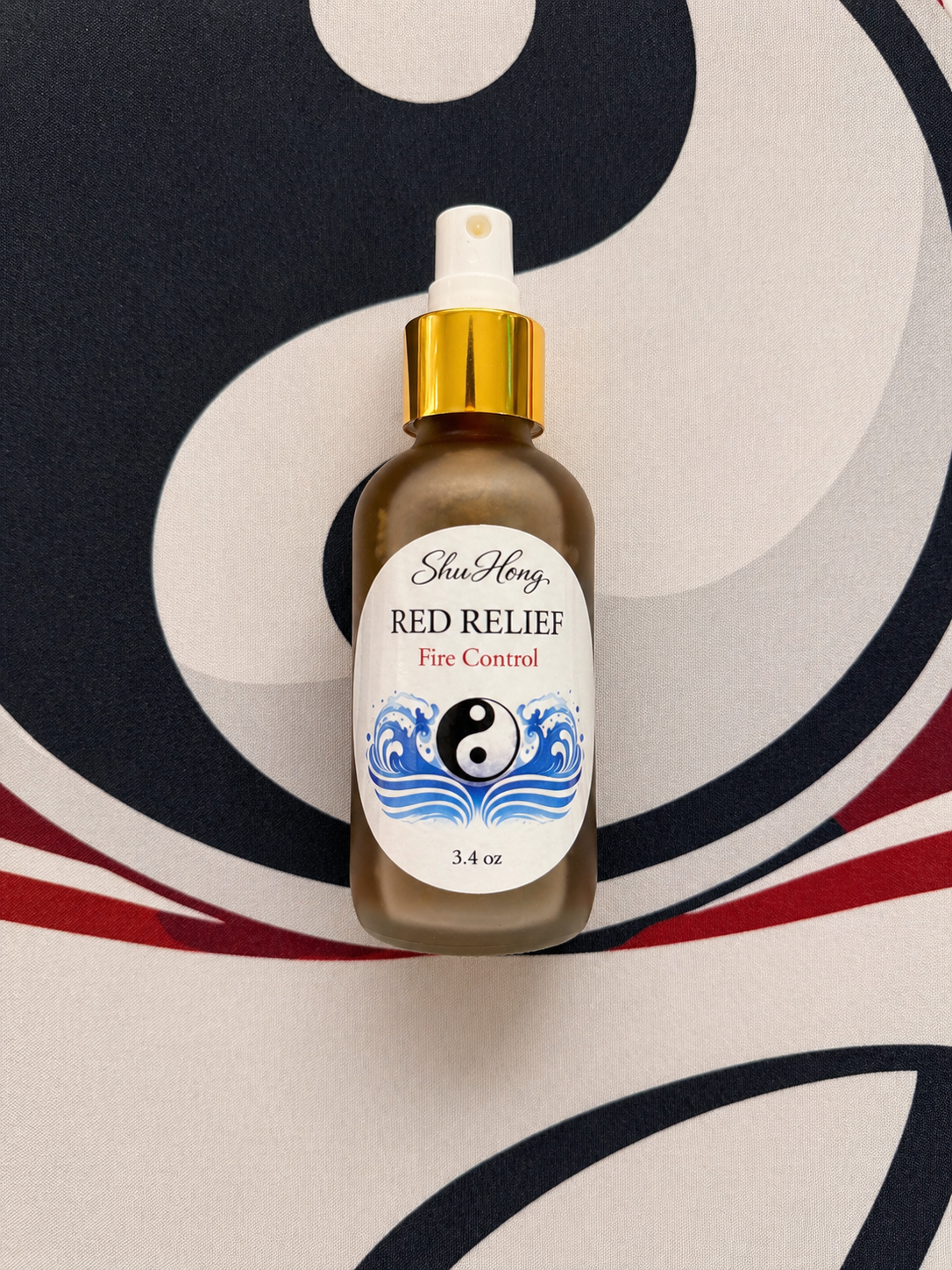
Shu Hong Balanced is designed as your daily starting point. But the Shu Hong system includes two additional targeted formulas for more complex skin conditions:
Most people start with Balanced alone. The other products are added only when needed, and your skin will tell you when.
When eczema flares, most products offer two options: a steroid cream that suppresses inflammation but weakens the barrier over the long term, or a gentle moisturizer that soothes but doesn’t address what’s actually happening. Flare Control does something different. It goes into the flare itself — drying and calming oozing lesions, stopping itch, reducing the redness and heat of active damp-heat pathology — while carrying a herbal payload that addresses the microbial and inflammatory environment driving the outbreak.
Transparency matters. While the evidence for snow mushroom’s topical benefits is growing, here is what you should know:
This is why we value Shu Hong’s approach: rather than relying on Tremella alone, it combines the mushroom with a full TCM herb formula that addresses skin health from multiple angles simultaneously.
For more on Shu Hong and Tremella mushroom skincare, visit these articles on Valley Health Market:
Some skin conditions don’t live at the surface. Burning that wakes you at night. Nerve-level pain that comes and goes without a visible rash. Psoriasis that keeps returning despite every surface treatment. Scalp itch so severe it disrupts sleep and daily function. These conditions have moved deeper — past the barrier, past the mid-layer, into the channels and nerve interfaces that standard dermatology and most topicals cannot reach.