Tag: Gut Harmony

How to Improve Your Teeth and Gum Health by Fixing Your Gut

11 minutes read

How to Improve Your Teeth and Gum Health by Fixing Your Gut

Will Sheppy, Founder and Acupuncturist at Valley Health Clinic
Willard Sheppy Dipl. OM, LAc, BS

Willard Sheppy is a licensed acupuncturist (LAc) and Founder of Valley Health Clinic specializing in using Traditional Chinese Medicine to treat acute injuries and chronic conditions, and to improve sports performance and rehabilitation.

DR-Joshua

Table of Contents

How to Improve your Teeth and Gums

A few months ago, a patient came into my clinic that I’ll call Sarah. She was in her mid-forties and had been dealing with chronic bloating, irregular digestion, and a persistent heaviness after meals that no one had been able to fully explain. We started working on her gut health, and within a few weeks she came back to her appointment and said something that caught me off guard.

“My dentist told me my gums look better.”

She hadn’t changed her brushing routine. She hadn’t started flossing more. What had changed was her gut — and that seemingly unrelated shift had shown up in her mouth.
This is the kind of connection that Chinese medicine has understood for a long time, and that modern research is only beginning to catch up to. Your mouth and your stomach are not separate systems. They are two ends of the same tube, and what happens in one affects the other in ways most people never think about.

The Gut-Oral Health Connection

What the Research Is Showing

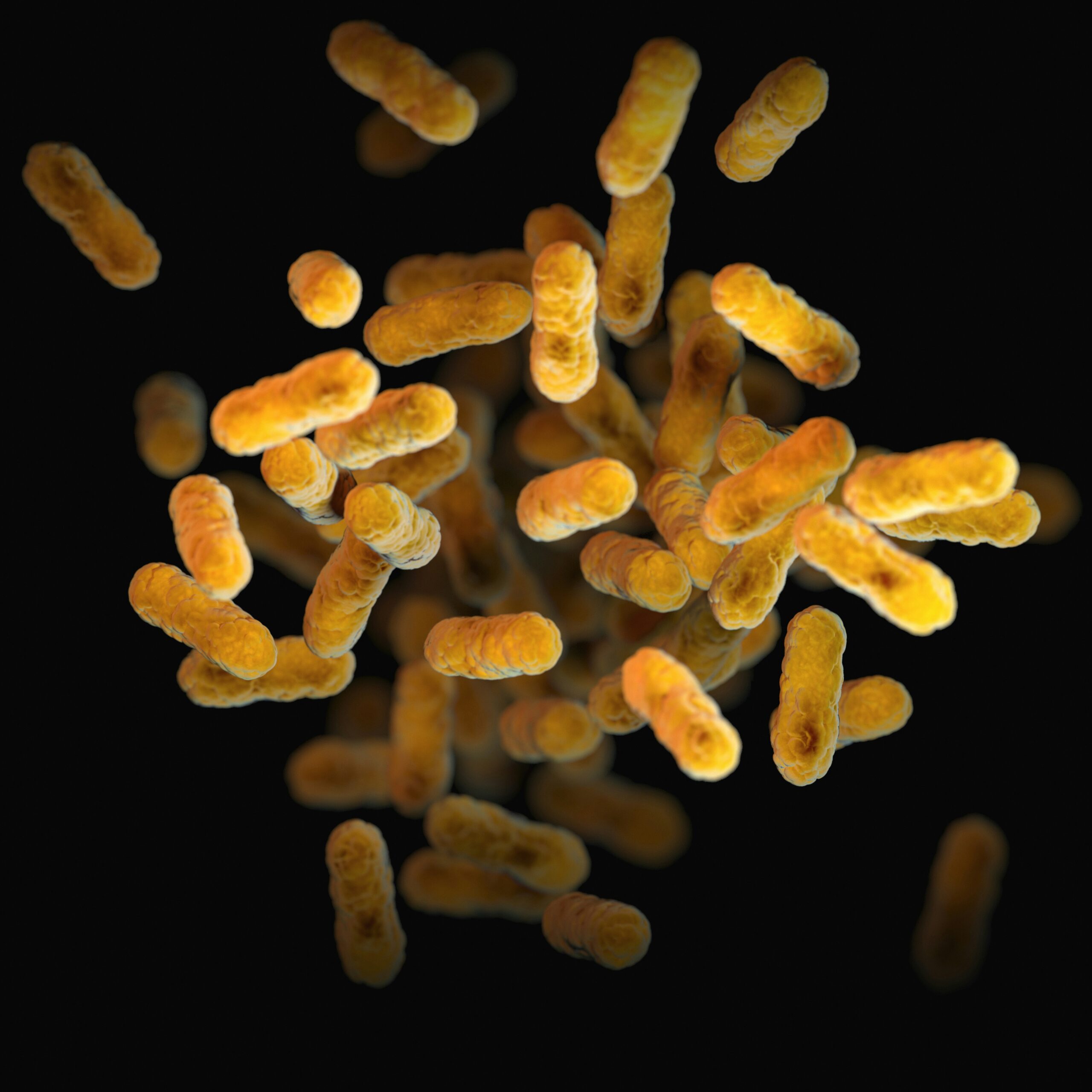
The human microbiome the trillions of bacteria that live in and on your body does not stop at your stomach. It starts in your mouth. In fact, the oral cavity harbors over 700 species of bacteria, making it one of the most complex microbial environments in the body.

Here is where it gets important: the bacteria in your mouth travel. Every time you swallow, oral bacteria make their way into your digestive tract. When the balance of those bacteria is off — what researchers call dysbiosis those imbalanced microbes can colonize the gut lining, disrupt digestion, and drive systemic inflammation. Studies have linked oral bacteria like Porphyromonas gingivalis (the main driver of gum disease) to inflammatory conditions throughout the body, including the gut.

The reverse is equally true. When the gut microbiome is damaged or out of balance, the body’s immune regulation suffers. This shows up as increased inflammation in the gums and oral tissues. Poor gut health is also linked to slower tissue repair, which is exactly what your gums need to stay healthy.


Put simply: an unhealthy gut makes it harder to keep a healthy mouth, and an unhealthy mouth makes it harder to maintain a healthy gut.

How Does Poor Gut Health Damages Your Teeth

There are several specific mechanisms at work here

Systemic inflammation

When the gut lining is compromised, what is commonly called “leaky gut,” undigested food particles and bacterial byproducts enter the bloodstream. This triggers a chronic, low-grade inflammatory response throughout the body. The gums, which are richly supplied with blood vessels, are one of the first places that inflammation shows up. Redness, bleeding, and recession are all inflammatory responses.

Nutrient malabsorption

A disrupted gut has a harder time absorbing the vitamins and minerals needed for strong teeth and healthy oral tissues. Vitamin D, calcium, magnesium, and vitamin K2 are all critical for tooth remineralization and bone density in the jaw, and they all depend on a healthy gut to be properly absorbed.

Reduced immune function

About 70% of your immune system lives in your gut. When the gut microbiome is out of balance, immune signaling throughout the body becomes dysregulated. This makes it harder for your body to defend against the bacterial biofilm that causes gum disease.

Acid reflux and stomach acid

Poor gut motility can lead to reflux, which allows stomach acid to enter the mouth. Over time, this erodes enamel, and enamel does not grow back.

How Poor Teeth Health Damages Your Gut

The other direction is just as important to understand


Periodontal disease, a chronic infection and inflammation of the gum tissue, produces a steady stream of inflammatory cytokines and pathogenic bacteria that enter the bloodstream every time you chew. These bacteria have been found in the gut, the liver, and even the plaques in cardiovascular disease.

Research from the Journal of Oral Microbiology has shown that periodontal pathogens can disrupt the gut microbiome by outcompeting beneficial bacteria and promoting pro-inflammatory microbial shifts. One study found that people with gum disease had measurably different gut microbial profiles than those with healthy gums  even after controlling for other factors.

This creates a cycle: gut dysbiosis worsens gum disease, and gum disease worsens gut dysbiosis. You cannot fully fix one without addressing the other.

What Your Tongue Is Telling You

The tongue is a powerful diagnositic tool

In Chinese medicine, we have a simple and powerful diagnostic tool that most Western practitioners never use: the tongue.

When I assess a new patient, the tongue coat, the layer of coating on the tongue’s surface, tells me a tremendous amount about the state of their digestive system. A healthy tongue has a thin, white, moist coat. This reflects a balanced gut microbiome and proper digestive function.

A thick, greasy, or yellow coat tells a different story. It often indicates what we call “dampness” in Chinese medicine: a buildup of metabolic byproducts, poor gut motility, digestive tract inflammation, or a microbiome out of balance. The thickness and color of that coat correlate directly with how the gut is functioning.

When Sarah first came in, she had a notably thick tongue coat. It was one of the first things I documented. As we worked on her digestion over the following weeks, that coating began to thin. And her gums began to improve.

This is not a coincidence. The tongue coat is a window into the gut, and the gums are another expression of the same underlying health.

Practical Steps to Improve Both Gut and Oral Health

What You Can Do

What We Did for Sarah

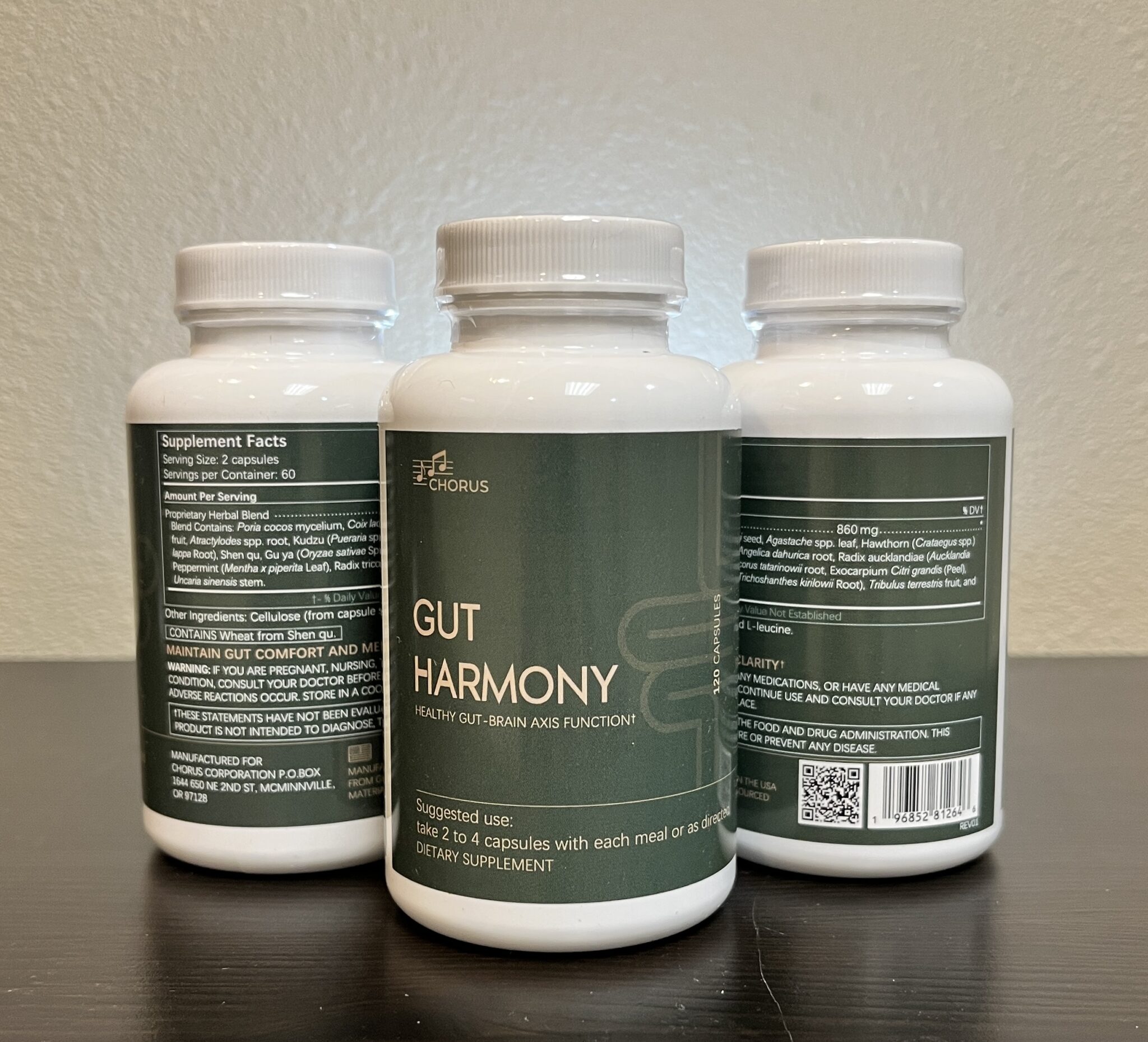
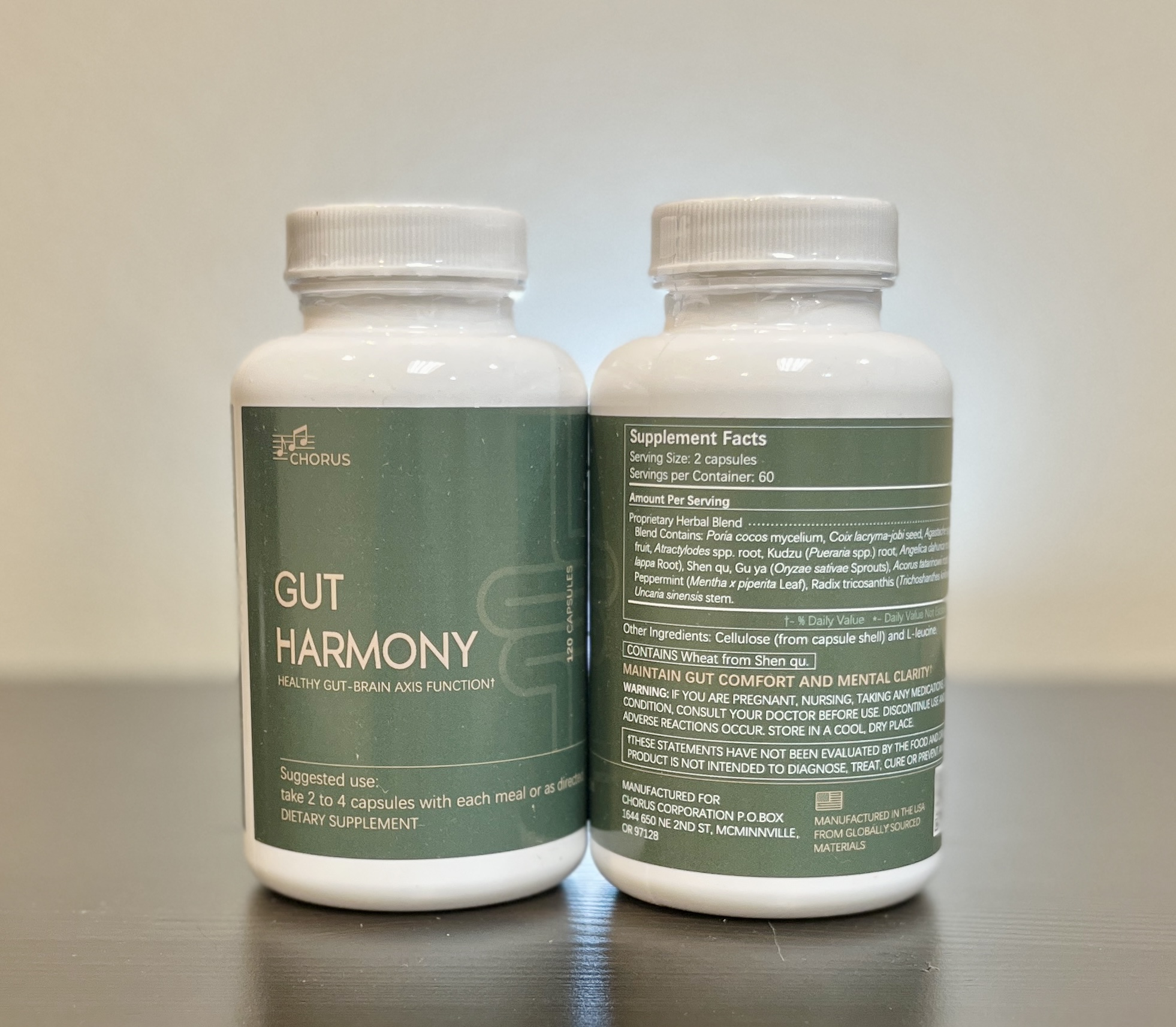
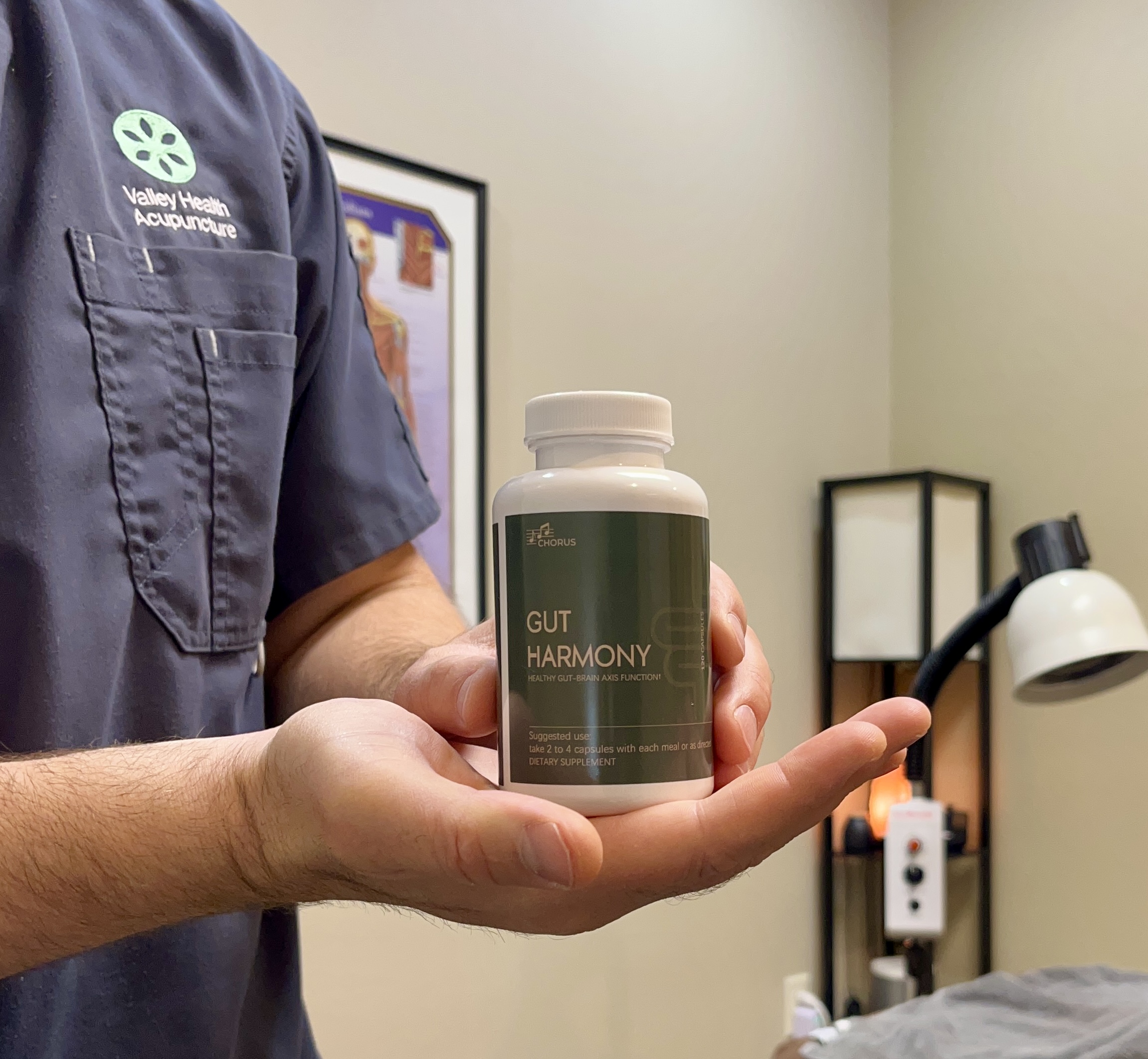
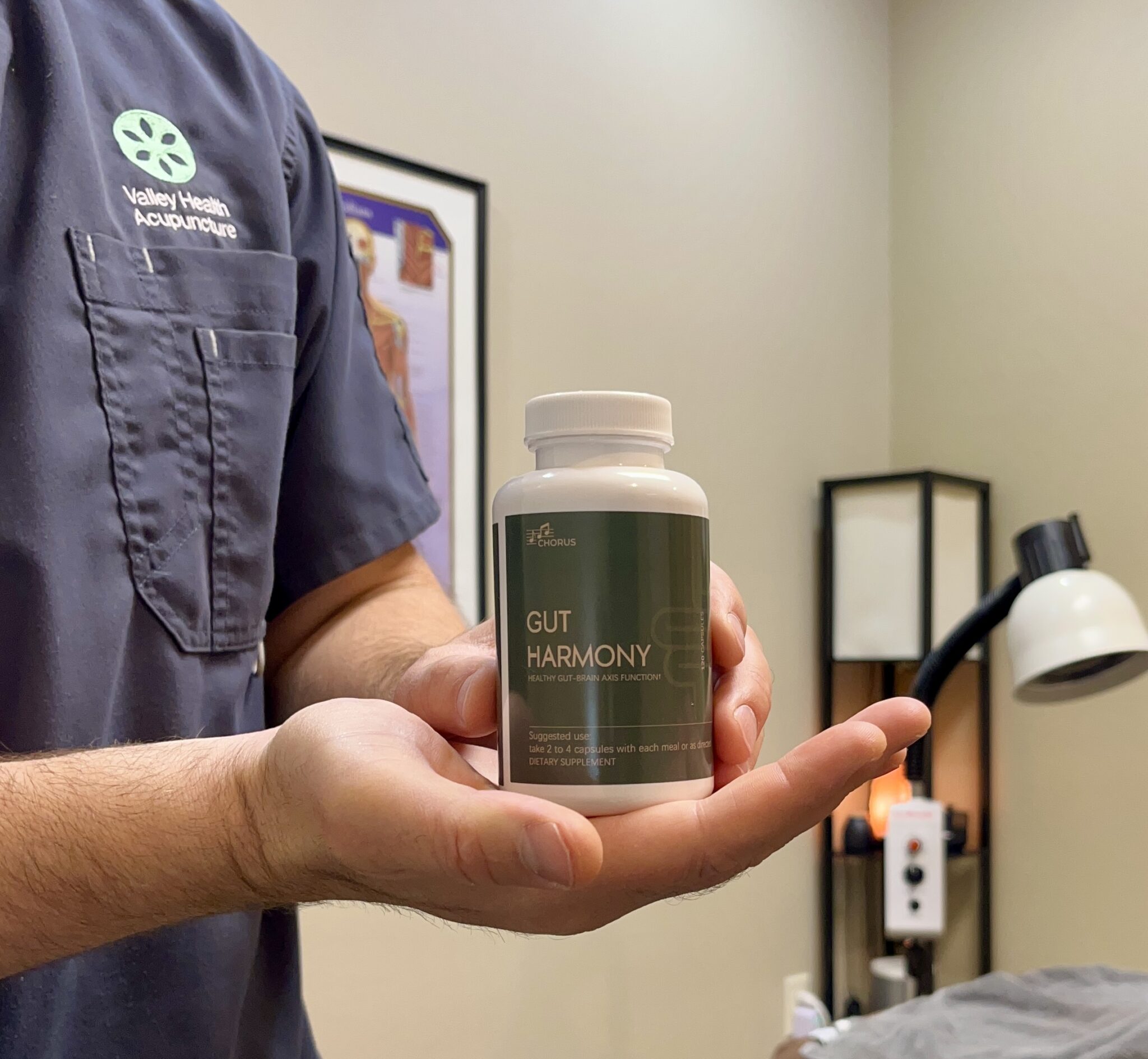
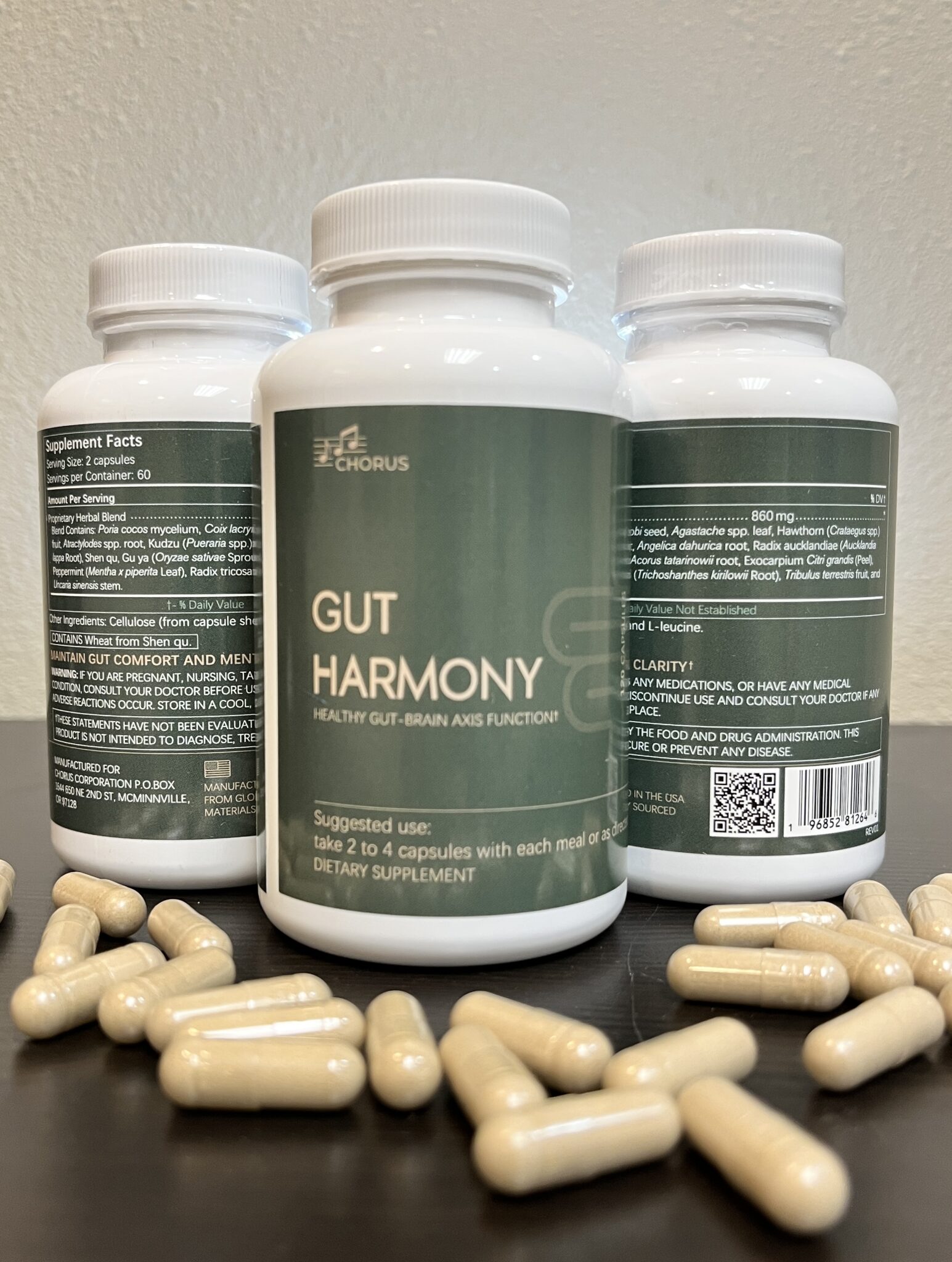
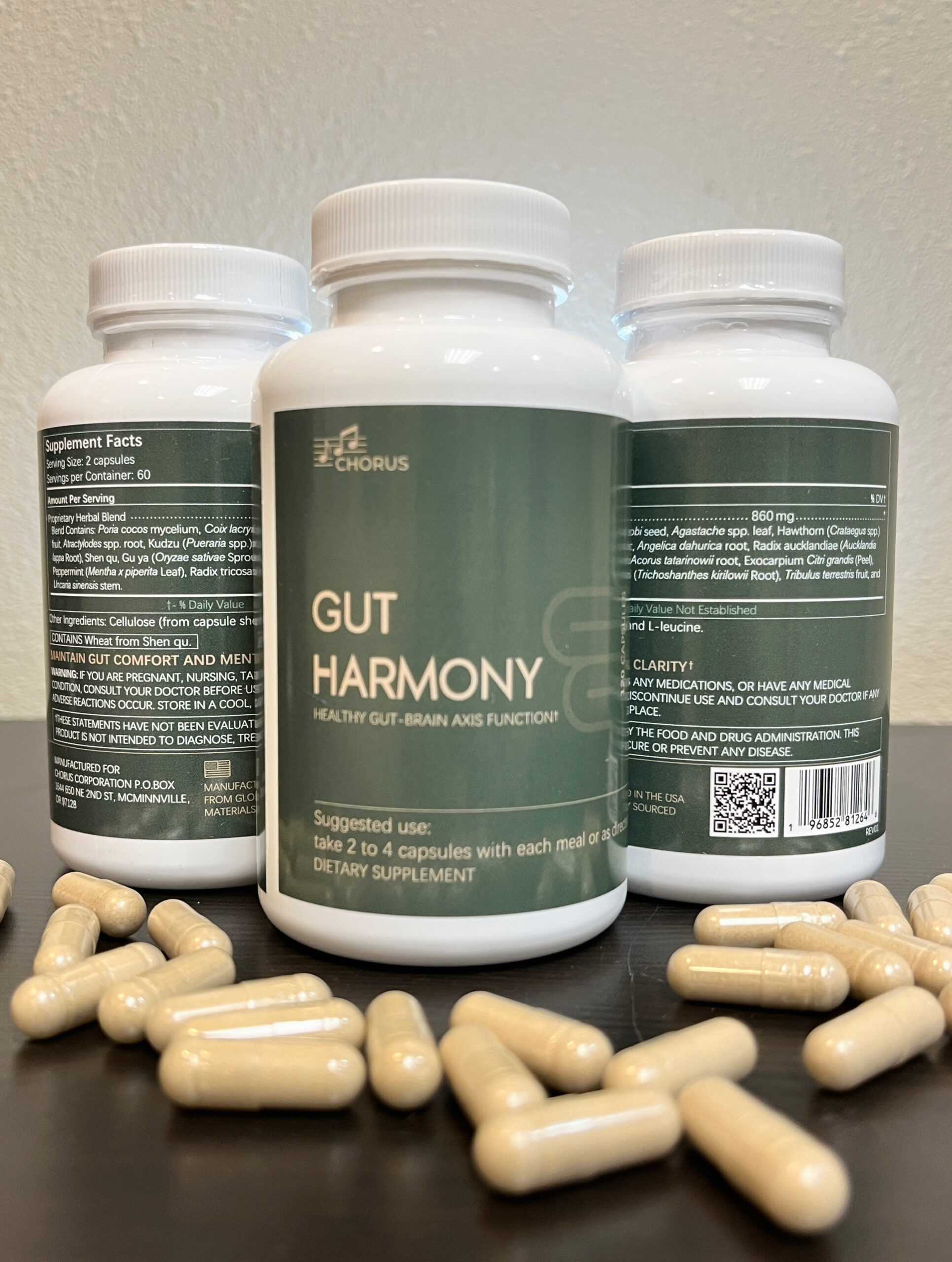
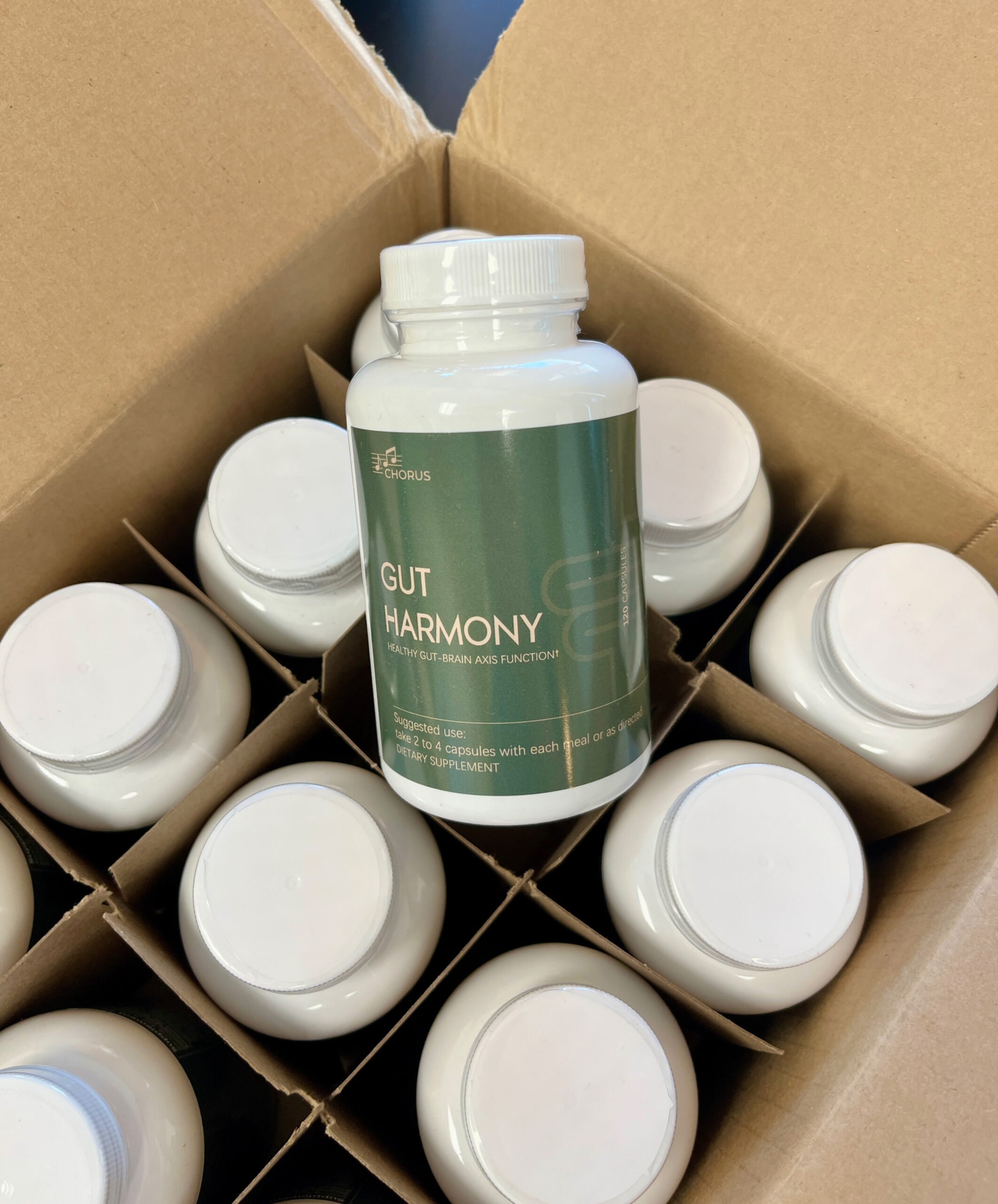
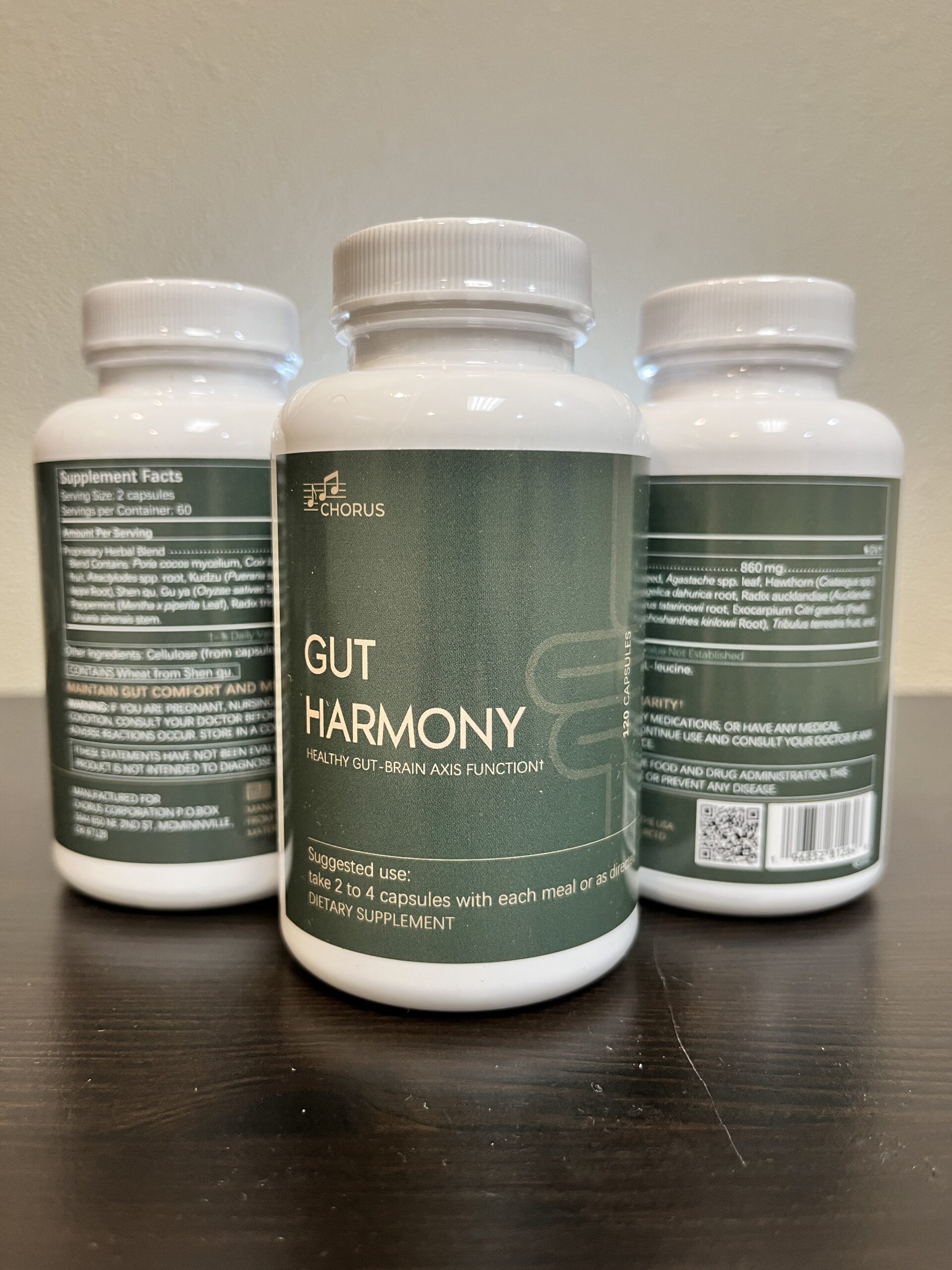
After evaluating Sarah’s tongue coat, her digestion, and her symptoms, I recommended we start with Gut Harmony, a 16-herb formula designed to reduce bloating, improve gut motility, and restore microbiome balance.
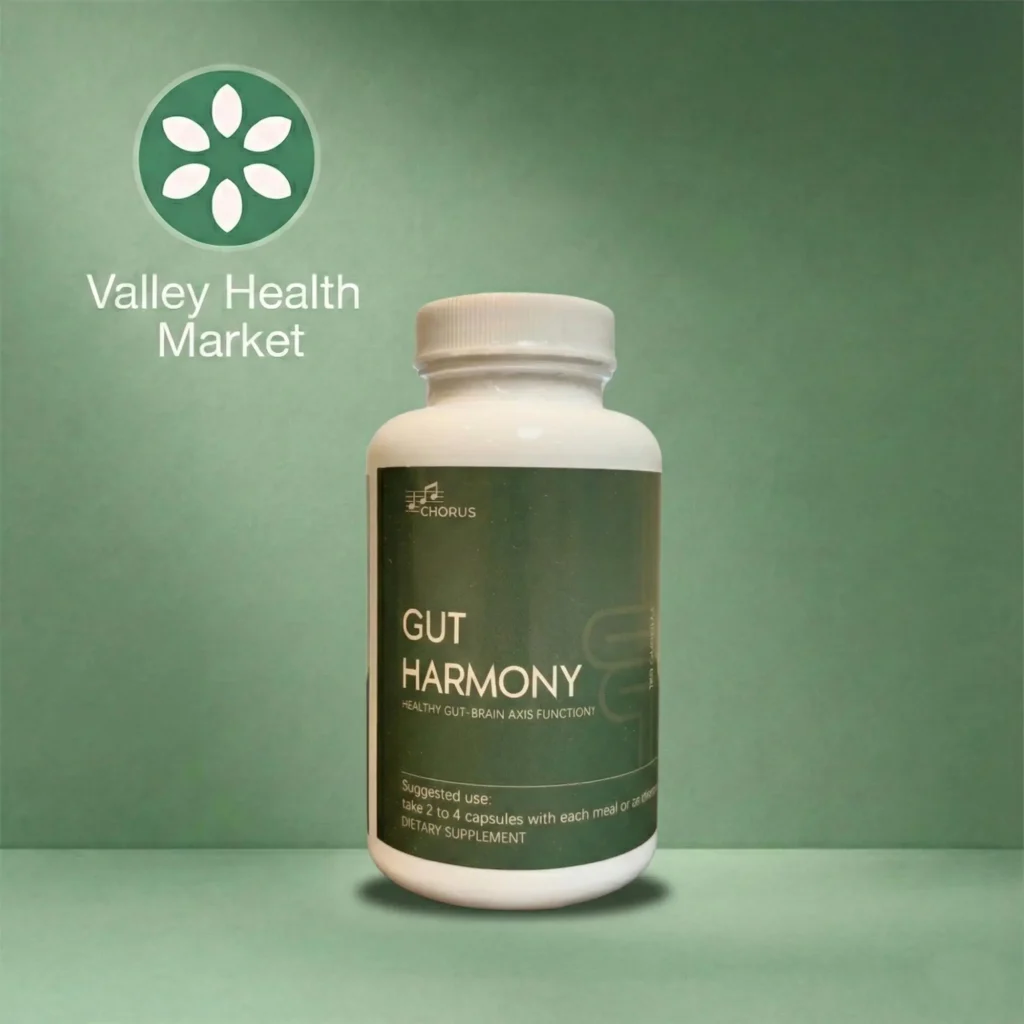
Gut Harmony

What I appreciate about Gut Harmony is that it does not just mask symptoms the way antacids or even probiotics often do. 

Within about three weeks, Sarah’s tongue coat had thinned noticeably. Her bloating was much improved. Her energy was better. And her dentist — who had no idea she was working on her gut health — commented that her gum tissue looked healthier and less inflamed.

Your mouth and your gut are in constant communication. The bacteria you harbor in your gums can affect your intestinal microbiome, and the health of your gut microbiome directly influences the strength of your immune response in your oral tissues. A thick tongue coat, gum inflammation, and chronic bloating are often three expressions of the same underlying imbalance..

When Sarah’s digestion improved, her gums followed. That is not magic, it is the body working as an integrated system, the way Chinese medicine has always understood it to work.


If you are dealing with digestive issues and oral health concerns and have not seen a connection between the two, I would encourage you to look at both together. Start with your tongue. Start with your gut. The results may surprise you.

Related Reading

Share on

Will Sheppy, Founder and Acupuncturist at Valley Health Clinic
Willard Sheppy
Willard Sheppy is a licensed acupuncturist (LAc) and Founder of Valley Health Clinic specializing in using Traditional Chinese Medicine to treat acute injuries and chronic conditions, and to improve sports performance and rehabilitation.

FAQ's

About Microgard
What is Microgard?
Microgard is a 16-herb formula evolved from the traditional digestive remedies Bao He Wan and Po Chai Pills, refined for functional dyspepsia (chronic indigestion). It addresses multiple causes of persistent upset stomach at the same time, from poor motility to inflammation and gut-brain signaling.
Take 8–25 micro pills, 2–3 times daily, or follow your healthcare practitioner’s instructions. Because these are micro pills — much smaller than standard capsules or tablets — the dosage may sound high, but the tiny size makes them easy to swallow and adjust to your needs.
Each bottle contains 18 g of traditional micro pills. Since there are no preservatives, keep the bottle in a cool, dry place and refrigerate after opening. For best results, finish the bottle as soon as possible once opened.
If you eat a Standard American Diet, have chronic indigestion (functional dyspepsia) or other digestive symptoms, and have signs of gut dysbiosis like a thick tongue coating, Microgard is likely a good formula for you. If you are unsure about Microgard, contact a TCM professional (licensed acupuncturist) who can determine if it’s the best fit.
Yes. Microgard contains no additives or preservatives, only the 16 traditional herbs. Ingredients are sourced from authentic growing regions, verified by TCM botanical experts, and tested for purity, heavy metals, and pesticide residues at a Chinese FDA-certified lab.
Microgard is not suitable during pregnancy, or for people with Celiac Disease. Consult your healthcare practitioner if you are nursing or taking medications.
Many people notice reduced bloating and post-meal heaviness within 1–2 weeks. More complete resolution of functional dyspepsia symptoms develops over several months as digestive function rebalances.
Most digestive aids only target one problem acid blockers reduce acid, enzymes help with breakdown, probiotics support gut bacteria. Microgard does all three plus more: improving motility, calming inflammation, protecting the stomach lining, and regulating the gut-brain axis. That’s why it’s uniquely effective for complex conditions like functional dyspepsia.
Microgard is manufactured by Botanical Biohacking, using time-honored herbal methods combined with modern GMP-certified quality testing to ensure safety and potency.

Support Your Gut the Smart Way

If fiber has helped you sometimes—and hurt you other times—it’s not in your head.
It’s about choosing the right type of fiber and supporting your microbiome gently.

 Try Gut Harmony and let your gut rebalance itself.
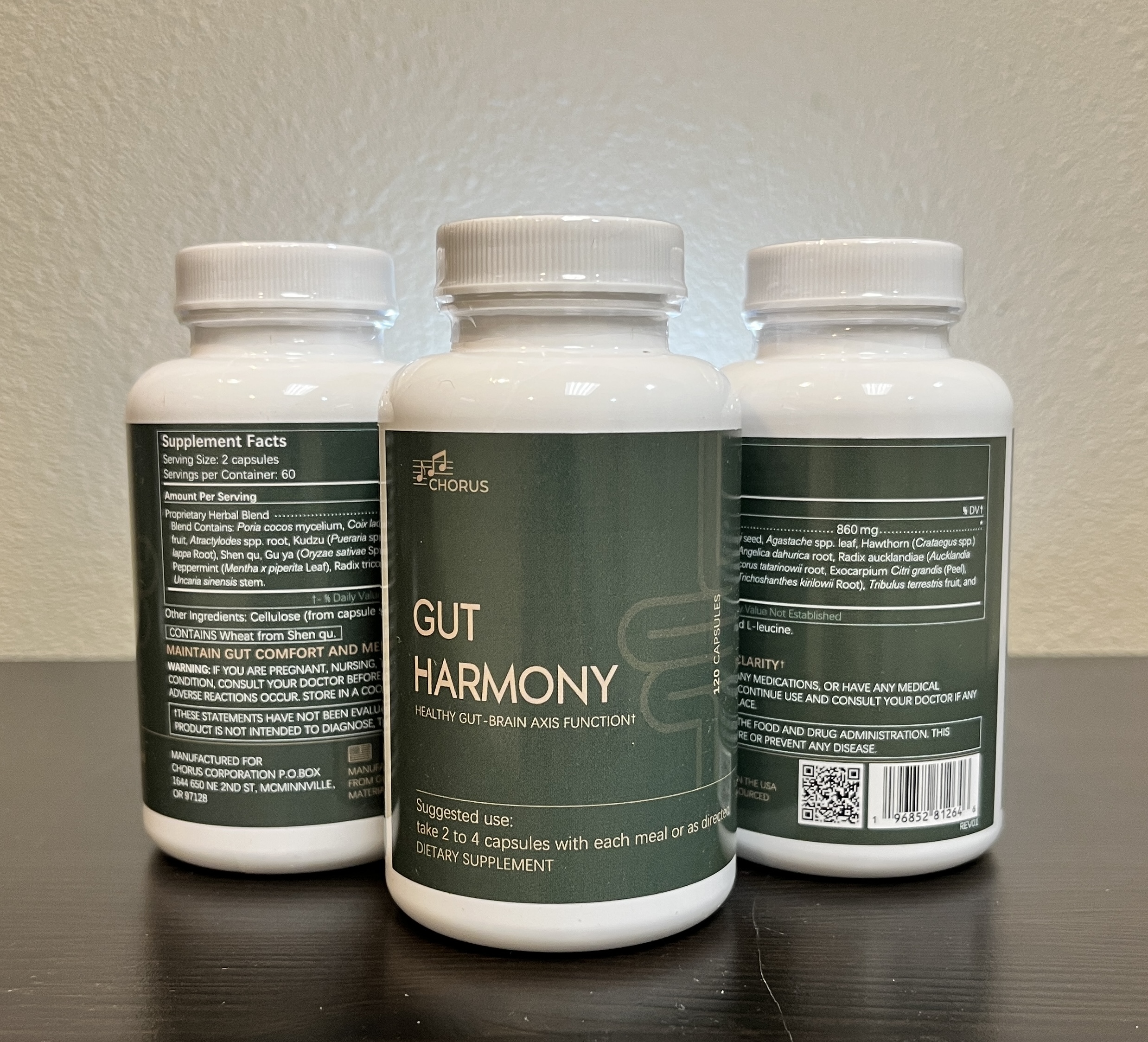
Frequently Asked Questions About Gut Health, Probiotics, and Gut Harmony

11 minutes read

Frequently Asked Questions About Gut Health, Probiotics, and Gut Harmony

Brehan Crawford

Brehan Crawford is a licensed acupuncturist, herbalist, educator, and the founder of Gut Harmony. He graduated in 2009 from the Oregon College of Oriental Medicine with a Master’s degree in Acupuncture and Oriental Medicine, and went on to complete five years of advanced clinical residency at the Hai Shan Clinic. During this time, he studied Chinese herbal medicine under the direct supervision of Heiner Fruehauf, a renowned scholar and clinician known for his work with chronic infectious and recalcitrant medical conditions.

Brehan Crawford, Owner of Crawford Wellness

Table of Contents

FAQs About Gut Health, Probiotics, and Gut Harmony

A clinical conversation with Brehan Crawford, founder of Gut Harmony
In this interview, I sat down with Brehan Crawford to answer the most frequently searched questions about gut health, probiotics, the microbiome, and Gut Harmony. These are real questions people are typing into Google every day and the answers are often more nuanced than marketing headlines suggest.
This article will explain how fiber really works, how Traditional Chinese Medicine (TCM) helps us understand fiber tolerance, and why formulas like Gut Harmony focus on feeding beneficial bacteria rather than forcing probiotics into an already stressed system.

What is the difference between Gut Harmony and probiotics?

Gut Harmony is made from plants. Probiotics are made from bacteria.
Most commercial probiotics contain bacteria that are dead by the time you ingest them, or they die quickly due to stomach acid and immune defenses. Statistically, the vast majority of probiotics do very little for most people.
Gut Harmony does not contain bacteria at all. Instead, it is a plant-based formula composed of sixteen herbs that act as prebiotics they feed and shape the bacteria you already have.
Rather than trying to “add” new organisms, Gut Harmony works by changing the environment of the gut so your existing, native flora can rebalance themselves.

Why do probiotics help some people and make others worse?

Probiotics statistically help a very small percentage of people often cited at around 1% or less. They can also make a similarly small percentage feel worse.
If a probiotic strain happens to survive digestion and happens to match what your gut ecosystem needs, it may help. If it survives and is the wrong strain for your system, it can worsen symptoms such as bloating, gas, or inflammation.
Most of the time, probiotics simply pass through without colonizing.
Think of it like gardening. Dropping plants into frozen soil doesn’t create a garden. You must first prepare the environment.

Is Gut Harmony just probiotics without the bacteria?

No.
Gut Harmony contains prebiotic plants, not bacterial organisms. Several herbs in the formula selectively feed beneficial bacteria:
In addition, Gut Harmony helps thin excessive mucus and biofilm, which allows healthy bacteria already present to thrive again.
This is ecological repair, not bacterial replacement.

What mistake do most people make with gut supplements?

Two major mistakes:

First, people take the wrong supplement for their pattern. Gut Harmony is not appropriate for everyone. Tongue diagnosis used extensively in Chinese medicine can give important clues.
Gut Harmony helps, a thick tongue coating which often correlates with excess biofilm and stagnation. A cracked, dry, or peeled tongue suggests deficiency, where Gut Harmony is not be appropriate.
Second, people assume supplements alone will fix gut health.Even the best formula cannot overcome a diet entirely lacking fiber or overloaded with sugar, alcohol, and processed fats.
That said, perfection is not required. Gut health improves with consistency, not rigidity.

What helps gut inflammation naturally?

Inflammation itself is not inherently bad. Controlled inflammation is necessary for healing and tissue turnover in the gut.
Problems arise when inflammation becomes excessive or deficient.
Many culinary spices ginger, cinnamon, cloves, fennel naturally regulate gut inflammation.
Chronic over-restriction, such as long-term raw or cold diets, can suppress necessary inflammatory warmth and predispose to fungal overgrowth such as Candida.

Try Gut Harmony Today

Ready to support your gut naturally? Buy Gut Harmony now and start feeling the difference within weeks

Why does Gut Harmony work when probiotics fail?

Because Gut Harmony works on motility, fluid secretions and enzymes, and intestinal environment, not just microbes.
The formula supports:
Motility is one of the most underappreciated aspects of gut health. The gut is not static it must move rhythmically. Stress directly disrupts this system.
Research context:
Bile secretion/bile acids as a “master gardener” of gut flora (bile strongly shapes microbiome ecology)

What should you feel when a gut supplement is working?

You should feel better.
Clinically, Gut Harmony tends to help people who feel relief after bowel movements. If abdominal discomfort improves after stool passage, it suggests an excess pattern that Gut Harmony often addresses well.
If discomfort worsens after bowel movements, the formula is likely not appropriate.
Pressure testing can also help:
These patterns correlate with nitric oxide and hydrogen sulfide signaling in the colon.

How do I know if my microbiome is unhealthy?

Key signs include:
A healthy bowel pattern is typically 1–3 easy, complete bowel movements daily.
Tongue coating often changes before symptoms appear, acting as an early warning sign.

Can probiotics cause bloating or gas?

Yes, if they do anything at all.
Short-term bloating (3–5 days) can occasionally indicate microbial shifts. With Gut Harmony, temporary bloating sometimes occurs during early biofilm breakdown, but it typically resolves within one to two weeks.
Tongue changes and bowel regularity are better indicators than gas alone.

Share on

Brehan Crawford

Brehan has pursued extensive post-graduate training with leading practitioners in the field and has pioneered innovative approaches to using Chinese herbal medicine in the treatment of chronic infections, including Lyme disease and associated coinfections. His primary clinical focus is working with patients suffering from chronic Lyme disease, as well as complex conditions such as chronic pain, fibromyalgia, chronic fatigue, neurovascular disorders including stroke rehabilitation and neuropathy and oncology support.

In addition to his clinical work, Brehan is a respected educator who regularly teaches Chinese Medicine professionals advanced herbal strategies for complex, chronic cases and long-term disease management. He is widely known for his gentle, compassionate approach to patients who have often spent years or decades searching for effective care. Outside of practice, Brehan is a devoted husband and father who enjoys singing, cooking, hiking, and practicing martial arts.

FAQ's

About Microgard
What is Microgard?
Microgard is a 16-herb formula evolved from the traditional digestive remedies Bao He Wan and Po Chai Pills, refined for functional dyspepsia (chronic indigestion). It addresses multiple causes of persistent upset stomach at the same time, from poor motility to inflammation and gut-brain signaling.
Take 8–25 micro pills, 2–3 times daily, or follow your healthcare practitioner’s instructions. Because these are micro pills — much smaller than standard capsules or tablets — the dosage may sound high, but the tiny size makes them easy to swallow and adjust to your needs.
Each bottle contains 18 g of traditional micro pills. Since there are no preservatives, keep the bottle in a cool, dry place and refrigerate after opening. For best results, finish the bottle as soon as possible once opened.
If you eat a Standard American Diet, have chronic indigestion (functional dyspepsia) or other digestive symptoms, and have signs of gut dysbiosis like a thick tongue coating, Microgard is likely a good formula for you. If you are unsure about Microgard, contact a TCM professional (licensed acupuncturist) who can determine if it’s the best fit.
Yes. Microgard contains no additives or preservatives, only the 16 traditional herbs. Ingredients are sourced from authentic growing regions, verified by TCM botanical experts, and tested for purity, heavy metals, and pesticide residues at a Chinese FDA-certified lab.
Microgard is not suitable during pregnancy, or for people with Celiac Disease. Consult your healthcare practitioner if you are nursing or taking medications.
Many people notice reduced bloating and post-meal heaviness within 1–2 weeks. More complete resolution of functional dyspepsia symptoms develops over several months as digestive function rebalances.
Most digestive aids only target one problem acid blockers reduce acid, enzymes help with breakdown, probiotics support gut bacteria. Microgard does all three plus more: improving motility, calming inflammation, protecting the stomach lining, and regulating the gut-brain axis. That’s why it’s uniquely effective for complex conditions like functional dyspepsia.
Microgard is manufactured by Botanical Biohacking, using time-honored herbal methods combined with modern GMP-certified quality testing to ensure safety and potency.

Why doesn’t adding bacteria always fix gut problems?

Because bacteria are fragile and difficult to establish.
The only consistently effective bacterial intervention recognized by the FDA is fecal microbiota transplantation for severe C. difficile infection. This highlights how hard true colonization is.
Most probiotics simply cannot replicate that effect.

How long does Gut Harmony take to work?

Most people notice changes within two weeks. By 30 days, it is usually clear whether the formula is a good fit.
This timeframe reflects the natural turnover and rebalancing rate of the gut microbiome.
Many patients take probiotics for years without benefit because they are addressing the wrong mechanism. Gut Harmony focuses on restoring ecological balance supporting digestion, motility, inflammation, and microbial terrain.
As Brehan emphasized repeatedly: watch your tongue, observe your digestion, and pay attention to how your body responds. Gut health is not about force it is about alignment.

What Type of Fiber Is the Best?

Gut Harmony
10 minutes read

What Type of Fiber Is the Best?

Will Sheppy, Founder and Acupuncturist at Valley Health Clinic
Willard Sheppy Dipl. OM, LAc, BS

Willard Sheppy is a licensed acupuncturist (LAc) and Founder of Valley Health Clinic specializing in using Traditional Chinese Medicine to treat acute injuries and chronic conditions, and to improve sports performance and rehabilitation.

DR-Joshua
Gut Harmony

Table of Contents

What Type of Fiber Is the Best?

Here’s what most people don’t know about fiber.
If you’ve ever wondered “what type of fiber is the best?” and felt confused by conflicting advice, you’re not alone. The truth is, there is no single “best” fiber for everyone. The best fiber is the one that matches your digestion, microbiome, and personal gut pattern.
This article will explain how fiber really works, how Traditional Chinese Medicine (TCM) helps us understand fiber tolerance, and why formulas like Gut Harmony focus on feeding beneficial bacteria rather than forcing probiotics into an already stressed system.

What Is Fiber ?

Fiber is any part of food that passes through your digestive tract without being fully digested. Most fiber comes from plants, but not all plant fibers act the same way in the body.
At a basic level, fiber is divided into soluble and insoluble, but this alone doesn’t explain how someone will feel after eating it.
A helpful way to think about fiber is how it interacts with water, digestion speed, hormones, and gut bacteria.

Soluble vs Insoluble Fiber

Soluble Fiber: The “Water-Loving” Fibers

Soluble fiber is hydrophilic, meaning it absorbs water and often forms a gel-like substance in the gut. A classic example is chia seeds swelling in liquid.
These fibers tend to slow digestion, reduce blood sugar spikes, bind excess estrogen, and help the body clear cholesterol. For many people, soluble fiber feels calming and regulating—but if digestion is already sluggish, too much can cause heaviness or bloating.
Foods rich in soluble fiber include the inner portions of plants, such as oats, beans, apples (especially the flesh), potatoes, chia seeds, and psyllium.

Insoluble Fiber: The “Water-Repelling” Fibers

Insoluble fiber is hydrophobic and does not dissolve in water. It adds bulk and speeds digestion, acting more like a broom through the intestines.
This fiber is found primarily in the skins and structural parts of plants, such as leafy greens, wheat bran, vegetable peels, nuts, and seeds.
Insoluble fiber can be extremely helpful for constipation caused by slow motility. However, for people with diarrhea, urgency, or sensitive inflamed guts, it can make symptoms worse.

Why Soluble vs Insoluble Isn’t Enough

Modern research shows that the most important fiber properties are not just solubility, but viscosity and fermentability.
Some soluble fibers form thick gels that stabilize digestion. Others ferment rapidly and produce gas. Some fibers feed beneficial bacteria gently, while others overwhelm sensitive microbiomes.
This is where Traditional Chinese Medicine provides a surprisingly useful lens.

How TCM Explains Fiber Tolerance

In TCM, foods are described as warming, cooling, or neutral, based on how they affect digestion, circulation, and bodily balance.
Loose stools are often described as “cold and damp.” Hard, dry stools are often associated with “heat.” While these are symbolic terms, they map well onto modern concepts like motility, inflammation, hydration, and fermentation.

From this perspective:

This helps explain why someone may feel worse with raw salads, smoothies, or “cold foods”—it’s often not the temperature, but the fiber type, preparation method, and fermentation load.Loose stools are often described as “cold and damp.” Hard, dry stools are often associated with “heat.” While these are symbolic terms, they map well onto modern concepts like motility, inflammation, hydration, and fermentation.

Why fiber helps and hurts digestion.

Viscous, Soluble Fiber (Often the Most Balanced)

These fibers form gels that slow digestion, reduce blood sugar spikes, and lower LDL cholesterol. They are often better tolerated than fast-fermenting fibers.
Foods include oats, barley, psyllium, okra, and eggplant.
For many people, these fibers feel stabilizing and neutral, making them a good starting point.

Rapidly Fermentable Soluble Fiber (High-FODMAP)

These fibers feed gut bacteria quickly and can increase short-chain fatty acids, but they also commonly cause gas, bloating, and pressure in people with IBS or SIBO-like patterns.
Foods include onions, garlic, leeks, chicory root, Jerusalem artichokes, and many legumes.
Some people thrive on these foods. Others flare badly. This is highly individual.

Insoluble, Coarse Fiber

These fibers increase stool bulk and speed transit. They are helpful when constipation is driven by sluggish movement, but can worsen diarrhea or gut irritation.
Foods include wheat bran, vegetable skins, nuts, seeds, and coarse leafy greens.

Resistant Starch: A Special Case

Resistant starch passes through the small intestine and ferments later in the colon. It often feeds beneficial bacteria with less gas than inulin-type fibers.
Foods include green bananas and cooked-and-cooled potatoes, rice, and pasta.
For many people, resistant starch is a gentler way to support the microbiome.

Gut Harmony

Restore digestive balance with Gut Harmony, a comprehensive 16-herb formula crafted to reduce bloating, improve gut motility, and support a healthy microbiome.

How Gut Harmony Supports the “Right” Fiber.

Most gut products try to force change by adding probiotics. Gut Harmony works differently.
Gut Harmony is a prebiotic, terrain-shifting herbal formula designed to feed beneficial bacteria that are already present.

The fibers and herbs in Gut Harmony selectively nourish key microbes:

Rather than flooding the gut with new bacteria, Gut Harmony helps shift the environment:

This is why Gut Harmony is not a probiotic.
It is a microbiome-supporting, fiber-based herbal strategy.

What Type of Fiber Is the Best?

The best fiber is the one your gut can actually use.
If you have dry, hard stools and sluggish digestion, soluble viscous fibers and gentle resistant starch may help.
If you have bloating and gas, reducing rapidly fermentable fibers may be key.
If you have loose stools or urgency, coarse insoluble fiber may need to be limited.

Fiber works best when it matches your pattern, not when it follows a one-size-fits-all rule.

Share on

Will Sheppy, Founder and Acupuncturist at Valley Health Clinic
Willard Sheppy
Willard Sheppy is a licensed acupuncturist (LAc) and Founder of Valley Health Clinic specializing in using Traditional Chinese Medicine to treat acute injuries and chronic conditions, and to improve sports performance and rehabilitation.

FAQ's

About Microgard
What is Microgard?
Microgard is a 16-herb formula evolved from the traditional digestive remedies Bao He Wan and Po Chai Pills, refined for functional dyspepsia (chronic indigestion). It addresses multiple causes of persistent upset stomach at the same time, from poor motility to inflammation and gut-brain signaling.
Take 8–25 micro pills, 2–3 times daily, or follow your healthcare practitioner’s instructions. Because these are micro pills — much smaller than standard capsules or tablets — the dosage may sound high, but the tiny size makes them easy to swallow and adjust to your needs.
Each bottle contains 18 g of traditional micro pills. Since there are no preservatives, keep the bottle in a cool, dry place and refrigerate after opening. For best results, finish the bottle as soon as possible once opened.
If you eat a Standard American Diet, have chronic indigestion (functional dyspepsia) or other digestive symptoms, and have signs of gut dysbiosis like a thick tongue coating, Microgard is likely a good formula for you. If you are unsure about Microgard, contact a TCM professional (licensed acupuncturist) who can determine if it’s the best fit.
Yes. Microgard contains no additives or preservatives, only the 16 traditional herbs. Ingredients are sourced from authentic growing regions, verified by TCM botanical experts, and tested for purity, heavy metals, and pesticide residues at a Chinese FDA-certified lab.
Microgard is not suitable during pregnancy, or for people with Celiac Disease. Consult your healthcare practitioner if you are nursing or taking medications.
Many people notice reduced bloating and post-meal heaviness within 1–2 weeks. More complete resolution of functional dyspepsia symptoms develops over several months as digestive function rebalances.
Most digestive aids only target one problem acid blockers reduce acid, enzymes help with breakdown, probiotics support gut bacteria. Microgard does all three plus more: improving motility, calming inflammation, protecting the stomach lining, and regulating the gut-brain axis. That’s why it’s uniquely effective for complex conditions like functional dyspepsia.
Microgard is manufactured by Botanical Biohacking, using time-honored herbal methods combined with modern GMP-certified quality testing to ensure safety and potency.

References

Harvard T.H. Chan – Dietary Fiber Overview

Harvard Nutrition – Fiber (Carbohydrates)

Linus Pauling Institute – Fiber, Viscosity, and Fermentability

Oregon State University – Fiber (Micronutrient Info)

Monash University – Fiber and IBS Tolerance

Monash FODMAP – Fibre Supplements & IBS

Support Your Gut the Smart Way

If fiber has helped you sometimes—and hurt you other times—it’s not in your head.
It’s about choosing the right type of fiber and supporting your microbiome gently.
👉 Try Gut Harmony and let your gut rebalance itself.

Gut Brain Axis Test

11 minutes read

Gut Brain Axis Test

Will Sheppy, Founder and Acupuncturist at Valley Health Clinic
Willard Sheppy Dipl. OM, LAc, BS

Willard Sheppy is a licensed acupuncturist (LAc) and Founder of Valley Health Clinic specializing in using Traditional Chinese Medicine to treat acute injuries and chronic conditions, and to improve sports performance and rehabilitation.

Table of Contents

Is Your Anxiety Starting in Your Gut or Your Brain?

Your gut and brain talk to each other all day long. That conversation isn’t just metaphorical the gastrointestinal tract is extremely sensitive to emotion, and a troubled intestine can send stress signals to the brain just as a troubled brain can upset your stomach.
In clinic I see this connection daily. Recently a patient came in complaining of post‑traumatic stress, anxiety and high cortisol. My evaluation showed no obvious endocrine imbalance, so I asked a simple question: “When do you feel anxious?” He admitted that at home, in his “happy place,” he felt calm. The anxiety only hit when he went out in public.
That little conversation is the backbone of what I call the Gut Brain Axis Test. It’s a quick way to tell whether your anxiety is coming upward from the gut or downward from the mind. Understanding the direction of those signals changes how we treat the problem and it brings a whole new appreciation for the complex, bidirectional relationship between digestion and mood.

What Is the Gut Brain Axis?

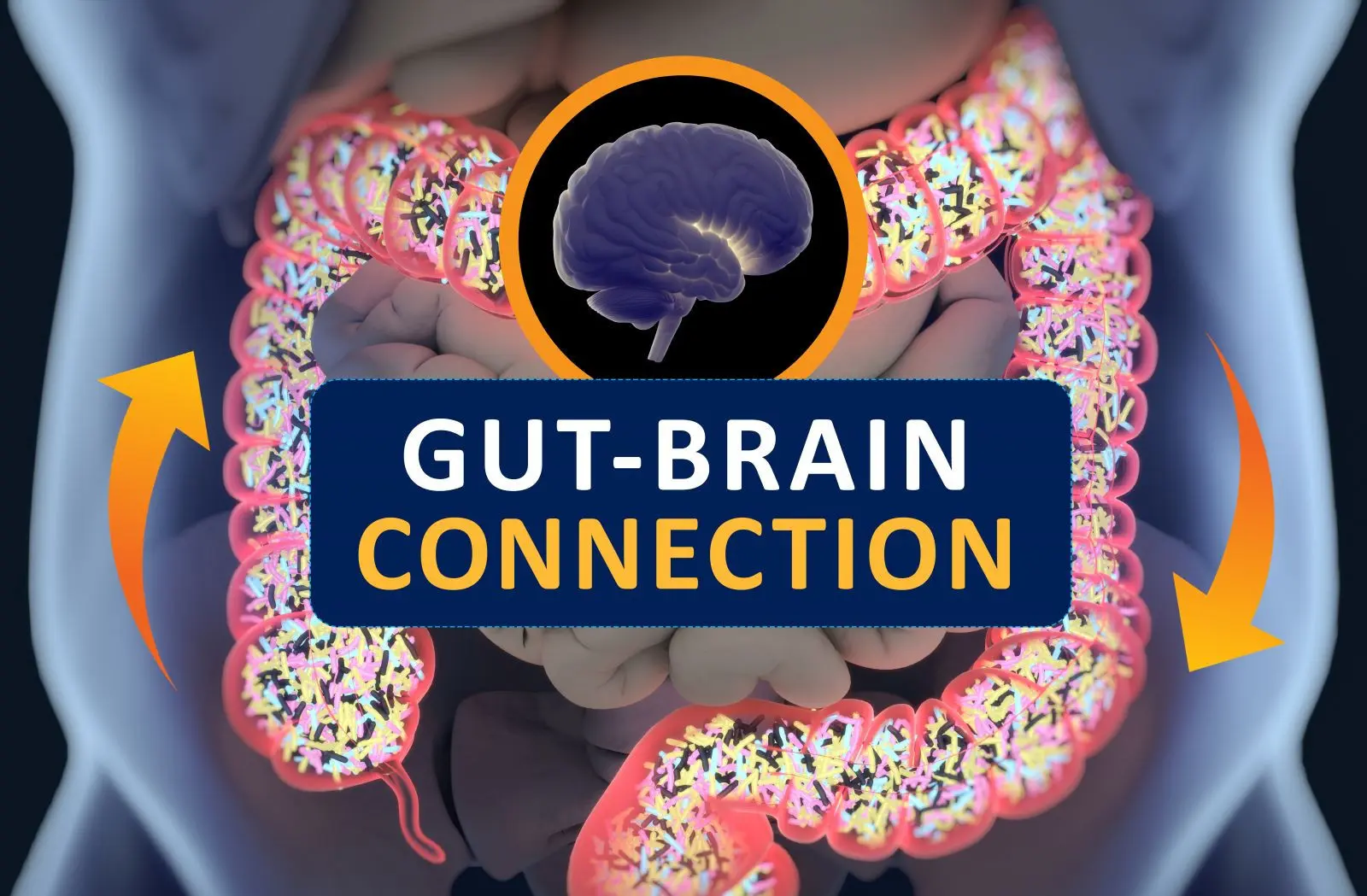
Scientists have discovered that we have a “second brain” inside our gut. The enteric nervous system (ENS) is made up of more than 100 million nerve cells that line the digestive tract . In fact, there are more nerve cells in your gut than anywhere else in your body outside of your brain . This neural network controls digestion and sends constant feedback to the central nervous system via the vagus nerve . Because of this wiring, the gut and brain are in continuous conversation: hunger, fullness, nausea and the urge to use the bathroom are all messages from your gut . The brain responds by adjusting motility, enzyme release and blood flow .
This connection works the other way, too. Stressful thoughts or strong emotions can trigger butterflies, cramping or indigestion. Psychology influences the actual physiology of the GI tract: stress and depression alter the movement and contractions of the gut .
Irritation inside the digestive system may in turn send signals to the central nervous system that trigger mood changes . That’s why people with irritable bowel syndrome (IBS) and other functional gut disorders have higher rates of anxiety and depression .
In Chinese medicine we recognized these patterns millennia ago: the Spleen and Stomach govern rumination and worry, while the Liver affects irritability and tension.
Modern science also shows that this axis involves endocrine, immune and metabolic pathways . The gut produces neurotransmitters and hormones; around 95 % of the body’s serotonin the chemical that regulates mood, appetite and sleep is made in the intestinal lining .
The gut microbiome (trillions of bacteria, viruses and fungi that live in our intestines) produces metabolites and neurotransmitters that influence brain function . Imbalanced gut bacteria have been linked to depression, anxiety and even developmental disorders . Because of this network, disturbances in one system can create symptoms in the other.

The Gut Brain Axis Test

I use this test with patients when the source of their anxiety is unclear. It’s simple but telling:

Know Which Direction to Treatment The Gut Brain Axis

When the mind is calm but the gut is unhappy, focusing on fixing digestion often calms the brain.
Research shows that changes in gut bacteria can affect mood, cognition, and the stress response through gut-to-brain signaling, including the vagus nerve.
Small intestine bacterial overgrowth (SIBO), and inflammatory patterns correlate with anxiety and irritability. Supporting gut health with diet, herbs, and probiotics can reduce anxious signaling at its source.

Gut Harmony

Restore digestive balance with Gut Harmony, a comprehensive 16-herb formula crafted to reduce bloating, improve gut motility, and support a healthy microbiome.
When anxiety is clearly triggered by thoughts or environment, the focus shifts to calming the nervous system. Mind‑body practices (breath work, meditation, cognitive behavioral therapy) have been shown to improve IBS symptoms . Acupuncture and Chinese herbal formulas can tone the vagus nerve, modulate cortisol and ease tension. Treating the mind often relieves digestive symptoms in these cases.

Gut Brain Axis Research Shows

Modern literature is exploding with studies on the gut–brain axis. A few highlights:

The gut-brain connection

Pay attention to your gut-brain connection – it may contribute to your anxiety and digestion problems

The Gut-Brain Axis

Influence of Microbiota on Mood and Mental Health...

Partial destabilization of native structure

by a combination of heat and denaturant facilitates cold denaturation in a hyperthermophile protein...

The Brain-Gut Connection

If you’ve ever “gone with your gut” to make a decision or felt...

Gut Harmony

Restore digestive balance with Gut Harmony, a comprehensive 16-herb formula crafted to reduce bloating, improve gut motility, and support a healthy microbiome.

Share on

Will Sheppy, Founder and Acupuncturist at Valley Health Clinic
Willard Sheppy
Willard Sheppy is a licensed acupuncturist (LAc) and Founder of Valley Health Clinic specializing in using Traditional Chinese Medicine to treat acute injuries and chronic conditions, and to improve sports performance and rehabilitation.

FAQ's

Common Questions About the Gut Brain Axis
How do I know if my anxiety is from my gut?
If you notice mood swings, irritability or anxiety when life is calm, look for digestive clues: bloating, constipation, diarrhea, heartburn or food sensitivities. Research shows the gut can send signals to the brain that trigger emotional changes . Keeping a food and symptom diary, getting a stool analysis to assess your microbiome and working with a practitioner to address inflammation can help you determine if your gut is the culprit.
There isn’t a single lab panel that measures this connection. Clinicians use a combination of history, stool tests (to look at microbiome diversity and pathogens), breath tests (to assess SIBO), inflammatory markers, cortisol and vagal tone assessments. The simple thought experiment described above is a useful mental check. Ultimately, treating the gut or calming the mind or both is more effective than relying on a single “test.”
A high‑fiber, plant‑rich diet promotes the growth of beneficial bacteria . Whole grains, legumes, fruits and vegetables feed your microbiome and encourage production of neurotransmitters. Fermented foods like yogurt, kefir, sauerkraut and kimchi provide natural probiotics . Limiting refined sugars, alcohol and processed fats reduces inflammation. In Chinese medicine, warming, cooked foods like soups and porridges nourish the Spleen and calm the mind.
Probiotics are live bacteria that can help rebalance the microbiome. Small clinical trials have shown that taking specific probiotics for six weeks can improve both IBS and anxiety symptoms . Prebiotics nondigestible fibers that feed beneficial bacteria have also been shown to reduce cortisol levels . Not all probiotics are the same, so work with a practitioner to choose strains appropriate for your condition.
Yes. Diet directly alters the composition of your microbiome . Eating a diverse array of fiber‑rich foods increases short‑chain fatty acids, which support gut lining integrity and have anti‑inflammatory effects. Processed foods and alcohol can encourage growth of microbes that produce endotoxins, which may cross the gut barrier and affect the brain..

How to Support Your Gut–Brain Harmony

Eat for your microbiome

Focus on whole, unprocessed foods. Include plenty of fiber (vegetables, fruit, legumes, whole grains) and fermented foods like kimchi, sauerkraut. I am not a fan of yogart, too much sugar and milk.

Limit irritants

Reduce alcohol, sugary drinks, processed seed oils and ultra‑refined carbohydrates. These can disrupt your microbiome and promote inflammation.

Manage stress

Practice deep breathing, meditation and tai chi. These activate the parasympathetic nervous system and calm gut motility. Studies show mind‑body therapies improve IBS symptoms and mood .

Use targeted supplements

Prebiotics (soluble fibers like inulin), probiotics (such as Lactobacillus and Bifidobacterium species) The digestive products in this collection are designed to support gut health thoughtfully, safely, and effectively

Get moving

Regular, moderate exercise improves gut transit time and increases microbiome diversity. Here are six simple, low intensity activities for less pain, less risk, and more comfort in your body

Sleep well

The gut microbiome follows circadian rhythms. Poor sleep can disrupt microbial balance and increase cortisol. Establish a consistent sleep schedule.

Seek professional

If you’re ready for support consider joining the Chorus Circle community. This guided support group blends traditional Chinese medicine wisdom with modern neuroscience to help calm the gut, clear the mind, and restore steady energy. Led by experienced herbalists and practitioners, members gain access to free classes, practical gut–brain education, Synchrony Training using EEG and HRV, mindful practices, and botanical support so you can feel lighter, clearer, and more at ease as you rebuild balance from gut to brain and brain to gut.

Start Healing Your Gut Today

If your body is sending you mixed signals, don’t ignore them.  Whether your anxiety starts in your gut or your head, the gut–brain axis gives us a roadmap for healing.  In my clinic, I’ve watched patients transform their mood by repairing their microbiome and soothing their nervous system.  Gut Harmony — our Chinese‑herb‑based blend — is designed to do just that.  It combines traditional formulas that nourish the Spleen, disperse Liver qi and clear damp‑heat with modern insights into microbiome diversity.  Real medicine, for real people, done the right way.

Ready to calm your mind by treating your gut? [Treat your gut microbiome with Gut Harmony] and start feeling the difference.