Tag: Pain relief comparison

Benefits of Corydalis (Yan Hu Suo)

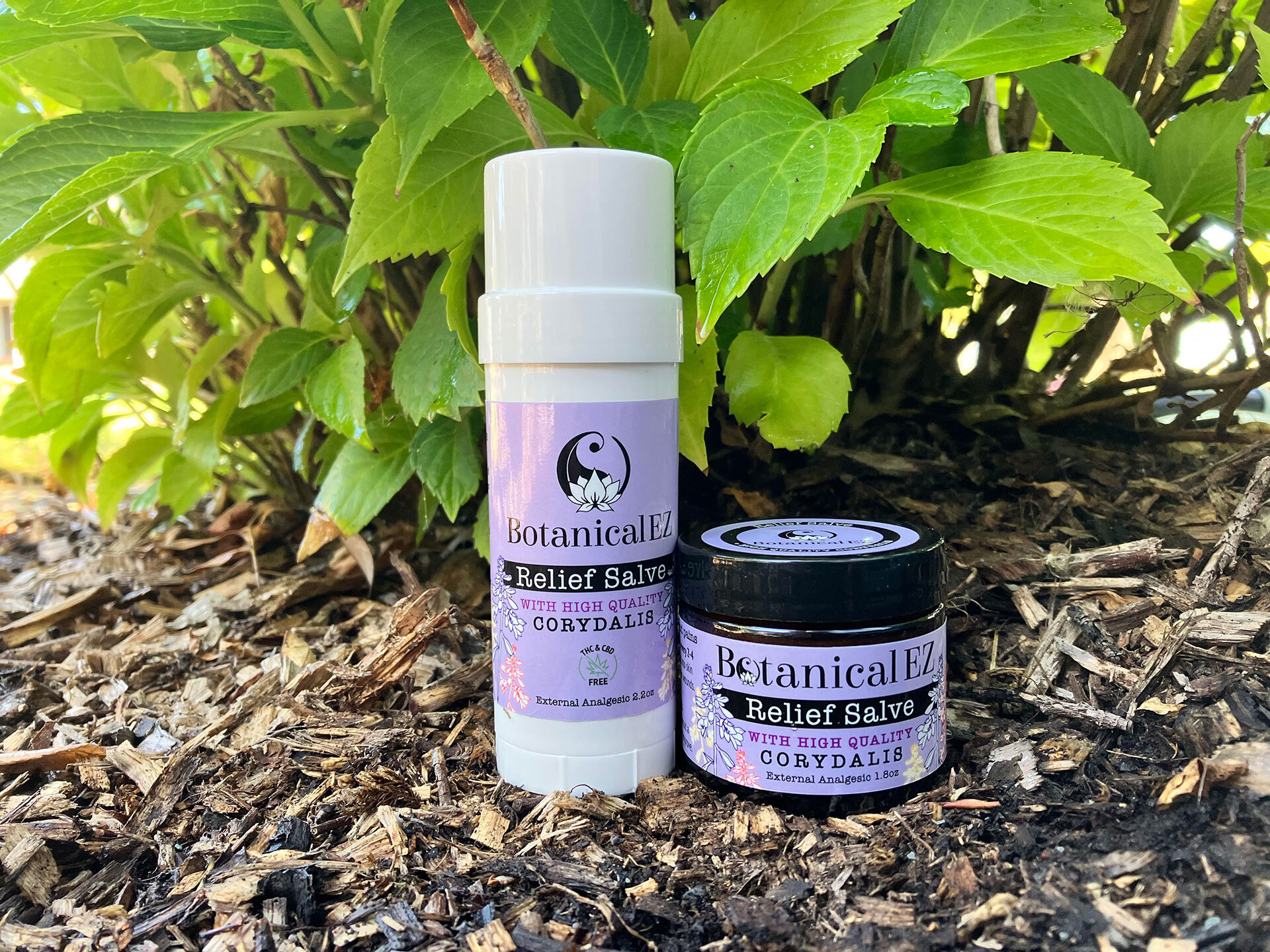
Botanical EZ Relief Salve and Stick Together on Bark
9 minutes read

Benefits of Corydalis (Yan Hu Suo)

Will Sheppy, Founder and Acupuncturist at Valley Health Clinic
Willard Sheppy Dipl. OM, LAc, BS

Willard Sheppy is a licensed acupuncturist (LAc) and Founder of Valley Health Clinic specializing in using Traditional Chinese Medicine to treat acute injuries and chronic conditions, and to improve sports performance and rehabilitation.

Botanical EZ Relief Salve and Stick Together on Bark

Table of Contents

Corydalis yanhusuo, known as Yan Hu Suo in traditional Chinese medicine, has been used for centuries across Asia to manage pain and promote healing. For over 7,000 years, this remarkable plant has served as a natural alternative to harsh pharmaceuticals, offering relief for everything from acute injuries to chronic nerve pain. Unlike many pain management options available today, Corydalis works with your body’s natural systems to provide relief without the serious risks associated with traditional opioid medications. In this comprehensive guide, we’ll explore the science-backed benefits of Corydalis, how it works in your body, and why it’s becoming a go-to choice for people seeking effective, natural pain relief.

What Is Corydalis?

Corydalis is a perennial herbaceous plant belonging to the Papaveraceae family, widely distributed throughout China, Japan, Korea, and other Asian countries. The plant was first documented in ancient Chinese medical texts during the Tang Dynasty (618–907 AD) where it was primarily used to alleviate chest pain and improve blood circulation. Today, modern pharmacological research has confirmed what practitioners knew centuries ago: this plant contains powerful compounds that can significantly reduce pain and inflammation.

The Science Behind Corydalis

Corydalis contains over 160 different compounds, with more than 80 alkaloids being the primary active ingredients responsible for its pain-relieving effects. These alkaloids work through multiple pathways in your nervous system to provide comprehensive pain relief without triggering addiction responses.

Benefits of Corydalis

Research shows that Corydalis yanhusuo extract (YHS) is effective for managing three major types of pain without causing tolerance or addiction. Here are the primary benefits:

Acute Pain and Inflammation Management

Corydalis is highly effective for sudden, sharp pain caused by injury, swelling, or inflammation. The alkaloids in Corydalis work quickly to reduce inflammation and pain signals without numbing the area or interfering with circulation. This makes it ideal for treating sprains, bruises, muscle strains, and post-surgical pain. Unlike traditional ice therapy which can slow healing by restricting blood flow, Corydalis reduces swelling while promoting circulation.

Neuropathic Pain Relief

Nerve pain is notoriously difficult to treat with conventional medications. Corydalis is particularly effective for neuropathies—pain caused by nerve damage or dysfunction. This includes conditions like diabetic neuropathy, cancer treatment-related neuropathy, and pain radiating down the legs or arms. Research confirms that Corydalis reduces the hypersensitivity associated with nerve pain without the side effects of anti-seizure medications or antidepressants commonly prescribed for these conditions.

Chronic Pain

One of the most significant benefits of Corydalis is that you don’t develop tolerance to it over time. This means you don’t need to keep increasing the dose to get the same pain relief, a problem that plagues people using opioid medications. Studies show Corydalis is equally effective for long-term use as it is for short-term pain management, making it an excellent option for people dealing with ongoing pain from arthritis, fibromyalgia, or old injuries.

How Corydalis Works in Your Body

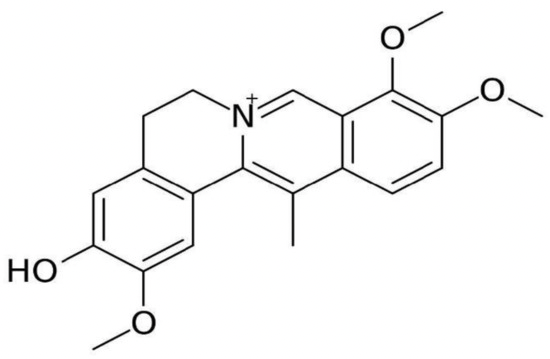
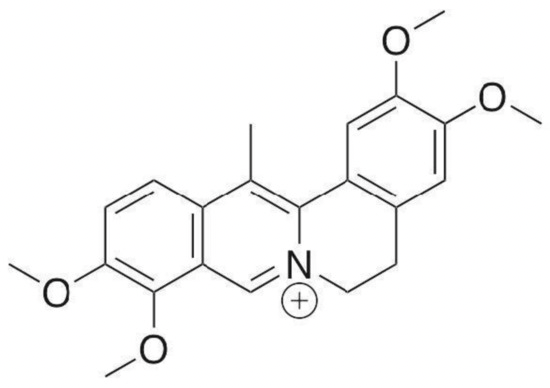
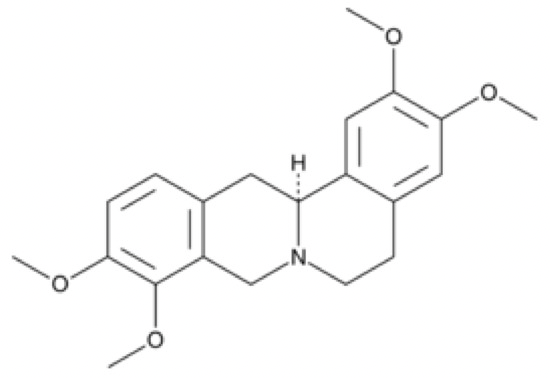
Corydalis achieves its pain-relieving effects through multiple mechanisms, which is why it works for so many different types of pain. The primary alkaloids in Corydalis—dehydrocorydaline (DHC), tetrahydropalmatine (THP), and berberine—interact with your nervous system in sophisticated ways:

Dopamine System Activation

Corydalis compounds bind to specific dopamine receptors (D1, D3, and D5) in your brain. This activation supports your body’s natural pain-relieving pathways without triggering the reward system that leads to addiction. This is fundamentally different from opioids, which activate D2 and D4 receptors—the pathways associated with dependence and craving.

Anti-Inflammatory Action

Corydalis alkaloids reduce the production of inflammatory chemicals like TNF-α and IL-6, which are responsible for pain and swelling. By decreasing inflammation at the source, Corydalis addresses the root cause of pain rather than just masking the symptom.

Blood Circulation Improvement

In traditional Chinese medicine, pain is understood to result from stagnation—blocked blood and energy flow. Corydalis improves circulation, which increases oxygen and nutrient delivery to injured tissues while removing inflammatory substanes. This dual action accelerates healing.

Key Active Compounds and How They Work

Recent scientific research has isolated and studied the individual alkaloids in Corydalis, revealing exactly how each compound contributes to pain relief. Understanding these mechanisms helps explain why Corydalis is so effective across different types of pain:

Dehydrocorybulbine (DHCB):

Dehydrocorydaline (DHC)

L-Tetrahydropalmatine (l-THP)

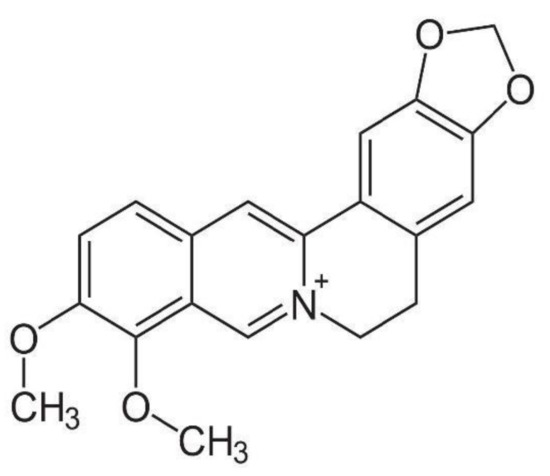
Berberine

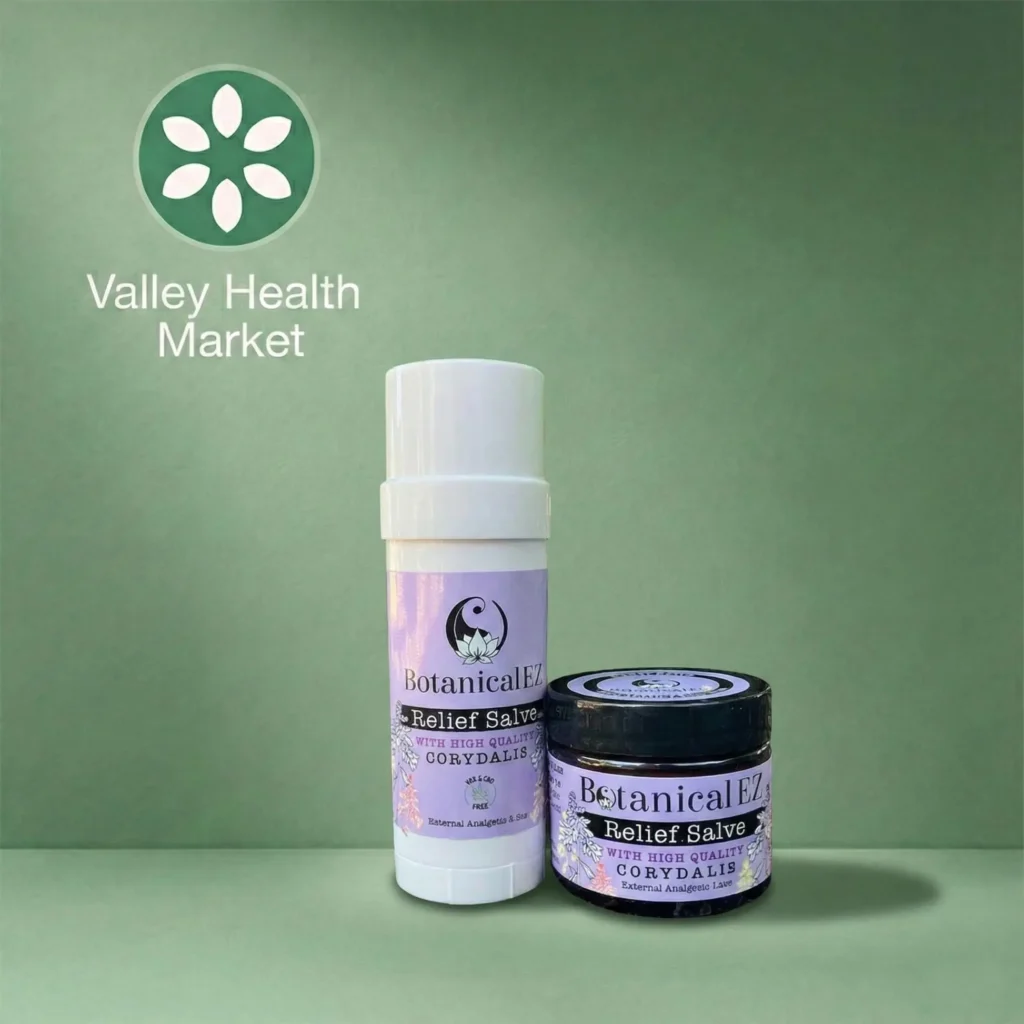
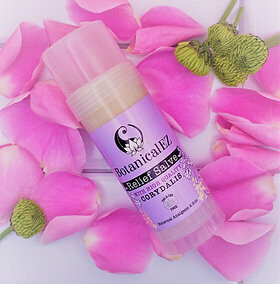
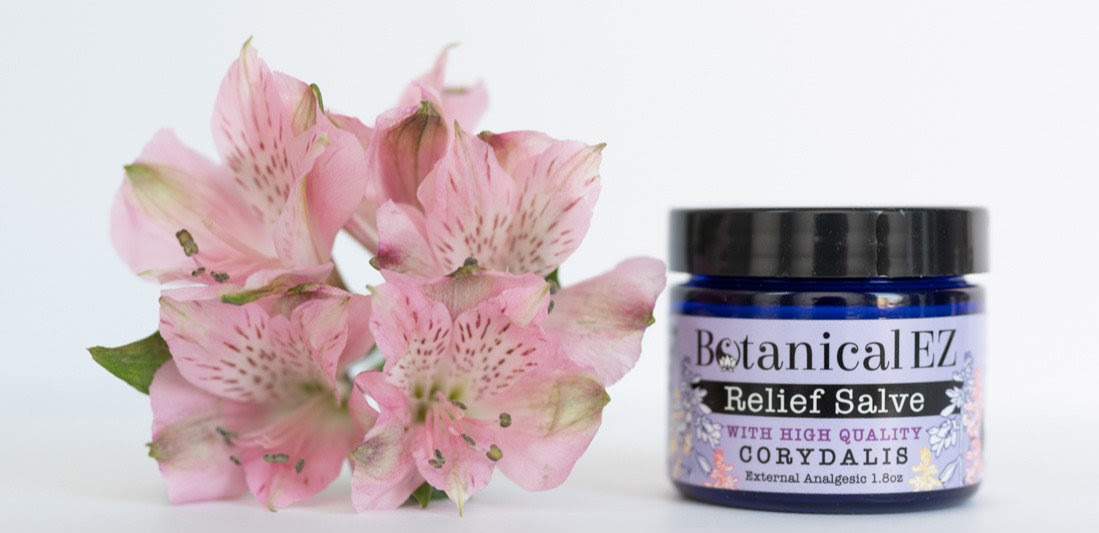
Corydalis Relief Salve

Ideal for localized nerve pain, sensitive skin, and areas where you want relief without strong sensations or odor.

Topical Corydalis

One of the most effective ways to use Corydalis is topically through salves and creams. Corydalis Relief Salve by Botanical EZ combines Corydalis with complementary herbs to provide fast, localized relief without overwhelming sensations or strong odors.

Why Topical Corydalis Works So Well

Applied directly over the affected area, Corydalis penetrates the skin barrier and works at the site of pain. A salve stays in contact with skin longer for steady relief. Unlike alcohol-based liniments that evaporate quickly, a salve creates a protective barrier while active compounds absorb into deeper tissues.

Best Uses for Corydalis Relief Salve

  • Nerve pain and neuropathy
  • Sensitive skin where other topicals are too strong
  • Post-surgical pain and wound healing support
  • Areas where you want relief without heat or cooling sensations
  • Chronic pain that hasn’t responded to other treatments

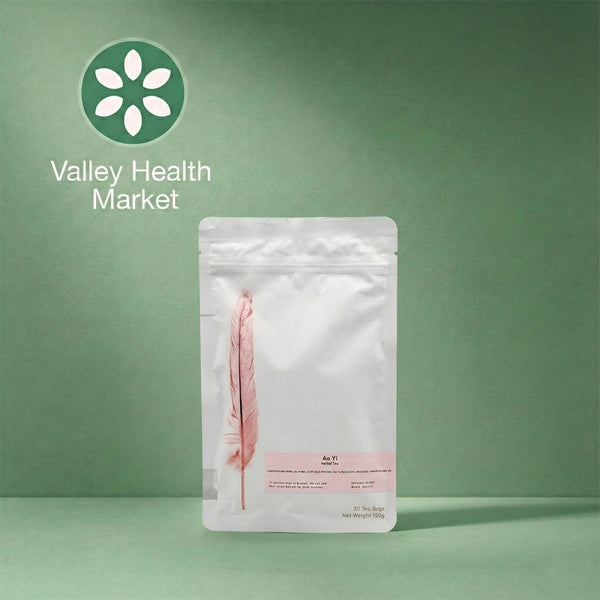
AOYI Tea

Systemic Corydalis support for comprehensive pain management throughout the body.

Internal Corydalis

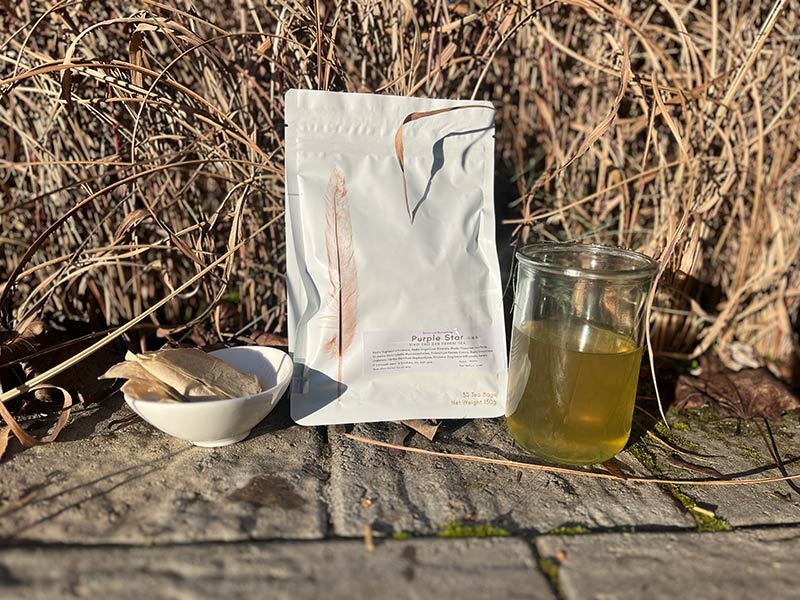
For comprehensive pain management, many people combine topical applications with internal support using herbal teas. AOYI Tea features Corydalis as a key ingredient, delivering systemic support for overall pain management.
Internal use allows alkaloids to absorb through digestion and circulate through the bloodstream, supporting:
Combining Topical and Internal
Many people find combined use provides better results than either method alone: topical for local pain, tea for systemic support.

Corydalis vs. Opioids:

Why There’s No Addiction Risk
This is a key distinction. Corydalis can provide strong pain relief through mechanisms that don’t activate classic addiction pathways.

The Dopamine Receptor Difference

Opioids tend to activate dopamine receptors tied to reward and dependence (commonly described as D2 and D4 pathways). Corydalis is described here as supporting pain relief through different dopamine receptor activity (D1, D3, D5) without the same reward-loop activation, which aligns with why traditional use does not show classic addiction patterns.

Will Corydalis Show Up on a Drug Test?

No, Corydalis will not cause a positive result on a standard drug test. Drug tests look for specific metabolites (opioids, cocaine, amphetamines, etc.). Corydalis contains different alkaloids that are structurally distinct from opiates and are not what standard panels detect.

How to Use Corydalis for Maximum Benefit

Topical Application (Corydalis Relief Salve)

  • Apply to the affected area 2–3 times daily
  • Massage gently into the skin
  • For best results, layer strategically: use an alcohol-based liniment first (like Evil Bone Water) to support circulation, then apply Corydalis salve on top for longer-lasting relief

Internal Application (AOYI Tea)

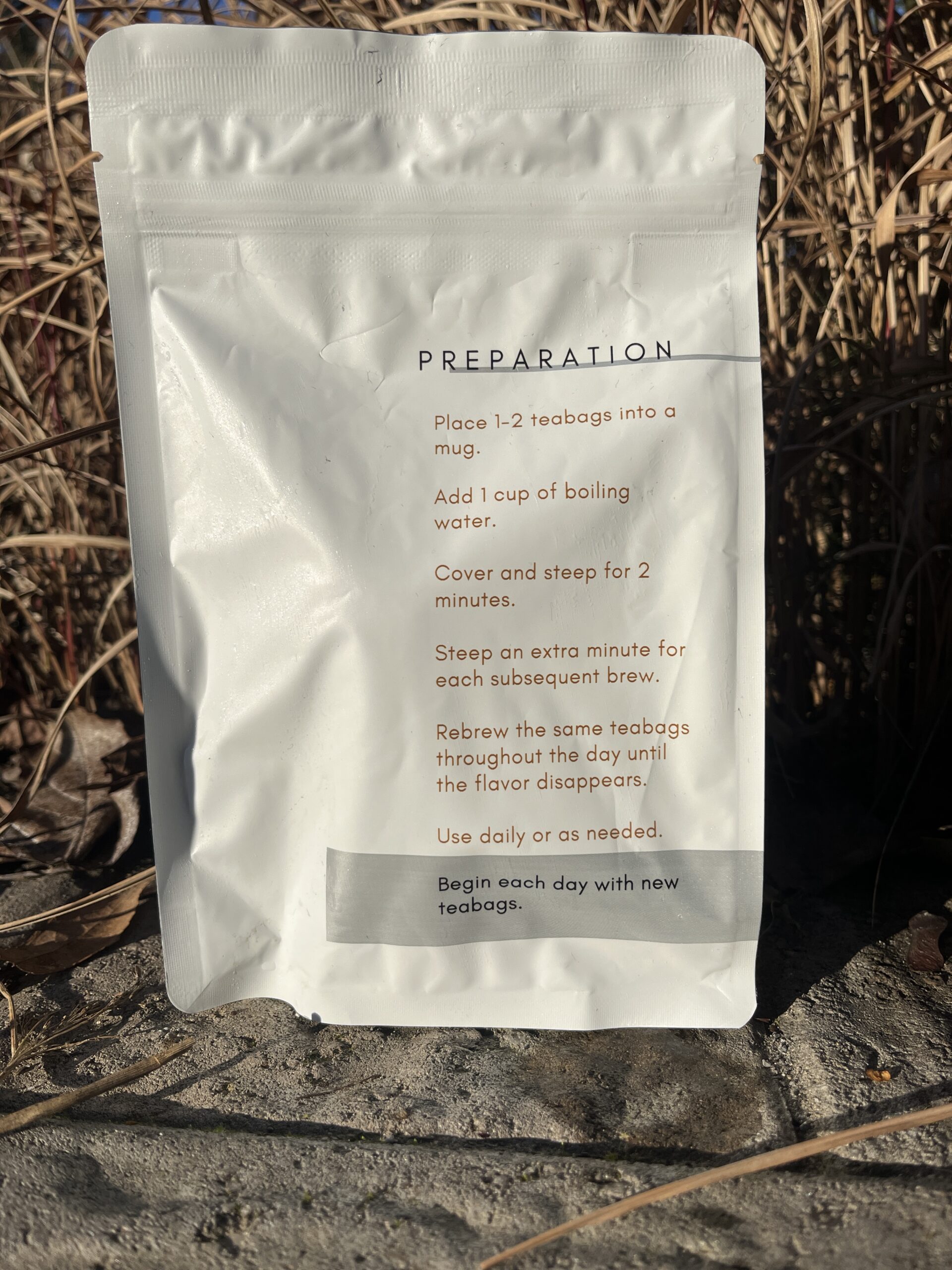
  • Steep per package directions (often 10 minutes)
  • Drink 1–3 cups daily, ideally with meals
  • Many people like morning and evening use for consistent support
  • Combine with topical application for a more complete approach

Money-Back Guarantee

We’re confident in the quality and usefulness of these products. If you don’t experience the support you’re looking for, let us know.

Share on

Will Sheppy, Founder and Acupuncturist at Valley Health Clinic
By Will Sheppy, L.Ac
Willard Sheppy is a licensed acupuncturist (LAc) and Founder of Valley Health Clinic specializing in using Traditional Chinese Medicine to treat acute injuries and chronic conditions, and to improve sports performance and rehabilitation.

Corydalis Benefits

Corydalis represents a powerful option in natural pain management—supporting relief for acute pain, inflammation-driven pain, and chronic neuropathic pain without the same risks associated with pharmaceutical alternatives. Thousands of years of traditional use combined with modern research make a strong case for Corydalis as part of a comprehensive pain strategy.
Whether you’re dealing with a fresh injury, ongoing nerve pain, or you’re looking for an alternative to medications you don’t want to rely on long-term, Corydalis offers a flexible approach. Topical and internal options let you tailor support to your needs and lifestyle. At Valley Health Clinic, we only carry products we’ve tested and seen help real people move better and get their life back from pain.
Ready to experience the benefits of Corydalis? Start with the topical salve for targeted relief or AOYI Tea for systemic support. Many people get the best results by combining both. Your next step toward natural pain relief can start today.
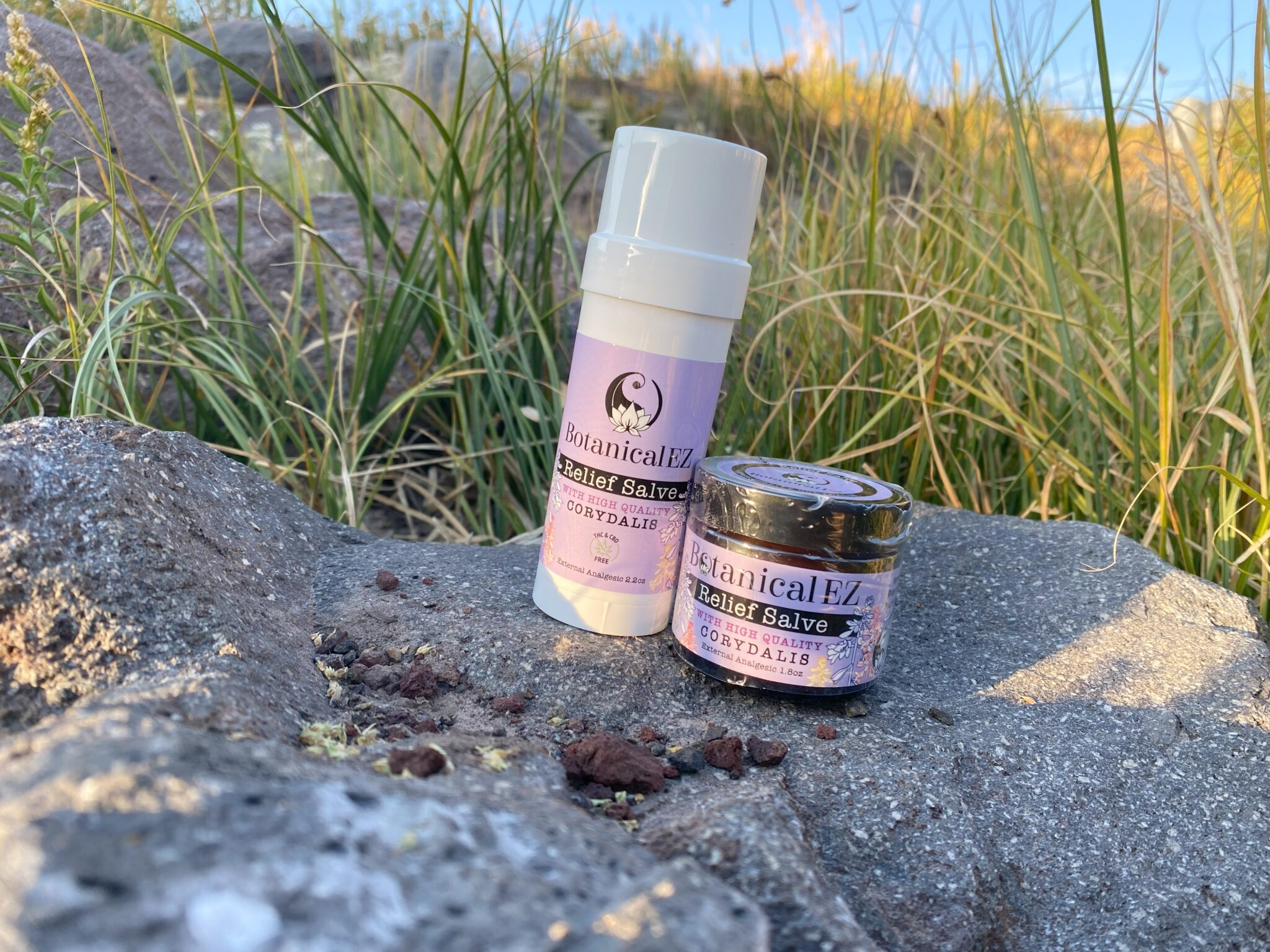
Botanical Ez Relief Salve Corydalis Stick and Salve on Rock

Bai Zhu Balance is specifically designed for Ménière's

Bai Zhu Balance was designed specifically for the underlying issues that worsen Ménière’s
If you’re looking for a herbal formula specifically designed for Ménière’s Bai Zhu Balance is it!

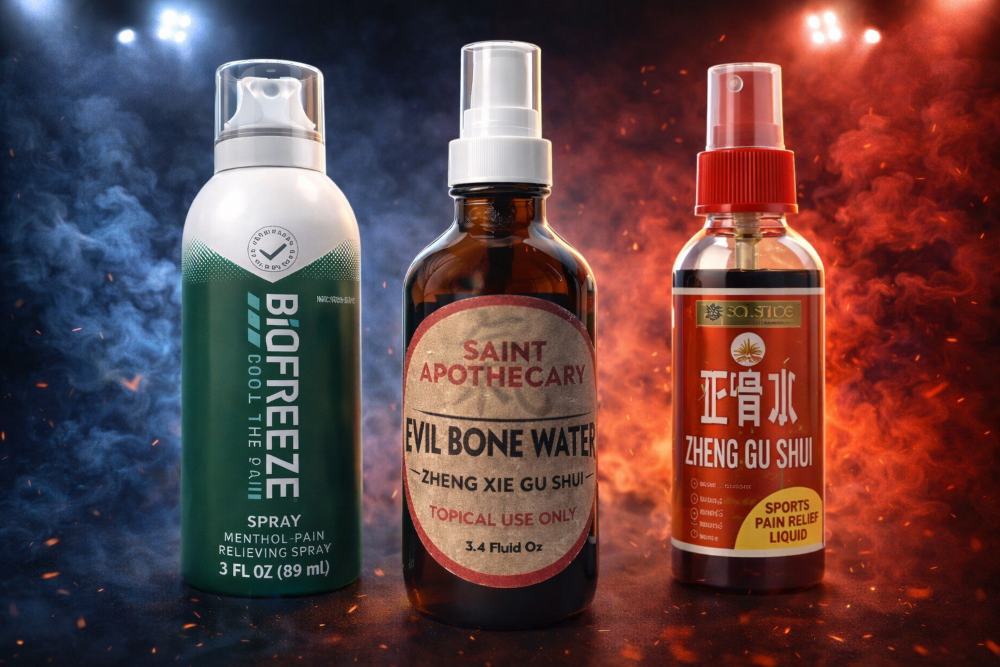
Which Is Better Zheng Gu Shui, Evil Bone Water, or Biofreeze?

13 minutes read

Which Is Better: Zheng Gu Shui, Evil Bone Water, or Biofreeze?

Will Sheppy, Founder and Acupuncturist at Valley Health Clinic
Willard Sheppy Dipl. OM, LAc, BS

Willard Sheppy is a licensed acupuncturist (LAc) and Founder of Valley Health Clinic specializing in using Traditional Chinese Medicine to treat acute injuries and chronic conditions, and to improve sports performance and rehabilitation.

Table of Contents

When It Comes to Topical Pain Relief, the Details Matter

As an acupuncturist, I use topical sprays every single day in the clinic. They’re not all the same. 

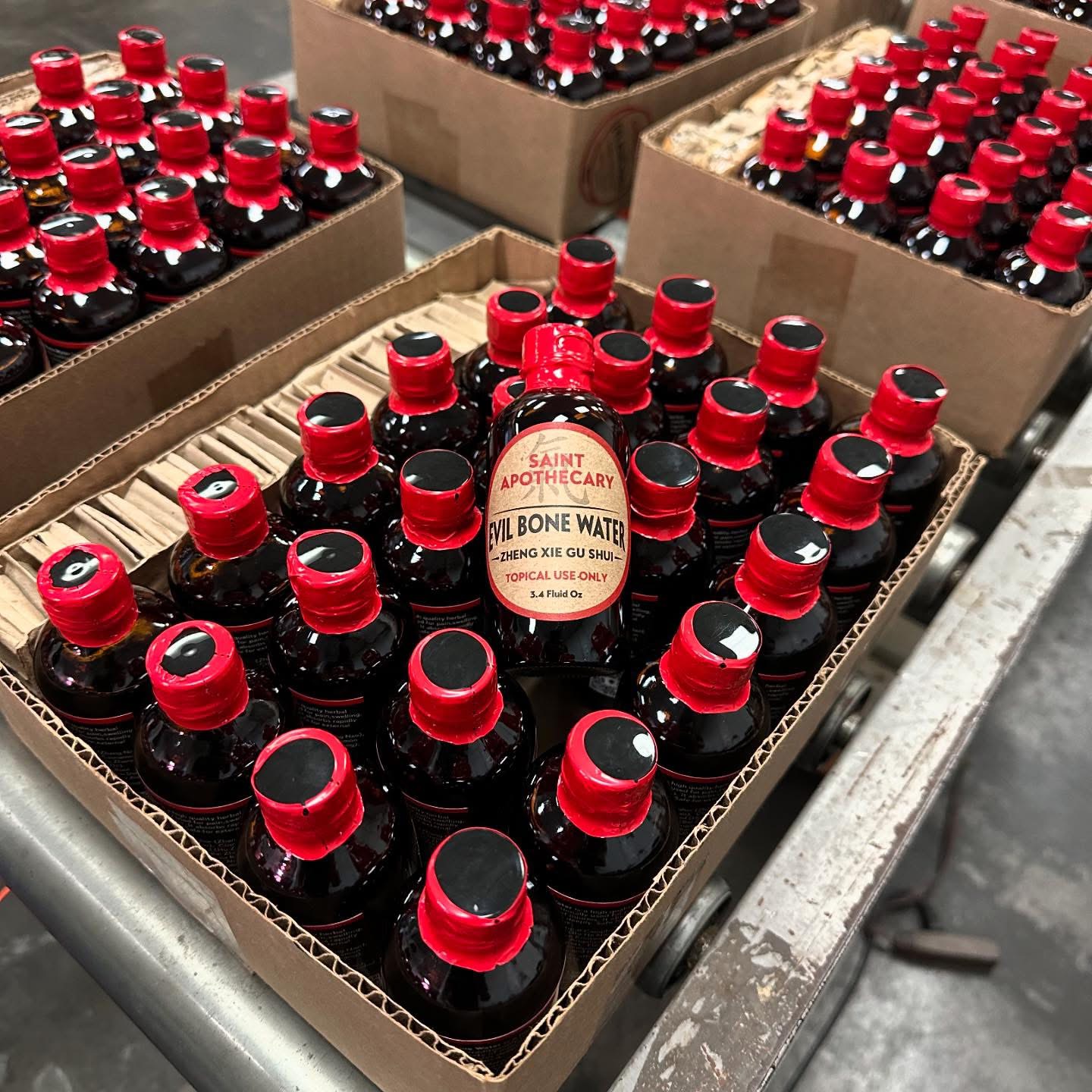
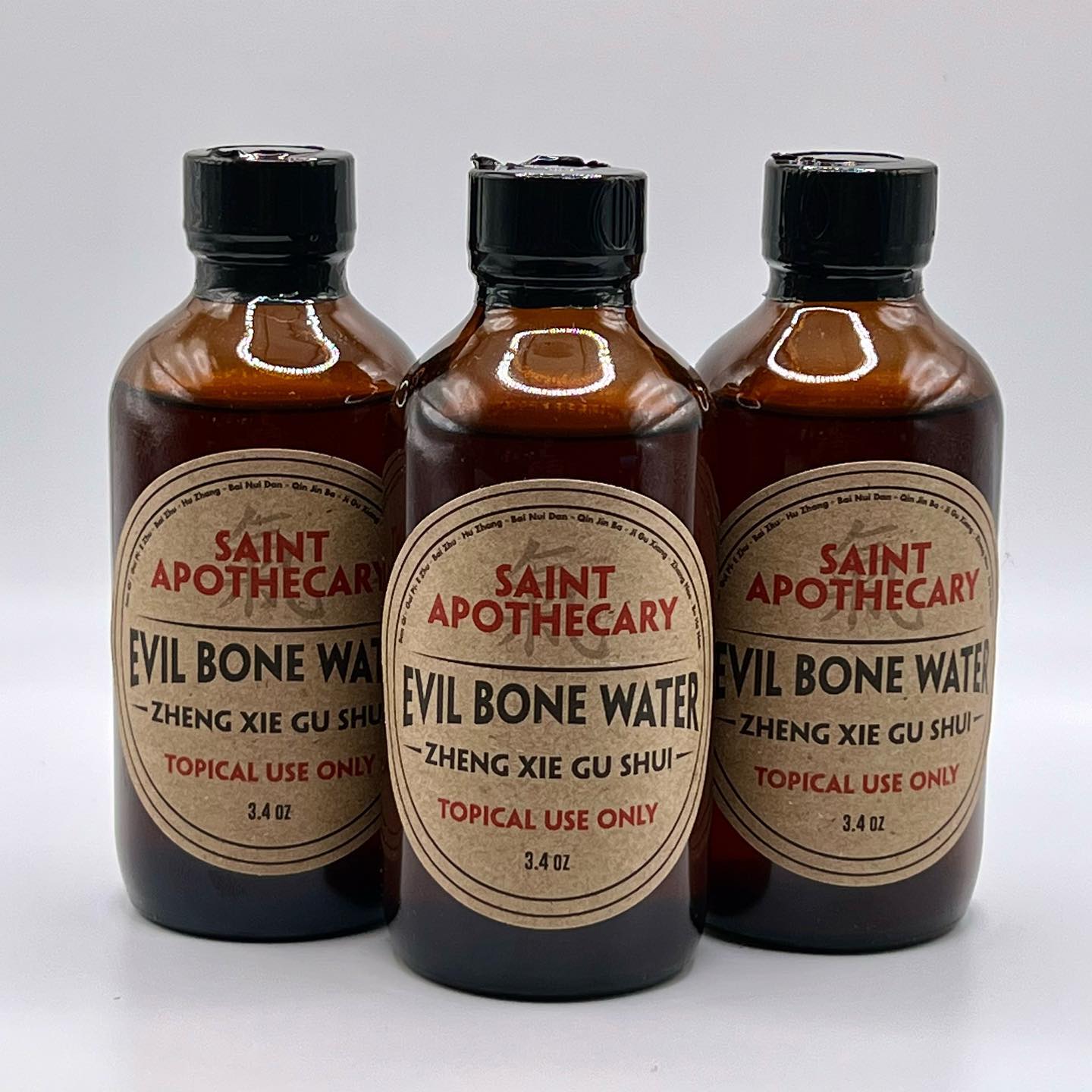
When it comes to topical pain relief, choosing the right topical matters. Zheng Gu Shui is a traditional Chinese herbal liniment with centuries of use. Evil Bone Water is a contemporary, handcrafted version of Zheng Gu Shui, made with high-grade herbs. Biofreeze gel is a widely used menthol-based analgesic. .

Below is a clear, experience-based comparison written for patients based on what I actually use, what I don’t, and why.

Key Takeaways

Video Comparison: Side-by-Side Spray Test

Video: Biofreeze vs Evil Bone Water: Side-by-Side Spray Test & Residue Comparison

https://youtube.com/shorts/o9-y46R47JQ?feature=share

In this video, I spray Biofreeze and Evil Bone Water side by side and let them dry.

What stood out immediately: Biofreeze dried into a crusty, filmy residue, while Evil Bone Water evaporated cleanly with no tacky film

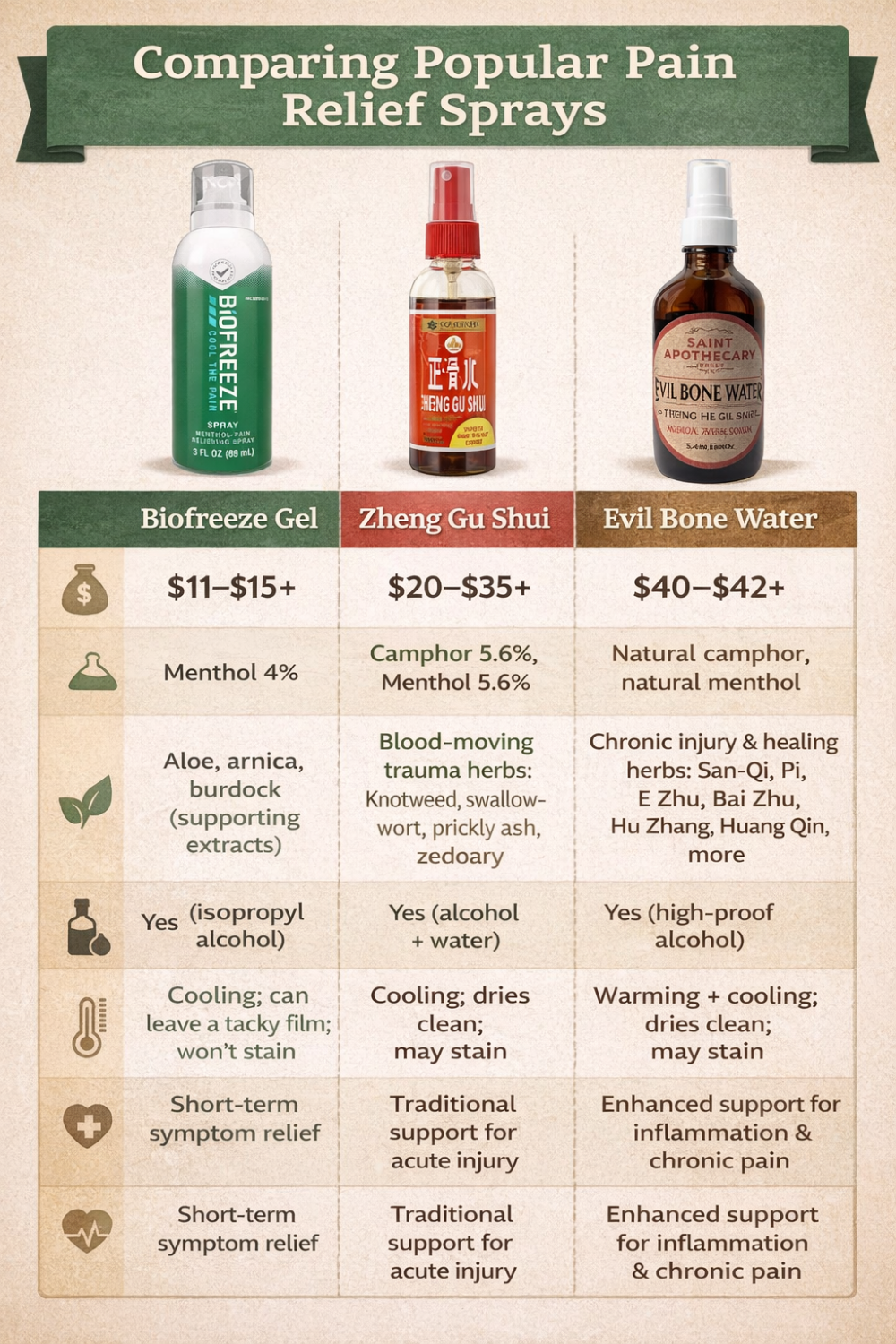
Comparison Chart: Biofreeze vs Zheng Gu Shui vs Evil Bone Water

Feature

Biofreeze Gel

Zheng Gu Shui

Evil Bone Water

Typical Price (3–4 oz)

$11–$15+

$20–$35+

$40–$42+

Active Ingredients

Menthol 4%

Camphor 5.6%, Menthol 5.6%

Natural camphor, natural menthol

Herbal Components

Aloe, arnica, burdock (supporting extracts)

Blood-moving trauma herbs: knotweed, swallowwort, prickly ash, zedoary

Chronic injury & healing herbs: San-Qi, Gui Pi, E Zhu, Bai Zhu, Hu Zhang, Huang Qin, more

Alcohol Base

Yes (isopropyl alcohol)

Yes (alcohol + water)

Yes (high-proof alcohol)

Residue / Sensation

Cooling; can leave a tacky film; won’t stain

Cooling; dries clean; may stain

Warming + cooling; dries clean; may stain

Healing Support

Short-term symptom relief

Traditional support for acute injury

Enhanced support for inflammation & chronic pain

If you’re dealing with lingering pain or an injury that just won’t fully resolve, this is the topical I reach for in my clinic.

Evil Bone Water goes beyond surface cooling and is designed to support circulation, inflammation, and tissue recovery.

Try Evil Bone Water and feel the difference.

How I Use These in Practice

I use Biofreeze and Evil Bone Water in my clinic—but for very different reasons.

Why I Use Biofreeze

Biofreeze is useful because it’s:
I use Biofreeze when I’m not trying to heal tissue, but when I need:
Specifically, I use it:
In those moments, Biofreeze does its job.

What I Don’t Like About Biofreeze

I recently ran a simple test in the clinic: Biofreeze on one surface, Evil Bone Water on another, camera rolling, then wait.

What I saw surprised me.

Biofreeze dried into a visible, grimy film.

That matters because:
So while Biofreeze is a helpful tool, I don’t see it as something that supports long-term healing.

Why I Don’t Use Solstice Zheng Gu Shui in the Clinic

I don’t use the Solstice Med version of Zheng Gu Shui not because the formula is bad historically, but because it doesn’t work for a busy clinic.
My reasons are straightforward:
For occasional personal use? Fine.
For consistent clinical work? It doesn’t fit.

Why I Use Evil Bone Water

When I’m actually trying to reduce inflammation, improve circulation, and help tissue recover, this is what I reach for.

I use Evil Bone Water when:

What I Like:

What I don’t like:

Even with those downsides, I still choose it because healing, not convenience, is the goal.

Ingredient Philosophy

Biofreeze: Modern Pharmaceutical Logic

Biofreeze’s inactive ingredients come from:
  1. Pharmaceutical formulation science (delivery, texture, stability)
  2. Cosmetic dermatology (skin feel, irritation reduction)
  3. Wellness signaling (plant extracts that look natural but aren’t part of a true herbal system)
These ingredients help the product feel good—but they’re not working together as a medicinal formula.

Zheng Gu Shui: Acute Trauma Logic

Zheng Gu Shui is designed to:

It’s intentionally strong and simple—ideal for fresh sprains, bruises, and impact injuries, but not built for long-term tissue repair.

Evil Bone Water: Chronic Injury & Repair Logic

Evil Bone Water keeps the trauma-clearing foundation but expands it:

That shift from “stop pain now” to “help tissue heal” is why it performs differently.

The Bottom Line

Evil Bone Water

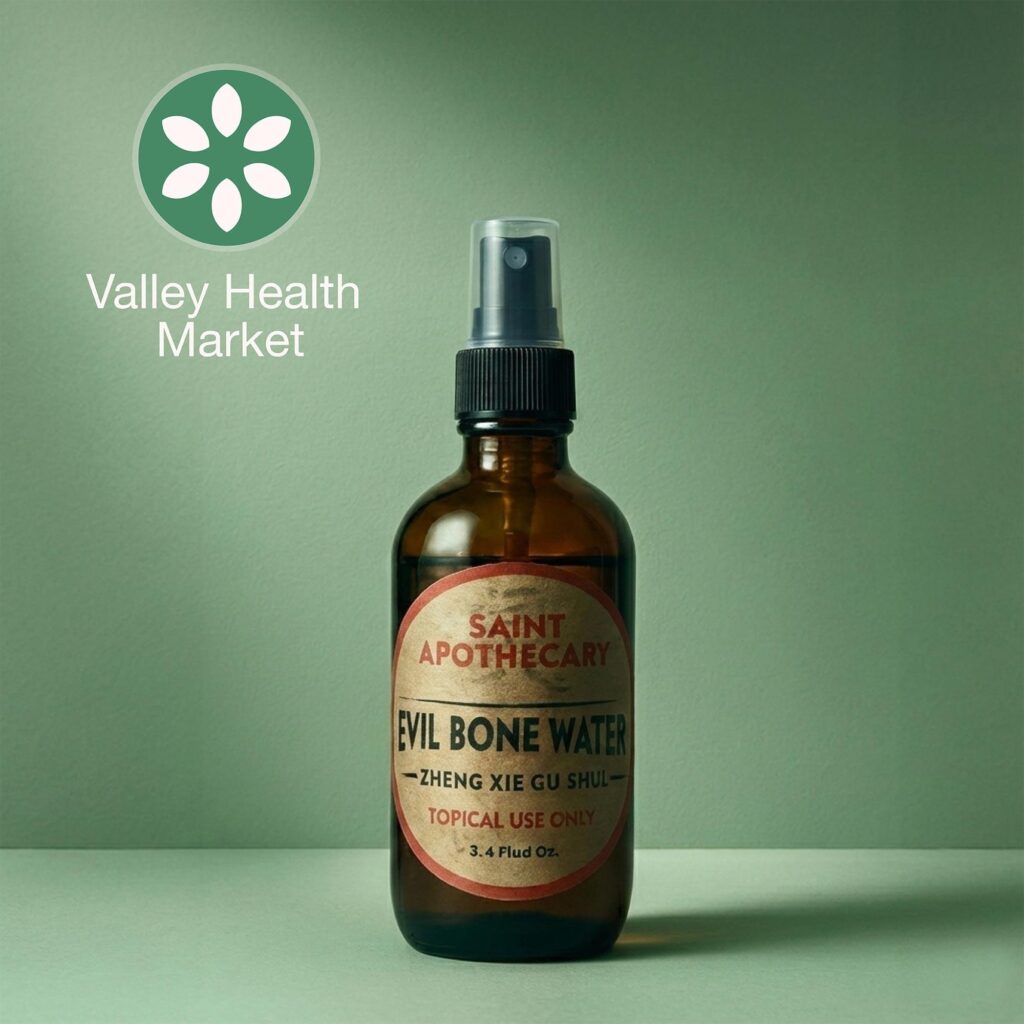
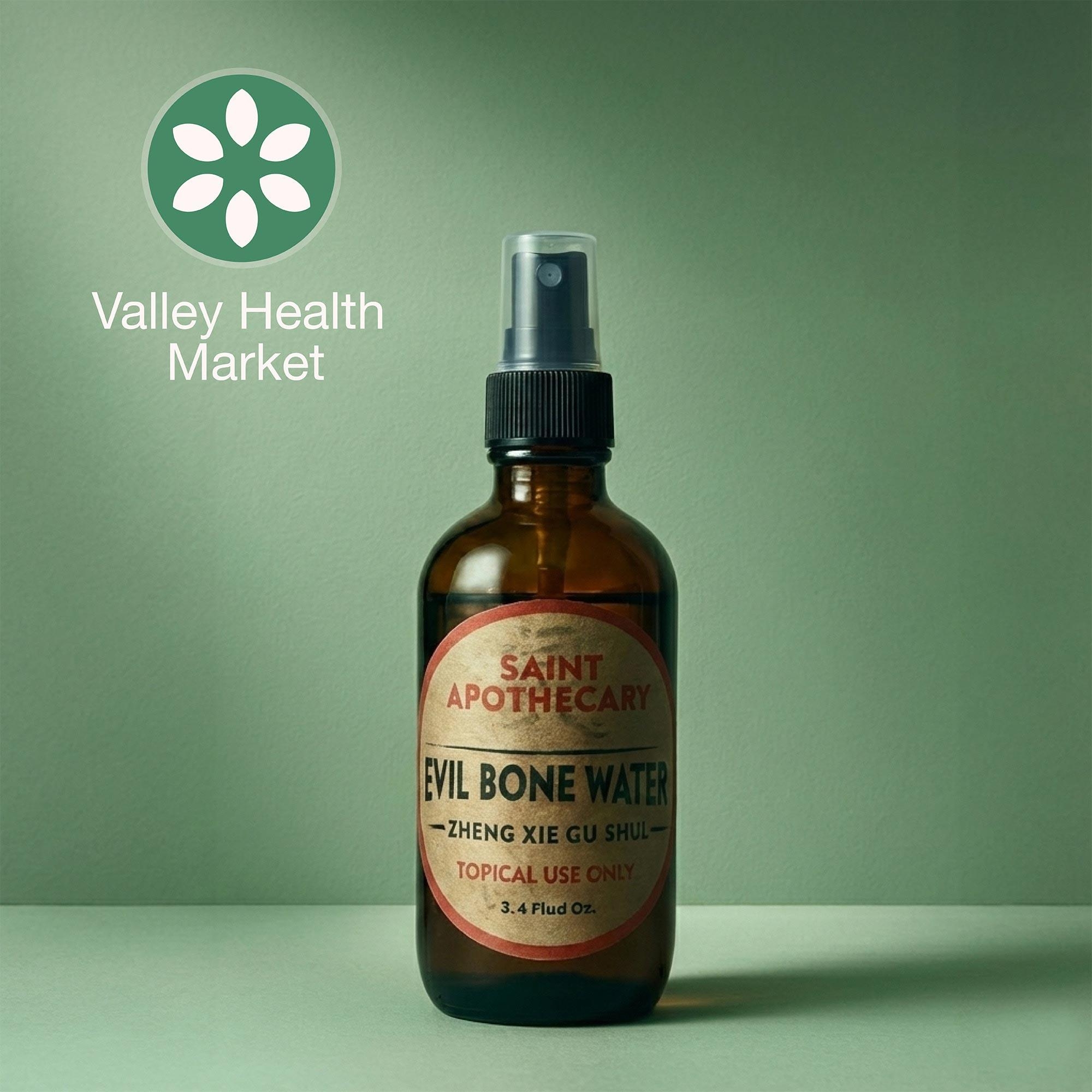
Evil Bone Water (Zheng Gu Shui) is a Chinese topical medicinal hand-crafted with only empirical grade herbal ingredients in an approved facility, by Saint Apothecary

Ingredient Lists

Biofreeze — Ingredients

  • Menthol (4%)
  • Aloe Barbadensis Leaf Extract
  • Arctium Lappa (Burdock) Root Extract
  • Arnica Montana Flower Extract
  • Blue 1 (synthetic dye)
  • Boswellia Carterii Resin Extract
  • Calendula Officinalis Extract
  • Camellia Sinensis (Green Tea) Leaf Extract
  • Camphor
  • Carbomer
  • Glycerin
  • Ilex Paraguariensis (Yerba Mate) Leaf Extract
  • Isopropyl Alcohol
  • Isopropyl Myristate
  • Melissa Officinalis (Lemon Balm) Leaf Extract
  • Silica
  • Tocopheryl Acetate (Vitamin E)
  • Triethanolamine
  • Water
  • Yellow 5 (synthetic dye)

Zheng Gu Shui — Ingredients

  • Camphor (5.6%)
  • Menthol (5.6%)
  • Alcohol
  • Japanese Knotweed (Polygonum cuspidatum) Rhizome
  • Paniculate Swallowwort Root
  • Shin-leaf Prickly Ash Root
  • Zedoary Rhizome
  • Water

Evil Bone Water — Ingredients

  • Zhang Nao (Natural Camphor)
  • Bo He Nao (Natural Menthol)
  • San / Tian Qi (Notoginseng)
  • Gui Pi (Cinnamon Bark)
  • E Zhu (Zedoary Rhizome)
  • Bai Zhu (Atractylodes Rhizome)
  • Hu Zhang (Knotweed Rhizome)
  • Bai Niu Dan (Inula cappa)
  • Qian Jin Ba (Flemingia Root)
  • Huang Qin (Scutellaria Root)
  • High-grade alcohol (traditional extraction medium)

Testimonials

Share on

Will Sheppy, Founder and Acupuncturist at Valley Health Clinic
Willard Sheppy Dipl. OM, LAc, BS
Willard Sheppy is a licensed acupuncturist (LAc) and Founder of Valley Health Clinic specializing in using Traditional Chinese Medicine to treat acute injuries and chronic conditions, and to improve sports performance and rehabilitation.

FAQ's

About Microgard
What is Zheng Gu Shui used for?
Zheng Gu Shui is a traditional Chinese liniment most commonly used for acute injuries, such as sprains, bruises, contusions, and impact trauma. Its formula strongly moves blood and helps reduce pain and swelling shortly after injury.

They are related but not the same. Evil Bone Water is inspired by Zheng Gu Shui–style formulas but expands on them by adding herbs that:

  • Reduce ongoing inflammation
  • Support tendons, joints, and connective tissue
  • Address chronic or unresolved injuries

Think of Zheng Gu Shui as acute trauma support, and Evil Bone Water as trauma + healing.

Biofreeze relies on menthol as a counter-irritant, which creates a cooling sensation that temporarily interrupts pain signals. Its inactive ingredients are designed for:

  • Texture
  • Fast drying
  • Skin feel
  • Shelf stability

It’s engineered more like a pharmaceutical gel than a medicinal herbal formula.

Biofreeze can mask pain temporarily, but it does not biologically address inflammation or tissue repair in the way herbal formulas are designed to. That’s why I use it as a tool not as a healing strategy.
  • Biofreeze: Does not stain
  • Zheng Gu Shui: Can stain due to dyes and herbal pigments
  • Evil Bone Water: May stain light or white clothing, but typically washes out

I recommend applying herbal liniments before dressing or covering the area if needed.

  • Biofreeze: Generally well tolerated, but some users report irritation with frequent use
  • Zheng Gu Shui: Strong; best for short-term use
  • Evil Bone Water: Uses natural menthol and camphor and is often gentler, but still strong. The natural ingredients makes it safe for many people sensitive skin.

References

Yang, X., Wang, Y., Bai, L., Miao, T., & Wen, X. (2023). Mechanism of action of Baohe pills in improving functional dyspepsia. MEDS Chinese Medicine, 5(7), 48–55. Clausius Scientific Press. https://doi.org/10.23977/medcm.2023.050707

Maideen N. M. P. (2023). Adverse Effects Associated with Long-Term Use of Proton Pump Inhibitors. Chonnam medical journal, 59(2), 115–127. https://doi.org/10.4068/cmj.2023.59.2.115

Tu, Y., Luo, X., Liu, D., Li, H., Xia, H., Ma, C., Zhang, D., Yang, Y., Pan, X., Wang, T., Xia, Y., Dan, H., You, P., & Ye, X. (2022). Extracts of Poria cocos improve functional dyspepsia via regulating brain-gut peptides, immunity and repairing of gastrointestinal mucosa. Phytomedicine : international journal of phytotherapy and phytopharmacology, 95, 153875. https://doi.org/10.1016/j.phymed.2021.153875

Chen, X. Y., Chen, H. M., Liu, Y. H., Zhang, Z. B., Zheng, Y. F., Su, Z. Q., Zhang, X., Xie, J. H., Liang, Y. Z., Fu, L. D., Lai, X. P., Su, Z. R., & Huang, X. Q. (2016). The gastroprotective effect of pogostone from Pogostemonis Herba against indomethacin-induced gastric ulcer in rats. Experimental biology and medicine (Maywood, N.J.), 241(2), 193–204. https://doi.org/10.1177/1535370215600099

Zhen, B. X., Cai, Q., & Li, F. (2023). Chemical components and protective effects of Atractylodes japonica Koidz. ex Kitam against acetic acid-induced gastric ulcer in rats. World journal of gastroenterology, 29(43), 5848–5864. https://doi.org/10.3748/wjg.v29.i43.5848

Lee, H.-A., Yoo, J.-H., Chung, Y., & Kim, O. (2017). Inhibition of Helicobacter pylori-induced inflammation in human gastric epithelial AGS cells by the fruits of Tribulus terrestris L. extracts. Journal of Biomedical and Translational Research, 18(3), 121–124. https://doi.org/10.12729/jbtr.2017.18.3.121

Wang, Q., Shen, Z. N., Zhang, S. J., Sun, Y., Zheng, F. J., & Li, Y. H. (2022). Protective effects and mechanism of puerarin targeting PI3K/Akt signal pathway on neurological diseases. Frontiers in pharmacology, 13, 1022053. https://doi.org/10.3389/fphar.2022.1022053

Zhao, H., Feng, Y. L., Wang, M., Wang, J. J., Liu, T., & Yu, J. (2022). The Angelica dahurica: A Review of Traditional Uses, Phytochemistry and Pharmacology. Frontiers in pharmacology, 13, 896637. https://doi.org/10.3389/fphar.2022.896637

Feng, L., A, L., Li, H., Mu, X., Ta, N., Bai, L., Fu, M., & Chen, Y. (2023). Pharmacological Mechanism of Aucklandiae Radix against Gastric Ulcer Based on Network Pharmacology and In Vivo Experiment. Medicina (Kaunas, Lithuania), 59(4), 666. https://doi.org/10.3390/medicina59040666

Fu, X., Wang, Q., Kuang, H., & Pinghui, J. (2020). Mechanism of Chinese medicinal-medicated leaven for preventing and treating gastrointestinal tract diseases. Digestion, 101(6), 659–666. https://doi.org/10.1159/000493424

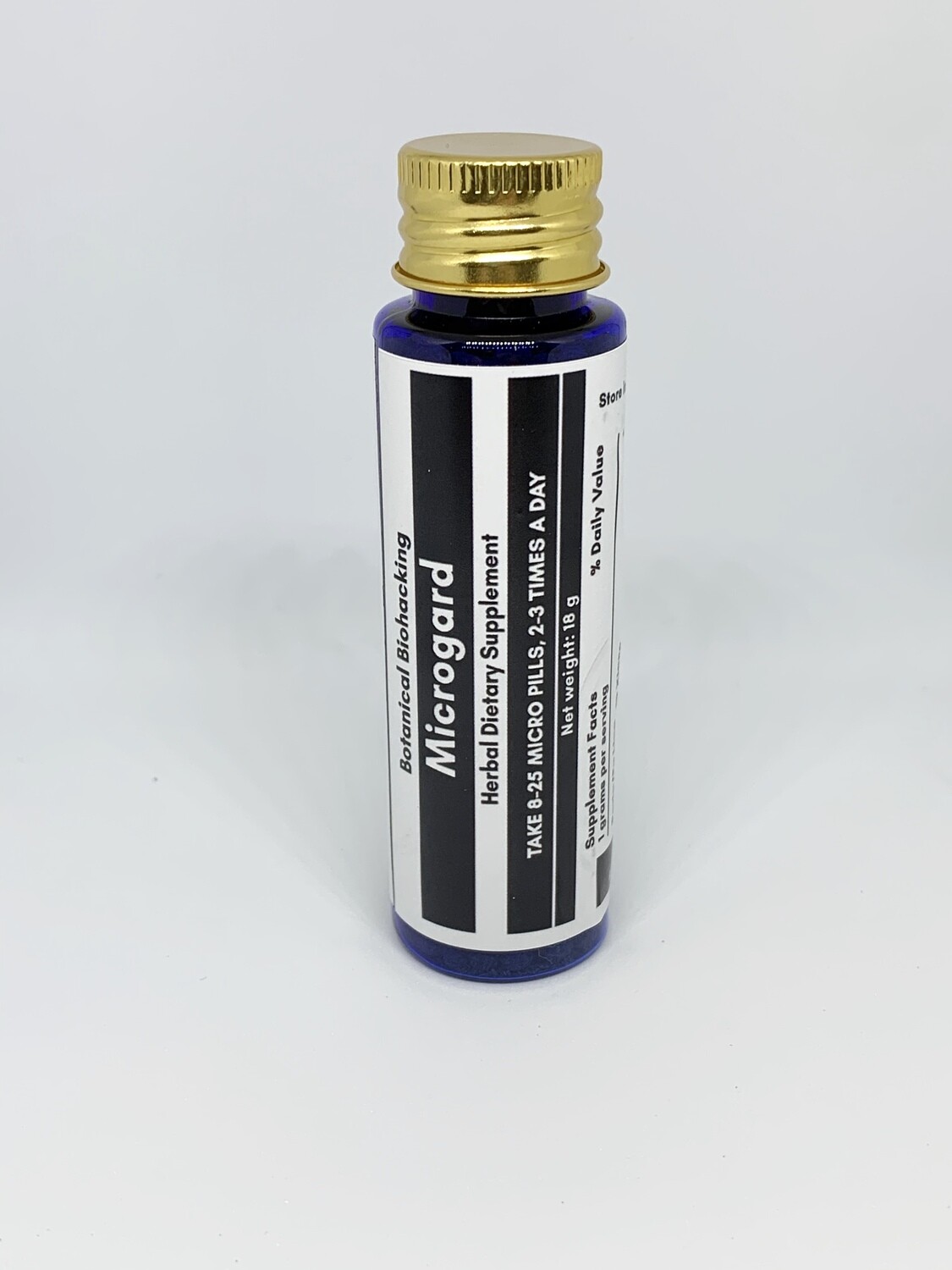
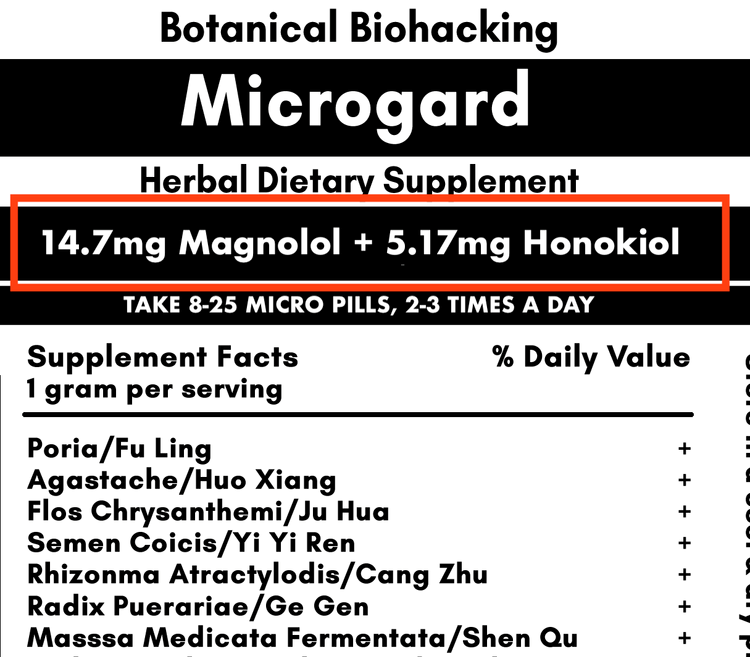
Microgard By Botanical BioHacking Close up

Call to action

That’s why, in my clinic, Evil Bone Water is what I use when the goal is healing, not just temporary relief.

It’s built on the traditional Zheng Gu Shui framework, upgraded with higher-grade herbs, natural camphor and menthol, and a formulation designed to support circulation, calm inflammation, and help damaged tissue recover over time.

It’s not the cheapest option

But it’s the one I trust when results actually matter.

If you’re ready to move beyond surface-level relief, try Evil Bone Water the same topical I use in clinical practice