The Best Stretch for Meniere’s Disease and Vestibular Migraines

Willard Sheppy Dipl. OM, LAc, BS
Willard Sheppy is a licensed acupuncturist (LAc) and Founder of Valley Health Clinic specializing in using Traditional Chinese Medicine to treat acute injuries and chronic conditions, and to improve sports performance and rehabilitation.

Table of Contents
Best Stretch for Meniere’s Disease and Vestibular Migraines
The best stretch for Ménière’s disease and Vestibular Migraines is not about forcing muscles to lengthen. It is about calming the nervous system, reducing cervical and jaw tension, and improving how the brain interprets balance signals coming from the neck and inner ear. For people living with Ménière’s disease or vestibular migraines, this distinction matters.
Why stretching helps Ménière’s disease and Vestibular Migraines.
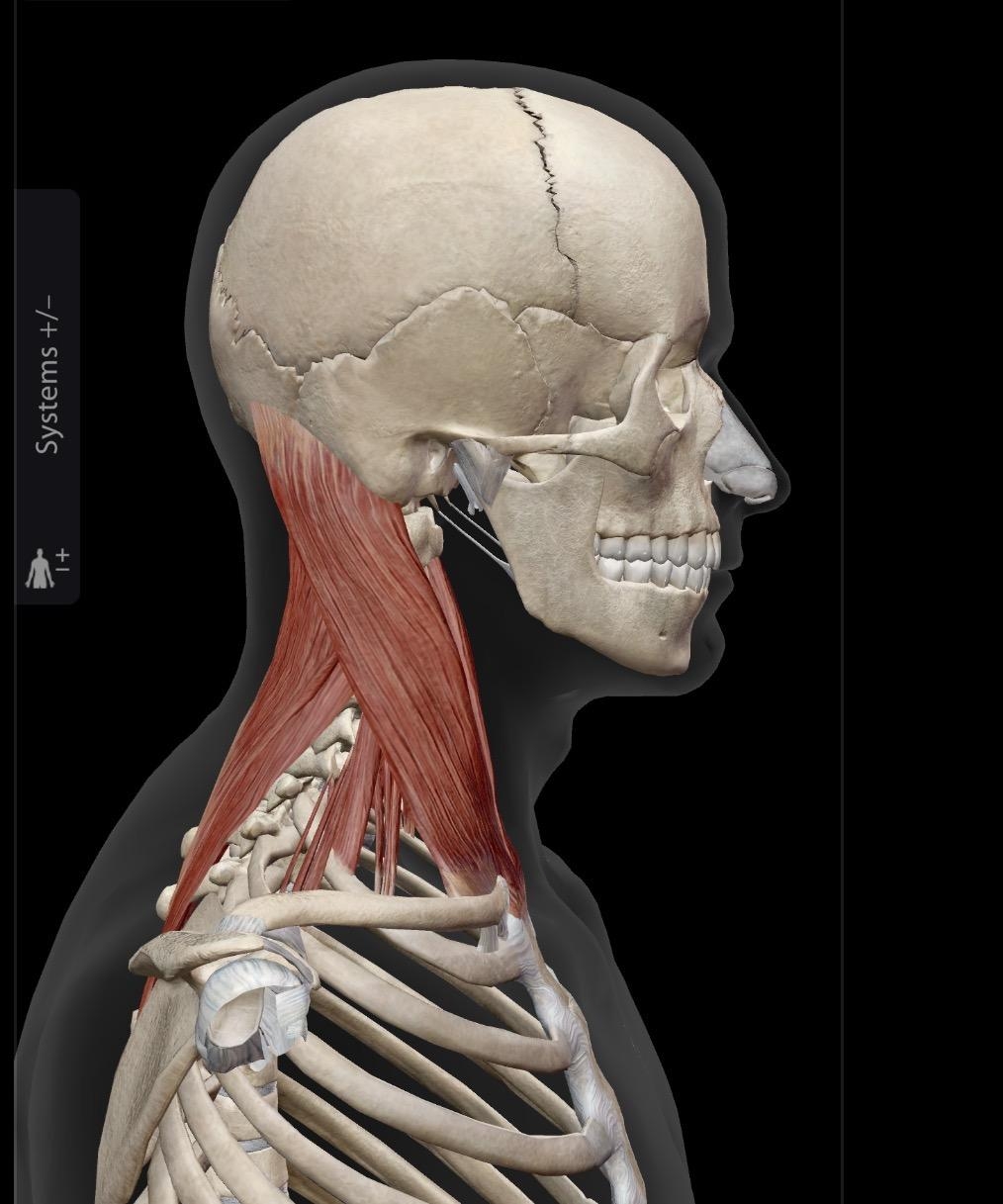
Research increasingly shows that the cervical spine plays a critical role in balance. The upper neck contains dense proprioceptive input that feeds directly into vestibular processing centers in the brain. When these tissues are tense or inflamed, the brain receives distorted information, which can worsen dizziness and vertigo.
What support this approach?
Tips For the Best Stretch of Meniere's and vestibular migraines.
Muscles are not rubber bands. When people “stretch harder,” they often activate protective reflexes that increase tension instead of releasing it. In Ménière’s disease and vestibular migraine, this backfires.
The goal is nervous system down-regulation. This happens through three mechanisms used together:
- Warmth before stretching, such as a hot shower or heat pack, reduces baseline muscle tone and improves tissue compliance.
- Slow breathing with a long exhale signals safety to the brain and reduces sympathetic overactivity.
- Gentle contraction followed by relaxation teaches the nervous system to let go of tension, improving movement without provoking symptoms.
How To Do The Best Stretch for Ménière’s disease and Veatibular Migraines.
This stretch works because it connects the lower back, pelvis, shoulders, and neck. Releasing tension in larger, more accessible muscle groups allows the upper cervical region and jaw to relax indirectly, which is often more effective than trying to “stretch the neck” directly.
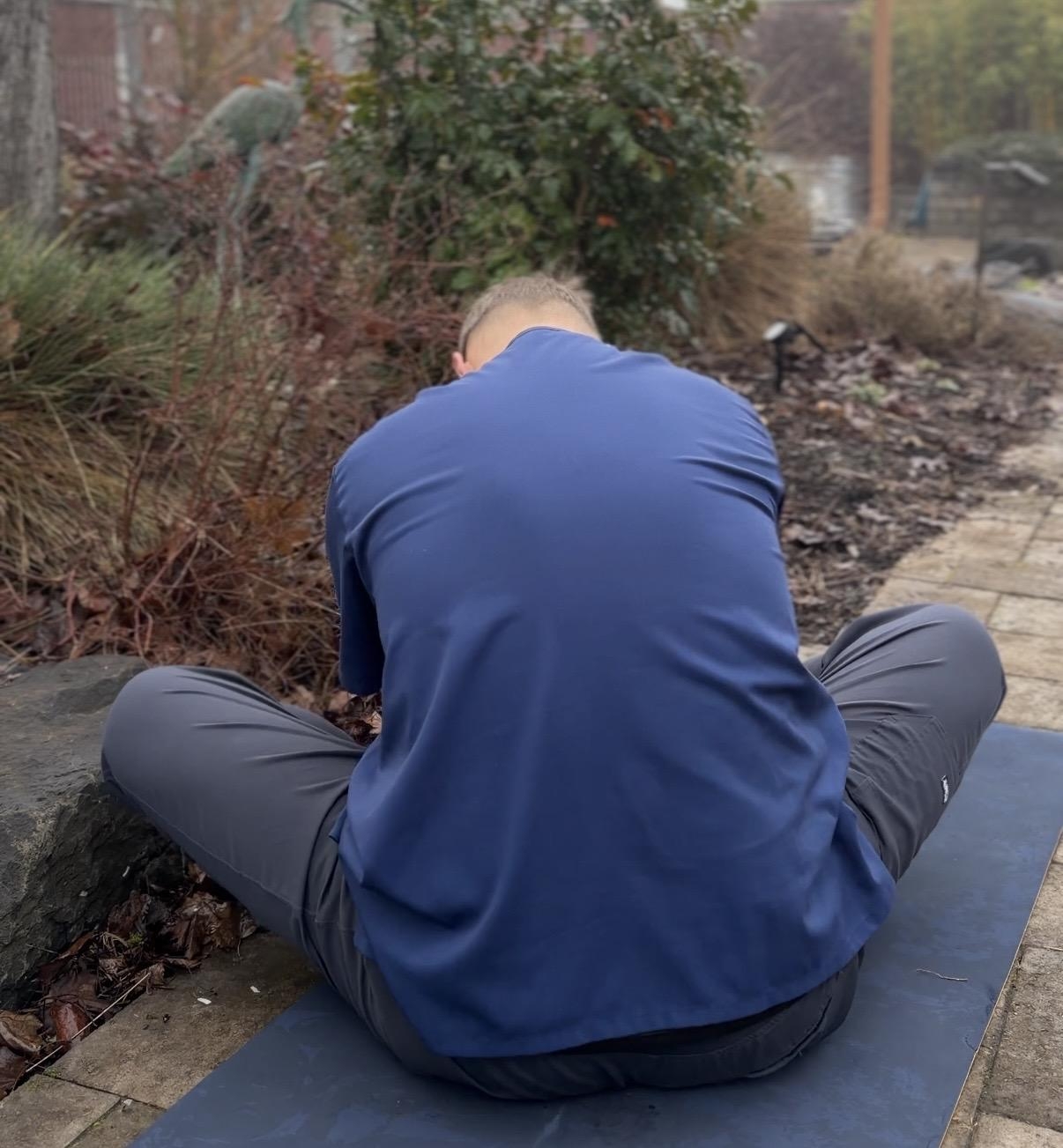
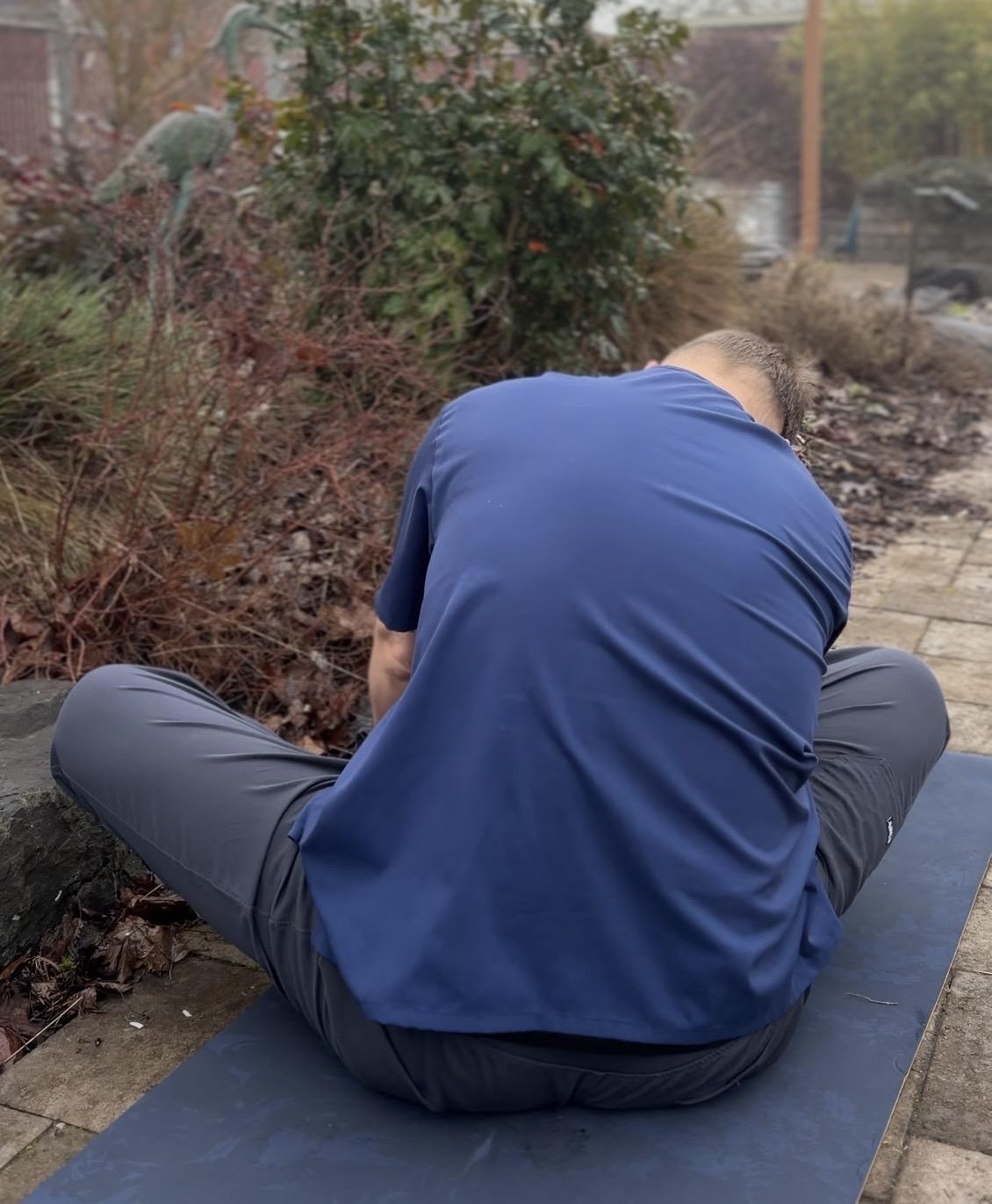
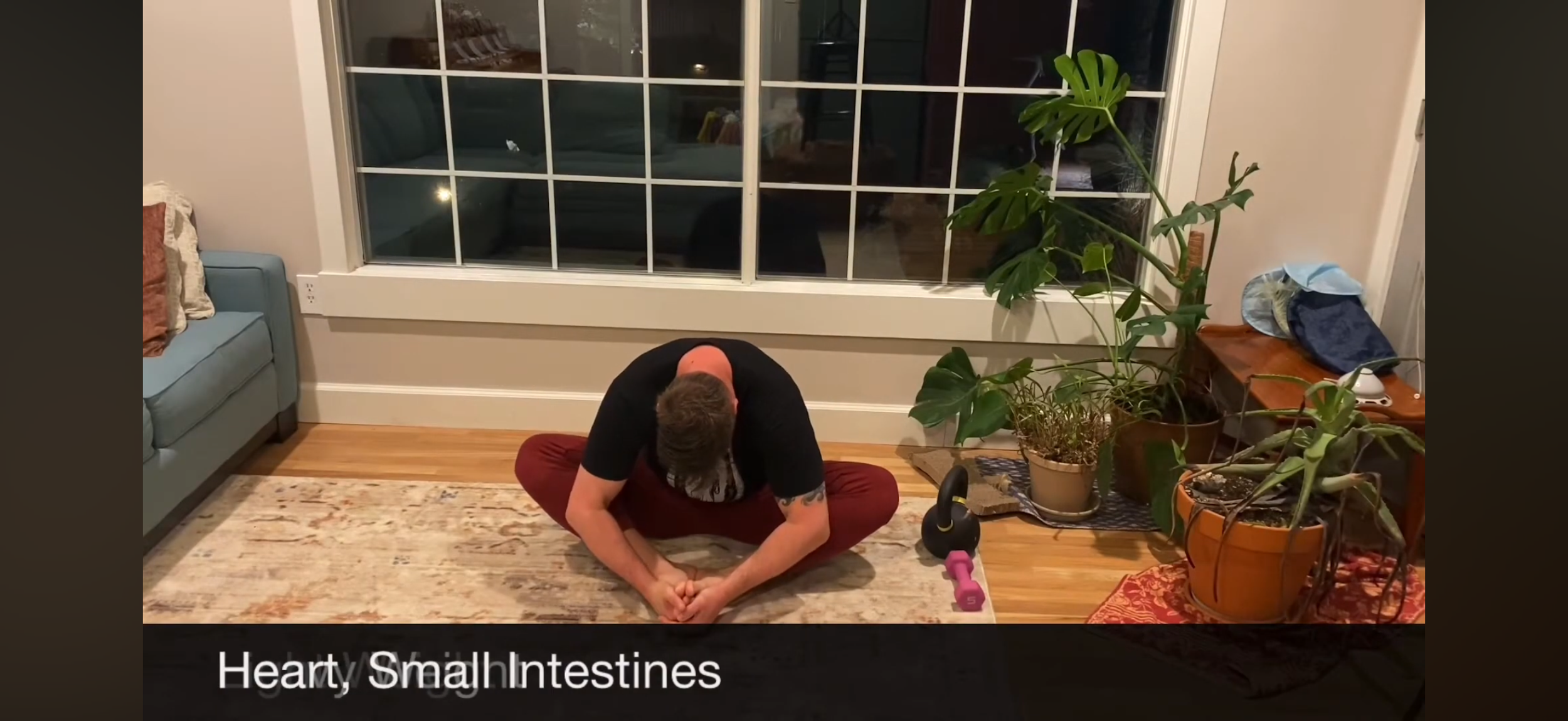
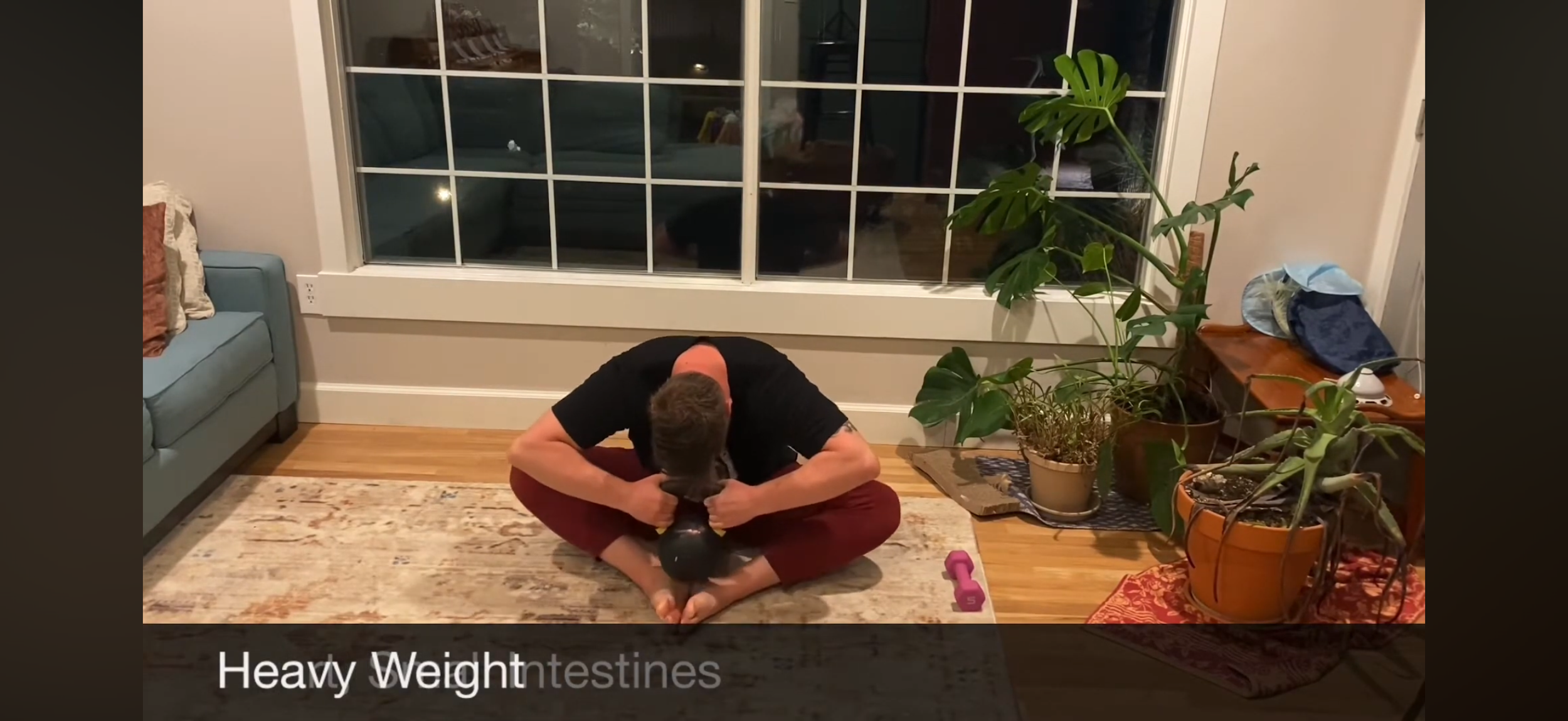
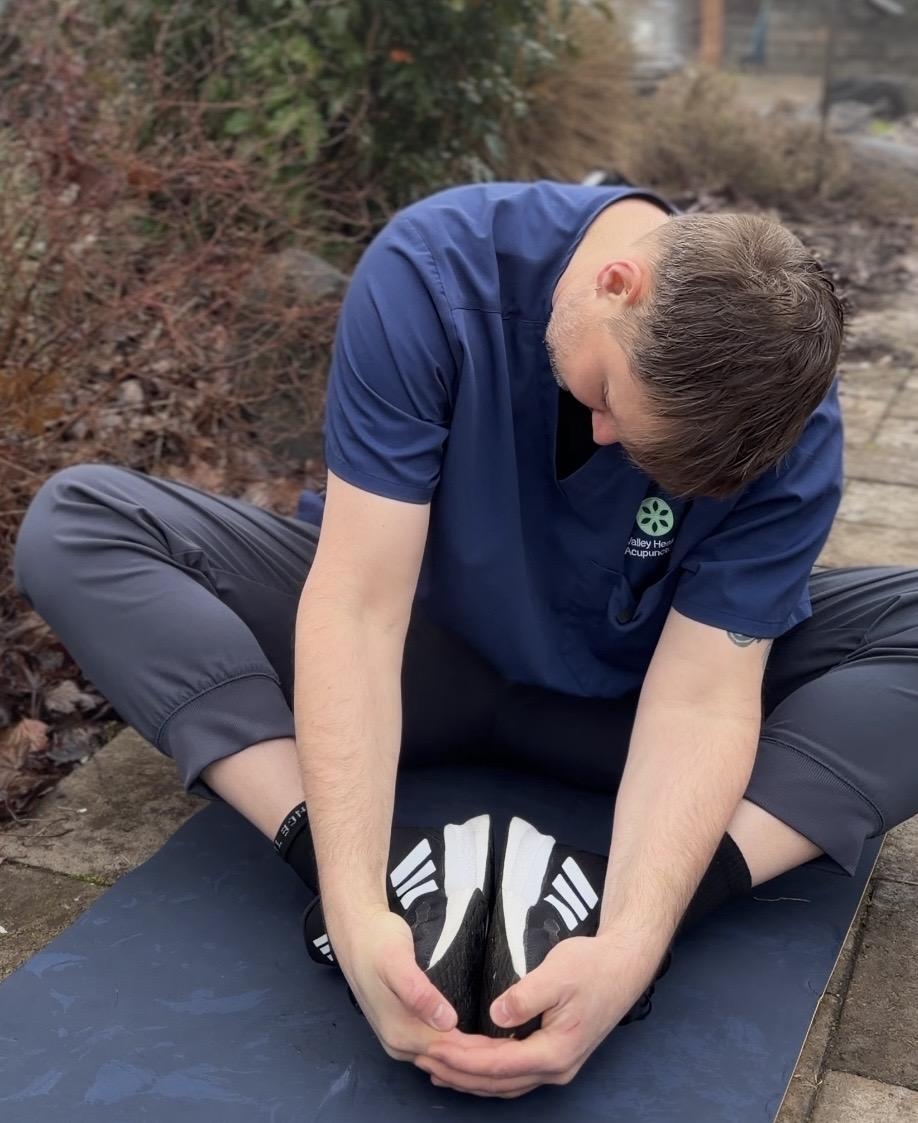
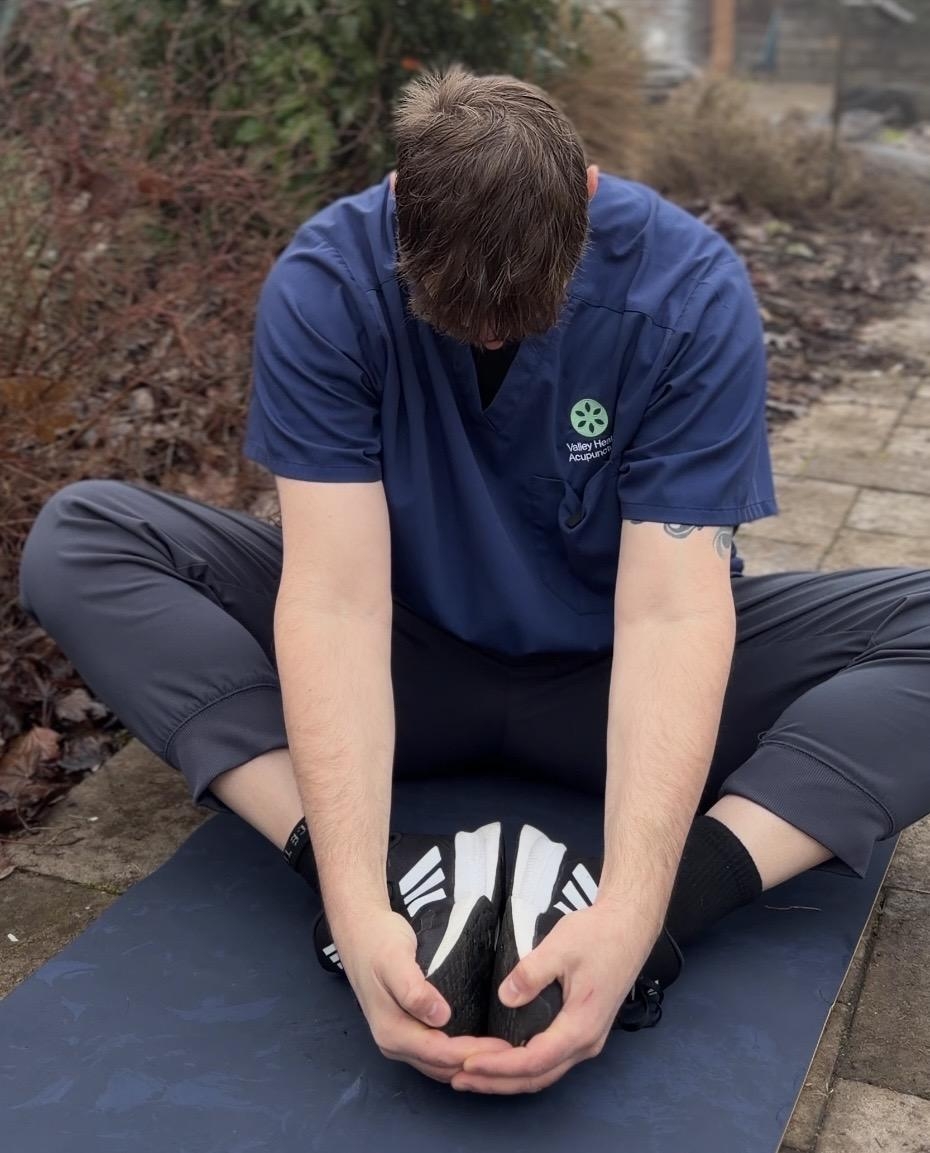
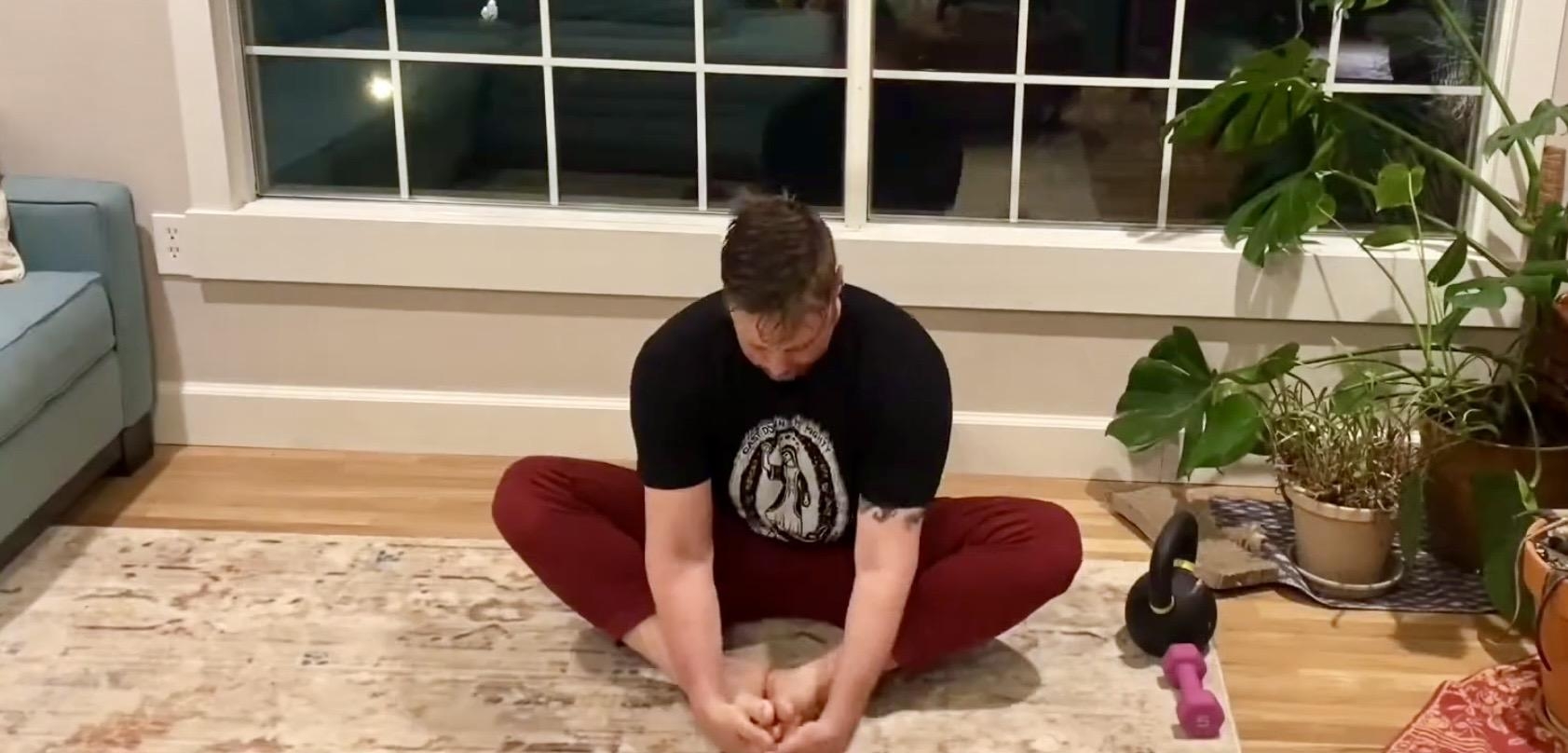
Sit on the floor or a firm surface and bring the soles of your feet together. Hold your toes, ankles, or thighs, whatever feels comfortable. Let your spine naturally fold forward without forcing it. The first step is simply to relax.
Take a slow breath in, gently contract your whole body just a little, then release with a long, sighing exhale. As you exhale, notice that your body naturally settles deeper without effort. This is the nervous system letting go.
From here, gently rock side to side. This allows you to find areas of stored tension, often in the shoulders, upper back, neck, or along the sides of the body. When you find a tight area, breathe into it, then release on the exhale. Many people feel tension travel down the spine or into the shoulders before dissipating.
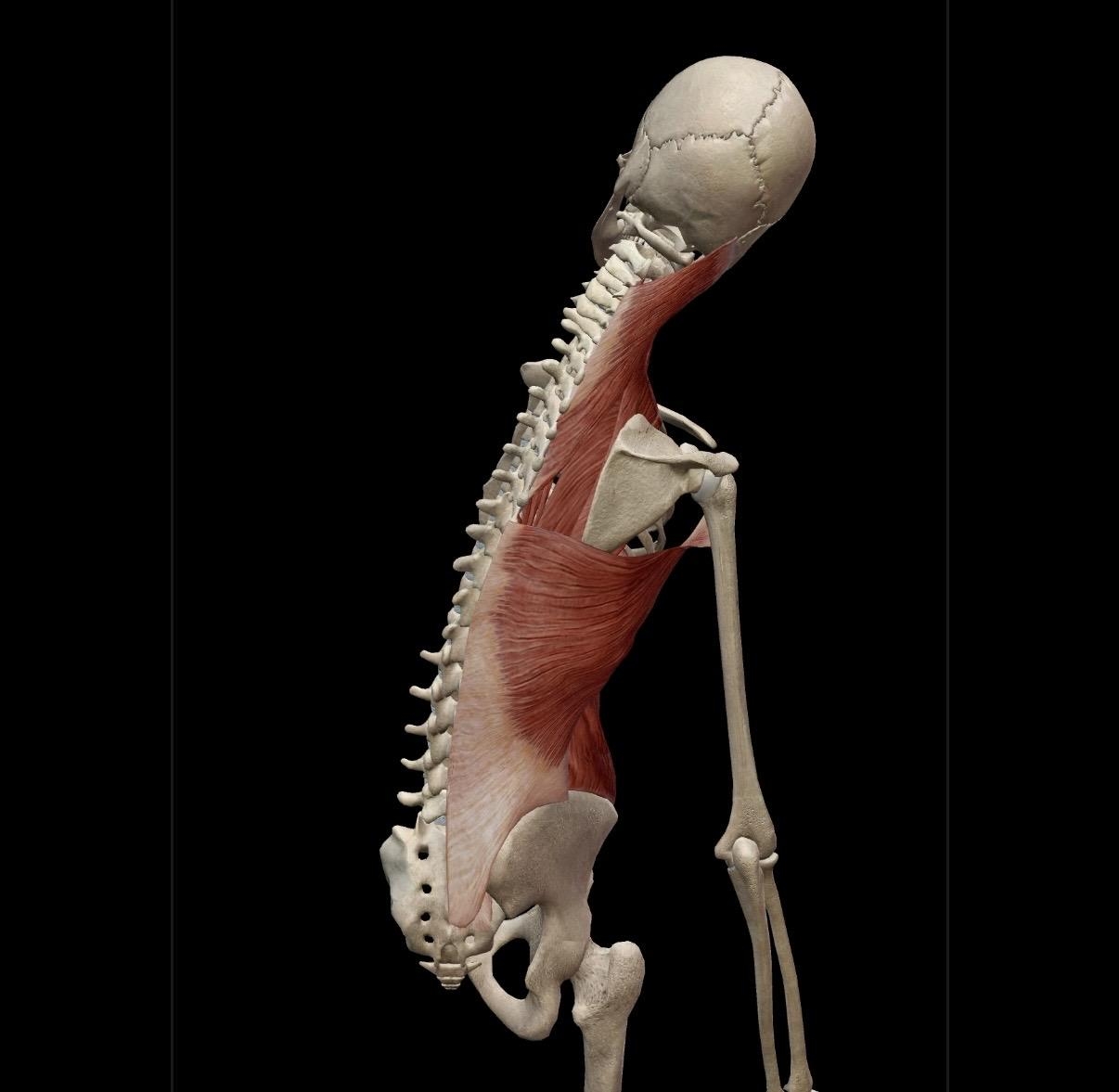
This indirect release is key. When the lower back, quadratus lumborum, and thoracic spine relax, the upper neck and jaw often follow

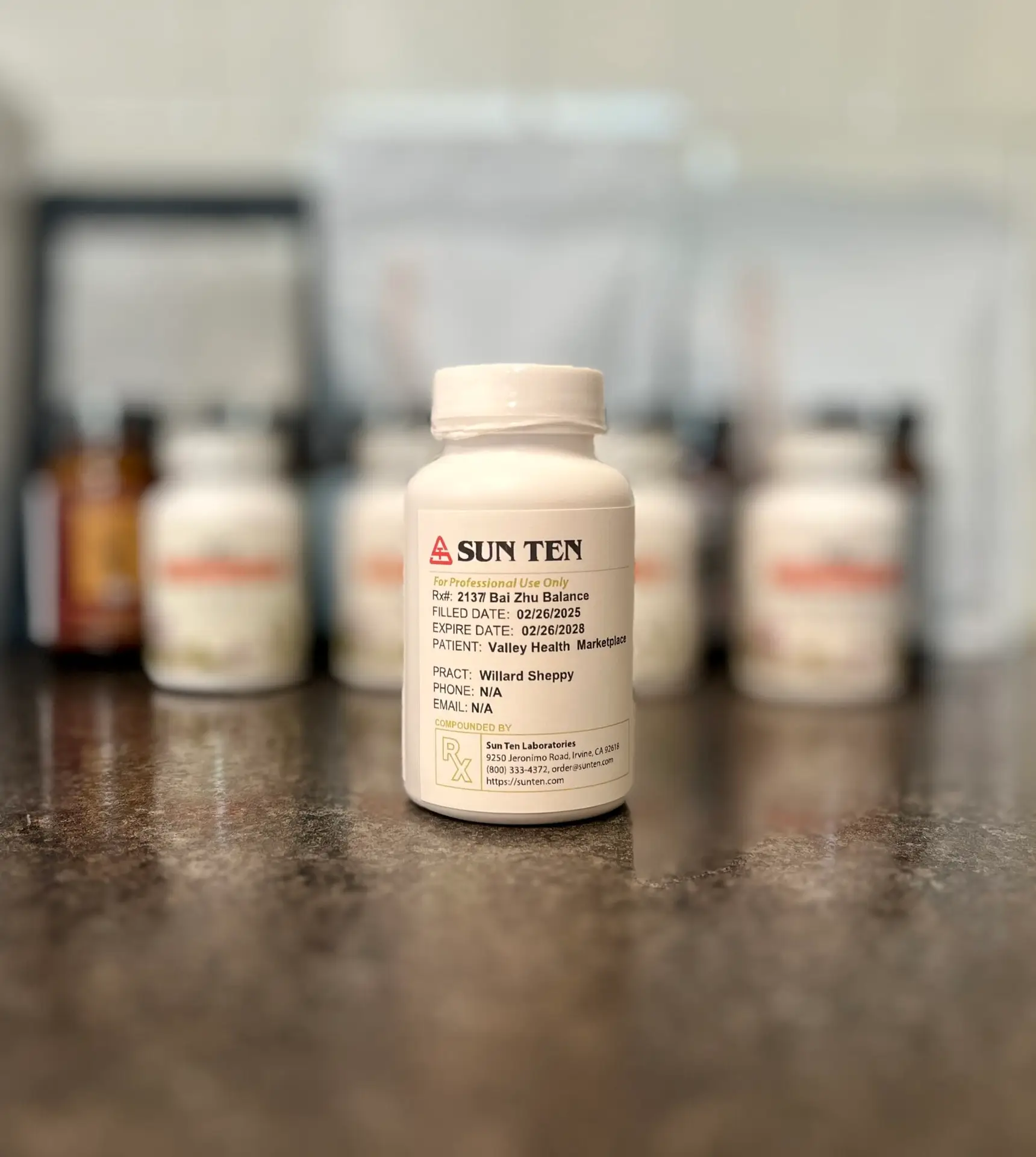
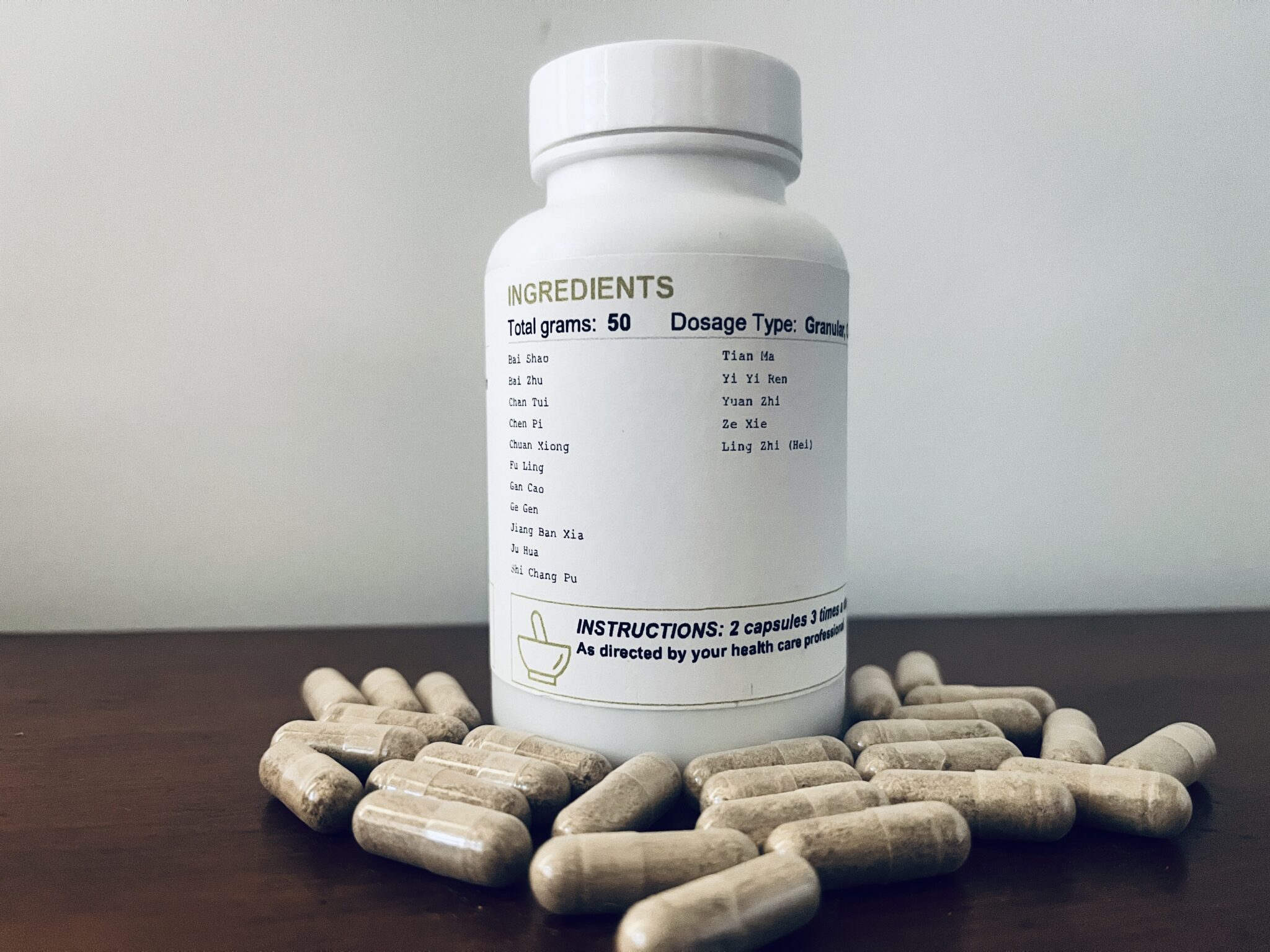
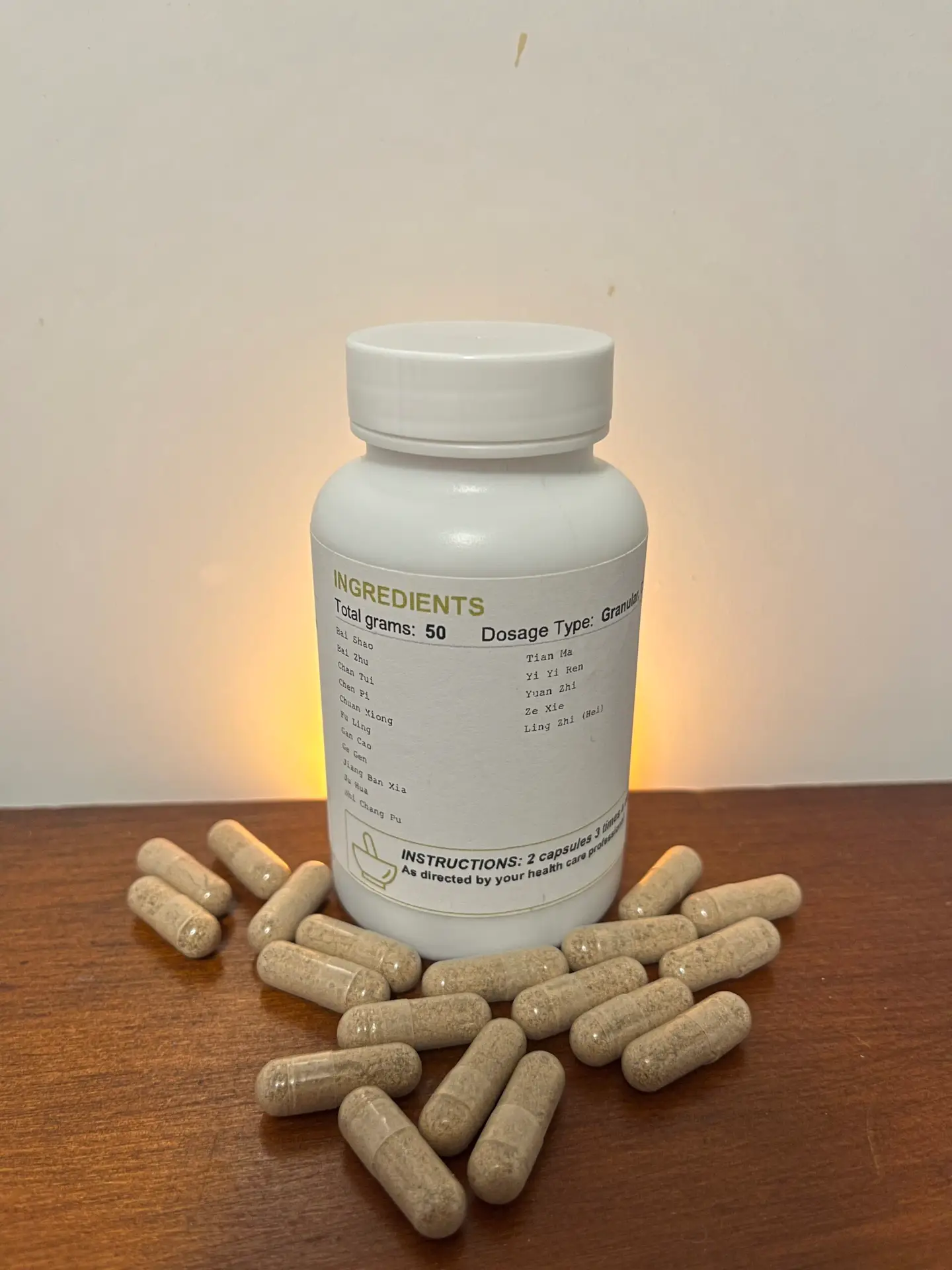
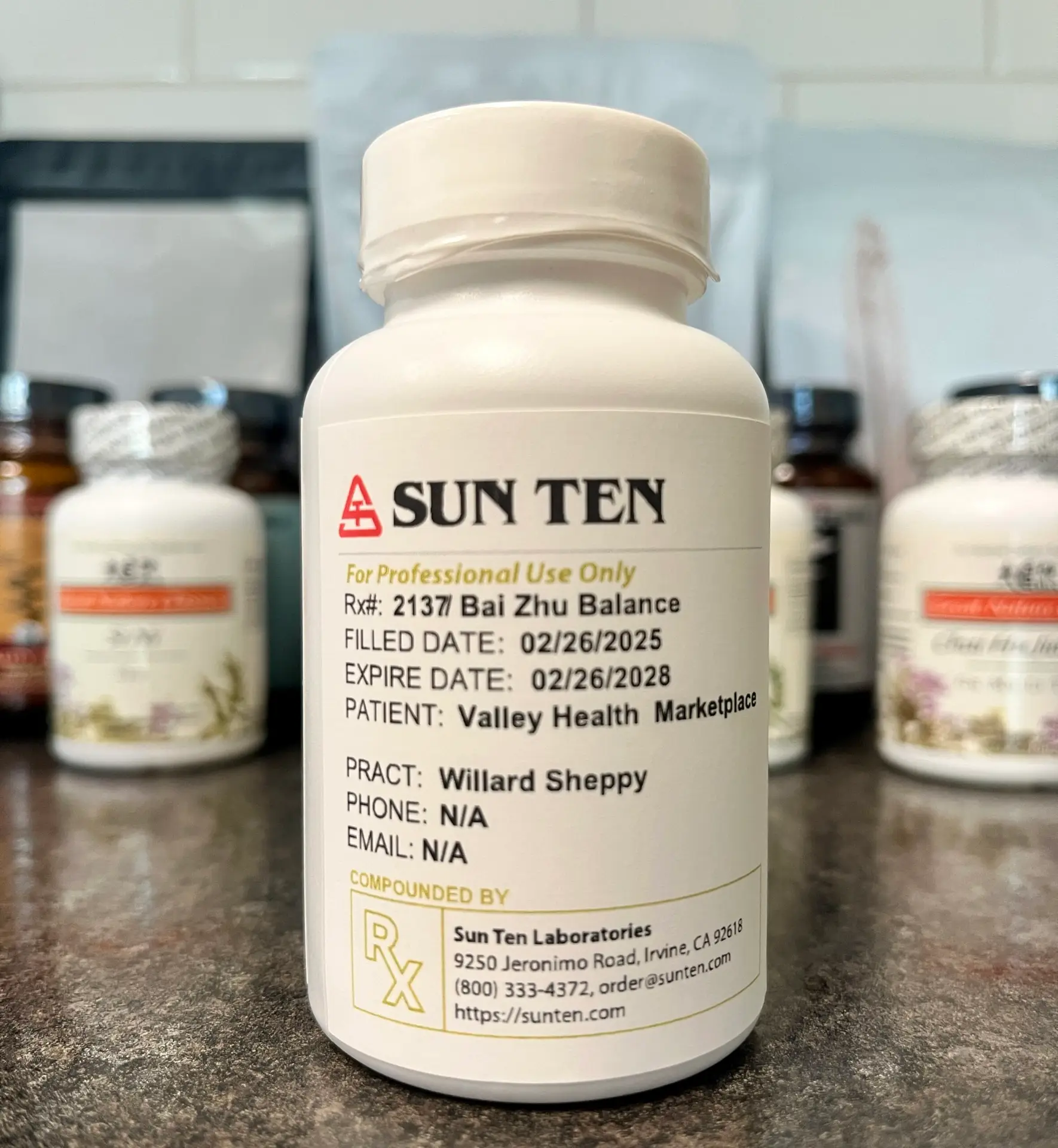
Bai Zhu Balance
Ancient Wisdom for Modern Balance
The natural supplement designed to treat Ménière’s disease at its root—relieve vertigo, reduce fluid buildup, calm inflammation, and restore clarity.
Detailed Explanations of the Best stretch for Meniere's and Vestibular Migraines.
The reason I like the best stretch for Ménière’s disease is that it immediately puts the body in a position of safety and relaxation. You are sitting on the ground, supported, not standing or challenging your balance. For people with Ménière’s disease or vestibular migraines, that matters. When the body feels stable, the nervous system is far more willing to let go of tension, and that alone can reduce dizziness.
This stretch is essentially a butterfly stretch, but done with a very different intention. Instead of forcing flexibility, you are able to relax, breathe, and move slowly. Because you are seated, you can gently flex the spine, hinge forward, or rock side to side. That makes it easy to “scan” the body and find different lines of tension,neck, shoulders, upper back, lower back, without provoking symptoms. Rather than isolating one small muscle group, you are influencing the entire spine as a connected system.
From a Makko-ho perspective, this position is often described as a Heart–Small Intestine / Fire stretch. That is significant for Ménière’s disease. Fire patterns are frequently associated with agitation, overactivation, and difficulty settling the mind. This stretch encourages a softening of the chest, shoulders, and upper spine, which many people feel as an immediate calming effect rather than a mechanical stretch.
Another reason this stretch works so well is that it does not only address the back of the neck and spine. By bringing the soles of the feet together, you are also opening the inner legs. In East Asian medicine, the inner leg pathways are yin channels, which are closely tied to nourishing, grounding, and calming functions. When these areas are restricted, people often feel restless, wired, or unable to fully relax symptoms that commonly overlap with Ménière’s disease.
What makes this stretch especially useful is that you can easily integrate grounding techniques at the same time. While seated, you can rub the bottoms of your feet, especially the center of the sole. This area is traditionally used to anchor excess upward activity and help the body feel settled. Doing this while gently releasing the neck creates a simultaneous effect: calming excessive yang above while supporting yin below.
In practical terms, you are stretching the neck and spine, opening the inner legs, and grounding through the feet all at once. This is why the stretch feels different from most neck stretches. You are not just “loosening muscles.” You are coordinating posture, breath, sensation, and touch in a way that helps the nervous system downshift.
That combination is why this is my preferred stretch for Ménière’s disease. It allows you to relax first, explore tension safely, calm the mind through the yin channels, and ground the body through the feet—all without forcing anything. When done slowly and consistently, it supports the same goal that every Ménière’s treatment is aiming for: less reactivity, better regulation, and a more stable internal sense of balance
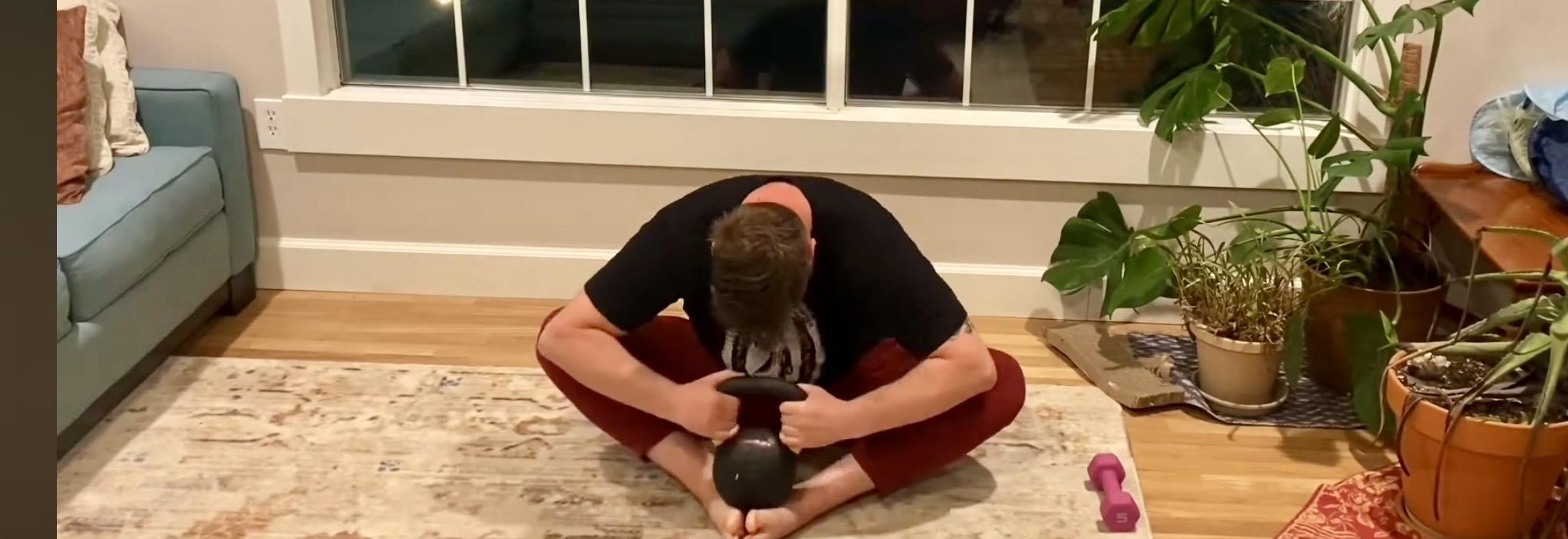
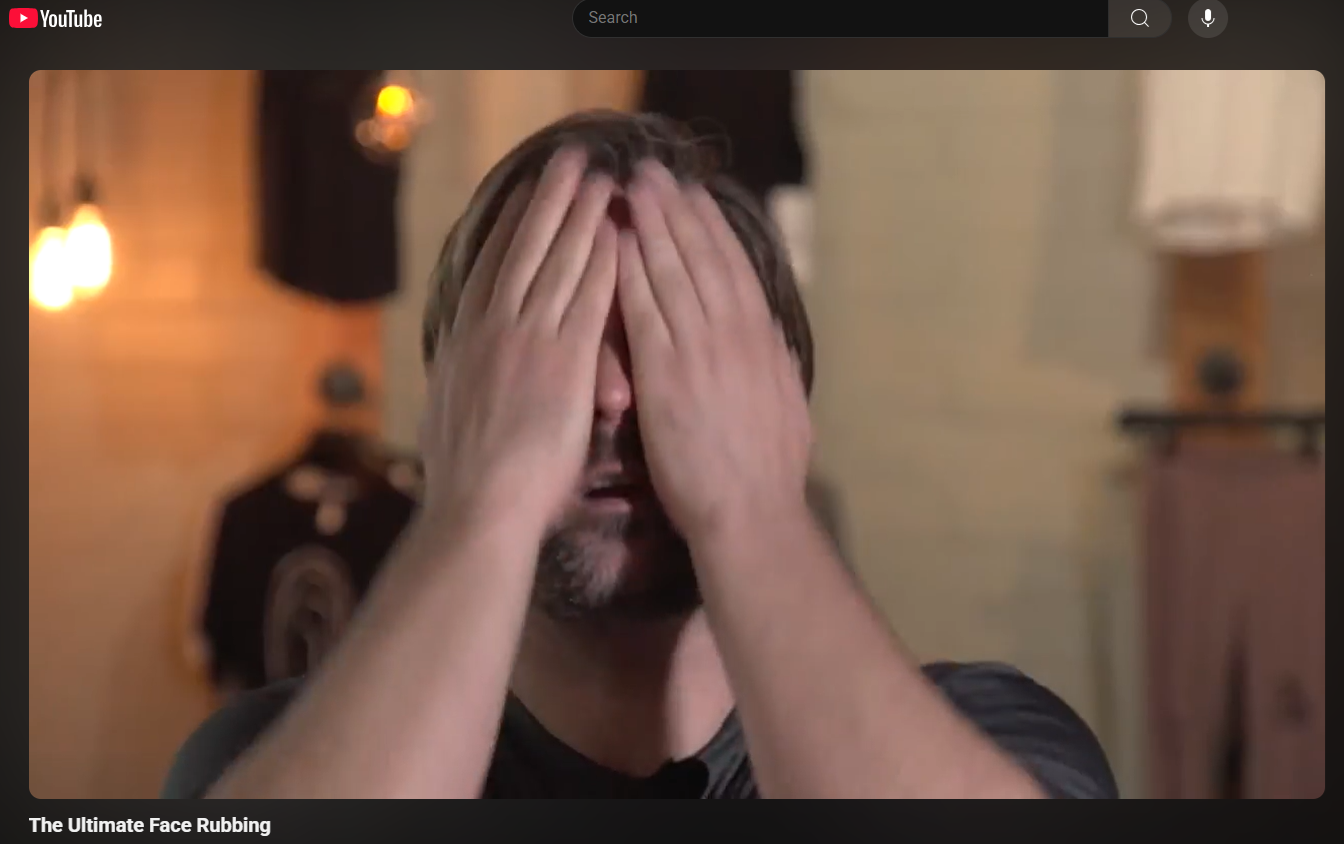
Here is a video of more advanced stretching techniques
https://youtu.be/t2AzSixQYus?si=BTW5W7C6cs1OxT5l
https://youtu.be/t2AzSixQYus?si=BTW5W7C6cs1OxT5l
FAQ's
About Microgard
What is Microgard?
Microgard is a 16-herb formula evolved from the traditional digestive remedies Bao He Wan and Po Chai Pills, refined for functional dyspepsia (chronic indigestion). It addresses multiple causes of persistent upset stomach at the same time, from poor motility to inflammation and gut-brain signaling.
How do I take Microgard?
Take 8–25 micro pills, 2–3 times daily, or follow your healthcare practitioner’s instructions. Because these are micro pills — much smaller than standard capsules or tablets — the dosage may sound high, but the tiny size makes them easy to swallow and adjust to your needs.
How much comes in a bottle?
Each bottle contains 18 g of traditional micro pills. Since there are no preservatives, keep the bottle in a cool, dry place and refrigerate after opening. For best results, finish the bottle as soon as possible once opened.
How do I know Microgard is right for me?
If you eat a Standard American Diet, have chronic indigestion (functional dyspepsia) or other digestive symptoms, and have signs of gut dysbiosis like a thick tongue coating, Microgard is likely a good formula for you. If you are unsure about Microgard, contact a TCM professional (licensed acupuncturist) who can determine if it’s the best fit.
Is it safe?
Yes. Microgard contains no additives or preservatives, only the 16 traditional herbs. Ingredients are sourced from authentic growing regions, verified by TCM botanical experts, and tested for purity, heavy metals, and pesticide residues at a Chinese FDA-certified lab.
Is There Anyone Who Should Not Take Microgard?
Microgard is not suitable during pregnancy, or for people with Celiac Disease. Consult your healthcare practitioner if you are nursing or taking medications.
How long does it take to work?
Many people notice reduced bloating and post-meal heaviness within 1–2 weeks. More complete resolution of functional dyspepsia symptoms develops over several months as digestive function rebalances.
What makes it different from other digestive supplements?
Most digestive aids only target one problem acid blockers reduce acid, enzymes help with breakdown, probiotics support gut bacteria. Microgard does all three plus more: improving motility, calming inflammation, protecting the stomach lining, and regulating the gut-brain axis. That’s why it’s uniquely effective for complex conditions like functional dyspepsia.
Where is it made?
Microgard is manufactured by Botanical Biohacking, using time-honored herbal methods combined with modern GMP-certified quality testing to ensure safety and potency.
Supporting Ménière’s disease from the inside: Bai Zhu Balance
Stretching addresses the mechanical and nervous system side of Ménière’s disease, but many people need additional internal support. In Chinese herbal medicine, Ménière’s disease is often associated with dampness, phlegm, and spleen deficiency patterns that lead to fluid dysregulation and pressure.
Bai Zhu Balance is a traditional herbal formula designed to support digestion, fluid metabolism, and nervous system stability. By strengthening the body’s ability to transform and move fluids, it complements physical strategies like stretching and breathing.
When used alongside regular relaxation-based movement, many patients report fewer flare-ups, improved baseline stability, and a greater sense of control over their symptoms.
If you are looking for a comprehensive, pattern-based approach to Ménière’s disease, consider combining the best stretch for Ménière’s disease with Bai Zhu Balance to support both the nervous system and internal balance.

How often to do it?
For most people, performing this stretch every other day for two to three weeks leads to noticeable reductions in neck tension, jaw clenching, and dizziness frequency. More is not better. Consistency and gentleness matter more than intensity.