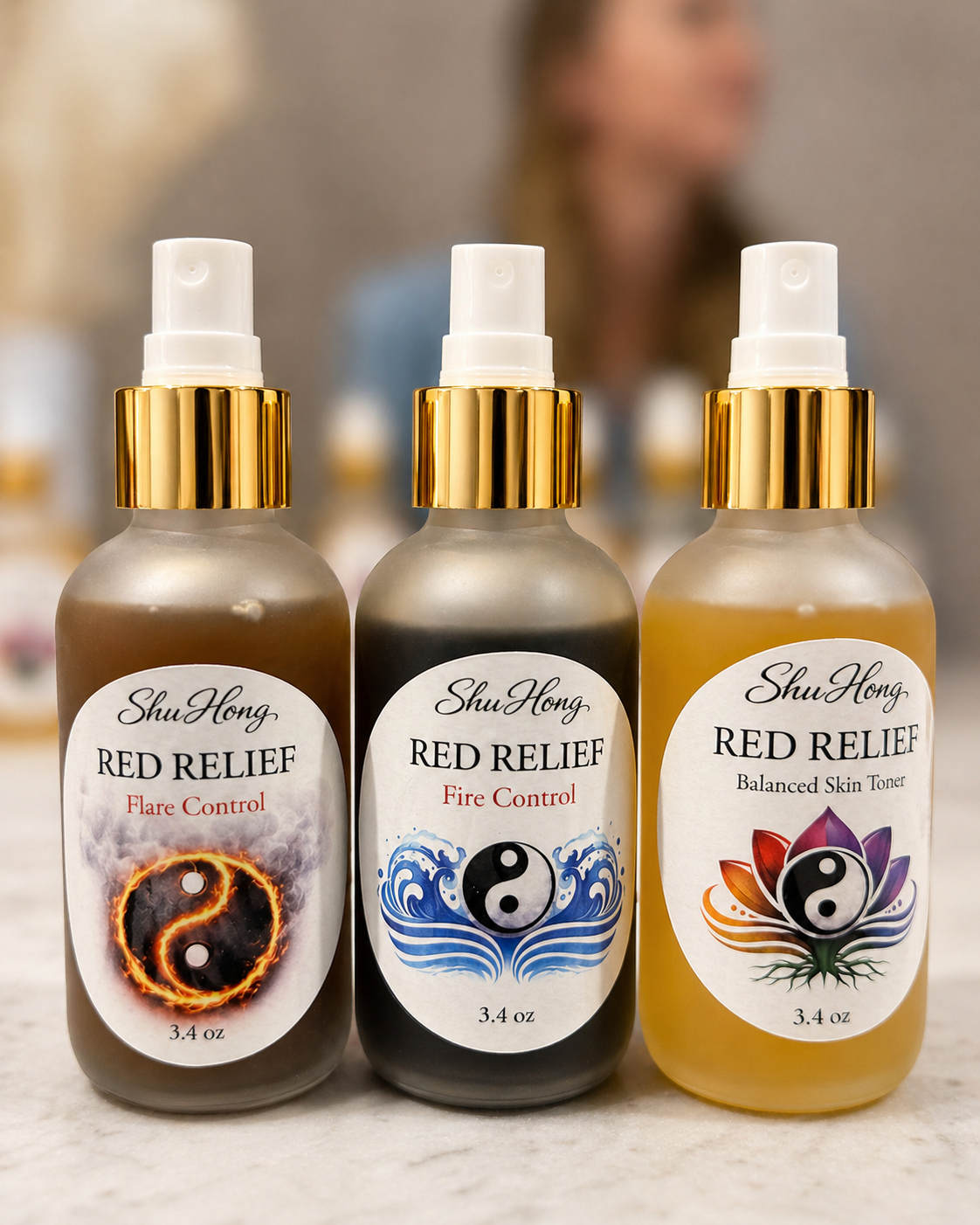
Psoriasis Flare Ups and Why You Need Three Sprays
Dr. Meli, in her own words, on why she and her husband built the Shu Hong


Willard Sheppy is a licensed acupuncturist (LAc) and Founder of Valley Health Clinic specializing in using Traditional Chinese Medicine to treat acute injuries and chronic conditions, and to improve sports performance and rehabilitation.
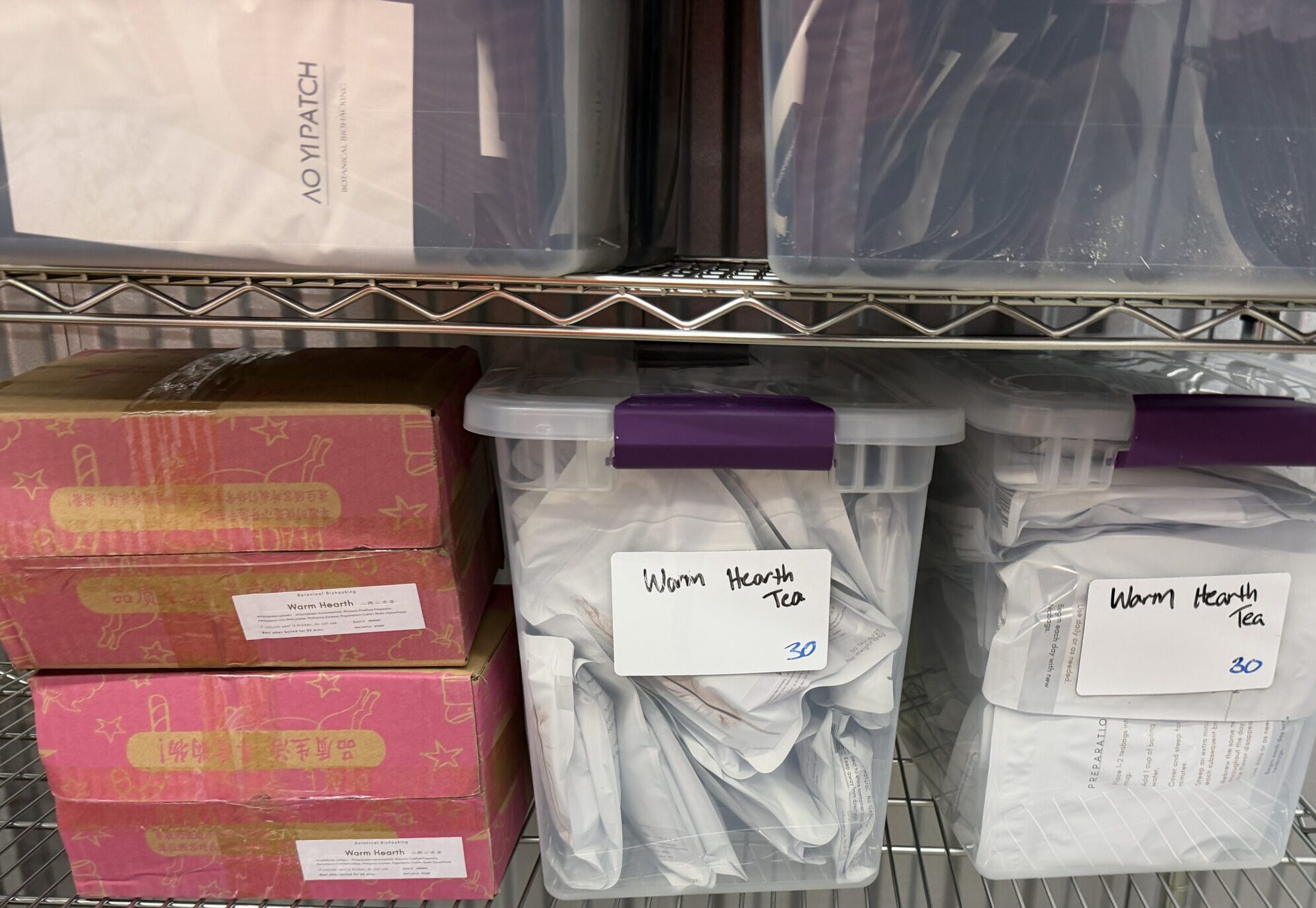
Every week someone asks me where to buy Chinese herbs online. It’s a fair question with an annoying answer, because most of the good stuff isn’t sold to the public at all.
I’ve been prescribing these herbs for twenty years. In that time I’ve watched practitioners decide that herbal medicine doesn’t really work, when what actually happened is they only ever used cheap product at a dose too low to do anything. I’ve also watched patients pay triple on a marketplace for something a clinic down the street would have sold them for less, with guidance included.
So here’s what I actually use, what I’d tell you to skip, and the one thing that fixes more herbal failures than switching brands ever will.
Full disclosure: I own Valley Health Market and I carry Botanical Biohacking there. I used their formulas in my clinic first and started carrying them because of what I saw. There are no affiliate links in this article and nobody paid to be included or left out.
The best Chinese herbal brands — Botanical Biohacking and Classical Pearls — sell only to licensed practitioners, and they cost more. Affordable lines like Evergreen and Treasures of the East still work if you take enough. That last part is where most people go wrong: a capsule holds about 500 mg and a scoop of powder holds a gram, so a real daily dose in capsule form means swallowing a dozen or more. If you’re not licensed, call an acupuncture clinic first, try a good local Asian market second, and don’t buy herbs on Amazon, where the same product routinely costs two to three times more.
Almost every company in this article sells to licensed practitioners only. You send in a copy of your license, they approve your account, and then you can order. That’s it — that’s the whole gate.
It’s worth understanding because it explains a lot. The material that produces the results you read about is largely invisible from the outside, which is why an honest search for “where to buy Chinese herbs” usually dead-ends at whatever a marketplace is willing to ship you. It also explains why so much of what’s easy to buy is mediocre.
Everything I recommend below reached me the same way: an herbalist I respect, a teacher or a mentor, told me to try it. Then I used it on real patients and it worked. That’s the entire vetting process, and it’s the one I’d suggest you use too.
There’s a tension nobody mentions in school. The best herbs cost more, patients don’t always want to pay for the best herbs, and a patient who never starts because the price scared them off gets zero benefit from the world’s finest granules.
So I run two tiers. Quality, for the results you were taught to expect. And an affordable entry point, because once somebody has felt a cheaper formula work, the conversation about a better one gets much easier.
You’ll hear practitioners talk about the warming school or the damp school and it sounds like jargon. It isn’t. Chinese medicine didn’t develop in one place — it developed across an enormous country with wildly different climates, and the doctors in each region were looking at different problems out their window.
Cold regions produced traditions built around restoring warmth and circulation. Wet regions produced traditions built around clearing dampness, that heavy, foggy, sluggish quality. Neither is more correct than the other. They’re answers to different questions, and that history is still sitting inside the formulas you buy today.
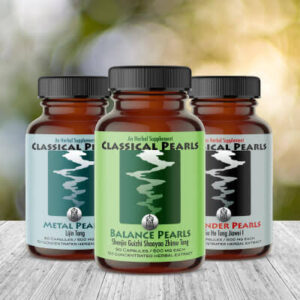
Classical Pearls comes out of the warming school, so it’s most effective for people who run chronically cold. That’s exactly why their cold-invasion formulas — the ones for the early stage of a cold — perform as well as they do. Quality is excellent, and the material holds up even in capsule form, which is unusual and tells you something.
You do have to find the formulas that work. These are the ones I reach for consistently:
Where I’m less impressed is some of their tonifying formulas — the ones meant to build a depleted person back up. That’s my clinical read, not a knock on the company. Every line has a center of gravity and theirs is warming and dispersing.
You can see the full line at Classical Pearls.
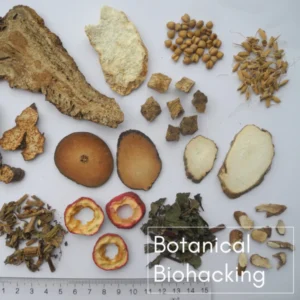
Botanical Biohacking sits more in the damp school, which is what’s relevant for people in damp conditions like Oregon. It’s also well suited to a typical American diet, which produces its own internal dampness no matter where somebody lives.
That’s why I like the formulas and it’s why I carry them — see the disclosure at the top. You can see the line at Valley Health Market.
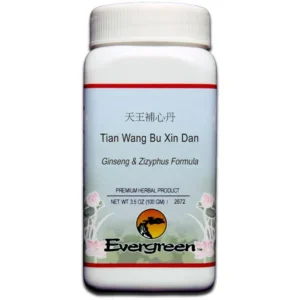
I like Evergreen formulas in the powder, not the pill. They’re complex formulas you can mix together, the quality is good but it’s not amazing, and they’re affordable and easy to use. Treasures of the East I like in the pill — easy to use, reasonable quality, does the job.
There are other companies in the same class. KPC is similar to Evergreen. I haven’t experimented with all of them so I won’t pretend to a clinical opinion I don’t have, but it comes recommended by people I trust.
This is where most people go wrong, and it’s just arithmetic.
A concentrated extract capsule is typically about 500 mg. A scoop of granules — powdered extract, loose in a jar — is 1 gram. That’s roughly two capsules per scoop.
Now picture the dose you actually want in a patient — say six to nine grams a day. That’s twelve to eighteen capsules. Nobody is doing that three times a day for six weeks.
So the rule is this: the cheaper the product, the more of it you need, and the harder that is to do in capsule form. That’s the whole reason I want Evergreen as granules. A scoop and a half is easy. Fifteen capsules is not.
Capsules also cost more to manufacture, so you’re frequently paying extra for the form that makes proper dosing hardest. Sometimes that’s still the right trade — for a first-timer, for travel, for compliance. Just make it on purpose.
Granules taste earthy and people complain. Here’s why I don’t apologize for it.
Taste is part of the mechanism. Bite a lemon and your body reacts before you’ve swallowed anything. Eat something savory and your gallbladder starts releasing bile in anticipation of fat. And you don’t only have taste receptors on your tongue — they’re distributed throughout your digestive tract. Your body will taste it either way, but the tongue comes first, and that early signal matters.
It’s not a bad taste. It’s an earthy taste. Reframing it that way with patients helps more than you’d expect. And if it’s somebody’s first time with herbs, start them on capsules and a cheaper product, get them a result they can feel, then move them up.
You wouldn’t ask whether an onion works.
— Will Sheppy, L.Ac.
Herbs work. That’s not a promise, it’s a category statement — the same way I’d say carrots work, or garlic works. When they don’t seem to, there are three explanations, and it’s almost always one of them:
Think about aspirin. Aspirin works. But if you take aspirin for the wrong thing you don’t feel better, and nobody concludes from that that pharmacology is fake. The aspirin just wasn’t what you needed.
If you’re consistently disappointed with herbal results, I’d bet on cheap product plus low dosing before anything else on that list.
Depends what you’re treating. For pain, expect something fairly quickly — often close to immediately. For most other things, think of herbs the way you think of diet.
Eat a Big Mac, you feel like garbage. Eat a salad, you feel better that day. Eat well for a week and your body starts to actually change. Herbs are a strong diet — same curve, steeper slope.
Yes, and I recommend it. You need to know the formulas or work with someone who does, but combining is normal practice — no stranger than taking vitamin C alongside zinc.
The topicals are the one category with no license gate, and they’re some of the best products I use. All of them are American made and handcrafted — made by people, not corporations.
They’re all sourcing top quality herbs, which I respect, and you feel the difference in the results.
Everything above except the topicals requires a license. So here’s what to do instead.
Largely, yes. Testing for heavy metals and pesticides isn’t federally mandated before market the way it is for drugs, but every major Chinese herbal pharmacy company I’ve looked into treats it as standard practice. The worry about contaminated imports belongs to an earlier era.
My rule is to buy from American-based manufacturers, the ones whose testing you can actually ask about, rather than something produced overseas and shipped straight to a marketplace listing. If a company can’t produce a certificate of analysis, that tells you what you need to know.
Taking herbs without a diagnosis is mostly safe, but it probably won’t be effective, which is its own kind of waste. And if you’re sensitive to herbs, guessing can genuinely go badly.
Blood thinners. Many of the major blood-moving herbs in Chinese medicine interact with anticoagulants. Chuan Xiong is the clearest example, and Dan Shen and Dang Gui warrant the same caution. If you’re on warfarin, apixaban, rivaroxaban or anything similar, this needs to be a conversation before you start rather than after.
The interesting exception is San Qi, the herb in Evil Bone Water. It moves blood and stops bleeding — a coagulant as well as a mover. That paradox is exactly why it’s the star of so many famous trauma liniments.
Mood medications — antipsychotics and mood stabilizers — are the other category that needs a conversation first. Outside of those two, most people are fine. But “most people” isn’t “you,” which is why the conversation matters.
For a much deeper treatment of herb–drug interactions, including liver and kidney function, SSRIs and diabetes medications, Brehan Crawford wrote a thorough guide to it. Brehan and I went to school together and he’s one of the best herbalists around — someone I trust. It’s built around one formula but the framework applies broadly.
Start with Evil Bone Water or Wind Tea.
Evil Bone Water because you can actually buy it without a license, it’s useful for a lot of things, and it works fast enough that you stop wondering whether this stuff is real. Wind Tea for the early stage of a cold, for the same reason — it’s the formula most likely to make a believer out of a skeptic.
Once you’ve felt one of them do its job, everything else in this article gets easier to take seriously.
And if you’re not getting results from Chinese herbs, it’s almost never that the herbs don’t work. It’s cheap product, or not enough of it, or the wrong formula. Fix the dose first — it’s free, and it solves the problem more often than switching brands does.
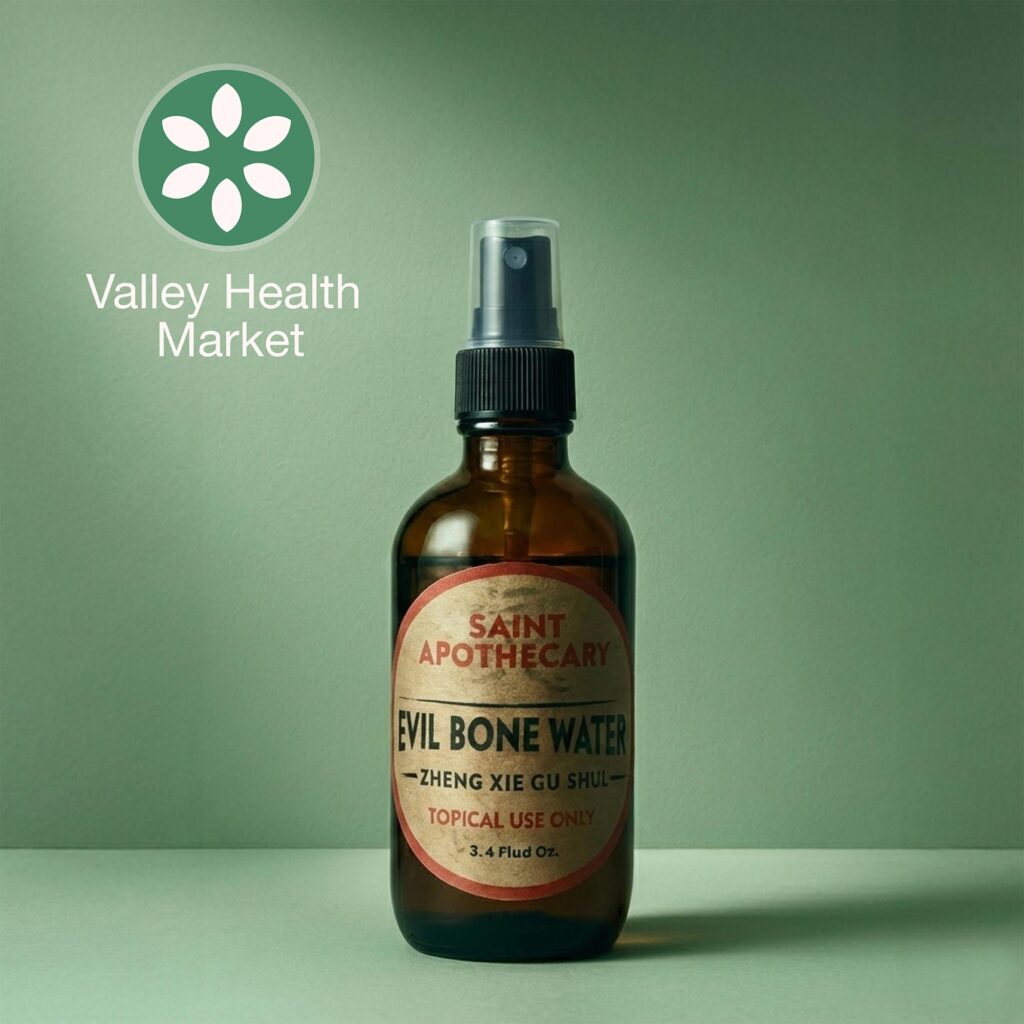
Zheng Gu Shui, Restored
The topical liniment I reach for first — no license required, fast on bruises, strains and sore joints.
Classical Pearls Herbal Formulas. Legacy Series. Link →
Crawford B. Gut Harmony Drug Interactions: Is It Safe With Your Medications? Crawford Wellness. Link →
Fu Medicinals. Topical pain relief, hand-crafted in Oregon. Link →
Botanical EZ, LLC. Corydalis for natural pain relief. Link →
This article is educational and is not medical advice. Chinese herbal formulas are not intended to diagnose, treat, cure or prevent any disease. Talk to a qualified practitioner before starting herbs, especially if you take prescription medication.
Most of the top herbal companies sell to licensed practitioners only — you have to send in a copy of your license to get approved. Topicals are the exception and anyone can buy them. For internal herbs, call an acupuncture clinic or try a local Asian market that has someone on staff who knows the formulas.
You can, but the same products routinely cost two to three times what a clinic or a local Asian market charges, and you get no guidance with the purchase. It’s the worst combination available: highest price, least information.
Testing isn’t federally required before market, but every major Chinese herbal pharmacy company I’ve looked into treats it as standard practice. Buy from American-based manufacturers whose testing you can ask about, and if a company can’t produce a certificate of analysis, that tells you what you need to know.
It’s a dosing decision. A capsule holds about 500 mg and a scoop of powder holds a gram, so a real daily dose of six to nine grams means twelve to eighteen capsules. With a cheaper formula, use the bulk powder so the patient can actually reach a therapeutic dose.
Almost always one of three things: it’s the wrong formula for you, it isn’t dosed high enough, or you haven’t taken it long enough. If you’re consistently disappointed, cheap product combined with low dosing is the most likely cause.
Many of the major blood-moving herbs do, including Chuan Xiong, Dan Shen and Dang Gui. If you take warfarin, apixaban, rivaroxaban or a similar anticoagulant, talk to a practitioner before starting. Antipsychotics and mood stabilizers are the other category worth a conversation first.
Dr. Meli, in her own words, on why she and her husband built the Shu Hong
Does Evil Bone Water work? An acupuncturist reviews the evidence for Zheng Gu Shui, camphor, menthol,
Learn which acupuncture points Will Sheppy uses for Ménière’s disease, vertigo and dizziness, plus treatment frequency