You can’t always control when the room will spin — but you can understand why it happens, learn to read your own warning signs, and move from the fear of the unknown to a plan you trust.
If you’ve just been told you have Meniere’s disease — or you’ve been living with the spinning, the ringing, and the ear pressure for years — there’s a good chance the hardest part isn’t any single attack. It’s the not knowing. You feel completely fine, and then the floor tilts. There’s nothing on the outside to point to, nothing that explains it, and no reliable way to predict when the next episode is coming. That uncertainty is its own kind of exhausting, and it wears on people in a way the medical charts don’t always capture.
I want you to know that the fear is normal, and it makes sense. People living with Meniere’s tend to carry more day-to-day stress and a lower quality of life than they should have to — and that burden often grows the longer the condition goes unexplained. So the goal of this article, and of the short class I teach, is simple: help you understand what is actually happening in your inner ear, why it feels so frightening, and how to move from “I have no idea what’s going on” to “I have a plan I believe in.” Here’s a preview of what we cover.
Meniere’s is a disorder of the inner ear — the part of you responsible for both hearing and balance. Your sense of balance is really a team effort between three inputs: your inner ear (the vestibular system), your eyes, and the position sensors in your body. When all three agree, you feel steady and never think about it. With Meniere’s, the inner ear sends the brain false information, so one member of the team starts lying. The result is that the whole system panics, and the world appears to spin even though you haven’t moved.
That’s why Meniere’s is uniquely unsettling. It’s an invisible condition. You can’t point to a cast or a wound, others can’t see it, and that can make you feel dismissed or alone. But invisible is not the same as unknowable. Once you understand the machinery, the experience starts to feel less like a betrayal by your own body and more like a system you can learn to work with.
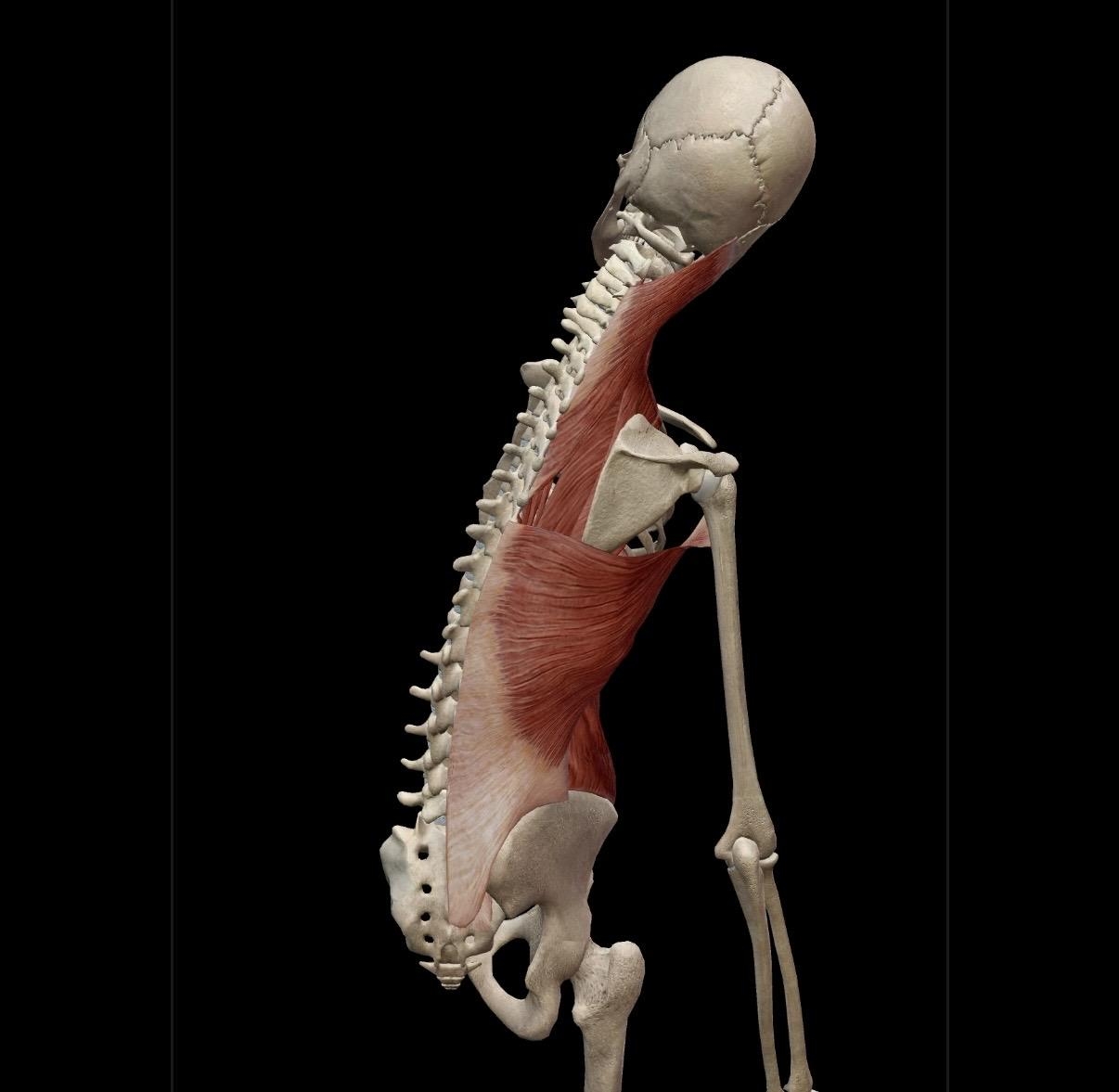
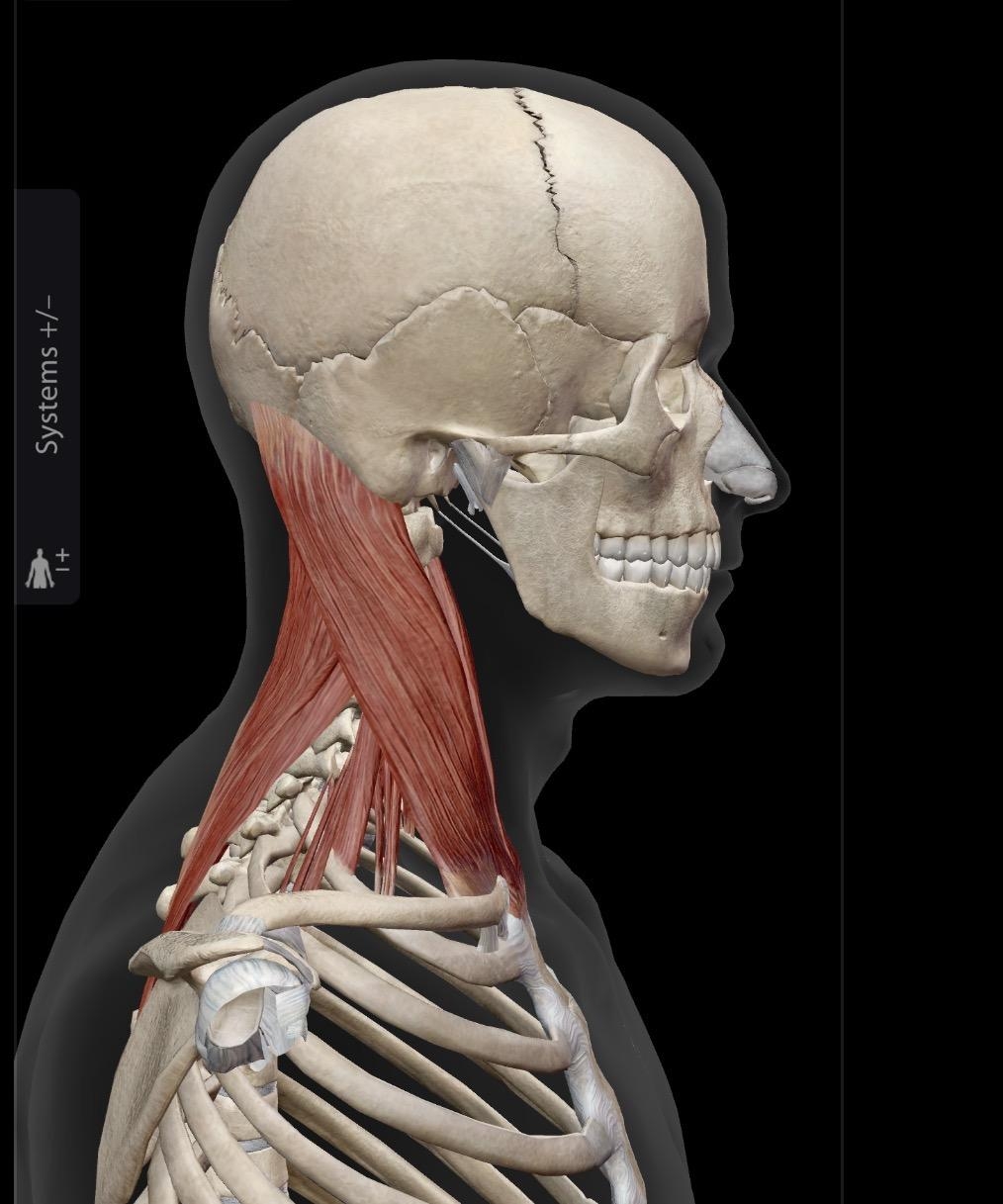
Many people have a mix of both. That overlap is exactly why dizziness can be so frustrating to pin down — and why the neck is so often overlooked.
Meniere’s usually affects one ear, and most people experience some combination of four hallmark symptoms:
Knowing this pattern matters, because the specific mix — how long an attack lasts, what sets it off, and whether your hearing changes — is exactly what helps tell Meniere’s apart from other causes of dizziness.
Here’s the honest truth: medicine classifies Meniere’s as idiopathic, which simply means the single root cause isn’t known. For years the focus was on a buildup of fluid in the inner ear (endolymphatic hydrops). The current thinking is that this fluid is more of a marker of Meniere’s than the whole explanation. Leading theories also point to stress and an over-revved nervous system, allergies and autoimmune activity, migraine biology, circulation, and genetics.
If that sounds discouraging, stay with me. “Idiopathic” does not mean “unknowable,” and it definitely doesn’t mean there’s nothing you can do. It just means we stop hunting for one universal cause and start looking for your pattern — the specific things that load your system and tip you into an attack. That shift, from chasing a cure to mapping your own terrain, is where people start getting traction.
Not all vertigo is Meniere’s, and getting the right name on the problem removes a whole layer of fear. Three clues do most of the work: how long an attack lasts, what triggers it, and whether your hearing changes. BPPV lasts seconds, is set off by head position, and doesn’t change your hearing. Meniere’s lasts 20 minutes to hours and brings hearing changes, ringing, and ear fullness. Vestibular migraine varies in length and usually carries migraine features like sensitivity to light, sound, and visual motion — often without any headache at all.
This is why a proper diagnosis matters. An ENT or a neuro-otologist who focuses on balance disorders can confirm Meniere’s and rule out look-alikes. Please treat this article as education, not a diagnosis — the most powerful first step is getting an accurate name for what you’re dealing with.
Meniere’s can feel random, but unpredictable is not the same as random. Attacks usually have triggers — it’s just that yours may be different from someone else’s. The most common ones include:
Which of these set off your attacks depends on your individual terrain. That’s genuinely good news, because triggers can be tracked, anticipated, and managed. When you can see your own warning signs coming, the attacks stop feeling like ambushes.
There is no cure for Meniere’s, and I won’t pretend otherwise. But “no cure” and “nothing you can do” are very different statements. Meniere’s is often quite manageable. A reasonable plan usually combines dietary adjustments (commonly a lower-sodium approach and limiting caffeine and alcohol), stress regulation, protecting your sleep, balance-focused rehabilitation when appropriate, and steady medical care. The aim isn’t a perfect, symptom-free life on day one. The aim is simpler and more humane: more good days than bad.
As an acupuncturist, my lens is pattern-based. Rather than treating “Meniere’s” as one thing, I look at how it shows up in you — whether your picture leans stressed and wired, damp and congested, or hot and inflamed — and tailor care to that. In practice that often means calming an over-active nervous system, supporting healthy fluid balance, and reducing the stress load that so often precedes a flare.
On the evidence: reviews of the research suggest acupuncture, on its own or alongside conventional care, may help reduce dizziness, tinnitus, and ear fullness more than conventional care alone. I want to be straight with you that these studies are still small and imperfect, so I treat acupuncture as one supportive piece of a larger plan — a complement to your ENT care, not a replacement for it. Used that way, it can help many people feel steadier, calmer, and more in control.
Notice the throughline in everything above. When you understand how your balance system works, name the uncertainty honestly, learn to read your personal triggers, and build a plan around them, something shifts. You won’t control every variable — nobody can — but you stop feeling powerless in the face of it. That move, from fear and the unknown toward a clear plan, is the whole point. It’s also exactly what I built my class to do.
This is a short, plain-English class — no jargon, no scare tactics. We walk the same map this article sketches, with time for your questions. You’ll leave understanding:
If the spinning, the ringing, or the not-knowing has been running your life, come spend a focused hour building your own Vertigo & Meniere’s Map. It’s for anyone recently diagnosed, still seeking answers, or supporting someone who is.