25 minutes read

The Two Pathways of Corydalis Pain Relief

Will Sheppy, Founder and Acupuncturist at Valley Health Clinic
Willard Sheppy Dipl. OM, LAc, BS

Willard Sheppy is a licensed acupuncturist (LAc) and Founder of Valley Health Clinic specializing in using Traditional Chinese Medicine to treat acute injuries and chronic conditions, and to improve sports performance and rehabilitation.
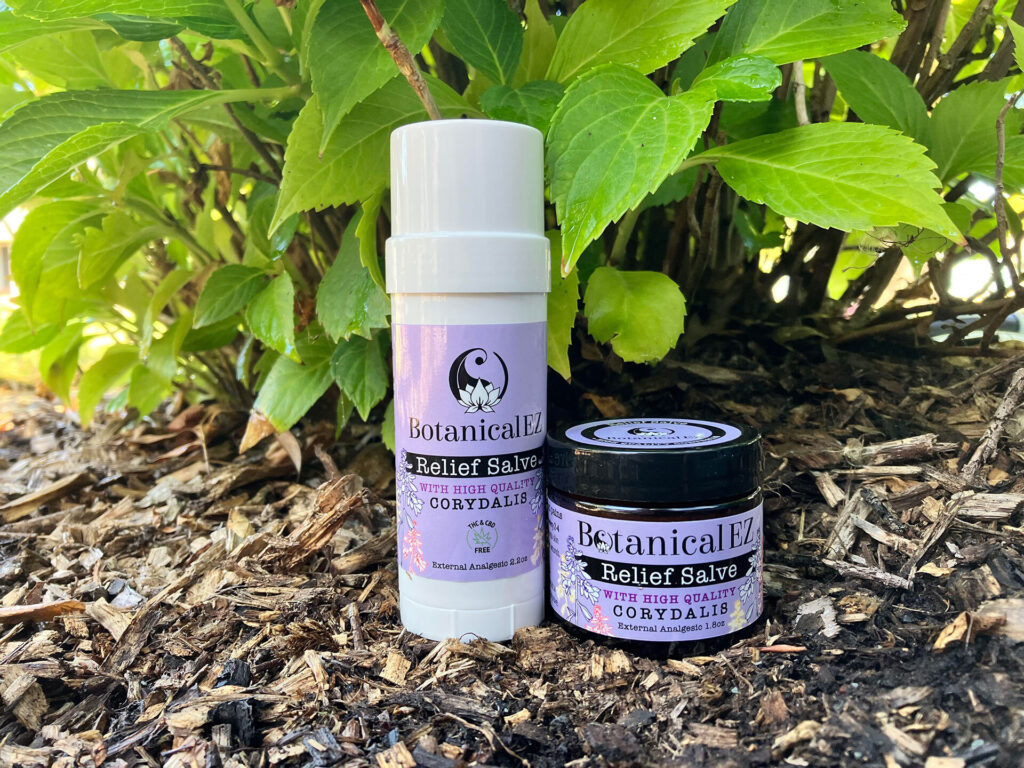
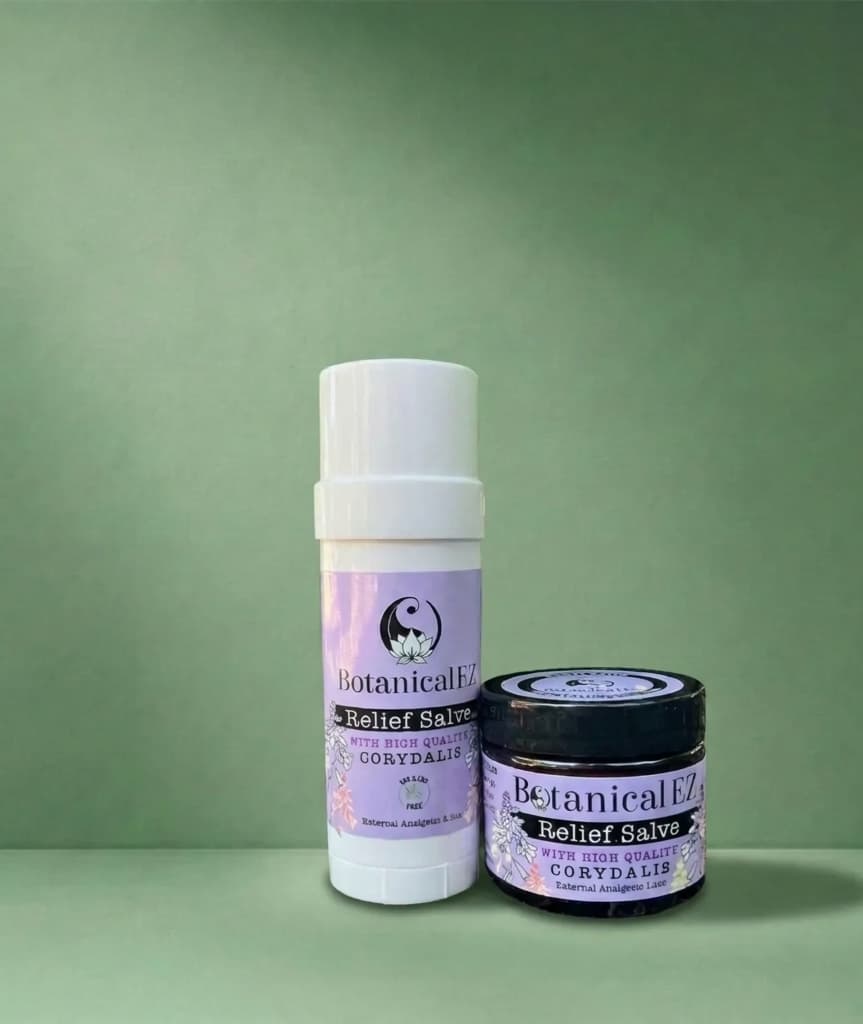
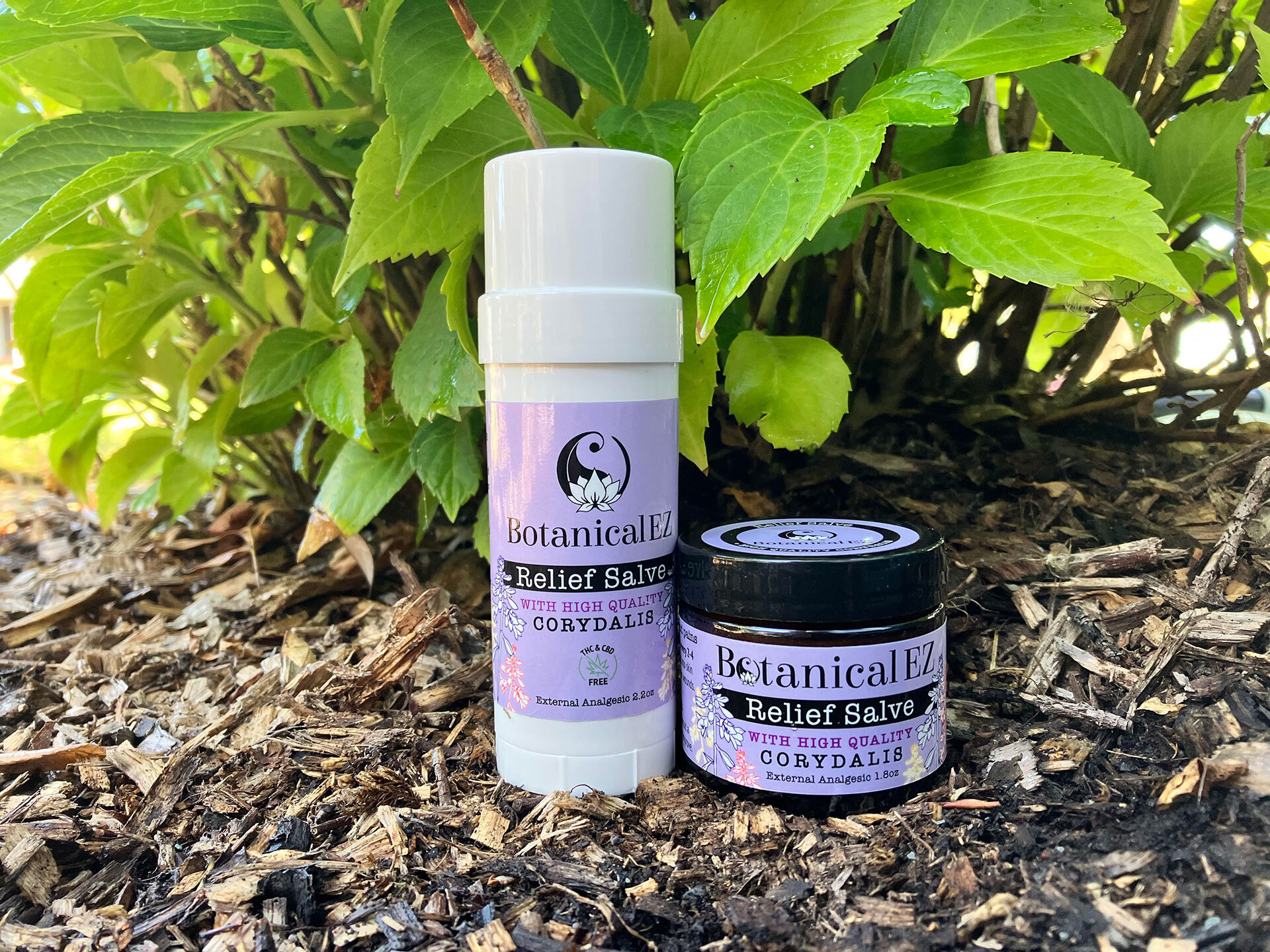
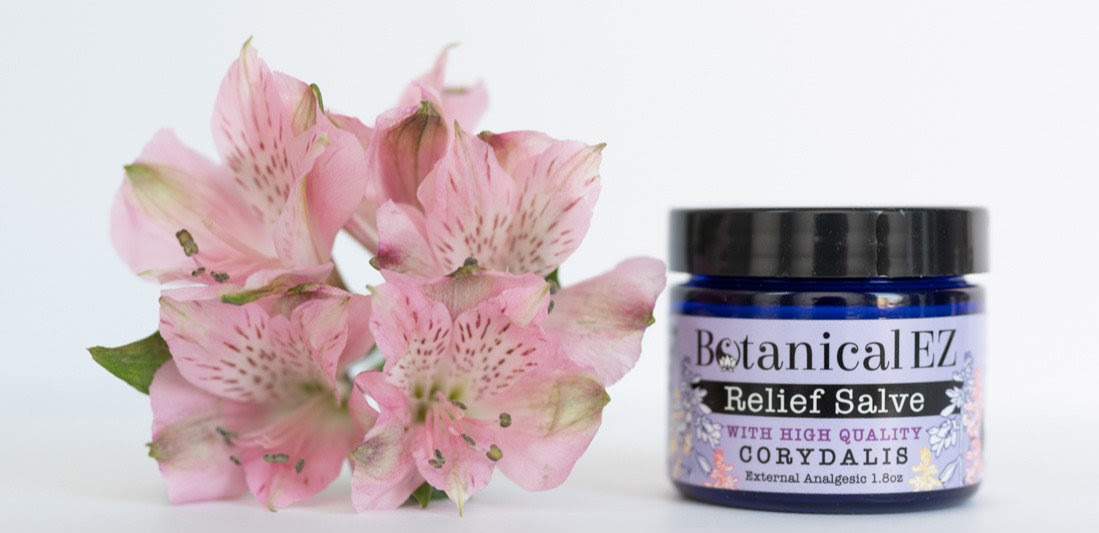
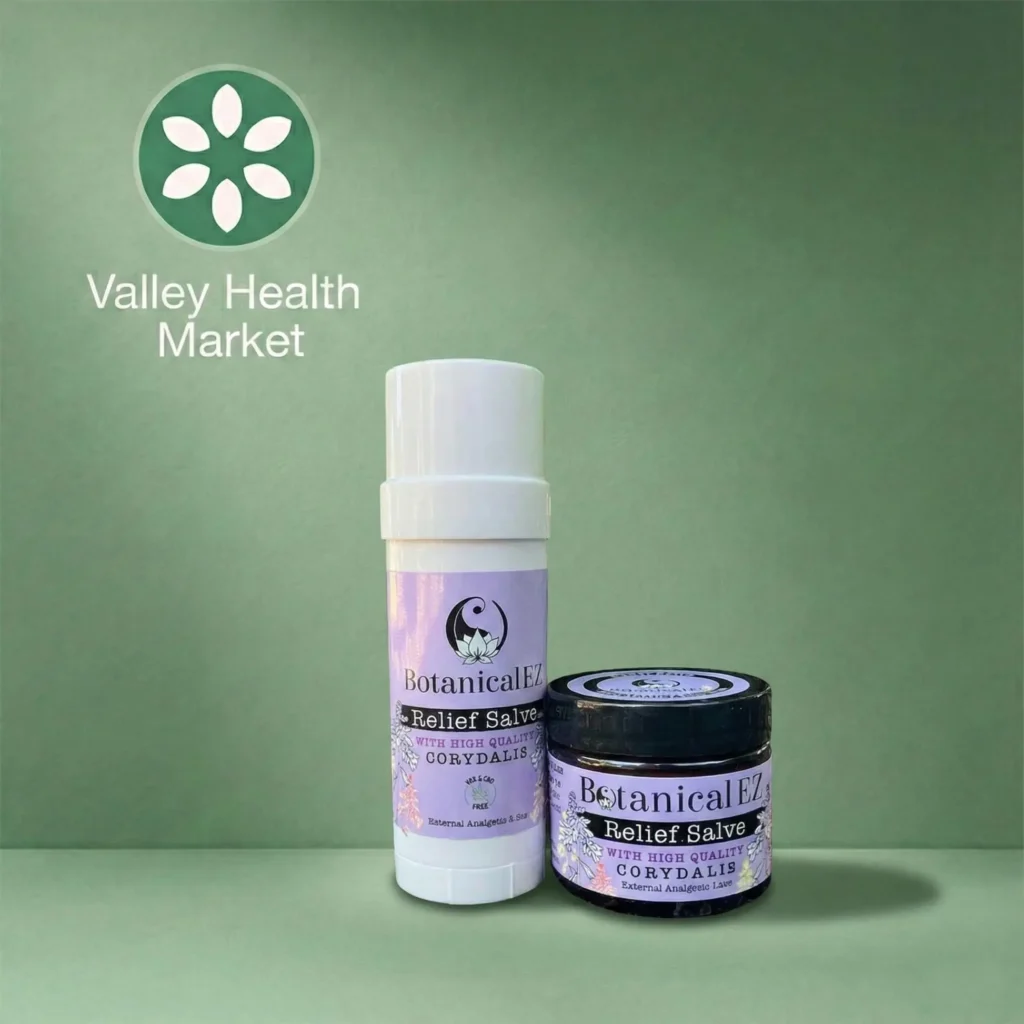
Botanical EZ Relief Salve and Stick Together on Bark

Table of Contents

After twenty-plus years of clinical practice in Chinese medicine, I’ve come to appreciate something that modern research is only now beginning to validate: Corydalis yanhusuo (Yan Hu Suo) is not a one-trick herb. The way you use it—whether you swallow it as an internal formula or apply it topically to the skin—determines which of its 80+ alkaloid compounds become the active players in your pain relief
This matters to you as a patient because the best approach to stubborn pain often isn’t choosing between internal and external use—it’s combining both.
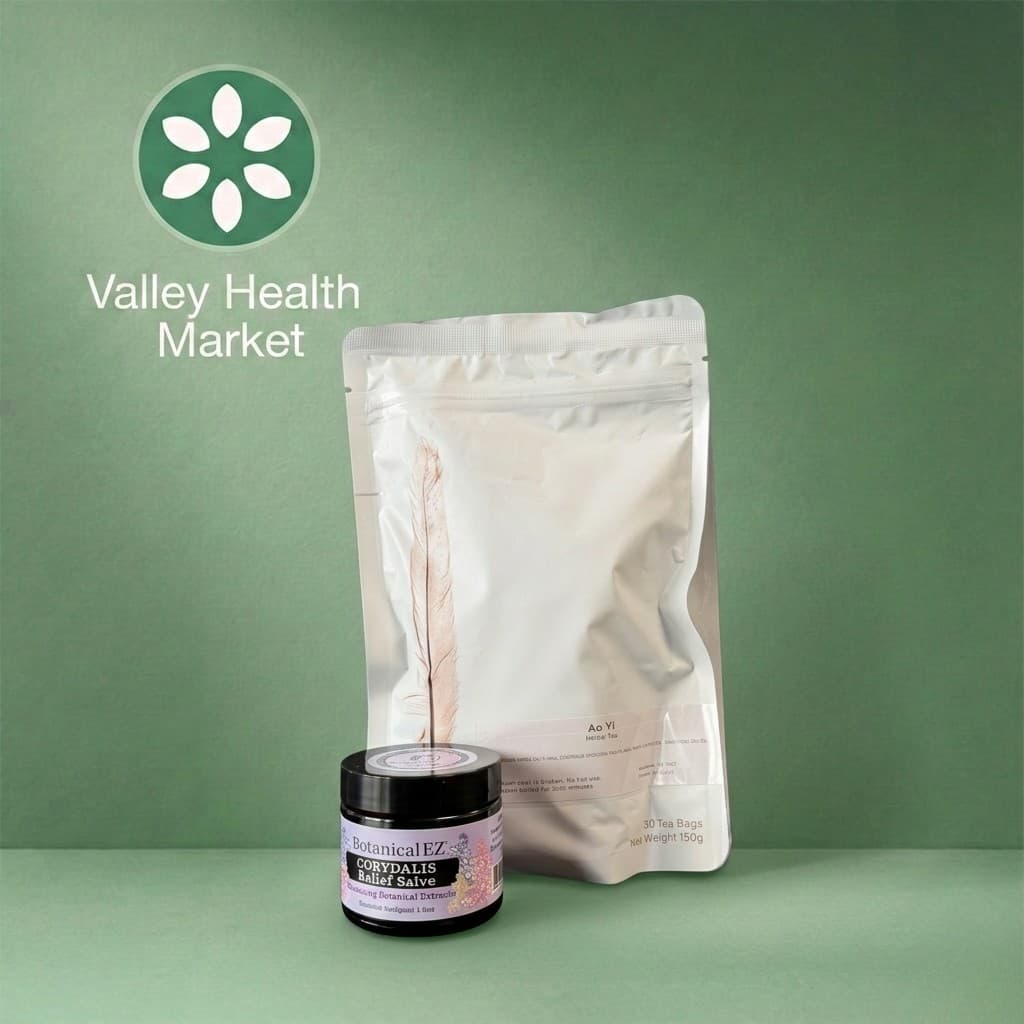
That’s exactly why I developed our Corydalis Combo package, pairing an internal Corydalis formula with a topical liniment containing Corydalis extract. Together, they create a two-pronged strategy that addresses pain from the inside out and the outside in.
In this article, I’ll walk you through the science behind this approach: the five major pain-killing alkaloids in Corydalis, what makes certain compounds better suited for skin absorption versus oral intake, and how to use both routes strategically for maximum benefit.

A 1,100-Year Clinical Track Record

Corydalis yanhusuo is a perennial herb belonging to the Papaveraceae family—the same family as the opium poppy, though Corydalis works through fundamentally different mechanisms. First documented in Lei Gong Pao Zhi Lun during the Northern and Southern Dynasties (618–907 AD), it has been used as an analgesic agent in traditional Chinese medicine for over 1,100 years. The Chinese Pharmacopoeia lists it for promoting blood circulation, moving Qi, and alleviating pain—and it appears in more than 20 classical prescriptions.

Corydalis Relief Salve is processed to increase Bioavailability

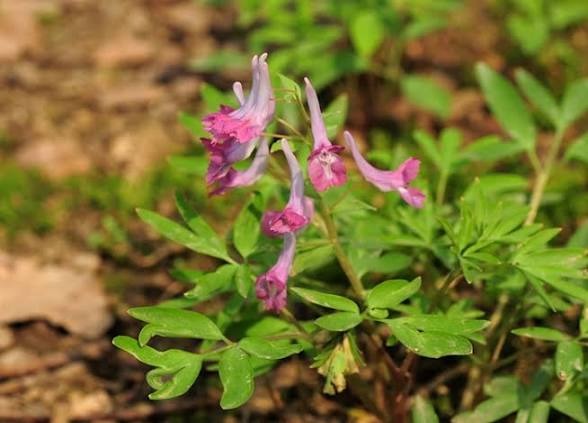
Corydalis (Yan Hu Suo)
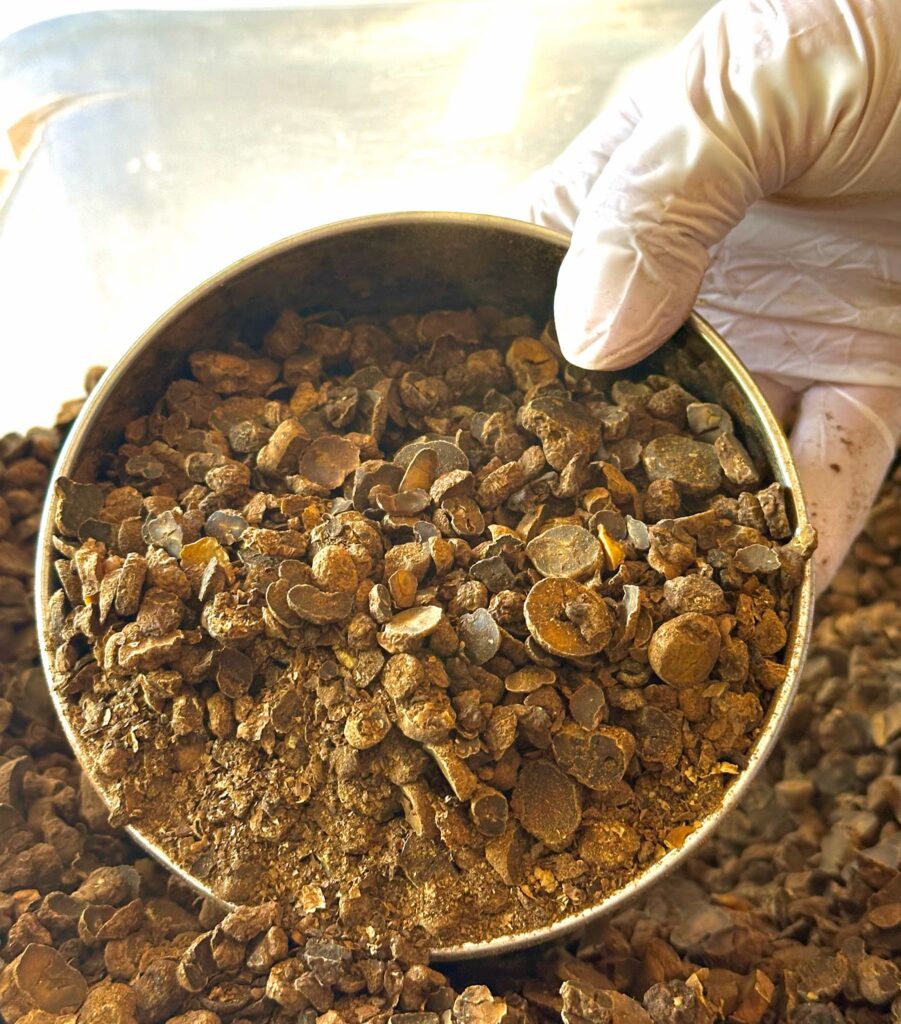
Traditionally, the dried tuber is processed by stir-frying with vinegar (at a 5:1 ratio of herb to vinegar), which forms salts with the alkaloids, increasing their solubility, improving bioavailability, slowing elimination, and reducing toxicity. This vinegar-processing technique has been validated by modern pharmacokinetic research—a beautiful example of ancestral empirical knowledge being confirmed by contemporary science.

The Five Major Pain-Killing Components of Corydalis

Researchers have isolated over 84 alkaloids from C. yanhusuo, classified into protoberberine alkaloids, aporphine alkaloids, opiate alkaloids, and others. But five stand out for their analgesic potency and clinical relevance:

1. Dehydrocorydaline (DHC) — The Most Abundant Alkaloid

Dehydrocorydaline (DHC)

General

DHC tackles pain through several pathways at once. It works partly through the opioid system — the same system that morphine targets — to reduce inflammatory pain. It also calms down the inflammatory chemicals your body produces in the spinal cord when you’re injured or in chronic pain, essentially telling your immune system to shift from an “attack mode” response to a “repair mode” response.
On top of that, DHC blocks the sodium channels in your nerves that are responsible for transmitting pain signals. Think of these channels as tiny gates that open to let pain messages travel from an injury site to your brain. DHC helps keep those gates closed, reducing the intensity of the pain signal before it ever reaches your conscious awareness.

Provider

Dehydrocorydaline is the single most abundant alkaloid in Corydalis, accounting for roughly 50% of total alkaloid content. It is a quaternary ammonium alkaloid—which, as we’ll discuss later, has major implications for how it behaves on the skin versus in the gut. DHC relieves inflammatory pain through opioid receptor involvement, suppresses inflammatory cytokines (TNF-α, IL-1β, IL-6) in the spinal cord, and promotes the anti-inflammatory M2 polarization of spinal cord microglia. Research has also demonstrated its ability to inhibit voltage-gated sodium channels Nav1.7 and Nav1.5, which are directly responsible for pain signal transmission.

Key transdermal finding: In transdermal gel plaster studies, dehydrocorydaline showed the highest cumulative skin permeation of any tested Corydalis alkaloid—569.7 µg/cm² over 24 hours—following zero-order kinetics, meaning it delivers a steady, sustained release through the skin. This makes it a star performer in topical formulations.

2. Tetrahydropalmatine (THP / l-THP) — The D2 Receptor Antagonist

Tetrahydropalmatine (THP / l-THP)

General

What makes l-THP so interesting is that it works completely differently from the pain medications most people are familiar with. It doesn’t work like ibuprofen or aspirin, and it doesn’t work like opioids such as morphine or oxycodone. Instead, it targets dopamine receptors in the brain — the same system involved in how we perceive and process pain signals. By dialing down dopamine activity in specific ways, l-THP essentially turns down the volume on pain.
Beyond dopamine, l-THP also blocks several other pain-signaling pathways in the body. It quiets overactive nerve receptors that make you more sensitive to pain, reduces inflammation at the cellular level, and interferes with the electrical signals that carry pain messages along your nerves.

Provider

Tetrahydropalmatine is arguably the most studied Corydalis alkaloid. It is a racemic mixture of (+) and (−) enantiomers, with the levo (−) form (l-THP) accounting for most of the analgesic effect. l-THP antagonizes dopamine D1 and D2 receptors—a mechanism distinct from both opioids and NSAIDs—and blocks the sigma-1 receptor to reduce NMDA-mediated pain signaling. It also suppresses TRPV1 and purinergic P2×3 receptors responsible for hyperalgesia, inhibits NF-κB signaling and NLRP3 inflammasome activation, and inhibits voltage-gated sodium channels. Importantly, studies show l-THP produces analgesia against acute, inflammatory, and neuropathic pain without causing tolerance—a critical distinction from opioids.

Key transdermal finding: THP showed moderate skin permeation (82.4 µg/cm² over 24 hours) following Higuchi kinetics—a diffusion-controlled release that can be enhanced with permeation-enhancing techniques. Its distribution has been confirmed in heart, liver, spleen, kidney, and multiple brain regions after transdermal delivery.

3. Dehydrocorybulbine (DHCB) — The Novel Analgesic

Dehydrocorybulbine (DHCB)

General

Discovered in a groundbreaking 2014 study, DHCB is one of the more recently identified pain-relieving compounds in Corydalis. What makes it special is its ability to cross from your bloodstream into your brain — a barrier that many compounds simply can’t get past.
Once it reaches the brain, DHCB works by modulating dopamine receptors and calming overactive pain-processing signals in the spinal cord. It has been shown to relieve chemical, inflammatory, and injury-related pain — and like THP, it does not cause tolerance over time.
Because DHCB needs to reach the brain and spinal cord to do its best work, it’s most effective when taken internally as a capsule or tincture rather than applied to the skin. This makes it one of the key reasons an oral Corydalis formula is so valuable for deeper, systemic pain conditions.

Provider

DHCB crosses the blood-brain barrier and demonstrates favorable pharmacokinetic properties. It is effective at suppressing chemically induced, inflammatory, and injury-induced pain—and like l-THP, it does not cause antinociceptive tolerance. Its mechanism involves D2 receptor antagonism and modulation of P2X4 signaling in the spinal cord. DHCB is primarily active through oral/systemic routes due to its ability to penetrate the central nervous system, making it most relevant for internal formulations.

4. Protopine — The Sodium Channel Blocker

Protopine

General

Protopine is Corydalis’ strongest blocker of sodium channels — the tiny electrical gates in your nerves that fire to send pain signals racing toward your brain. In head-to-head testing against three other major Corydalis alkaloids, protopine shut down these channels more effectively than any of the others.
What makes protopine especially versatile is that it works well both internally and topically. Transdermal patch studies have confirmed that protopine successfully penetrates the skin, making it a valuable ingredient in topical pain formulations. When applied directly over a painful area, its sodium channel-blocking action can help quiet nerve activity right at the source — providing localized relief for sore muscles, stiff joints, and inflamed tissues.

Provider

Protopine is classified among the opiate alkaloids of Corydalis and demonstrated the strongest inhibition of voltage-gated sodium channels Nav1.7 and Nav1.5 among four major Corydalis alkaloids tested. It also binds to D2 receptors and promotes proteasomal degradation of tau protein (relevant to neurodegeneration). Protopine was confirmed in transdermal patch studies to be one of five alkaloids that successfully penetrate skin when applied topically, and its sodium channel–blocking activity is particularly relevant for localized pain relief at the application site.

5. Berberine — The Anti-Inflammatory Powerhouse

Berberine

General

For pain specifically, berberine helps your body produce more of its own natural pain-relief receptors, reduces inflammation at the cellular level, and blocks the enzymes that drive inflammatory pain — some of the same enzymes that drugs like ibuprofen target.
But berberine’s benefits extend well beyond pain. Research has connected it to heart health, blood sugar regulation, cancer prevention, and healthy gut bacteria balance — making it one of the most versatile compounds in all of herbal medicine.
Berberine has traditionally been difficult for the body to absorb through the gut, but here’s a fascinating finding: Corydalis naturally contains tiny protein-based nanoparticles that help berberine absorb more effectively in the intestines. In other words, the plant comes with its own built-in delivery system. This is why whole-herb Corydalis extracts often outperform isolated berberine supplements — the plant’s own chemistry helps the berberine get where it needs to go.

Provider

Berberine is among the most extensively researched natural compounds in the world, and it is a major alkaloid component of Corydalis. For pain specifically, berberine increases mu-opioid receptor expression in neuropathic pain, modulates TRPV1, suppresses NF-κB signaling, downregulates pro-inflammatory cytokines, inhibits COX-2 and iNOS, and inhibits acetylcholinesterase. Its pharmacological profile extends far beyond pain relief—into cardiovascular protection, anti-cancer activity, diabetes management, and gut microbiome modulation—which is why it is one of the most versatile alkaloids for internal use. Berberine’s oral bioavailability has historically been a challenge, but natural nanoparticles from C. yanhusuo itself have been shown to adsorb berberine, reduce P-gp–mediated efflux, and enhance intestinal absorption.

Corydalis Combo

A 1,000-year-old Tibetan formula targeting pain, stagnation, and circulation from the inside out. Internal herbs reach pain pathways topicals can’t touch. Topicals deliver concentrated relief exactly where it hurts. Both at once covers more ground.

What Makes a Compound Good (or Difficult) for Skin Absorption?

Understanding why certain Corydalis alkaloids excel in topical formulations while others shine when taken internally requires a brief look at the pharmacology of skin penetration. The outer layer of your skin, the stratum corneum, acts as a selective barrier. Several molecular properties determine whether a compound can cross it effectively:
Factor Effect on Skin Permeation
Molecular Weight Smaller molecules (<500 Daltons) penetrate more easily. Most Corydalis alkaloids fall within this range, which is favorable.
Lipophilicity Moderately lipophilic (fat-soluble) compounds pass through the lipid-rich stratum corneum best. Highly water-soluble compounds struggle.
Ionization State Uncharged (non-ionized) molecules penetrate better. Quaternary ammonium alkaloids like DHC carry a permanent positive charge—yet DHC still shows excellent permeation, likely because its charge facilitates interaction with negatively charged skin proteins.
Molecular Shape Flat, planar aromatic ring structures can intercalate between lipid layers more easily.
Formulation Vehicle The carrier matrix matters enormously. Gel plasters, ethanol-based vehicles, and emulsion systems dramatically improve penetration of even difficult compounds.
What makes Corydalis particularly interesting is that its alkaloids span the permeability spectrum. Some, like dehydrocorydaline, cross the skin readily. Others, like berberine, have properties that make them better suited for systemic delivery through the gut—especially when combined with the natural nanoparticles found in Corydalis extract itself.

External Use: Which Alkaloids Shine on the Skin?

Transdermal research on Corydalis has identified clear winners for topical application. A gel plaster study measured the 24-hour cumulative skin permeation of four key alkaloids and found dramatic differences:
The prepared gel plaster with these alkaloids significantly reduced paw swelling, downregulated inflammatory cytokines, and mitigated pain induced by both mechanical and chemical stimuli in animal models. When combined with physical permeation-enhancing techniques (such as cupping), the anti-inflammatory and analgesic effects improved further.
A separate transdermal patch study confirmed that five alkaloids—corydaline, tetrahydropalmatine, tetrahydrocolumbamine, protopine, and dehydrocorydaline—all successfully penetrate the skin and distribute into plasma, heart, liver, spleen, lung, and kidney tissues when applied transdermally.

Bottom line for topical use: DHC is the standout performer through the skin. Its sodium channel–blocking and anti-inflammatory actions make it ideal for localized pain. Protopine’s strong sodium channel inhibition also adds significant value in topical applications where you need to quiet nerve signaling directly at the pain site. The topical route is especially effective for musculoskeletal pain, joint inflammation, sports injuries, and localized nerve pain.

Internal Use: Which Alkaloids Are More Active When Taken Orally?

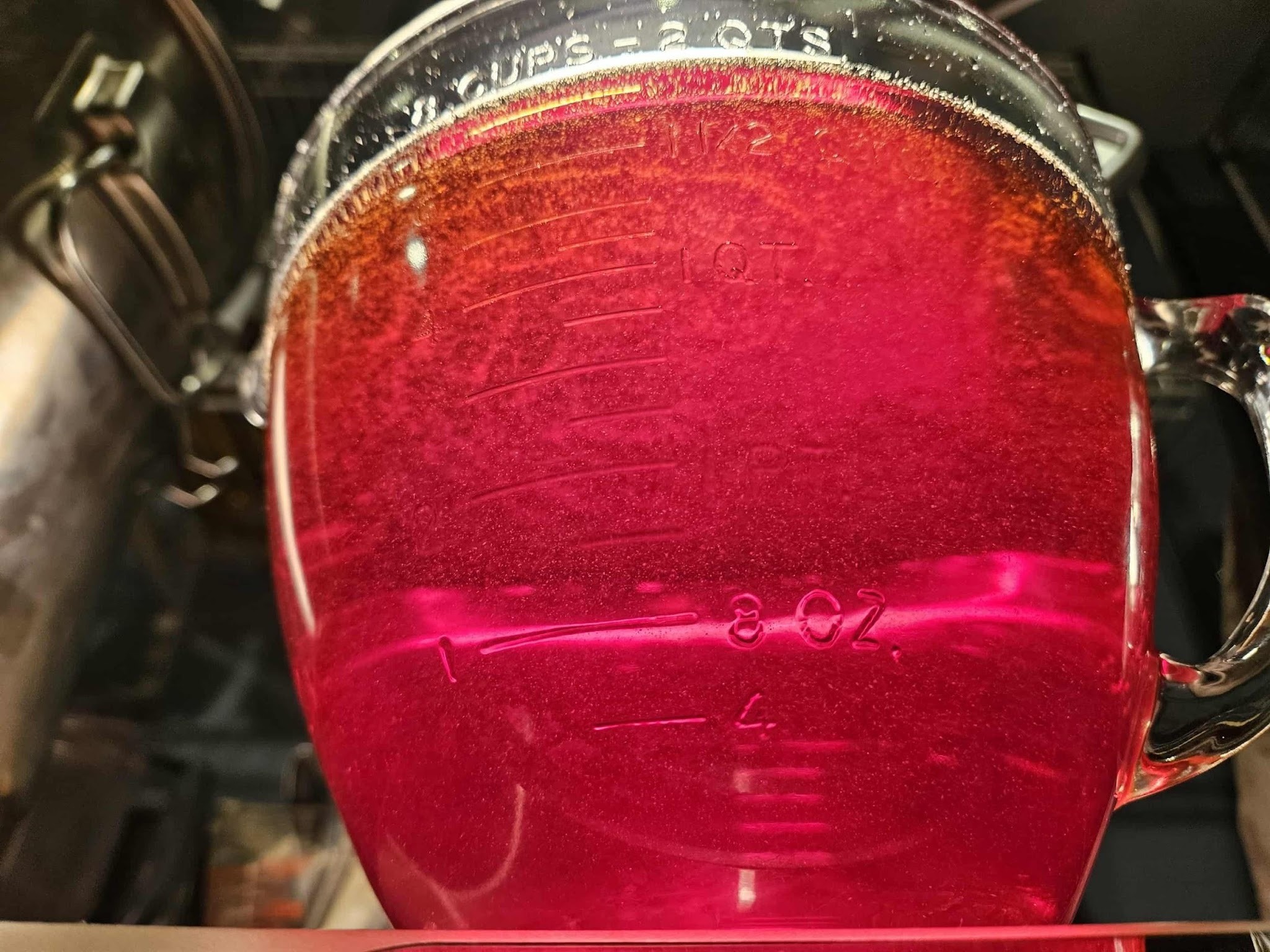
When Corydalis is taken internally—as a capsule, tincture, or decoction—a different set of mechanisms come into play. The alkaloids pass through the digestive tract, enter systemic circulation, cross the blood-brain barrier, and interact with central nervous system receptors that topical application simply cannot reach. The alkaloids that are most active via this route include:

l-Tetrahydropalmatine (l-THP): The dopamine D1/D2 receptor antagonist activity that makes l-THP such a powerful analgesic requires central nervous system access. Oral administration allows l-THP to reach the brain, where it modulates dopaminergic, glutamatergic, and GABAergic neurotransmission. This is why l-THP is effective against not just pain, but also anxiety, depression, insomnia, and addiction—all conditions requiring central action.

Dehydrocorybulbine (DHCB): This novel analgesic compound crosses the blood-brain barrier effectively and antagonizes dopamine D2 receptors centrally. Its analgesic effects on acute, inflammatory, and neuropathic pain all depend on systemic delivery.

Berberine: While berberine’s oral bioavailability is relatively low, the systemic effects it does achieve are profound—modulating gut microbiota, activating AMPK pathways, suppressing NF-κB signaling systemically, and increasing mu-opioid receptor expression. These are whole-body regulatory actions that topical application cannot replicate.

Berberine: While berberine’s oral bioavailability is relatively low, the systemic effects it does achieve are profound—modulating gut microbiota, activating AMPK pathways, suppressing NF-κB signaling systemically, and increasing mu-opioid receptor expression. These are whole-body regulatory actions that topical application cannot replicate.

Palmatine: An effective inhibitor of monoamine oxidase-A (contributing to antidepressant and pain-modulating effects), palmatine also reduces CGRP expression in trigeminal neuralgia and suppresses P2×7 receptor signaling. These central nervous system effects require oral administration for systemic distribution.

Corydaline: A mu-opioid receptor (MOR) agonist that produces antinociceptive effects through a G protein–biased mechanism without recruiting β-arrestin-2—meaning it may provide opioid-like analgesia with a potentially better side effect profile. This central mechanism requires oral/systemic delivery.
Bottom line for internal use: Oral Corydalis excels at addressing centrally mediated pain (headaches, migraines, neuropathic conditions), whole-body inflammatory states, pain with anxiety or depression components, visceral and abdominal pain, addiction-related symptoms, and conditions requiring sustained neurotransmitter modulation.

Corydalis relief salve is the best

Vinegar processing enhances the bioavailability of these alkaloids, which is why traditionally processed Corydalis is the gold standard for internal formulations.

Why Use Both? The Corydalis Combo Approach

In my clinical experience, the most effective pain management strategy with Corydalis leverages both routes simultaneously. Here’s the logic:
The topical application delivers high concentrations of DHC and protopine directly to the pain site, blocking sodium channels and suppressing local inflammation where it matters most—right at the tissue level. It provides rapid, targeted relief.
The internal formula sends l-THP, DHCB, berberine, and corydaline into systemic circulation, modulating central pain pathways, dopamine receptors, and inflammatory cascades from the brain and spinal cord outward. It provides deeper, longer-lasting, whole-body pain modulation.
Together, they address pain at multiple levels—peripheral nerve endings, spinal cord processing, and brain perception—through different receptor systems simultaneously. This is authentic polypharmacology: multiple compounds, multiple targets, multiple routes, unified therapeutic intent.
This is the thinking behind our Corydalis Combo, available through Valley Health Market. It pairs an internal Corydalis formula for systemic pain modulation with a topical liniment for direct, site-specific relief. Whether you’re dealing with chronic back pain, a stubborn sports injury, arthritis flares, or neuropathic discomfort, the combination approach gives your body the best tools from Corydalis’ remarkable alkaloid arsenal.

Quick Reference: Internal vs. External Use of the 5 Major Alkaloids

The following chart summarizes which route of administration is best suited for each of the five major pain-killing alkaloids in Corydalis, and why:
Alkaloid Best Route Why
Dehydrocorydaline EXTERNAL Highest skin permeation of any Corydalis alkaloid (570 µg/cm²). Delivers steady-state release through the skin. Blocks sodium channels and calms inflammation right at the pain site.
Tetrahydro-palmatine BOTH Moderate skin permeation (82 µg/cm²) makes it useful topically. But its real power is internal — it reaches brain dopamine receptors to provide deep relief for pain, anxiety, addiction, and insomnia.
Dehydro-corybulbine INTERNAL Crosses the blood-brain barrier to calm central pain pathways. Its dopamine D2 activity requires reaching the brain and spinal cord — only possible through oral/systemic delivery.
Protopine BOTH The strongest sodium channel blocker in Corydalis. Confirmed to penetrate skin in patch studies, making it great for topical nerve-quieting. Also effective orally for whole-body pain relief.
Berberine INTERNAL A whole-body healer: reduces inflammation systemically, supports gut health, regulates blood sugar, and boosts the body’s own pain-relief receptors. These effects all require oral delivery.
Key takeaway: No single route covers everything. External use delivers DHC and protopine directly to the pain site for fast, targeted relief. Internal use sends DHCB, berberine, l-THP, and corydaline to the brain and throughout the body for deep, systemic pain modulation. The Corydalis Combo gives you both.

Quick Reference: Internal vs. External Use of the 5 Major Alkaloids

Corydalis is generally well tolerated at standard therapeutic doses. Research has shown that compared to current conventional pain medications, Corydalis alkaloids alone or as co-medication have demonstrated comparable therapeutic effects with fewer side effects. That said, quality matters enormously. A recent Frontiers in Pharmacology study analyzing 14 Corydalis dietary supplements available in the U.S. found highly variable alkaloid content—ranging from essentially undetectable in some products to robust therapeutic levels in others. This is why sourcing from a practitioner who understands alkaloid standardization is important.

Corydalis should be avoided during pregnancy and breastfeeding. As with all herbal medicine, consult with a qualified practitioner before starting any new protocol, especially if you are taking other medications.

References

Feng JH, et al. “The composition, pharmacological effects, related mechanisms and drug delivery of alkaloids from Corydalis yanhusuo.” Biomedicine & Pharmacotherapy 167 (2023): 115511.

Zhang JX, et al. “A Review of the Traditional Uses, Botany, Phytochemistry, Pharmacology, Pharmacokinetics, and Toxicology of Corydalis yanhusuo.” Natural Product Communications 15.9 (2020): 1–19.

Alhassen L, et al. “The Analgesic Properties of Corydalis yanhusuo.” Molecules 26.24 (2021): 7498.

Corydalis yanhusuo transdermal gel plaster study. Planta Medica (2024). DOI: 10.1055/a-2344-8841.

Wang H, et al. “Pharmacokinetics and tissue distribution of five bioactive components in the Corydalis yanhusuo total alkaloids transdermal patch.” Biomedical Chromatography 37.1 (2023): e5508.

Wu L, et al. “Processing and Compatibility of Corydalis yanhusuo: Phytochemistry, Pharmacology, Pharmacokinetics, and Safety.” Evidence-Based Complementary and Alternative Medicine (2021): 1271953.

Share on

Will Sheppy, Founder and Acupuncturist at Valley Health Clinic
By Will Sheppy, L.Ac
Will Sheppy, L.Ac., is the founder of Valley Health Clinic and Valley Health Marketplace in Albany, Oregon. He specializes in sports acupuncture, pain management, and Chinese topical medicine. Valley Health Marketplace carries only products he has personally tested in his clinic.

FAQ's

What makes Evil Bone Water different from commercial Zheng Gu Shui?
Commercial Zheng Gu Shui formulas particularly those sold for export have had key herbs removed or reduced over the past few decades. San Qi, one of the formula’s most important blood-moving herbs, was removed from the export version in 1999. Evil Bone Water restores the complete formula using imperial-grade herbs sourced through a vetted network of quality-focused suppliers. Mark Brinson also uses Everclear grain alcohol rather than industrial ethanol for extraction, which he believes contributes to its clean absorption profile.
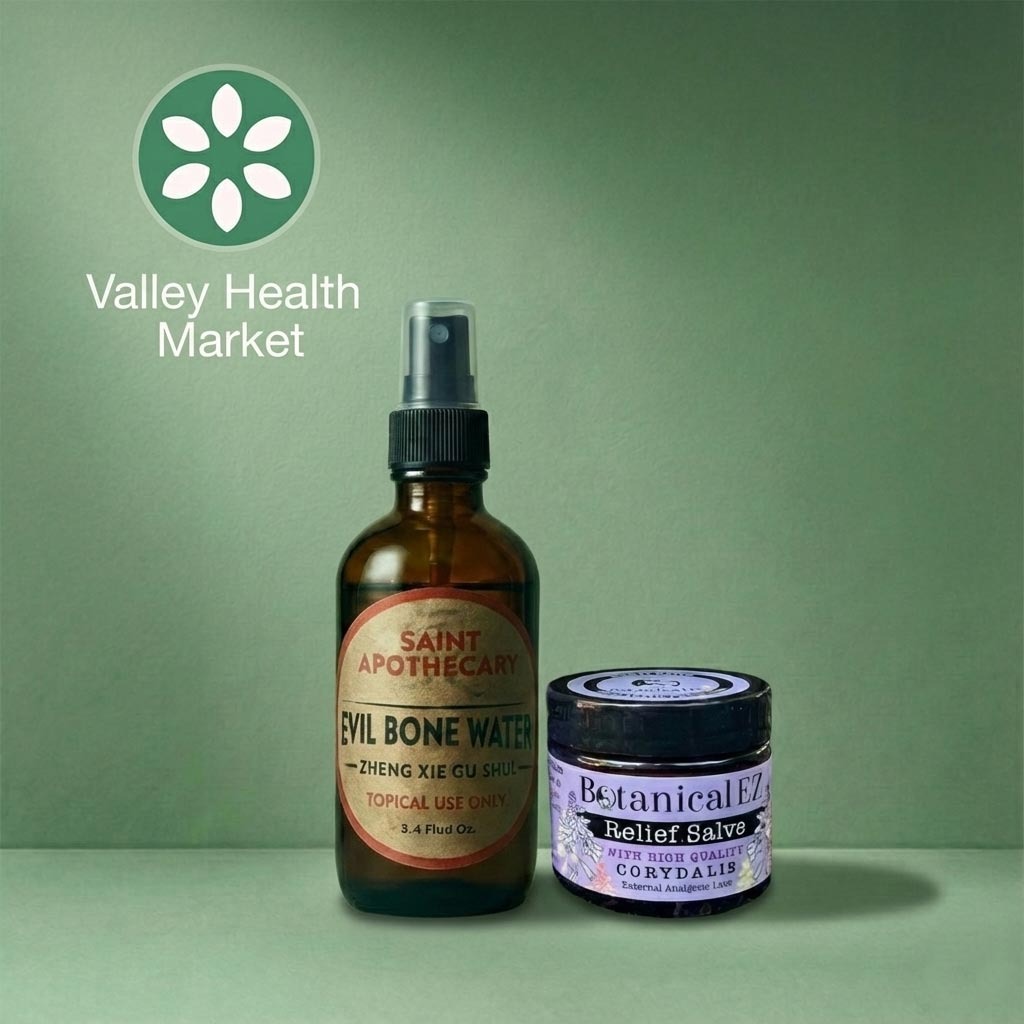
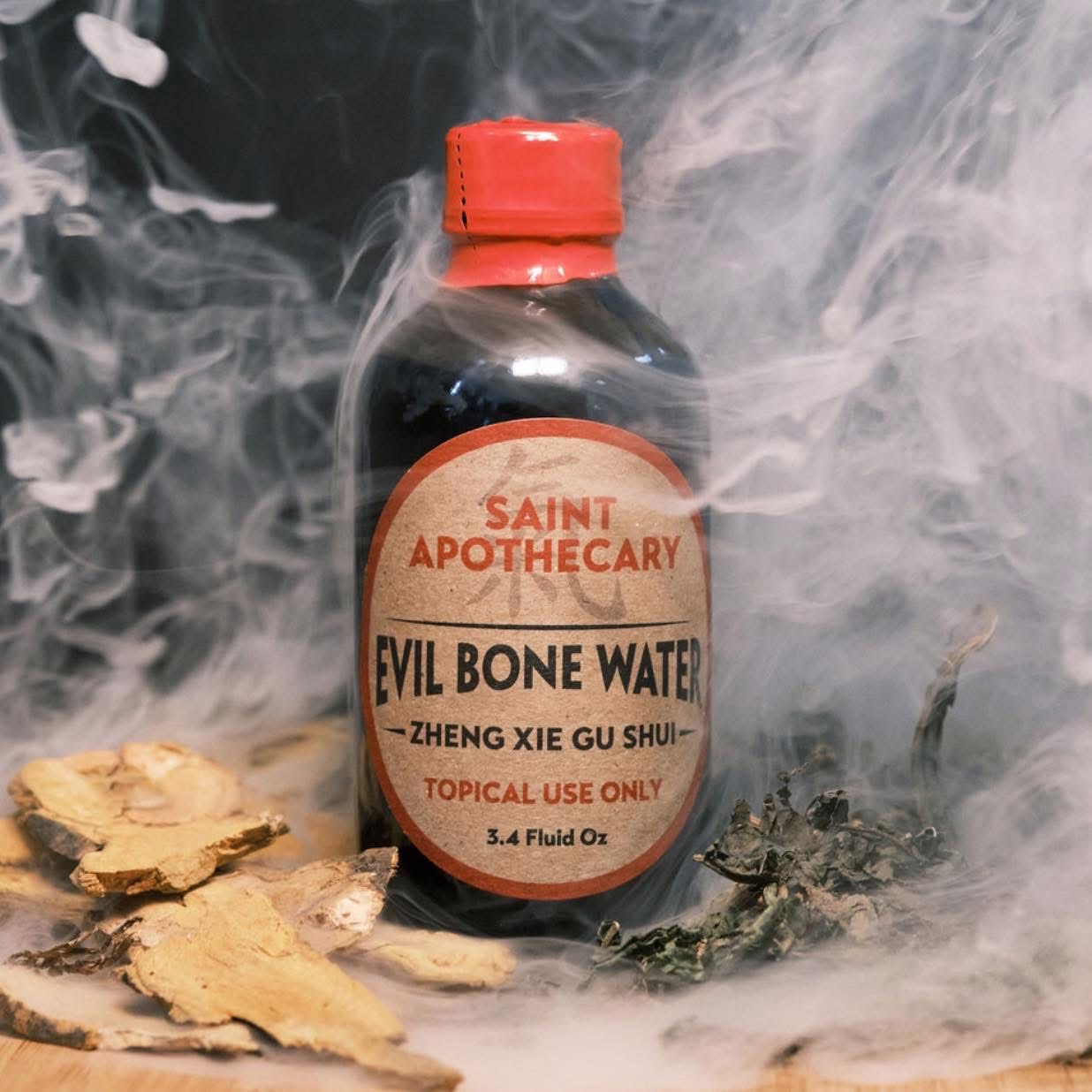
Mark reports that across hundreds of thousands of bottles sold, there have been zero meaningful adverse reactions including in people with known allergies to some of the individual ingredients. That said, Evil Bone Water is alcohol-based, so it should not be applied to open cuts or broken skin, and it may cause dryness with very frequent use on already-dry skin. It is not for use on open wounds. For those situations, Herbal Ice or Corydalis Relief Salve is the better choice.
One of the reasons menthol and camphor appear in virtually every effective topical pain formula worldwide is not just their cooling and warming sensations. it’s their ability to help other ingredients penetrate the skin barrier. The stratum corneum, your skin’s outermost layer, is designed to keep things out. It’s a dense wall of lipids and proteins that blocks most molecules from entering. Camphor and menthol work synergistically to disrupt this barrier temporarily, creating tiny channels for other active compounds to slip through. Think of them as opening the door so the healing ingredients can actually get to work. The alcohol base in products like Evil Bone Water plays an equally critical role: it breaks apart and clears away parts of the lipid barrier, acts as a solvent to help dissolve and deliver botanical compounds, and evaporates quickly to create a concentration gradient that drives ingredients deeper into tissue. This is why alcohol-based liniments feel like they “work faster”—they do. The combination of menthol + camphor + alcohol creates a delivery system that’s far more effective than any single ingredient alone. Without these penetration enhancers, even the most powerful herbs would largely remain on the skin’s surface, unable to reach the deeper tissues where pain and inflammation actually exist.
The name Zheng Gu Shui means “Rectify Bone Water” in Mandarin — a reference to its traditional use in correcting bone and tendon injuries. The “evil” translation appears to have been a long-running inside joke among Chinese doctors at Mark’s school, possibly connected to the formula’s complicated origin story. Mark kept the name because it was unforgettable. His technical name for his version is Zheng Que Gu Shui — “Rectify, Correct, Vanquish Evil Bone Water” — though most people just call it Evil Bone Water.
Mark sells Evil Bone Water directly to licensed acupuncturists and acupuncture students to keep it within the professional community. However, it is available through acupuncture clinics and practitioner-curated stores like Valley Health Market, where it is carried specifically because it meets the sourcing and quality standards we require of every product we stock.
For chronic pain, Evil Bone Water works best as the foundation layer in a combination protocol. Apply it first to open circulation and improve absorption, then layer a warming oil like Red Emperor’s Immortal Flame for deep, cold-type pain, or Corydalis Relief Salve for nerve involvement. For round-the-clock relief, finish with a pain patch (AOYI or Muscle Melt) to sustain the effect overnight. This layering approach — alcohol first, oil second, balm or salve third, patch last — is what Mark teaches and what we use in our own clinic.
Evil Bone Water is the most versatile and fastest-acting topical we carry. It works for the broadest range of conditions: muscle pain, joint stiffness, bruising, acute injuries, bug bites, and more. Its main limitation is that it is not ideal for nerve-dominant pain — for that, Corydalis Relief Salve is the better first choice. For deep cold-pattern pain or stiffness that worsens in cold weather, Red Emperor’s Immortal Flame provides more targeted warming. Most chronic pain situations benefit from using all three together.

Recent Posts