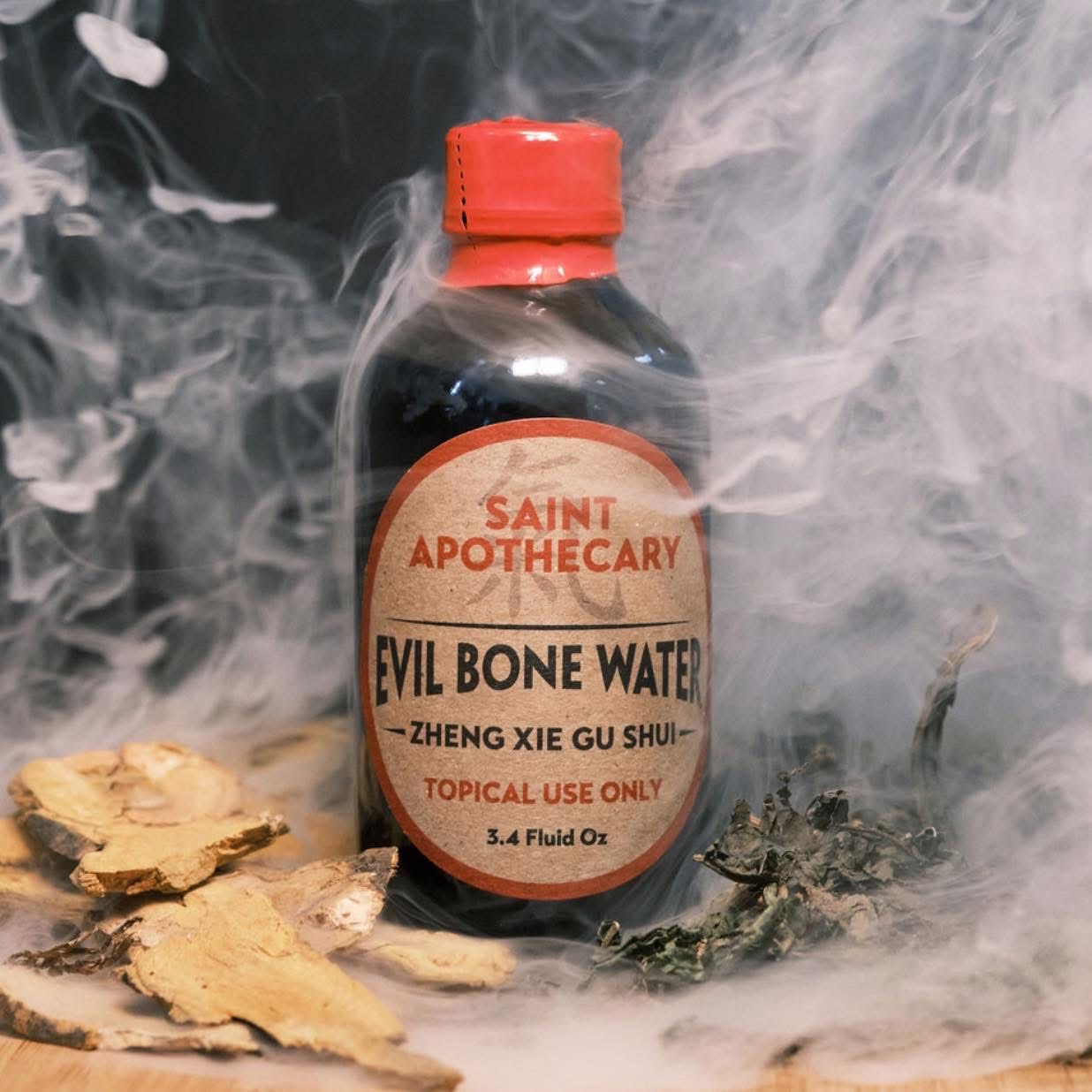
The Man Behind Evil Bone Water: Mark Brinson’s Mission to Restore Chinese Medicine’s Most Powerful Liniment
Emily Skin Soothers earned their place at Valley Health Marketplace the same way every product we


Willard Sheppy is a licensed acupuncturist (LAc) and Founder of Valley Health Clinic specializing in using Traditional Chinese Medicine to treat acute injuries and chronic conditions, and to improve sports performance and rehabilitation.
Topical pain relief herbs do not all work the same way. Some create cooling or warming sensations that interrupt pain signaling, some reduce inflammation in injured tissue, and some help support healing after strain, bruising, or overuse. When you understand the mechanism, it becomes much easier to choose the right product for the right kind of pain.
In this guide, I break down 12 of the most important topical pain relief ingredients used in herbal medicine, including menthol, camphor, ginger, capsicum, corydalis, arnica, calendula, and San Qi. You will learn how these herbs work, what sensations they create, when to use them, and why multi-herb formulas often outperform single-ingredient pain products.
Think of counter-irritancy like turning up the radio to drown out background noise. When you apply menthol and feel a cooling sensation, or capsaicin and feel warmth, those sensations travel along the same nerve pathways that would normally carry pain signals. The new sensations compete with and override the pain signals, providing relief.
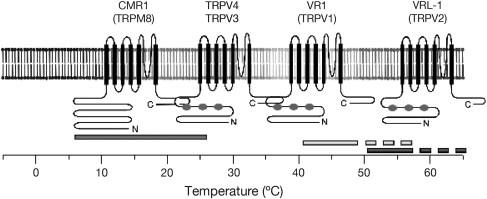
Counter-irritancy operates primarily through two mechanisms: (1) Gate Control Theory, where competing sensory input at the spinal cord level inhibits pain signal transmission via interneuron modulation; and (2) TRP (Transient Receptor Potential) channel modulation, where specific botanical compounds bind to temperature- and pain-sensing ion channels on peripheral nociceptors, causing initial depolarization followed by desensitization.
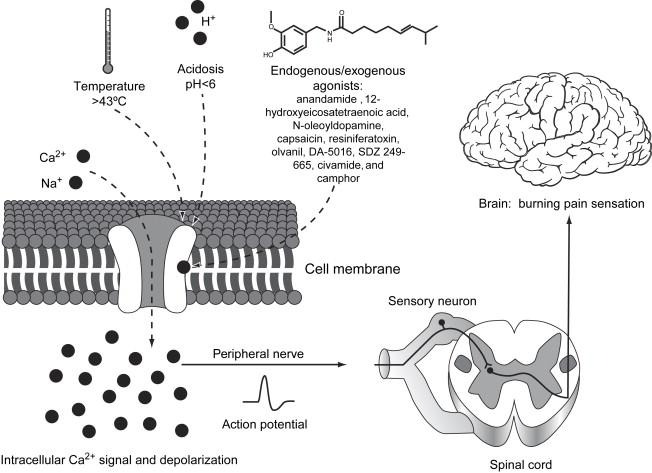
| Channel | Temperature Sensitivity | Sensation | Key Botanical Activators |
|---|---|---|---|
| TRPM8 | 10-25°C (cold) | Cooling | Menthol, methyl salicylate |
| TRPV1 | >43°C (noxious heat) | Burning heat, pain | Capsaicin, gingerols, camphor |
| TRPV3 | 31-39°C (warm) | Pleasant warmth | Camphor, carvacrol, thymol |
| TRPA1 | <17°C (noxious cold) | Burning, stinging, irritation | Mustard oil (AITC), cinnamaldehyde, zingerone |
Creating a competing sensory stimulus - cold, heat, or irritation - that gates pain signals at the spinal cord level. Most TRP-active agents work this way.
Repeated or prolonged TRP channel activation leads to reduced nerve responsiveness. Capsaicin is unique in causing true defunctionalization: nerve terminal retraction lasting days to weeks.
Direct inhibition of inflammatory pathways (COX-2, NF-kB, cytokines). This addresses the underlying cause of inflammatory pain, not just the symptom. Ginger, arnica, calendula, and Hu Zhang work significantly through this mechanism.
Affecting pain processing in the brain and spinal cord through neurotransmitter modulation. Corydalis is unique in working through dopamine, GABA, and opioid receptor pathways rather than TRP channels.
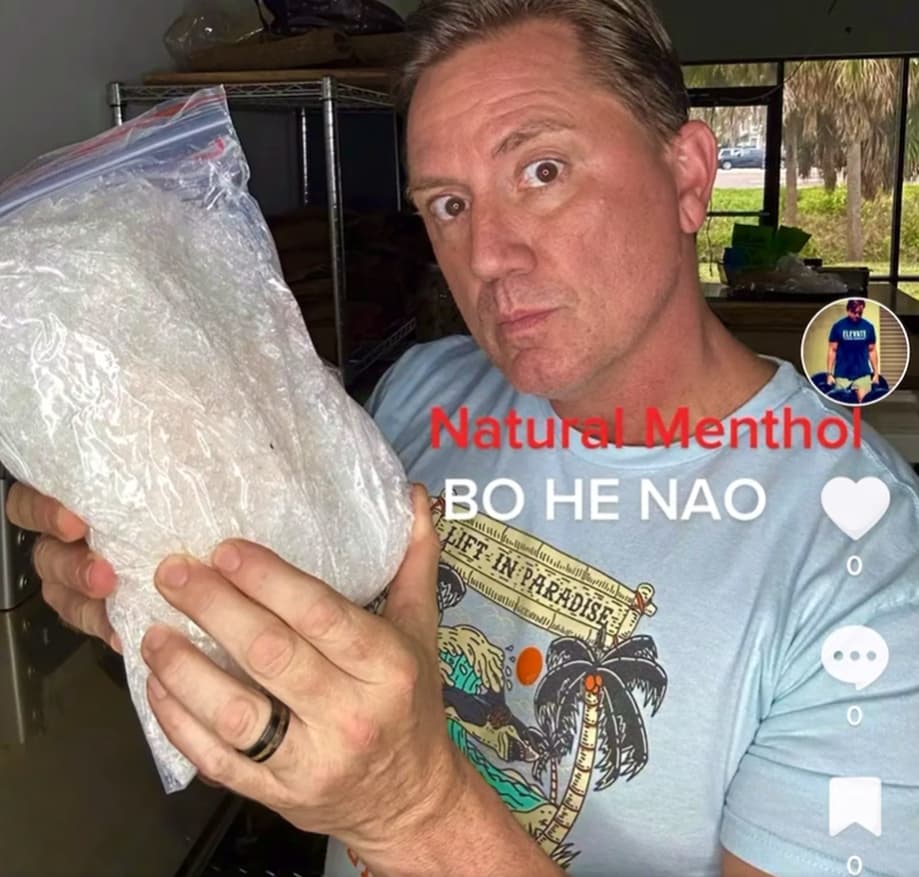
Clinical Pearl: Synergistic with camphor for enhanced penetration; may enhance absorption of other ingredients.
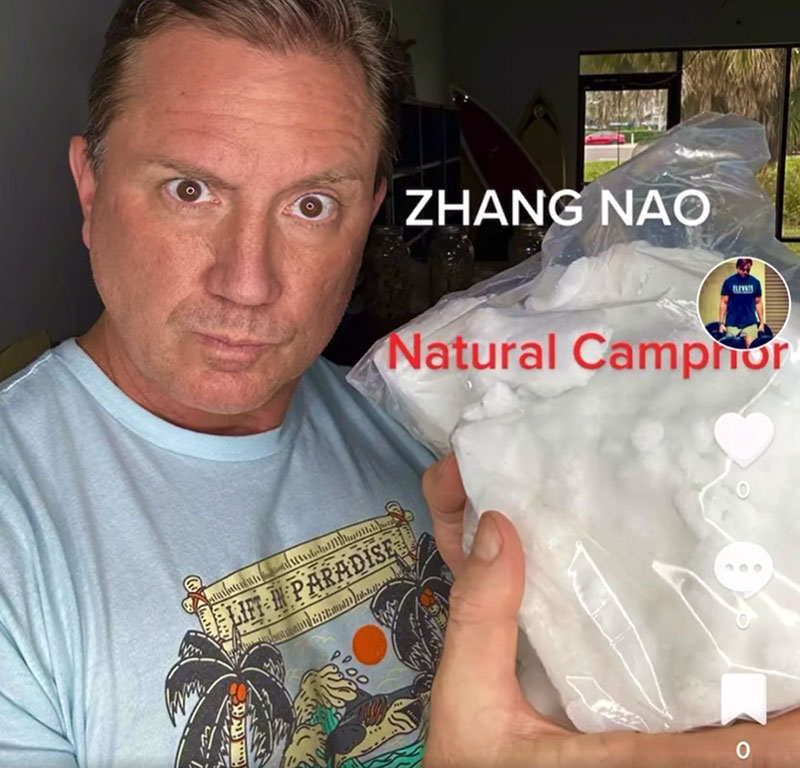
Clinical Pearl: The menthol + camphor combination is foundational in many effective liniments worldwide.
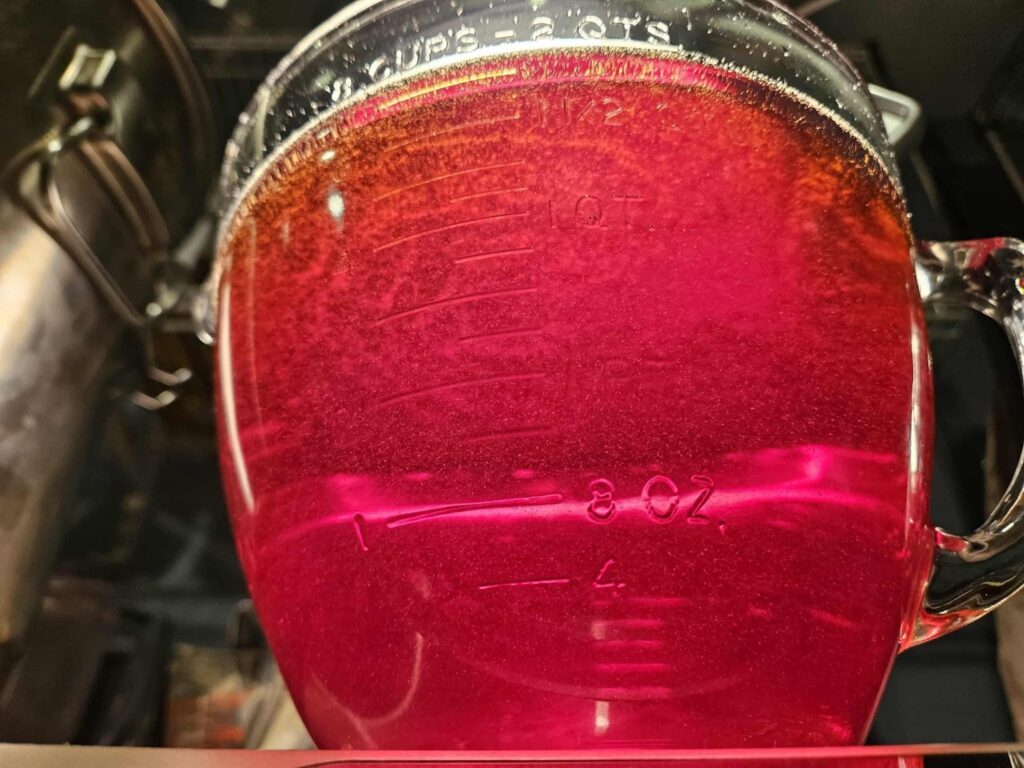
Clinical Pearl: Best combined with menthol and camphor for enhanced and prolonged effect. Caution with blood thinners.
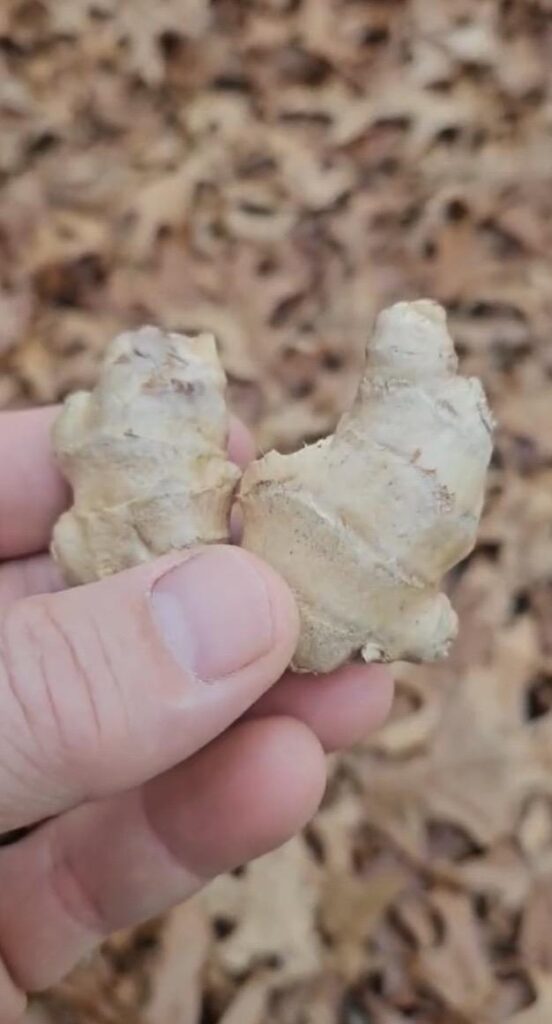
Clinical Pearl: Excellent for patients who find capsaicin too intense. Addresses both pain perception and underlying inflammation.
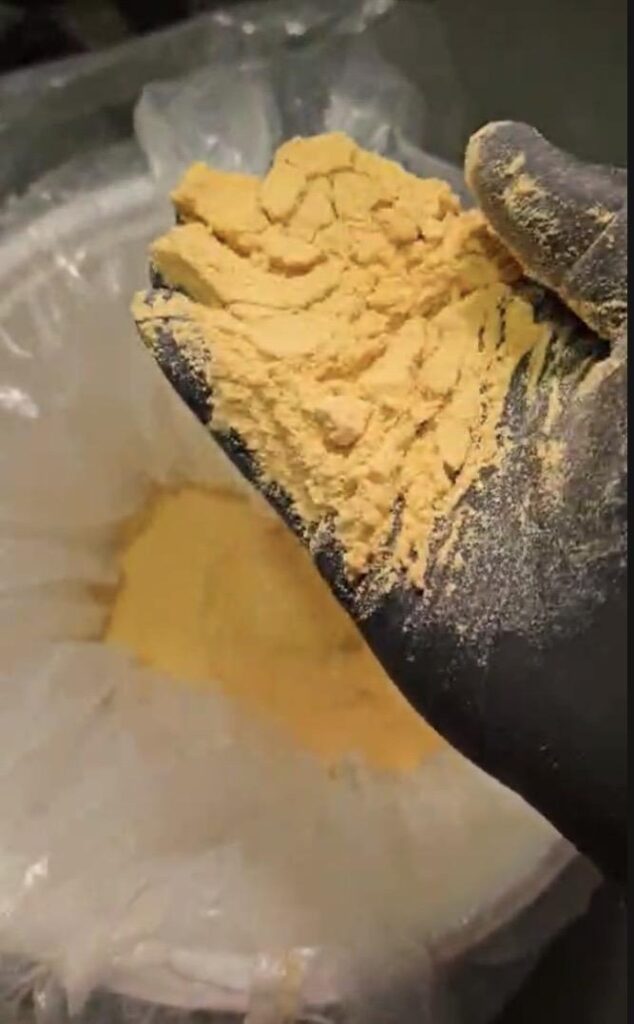
Source
Safety: Can cause burns and blistering. Traditional mustard plaster application: 10-15 minutes maximum.
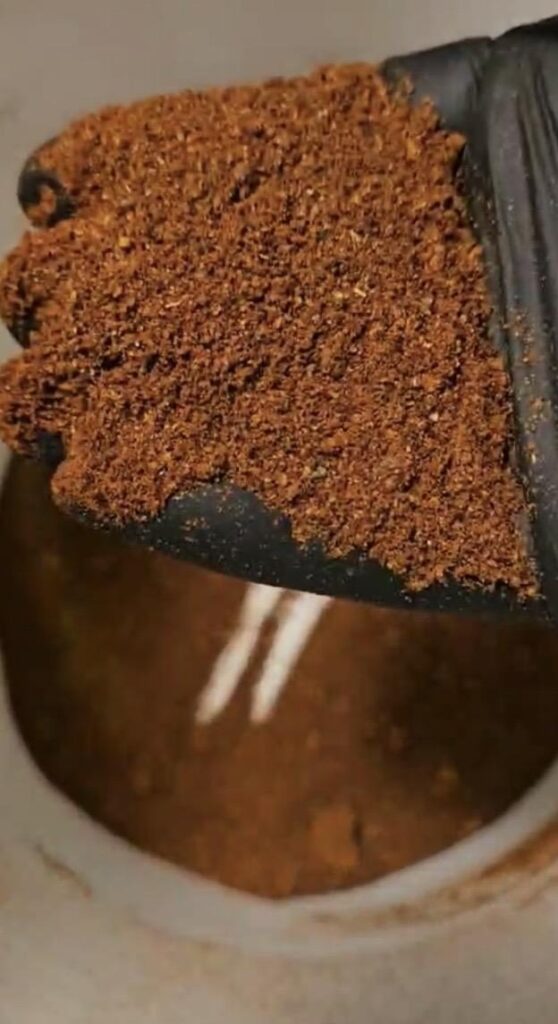
Clinical Pearl: The only agent producing true nerve defunctionalization. Patient education is critical: initial burning is expected and necessary.
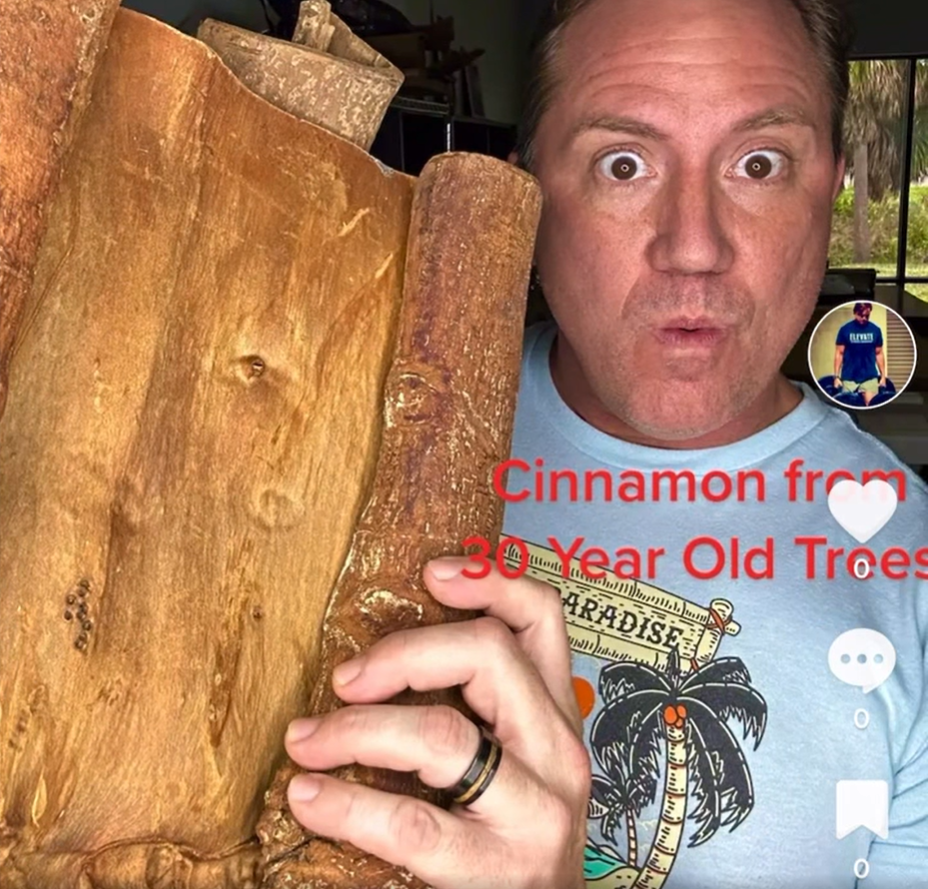
Clinical Pearl: In TCM, both Gui Zhi (twig) and Rou Gui (bark) warm channels and relieve pain. Contact sensitizer - can cause dermatitis.
Cinnamaldehyde is an electrophilic compound that covalently modifies TRPA1 channels. It is more selective for TRPA1 than mustard, with less TRPV1 activity. It also causes vasodilation mediated by CGRP release.
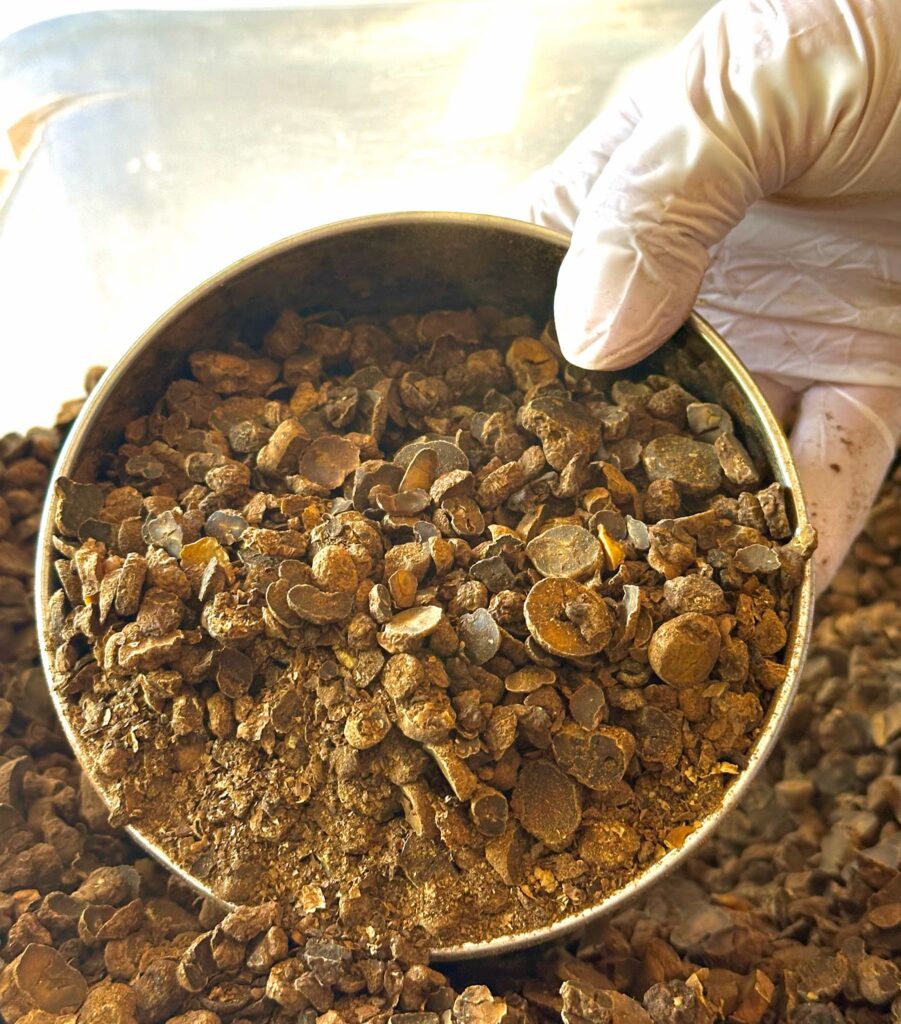
Clinical Pearl: Fundamentally different mechanism. No burning, cooling, or irritation. May be combined with counter-irritants for complementary mechanisms.
The following four botanicals work primarily through anti-inflammatory, hemostatic, and tissue-healing mechanisms rather than counter-irritancy. They are often combined with counter-irritant agents to provide comprehensive support for injured tissue.
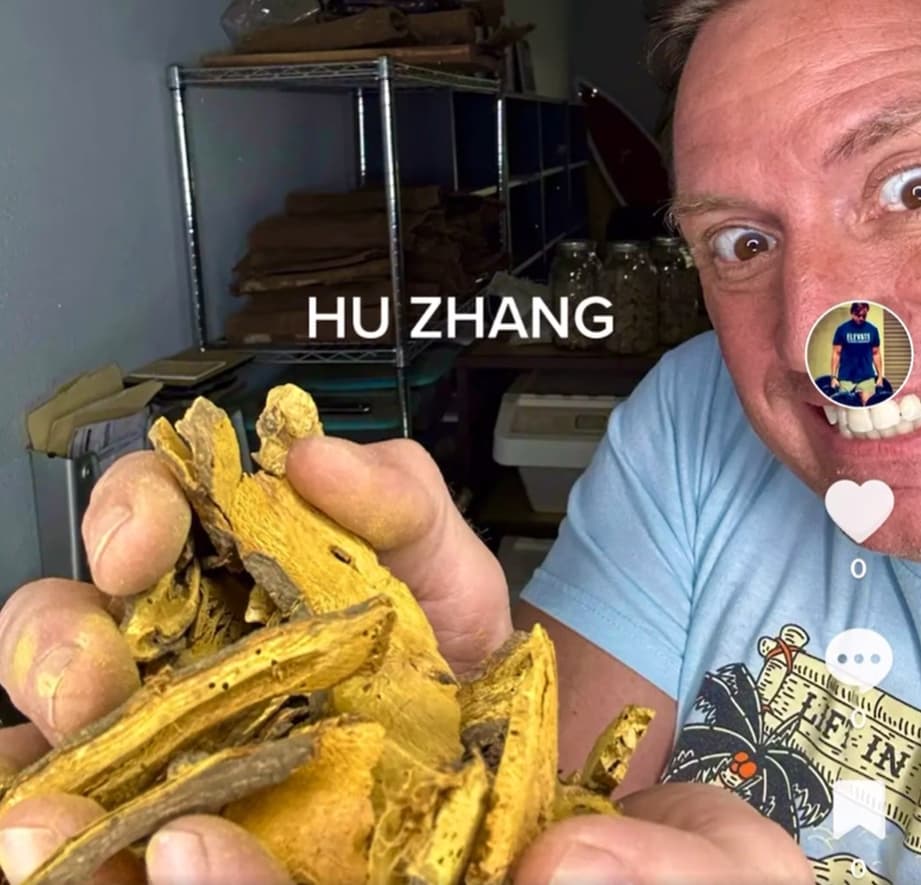
Polygonum cuspidatum
Clinical Pearl:One of nature's richest sources of resveratrol. Topically it provides potent anti-inflammatory and antioxidant effects.
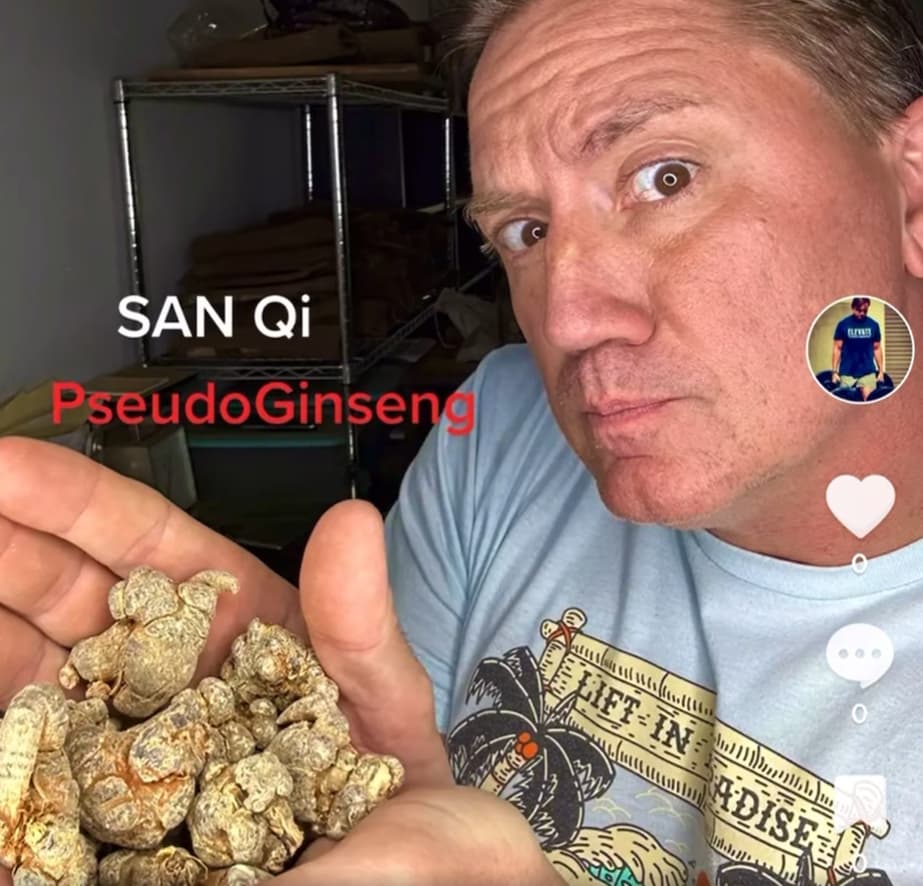
Panax notoginseng
Clinical Pearl: The most clinically significant trauma herb in TCM. It possesses a seemingly paradoxical but invaluable dual action
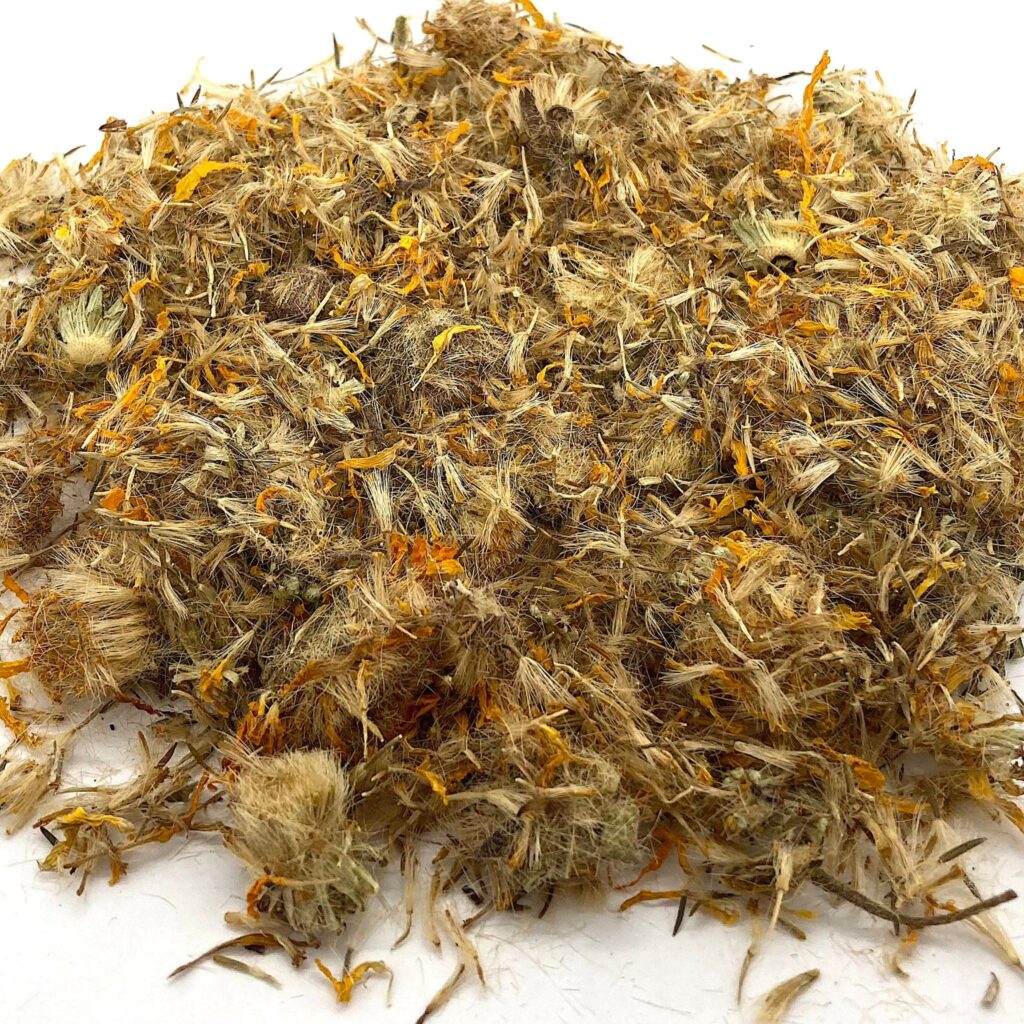
Safety: Never apply to broken skin. Never ingest. Use concentrated topical preparations, not homeopathic dilutions.
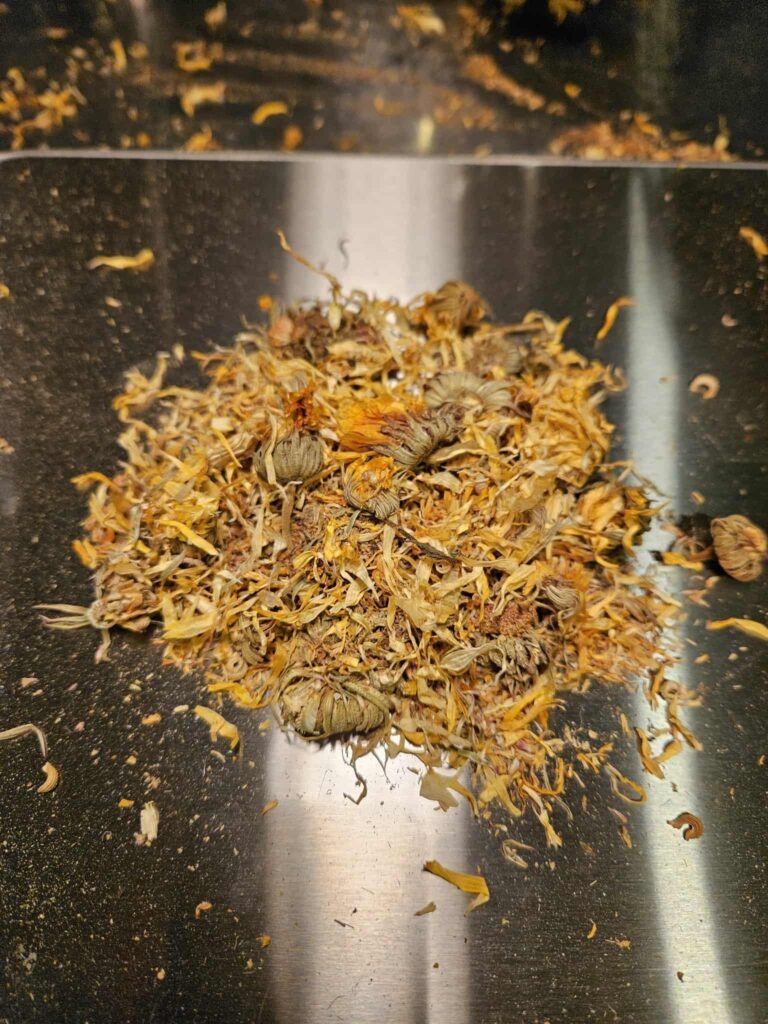
Clinical Pearl: Very gentle - suitable for sensitive skin and pediatric use. Safe for application to open wounds, unlike arnica.
| Agent | Target | Sensation | Duration | Unique Feature | Best For |
|---|---|---|---|---|---|
| Menthol | TRPM8 | Cooling | 45-60 min | Cool without temp change | Acute pain; cooling relief |
| Camphor | TRPV3/V1 | Warm + cool | ~50 min | Penetration enhancer | Synergist; stiff muscles |
| Wintergreen | Multiple | Variable | 25-30 min | Converts to salicylate | Combination products |
| Ginger | TRPV1/A1 | Warm pungent | Moderate | Dual: TRP + COX-2 | Inflammatory pain |
| Mustard | TRPA1 | Intense | Short | Most potent TRPA1 | Traditional plasters |
| Capsaicin | TRPV1 | Burning heat | Days-weeks | Nerve defunctionalization | Chronic; neuropathic |
| Cinnamon | TRPA1 | Warm/tingle | Short-mod | Most specific TRPA1 | Warming liniments |
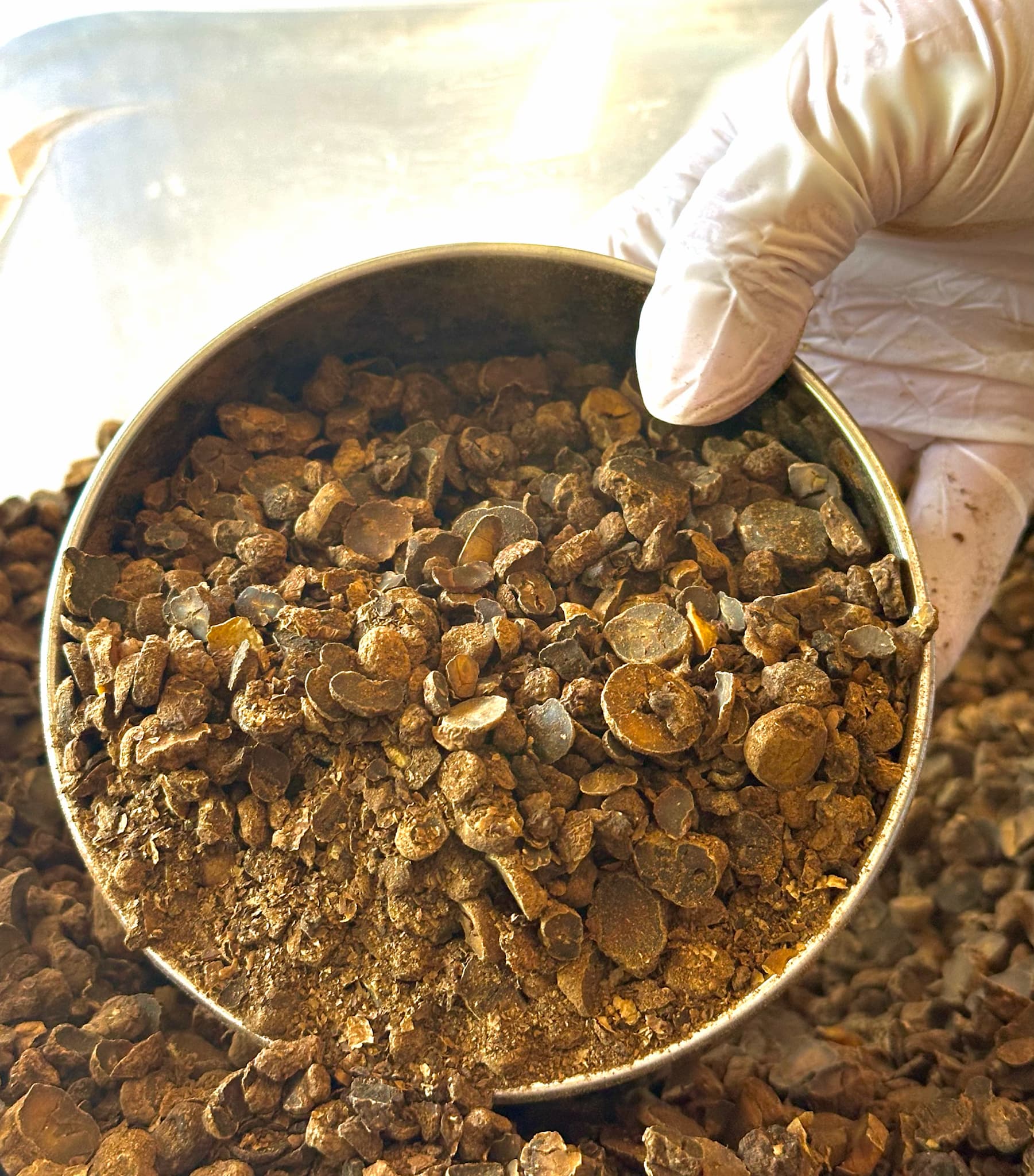
| Corydalis | CNS | None | Hours-days | Central modulation | Nerve pain; anxiety |
| Hu Zhang | NF-kB | Cooling | Hours | Resveratrol source | Hot inflammation |
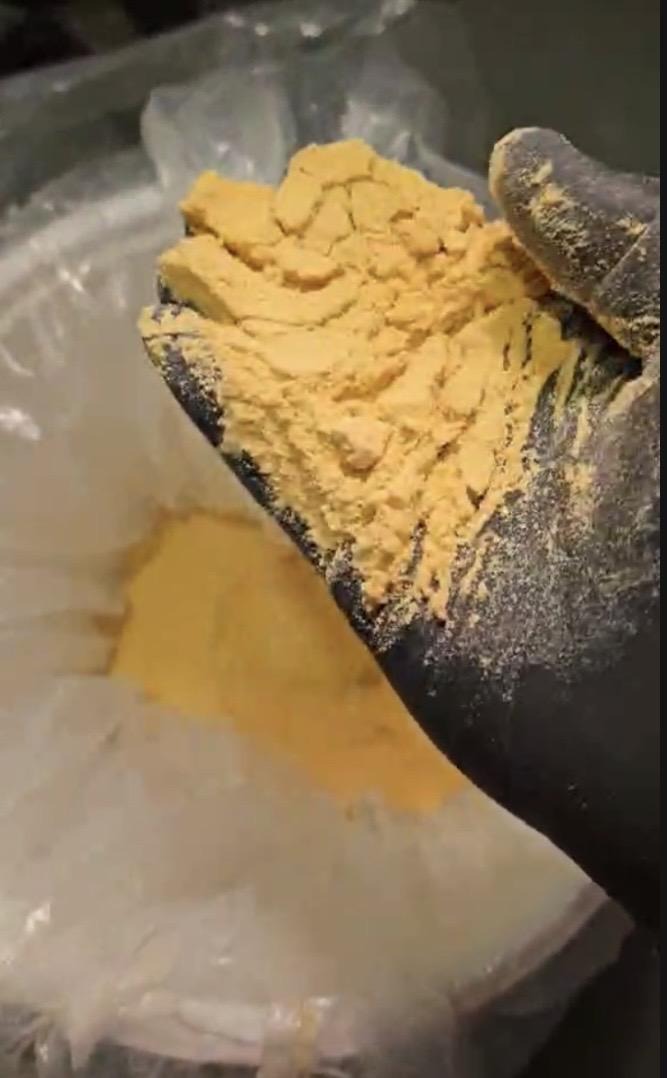
| San Qi | Hemostatic | None | Hours-days | Stops + moves blood | Trauma; wounds |
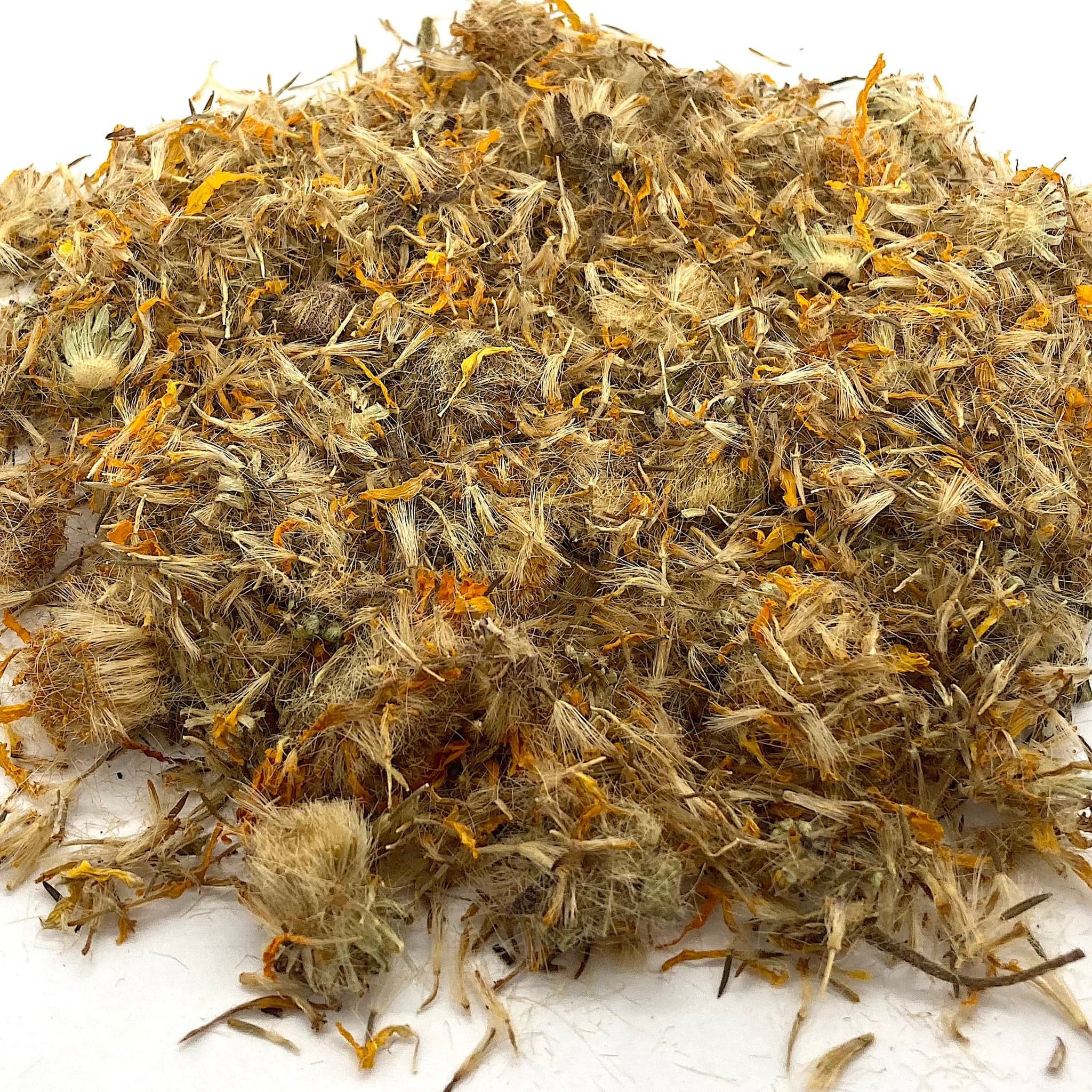
| Arnica | NF-kB | None | Hours | Bruise resolution | Bruising; closed injuries |
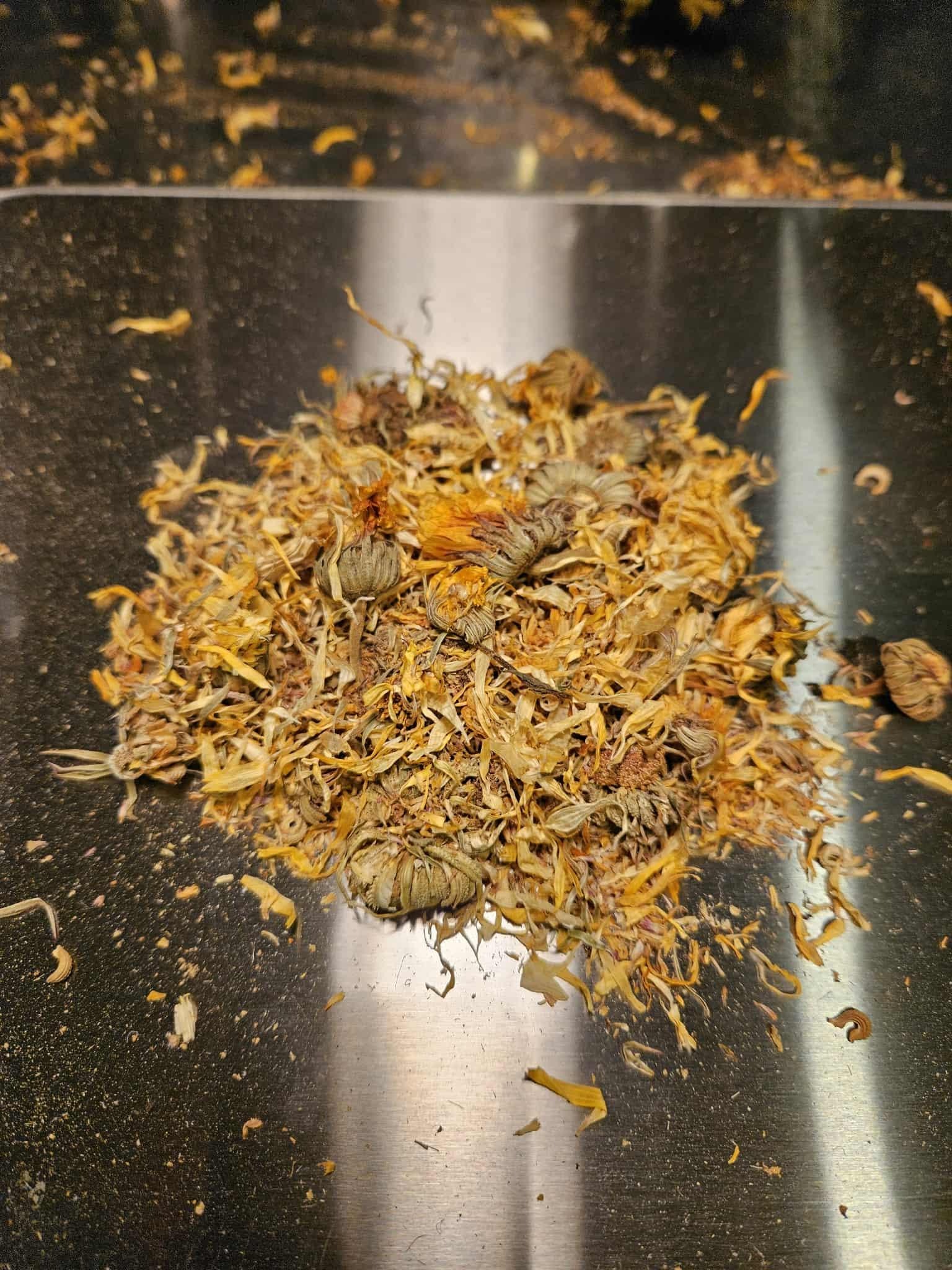
| Calendula | Multiple | None | Hours | Wound healing | Open wounds; gentle use |
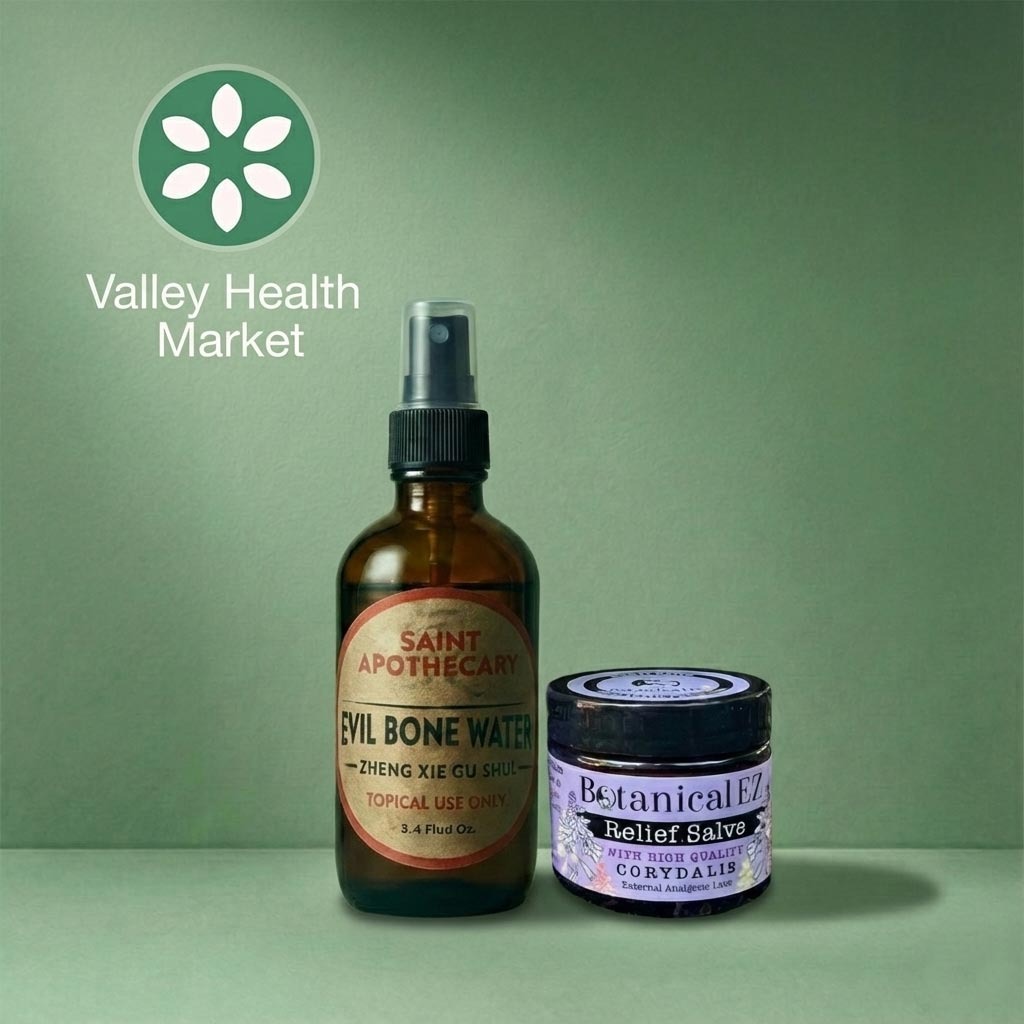
At Valley Health Market, every product we carry is formulated with the mechanisms in this guide in mind. Evil Bone Water, Dragon Blood Balm, Corydalis Relief Salve, and Red Emperor’s Immortal Flame each target different aspects of pain and healing — and they’re designed to work together.
Questions? I’m happy to help match products to your specific situation.
Emily Skin Soothers earned their place at Valley Health Marketplace the same way every product we
Are you struggling with pain and unsure of the best relief options? Discover the ultimate guide
Emily Skin Soothers earned their place at Valley Health Marketplace the same way every product we