8 minutes read

Natural Alternatives to Ibuprofen

Will Sheppy, Founder and Acupuncturist at Valley Health Clinic
Willard Sheppy Dipl. OM, LAc, BS

Willard Sheppy is a licensed acupuncturist (LAc) and Founder of Valley Health Clinic specializing in using Traditional Chinese Medicine to treat acute injuries and chronic conditions, and to improve sports performance and rehabilitation.

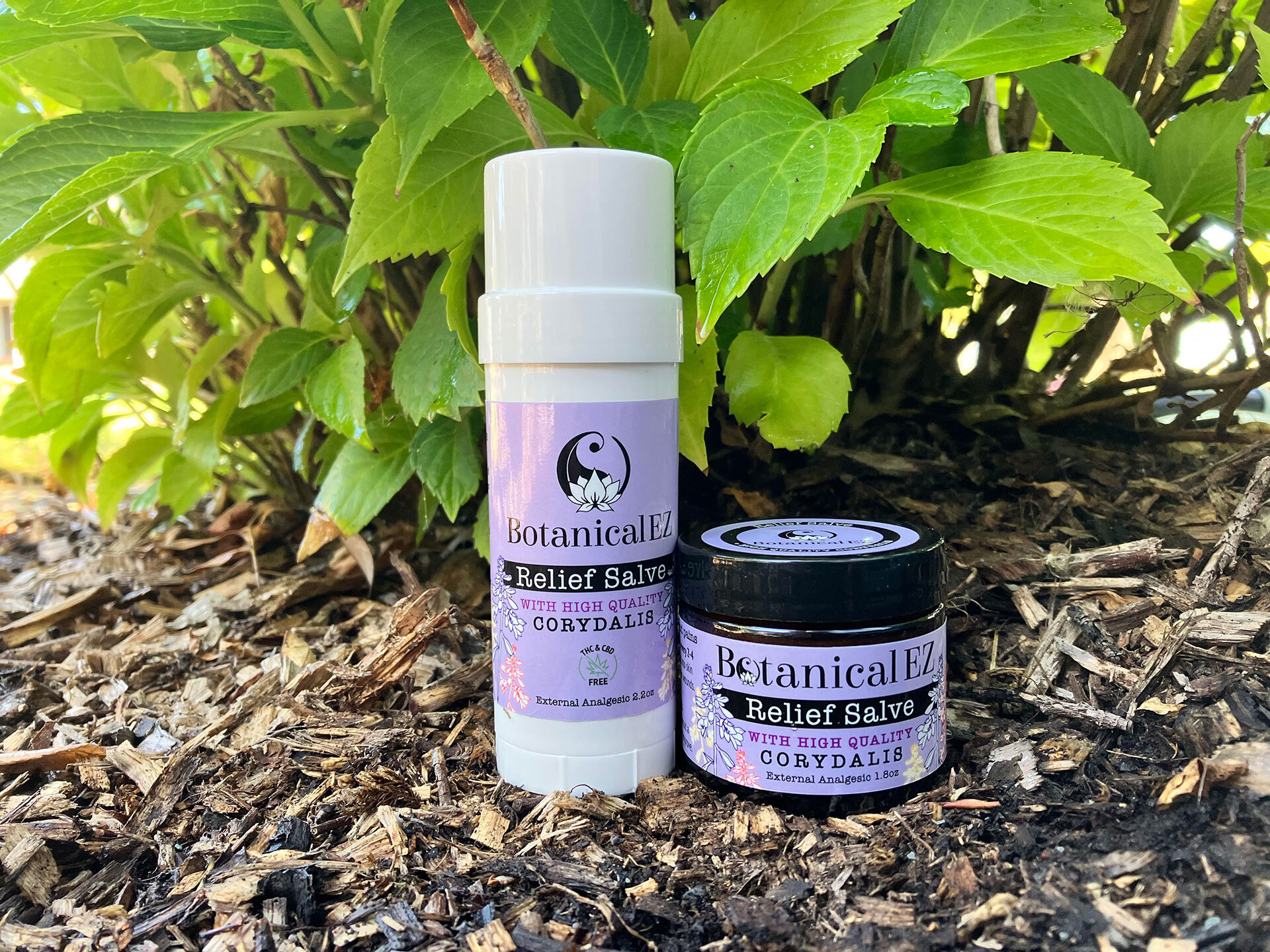
Botanical Ez Relief Salve Corydalis Stick and Salve on Rock Far away

Table of Contents

If you’re searching for alternatives to ibuprofen, you’re probably in one of two camps: either ibuprofen works but your stomach (or kidneys) can’t tolerate it, or you’re on medications (like blood thinners) that make NSAIDs a bad idea. In clinic, I see this all the time—people who still need real pain support, but can’t play roulette with gut irritation, bleeding risk, or medication interactions.
The good news: you have options. And some of the best ones don’t try to “bulldoze” pain—they support circulation, calm irritated nerves, and help tissue settle down so your body can actually finish healing.

Why Some People Need Alternatives to Ibuprofen

Ibuprofen is an NSAID (non-steroidal anti-inflammatory drug). It can be very effective for short-term pain and inflammation, but it’s not low-risk for everyone.

Common reasons people need alternatives to ibuprofen:

This is where herbal medicine—used appropriately—can be genuinely useful.

The Herb I Keep Coming Back To: Corydalis
(Yan Hu Suo)

In the transcript above, I mentioned an herb called Yan Hu Suo, commonly referred to as Corydalis. It’s been used traditionally for pain patterns associated with “stagnation” (think: tight, stuck, sharp, or persistent pain).

What modern research says (in plain language):

Clinical translation: I don’t position Corydalis as a magic bullet. I position it as a serious, historically used pain herb that can be especially practical when used topically, and strategically helpful when used internally in formulas.

AOYI Tea: Internal Support When NSAIDs Aren’t an Option

If you want an internal option that fits the “can’t take ibuprofen” crowd, this is why I like AOYI Tea.
In people with Ménière’s disease, ear pressure and inflammation can aggravate cervical nerves, while chronic neck tension can, in turn, worsen vestibular symptoms. Over time, many patients develop asymmetrical neck pain that reinforces this feedback loop.

AOYI Tea combines:

What patients tend to notice:

If you want to read the ingredient breakdown and intended use, see the product page here.
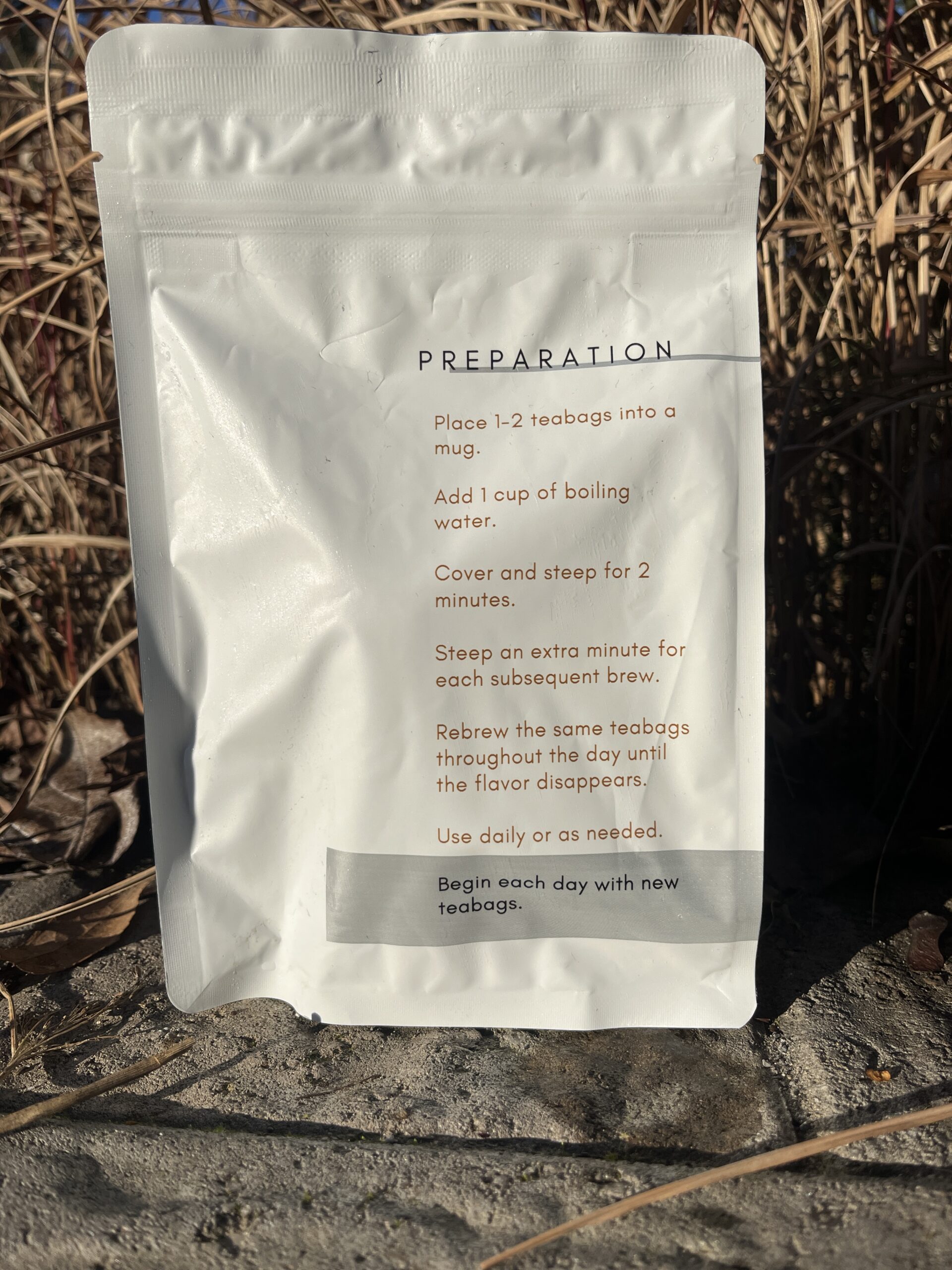
Practical use (general): many people do well with a consistent short course rather than random one-off use—because you’re supporting a process, not flipping a switch.
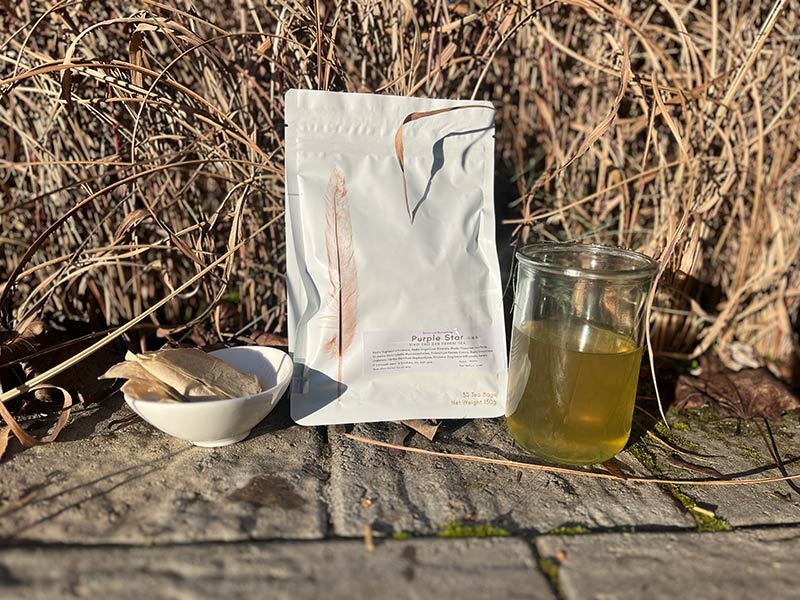
Ao Yi Tea
AoYi Tea is a traditional Tibetan Chinese herbal formula used for centuries to support the body’s natural ability to relieve discomfort, move stagnation, and restore circulation.

Corydalis Relief Salve: Topical Support for Nerve and Muscle Pain

When people can’t tolerate NSAIDs, topical strategies become a core part of the plan—because they can be effective while keeping systemic exposure lower.

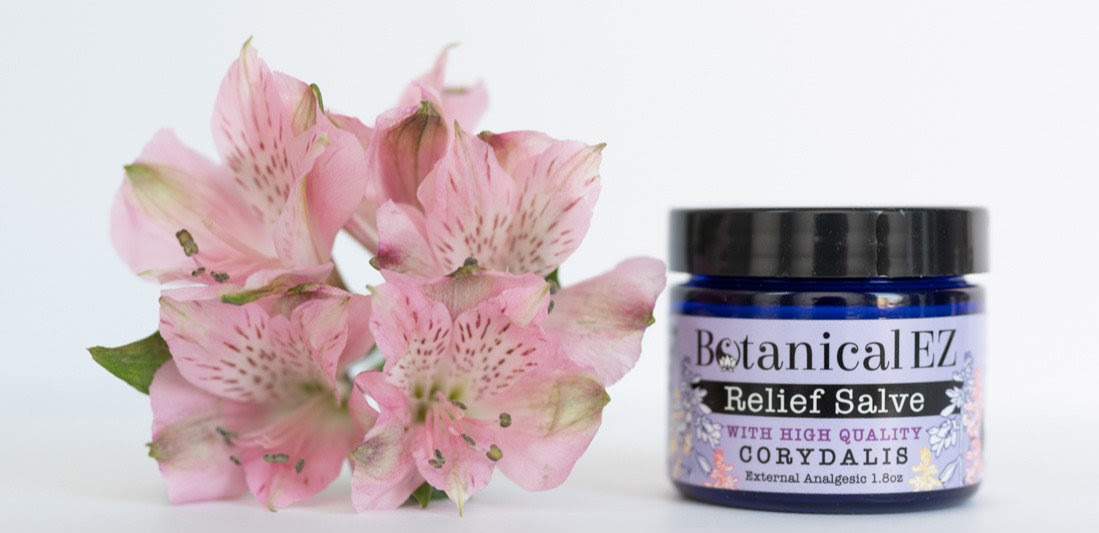
Corydalis Relief Salve is built around Corydalis extract and is commonly chosen for:

You can learn more about the salve here.

The “double duo” approach (what I do clinically)

If pain is persistent, I often prefer a layered approach:

Not because more is always better—but because pain is rarely one-dimensional. You’re dealing with local tissue irritation, circulation, and nervous system sensitivity at the same time.

Other Evidence-Based Natural Alternatives to Ibuprofen

If you want a broader toolkit, here are options that many people use—each with a different “job”.

1) Topical options with research support

2) Anti-inflammatory nutrition strategies (slow-burn, high payoff)

3) Movement as medicine (the overlooked analgesic)

If you can find a way to move that doesn’t spike symptoms—walking, mobility work, gentle strength—this often reduces pain over time by improving circulation and changing the nervous system’s “alarm settings.”
If you’re on blood thinners or have complex medical conditions, be cautious with any supplement that can affect bleeding or interact with medications, and coordinate with your clinician.

The “Double Duo” Approach (Internal + Topical)

If you’re trying to replace ibuprofen with something that actually holds up in real life, this is the simplest approach I recommend:
This pairing matters because pain is rarely one-dimensional. You’re usually dealing with some mix of:


Key Takeaways

Share on

Will Sheppy, Founder and Acupuncturist at Valley Health Clinic
By Will Sheppy, L.Ac
Willard Sheppy is a licensed acupuncturist (LAc) and Founder of Valley Health Clinic specializing in using Traditional Chinese Medicine to treat acute injuries and chronic conditions, and to improve sports performance and rehabilitation.

FAQ's

About Microgard
What’s the best alternative to ibuprofen for people on blood thinners?
It depends on the pain type and your medical situation, but many people do best with topical options, plus a practitioner-guided internal plan. NSAIDs + anticoagulants can significantly increase bleeding risk.
No. Corydalis contains alkaloids that have been studied for pain-modulating activity, including opioid-receptor-related pathways in preclinical research, but it is not the same as prescription opioids—and human evidence is still limited compared to pharmaceuticals.
That’s the “internal + topical” pairing I referenced in the transcript and commonly use as a practical strategy when NSAIDs aren’t tolerated.

References

Ibuprofen safety / GI bleeding & ulcer risk (MedlinePlus):

https://medlineplus.gov/druginfo/meds/a682159.html

DHCB (Corydalis compound) research article (PubMed record):

https://pubmed.ncbi.nlm.nih.gov/24388848/

Full text version on PubMed Central

https://pmc.ncbi.nlm.nih.gov/articles/PMC3912990/

Botanical EZ Relief Salve and Stick Together on Bark

Call to Action: A Practical NSAID-Free Pain Plan

If ibuprofen tears up your stomach, doesn’t mix with your meds, or just isn’t the strategy you want long-term, here’s the simplest place to start:
This is “real medicine” in the sense that it respects how pain actually works: not just inflammation, but circulation, nerve sensitivity, and tissue recovery—together.