If you’re searching for alternatives to ibuprofen, you’re probably in one of two camps: either ibuprofen works but your stomach (or kidneys) can’t tolerate it, or you’re on medications (like blood thinners) that make NSAIDs a bad idea. In clinic, I see this all the time—people who still need real pain support, but can’t play roulette with gut irritation, bleeding risk, or medication interactions.
The good news: you have options. And some of the best ones don’t try to “bulldoze” pain—they support circulation, calm irritated nerves, and help tissue settle down so your body can actually finish healing.
Ibuprofen is an NSAID (non-steroidal anti-inflammatory drug). It can be very effective for short-term pain and inflammation, but it’s not low-risk for everyone.
This is where herbal medicine—used appropriately—can be genuinely useful.
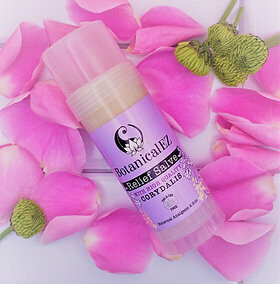
In the transcript above, I mentioned an herb called Yan Hu Suo, commonly referred to as Corydalis. It’s been used traditionally for pain patterns associated with “stagnation” (think: tight, stuck, sharp, or persistent pain).
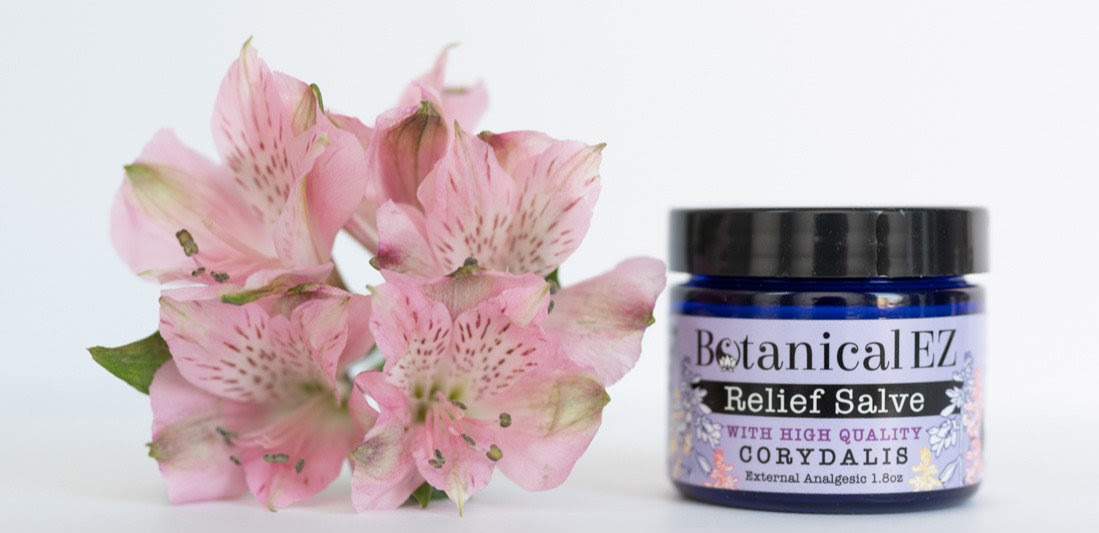
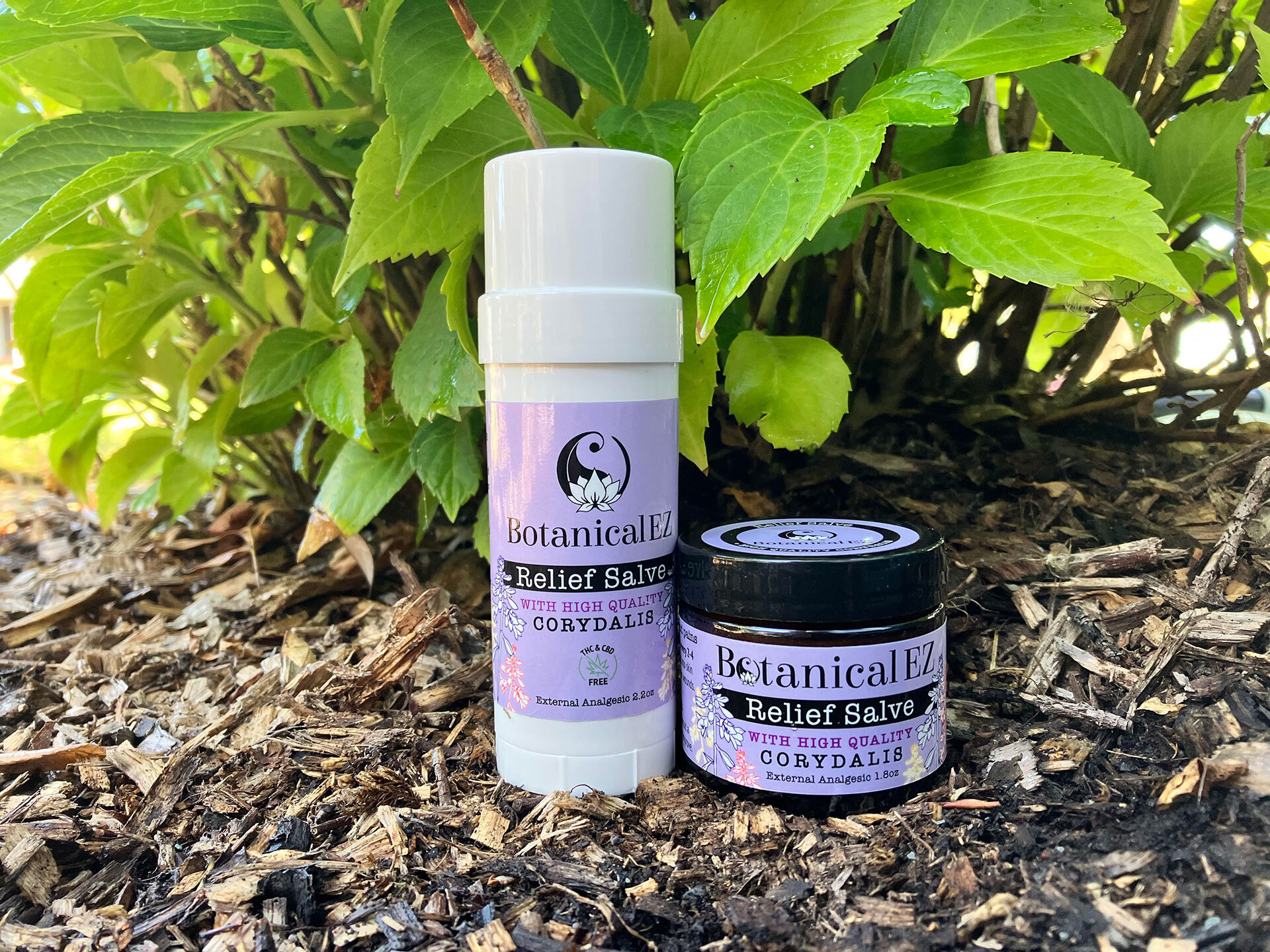
Clinical translation: I don’t position Corydalis as a magic bullet. I position it as a serious, historically used pain herb that can be especially practical when used topically, and strategically helpful when used internally in formulas.
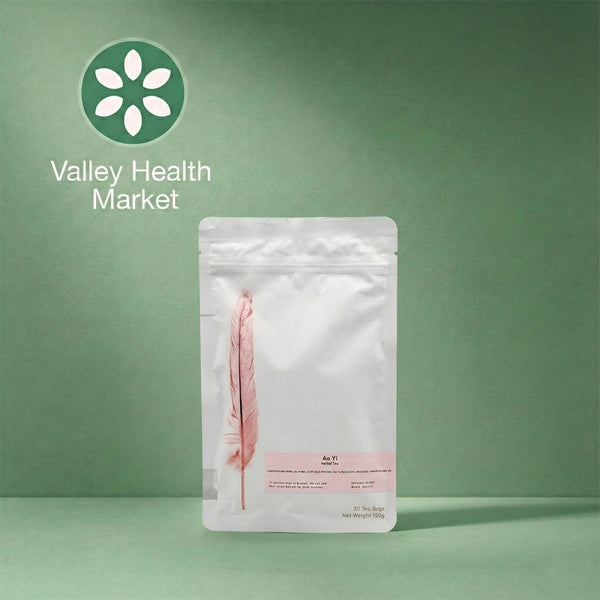
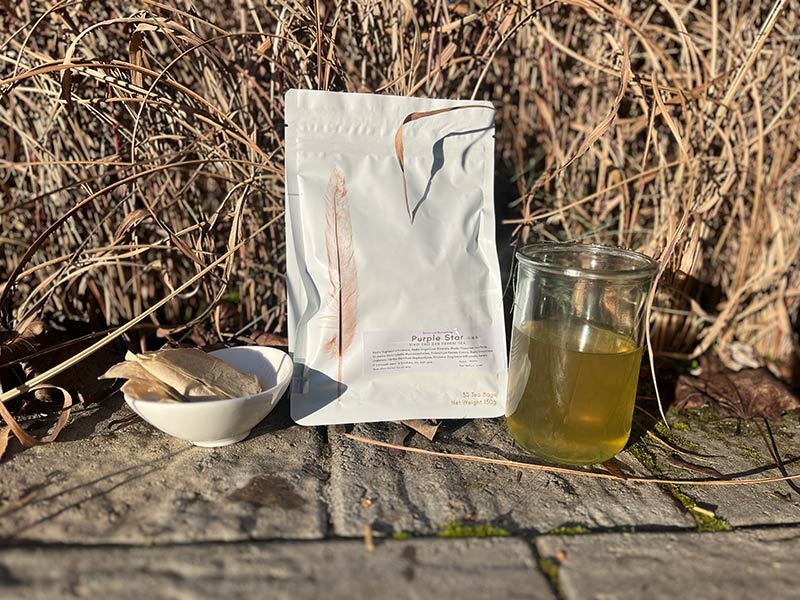
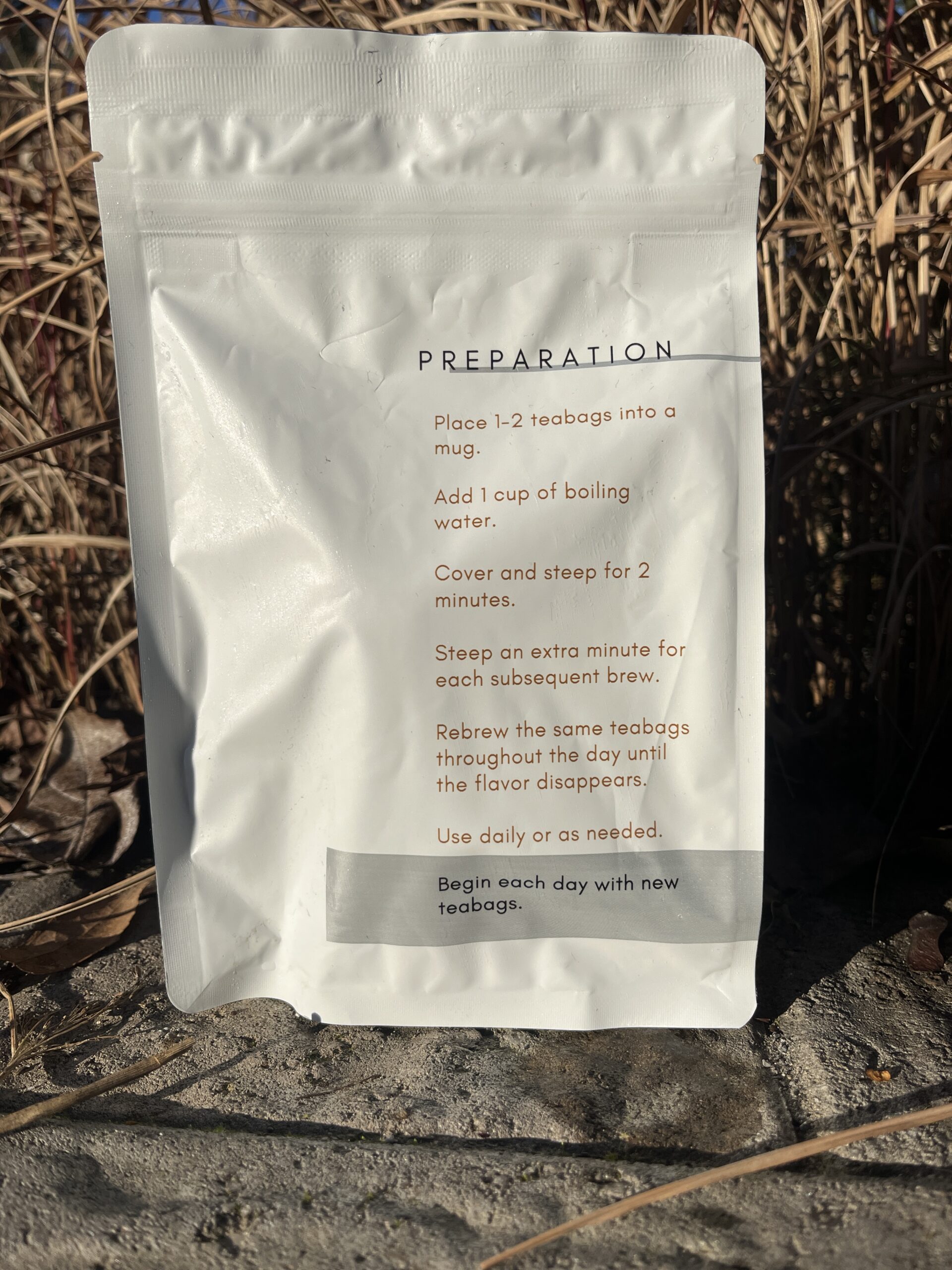
If you want an internal option that fits the “can’t take ibuprofen” crowd, this is why I like AOYI Tea.
In people with Ménière’s disease, ear pressure and inflammation can aggravate cervical nerves, while chronic neck tension can, in turn, worsen vestibular symptoms. Over time, many patients develop asymmetrical neck pain that reinforces this feedback loop.
If you want to read the ingredient breakdown and intended use, see the product page here.
Practical use (general): many people do well with a consistent short course rather than random one-off use—because you’re supporting a process, not flipping a switch.
AoYi Tea is a traditional Tibetan Chinese herbal formula used for centuries to support the body’s natural ability to relieve discomfort, move stagnation, and restore circulation.
You can learn more about the salve here.
Not because more is always better—but because pain is rarely one-dimensional. You’re dealing with local tissue irritation, circulation, and nervous system sensitivity at the same time.
If you want a broader toolkit, here are options that many people use—each with a different “job”.
If you can find a way to move that doesn’t spike symptoms—walking, mobility work, gentle strength—this often reduces pain over time by improving circulation and changing the nervous system’s “alarm settings.”
If you’re on blood thinners or have complex medical conditions, be cautious with any supplement that can affect bleeding or interact with medications, and coordinate with your clinician.
If you’re trying to replace ibuprofen with something that actually holds up in real life, this is the simplest approach I recommend:
This pairing matters because pain is rarely one-dimensional. You’re usually dealing with some mix of: