
11 minutes read

Gut Brain Axis Test

Will Sheppy, Founder and Acupuncturist at Valley Health Clinic
Willard Sheppy Dipl. OM, LAc, BS

Willard Sheppy is a licensed acupuncturist (LAc) and Founder of Valley Health Clinic specializing in using Traditional Chinese Medicine to treat acute injuries and chronic conditions, and to improve sports performance and rehabilitation.
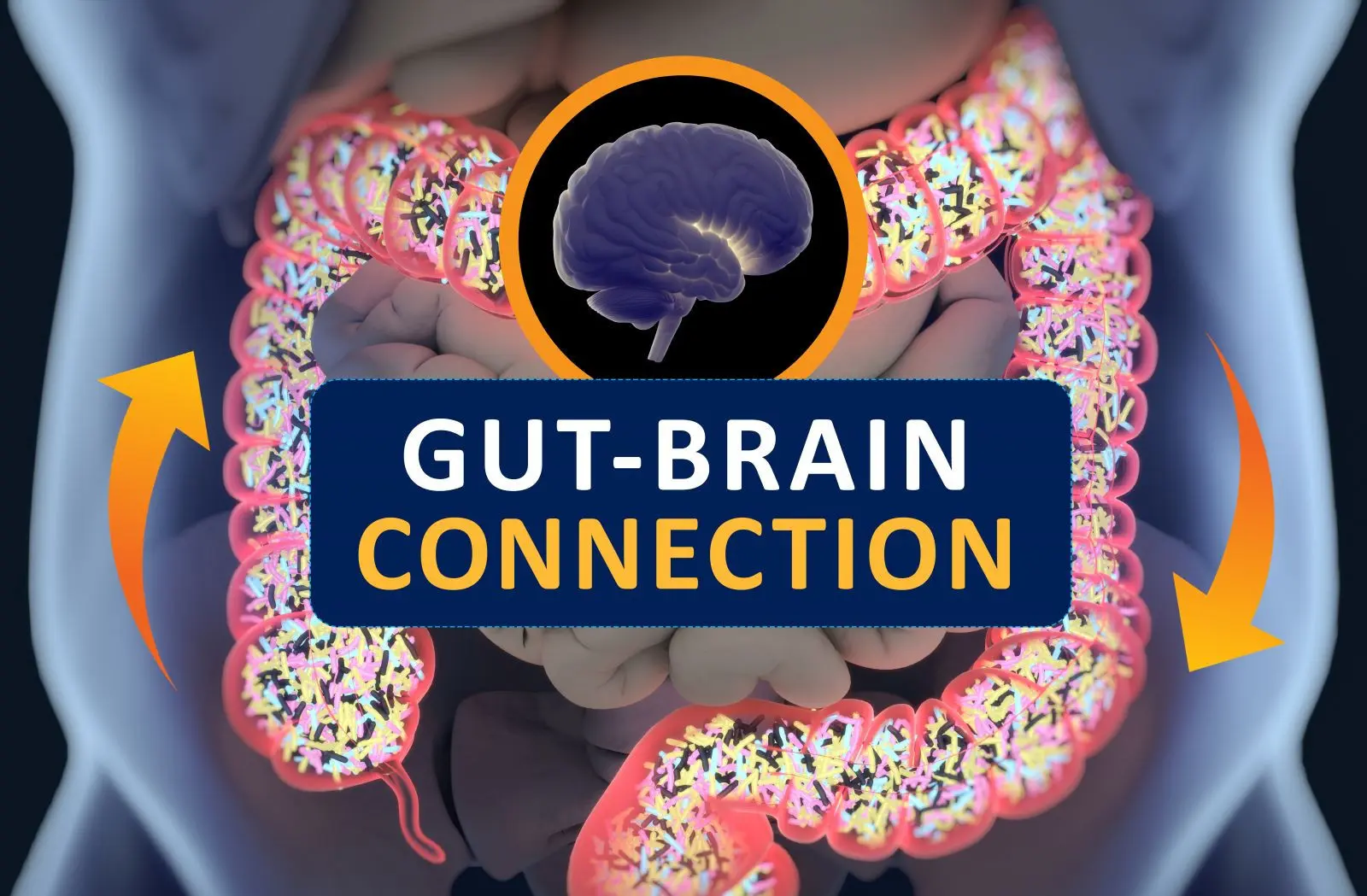

Table of Contents

Is Your Anxiety Starting in Your Gut or Your Brain?

Your gut and brain talk to each other all day long. That conversation isn’t just metaphorical the gastrointestinal tract is extremely sensitive to emotion, and a troubled intestine can send stress signals to the brain just as a troubled brain can upset your stomach.
In clinic I see this connection daily. Recently a patient came in complaining of post‑traumatic stress, anxiety and high cortisol. My evaluation showed no obvious endocrine imbalance, so I asked a simple question: “When do you feel anxious?” He admitted that at home, in his “happy place,” he felt calm. The anxiety only hit when he went out in public.
That little conversation is the backbone of what I call the Gut Brain Axis Test. It’s a quick way to tell whether your anxiety is coming upward from the gut or downward from the mind. Understanding the direction of those signals changes how we treat the problem and it brings a whole new appreciation for the complex, bidirectional relationship between digestion and mood.

What Is the Gut Brain Axis?

Scientists have discovered that we have a “second brain” inside our gut. The enteric nervous system (ENS) is made up of more than 100 million nerve cells that line the digestive tract . In fact, there are more nerve cells in your gut than anywhere else in your body outside of your brain . This neural network controls digestion and sends constant feedback to the central nervous system via the vagus nerve . Because of this wiring, the gut and brain are in continuous conversation: hunger, fullness, nausea and the urge to use the bathroom are all messages from your gut . The brain responds by adjusting motility, enzyme release and blood flow .
This connection works the other way, too. Stressful thoughts or strong emotions can trigger butterflies, cramping or indigestion. Psychology influences the actual physiology of the GI tract: stress and depression alter the movement and contractions of the gut .
Irritation inside the digestive system may in turn send signals to the central nervous system that trigger mood changes . That’s why people with irritable bowel syndrome (IBS) and other functional gut disorders have higher rates of anxiety and depression .
In Chinese medicine we recognized these patterns millennia ago: the Spleen and Stomach govern rumination and worry, while the Liver affects irritability and tension.
Modern science also shows that this axis involves endocrine, immune and metabolic pathways . The gut produces neurotransmitters and hormones; around 95 % of the body’s serotonin the chemical that regulates mood, appetite and sleep is made in the intestinal lining .
The gut microbiome (trillions of bacteria, viruses and fungi that live in our intestines) produces metabolites and neurotransmitters that influence brain function . Imbalanced gut bacteria have been linked to depression, anxiety and even developmental disorders . Because of this network, disturbances in one system can create symptoms in the other.

The Gut Brain Axis Test

I use this test with patients when the source of their anxiety is unclear. It’s simple but telling:

Know Which Direction to Treatment The Gut Brain Axis

When the mind is calm but the gut is unhappy, focusing on fixing digestion often calms the brain.
Research shows that changes in gut bacteria can affect mood, cognition, and the stress response through gut-to-brain signaling, including the vagus nerve.
Small intestine bacterial overgrowth (SIBO), and inflammatory patterns correlate with anxiety and irritability. Supporting gut health with diet, herbs, and probiotics can reduce anxious signaling at its source.

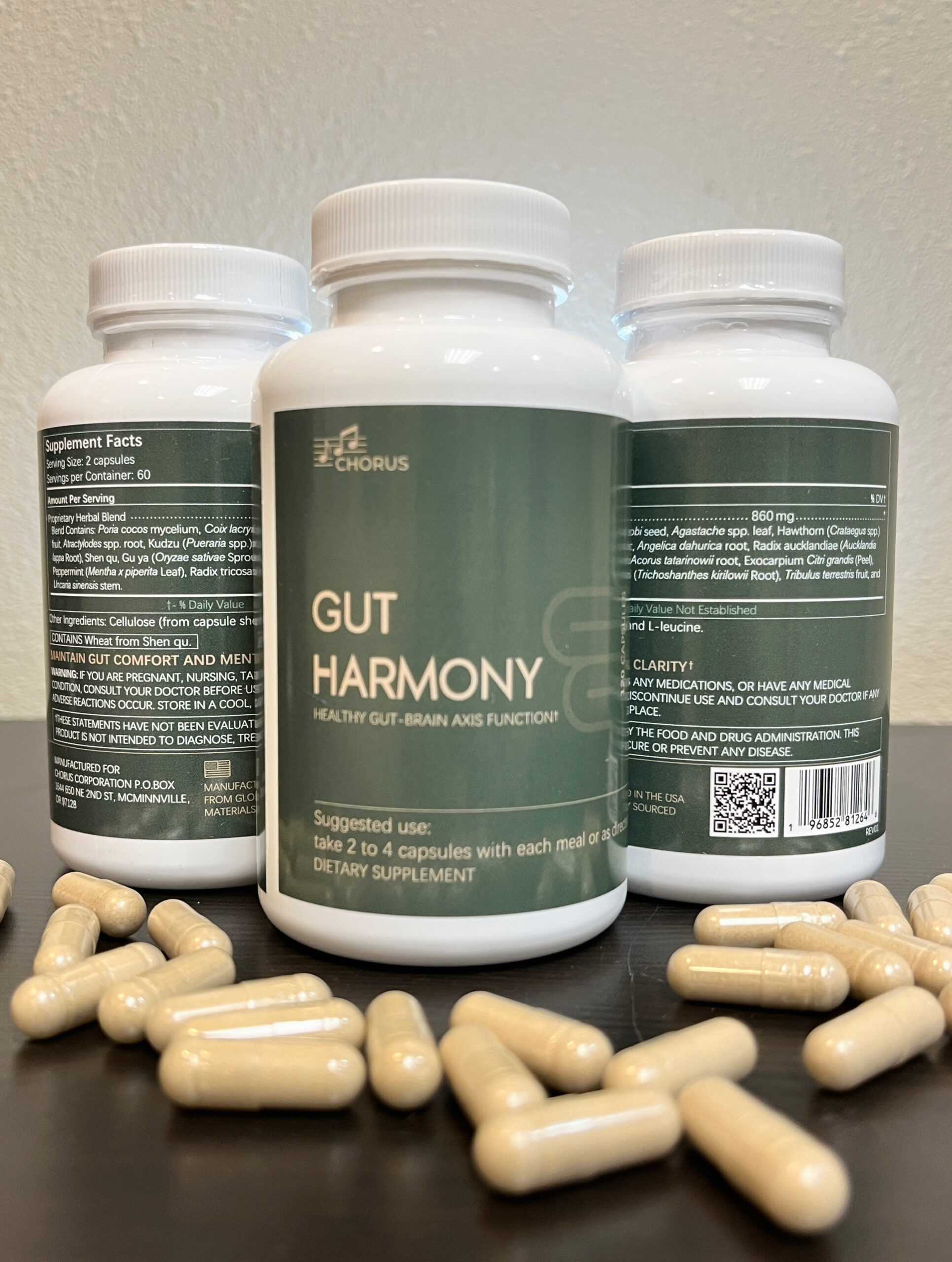
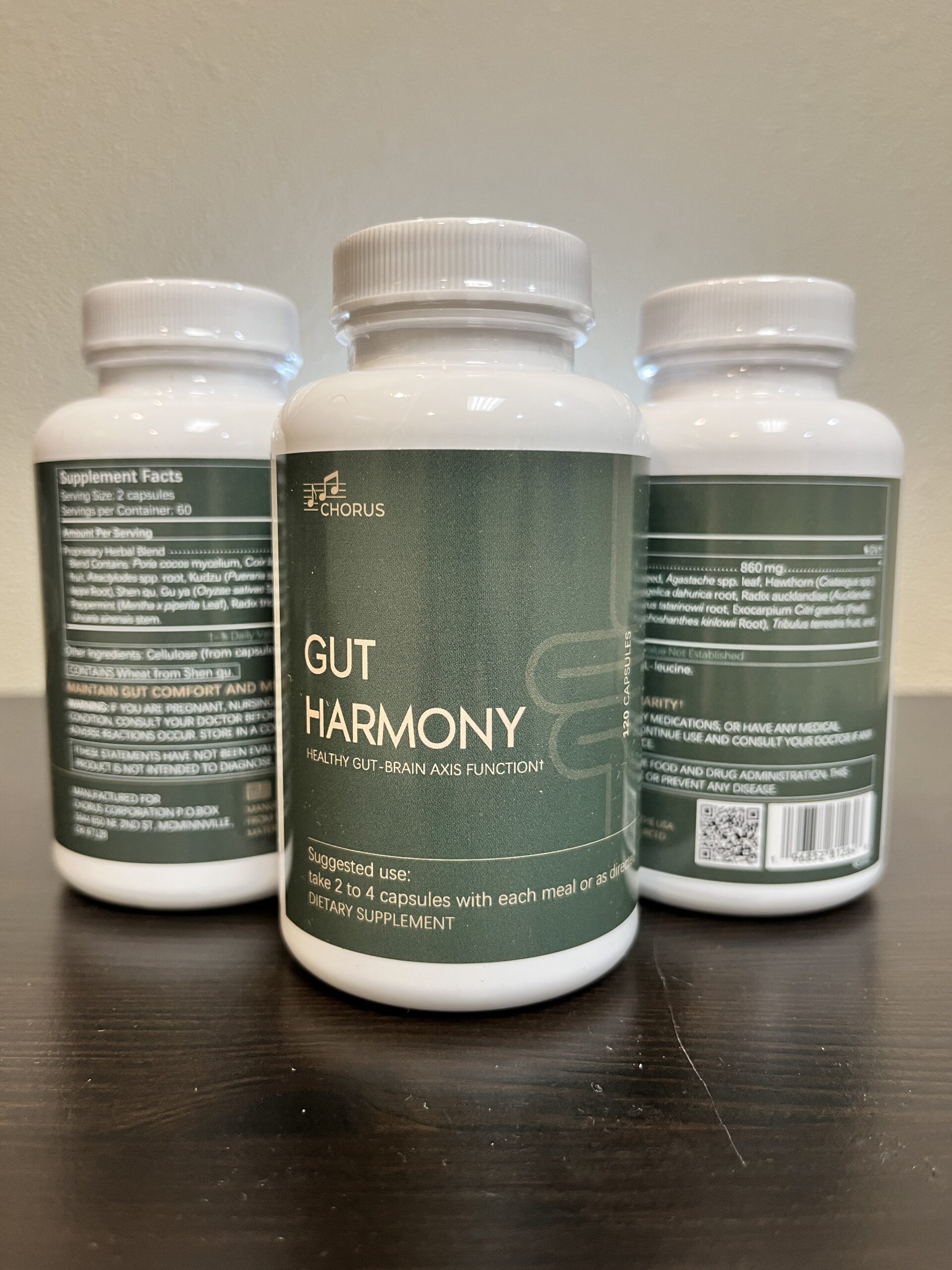
Gut Harmony

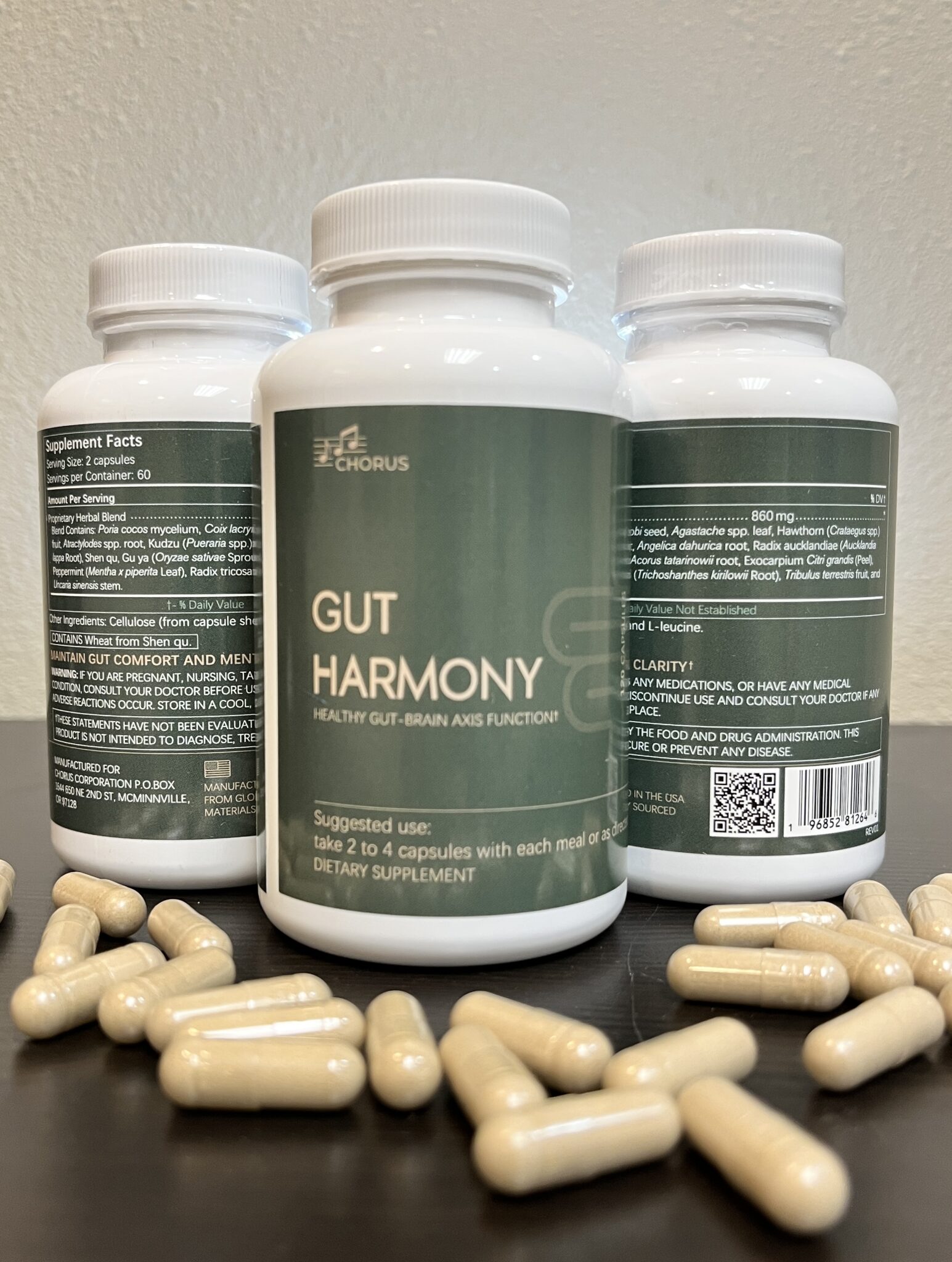
Restore digestive balance with Gut Harmony, a comprehensive 16-herb formula crafted to reduce bloating, improve gut motility, and support a healthy microbiome.
When anxiety is clearly triggered by thoughts or environment, the focus shifts to calming the nervous system. Mind‑body practices (breath work, meditation, cognitive behavioral therapy) have been shown to improve IBS symptoms . Acupuncture and Chinese herbal formulas can tone the vagus nerve, modulate cortisol and ease tension. Treating the mind often relieves digestive symptoms in these cases.

Gut Brain Axis Research Shows

Modern literature is exploding with studies on the gut–brain axis. A few highlights:

The gut-brain connection

Pay attention to your gut-brain connection – it may contribute to your anxiety and digestion problems

The Gut-Brain Axis

Influence of Microbiota on Mood and Mental Health...

Partial destabilization of native structure

by a combination of heat and denaturant facilitates cold denaturation in a hyperthermophile protein...

The Brain-Gut Connection

If you’ve ever “gone with your gut” to make a decision or felt...

Gut Harmony

Restore digestive balance with Gut Harmony, a comprehensive 16-herb formula crafted to reduce bloating, improve gut motility, and support a healthy microbiome.

Share on

Will Sheppy, Founder and Acupuncturist at Valley Health Clinic
Willard Sheppy
Willard Sheppy is a licensed acupuncturist (LAc) and Founder of Valley Health Clinic specializing in using Traditional Chinese Medicine to treat acute injuries and chronic conditions, and to improve sports performance and rehabilitation.

FAQ's

Common Questions About the Gut Brain Axis
How do I know if my anxiety is from my gut?
If you notice mood swings, irritability or anxiety when life is calm, look for digestive clues: bloating, constipation, diarrhea, heartburn or food sensitivities. Research shows the gut can send signals to the brain that trigger emotional changes . Keeping a food and symptom diary, getting a stool analysis to assess your microbiome and working with a practitioner to address inflammation can help you determine if your gut is the culprit.
There isn’t a single lab panel that measures this connection. Clinicians use a combination of history, stool tests (to look at microbiome diversity and pathogens), breath tests (to assess SIBO), inflammatory markers, cortisol and vagal tone assessments. The simple thought experiment described above is a useful mental check. Ultimately, treating the gut or calming the mind or both is more effective than relying on a single “test.”
A high‑fiber, plant‑rich diet promotes the growth of beneficial bacteria . Whole grains, legumes, fruits and vegetables feed your microbiome and encourage production of neurotransmitters. Fermented foods like yogurt, kefir, sauerkraut and kimchi provide natural probiotics . Limiting refined sugars, alcohol and processed fats reduces inflammation. In Chinese medicine, warming, cooked foods like soups and porridges nourish the Spleen and calm the mind.
Probiotics are live bacteria that can help rebalance the microbiome. Small clinical trials have shown that taking specific probiotics for six weeks can improve both IBS and anxiety symptoms . Prebiotics nondigestible fibers that feed beneficial bacteria have also been shown to reduce cortisol levels . Not all probiotics are the same, so work with a practitioner to choose strains appropriate for your condition.
Yes. Diet directly alters the composition of your microbiome . Eating a diverse array of fiber‑rich foods increases short‑chain fatty acids, which support gut lining integrity and have anti‑inflammatory effects. Processed foods and alcohol can encourage growth of microbes that produce endotoxins, which may cross the gut barrier and affect the brain..

How to Support Your Gut–Brain Harmony

Eat for your microbiome

Focus on whole, unprocessed foods. Include plenty of fiber (vegetables, fruit, legumes, whole grains) and fermented foods like kimchi, sauerkraut. I am not a fan of yogart, too much sugar and milk.

Limit irritants

Reduce alcohol, sugary drinks, processed seed oils and ultra‑refined carbohydrates. These can disrupt your microbiome and promote inflammation.

Manage stress

Practice deep breathing, meditation and tai chi. These activate the parasympathetic nervous system and calm gut motility. Studies show mind‑body therapies improve IBS symptoms and mood .

Use targeted supplements

Prebiotics (soluble fibers like inulin), probiotics (such as Lactobacillus and Bifidobacterium species) The digestive products in this collection are designed to support gut health thoughtfully, safely, and effectively

Get moving

Regular, moderate exercise improves gut transit time and increases microbiome diversity. Here are six simple, low intensity activities for less pain, less risk, and more comfort in your body

Sleep well

The gut microbiome follows circadian rhythms. Poor sleep can disrupt microbial balance and increase cortisol. Establish a consistent sleep schedule.

Seek professional

If you’re ready for support consider joining the Chorus Circle community. This guided support group blends traditional Chinese medicine wisdom with modern neuroscience to help calm the gut, clear the mind, and restore steady energy. Led by experienced herbalists and practitioners, members gain access to free classes, practical gut–brain education, Synchrony Training using EEG and HRV, mindful practices, and botanical support so you can feel lighter, clearer, and more at ease as you rebuild balance from gut to brain and brain to gut.
Start Healing Your Gut Today

If your body is sending you mixed signals, don’t ignore them.  Whether your anxiety starts in your gut or your head, the gut–brain axis gives us a roadmap for healing.  In my clinic, I’ve watched patients transform their mood by repairing their microbiome and soothing their nervous system.  Gut Harmony — our Chinese‑herb‑based blend — is designed to do just that.  It combines traditional formulas that nourish the Spleen, disperse Liver qi and clear damp‑heat with modern insights into microbiome diversity.  Real medicine, for real people, done the right way.

Ready to calm your mind by treating your gut? [Treat your gut microbiome with Gut Harmony] and start feeling the difference.