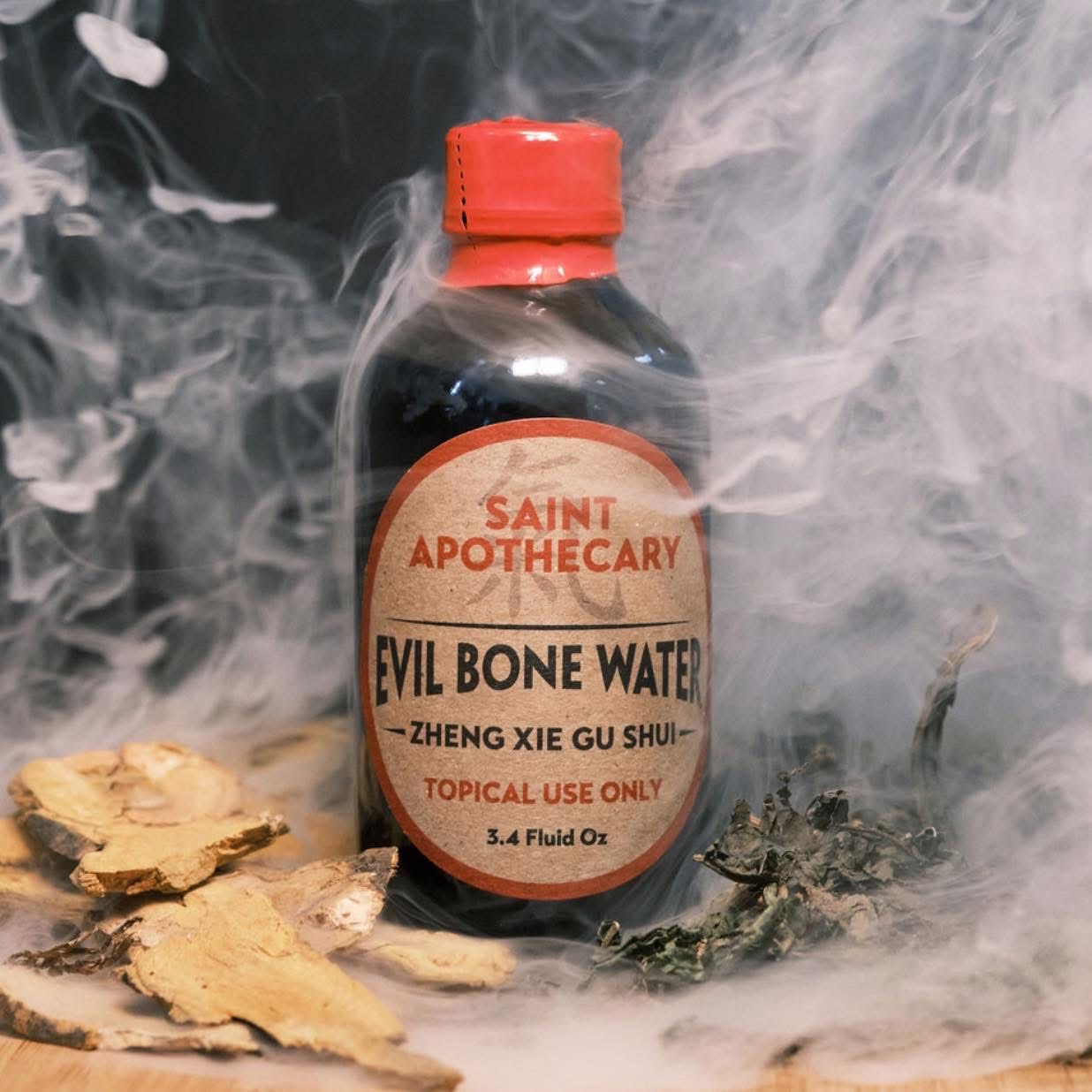
The Man Behind Evil Bone Water: Mark Brinson’s Mission to Restore Chinese Medicine’s Most Powerful Liniment
Emily Skin Soothers earned their place at Valley Health Marketplace the same way every product we


Willard Sheppy is a licensed acupuncturist (LAc) and Founder of Valley Health Clinic specializing in using Traditional Chinese Medicine to treat acute injuries and chronic conditions, and to improve sports performance and rehabilitation.
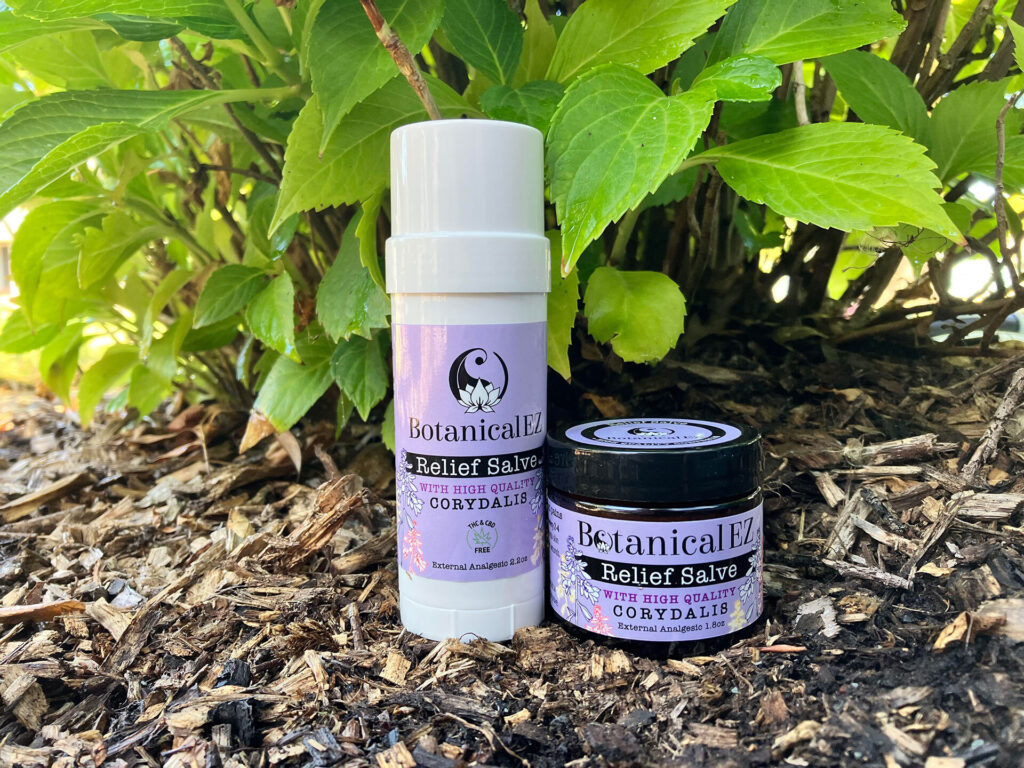
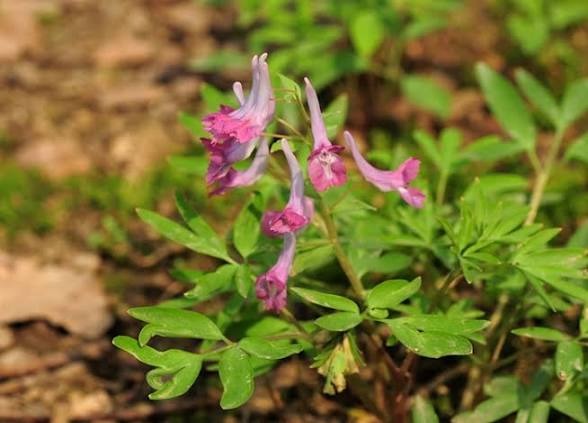

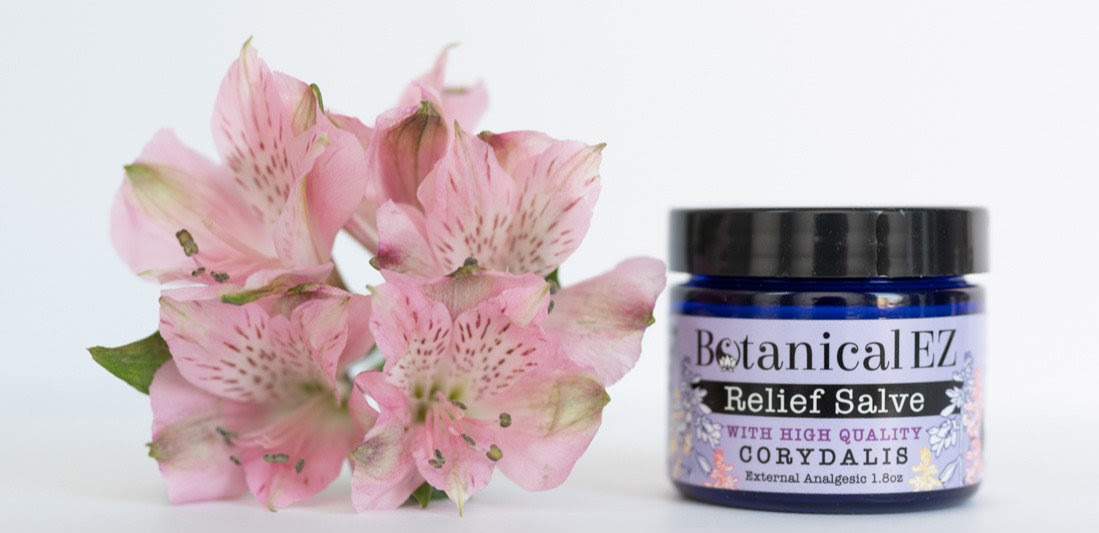
Key transdermal finding: In transdermal gel plaster studies, dehydrocorydaline showed the highest cumulative skin permeation of any tested Corydalis alkaloid—569.7 µg/cm² over 24 hours—following zero-order kinetics, meaning it delivers a steady, sustained release through the skin. This makes it a star performer in topical formulations.

Key transdermal finding: THP showed moderate skin permeation (82.4 µg/cm² over 24 hours) following Higuchi kinetics—a diffusion-controlled release that can be enhanced with permeation-enhancing techniques. Its distribution has been confirmed in heart, liver, spleen, kidney, and multiple brain regions after transdermal delivery.


| Factor | Effect on Skin Permeation |
|---|---|
| Molecular Weight | Smaller molecules (<500 Daltons) penetrate more easily. Most Corydalis alkaloids fall within this range, which is favorable. |
| Lipophilicity | Moderately lipophilic (fat-soluble) compounds pass through the lipid-rich stratum corneum best. Highly water-soluble compounds struggle. |
| Ionization State | Uncharged (non-ionized) molecules penetrate better. Quaternary ammonium alkaloids like DHC carry a permanent positive charge—yet DHC still shows excellent permeation, likely because its charge facilitates interaction with negatively charged skin proteins. |
| Molecular Shape | Flat, planar aromatic ring structures can intercalate between lipid layers more easily. |
| Formulation Vehicle | The carrier matrix matters enormously. Gel plasters, ethanol-based vehicles, and emulsion systems dramatically improve penetration of even difficult compounds. |
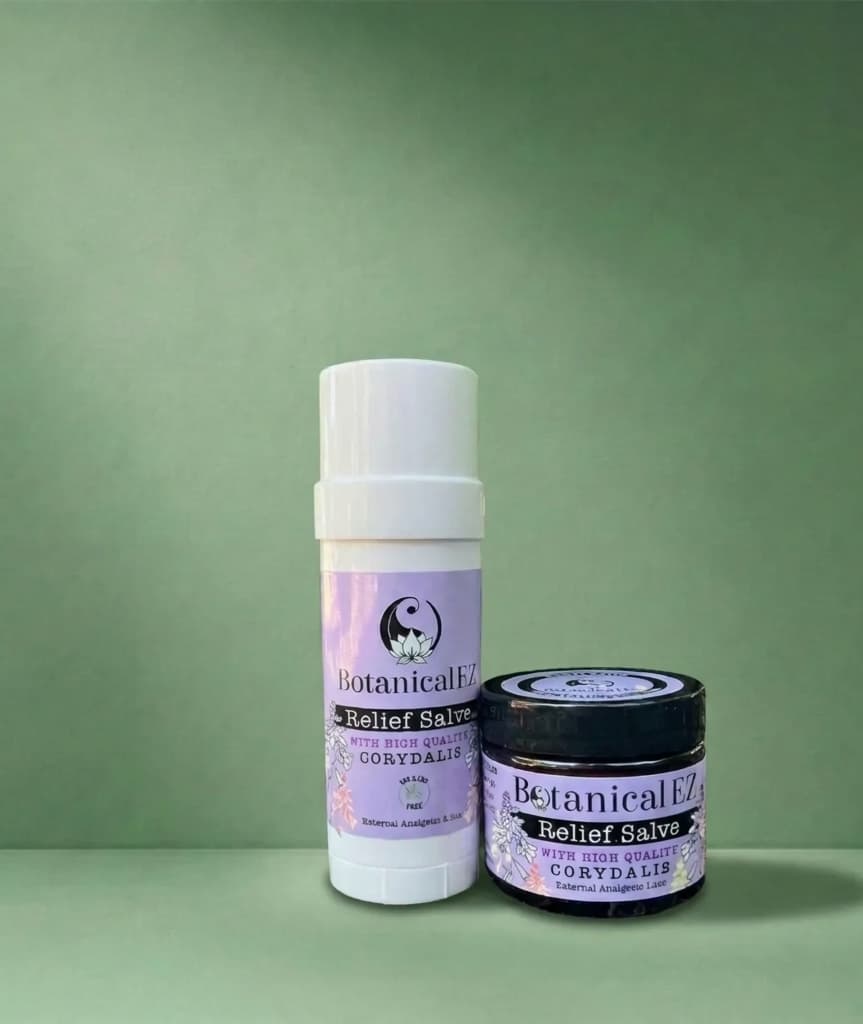
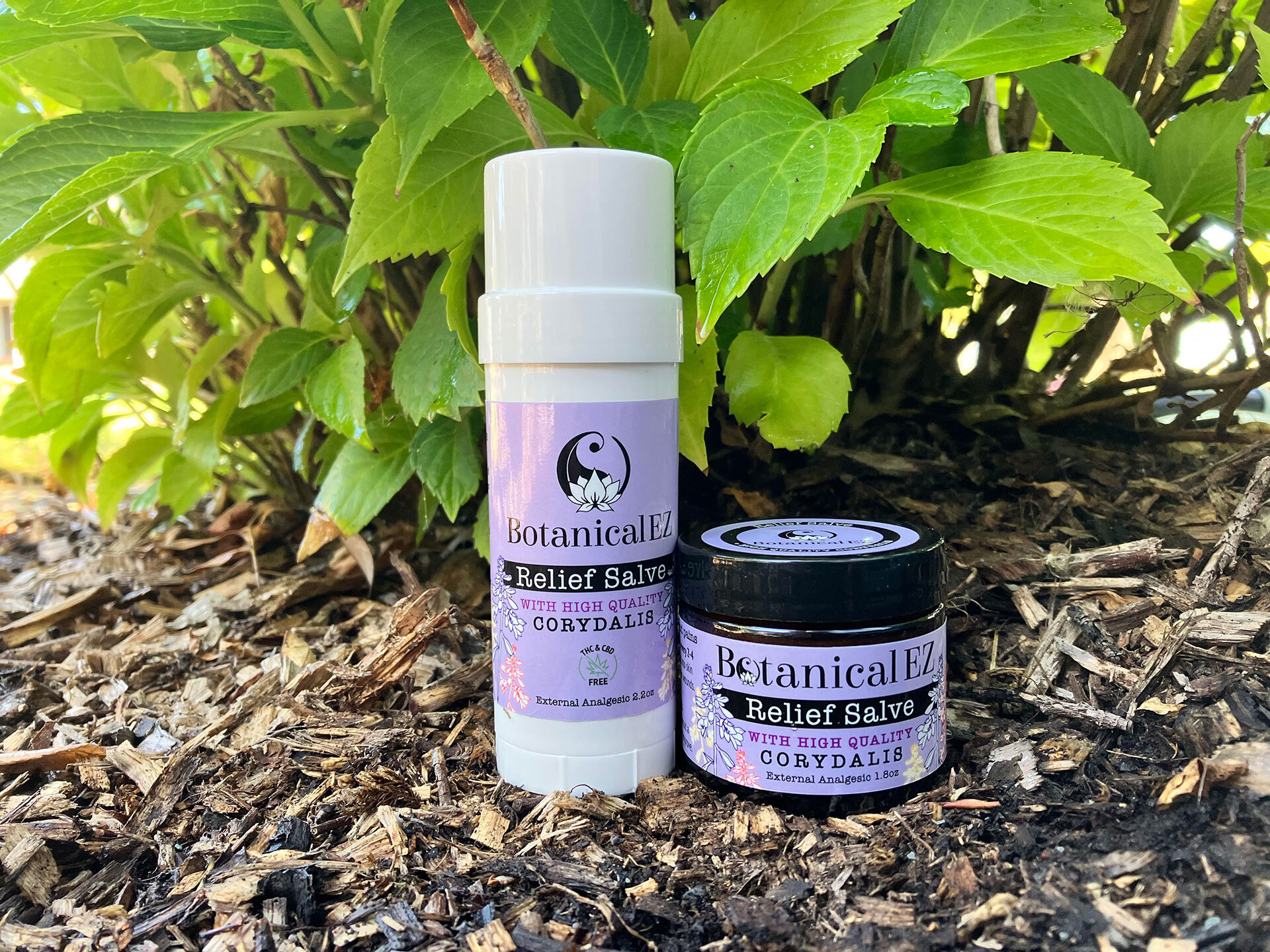
Bottom line for topical use: DHC is the standout performer through the skin. Its sodium channel–blocking and anti-inflammatory actions make it ideal for localized pain. Protopine’s strong sodium channel inhibition also adds significant value in topical applications where you need to quiet nerve signaling directly at the pain site. The topical route is especially effective for musculoskeletal pain, joint inflammation, sports injuries, and localized nerve pain.
l-Tetrahydropalmatine (l-THP): The dopamine D1/D2 receptor antagonist activity that makes l-THP such a powerful analgesic requires central nervous system access. Oral administration allows l-THP to reach the brain, where it modulates dopaminergic, glutamatergic, and GABAergic neurotransmission. This is why l-THP is effective against not just pain, but also anxiety, depression, insomnia, and addiction—all conditions requiring central action.
Dehydrocorybulbine (DHCB): This novel analgesic compound crosses the blood-brain barrier effectively and antagonizes dopamine D2 receptors centrally. Its analgesic effects on acute, inflammatory, and neuropathic pain all depend on systemic delivery.
Berberine: While berberine’s oral bioavailability is relatively low, the systemic effects it does achieve are profound—modulating gut microbiota, activating AMPK pathways, suppressing NF-κB signaling systemically, and increasing mu-opioid receptor expression. These are whole-body regulatory actions that topical application cannot replicate.
Berberine: While berberine’s oral bioavailability is relatively low, the systemic effects it does achieve are profound—modulating gut microbiota, activating AMPK pathways, suppressing NF-κB signaling systemically, and increasing mu-opioid receptor expression. These are whole-body regulatory actions that topical application cannot replicate.
Palmatine: An effective inhibitor of monoamine oxidase-A (contributing to antidepressant and pain-modulating effects), palmatine also reduces CGRP expression in trigeminal neuralgia and suppresses P2×7 receptor signaling. These central nervous system effects require oral administration for systemic distribution.
Corydaline: A mu-opioid receptor (MOR) agonist that produces antinociceptive effects through a G protein–biased mechanism without recruiting β-arrestin-2—meaning it may provide opioid-like analgesia with a potentially better side effect profile. This central mechanism requires oral/systemic delivery.
| Alkaloid | Best Route | Why |
|---|---|---|
| Dehydrocorydaline | EXTERNAL | Highest skin permeation of any Corydalis alkaloid (570 µg/cm²). Delivers steady-state release through the skin. Blocks sodium channels and calms inflammation right at the pain site. |
| Tetrahydro-palmatine | BOTH | Moderate skin permeation (82 µg/cm²) makes it useful topically. But its real power is internal — it reaches brain dopamine receptors to provide deep relief for pain, anxiety, addiction, and insomnia. |
| Dehydro-corybulbine | INTERNAL | Crosses the blood-brain barrier to calm central pain pathways. Its dopamine D2 activity requires reaching the brain and spinal cord — only possible through oral/systemic delivery. |
| Protopine | BOTH | The strongest sodium channel blocker in Corydalis. Confirmed to penetrate skin in patch studies, making it great for topical nerve-quieting. Also effective orally for whole-body pain relief. |
| Berberine | INTERNAL | A whole-body healer: reduces inflammation systemically, supports gut health, regulates blood sugar, and boosts the body’s own pain-relief receptors. These effects all require oral delivery. |
Corydalis should be avoided during pregnancy and breastfeeding. As with all herbal medicine, consult with a qualified practitioner before starting any new protocol, especially if you are taking other medications.
Feng JH, et al. “The composition, pharmacological effects, related mechanisms and drug delivery of alkaloids from Corydalis yanhusuo.” Biomedicine & Pharmacotherapy 167 (2023): 115511.
Zhang JX, et al. “A Review of the Traditional Uses, Botany, Phytochemistry, Pharmacology, Pharmacokinetics, and Toxicology of Corydalis yanhusuo.” Natural Product Communications 15.9 (2020): 1–19.
Alhassen L, et al. “The Analgesic Properties of Corydalis yanhusuo.” Molecules 26.24 (2021): 7498.
Corydalis yanhusuo transdermal gel plaster study. Planta Medica (2024). DOI: 10.1055/a-2344-8841.
Wang H, et al. “Pharmacokinetics and tissue distribution of five bioactive components in the Corydalis yanhusuo total alkaloids transdermal patch.” Biomedical Chromatography 37.1 (2023): e5508.
Wu L, et al. “Processing and Compatibility of Corydalis yanhusuo: Phytochemistry, Pharmacology, Pharmacokinetics, and Safety.” Evidence-Based Complementary and Alternative Medicine (2021): 1271953.
Emily Skin Soothers earned their place at Valley Health Marketplace the same way every product we
Not all topical pain products work the same way. This guide explains the science behind 12
Are you struggling with pain and unsure of the best relief options? Discover the ultimate guide