By Will Sheppy, Valley Health Clinic
I still remember waking up one morning with red bumps all over my face and feeling completely thrown off. I went to the doctor, got the answer, and it was not a very satisfying one: hot tub rash, also called hot tub folliculitis. The message was basically to keep the skin clean and wait it out. If you have dealt with it before, you know that is a long week.
That experience changed how I think about pools, spas, and hot tubs. Now I think less about “Does the water look clean?” and more about “What am I doing to protect my skin before and after exposure?”
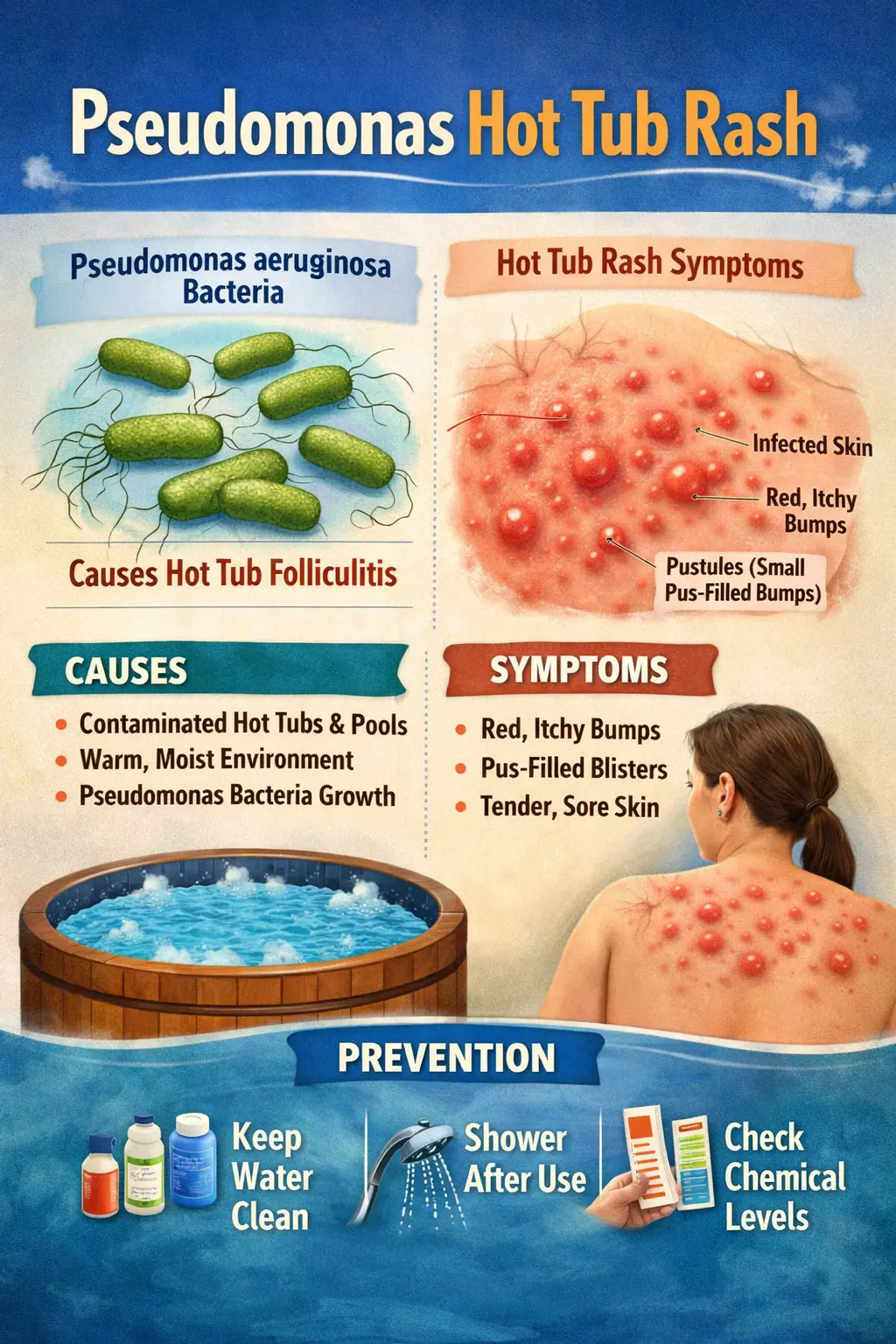
Hot tub folliculitis, also called hot tub rash or pseudomonas folliculitis, is an infection of the hair follicles caused by Pseudomonas aeruginosa. The CDC says contaminated water left on the skin can trigger this rash, and a 2026 dermatology review notes that P. aeruginosa is an important skin pathogen that can cause folliculitis along with other skin infections.
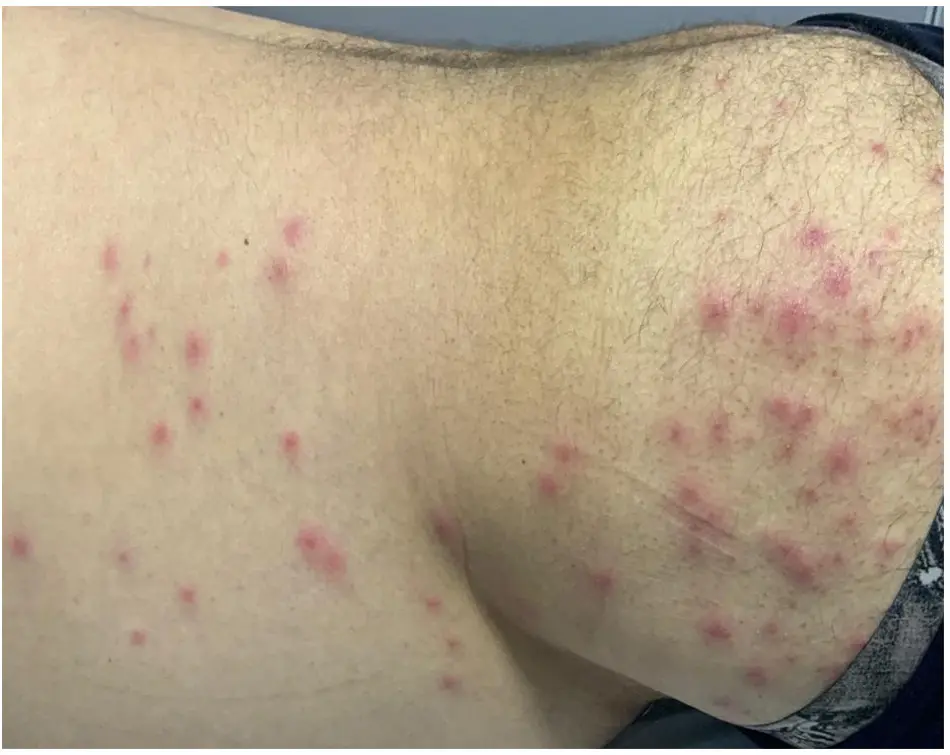
Hot tub folliculitis is a bacterial irritation and infection centered around the hair follicles. It tends to show up as itchy, red, bumpy skin, and in some cases, the bumps can become pus-filled. It is often worse in areas where a swimsuit keeps contaminated water against the skin.
One reason this condition catches people off guard is timing. The rash does not always show up right away. Symptoms can appear several hours after exposure or take up to 5 days, and the CDC notes that they often appear a few days after sitting in a poorly maintained hot tub. So yes, skin irritation showing up two or three days later still fits the pattern.
The frustrating part of hot tub rash is that there is often no dramatic moment where you know the exposure happened. The water can look fine. Cleveland Clinic notes that you usually cannot tell whether a hot tub is safe just by looking at it, which is why asking about maintenance and checking disinfectant and pH levels are important.
Once folliculitis starts, mild cases often improve on their own, but that does not make the experience pleasant. treatment may not be needed in mild cases because it often clears on its own. Hot tub folliculitis usually resolves within one to two weeks.
Pseudomonas aeruginosa is best understood as a highly adaptable, opportunistic, non-fermenting gram-negative rod with a strong capacity for environmental survival and clinically important antimicrobial resistance.
What makes P. aeruginosa medically important is the combination of virulence plus resistance.
When people search for natural treatments for folliculitis, I think the first category should be practical skin care, not magic claims. The goal is to lower irritation, keep the skin clean, and support the skin barrier.
The prevention advice is very straightforward: remove the swimsuit, shower with soap after getting out of the water, and wash the swimsuit before wearing it again. Cleveland Clinic also advises avoiding shaving right before hot tub exposure, since freshly irritated skin gives bacteria an easier opening.
In real life, that means a few simple habits matter a lot:
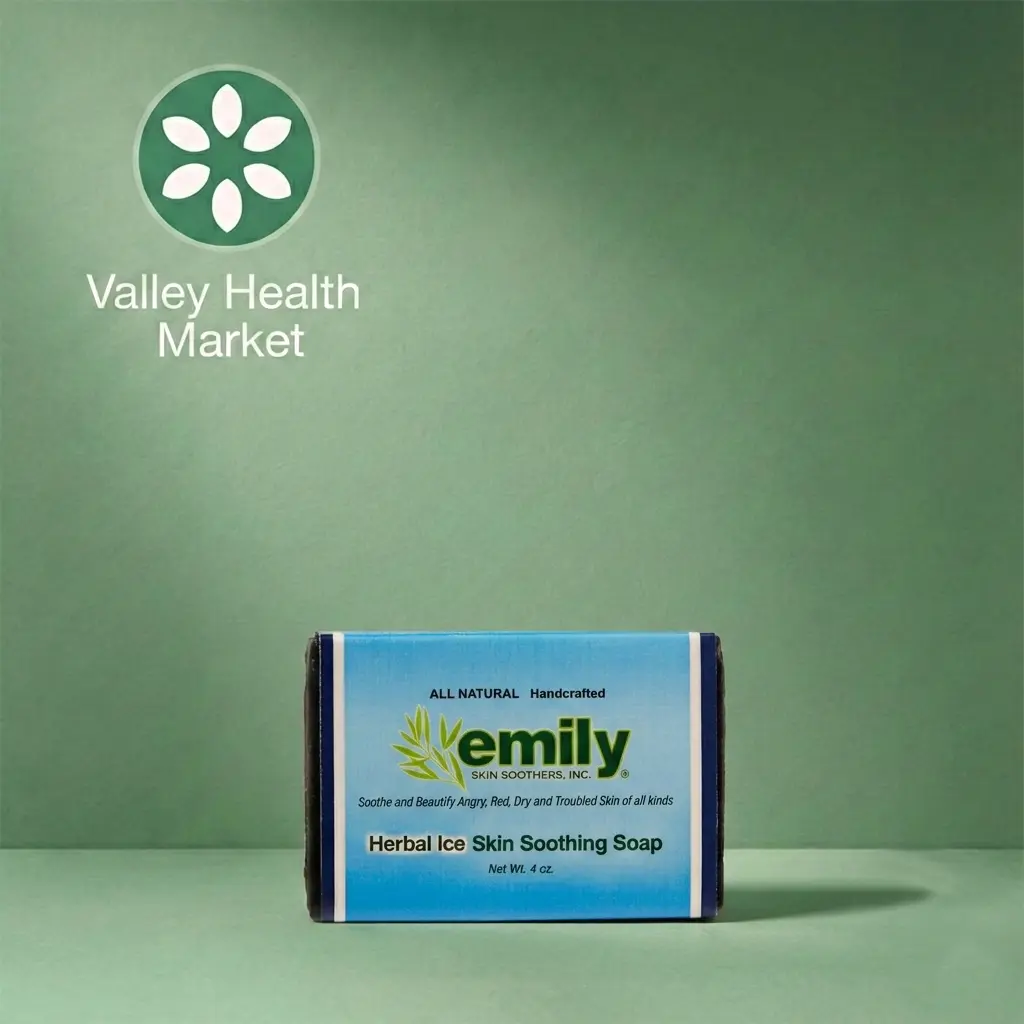
The difference is in the formulation: it’s gentle enough for daily use but substantive enough to actually reduce bacterial load and inflammation. Unlike harsh scrubs or antibacterial soaps that damage your skin barrier, this soap supports your skin while protecting it.
It also includes bamboo activated charcoal plus the “Three Yellows”: Huang Bai (Phellodendron amurense bark), Huang Qin (Scutellaria baicalensis root), and Huang Lian (Coptidis rhizome). On the product page, these herbs are described as traditional ingredients for redness, heat, itching, and discomfort, with tea tree and lavender included for support of irritated, reactive skin.
The “Three Yellows” are three classic Chinese medicinal drugs with a strong research focus on anti-inflammatory, antimicrobial, antioxidant, and anti-cancer activity, largely driven by alkaloids and flavonoids such as berberine, palmatine, baicalin, and wogonin.
Before getting in, avoid shaving or waxing the area that day. After getting out, remove the swimsuit, shower promptly with soap, and wash the swimsuit before using it again. If you are at a private hot tub, use test strips and make sure the disinfectant and pH are in range. The CDC recommends chlorine of at least 3 ppm for hot tubs, bromine 4 to 8 ppm, and pH 7.0 to 7.8.
For people with reactive skin, I would rather see a consistent, gentle routine than a once-in-a-while harsh one. Emily Skin Soother Herbal Ice fits that idea well because it is designed as a daily-use rinse-off cleanser for inflamed, sensitive skin.
Most mild cases settle down on their own. But you should not ignore symptoms that worsen, recur, or look more aggressive than a standard rash.
P. aeruginosa is not limited to hot tub folliculitis. There are other cutaneous pseudomonas presentations, including green nail syndrome, interdigital infections, swimmer’s ear, and, in more serious situations, deep ear infections, ecthyma gangrenosum, and necrotizing infections. Those are very different from a simple hot tub rash, but they serve as a reminder that this organism has a wide clinical spectrum.
There is also a growing problem of antimicrobial resistance in P. aeruginosa. That is one more reason I would rather focus on exposure reduction, skin hygiene, and early attention to worsening symptoms than assume every case will stay mild and self-limited.
That is why I focus on simple things that are easy to repeat: get out of the wet swimsuit, shower quickly, use a gentle soap, and do not assume the water is safe just because it looks clean. For that routine, I like Emily Skin Soother Herbal Ice because it is mild enough for daily use and built for angry, reactive skin.
If hot tubs or pools tend to set your skin off, build your routine before the next exposure, not after the next rash.