Here’s what most people don’t know about fiber.
If you’ve ever wondered “what type of fiber is the best?” and felt confused by conflicting advice, you’re not alone. The truth is, there is no single “best” fiber for everyone. The best fiber is the one that matches your digestion, microbiome, and personal gut pattern.
This article will explain how fiber really works, how Traditional Chinese Medicine (TCM) helps us understand fiber tolerance, and why formulas like Gut Harmony focus on feeding beneficial bacteria rather than forcing probiotics into an already stressed system.
Fiber is any part of food that passes through your digestive tract without being fully digested. Most fiber comes from plants, but not all plant fibers act the same way in the body.
At a basic level, fiber is divided into soluble and insoluble, but this alone doesn’t explain how someone will feel after eating it.
A helpful way to think about fiber is how it interacts with water, digestion speed, hormones, and gut bacteria.
Soluble fiber is hydrophilic, meaning it absorbs water and often forms a gel-like substance in the gut. A classic example is chia seeds swelling in liquid.
These fibers tend to slow digestion, reduce blood sugar spikes, bind excess estrogen, and help the body clear cholesterol. For many people, soluble fiber feels calming and regulating—but if digestion is already sluggish, too much can cause heaviness or bloating.
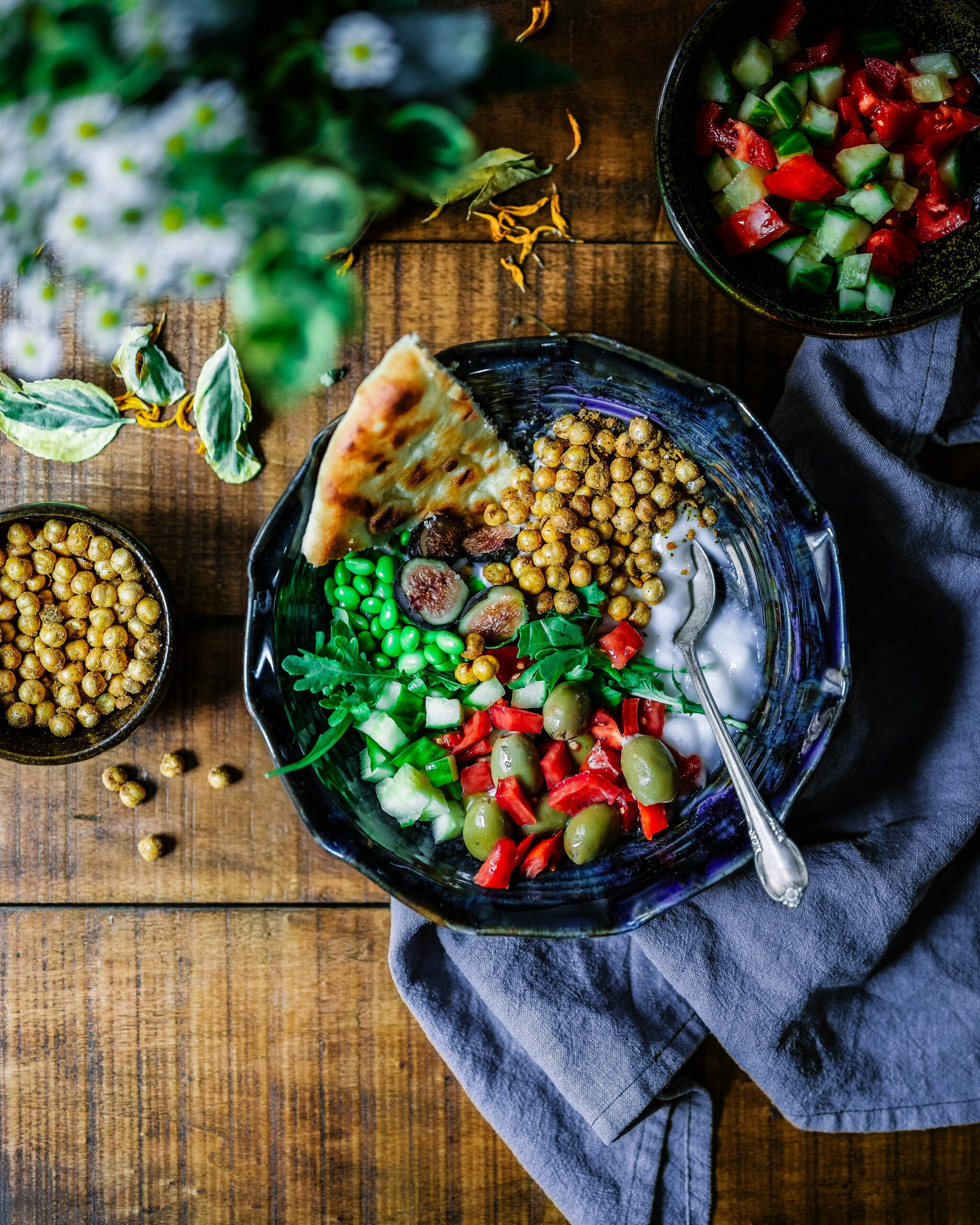
Foods rich in soluble fiber include the inner portions of plants, such as oats, beans, apples (especially the flesh), potatoes, chia seeds, and psyllium.
Insoluble fiber is hydrophobic and does not dissolve in water. It adds bulk and speeds digestion, acting more like a broom through the intestines.
This fiber is found primarily in the skins and structural parts of plants, such as leafy greens, wheat bran, vegetable peels, nuts, and seeds.
Insoluble fiber can be extremely helpful for constipation caused by slow motility. However, for people with diarrhea, urgency, or sensitive inflamed guts, it can make symptoms worse.
Modern research shows that the most important fiber properties are not just solubility, but viscosity and fermentability.
Some soluble fibers form thick gels that stabilize digestion. Others ferment rapidly and produce gas. Some fibers feed beneficial bacteria gently, while others overwhelm sensitive microbiomes.
This is where Traditional Chinese Medicine provides a surprisingly useful lens.
In TCM, foods are described as warming, cooling, or neutral, based on how they affect digestion, circulation, and bodily balance.
Loose stools are often described as “cold and damp.” Hard, dry stools are often associated with “heat.” While these are symbolic terms, they map well onto modern concepts like motility, inflammation, hydration, and fermentation.
This helps explain why someone may feel worse with raw salads, smoothies, or “cold foods”—it’s often not the temperature, but the fiber type, preparation method, and fermentation load.Loose stools are often described as “cold and damp.” Hard, dry stools are often associated with “heat.” While these are symbolic terms, they map well onto modern concepts like motility, inflammation, hydration, and fermentation.
These fibers form gels that slow digestion, reduce blood sugar spikes, and lower LDL cholesterol. They are often better tolerated than fast-fermenting fibers.
Foods include oats, barley, psyllium, okra, and eggplant.
For many people, these fibers feel stabilizing and neutral, making them a good starting point.
These fibers feed gut bacteria quickly and can increase short-chain fatty acids, but they also commonly cause gas, bloating, and pressure in people with IBS or SIBO-like patterns.
Foods include onions, garlic, leeks, chicory root, Jerusalem artichokes, and many legumes.
Some people thrive on these foods. Others flare badly. This is highly individual.
These fibers increase stool bulk and speed transit. They are helpful when constipation is driven by sluggish movement, but can worsen diarrhea or gut irritation.
Foods include wheat bran, vegetable skins, nuts, seeds, and coarse leafy greens.
Resistant starch passes through the small intestine and ferments later in the colon. It often feeds beneficial bacteria with less gas than inulin-type fibers.
Foods include green bananas and cooked-and-cooled potatoes, rice, and pasta.
For many people, resistant starch is a gentler way to support the microbiome.
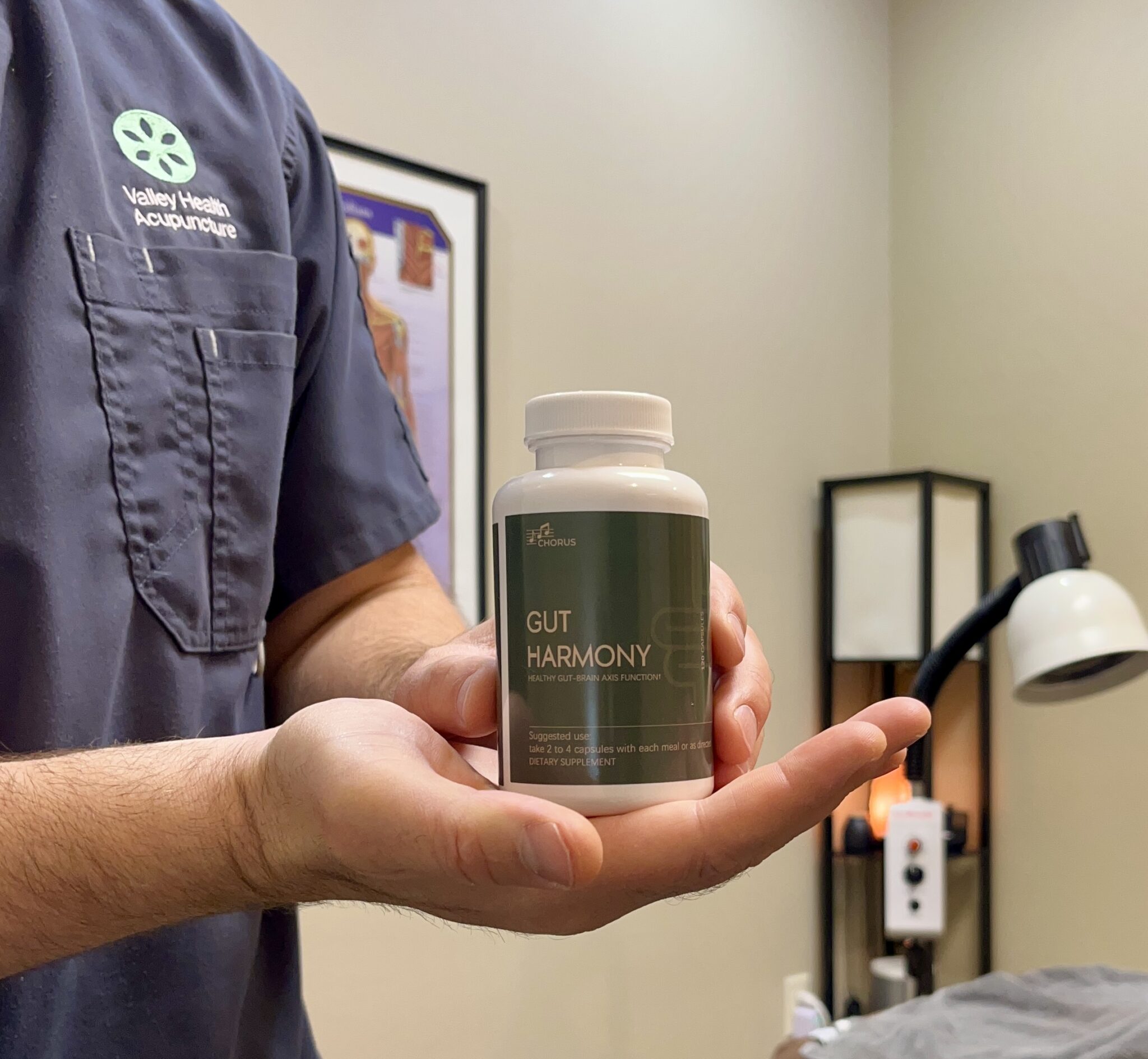
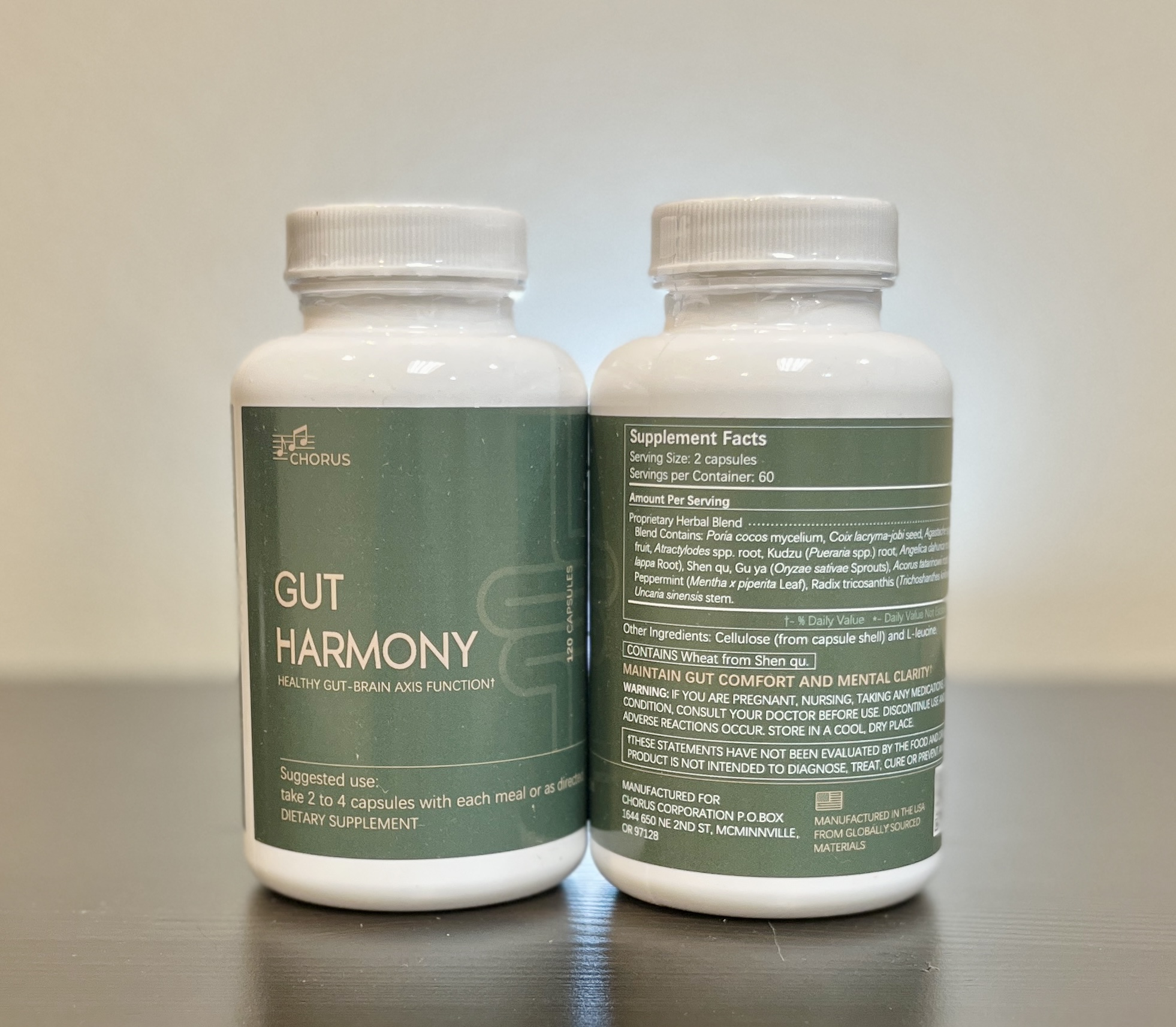
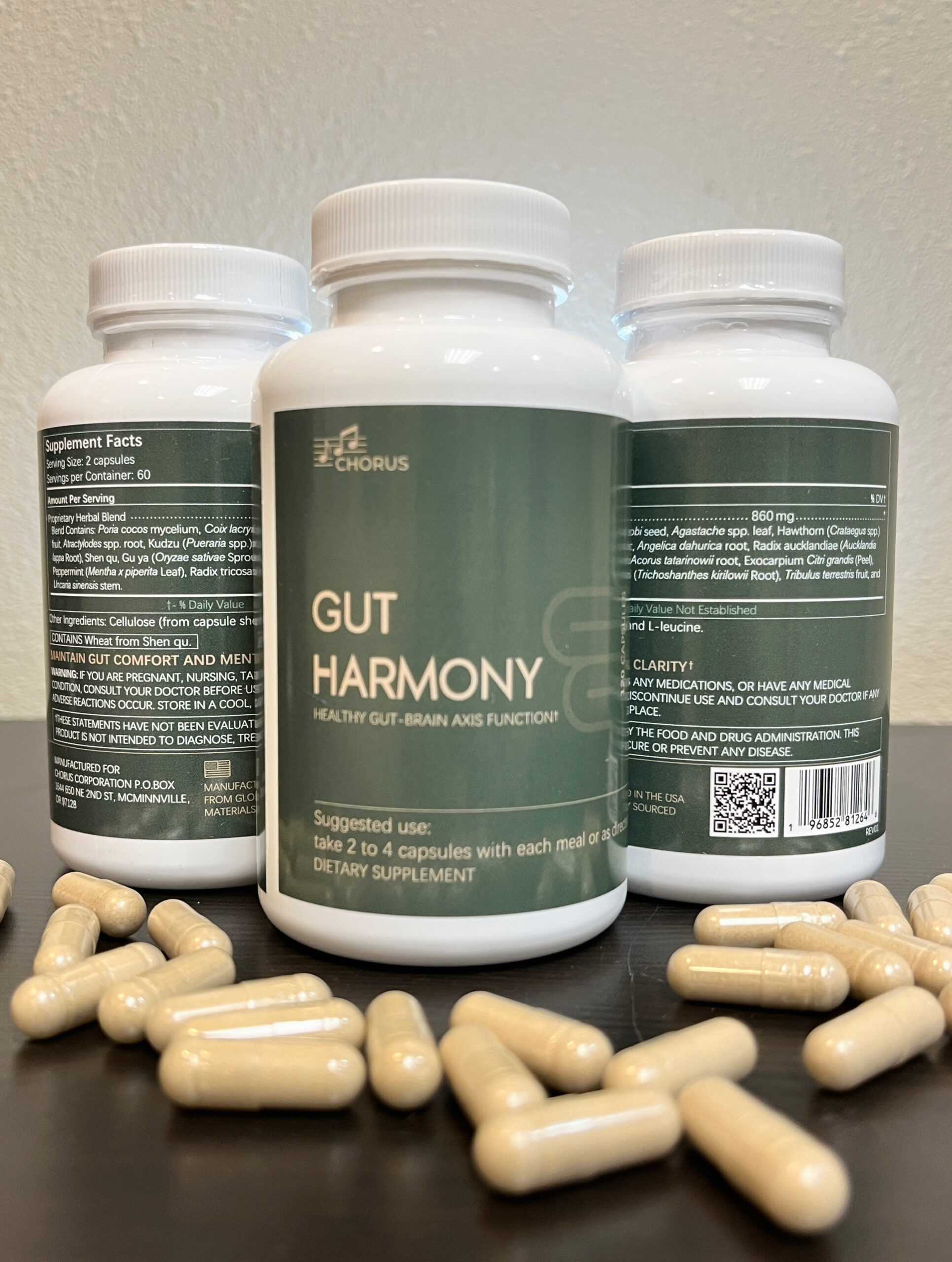
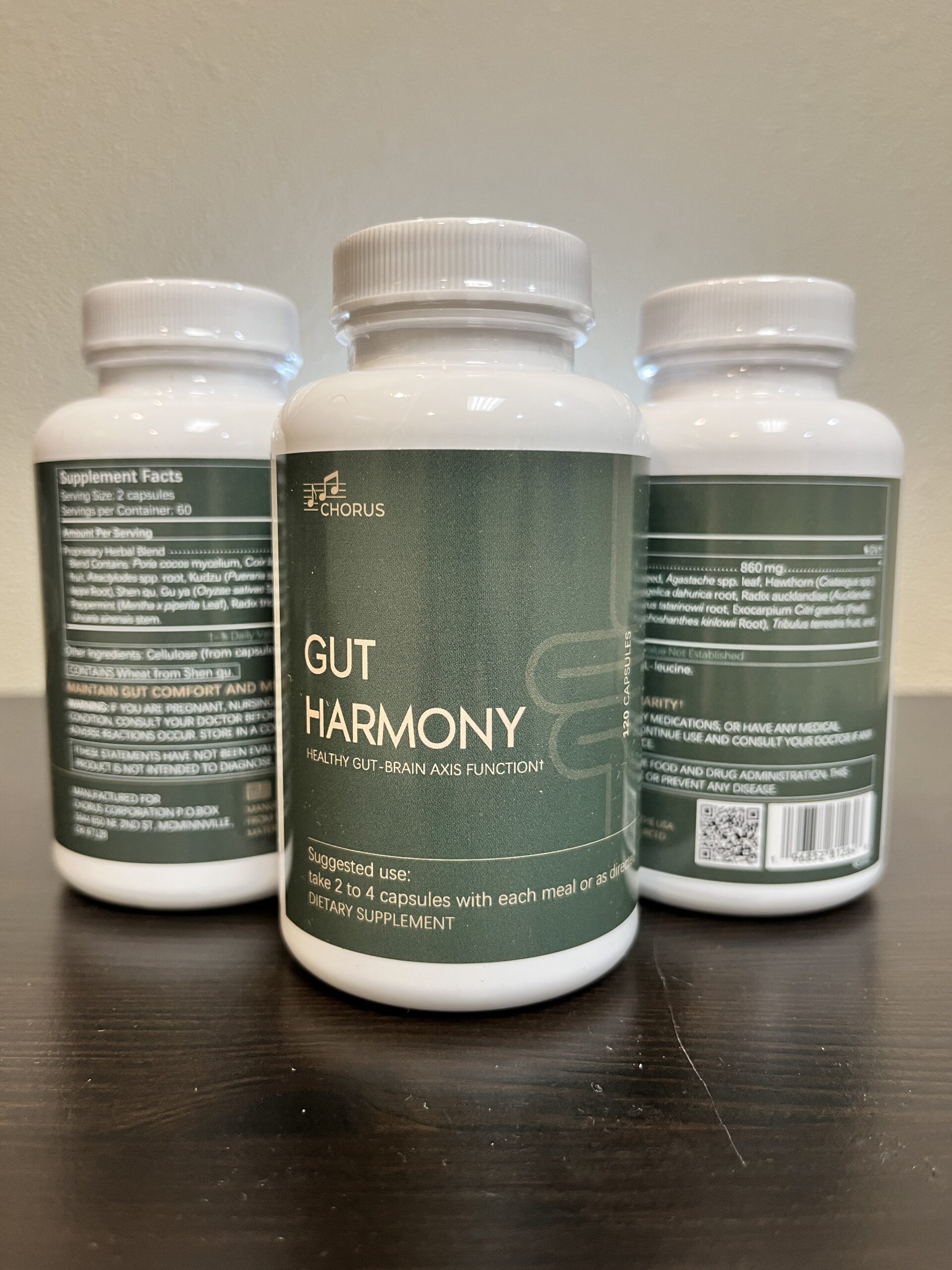
Restore digestive balance with Gut Harmony, a comprehensive 16-herb formula crafted to reduce bloating, improve gut motility, and support a healthy microbiome.
Most gut products try to force change by adding probiotics. Gut Harmony works differently.
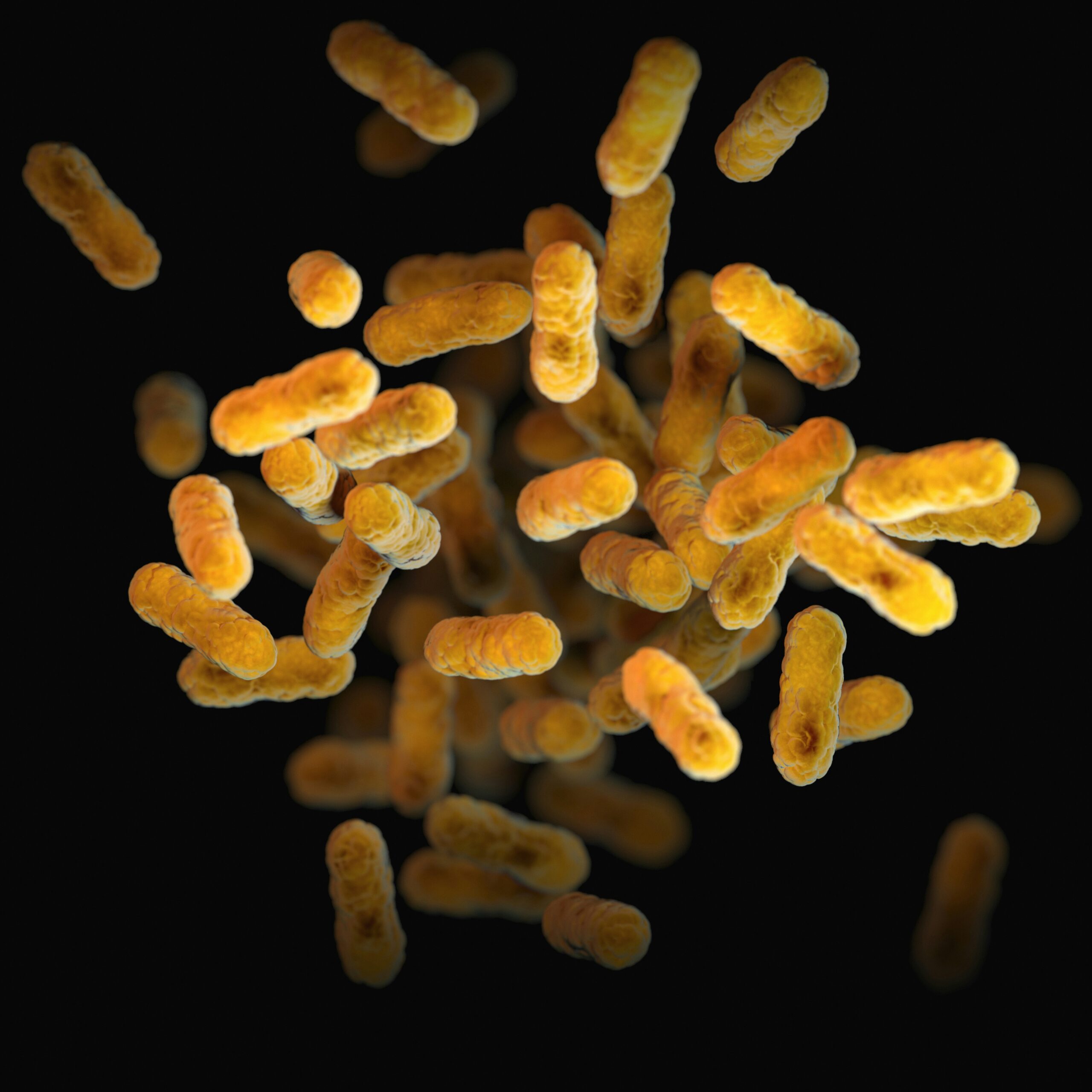
Gut Harmony is a prebiotic, terrain-shifting herbal formula designed to feed beneficial bacteria that are already present.
This is why Gut Harmony is not a probiotic.
It is a microbiome-supporting, fiber-based herbal strategy.
The best fiber is the one your gut can actually use.
If you have dry, hard stools and sluggish digestion, soluble viscous fibers and gentle resistant starch may help.
If you have bloating and gas, reducing rapidly fermentable fibers may be key.
If you have loose stools or urgency, coarse insoluble fiber may need to be limited.