
Dr. Joshua Park is a digestive health specialist and among the first in North America to receive a clinical doctorate in Acupuncture and East Asian Medicine. He trained at the National University of Natural Medicine, studying with leading physicians from Korea, China, Europe, and the United States.

Food lingers too long in the stomach instead of moving along normally. This delayed emptying causes bloating and that “stuffed” feeling even from small meals.
Nerves in the stomach overreact to normal signals, turning mild fullness into pain, cramping, or nausea.
Chronic irritation in the stomach lining interferes with normal function and keeps symptoms coming back.
Stress worsens digestion, and poor digestion amplifies stress, creating a feedback loop where anxiety and stomach upset feed off each other.
When the body doesn’t produce or release enough digestive enzymes, food breaks down poorly, leading to gas, fermentation, and bloating.
Proton pump inhibitors (PPIs) like Prilosec and Nexium are the most common prescriptions, but research shows they only work 7–10% better than placebo. If 30% of people feel better on a sugar pill, only about 37–40% feel better on acid blockers. Long term use of these medications can also come with severe side effects, including nutrient deficiencies, kidney problems, increased risk of stroke or cardiovascular disease, bone fractures, infections, and dementia.
Doctors often test for Helicobacter pylori bacteria and prescribe a combination of antibiotics and proton pump inhibitors (called “Triple Therapy”) to eliminate it. But this only helps 6–14% of functional dyspepsia patients, meaning 85–94% still have symptoms afterward.
Prokinetic medications that help food move through the stomach can work for some people, but not reliably. Many of the most effective ones, like cisapride, were pulled from the market due to dangerous cardiac side effects.
Tricyclic antidepressants are prescribed for functional dyspepsia when other treatments fail. Although some studies have shown they may help up to 64–70% of patients, their side effects, which can include sedation, dry mouth, weight gain, constipation, heart problems, anxiety and sexual dysfunction, make them difficult to tolerate long-term.
Functional dyspepsia is caused by overlapping dysfunctions: delayed gastric emptying, inflammation, nerve hypersensitivity, enzyme issues, and gut-brain disruption. Conventional drugs only address one piece at a time, leaving the rest untouched which is why so many patients stay stuck with symptoms.

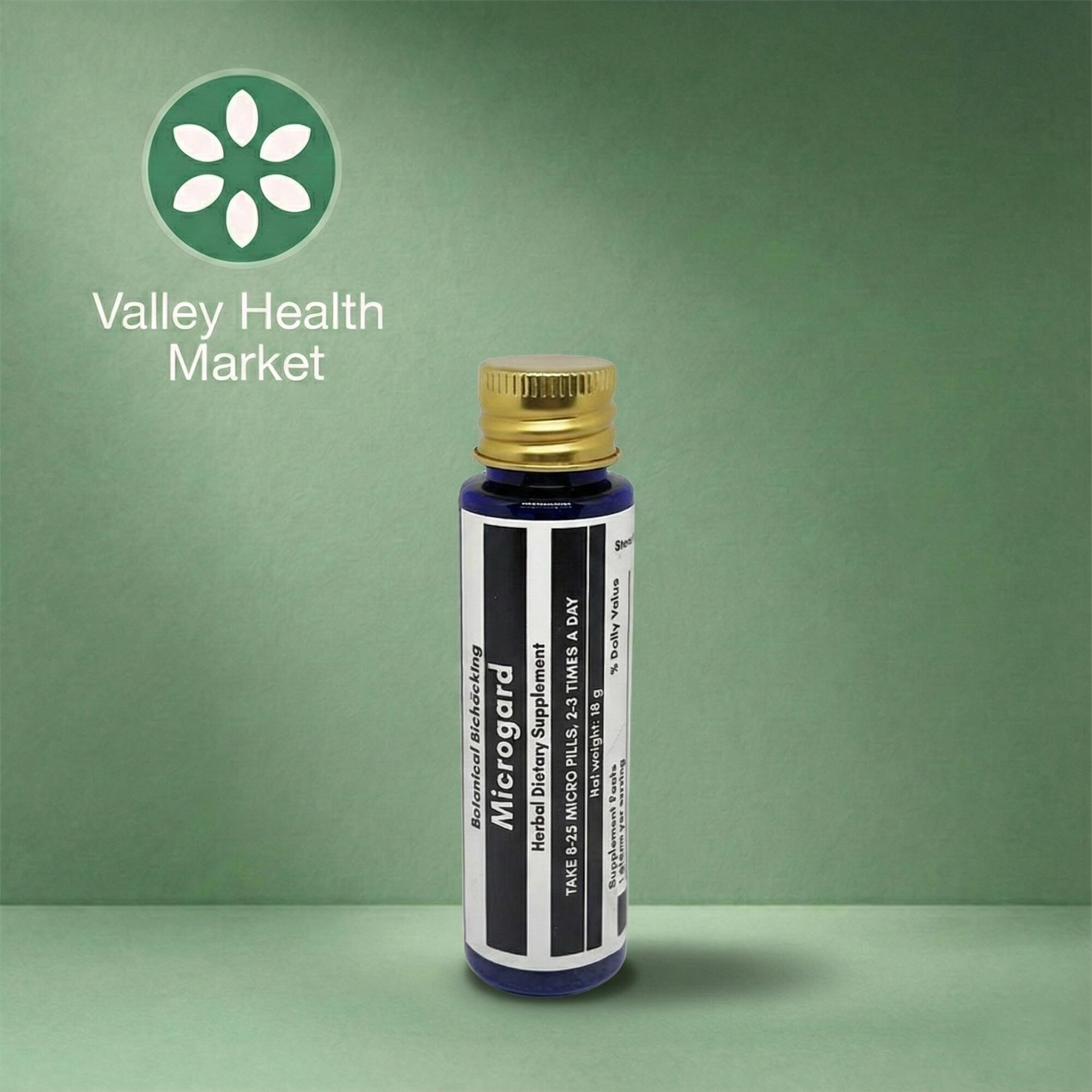
Microgard works through enzyme support, inflammation, barrier repair, gut-brain signaling, and mucosal protection so you're not left with half your symptoms still bothering you.
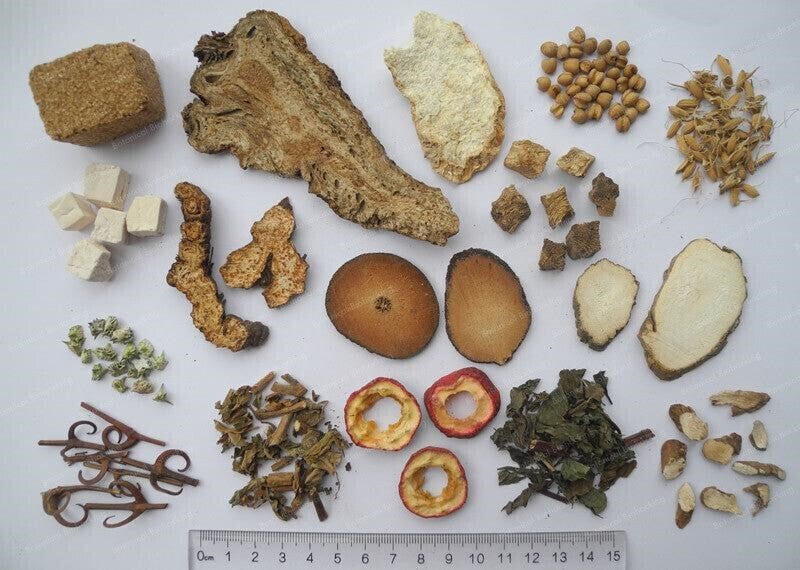
Microgard evolved from Bao He Wan and Po Chai Pills, trusted for centuries. The difference is that Microgard has been refined for functional dyspepsia using modern biomedical insight.
Prescription drugs often bring side effects like nutrient deficiencies, infection risk, and heart complications. Herbs in Microgard have centuries of safe use. You get broad relief without the side effect burden.
Conventional meds don’t provide digestive enzymes, regulate the gut-brain axis, and hit multiple inflammatory pathways at once. Microgard does, by working with your body's natural systems instead of overriding them.
Yang, X., Wang, Y., Bai, L., Miao, T., & Wen, X. (2023). Mechanism of action of Baohe pills in improving functional dyspepsia. MEDS Chinese Medicine, 5(7), 48–55. Clausius Scientific Press. https://doi.org/10.23977/medcm.2023.050707
Maideen N. M. P. (2023). Adverse Effects Associated with Long-Term Use of Proton Pump Inhibitors. Chonnam medical journal, 59(2), 115–127. https://doi.org/10.4068/cmj.2023.59.2.115
Tu, Y., Luo, X., Liu, D., Li, H., Xia, H., Ma, C., Zhang, D., Yang, Y., Pan, X., Wang, T., Xia, Y., Dan, H., You, P., & Ye, X. (2022). Extracts of Poria cocos improve functional dyspepsia via regulating brain-gut peptides, immunity and repairing of gastrointestinal mucosa. Phytomedicine : international journal of phytotherapy and phytopharmacology, 95, 153875. https://doi.org/10.1016/j.phymed.2021.153875
Chen, X. Y., Chen, H. M., Liu, Y. H., Zhang, Z. B., Zheng, Y. F., Su, Z. Q., Zhang, X., Xie, J. H., Liang, Y. Z., Fu, L. D., Lai, X. P., Su, Z. R., & Huang, X. Q. (2016). The gastroprotective effect of pogostone from Pogostemonis Herba against indomethacin-induced gastric ulcer in rats. Experimental biology and medicine (Maywood, N.J.), 241(2), 193–204. https://doi.org/10.1177/1535370215600099
Zhen, B. X., Cai, Q., & Li, F. (2023). Chemical components and protective effects of Atractylodes japonica Koidz. ex Kitam against acetic acid-induced gastric ulcer in rats. World journal of gastroenterology, 29(43), 5848–5864. https://doi.org/10.3748/wjg.v29.i43.5848
Lee, H.-A., Yoo, J.-H., Chung, Y., & Kim, O. (2017). Inhibition of Helicobacter pylori-induced inflammation in human gastric epithelial AGS cells by the fruits of Tribulus terrestris L. extracts. Journal of Biomedical and Translational Research, 18(3), 121–124. https://doi.org/10.12729/jbtr.2017.18.3.121
Wang, Q., Shen, Z. N., Zhang, S. J., Sun, Y., Zheng, F. J., & Li, Y. H. (2022). Protective effects and mechanism of puerarin targeting PI3K/Akt signal pathway on neurological diseases. Frontiers in pharmacology, 13, 1022053. https://doi.org/10.3389/fphar.2022.1022053
Zhao, H., Feng, Y. L., Wang, M., Wang, J. J., Liu, T., & Yu, J. (2022). The Angelica dahurica: A Review of Traditional Uses, Phytochemistry and Pharmacology. Frontiers in pharmacology, 13, 896637. https://doi.org/10.3389/fphar.2022.896637
Feng, L., A, L., Li, H., Mu, X., Ta, N., Bai, L., Fu, M., & Chen, Y. (2023). Pharmacological Mechanism of Aucklandiae Radix against Gastric Ulcer Based on Network Pharmacology and In Vivo Experiment. Medicina (Kaunas, Lithuania), 59(4), 666. https://doi.org/10.3390/medicina59040666
Fu, X., Wang, Q., Kuang, H., & Pinghui, J. (2020). Mechanism of Chinese medicinal-medicated leaven for preventing and treating gastrointestinal tract diseases. Digestion, 101(6), 659–666. https://doi.org/10.1159/000493424
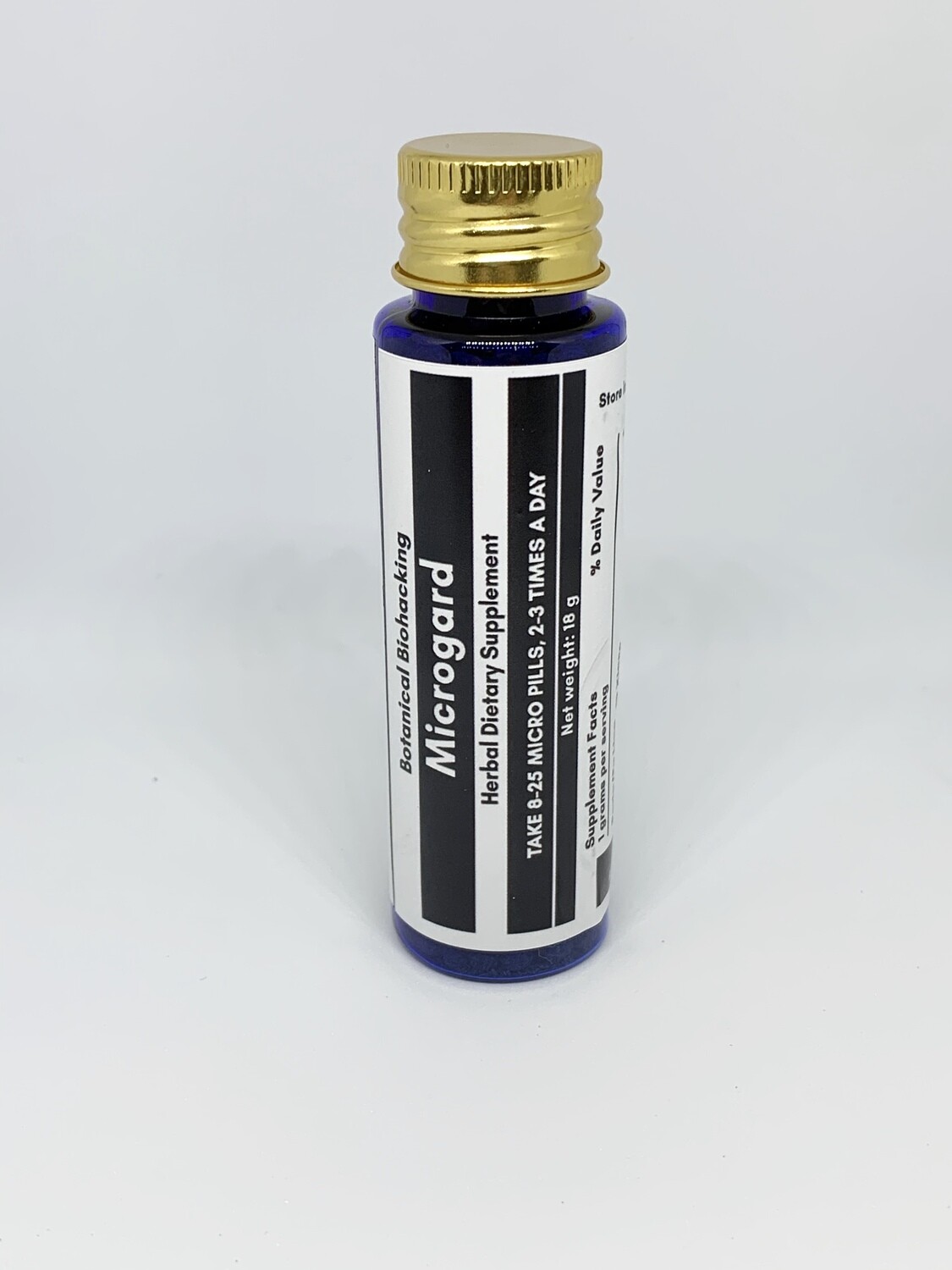
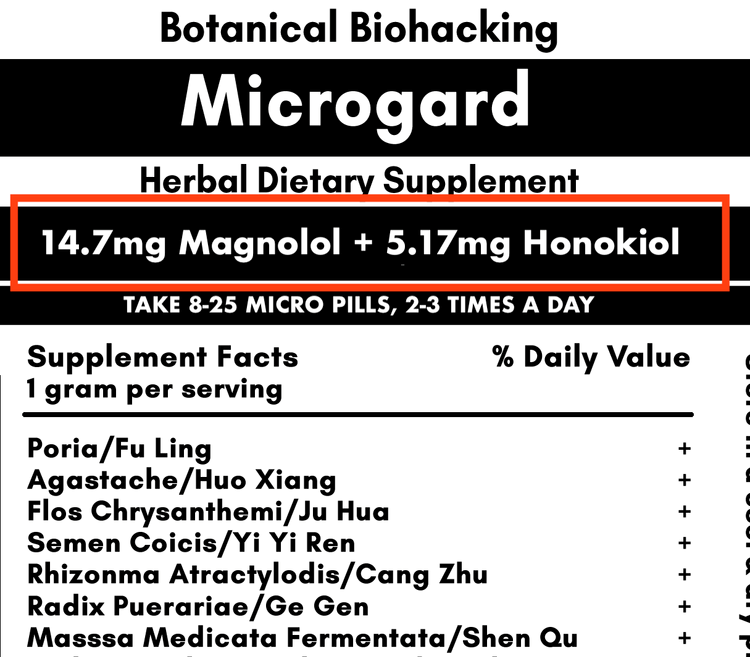
If you’re ready to stop living with bloating, burning, and meals that leave you feeling weighed down, now is the perfect time to make a change. Microgard delivers comprehensive support for functional dyspepsia and chronic indigestion by addressing every system involved: inflammation, barrier repair, motility, and the gut-brain connection.
Don’t settle for band-aid solutions that only mask symptoms. Order Microgard today and take the first
step toward eating comfortably, restoring balance, and feeling like yourself again.