11 minutes read

Frequently Asked Questions About Gut Health, Probiotics, and Gut Harmony

Brehan Crawford

Brehan Crawford is a licensed acupuncturist, herbalist, educator, and the founder of Gut Harmony. He graduated in 2009 from the Oregon College of Oriental Medicine with a Master’s degree in Acupuncture and Oriental Medicine, and went on to complete five years of advanced clinical residency at the Hai Shan Clinic. During this time, he studied Chinese herbal medicine under the direct supervision of Heiner Fruehauf, a renowned scholar and clinician known for his work with chronic infectious and recalcitrant medical conditions.

Brehan Crawford, Owner of Crawford Wellness

Table of Contents

FAQs About Gut Health, Probiotics, and Gut Harmony

A clinical conversation with Brehan Crawford, founder of Gut Harmony
In this interview, I sat down with Brehan Crawford to answer the most frequently searched questions about gut health, probiotics, the microbiome, and Gut Harmony. These are real questions people are typing into Google every day and the answers are often more nuanced than marketing headlines suggest.
This article will explain how fiber really works, how Traditional Chinese Medicine (TCM) helps us understand fiber tolerance, and why formulas like Gut Harmony focus on feeding beneficial bacteria rather than forcing probiotics into an already stressed system.

What is the difference between Gut Harmony and probiotics?

Gut Harmony is made from plants. Probiotics are made from bacteria.
Most commercial probiotics contain bacteria that are dead by the time you ingest them, or they die quickly due to stomach acid and immune defenses. Statistically, the vast majority of probiotics do very little for most people.
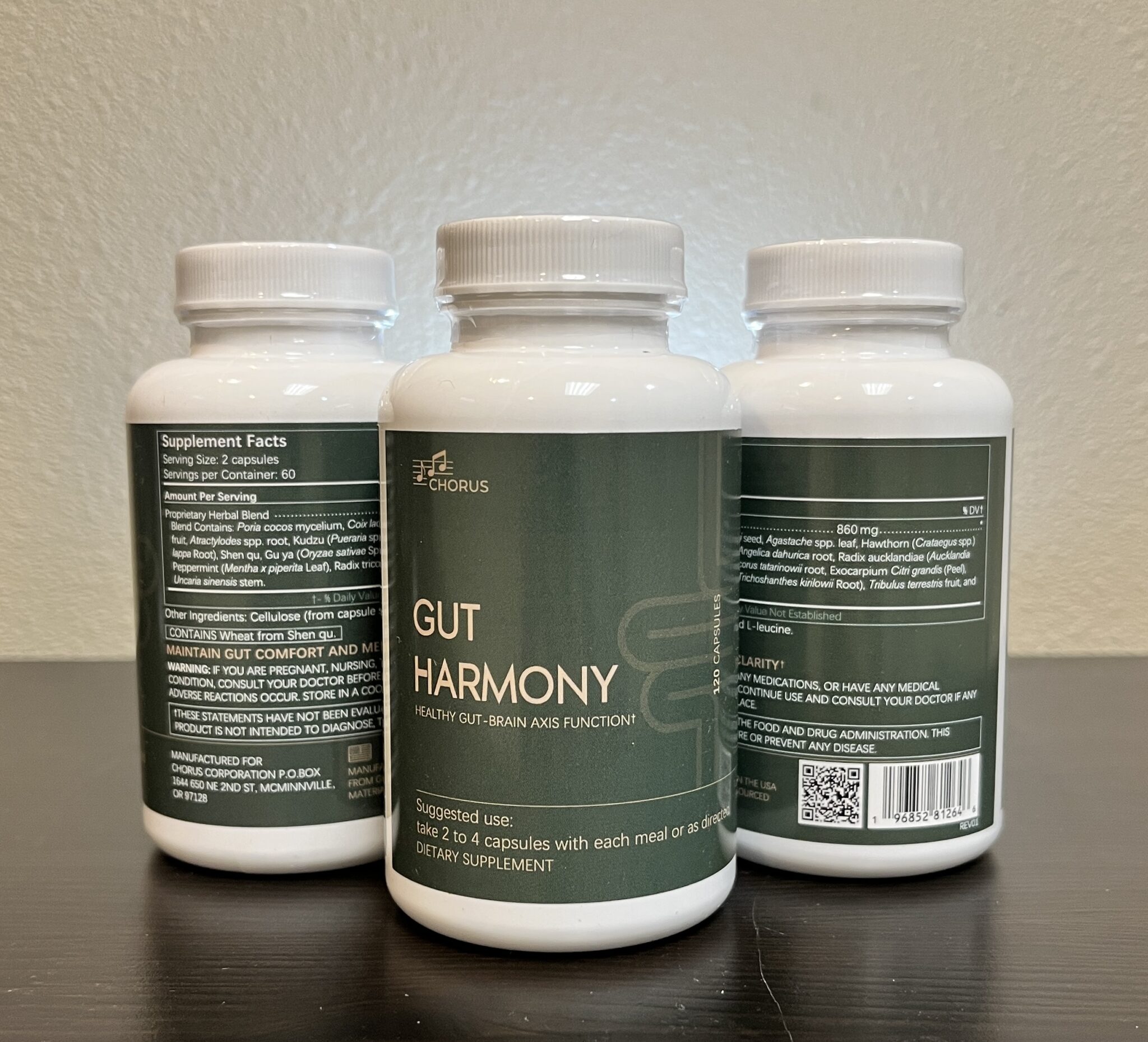
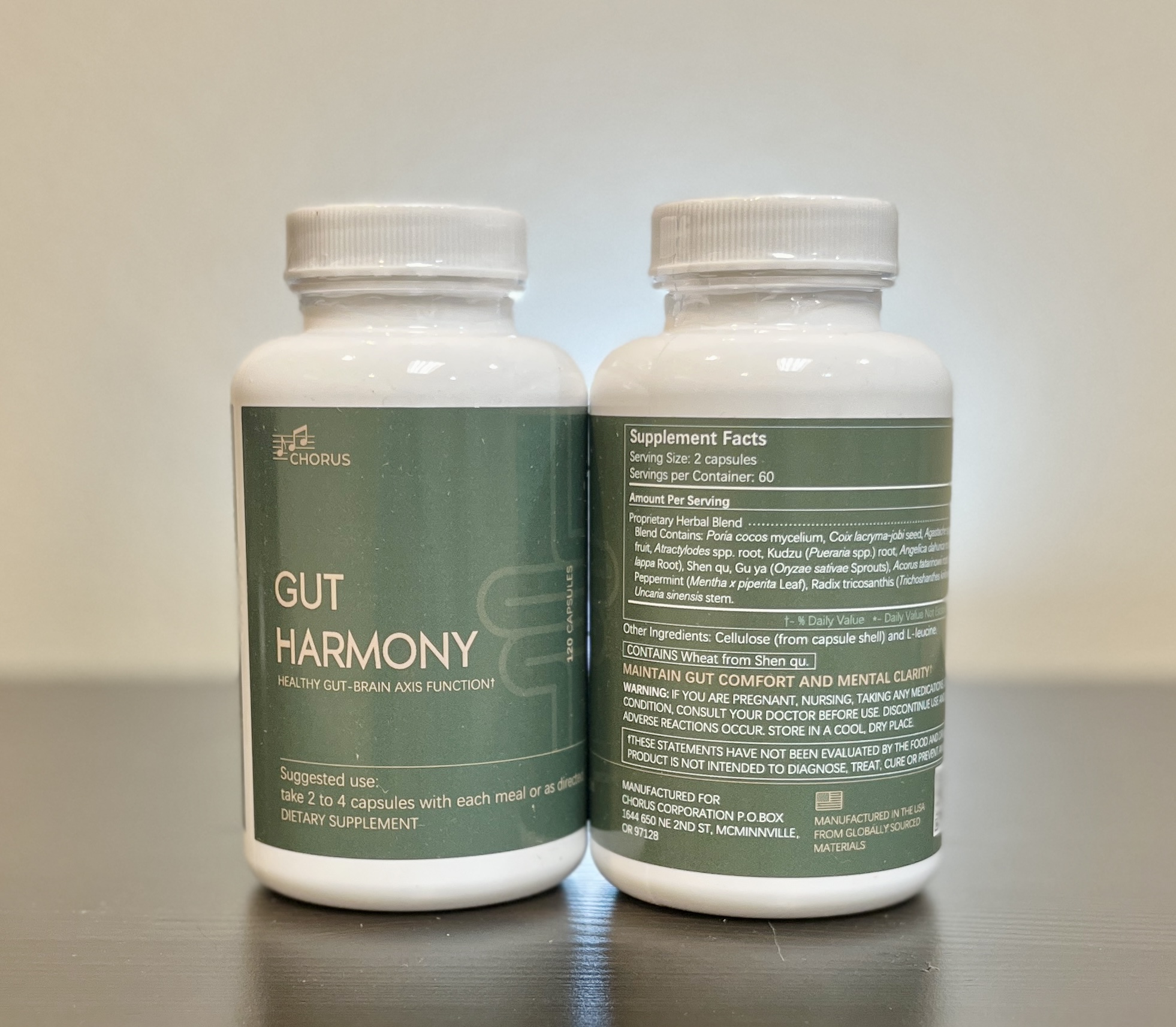
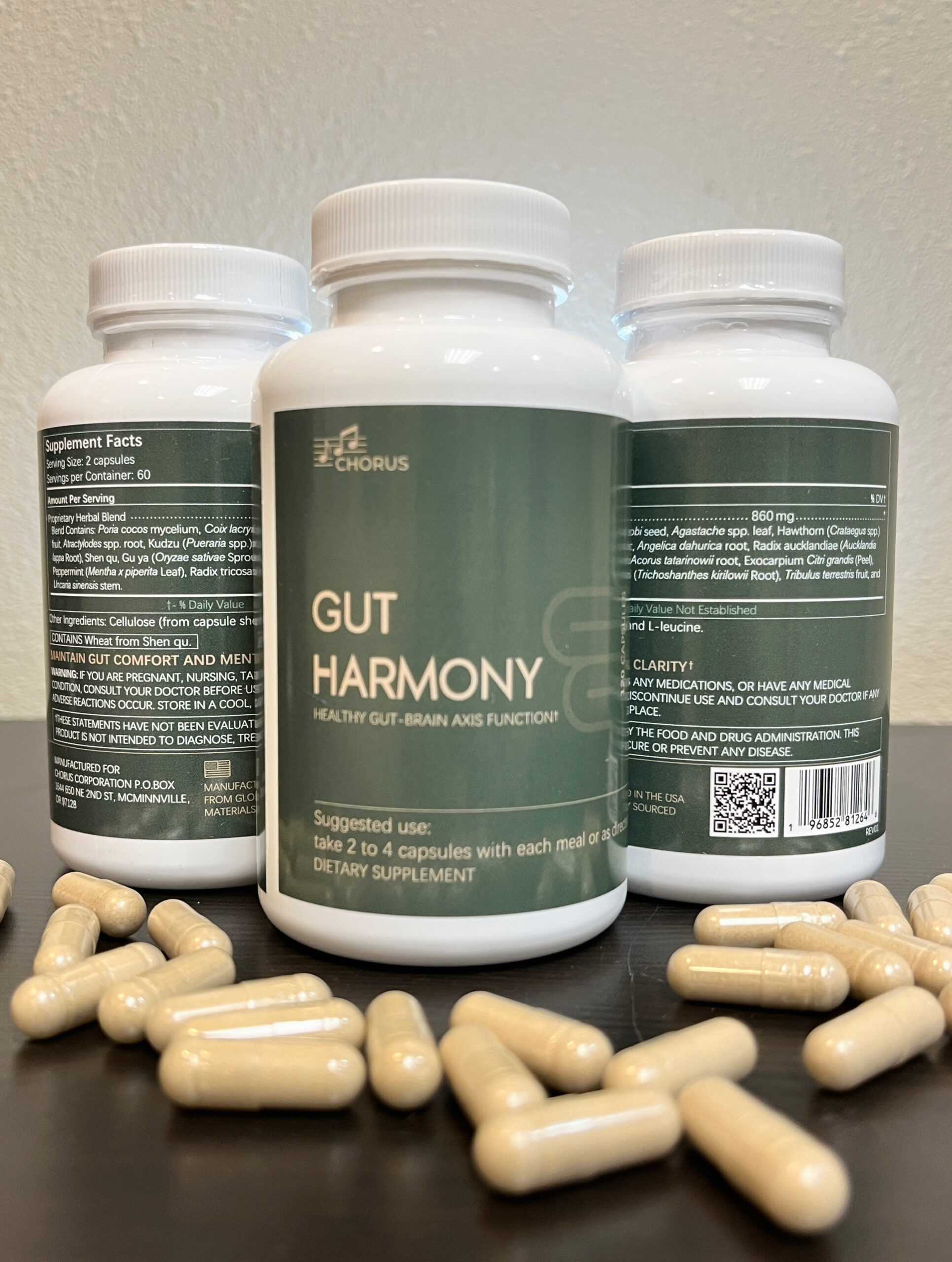
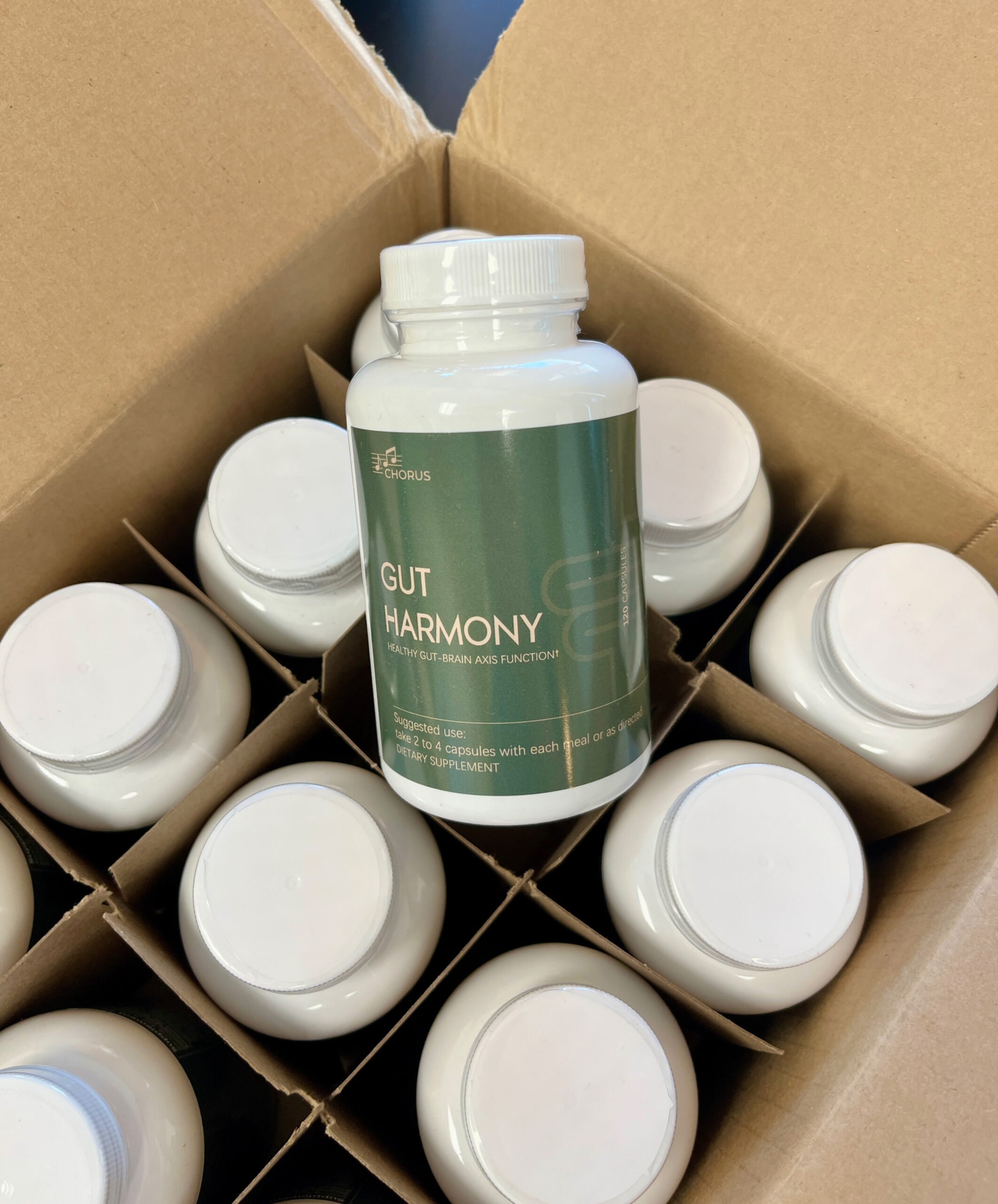
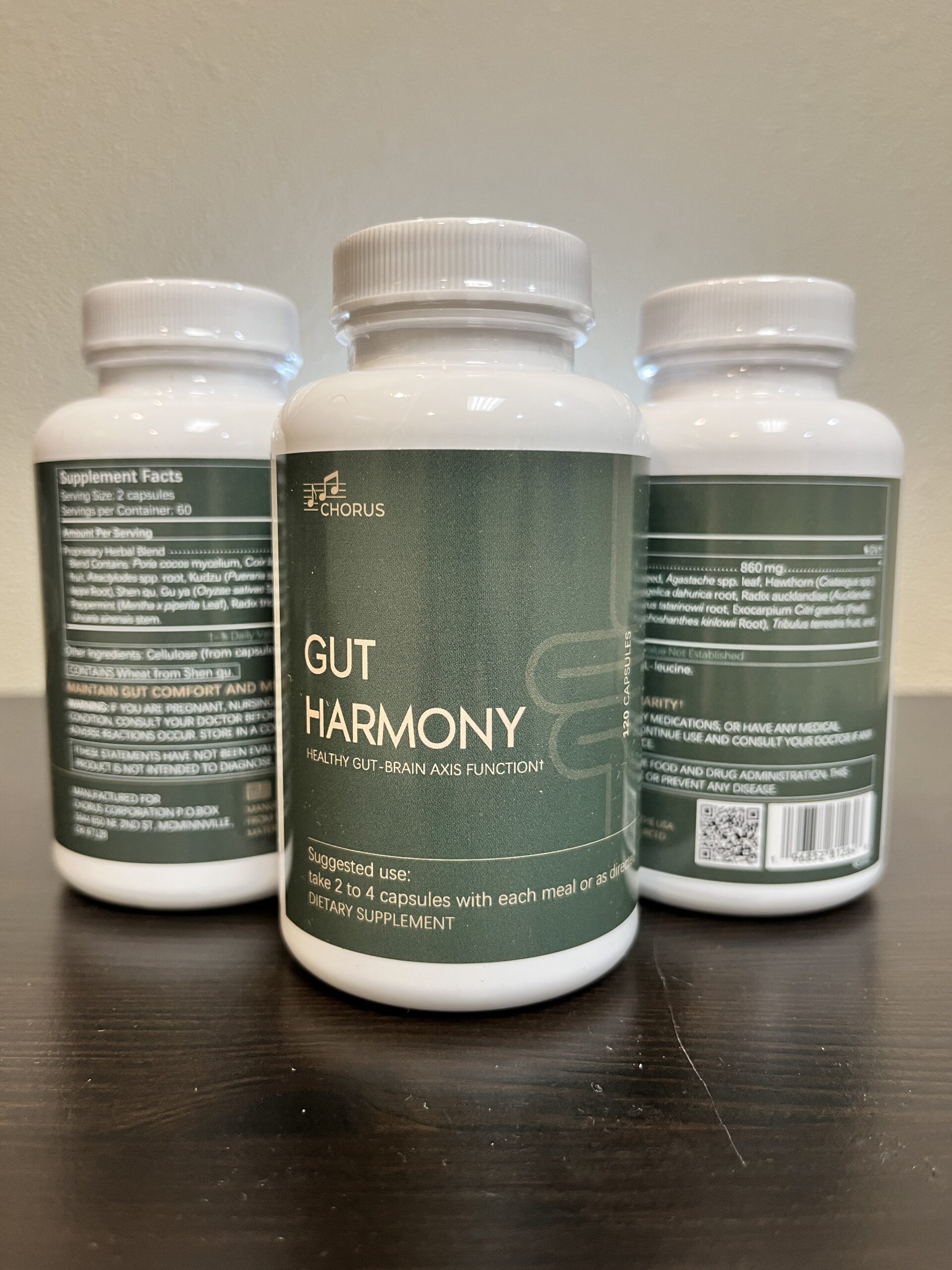
Gut Harmony does not contain bacteria at all. Instead, it is a plant-based formula composed of sixteen herbs that act as prebiotics they feed and shape the bacteria you already have.
Rather than trying to “add” new organisms, Gut Harmony works by changing the environment of the gut so your existing, native flora can rebalance themselves.

Why do probiotics help some people and make others worse?

Probiotics statistically help a very small percentage of people often cited at around 1% or less. They can also make a similarly small percentage feel worse.
If a probiotic strain happens to survive digestion and happens to match what your gut ecosystem needs, it may help. If it survives and is the wrong strain for your system, it can worsen symptoms such as bloating, gas, or inflammation.
Most of the time, probiotics simply pass through without colonizing.
Think of it like gardening. Dropping plants into frozen soil doesn’t create a garden. You must first prepare the environment.

Is Gut Harmony just probiotics without the bacteria?

No.
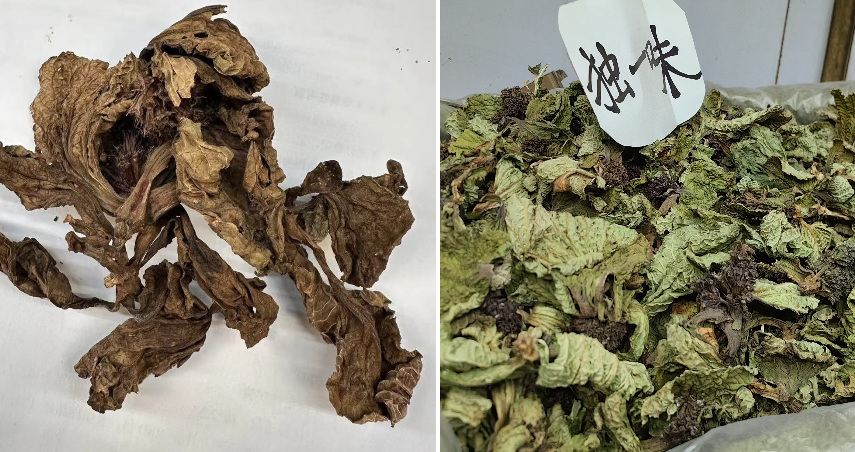
Gut Harmony contains prebiotic plants, not bacterial organisms. Several herbs in the formula selectively feed beneficial bacteria:
In addition, Gut Harmony helps thin excessive mucus and biofilm, which allows healthy bacteria already present to thrive again.
This is ecological repair, not bacterial replacement.

What mistake do most people make with gut supplements?

Two major mistakes:

First, people take the wrong supplement for their pattern. Gut Harmony is not appropriate for everyone. Tongue diagnosis used extensively in Chinese medicine can give important clues.
Gut Harmony helps, a thick tongue coating which often correlates with excess biofilm and stagnation. A cracked, dry, or peeled tongue suggests deficiency, where Gut Harmony is not be appropriate.
Second, people assume supplements alone will fix gut health.Even the best formula cannot overcome a diet entirely lacking fiber or overloaded with sugar, alcohol, and processed fats.
That said, perfection is not required. Gut health improves with consistency, not rigidity.

What helps gut inflammation naturally?

Inflammation itself is not inherently bad. Controlled inflammation is necessary for healing and tissue turnover in the gut.
Problems arise when inflammation becomes excessive or deficient.
Many culinary spices ginger, cinnamon, cloves, fennel naturally regulate gut inflammation.
Chronic over-restriction, such as long-term raw or cold diets, can suppress necessary inflammatory warmth and predispose to fungal overgrowth such as Candida.

Try Gut Harmony Today

Ready to support your gut naturally? Buy Gut Harmony now and start feeling the difference within weeks

Why does Gut Harmony work when probiotics fail?

Because Gut Harmony works on motility, fluid secretions and enzymes, and intestinal environment, not just microbes.
The formula supports:
Motility is one of the most underappreciated aspects of gut health. The gut is not static it must move rhythmically. Stress directly disrupts this system.
Research context:
Bile secretion/bile acids as a “master gardener” of gut flora (bile strongly shapes microbiome ecology)

What should you feel when a gut supplement is working?

You should feel better.
Clinically, Gut Harmony tends to help people who feel relief after bowel movements. If abdominal discomfort improves after stool passage, it suggests an excess pattern that Gut Harmony often addresses well.
If discomfort worsens after bowel movements, the formula is likely not appropriate.
Pressure testing can also help:
These patterns correlate with nitric oxide and hydrogen sulfide signaling in the colon.

How do I know if my microbiome is unhealthy?

Key signs include:
A healthy bowel pattern is typically 1–3 easy, complete bowel movements daily.
Tongue coating often changes before symptoms appear, acting as an early warning sign.

Can probiotics cause bloating or gas?

Yes, if they do anything at all.
Short-term bloating (3–5 days) can occasionally indicate microbial shifts. With Gut Harmony, temporary bloating sometimes occurs during early biofilm breakdown, but it typically resolves within one to two weeks.
Tongue changes and bowel regularity are better indicators than gas alone.


Share on

Brehan Crawford

Brehan has pursued extensive post-graduate training with leading practitioners in the field and has pioneered innovative approaches to using Chinese herbal medicine in the treatment of chronic infections, including Lyme disease and associated coinfections. His primary clinical focus is working with patients suffering from chronic Lyme disease, as well as complex conditions such as chronic pain, fibromyalgia, chronic fatigue, neurovascular disorders including stroke rehabilitation and neuropathy and oncology support.

In addition to his clinical work, Brehan is a respected educator who regularly teaches Chinese Medicine professionals advanced herbal strategies for complex, chronic cases and long-term disease management. He is widely known for his gentle, compassionate approach to patients who have often spent years or decades searching for effective care. Outside of practice, Brehan is a devoted husband and father who enjoys singing, cooking, hiking, and practicing martial arts.

FAQ's

About Microgard
What is Microgard?
Microgard is a 16-herb formula evolved from the traditional digestive remedies Bao He Wan and Po Chai Pills, refined for functional dyspepsia (chronic indigestion). It addresses multiple causes of persistent upset stomach at the same time, from poor motility to inflammation and gut-brain signaling.
Take 8–25 micro pills, 2–3 times daily, or follow your healthcare practitioner’s instructions. Because these are micro pills — much smaller than standard capsules or tablets — the dosage may sound high, but the tiny size makes them easy to swallow and adjust to your needs.
Each bottle contains 18 g of traditional micro pills. Since there are no preservatives, keep the bottle in a cool, dry place and refrigerate after opening. For best results, finish the bottle as soon as possible once opened.
If you eat a Standard American Diet, have chronic indigestion (functional dyspepsia) or other digestive symptoms, and have signs of gut dysbiosis like a thick tongue coating, Microgard is likely a good formula for you. If you are unsure about Microgard, contact a TCM professional (licensed acupuncturist) who can determine if it’s the best fit.
Yes. Microgard contains no additives or preservatives, only the 16 traditional herbs. Ingredients are sourced from authentic growing regions, verified by TCM botanical experts, and tested for purity, heavy metals, and pesticide residues at a Chinese FDA-certified lab.
Microgard is not suitable during pregnancy, or for people with Celiac Disease. Consult your healthcare practitioner if you are nursing or taking medications.
Many people notice reduced bloating and post-meal heaviness within 1–2 weeks. More complete resolution of functional dyspepsia symptoms develops over several months as digestive function rebalances.
Most digestive aids only target one problem acid blockers reduce acid, enzymes help with breakdown, probiotics support gut bacteria. Microgard does all three plus more: improving motility, calming inflammation, protecting the stomach lining, and regulating the gut-brain axis. That’s why it’s uniquely effective for complex conditions like functional dyspepsia.
Microgard is manufactured by Botanical Biohacking, using time-honored herbal methods combined with modern GMP-certified quality testing to ensure safety and potency.

Why doesn’t adding bacteria always fix gut problems?

Because bacteria are fragile and difficult to establish.
The only consistently effective bacterial intervention recognized by the FDA is fecal microbiota transplantation for severe C. difficile infection. This highlights how hard true colonization is.
Most probiotics simply cannot replicate that effect.

How long does Gut Harmony take to work?

Most people notice changes within two weeks. By 30 days, it is usually clear whether the formula is a good fit.
This timeframe reflects the natural turnover and rebalancing rate of the gut microbiome.
Many patients take probiotics for years without benefit because they are addressing the wrong mechanism. Gut Harmony focuses on restoring ecological balance supporting digestion, motility, inflammation, and microbial terrain.
As Brehan emphasized repeatedly: watch your tongue, observe your digestion, and pay attention to how your body responds. Gut health is not about force it is about alignment.