Does Evil Bone Water Work? An Acupuncturist Reads the Research
Does Evil Bone Water work? An acupuncturist reviews the evidence for Zheng Gu Shui, camphor, menthol,


Willard Sheppy is a licensed acupuncturist (LAc) and Founder of Valley Health Clinic specializing in using Traditional Chinese Medicine to treat acute injuries and chronic conditions, and to improve sports performance and rehabilitation.
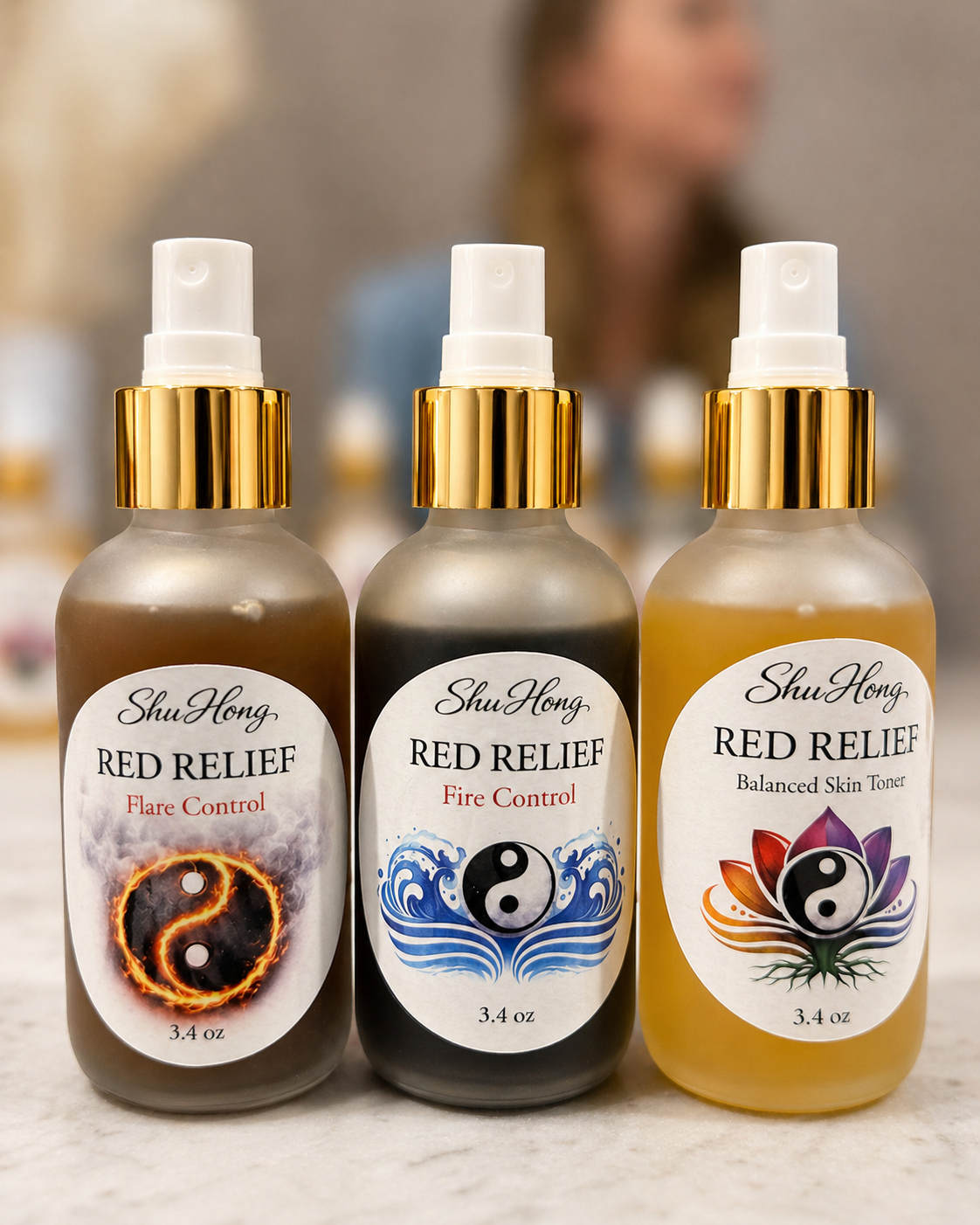
Every herb in every formula has been individually researched, extracted by a specific method tailored to preserve its target therapeutic property, and combined in a multi-distillation process. This is how medicine is made — not how consumer skincare is manufactured.
Corticosteroids thin the skin over repeated use, making the barrier more fragile and future flares more likely. Antibiotics reduce bacterial populations but simultaneously disturb the commensal microbiome — the beneficial organisms that compete with pathogenic species. Antiseptics clean indiscriminately, removing both harmful and protective surface ecology. In each case, the acute symptom improves while the systemic vulnerability worsens.
In TCM terms, this is described as “suppressing the fire without resolving the toxin.” The visible manifestation is addressed while the underlying condition remains intact — entrenched, undisturbed, and waiting to re-emerge.
Modern microbiome science has arrived at a remarkably parallel understanding through an entirely different research tradition. Chronic inflammatory skin conditions increasingly show evidence of biofilm involvement — structured microbial communities embedded in a self-produced extracellular matrix that resists immune clearance, antibiotics, and standard antiseptics.
Research published in 2024 in Experimental Dermatology confirms that the skin microbiome is not merely altered in conditions like atopic dermatitis and psoriasis, but is directly implicated in disease pathophysiology — including through biofilm formation and bacterial aggregation. Biofilms have been identified in up to 60% of chronic wounds and are increasingly recognized as a factor in persistent, relapsing inflammatory skin conditions.
A biofilm is not an infection in the conventional sense. It is an ecological structure. And ecological structures do not respond to the same interventions that work on individual organisms. This is why suppressive therapy — even when it works initially — fails to prevent recurrence: it addresses organisms without addressing the ecology that sustains them.
"Damp-Heat toxin that has congealed and lodged in the skin and flesh." — Classical TCM description of entrenched skin pathology
"I wash my face, close my eyes, and spray it all over. I also spray the décolletage area — the neck and chest. It's really hydrating, tightens the skin, and that's all I use. No moisturizer, nothing else." — Clinical Practitioner, Shu Hong Botanicals
| Herb | Also Known As | Function |
|---|---|---|
| Tremella Mushroom | Snow Fungus | Key moisturizing agent. Seals moisture barrier and locks active herbs into the skin. Added last in manufacturing to preserve potency. |
| Ku Shen | Sophora Root | Clears heat and damp-heat; stops itching. Provides antibacterial and antifungal support. Foundational across all formulas. |
| Bai Shao | White Peony Root | Nourishes blood and yin at the skin surface. Helps reduce reactivity and hypersensitivity. |
| Jin Yin Hua | Honeysuckle Flower | Clears heat-toxin. Reduces redness and surface inflammation, including rosacea. |
| Pu Gong Ying | Dandelion Root | Clears damp-heat and supports liver-skin connection. Helpful for hormonal and stress-related breakouts. |
| Du Huo | Pubescent Angelica Root | Dispels wind-damp. Addresses deep surface tension, roughness, and chronic dryness. |
| Gan Cao | Licorice Root | Harmonizes the formula. Reduces irritation and enhances the effectiveness of other herbs. |
| Huang Qi (Astragalus) | Astragalus Root | Strengthens the skin’s defensive (wei qi) layer and supports long-term barrier resilience. |
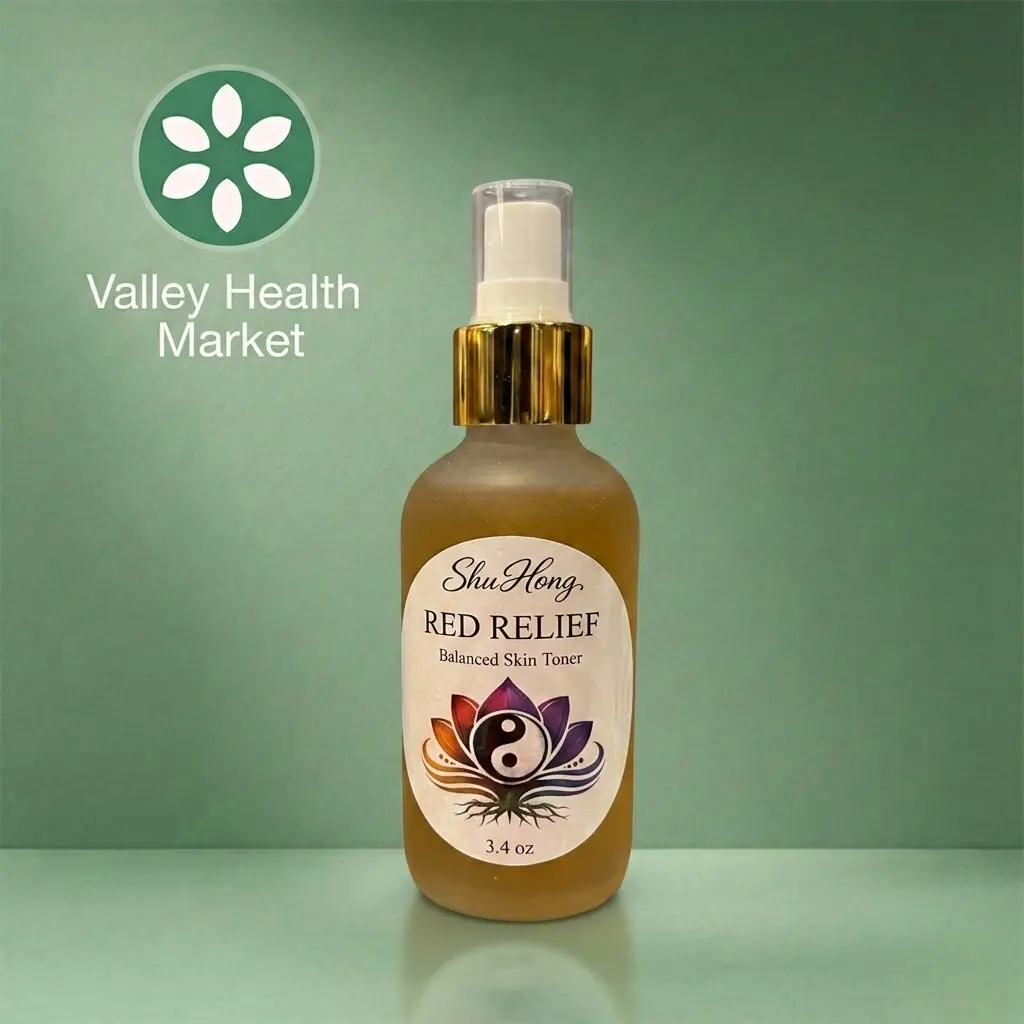
| Herb | Also Known As | Function |
|---|---|---|
| Ku Shen | Sophora Root | Clears heat and damp-heat; stops itching. Antibacterial and antifungal. Present in all three Shu Hong formulas. |
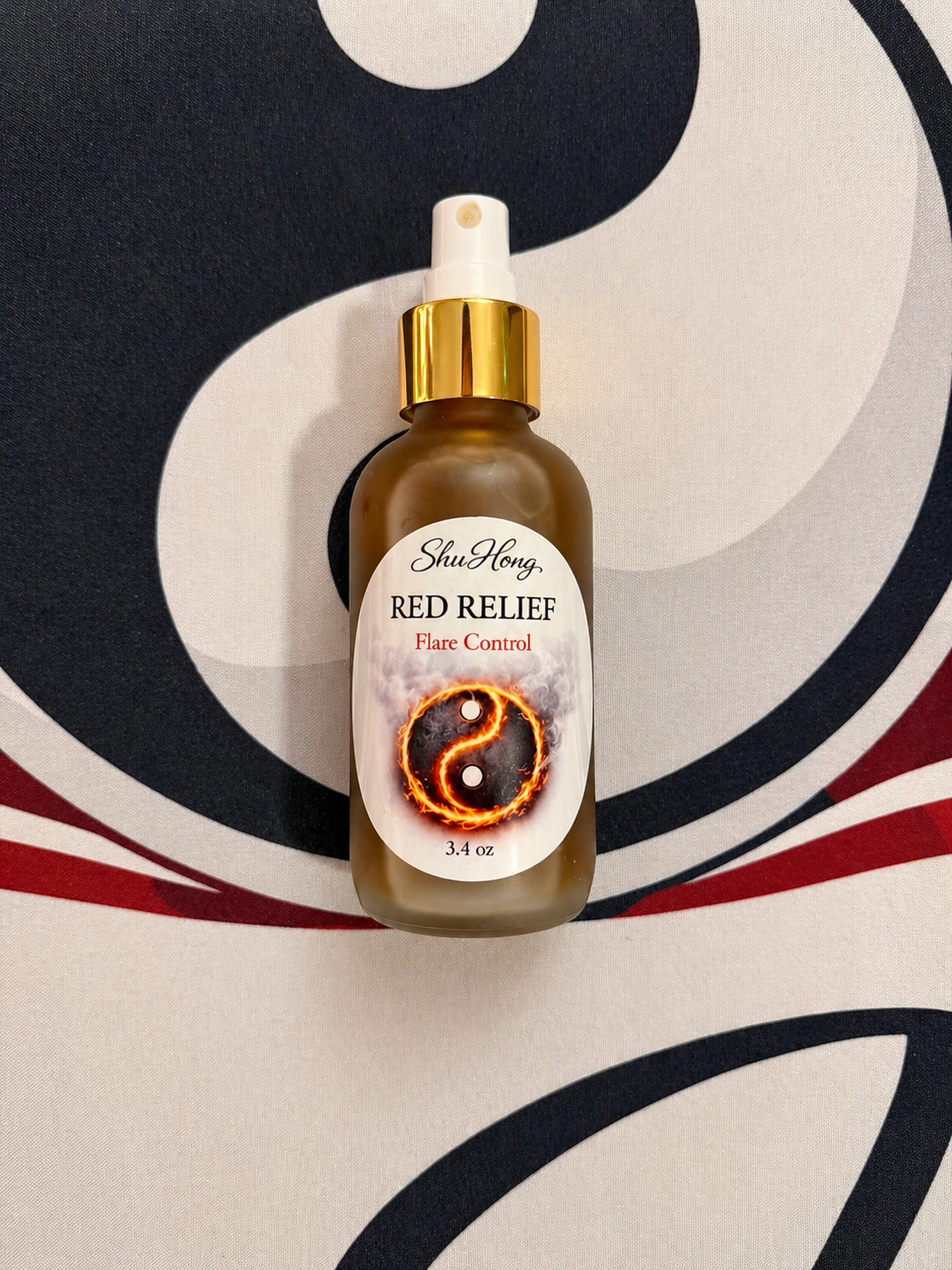
| Bai Xian Pi | Dictamnus Root Bark | Primary herb for oozing, weeping, and scaling eruptions — the classic eczema and dermatitis presentation. |
| She Chuang Zi | Cnidium Seed | Dries dampness; stops itching; antimicrobial. Indicated for wet, damp-type skin conditions. |
| Di Fu Zi | Kochia Fruit | Clears damp-heat and relieves itching at the surface and mid-layer. A classical dermatology herb. |
| Huang Bai | Phellodendron Bark | Drains damp-heat; strongly anti-inflammatory with antibacterial and antifungal properties. |
| Jin Yin Hua | Honeysuckle Flower | Clears heat-toxin and reduces surface inflammation. Helps address the toxic component in active skin flares. |
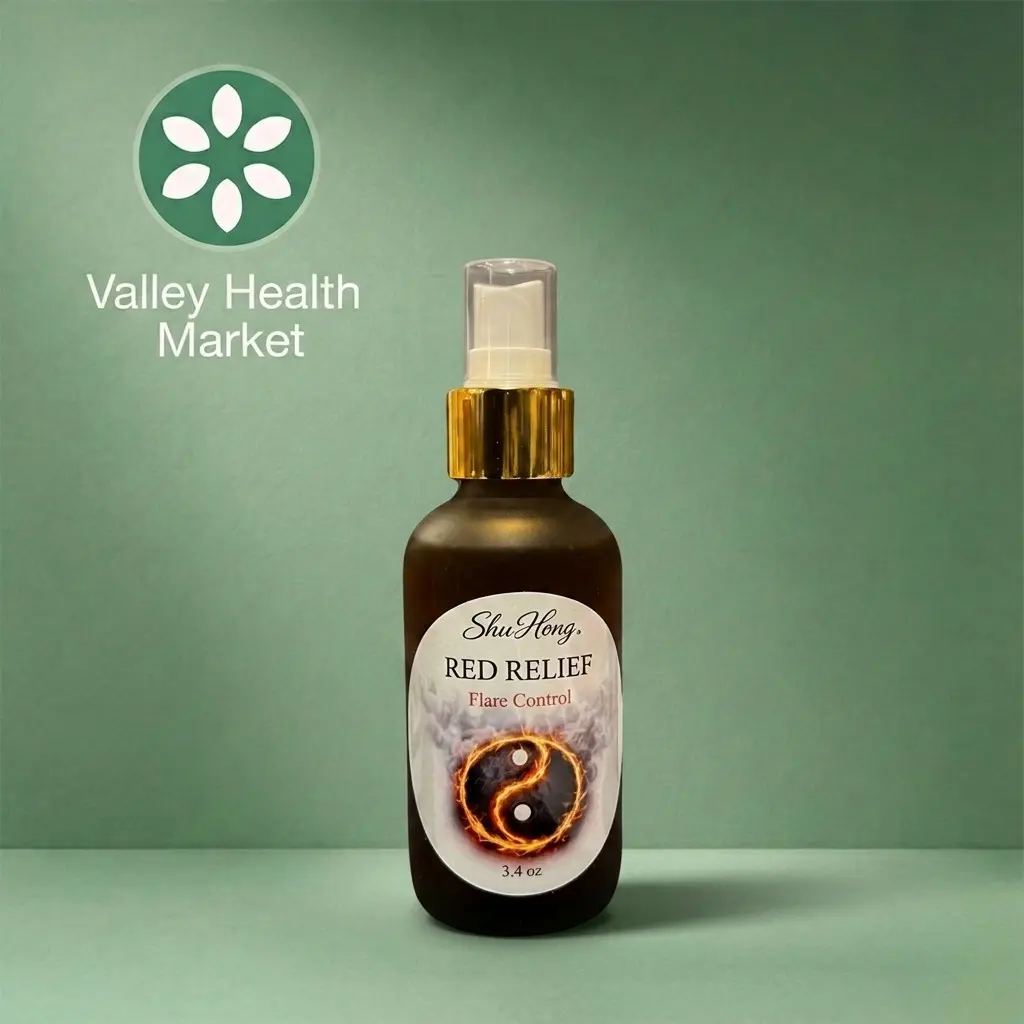
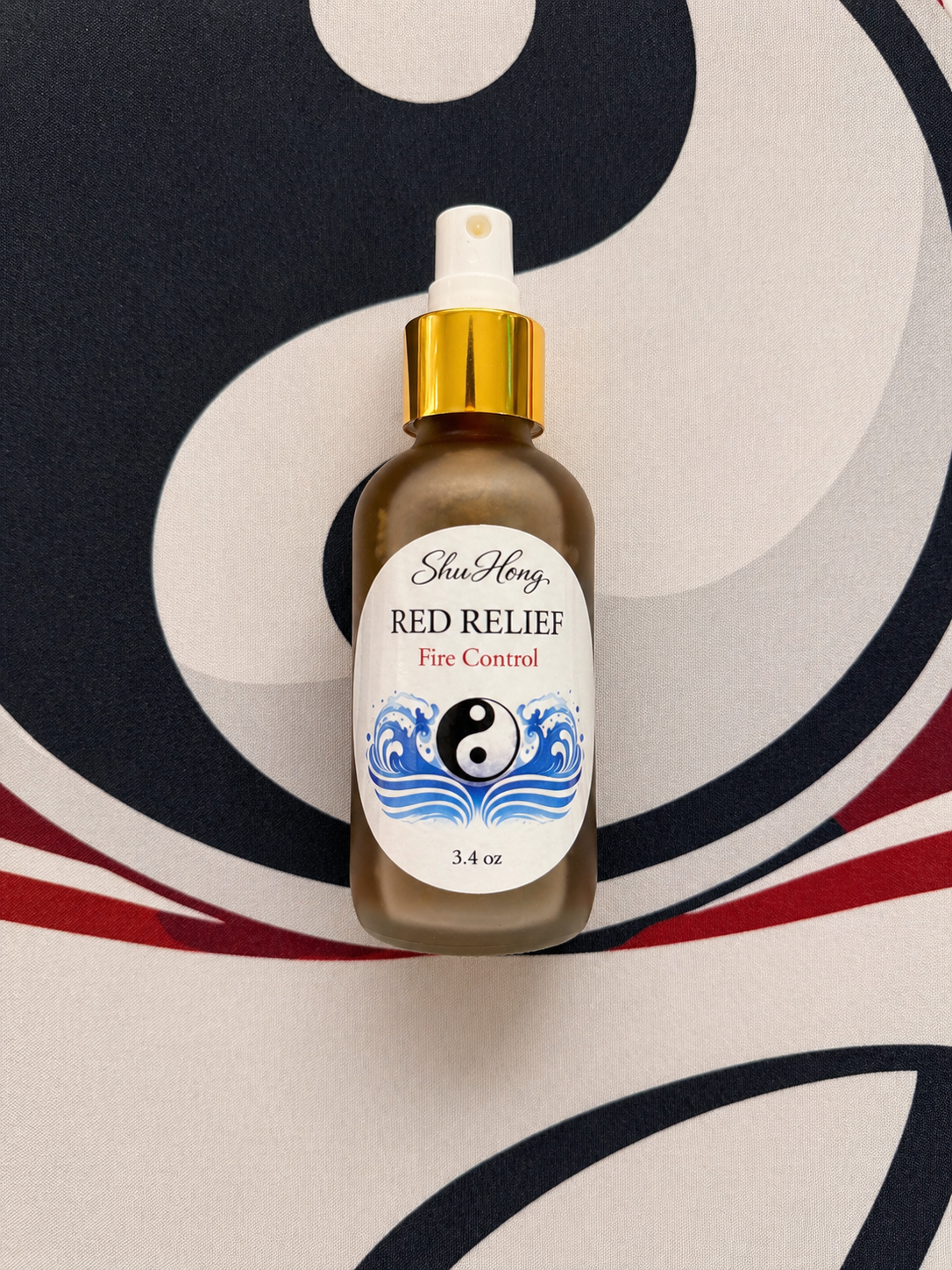
For neuropathy — that stinging, burning pain where Evil Bone Water helps a little but doesn't quite meet the mark — combining it with Fire Control produces an incredible response. The two together are notably more effective than either alone."— Clinical Practitioner, Shu Hong Botanicals
| Herb | Also Known As | Function |
|---|---|---|
| Ku Shen | Sophora Root | At highest concentration in Fire Control. Antifungal and antibacterial; clears deep heat. Foundational across all three formulas. |
| Lian Qiao | Forsythia Fruit | Clears heat-toxin at the tissue level. Helps address deep infectious components in treatment-resistant conditions. |
| Huang Qin | Chinese Skullcap Root | Clears heat from the blood; anti-inflammatory and neuroprotective. Indicated for nerve-related skin conditions. |
| Chuan Xiong | Sichuan Lovage Root | Moves blood and qi through channels. Reaches head, scalp, and peripheral nerve territories. |
| Gou Teng | Uncaria Stem with Hooks | Anchors yang, calms neurological irritation, and reduces peripheral nerve excitability and burning sensations. |
| Stage | Sequence | Goal |
|---|---|---|
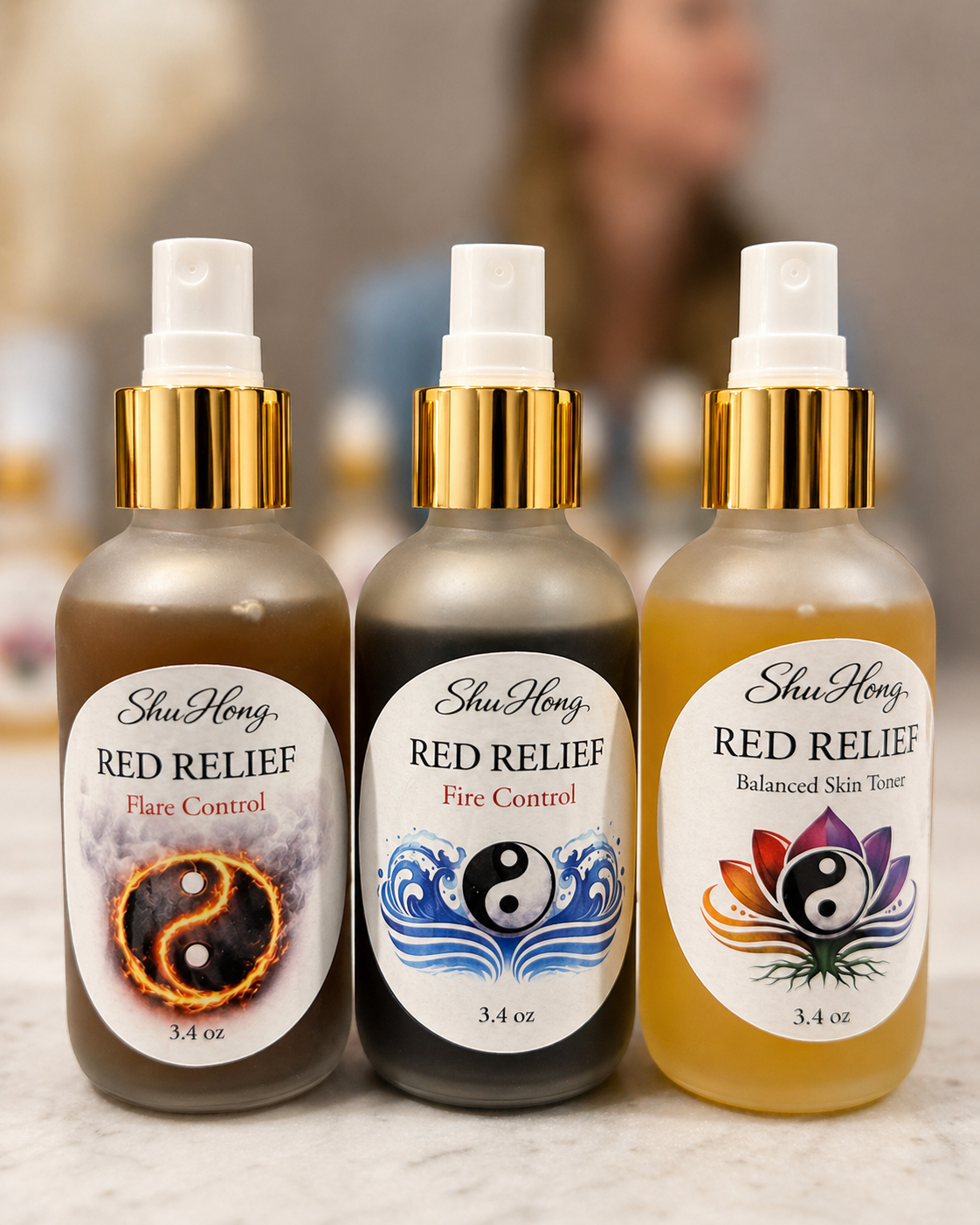
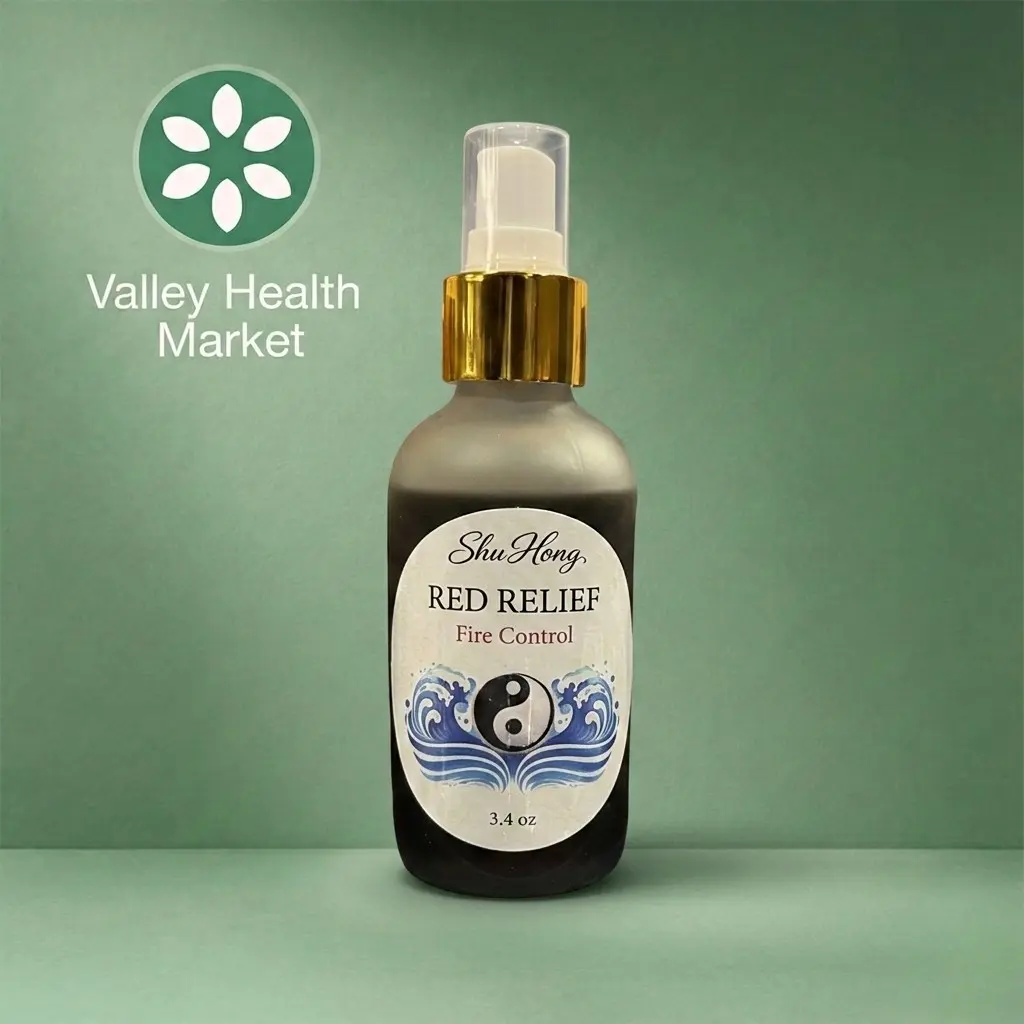
| Acute Outbreak | Fire Control → dry → Flare Control → dry → Balanced | Deep clearance, surface calming, and barrier restoration. |
| Calming Down | Flare Control → dry → Balanced | Manages surface symptoms while rebuilding the skin barrier. |
| Stable Skin | Balanced (daily) | Maintains skin terrain and helps prevent relapse. |
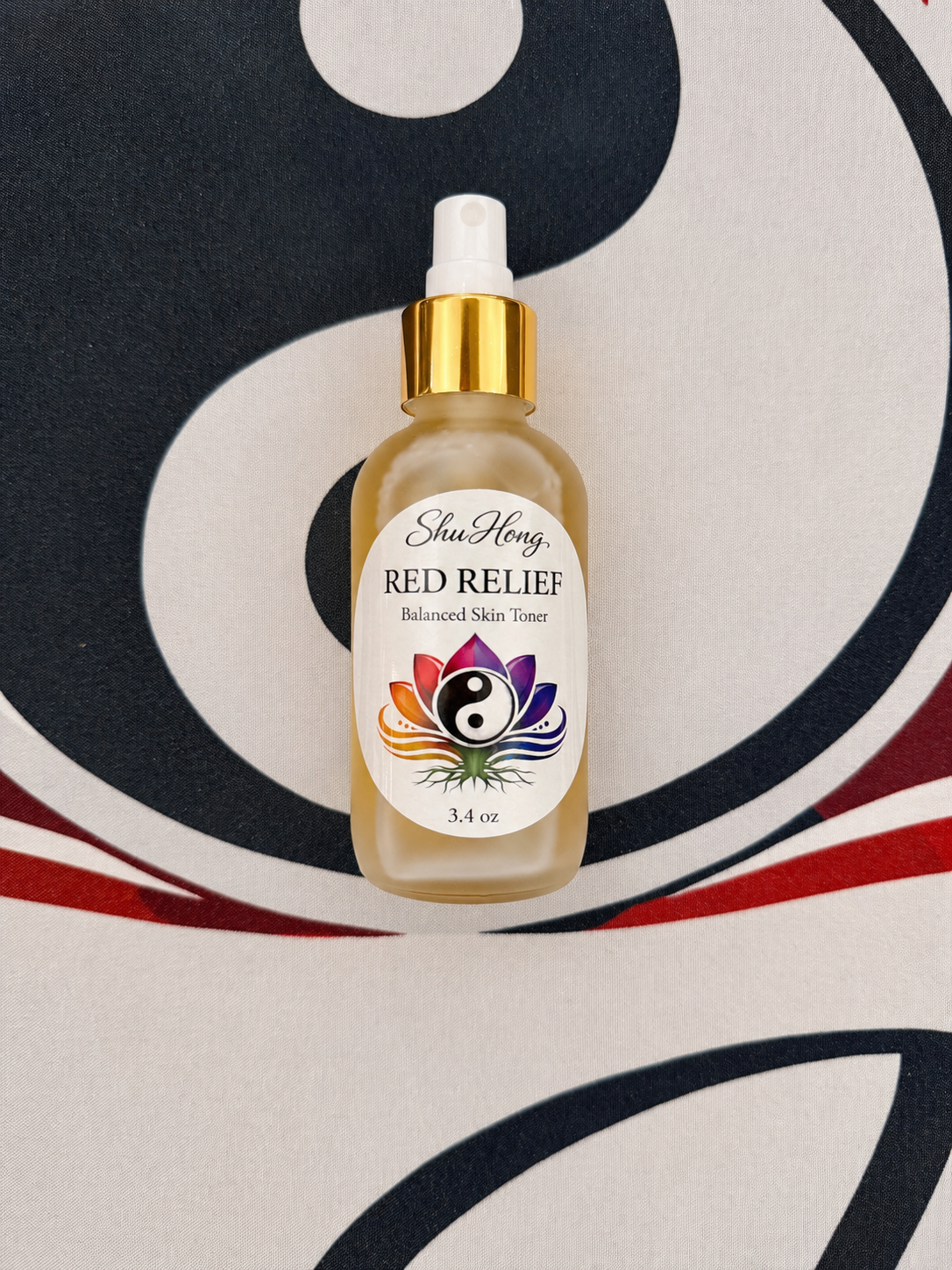
Research confirms Tremella fuciformis polysaccharides protect against UVA-induced photodamage, alleviate atopic dermatitis through immune and microbiome modulation, and demonstrate moisture retention superior to hyaluronic acid at comparable concentrations. The finding that Tremella's smaller particle size enables deeper epidermal penetration is directly relevant to why Balanced performs as a moisturizer rather than merely a surface film.
Biofilms — structured microbial communities embedded in a self-produced extracellular matrix — have been identified in up to 60% of chronic wounds and are increasingly implicated in persistent inflammatory skin conditions. The 2024 Experimental Dermatology review confirmed that the skin microbiome is directly involved in atopic dermatitis and psoriasis pathophysiology, including through bacterial aggregation and biofilm formation.
The classical TCM concept of "hidden pathogen" — a disease factor that retreats from treatment, persists in latency, and re-emerges when conditions are favorable — describes biofilm behavior with striking accuracy. The Shu Hong system's graduated approach — surface clearing (Flare), deep channel clearing (Fire), and daily terrain management (Balanced) — parallels the emerging understanding that ecological interventions, not single-target suppression, are required to address biofilm-associated chronic disease.
The anti-inflammatory mechanisms of Sophora flavescens have been mapped via network pharmacology, demonstrating activity through IL-6, IL-1β, VEGFA, TNF-α, and COX-2 pathways, mediated primarily by NF-κB signaling. The Kushenol F compound specifically has been shown to improve atopic dermatitis in animal models. These findings validate the classical TCM indications for Ku Shen in skin disease while providing a molecular framework for understanding its clinical effects.
These are not claims that can be made about products built around filler and synthetic stabilizers. They are the result of 20+ years of clinical formulation, a commitment to preserving each herb's specific therapeutic property through the manufacturing process, and an unwillingness to make ingredients that benefit the label rather than the skin.
| Balanced (Phase 1) | Flare Control (Phase 2) | Fire Control (Phase 3) | |
|---|---|---|---|
| Use | Daily — all skin types | Active flares only | Deep burning / nerve pain only |
| TCM Pattern | Terrain support | Damp-heat; wind-heat | Fire toxin; neurogenic |
| Key Herb | Tremella mushroom | Bai Xian Pi + She Chuang Zi | Gou Teng + Chuan Xiong |
| Alcohol | Low (glycerin-dominant) | Moderate | Highest |
| Penetration | Surface | Surface to mid-layer | Mid-layer to nerve interface |
| Shelf Life | 18+ months | 18+ months | No expiration |
| Eczema? | Yes — daily maintenance | Yes — primary flare product | No — too drying |
| Psoriasis? | Yes — maintenance phase | Yes — second step (after Fire) | Yes — lead product (apply first) |
| Colour | Lighter gold-yellow | Medium orange-red | Darkest (highest saturation) |
Balanced Skin Toner has been tested on all skin types and all intact skin areas. For infants or very young children, a patch test is always recommended. Consult a pediatric practitioner before use on children under 2.
Yes, it can be layered under or over other products. For best results, apply Balanced first and allow it to absorb before adding other products. Do not mix Flare Control or Fire Control with other active skincare in the same application.
Does Evil Bone Water work? An acupuncturist reviews the evidence for Zheng Gu Shui, camphor, menthol,

Learn which acupuncture points Will Sheppy uses for Ménière’s disease, vertigo and dizziness, plus treatment frequency
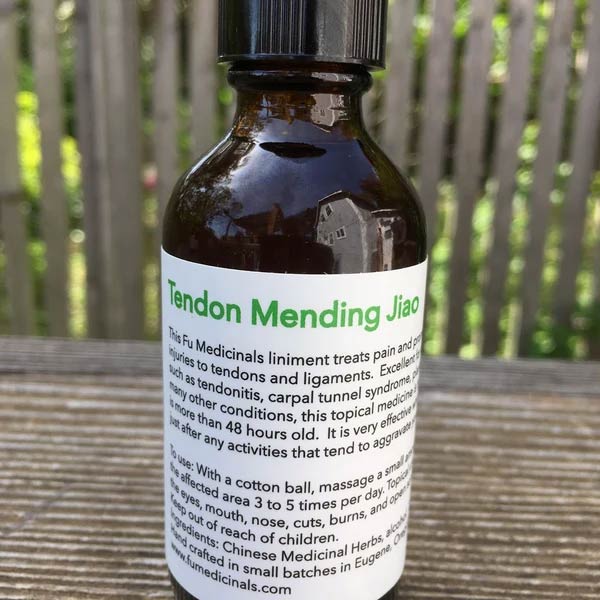
Learn how Gu Sui Bu and Tendon Mending Jiao are traditionally used to support chronic tendon,