A practitioner-led story of healing, herbalism, and building a business from the ground up.
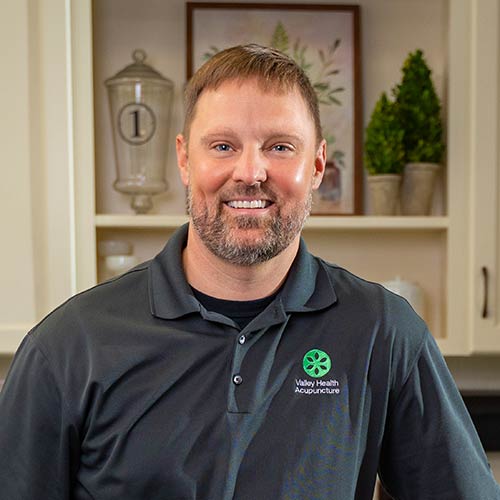
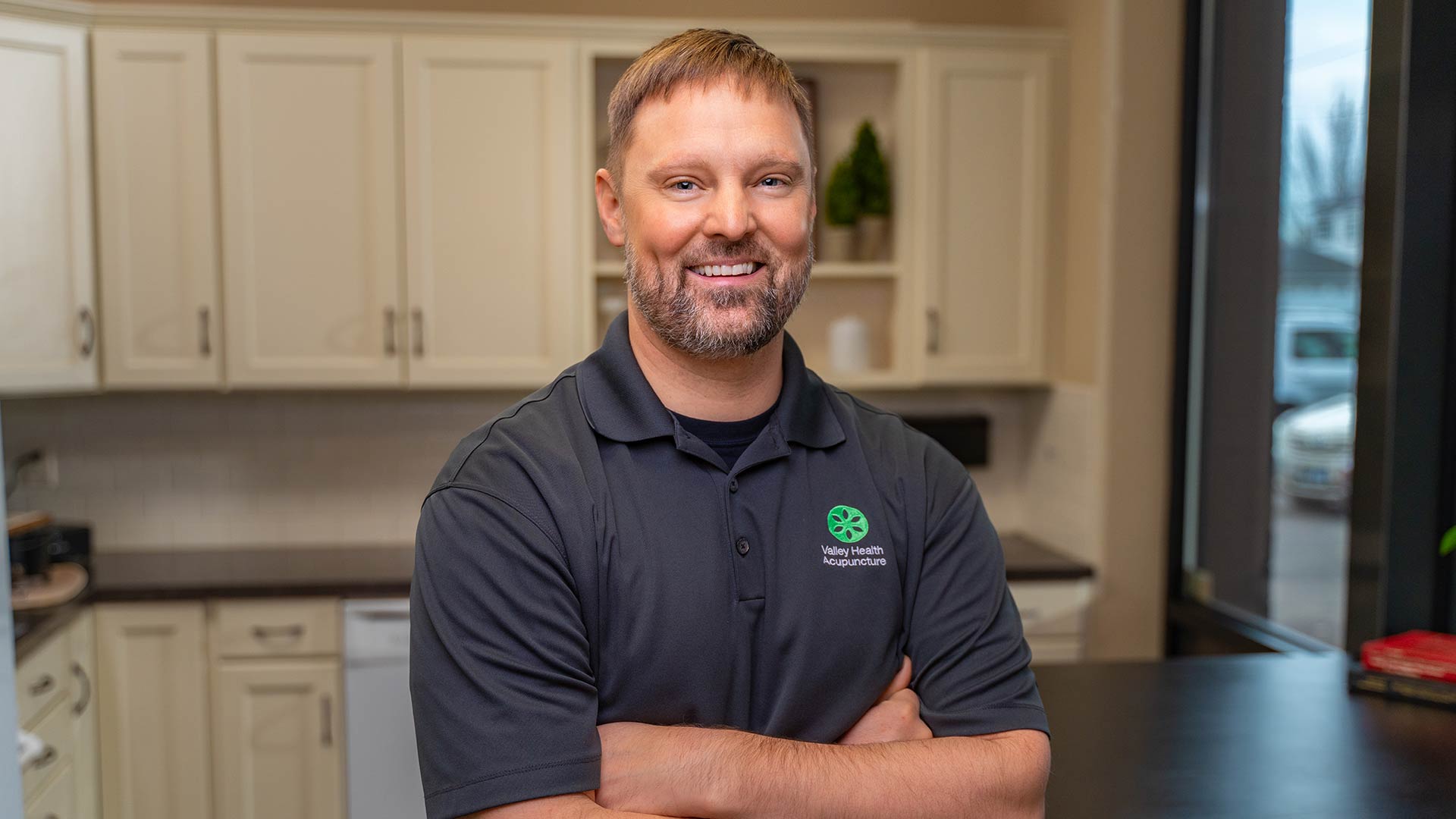
Mike is a licensed acupuncturist based on the North Shore of Boston, Massachusetts, with over 25 years of clinical experience. Before he ever picked up a needle, he spent years as a community college professor — a career he eventually left to pursue Chinese medicine full-time. His path into acupuncture was not planned; it was driven by personal injury and a frustrating series of encounters with conventional medicine.
As a physically active person who trained in martial arts, Mike repeatedly found himself injured and leaving the doctor’s office with nothing more than a painkiller and a muscle relaxant. When a serious hand injury brought him to an acupuncturist in Boston’s Chinatown — a practitioner who turned out to be a renowned expert in injury treatment — everything changed. Mike was afraid of needles at the time, but the results were undeniable. He healed quickly and became completely intrigued by what he had experienced.
Rather than simply move on, Mike started hanging around the practitioner’s office, teaching his assistant English and running errands just to stay close to the work. The practitioner was selective about who he allowed to observe and assist, but Mike’s persistence and character eventually earned him access. He went on to enroll at the New England School of Acupuncture in Watertown, Massachusetts — the oldest acupuncture school in the United States, now part of Massachusetts College of Pharmacy in Worcester.
During his training, Mike continued to assist his mentor, deepening his practical education alongside his formal studies. After graduating, he co-taught courses with his mentor at the school, including a specialty course in injury treatment using Chinese herbs and Tui Na techniques — CEU classes offered to practicing acupuncturists across the region.
Mike built his acupuncture practice gradually while still working as a professor, seeing patients on evenings and weekends. He reached roughly half-time practice before a colleague’s departure from a hospital position created an opening he applied for and won. That hospital role gave him an established patient base and benefits, which allowed him to finally leave teaching and commit to acupuncture full-time.
Today, Mike practices alongside his wife, who transitioned from a career as a lawyer to become an acupuncturist specializing in fertility. Together, they run a busy North Shore clinic. Mike has deliberately reduced his patient contact hours in recent years as Emily Skin Soothers has grown into a substantial business of its own — a choice he credits as a sustainable model for long-term practice.
He is an outspoken advocate for acupuncturists understanding business fundamentals, noting that clinical skill alone is not enough to sustain a practice. He spent years reading top business books on tape during his commute, learning strategy, marketing, and operations on his own — and has encouraged other practitioners to do the same.
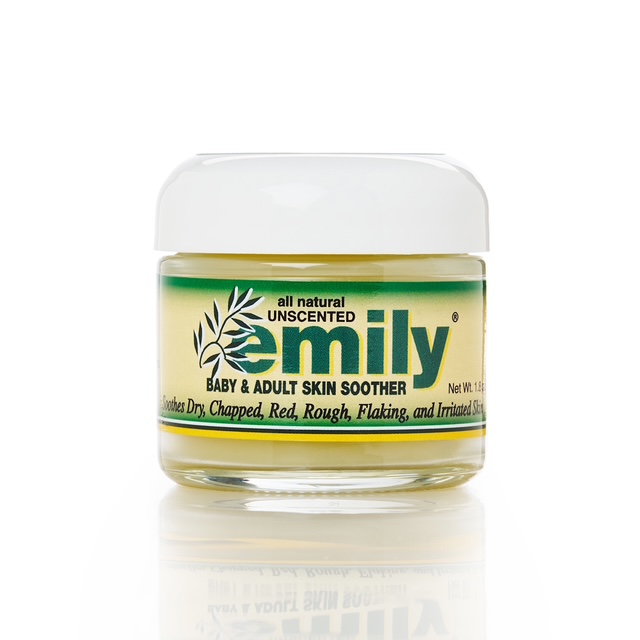
Emily Skin Soothers was born from a father’s determination to help his daughter. When his daughter Emily was born 20 years ago with eczema, Mike and his wife were reluctant to use steroid treatments on an infant. He asked for time to try a natural approach and set to work adapting traditional Chinese herbal formulas — simplifying and pairing them down — then testing them on himself and his wife before using them on Emily. The result was a simple herbal balm that worked remarkably well.
What started as a private solution for one child quickly revealed its broader potential. Mike began using the balm with patients in his clinic who had eczema and other skin conditions, including people with serious, long-term eczema who had found no relief elsewhere. The results were striking. He launched the product locally and learned the business entirely on the fly, with no formal plan and no background in product development or retail.
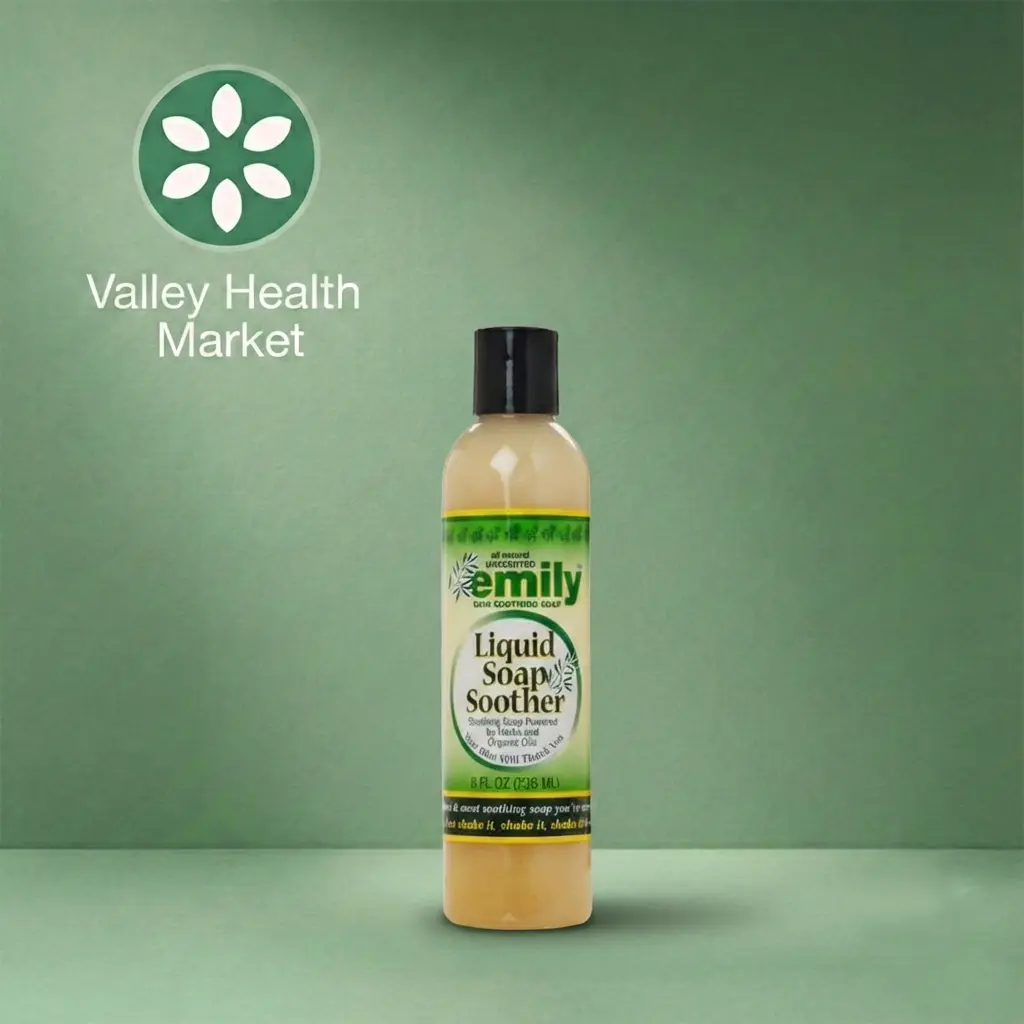
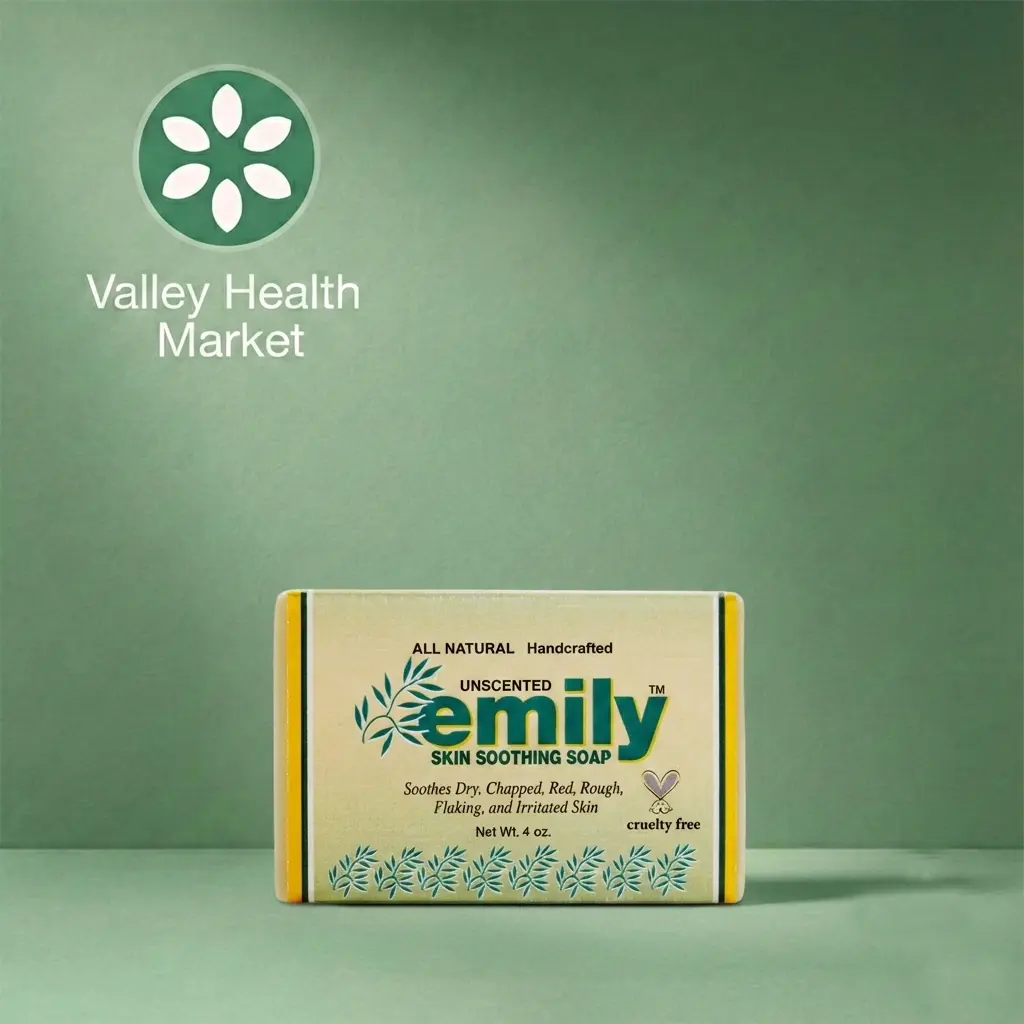
Emily Skin Soothers has now been in business for 16 years. The product line is carried in Whole Foods stores across the Boston region, in independent health food stores, and by acupuncturists around the country through a dedicated wholesale program.
The story of how Emily Skin Soothers landed in Whole Foods is equal parts persistence, press coverage, and timing. Mike had submitted the product to a local Whole Foods buyer early on, even though the labeling was not yet retail-ready. The buyer was generous with her feedback, walking him through what needed to change and what was missing. Mike kept refining the product and packaging based on her guidance.
Around the same time, a local newspaper ran a story about the product — a father who created a natural remedy for his daughter using Chinese herbs, with photos of baby Emily. In the article, Mike had mentioned almost in passing that Whole Foods was reviewing the product. The Boston Globe picked up the story and ran its own feature, and again the Whole Foods angle was referenced.
Readers did not parse the wording carefully. They went directly to Whole Foods stores throughout the region asking for Emily Skin Soothers. The Whole Foods buyer called Mike, surprised by the sudden demand, and told him to begin auto-shipping to all stores. The business was not ready — they had to dramatically scale production overnight, calling in family members for labeling parties and batch production. But as Mike reflects on it: that was a great problem to have.
Each Emily Skin Soothers product contains a small number of carefully chosen ingredients — typically six to ten — based on traditional Chinese herbal formulas that have been simplified for sensitive skin. The minimalist approach is intentional: the product was originally designed for an infant, and the customer base that gravitated toward it tends to be people with reactive or sensitive skin. That original constraint became a design principle.
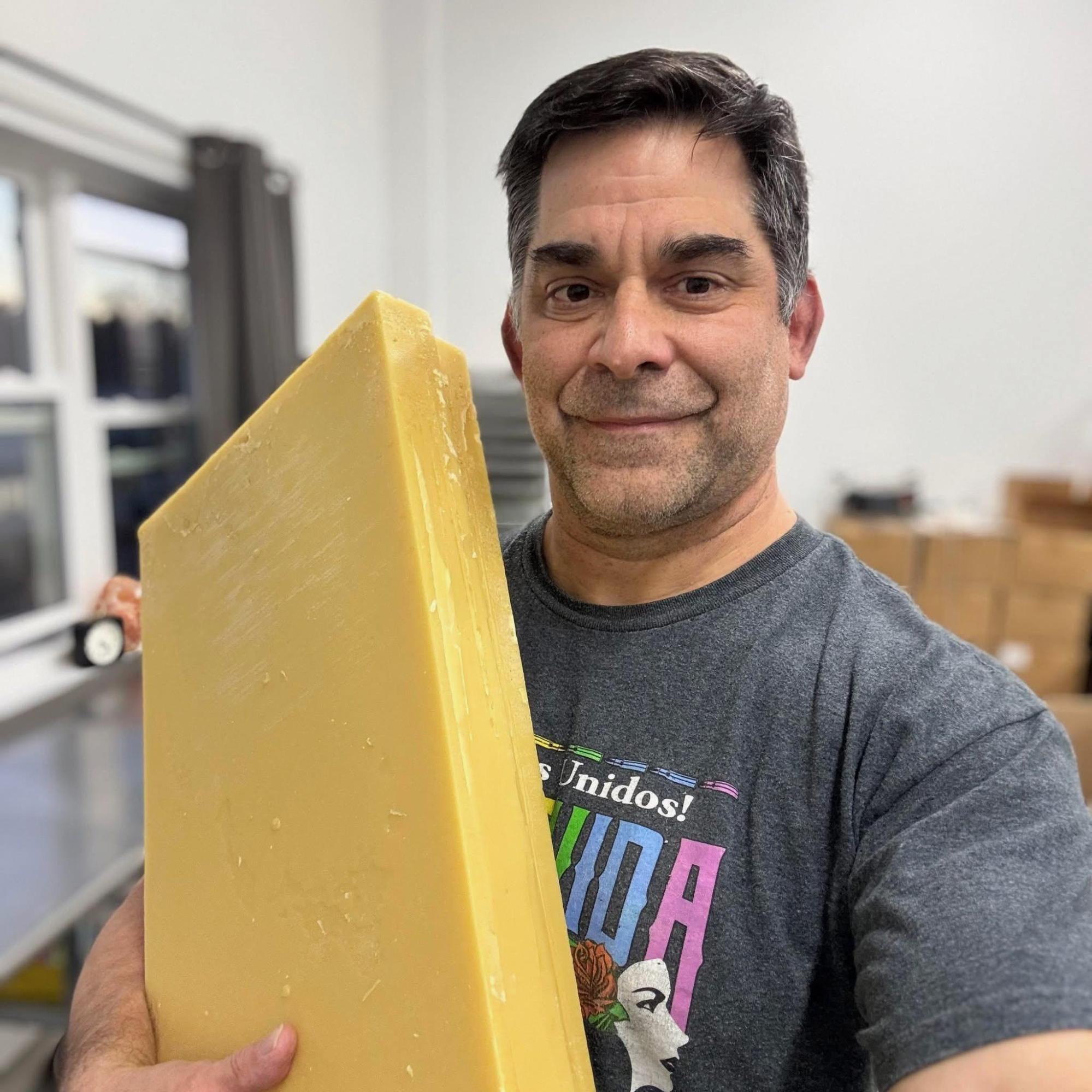
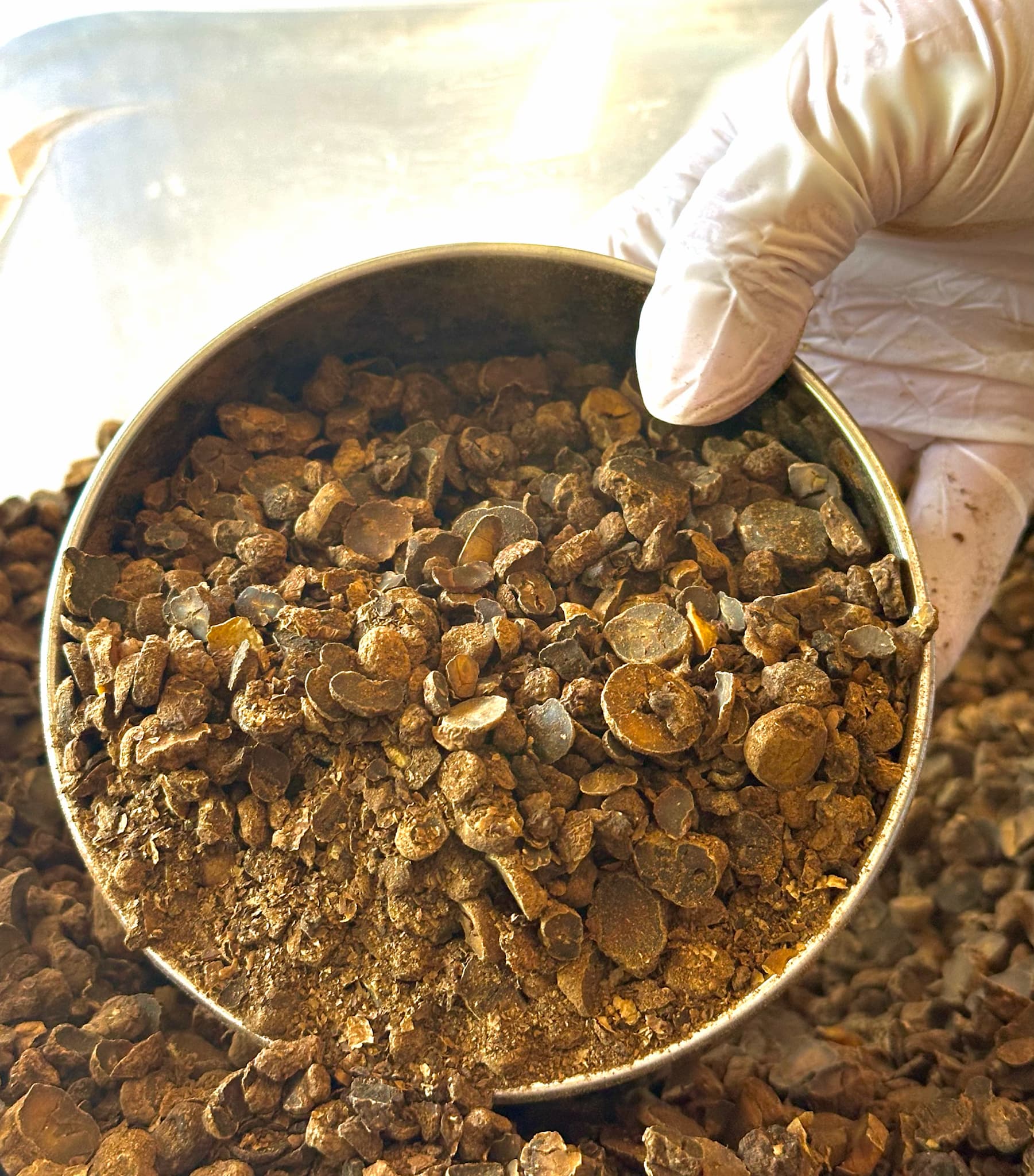
One of the core ingredient pairings used across multiple products is peony and frankincense — a synergistic combination that promotes circulation, reduces inflammation, and supports the generation of new skin tissue. Mike describes this pairing as particularly effective for bringing blood to damaged or irritated skin to accelerate healing.
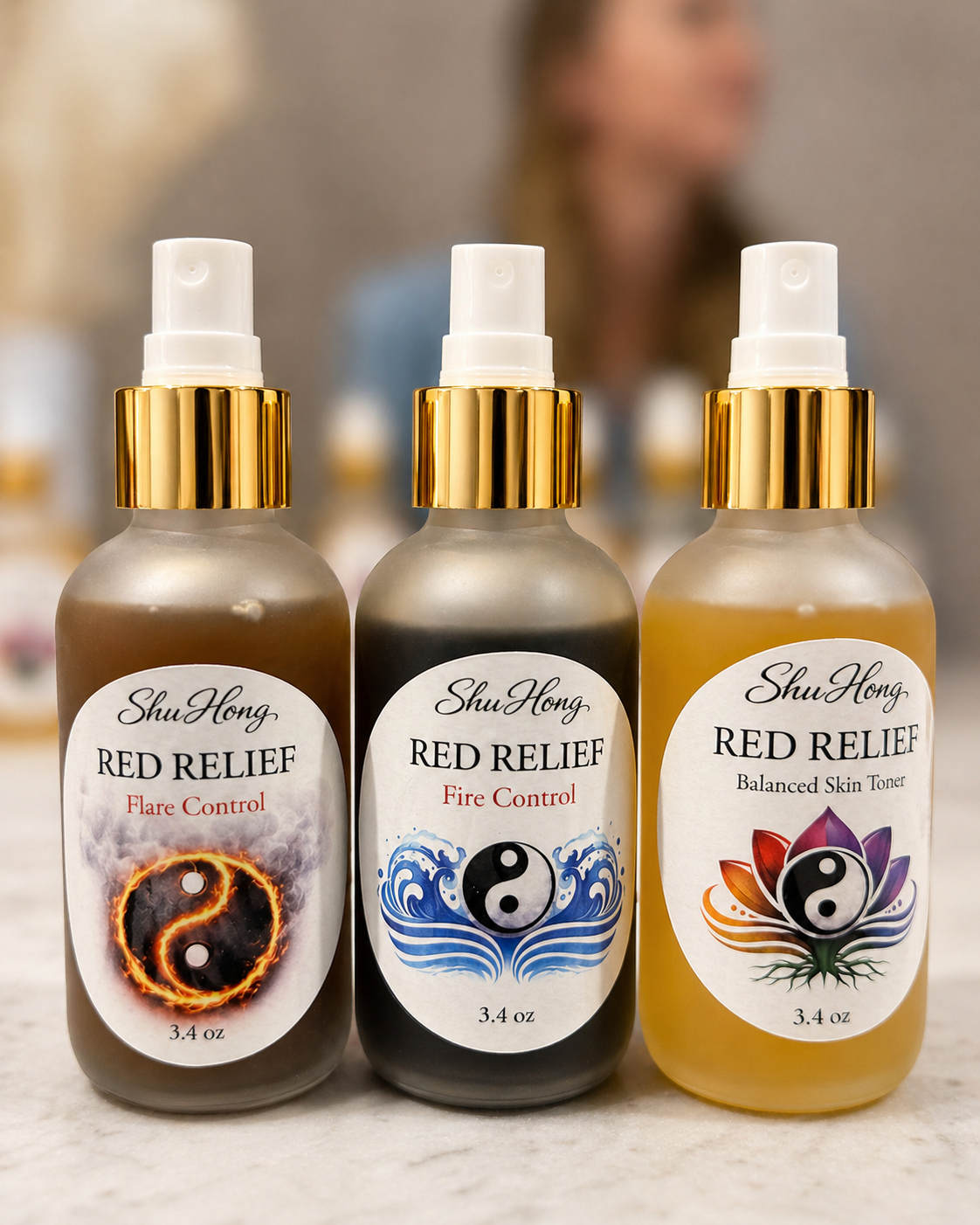
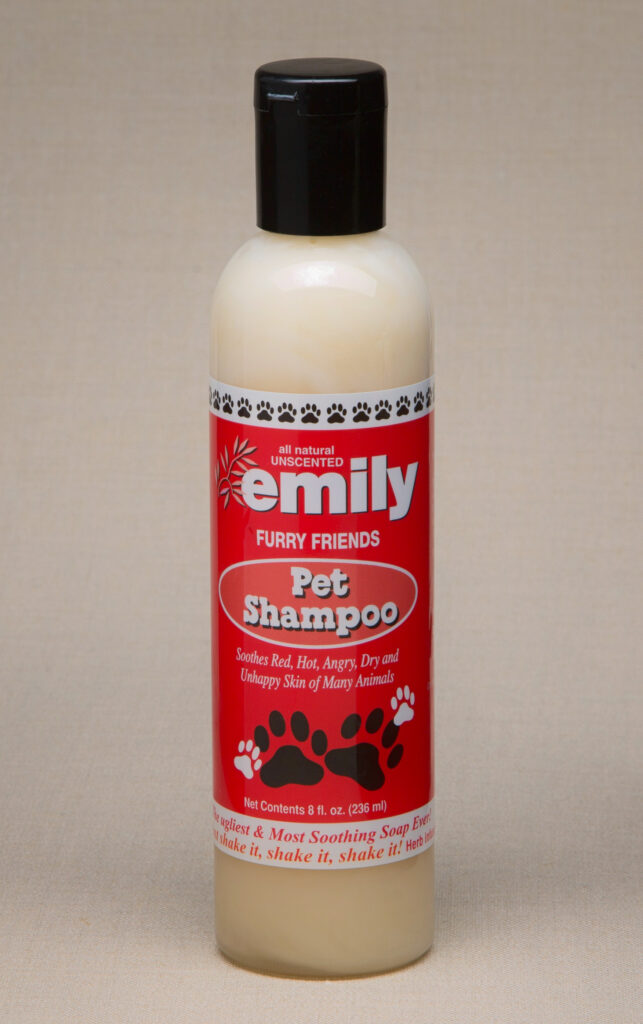
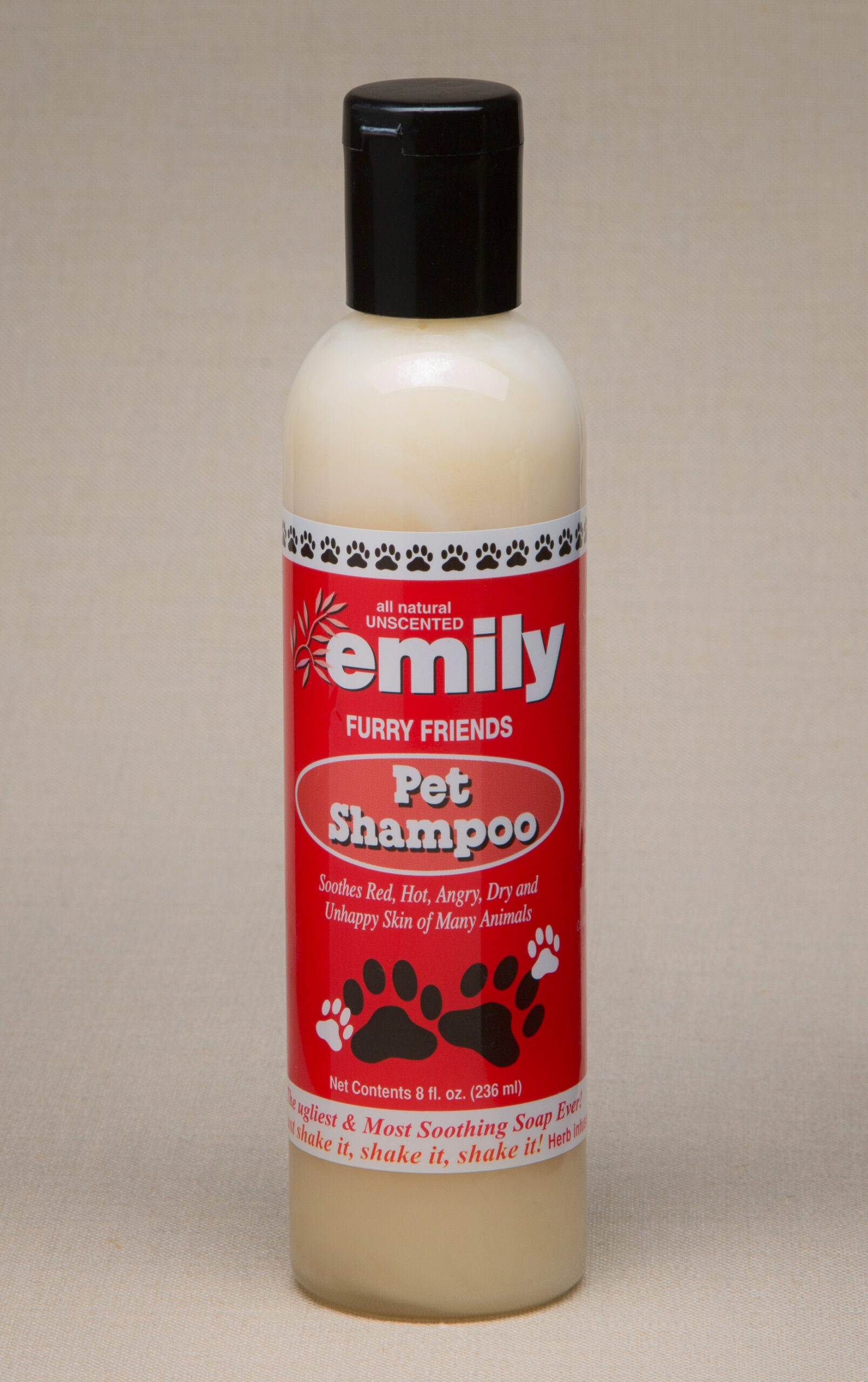
Beyond the original skin balm, the product line has expanded to include room sprays built around a clary sage base, each formulated with a different scent to serve a different purpose in a clinical or personal wellness setting — frankincense for meditation and open awareness, lavender for calm, bergamot for brightness and uplift. Mike uses these in his practice to set the tone for patient sessions. The line also includes candles, a body wash, and a pet shampoo.
The wholesale program for practitioners allows acupuncturists to purchase at wholesale and retail to patients — a model Mike advocates for both the financial benefit it provides practitioners and the quality of care it enables. When practitioners understand the herbs, they can match products to patients more precisely, improving outcomes and building patient trust.
Mike offers several pieces of hard-won advice for practitioners building their careers: