Let’s be honest: you’ve had patients come in who smell. Maybe they’ve been working all day and haven’t showered. Maybe they’re wearing too much cologne. Maybe there’s a pet smell clinging to their clothes. Maybe their body chemistry just produces more odor than usual—and hey, that’s not their fault, and I’m not judging.
But here’s the reality: that smell lingers in your treatment room.
No matter how clean you keep your space—no matter how many times you sanitize the tables, wash your hands, open the windows—the next patient walking in is going to catch a whiff of the previous appointment. And that’s not the first impression you want to make.
Smell is one of the most primal and powerful senses we have. It’s directly linked to memory and emotion. Think about the psychology of retail: why do bakeries and real estate agents bake cookies or bread before showings? Because they know that smell is one of the first ways people create lasting impressions.
When a client walks into your clinic, you want them to feel:
A fresh, pleasant-smelling space communicates all of that in seconds, before you even say hello. It sets the tone. It builds trust. It tells them they’ve come to the right place.
Conversely, if they walk in and smell the previous patient, they immediately wonder: How clean is this place really? What haven’t they cleaned?
Even if you’re impeccably clean, a lingering odor undermines that first impression.
A room spray helps do three important jobs in a massage practice.
That third point matters more than many people admit. Sometimes the previous session was physically intense. Sometimes it was emotionally heavy. Sometimes the room simply feels stale and needs a shift. A subtle room spray can be part of clearing the space and helping you refocus before the next client walks in.
Massage therapists spend all day helping other people regulate. Having a simple ritual that helps reset the room and your own attention can make the work feel cleaner and more sustainable.
I realized that if I was recommending natural, plant-based medicine to my patients, I needed to apply that same standard to my clinic environment.
They are clean, light, and easy to use in practice.
Emily Skin Soothers room sprays are made without overpowering perfumes, aerosols, alcohol, synthetic fragrance, or parabens. Instead, they use purified water, essential oils, saponified oils, vegetable glycerin, rosemary extract, and organic aloe vera. That gives them a softer feel in the air and makes them much easier to use in a professional setting throughout the day.
Another thoughtful detail is the use of clary sage instead of white sage. White sage is an overharvested ceremonial plant. Clary sage is cultivated, more appropriate for everyday use, and has a naturally calming scent profile that works well in massage rooms.
These sprays are a good fit for massage therapists who want something that feels clean, grounded, and professional rather than overly scented.
That’s when I discovered Emily Skin Soothers room sprays—specifically created for treatment spaces like acupuncture clinics, massage studios, and wellness practitioners.
Emily’s room sprays are fundamentally different from Bath & Body Works and other commercial options. They’re:
I now use them between every client. It’s a ritual. It clears the energy. It resets the space. And every person who walks through that door knows they’re stepping into a fresh, intentional environment.
If you want the most broadly appealing option for a massage office, this is the one I would start with
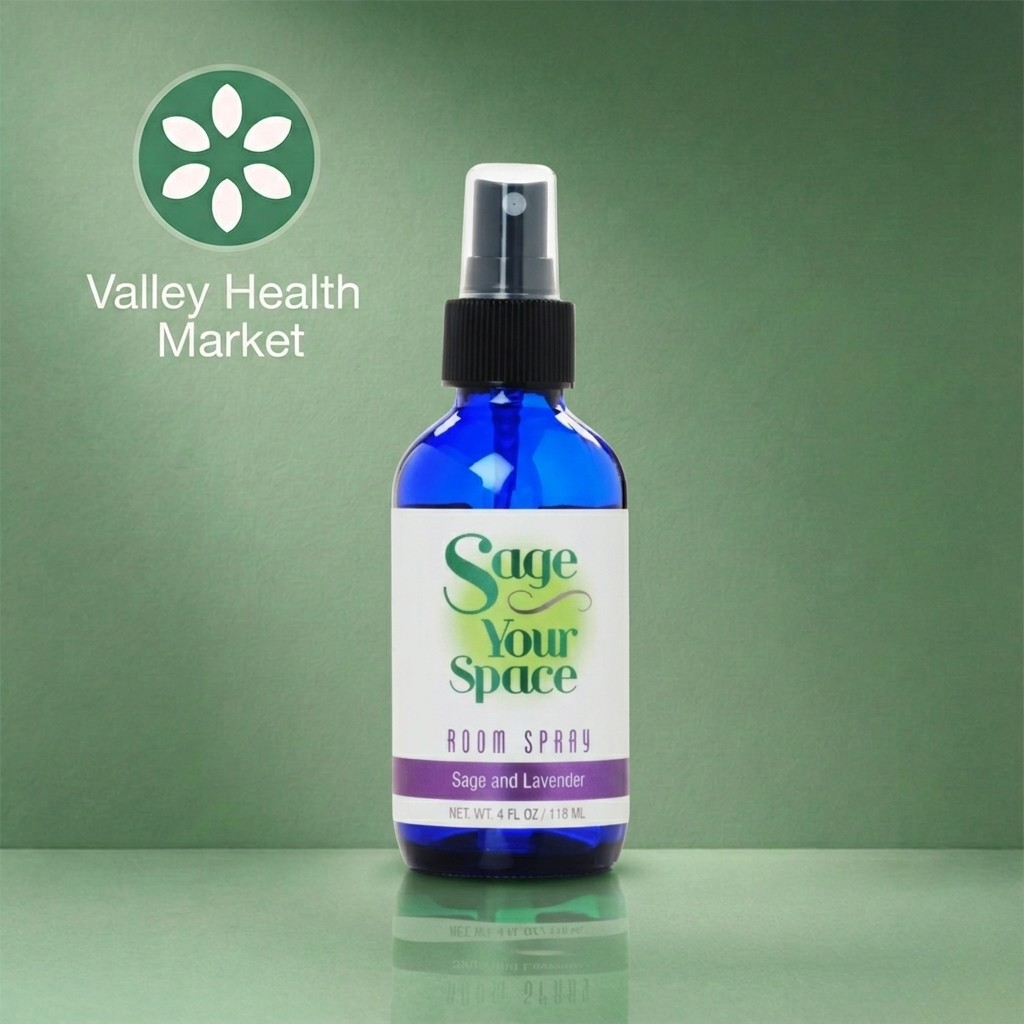
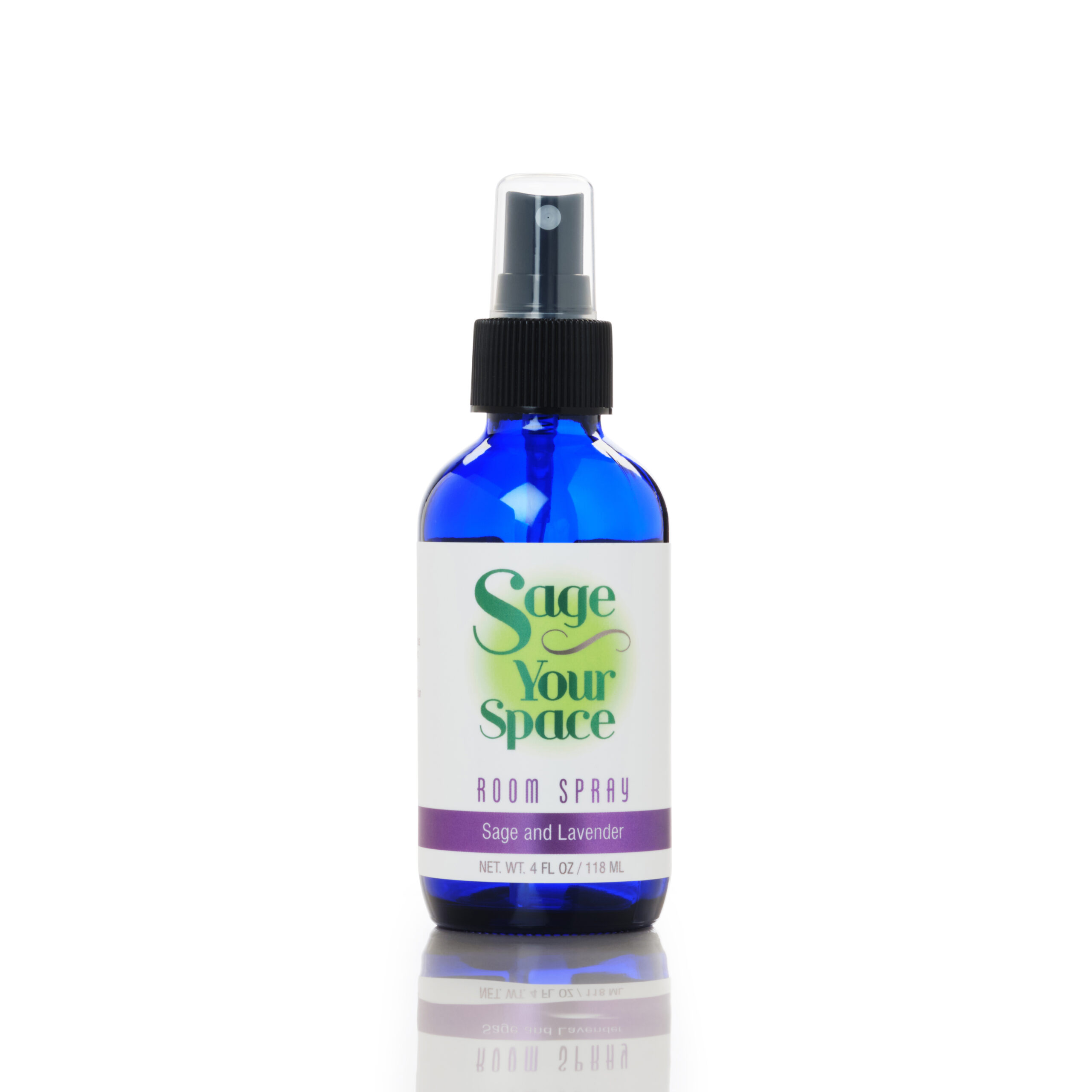
Sage and Lavender combines clary sage and lavender into a soft, calming, and easy-to-work-with scent. It has a sweet, herbaceous, and floral profile, but it stays subtle rather than overpowering. That is important in a bodywork setting where clients may already be stressed, sensory-sensitive, or headache-prone.
Mike describes clary sage and lavender together as a strong, calming combination, and that fits how many massage therapists want their treatment room to feel.
It is a good choice when you want the room to support stress relief, relaxation, decompression, and sleep-oriented care.
This version has a different feel.
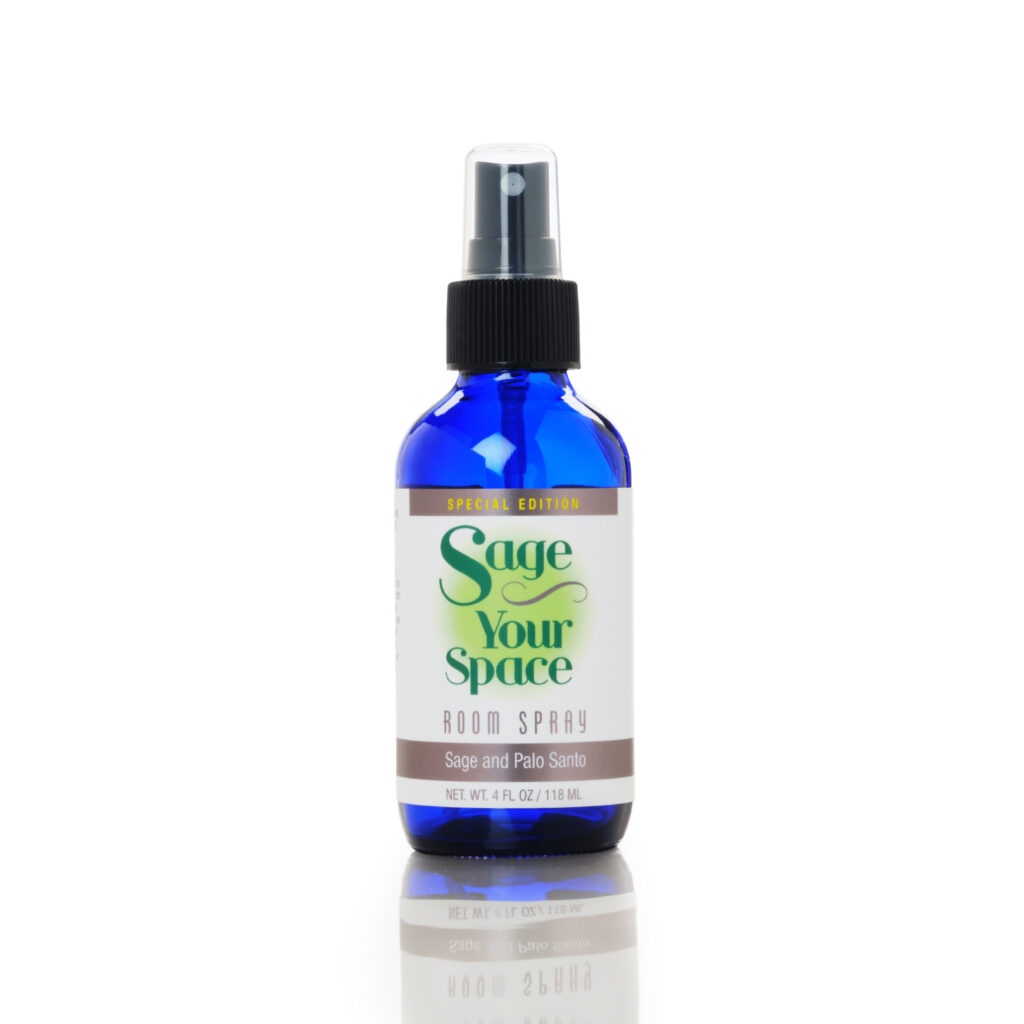
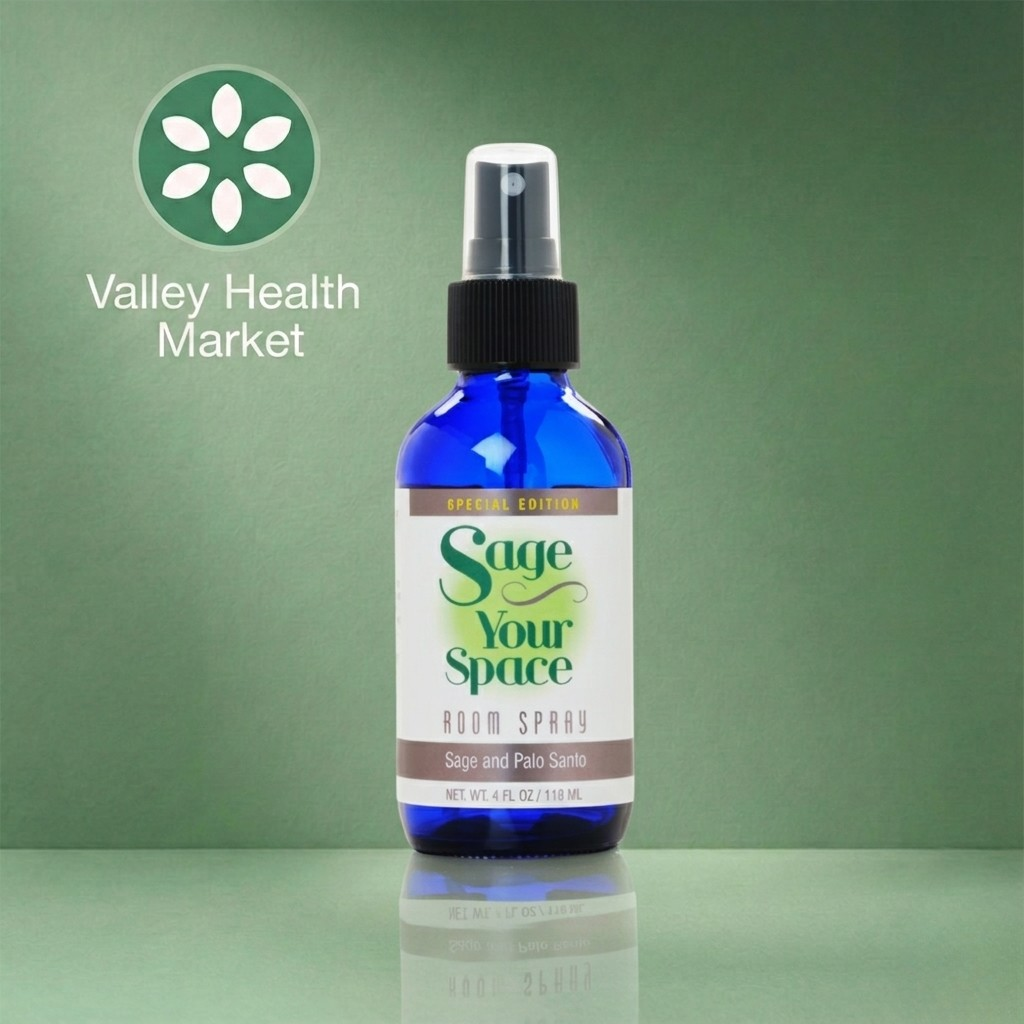
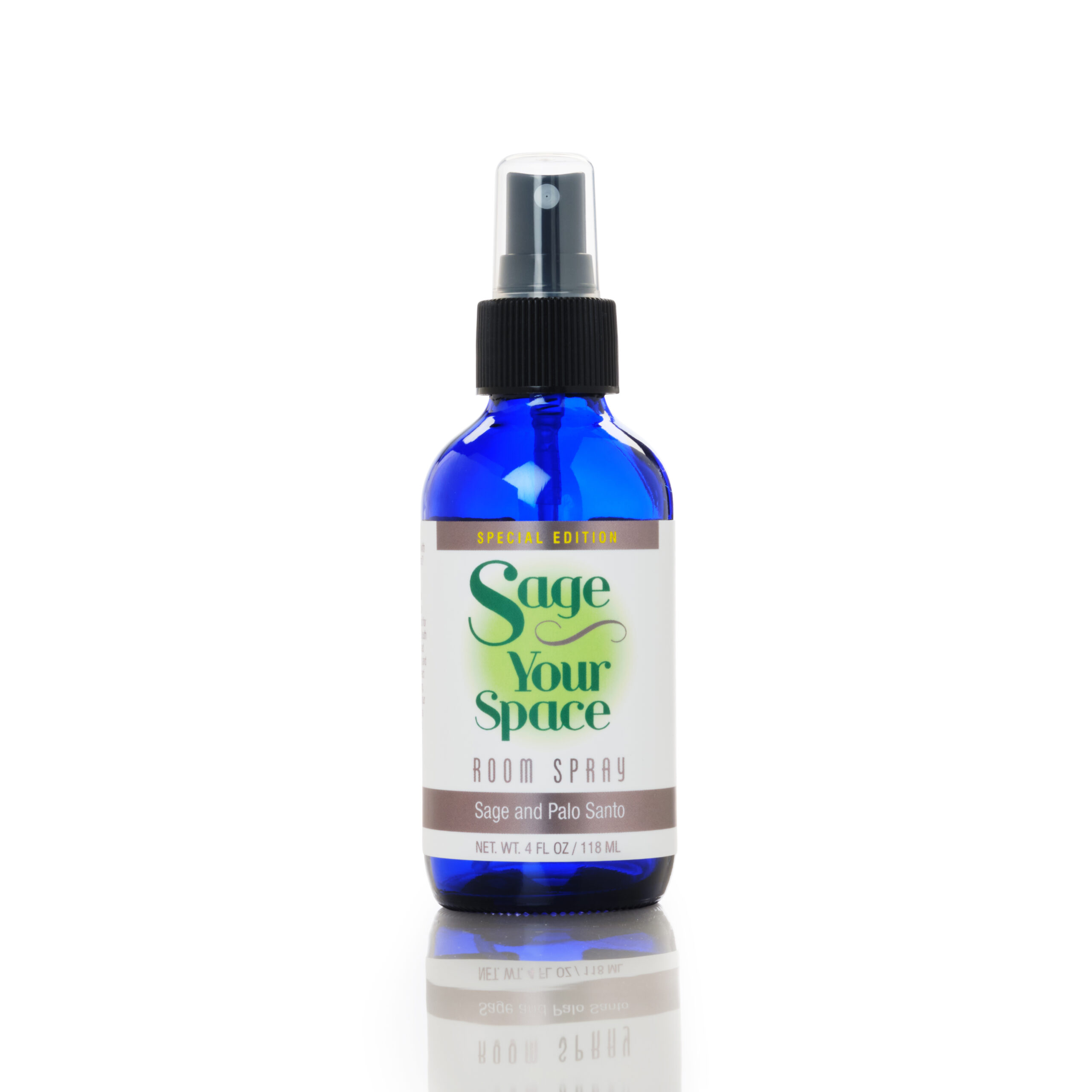
Sage and Palo Santo is more layered, more atmospheric, and more complex. Palo santo has a distinctive aroma that people often describe as woody, citrusy, warm, minty, and grounding. On its own, it can be strong. Paired with clary sage, it becomes more balanced and more suitable for treatment spaces.
This makes it a good option for massage therapists who want a spray that feels more like a reset. It is especially useful after a heavy session, after a client with strong odor or perfume, or anytime you want the room to feel cleared out and ready for a fresh start.
Mike notes that the palo santo oil is sourced directly from an artisan co-op in Ecuador. They work from sustainably harvested fallen trees and ongoing replanting rather than careless mass-market sourcing.
That makes this a better fit for practitioners who care about product story and sourcing as well as scent.
Both sprays work well. The better choice depends on the feel you want in your office.
Choose Sage and Lavender if you want a softer, more universally relaxing scent that works well with almost any client.
Choose Sage and Palo Santo if you want something more grounding, more distinctive, and more suited for resetting the room after intense sessions.
For many massage therapists, the best setup may be to have both. Keep Sage and Lavender as your everyday between-client room spray, and use Sage and Palo Santo when the room needs a deeper reset.
Here’s what most people don’t realize: essential oils aren’t just pleasant-smelling. There’s real biochemistry happening.
When you spray a natural essential oil room spray, you’re not just masking odor. You’re introducing plant compounds that have antimicrobial properties, that calm the nervous system, and that support the psychological and emotional tone of your space.
Use it lightly after you reset the room. The goal is not to cover odor with a heavy cloud of fragrance. The goal is to make the space feel clean, calm, and ready.
Good times to use it include after a client with strong perfume, after a physically demanding treatment, after an emotionally intense session, before a new client enters, or at the end of the day when the room feels stale.
One or two light sprays are usually enough. In a massage office, subtle works better than strong.
Using natural room spray has become part of my between-appointment ritual. It takes 10 seconds. It costs pennies per use. And it transforms how clients experience my space.
The room feels clear. The next person walks in and feels the difference before they even sit down.
Let me be direct: Bath & Body Works room spray isn’t bad, but it’s not designed for a healing space. Their products prioritize shelf appeal and mass-market scent profiles over clinical appropriateness. They’re stronger, they linger longer, and they’re full of ingredients that don’t belong near someone receiving treatment.
Emily Skin Soothers exists because a practitioner (Mike) created it for practitioners. It’s:
It’s the difference between a commercial room spray and a clinical-grade tool.
If you’re tired of commercial room spray options and want something that actually supports the healing experience you’re creating, I recommend starting with Emily Skin Soothers.
Try the Sage & Lavender blend for everyday use—it’s perfect for promoting calm and deepening relaxation between sessions. Or go with Sage & Palo Santo if you want something more ceremonial, more clearing, more intentional.
Both are available through our marketplace, and both will change how you think about your treatment space.
Your treatment room is a sacred space. Every detail matters—especially the ones your clients notice in the first five seconds.
A natural room spray isn’t a luxury. It’s a tool. It’s part of how you say, I care about your experience. I’ve thought about every detail. You’re in good hands.
That’s worth 30 seconds and a few spritzes.