
Willard Sheppy is a licensed acupuncturist (LAc) and Founder of Valley Health Clinic specializing in using Traditional Chinese Medicine to treat acute injuries and chronic conditions, and to improve sports performance and rehabilitation.
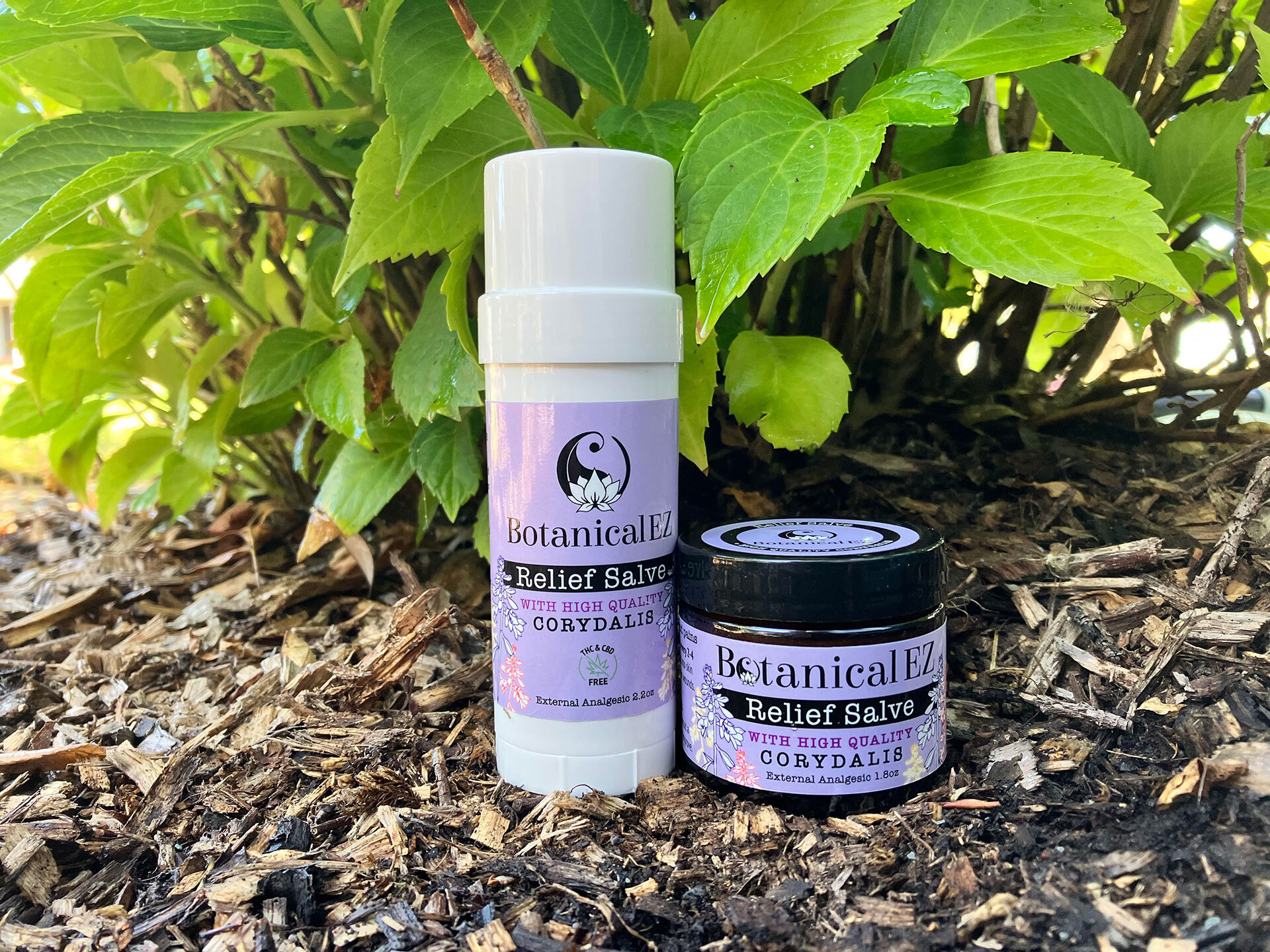
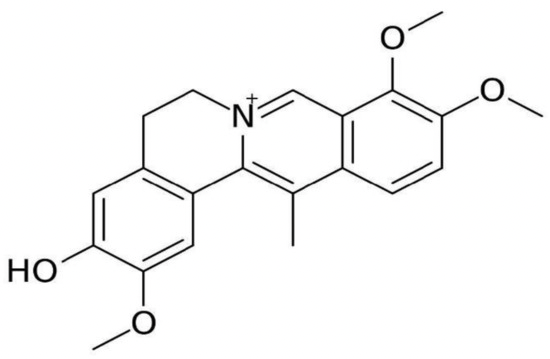
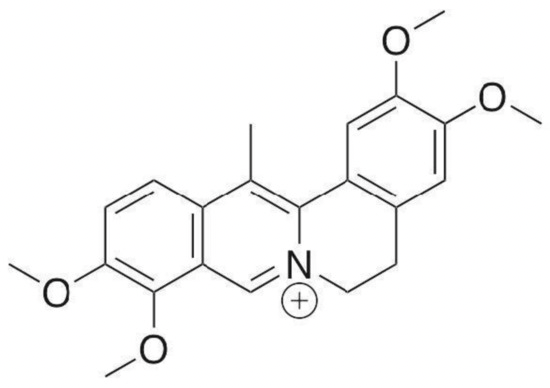
Corydalis is highly effective for sudden, sharp pain caused by injury, swelling, or inflammation. The alkaloids in Corydalis work quickly to reduce inflammation and pain signals without numbing the area or interfering with circulation. This makes it ideal for treating sprains, bruises, muscle strains, and post-surgical pain. Unlike traditional ice therapy which can slow healing by restricting blood flow, Corydalis reduces swelling while promoting circulation.
Nerve pain is notoriously difficult to treat with conventional medications. Corydalis is particularly effective for neuropathies—pain caused by nerve damage or dysfunction. This includes conditions like diabetic neuropathy, cancer treatment-related neuropathy, and pain radiating down the legs or arms. Research confirms that Corydalis reduces the hypersensitivity associated with nerve pain without the side effects of anti-seizure medications or antidepressants commonly prescribed for these conditions.
One of the most significant benefits of Corydalis is that you don’t develop tolerance to it over time. This means you don’t need to keep increasing the dose to get the same pain relief, a problem that plagues people using opioid medications. Studies show Corydalis is equally effective for long-term use as it is for short-term pain management, making it an excellent option for people dealing with ongoing pain from arthritis, fibromyalgia, or old injuries.
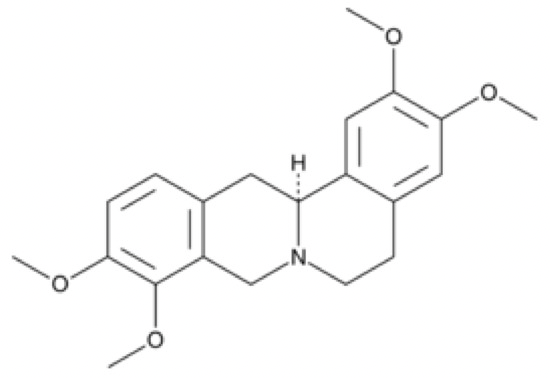
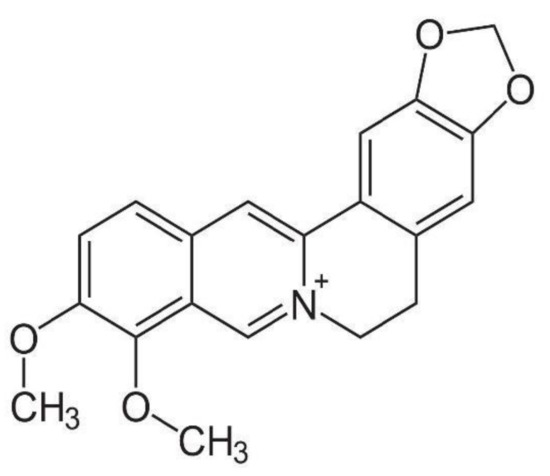
Corydalis compounds bind to specific dopamine receptors (D1, D3, and D5) in your brain. This activation supports your body’s natural pain-relieving pathways without triggering the reward system that leads to addiction. This is fundamentally different from opioids, which activate D2 and D4 receptors—the pathways associated with dependence and craving.
Corydalis alkaloids reduce the production of inflammatory chemicals like TNF-α and IL-6, which are responsible for pain and swelling. By decreasing inflammation at the source, Corydalis addresses the root cause of pain rather than just masking the symptom.
In traditional Chinese medicine, pain is understood to result from stagnation—blocked blood and energy flow. Corydalis improves circulation, which increases oxygen and nutrient delivery to injured tissues while removing inflammatory substanes. This dual action accelerates healing.
Ideal for localized nerve pain, sensitive skin, and areas where you want relief without strong sensations or odor.
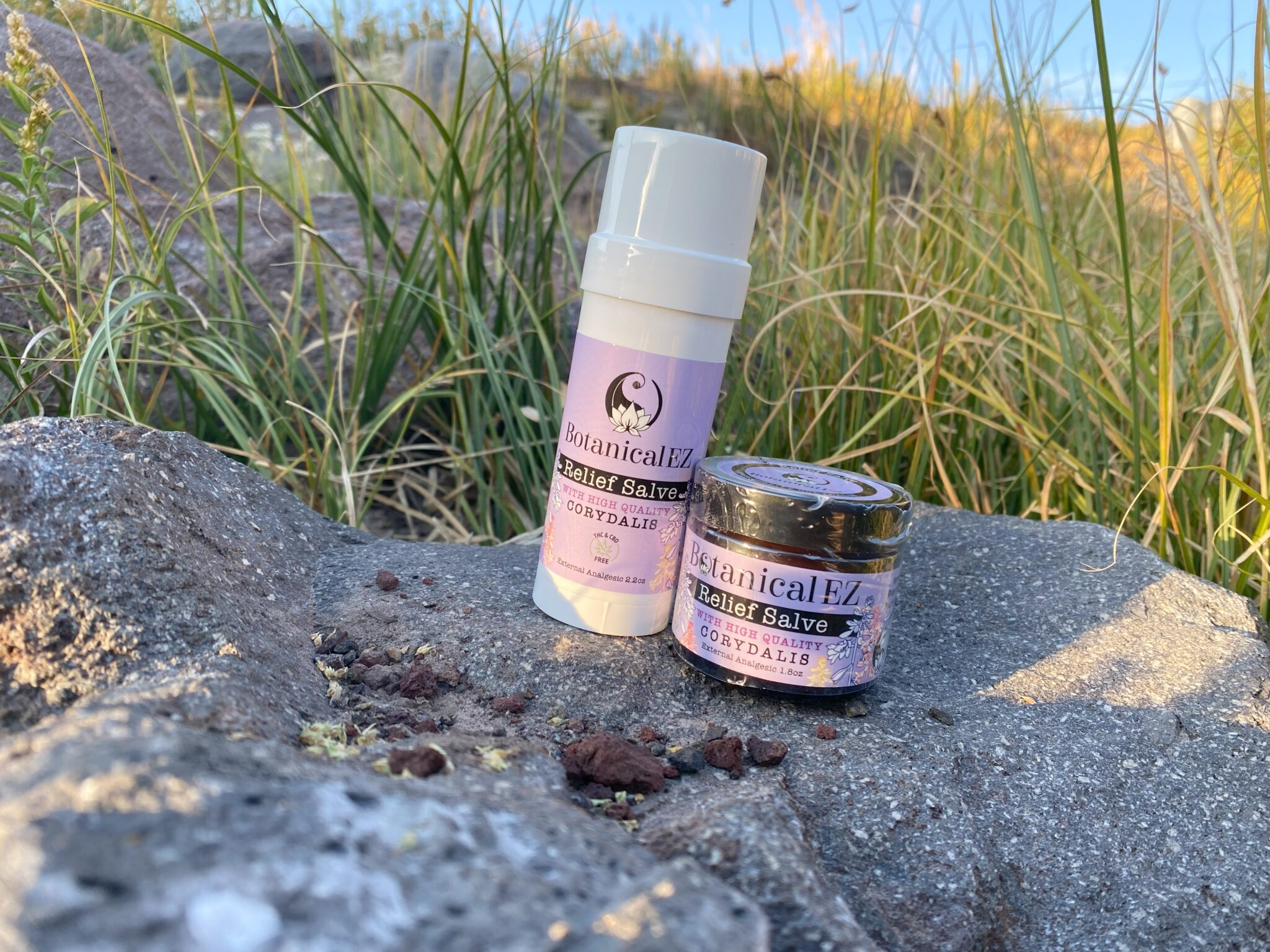
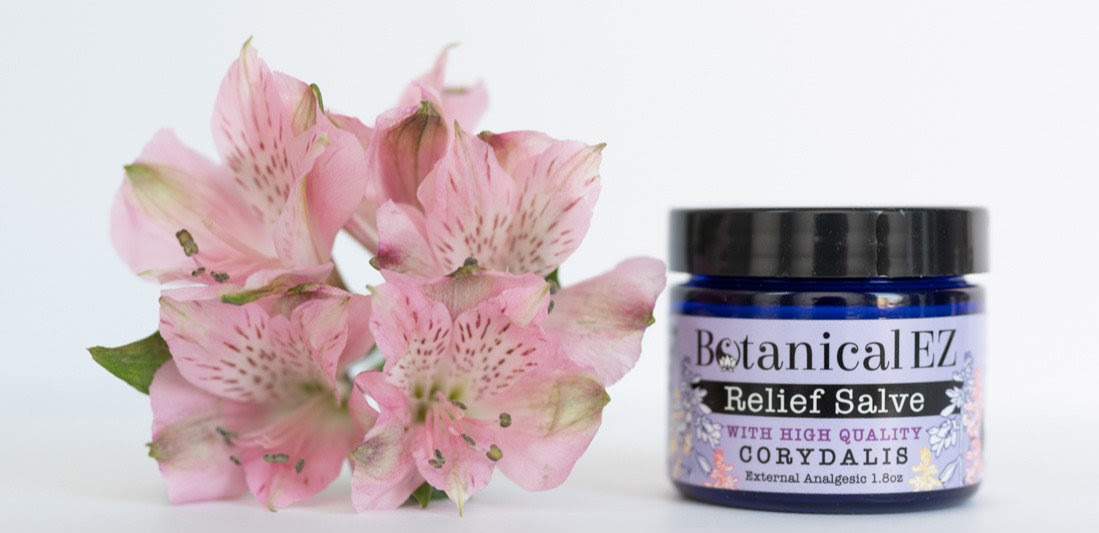
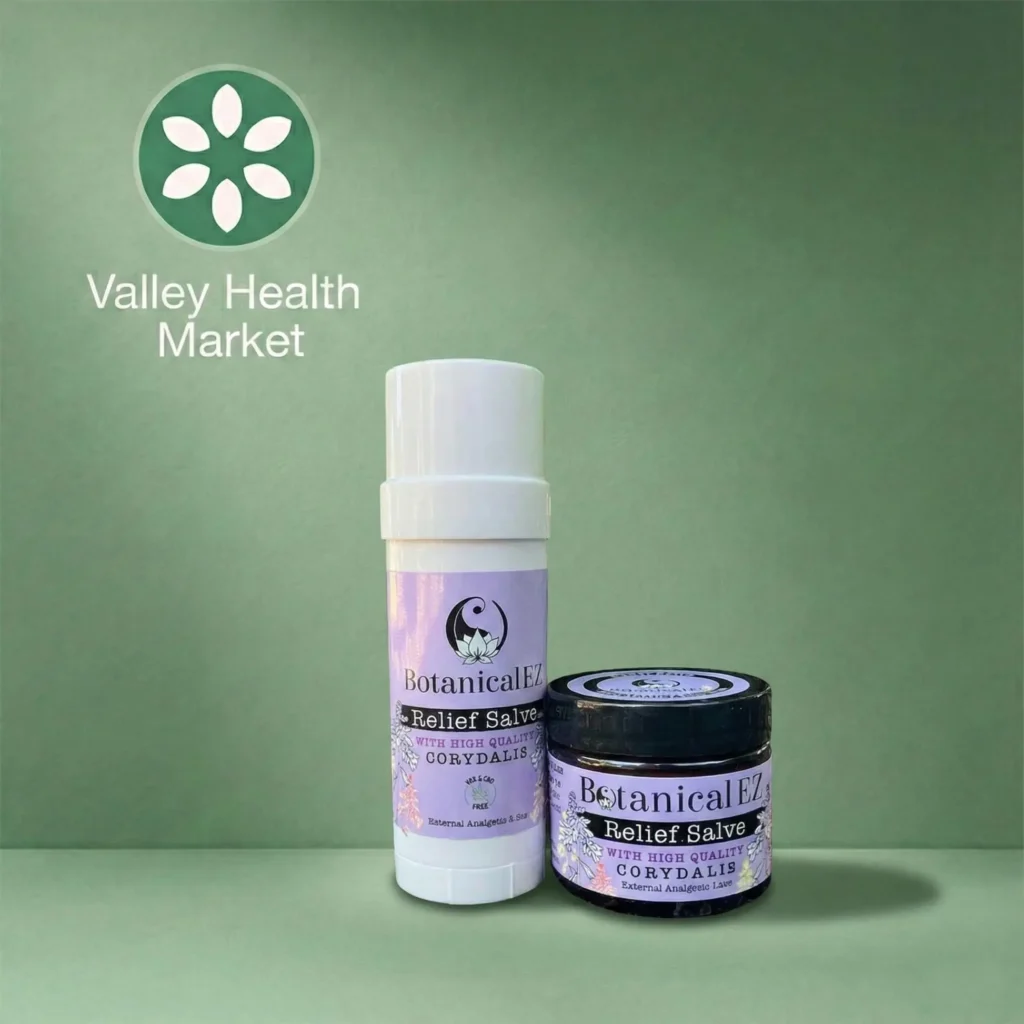
One of the most effective ways to use Corydalis is topically through salves and creams. Corydalis Relief Salve by Botanical EZ combines Corydalis with complementary herbs to provide fast, localized relief without overwhelming sensations or strong odors.
Applied directly over the affected area, Corydalis penetrates the skin barrier and works at the site of pain. A salve stays in contact with skin longer for steady relief. Unlike alcohol-based liniments that evaporate quickly, a salve creates a protective barrier while active compounds absorb into deeper tissues.

Opioids tend to activate dopamine receptors tied to reward and dependence (commonly described as D2 and D4 pathways). Corydalis is described here as supporting pain relief through different dopamine receptor activity (D1, D3, D5) without the same reward-loop activation, which aligns with why traditional use does not show classic addiction patterns.
No, Corydalis will not cause a positive result on a standard drug test. Drug tests look for specific metabolites (opioids, cocaine, amphetamines, etc.). Corydalis contains different alkaloids that are structurally distinct from opiates and are not what standard panels detect.
We’re confident in the quality and usefulness of these products. If you don’t experience the support you’re looking for, let us know.