
Willard Sheppy is a licensed acupuncturist (LAc) and Founder of Valley Health Clinic specializing in using Traditional Chinese Medicine to treat acute injuries and chronic conditions, and to improve sports performance and rehabilitation.
In the clinic, this most often presents as long-standing, one-sided neck tightness on the same side as ear fullness, accompanied by a sense of imbalance rather than true spinning vertigo. Patients frequently report that their dizziness worsens with head movement, posture, prolonged desk work, or stress. Neck pain can also trigger headaches, migraines, and even vestibular or migraine-associated dizziness.
You have a lot of one sided neck pain. Neck-driven dizziness typically feels like the head is “not quite on straight,” off-center, or unstable rather than spinning. It rarely causes the intense rotational vertigo seen in Ménière’s disease. Instead, it creates a sense of disorientation or imbalance that closely tracks neck movement and muscle tension.
Gentle neck care often makes a meaningful difference. Techniques like neck Gua Sha, light manual therapy, and stretching can help reduce cervical tension.
In the clinic, vestibular migraines often present like a migraine with foggy-headedness, motion sensitivity, light and sound sensitivity, and episodic dizziness that may or may not include spinning. Attacks can come on quickly and last anywhere from seconds to days. Some patients have classic migraine headaches, while others have minimal or no head pain at all, which makes diagnosis more difficult.
Compared to Ménière’s disease, vestibular migraine symptoms tend to fluctuate more rapidly and leave patients feeling mentally “off” or visually overwhelmed rather than distinctly vertiginous.
Your hearing is not too bad. Don’t have progressive hearing loss. Tinnitus or ear pressure may occur, but it is usually inconsistent and less pronounced. You may feel foggy-headed, visually overwhelmed, motion-sensitive, or unsteady, especially in busy environments or when moving your head. Light and sound sensitivity are common, and symptoms can come on quickly and last anywhere from minutes to days. If your dizziness feels more neurological than ear-driven, fluctuates rapidly, and leaves you feeling mentally “off” rather than spinning, vestibular migraine may be part of your picture—even if you also carry a Ménière’s diagnosis.
Vestibular migraines often respond best to calming inflammation and sensory overload. Ice caps and warm foot soaks can be especially helpful for reducing head pressure and migraine-related dizziness.

Ancient Wisdom for Modern Balance
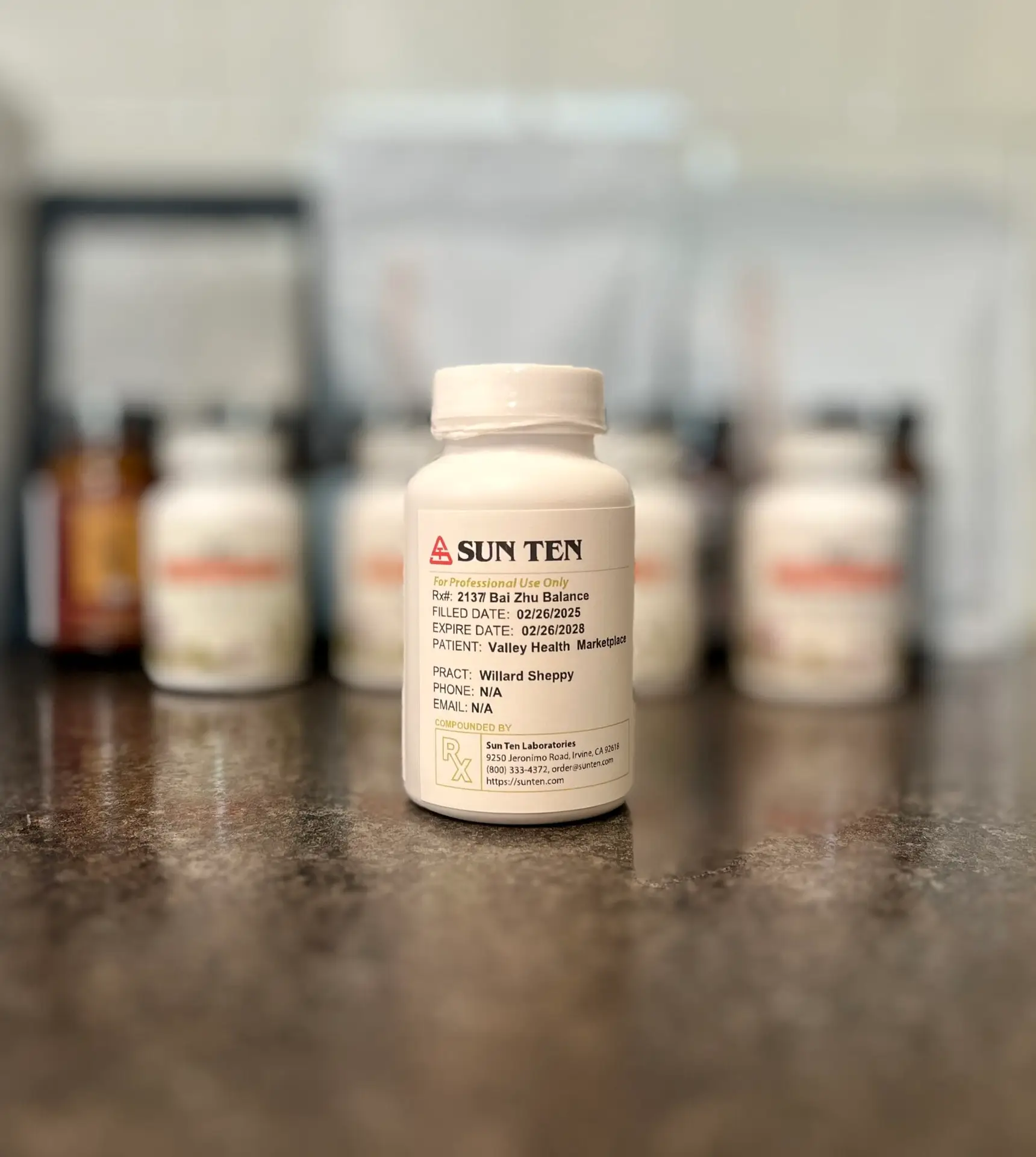
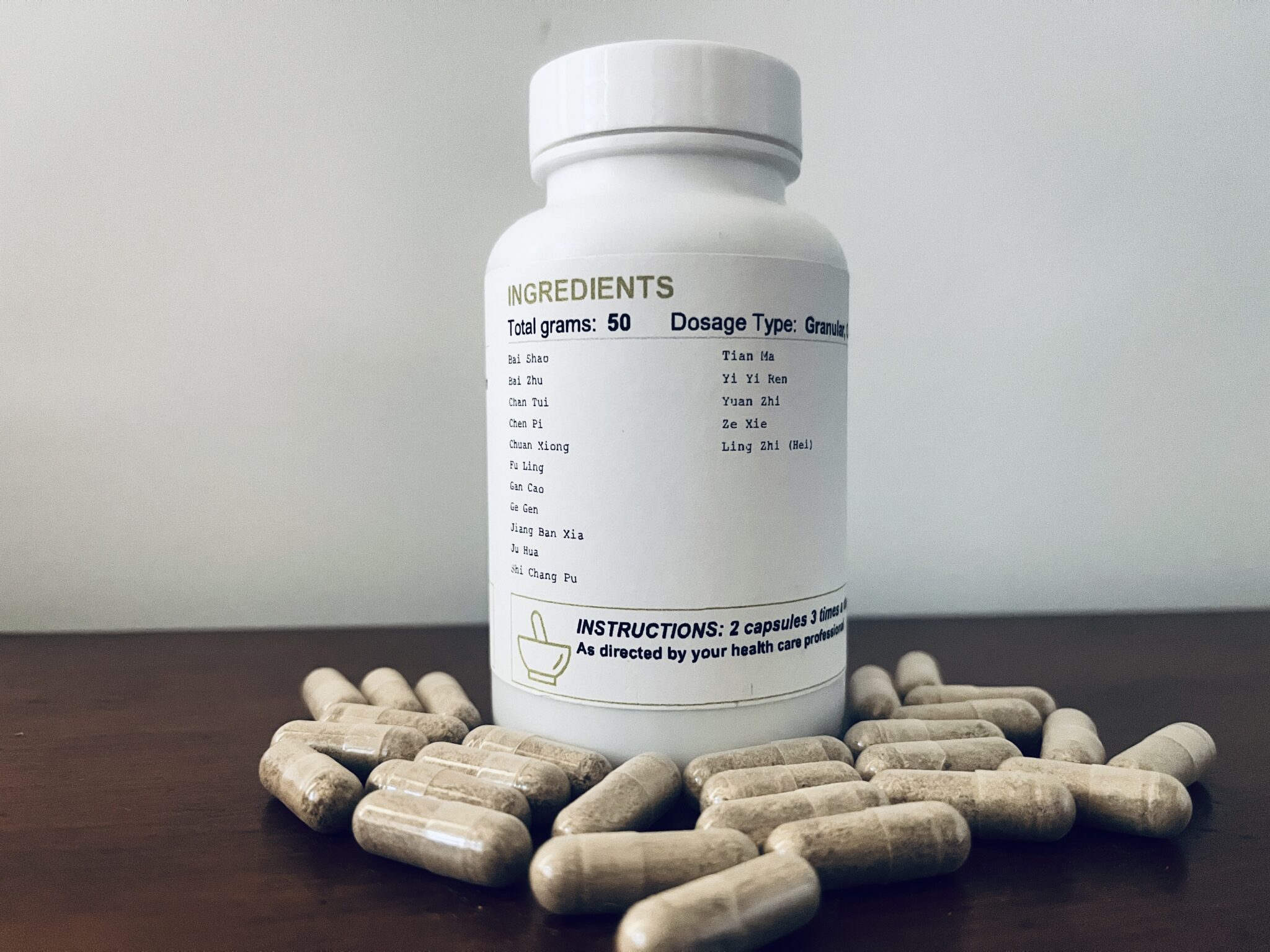
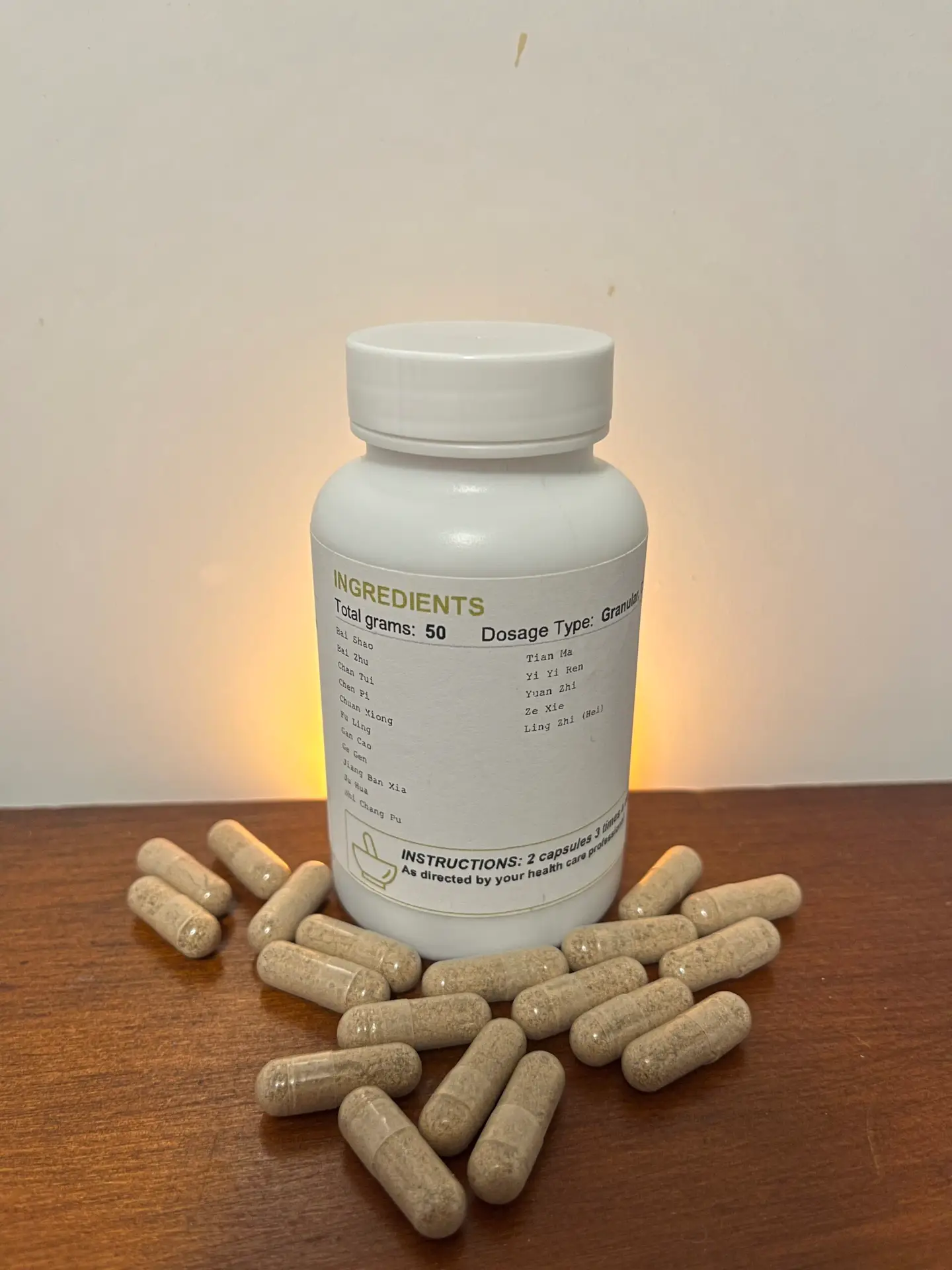
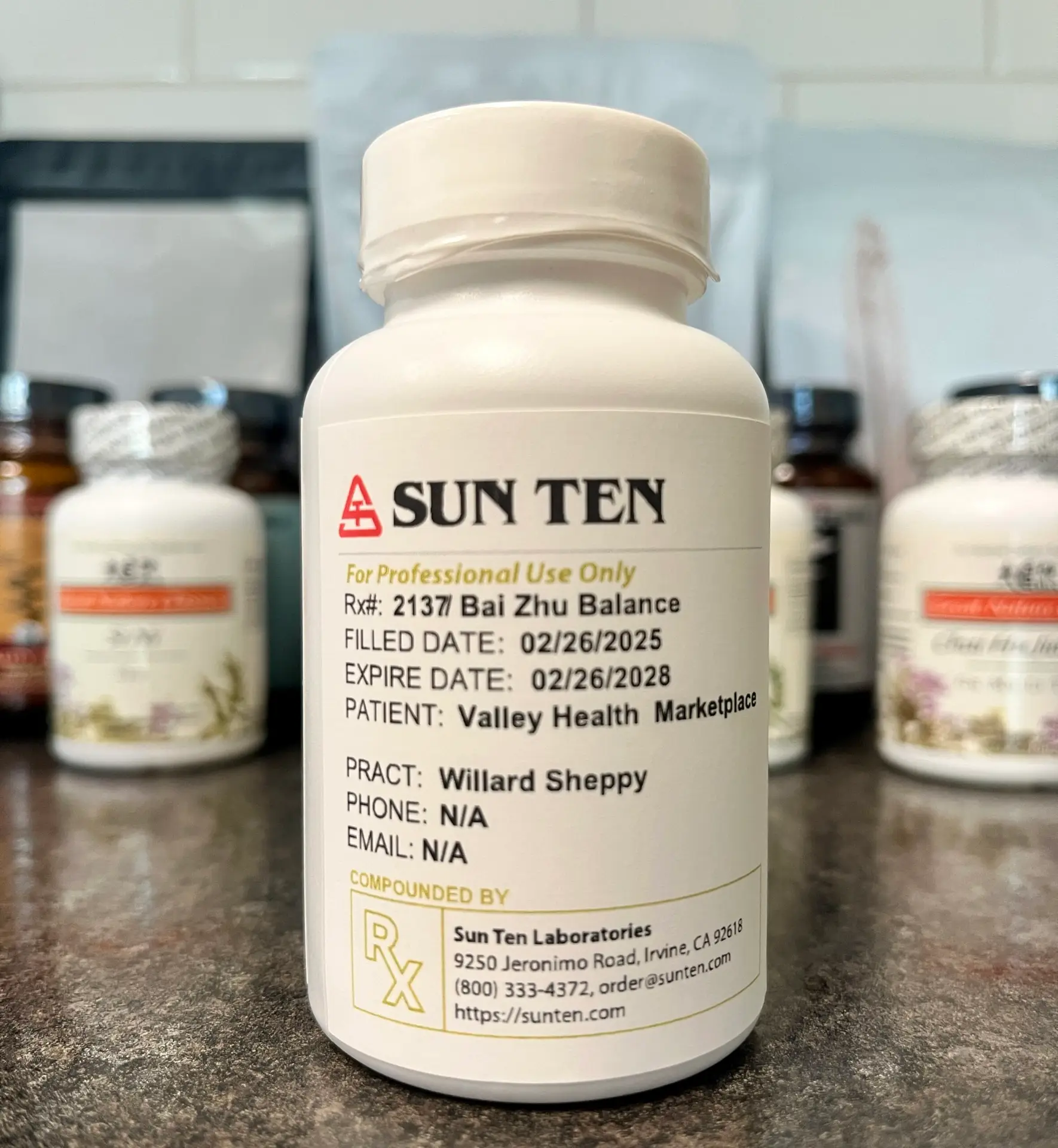
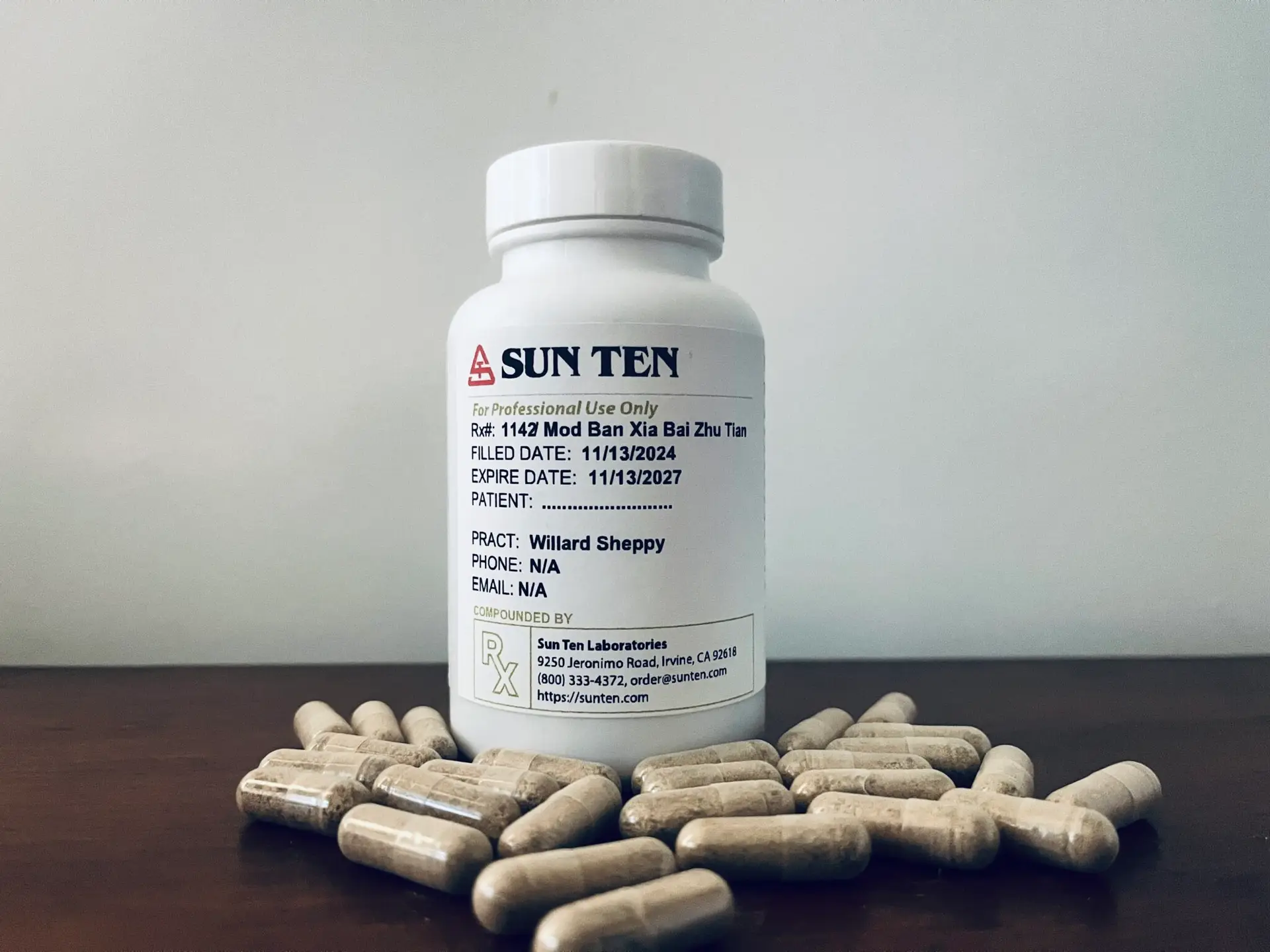
The natural supplement designed to treat Ménière’s disease at its root—relieve vertigo, reduce fluid buildup, calm inflammation, and restore clarity.
Clinically, patients with a strong gut component often report bloating, heaviness after meals, irregular bowel movements, fatigue after eating, or food-triggered dizziness. Tongue coating changes and recurrent ear or sinus infections may also point toward microbiome imbalance. These patients frequently notice improvement in ear symptoms when dietary triggers are addressed.
Your Ménière’s symptoms seem closely tied to digestion, food choices, or how your body feels after meals. People with gut-dominant Ménière’s disease often notice ear pressure, dizziness, or fogginess worsening after eating, especially with certain foods, large meals, or periods of poor digestion. Bloating, heaviness, fatigue after meals, irregular stools, or frequent food sensitivities are common clues.
Supporting digestion and the gut microbiome is foundational. Simple steps like identifying food triggers, eating regular meals, improving fiber intake, and supporting beneficial gut bacteria can lower systemic inflammation and improve fluid regulation.
Condition | Primary Sensation | Hearing Changes | Duration |
Ménière’s Disease | Spinning vertigo + ear pressure | Progressive, fluctuating | Minutes–hours |
Vestibular Migraine | Foggy, floating, motion sensitivity | Less Change | Minutes–days |
Cervicogenic Dizziness | Off-balance, Disconnected | Less Change | Variable |
Anxiety-related Dizziness | Light-headed, Sweating | None | Variable |