

Ao Yi Tea

A Better Pain Option

Ao Yi Tea is a Tibetan-Chinese herbal pain tea crafted from some of the most studied and clinically trusted botanicals for natural pain support.

If you’re one of the millions of people who can’t take over-the-counter pain relievers like ibuprofen, aspirin, or naproxen, due to stomach sensitivity or blood-thinner

Ao Yi Tea offers a powerful, natural alternative.

AO YI Tea Overview

Explore Ao Yi Tea a traditional Tibetan Chinese herbal pain tea created for people who want pain relief but can’t or don’t want to rely on over-the-counter pain medications.

Here is what you’ll learn 

Why I Went Looking for a Better Pain Option

Why I began searching for a safer, natural alternative to pain meds

AO YI Tea Ingredients

A brief look at the three traditional botanicals in Ao Yi Tea

Who Is AO YI Tea For?

Who benefits most from Ao Yi Tea. Can it help you?

How To Make AO YI Tea?

How to prepare Ao Yi Tea properly for best results

FAQ

Quick answers to the most common questions about use, dosing, storage, and safety.

Why I Went Looking for a Better Pain Option

Click the video to see what I discovered about AO YI Tea

Millions of people deal with pain every day but can’t rely on ibuprofen, aspirin, or other OTC meds because of stomach issues, blood thinners, or side effects.

I kept seeing this problem in my clinic, so I started looking for a safer, natural option that actually works. What I found surprised me and it might help you too.

AO YI Tea Ingredients

Ao Yi Tea is made from three powerful, clinic-grade botanicals traditionally used in Tibetan and Chinese medicine for natural pain relief.

  •  Lamiophlomis Herba (Du Yi Wei)
  • Corydalis Rhizoma (Yan Hu Suo)
  • Radix Angelicae Dahuricae (Bai Zhi)
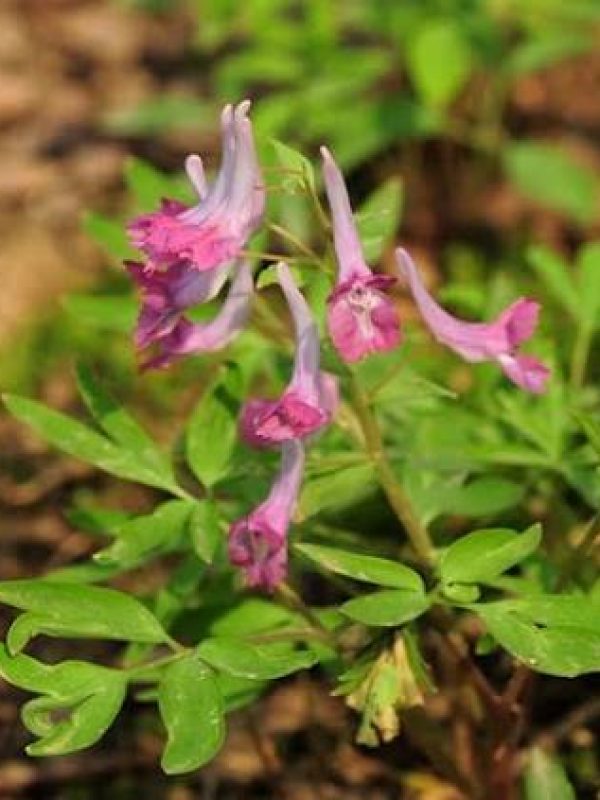
Corydalis Flower

Corydalis Rhizoma

an Hu Suo is one of the most researched pain-relief herbs in Chinese medicine, containing over 80 naturally occurring alkaloids. It has a long history of clinical use and growing scientific interest for its ability to support pain modulation through natural pathways. In traditional terms, it reduces pain by moving blood and qi—addressing stagnation, a common root of discomfort.

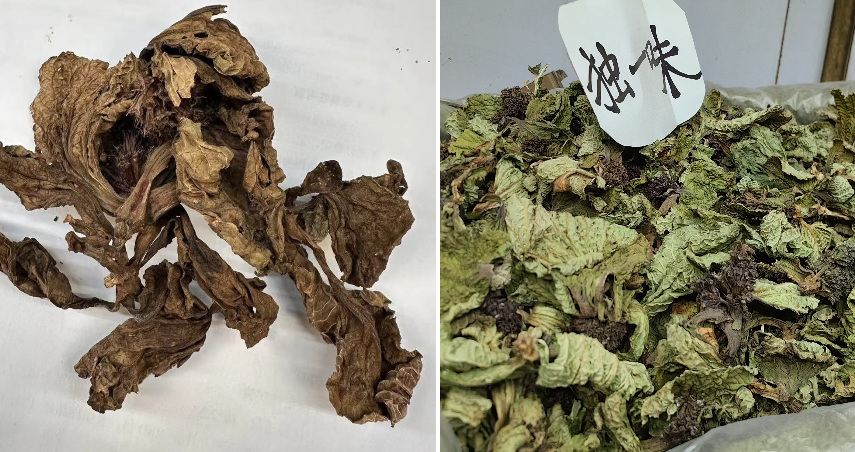
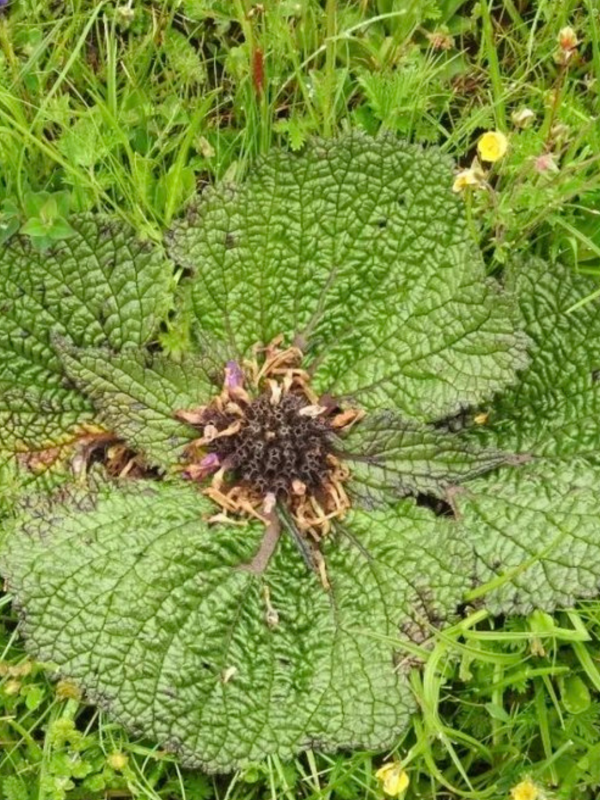
Du Yi Wei

Lamiophlomis Herba

Du Yi Wei is revered in Tibetan medicine for its deep, penetrating pain-relieving effects. Traditionally used for trauma, joint pain, and stubborn, cold or damp pain patterns, it works by strongly moving blood and clearing stagnation in muscles and joints. Ethically harvested by an ethnobotanical team working directly with Tibetan communities

IMG_3992

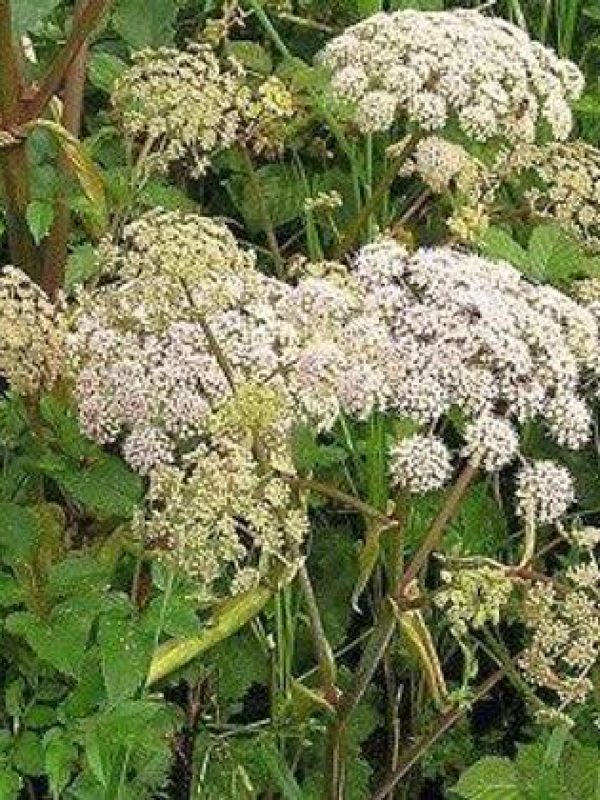
Radix Angelicae Dahuricae

Bai Zhi works closer to the surface, helping release tension in the head, face, neck, and shoulders. Traditionally used to open the channels and disperse damp-cold patterns, it complements deeper-acting herbs by lifting and spreading their effects outward. This creates balance in the formula some herbs work deep, others help the body release supporting more complete, whole-body relief.

Who Is AO YI Tea For?

Ao Yi Tea is a warming, blood-moving herbal tea designed for people whose pain is closely tied to tension, stress, cold, or stagnation. By supporting circulation and helping the body relax, it provides gentle yet effective relief for cramping, tightness, and stress-related discomfort—while also promoting an overall sense of calm and ease.

How To Make AO YI Tea?

The preparation instructions on the bag are meant as a general guide

I don’t think a quick teabag-in-a-cup method does this formula justice. One of the primary ingredients is a root, which traditionally benefits from a longer decoction.

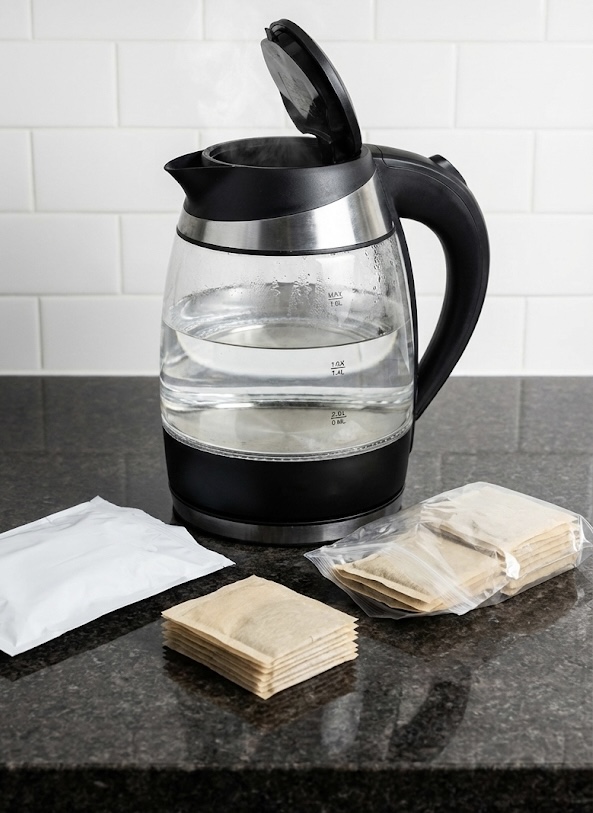
I recommend gently boiling the tea in a kettle or on the stove for a longer extraction. 

  • 1 teabag for 0.5 liters of water,
  • 2 teabags for 1 liter, 
  • 3 teabags for 1.5 liters
Hot water pot with Ao Yi Tea

I brew it in the morning and transfer it to a thermos to sip throughout the day.

Most people do well with 3–4 cups daily. It doesn’t need to be hot, but it’s best enjoyed warm or at room temperature—avoid drinking it cold.

AO YI Tea FAQ

Ao Yi Tea is enjoyed as a tea, but it is also a traditional herbal medicine. While it is made from safe, food-grade botanicals and prepared like a beverage, the herbs in this formula are selected for their therapeutic actions and have been used clinically for centuries. This means AoYi Tea is gentle enough for regular use, yet powerful enough to be respected as real medicine rather than a casual drink.

Ao Yi Tea is a warming, blood-moving herbal tea traditionally used to support the body during pain caused by tension, stress, cold, or stagnation. Many people use it for menstrual cramps, stomach cramps, and overall body tightness.

Ao Yi Tea is easy on the stomach and is often chosen by people looking for a natural option when they can’t tolerate OTC pain medications like ibuprofen or aspirin. 

Research shows that Du Yi Wei (Lamiophlomis Herba) has strong anti-inflammatory effects driven by key compounds such as cycloenol ether terpenoids, flavonoids, and phenylethanol glycosides. Clinical and experimental studies indicate it can significantly reduce inflammatory markers like TNF-α, IL-8, and PCT, improve recovery after trauma, and decrease swelling and effusion. Its anti-inflammatory activity appears strongest when these compounds work together in specific ratios, supporting the idea that Du Yi Wei’s whole-herb synergy is central to its effectiveness.

Yan Hu Suo (Corydalis Rhizoma) contains dehydrocorydaline (DHC), the most abundant of its many alkaloids, which has demonstrated both anti-inflammatory and pain-relieving effects in animal studies. DHC has been shown to reduce pain in multiple inflammatory pain models without impairing motor function. Research also suggests its analgesic effects may involve opioid-related pathways and modulation of immune cells in the spinal cord, including shifting microglial activity toward a less inflammatory state—highlighting its potential role in managing complex and severe pain patterns.

Bai Zhi (Angelica dahurica) has been widely studied for inflammation-related conditions. Extracts of the root have been shown to suppress inflammatory signaling pathways, reduce pro-inflammatory cytokines, and inhibit mediators such as NF-κB, COX-2, and iNOS. Animal studies further demonstrate its ability to reduce swelling, tissue inflammation, and allergic-type immune responses, supporting its traditional use for surface-level pain, tension, and inflammatory discomfort.

Ao Yi Tea does not need to be hot, but it should not be consumed cold.  Drinking Warm or room-temperature tea is so much better for digestion and over all health. Drink Tea preferred. 

Don’t drink cold water 🙂 

Most people drink 3–4 cups per day, sipped throughout the day. Many users prepare it in the morning and keep it warm in a thermos.

Yes. Ao Yi Tea is commonly used for menstrual cramps and stomach discomfort, especially when symptoms feel better with warmth.

No. Ao Yi Tea is naturally caffeine-free and contains no additives, preservatives, or artificial ingredients.  

But some people find they do have an increase in energy when drinking the tea. 

Store Ao Yi Tea in a cool, dry place away from direct sunlight. Because it contains no preservatives, keep it sealed and refrigerate after opening. For best quality, use within one month after opening.

Try AO YI Tea for yourself

Now that you understand how AoYi Tea works and who it’s for, the next step is simple.

About the Author

Author Willard Sheppy Exporing the Coast

Willard Sheppy is a writer and healthcare practitioner who seamlessly melds scientific knowledge with practical applications in engaging and authoritative articles. He holds a Bachelor of Science in Environmental Science from Oregon State University and a Master’s in Acupuncture and Oriental Medicine from the distinguished Oregon College of Oriental Medicine.

In his work, Willard skillfully combines his extensive educational background in scientific research with his practical experience as a healthcare practitioner. Willard balances his life with martial arts and cherished family adventures. As a father of three, he often leads his family on camping and hiking trips along the breathtaking Oregon coast.

Connect with Willard on LinkedIn at linkedin.com/in/valleyhealthclinic or learn more about his services at valleyhealthclinic.com. Embark on this journey towards holistic health with Willard!